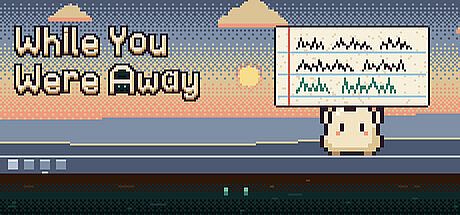




While You Were Away is an indie casual simulation game for PC in which a small critter named Nib occupies a corner of the taskbar and runs an idle digging game called Down Below while the player works or steps away. The experience centers on setting a simple plan for Nib, occasionally tapping to dig, and returning to read detailed reports that track progress, discoveries, and small events. Over time the reports evolve from straightforward summaries into something more layered, reflecting both the game's internal systems and the player's real-world absences.
Gameplay
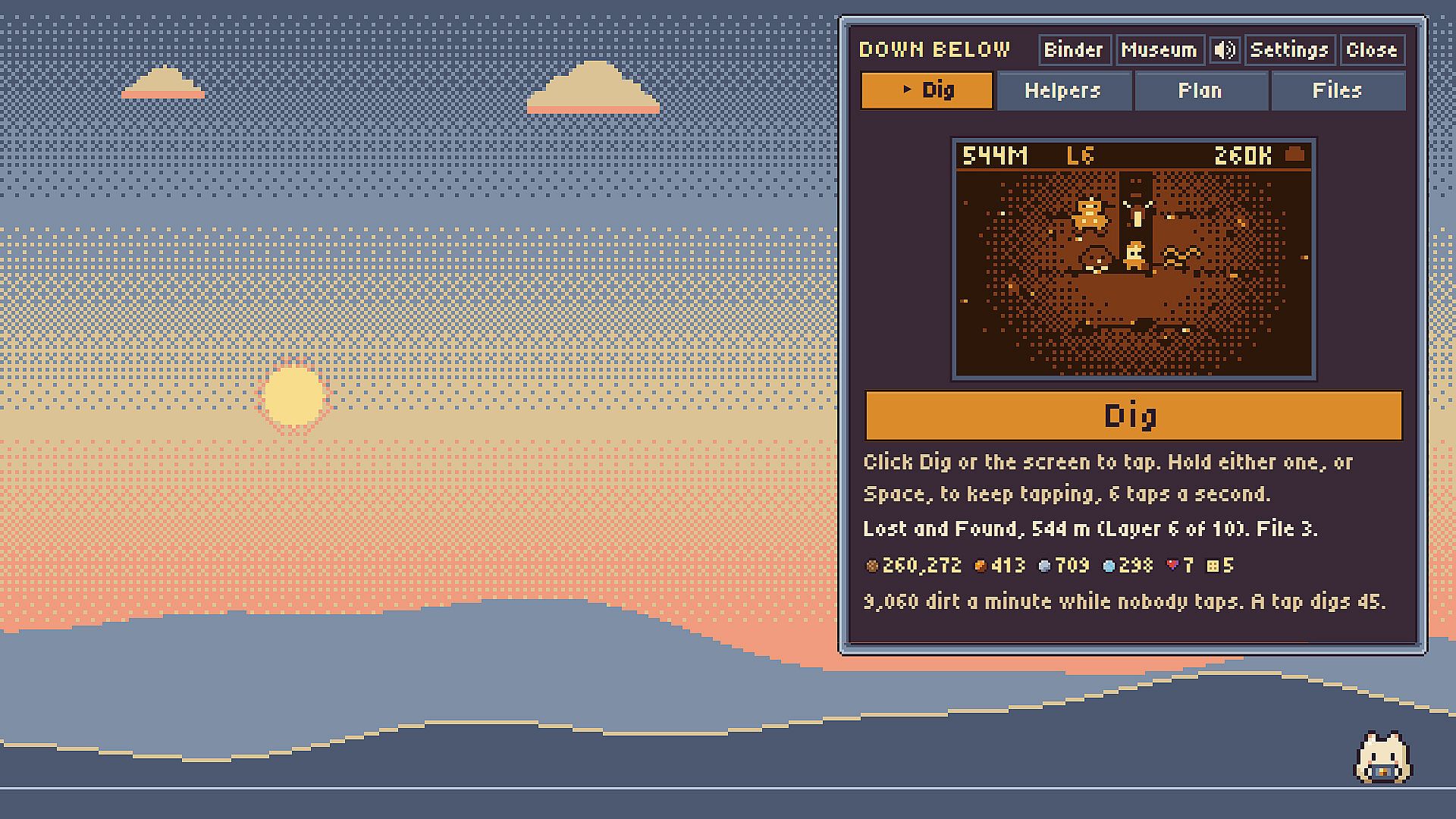
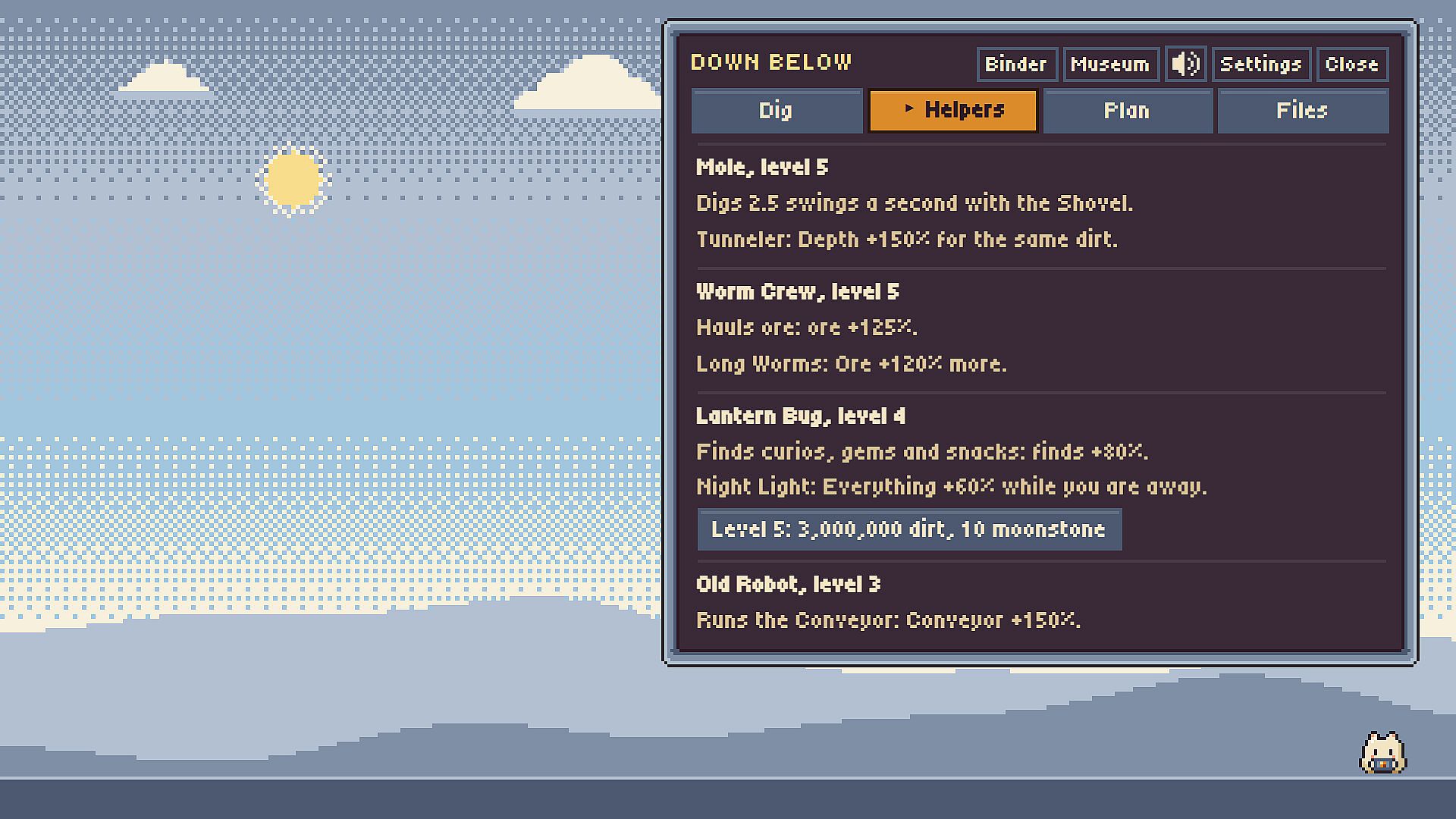
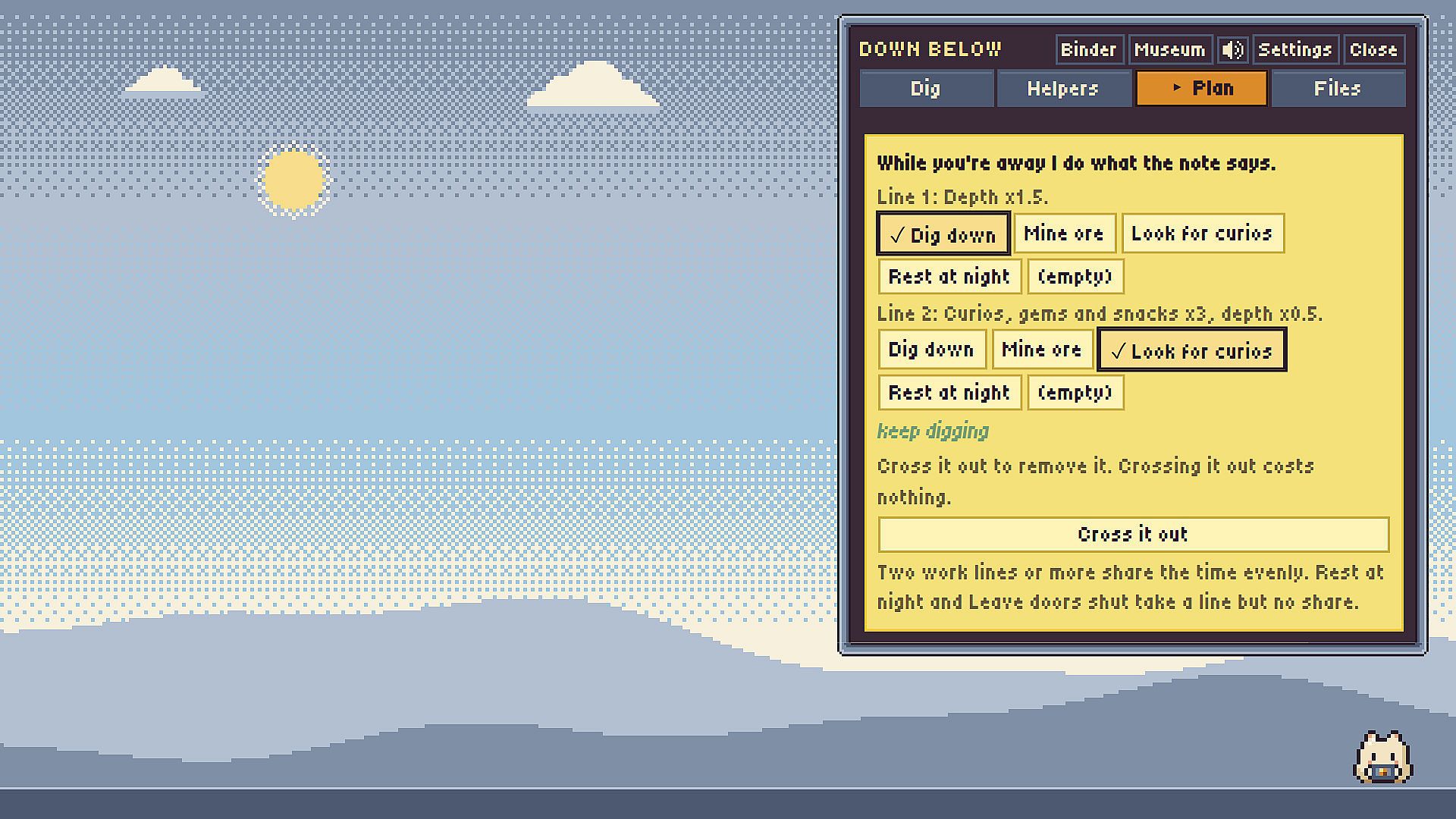
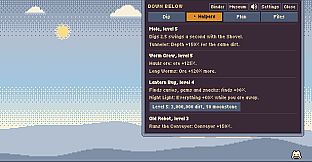
The core loop revolves around the handheld device known as the Pocket, where Nib digs through layers of earth in Down Below. Players choose a plan of up to three lines that dictates Nib's actions during idle periods, then tap to dig when they choose. Ten layers reach down to 1,000 meters, supported by 18 tool upgrades across five lines and four helpers: a Mole, a Worm Crew, a Lantern Bug, and an Old Robot. Each helper offers two upgrade paths once it reaches level three. Progress continues automatically while the player is away, and returning triggers a report built from actual elapsed time and actions taken.
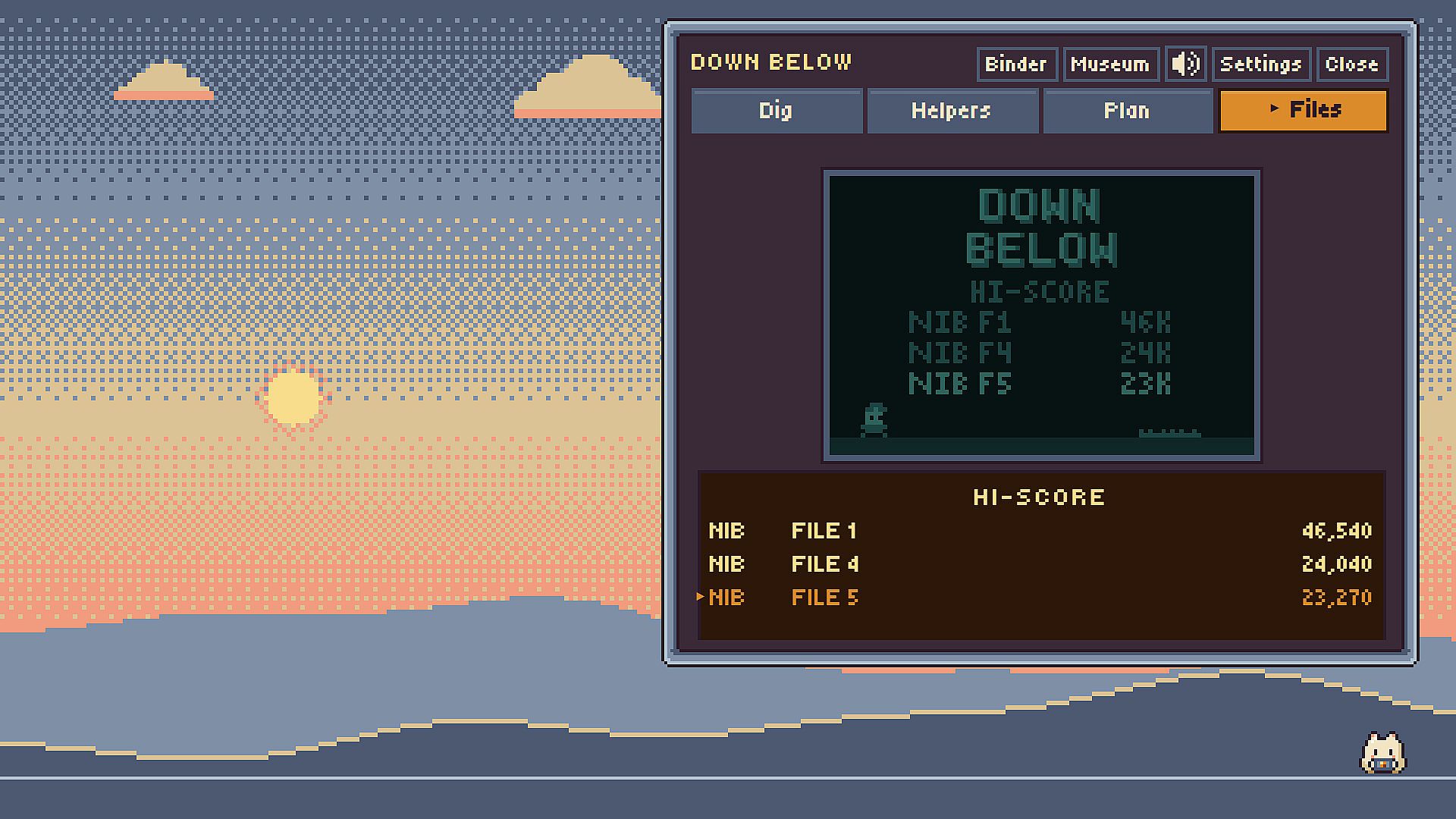
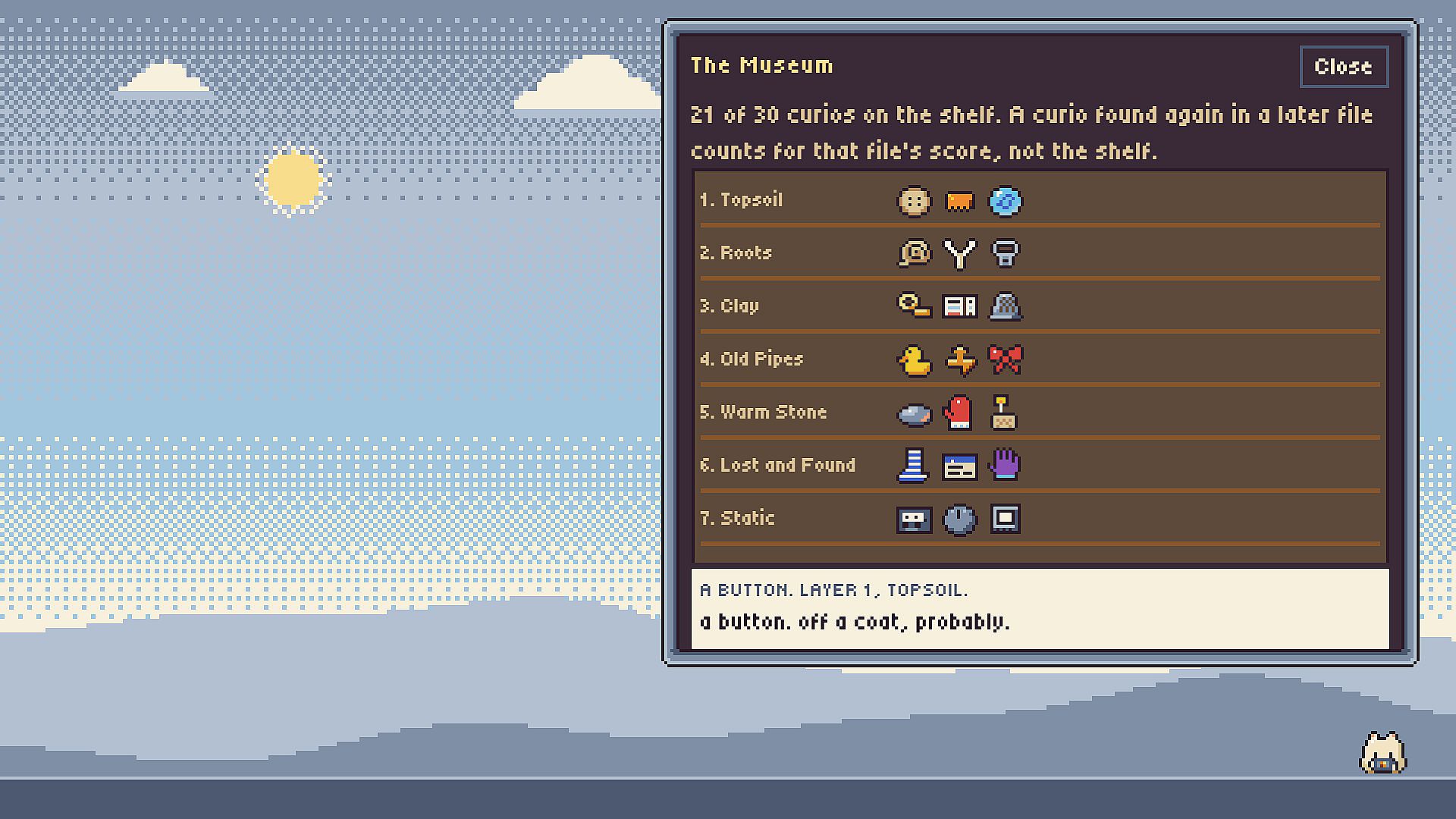
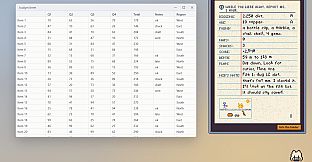
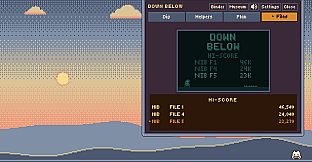
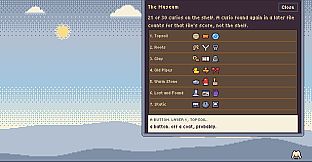
From 300 meters onward, players can start a New File that awards Stars. These Stars purchase six permanent upgrades that carry across files. Every layer includes a par time; clearing it faster doubles the score, and completed files appear on a high-score table. Thirty curios collected from the layers can be placed on the Museum shelf, each accompanied by a note from Nib. The entire system runs locally with no internet requirement, no energy systems, and no premium currency.
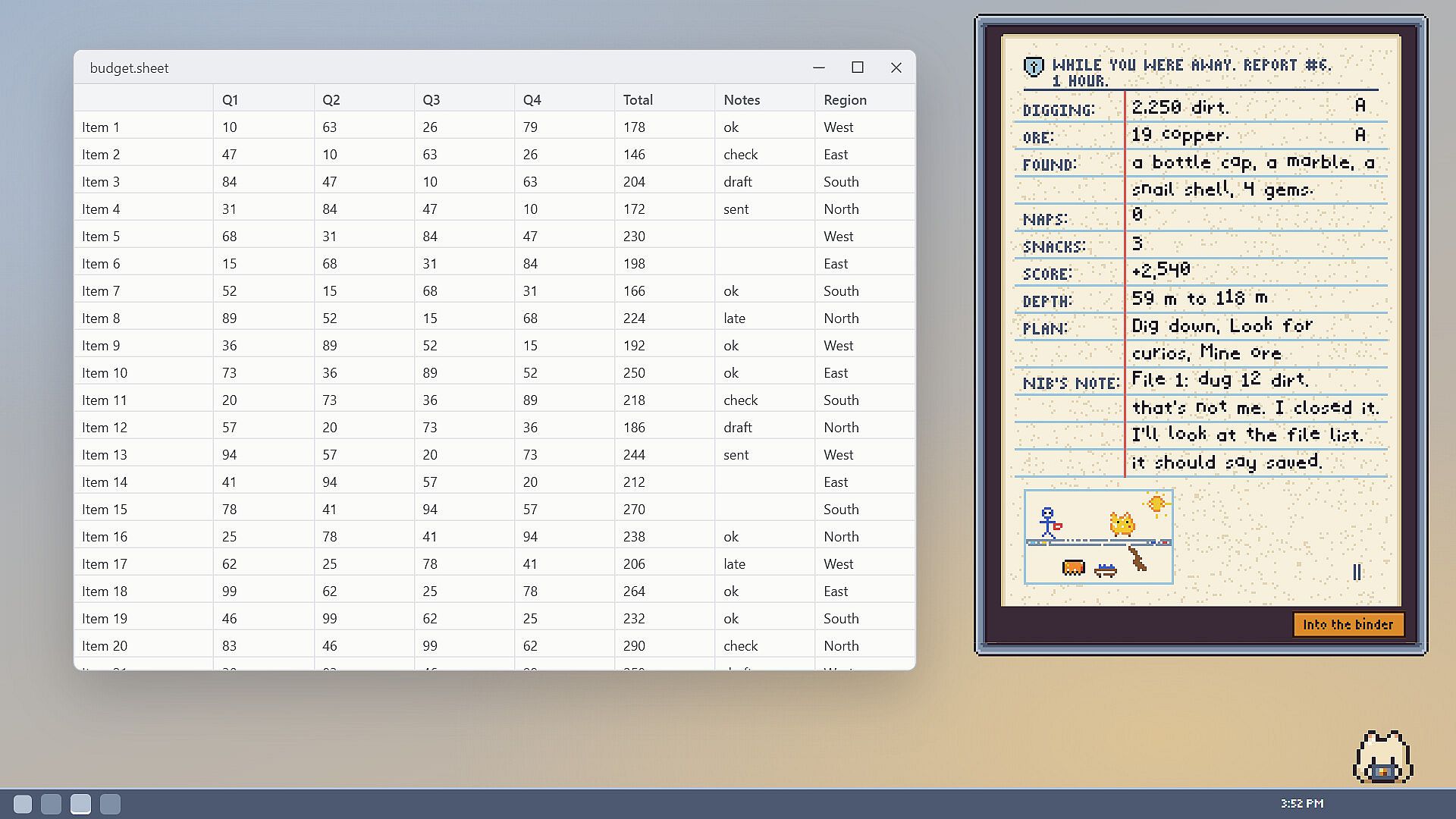
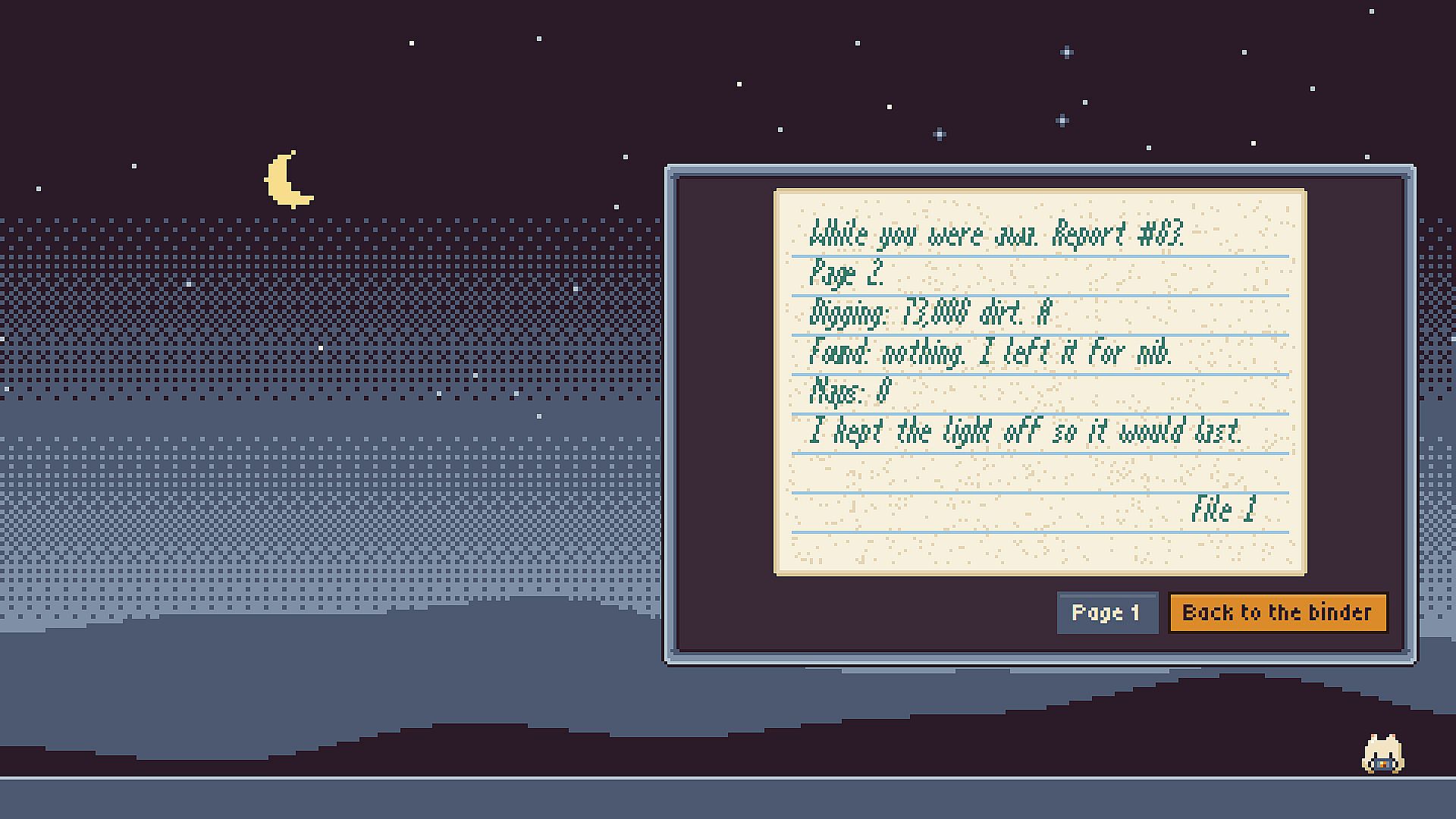
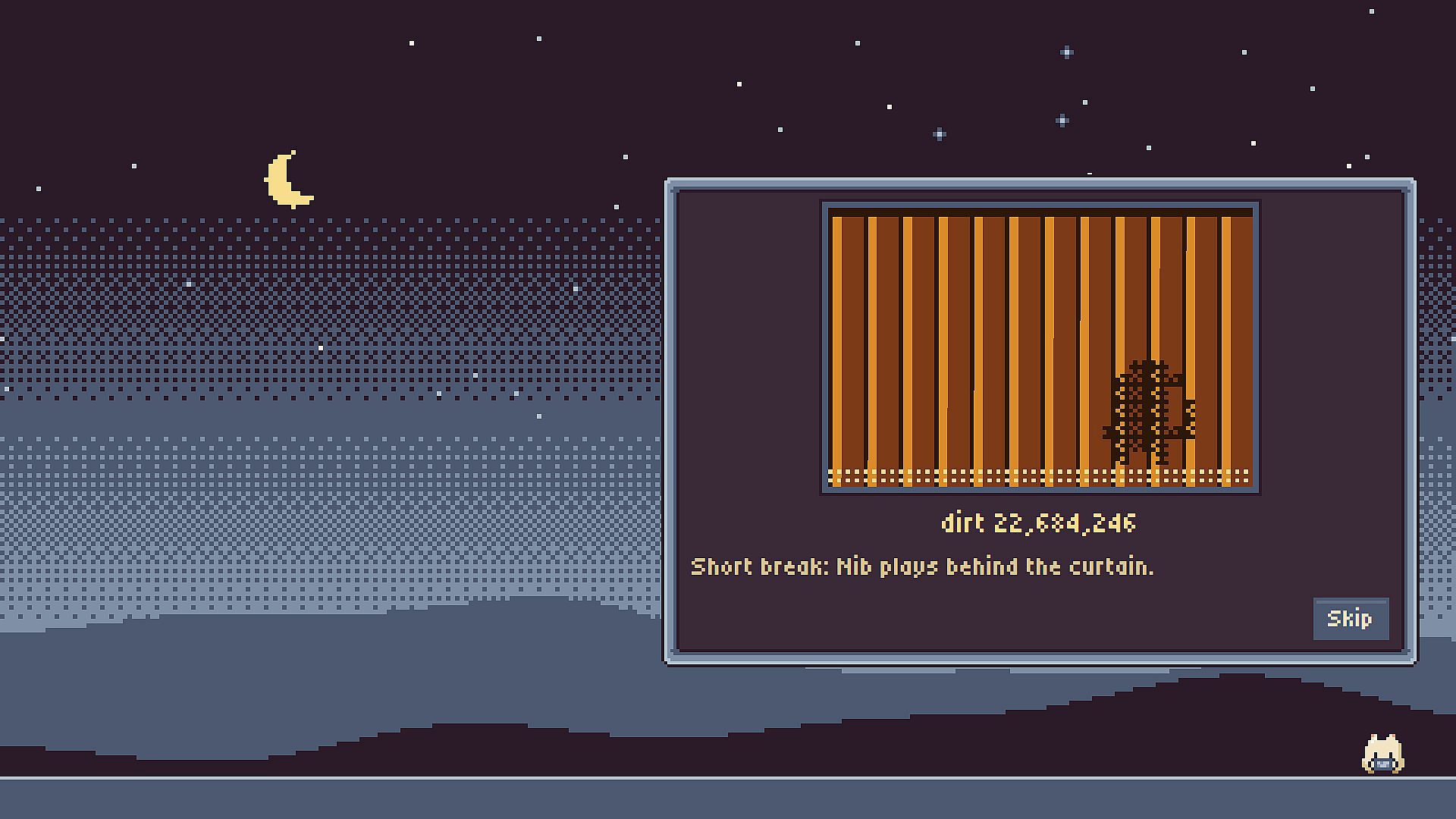
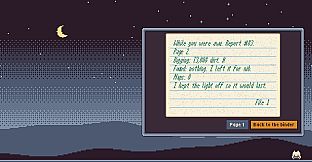
Reports form the main point of interaction upon return. Short breaks produce sticky notes, while absences of thirty minutes or longer generate report cards with grades, a crayon drawing of the player, numbered entries, and tally marks that count returns. All reports are stored in a binder for later review. The game reads only the timestamp of the last input to detect absences and never accesses other files, settings, or hardware.
Game Modes
Down Below serves as the central idle simulation, with its layered digging, tool upgrades, and helper system forming the mechanical backbone. The Plan system lets players direct Nib's behavior during offline periods. New File mode introduces Stars and permanent upgrades, encouraging repeated runs with improved tools. Keeper mode allows Nib to continue digging indefinitely after the story concludes, while New Story resets the narrative for another playthrough.
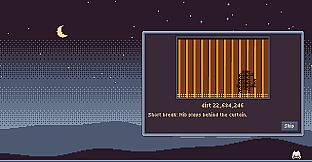
Additional options support different play styles. A streaming setting compresses the full story into roughly three hours by simulating short breaks, long breaks, or an entire night in accelerated time-lapse sequences. Streamer mode replaces the player's name with "Friend" and adjusts report timing text for live viewers. Windowed mode provides a chroma-green background for capture software. These features exist alongside standard accessibility settings such as text scaling, color palettes, contrast levels, reduced motion, and partial controller support.
Story and Presentation
The narrative unfolds exclusively through the reports across twenty beats divided into four acts. Progression ties directly to real player absences and overnight periods, so the story advances at the pace of actual desktop use. In simulated pacing, frequent check-ins reach the conclusion around day eleven, while less frequent sessions extend to day twelve. Four endings exist, and the final choice can be revisited without restarting the game. Three endings resolve quickly; one requires an extended absence.
Visual and audio design stays minimal and unobtrusive. Nib appears in a small 48-pixel-tall window on a 1080p screen by default, with clicks passing through empty pixels to the desktop. The sprite redraws roughly once per second during activity and remains static otherwise. All sounds stay below a consistent volume ceiling, ambience begins muted, and a single click mutes everything. The game hides during fullscreen applications and never initiates at startup.
Is It Worth Playing?
While You Were Away suits players who enjoy passive idle mechanics paired with a slow-burn narrative delivered through routine returns to the desktop. Its single purchase model, complete absence of advertisements or in-app purchases, and strict privacy boundaries set it apart from many idle titles. The combination of tangible digging upgrades, helper progression, and report-based storytelling creates a distinctive loop that rewards consistent but low-effort engagement over days or weeks. Those seeking a quiet, self-contained experience that integrates into daily computer use without demanding constant attention will find its approach distinctive. Accessibility options and multiple endings further support repeated visits without requiring a full restart.