







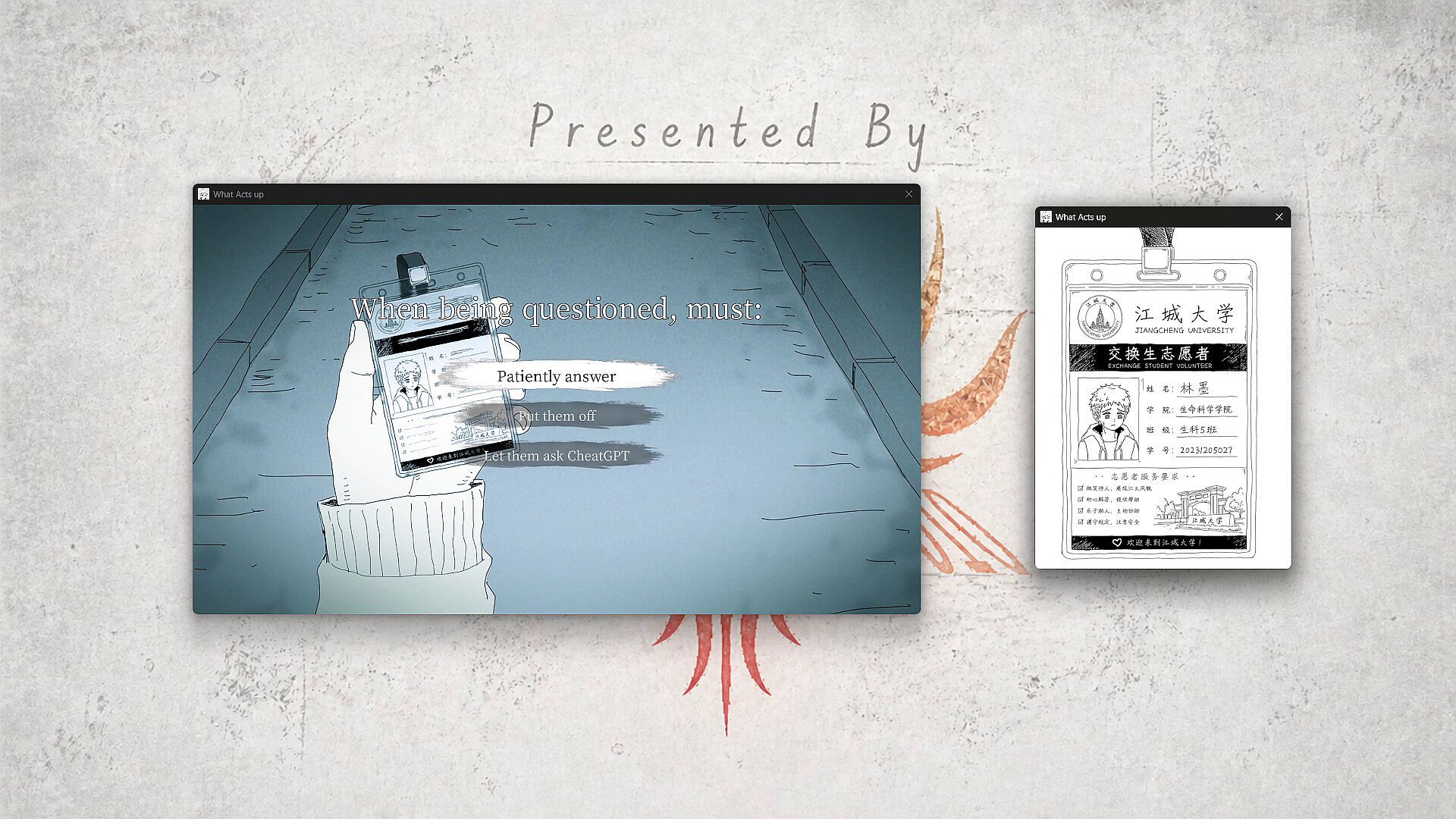



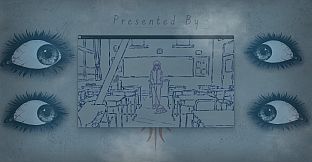
What Acts up is an indie adventure game set on a modern university campus. Players follow Lin Mo, a young man who prefers solitude and has long steered clear of social situations. His routine shifts when he joins a volunteer program for exchange students, pulling him into conversations and interactions he would rather avoid. The experience unfolds through fragmented scenes that blend past and present, imagination and reality, without relying on extended exposition.
Gameplay
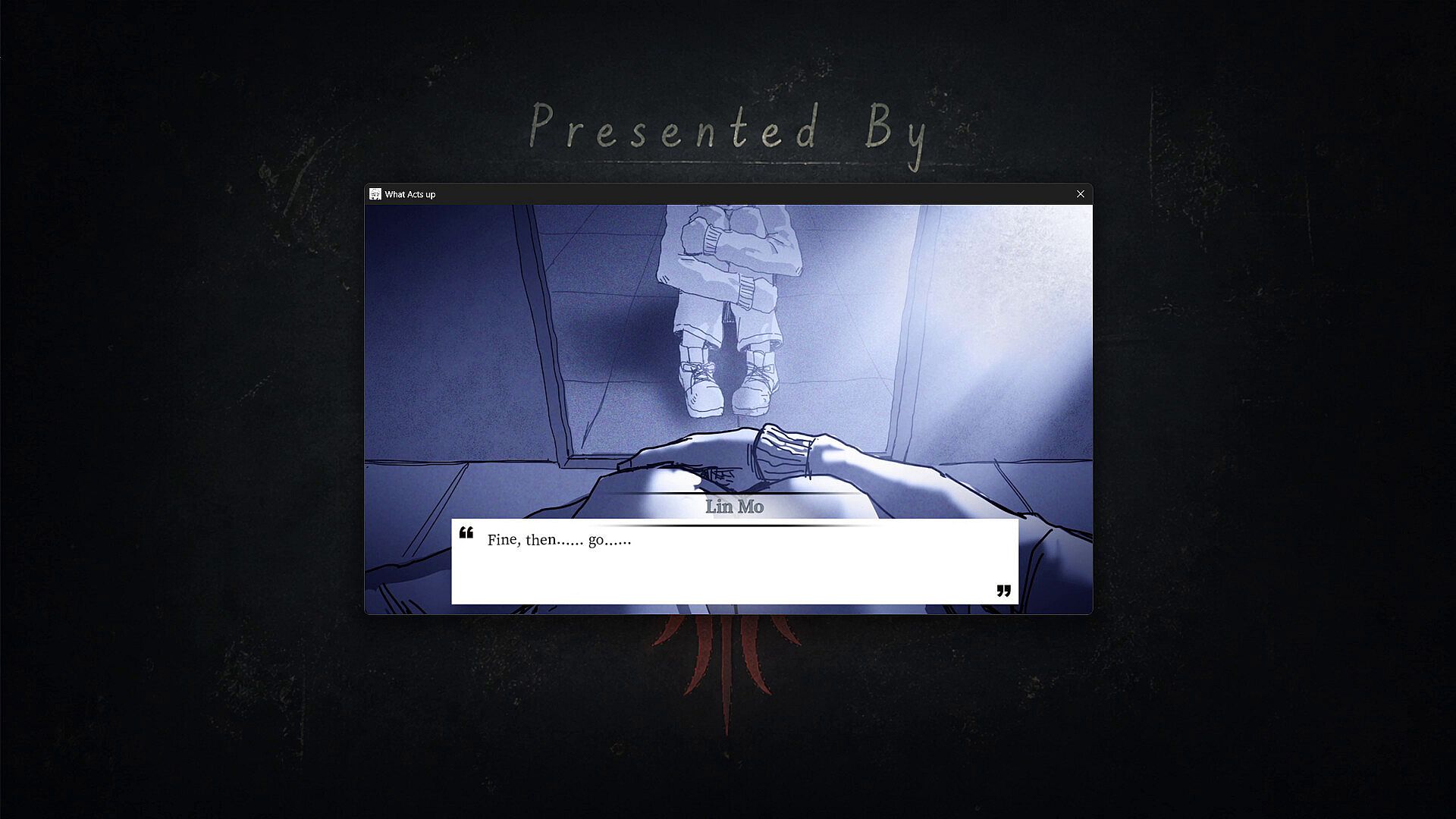
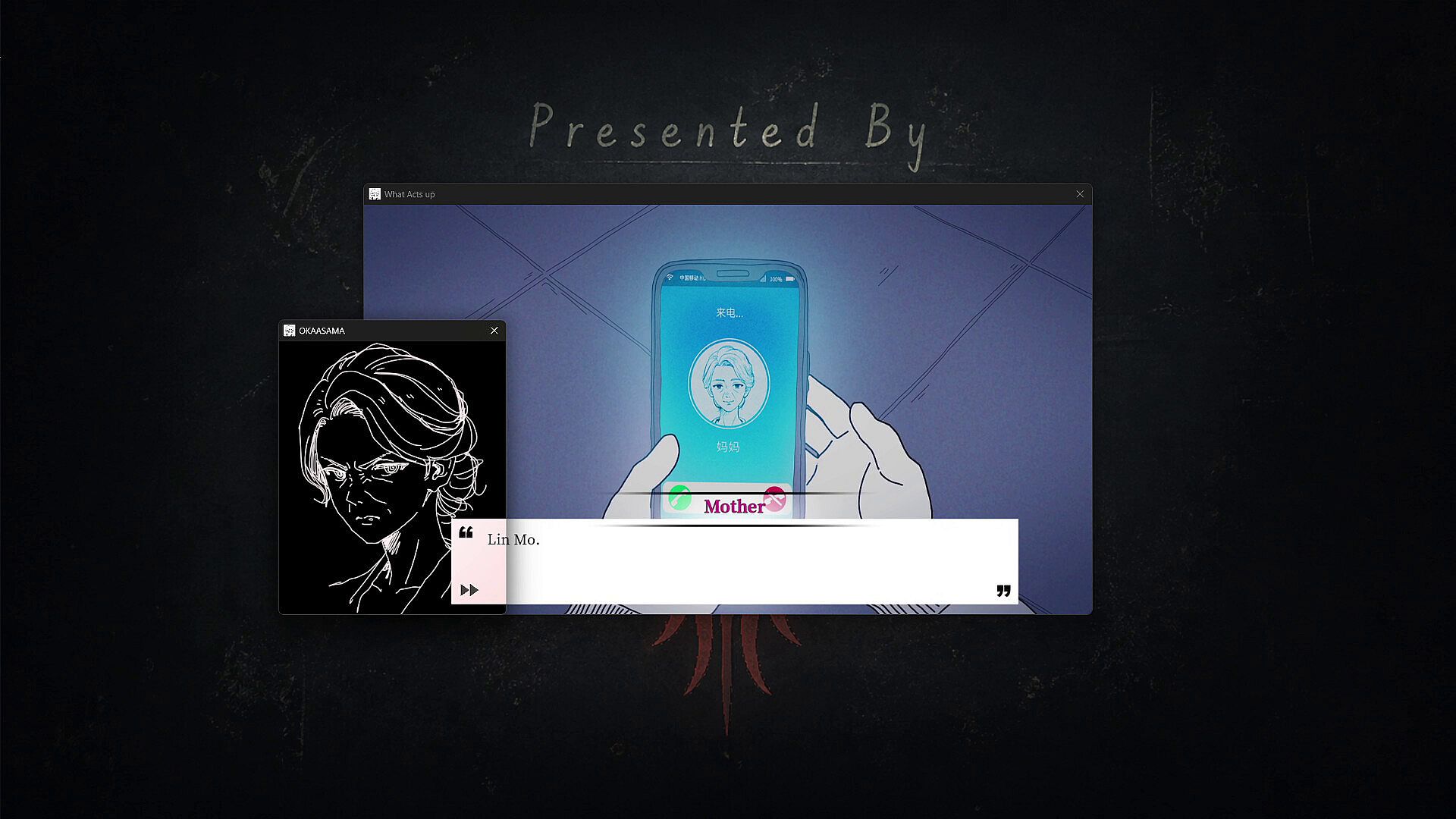
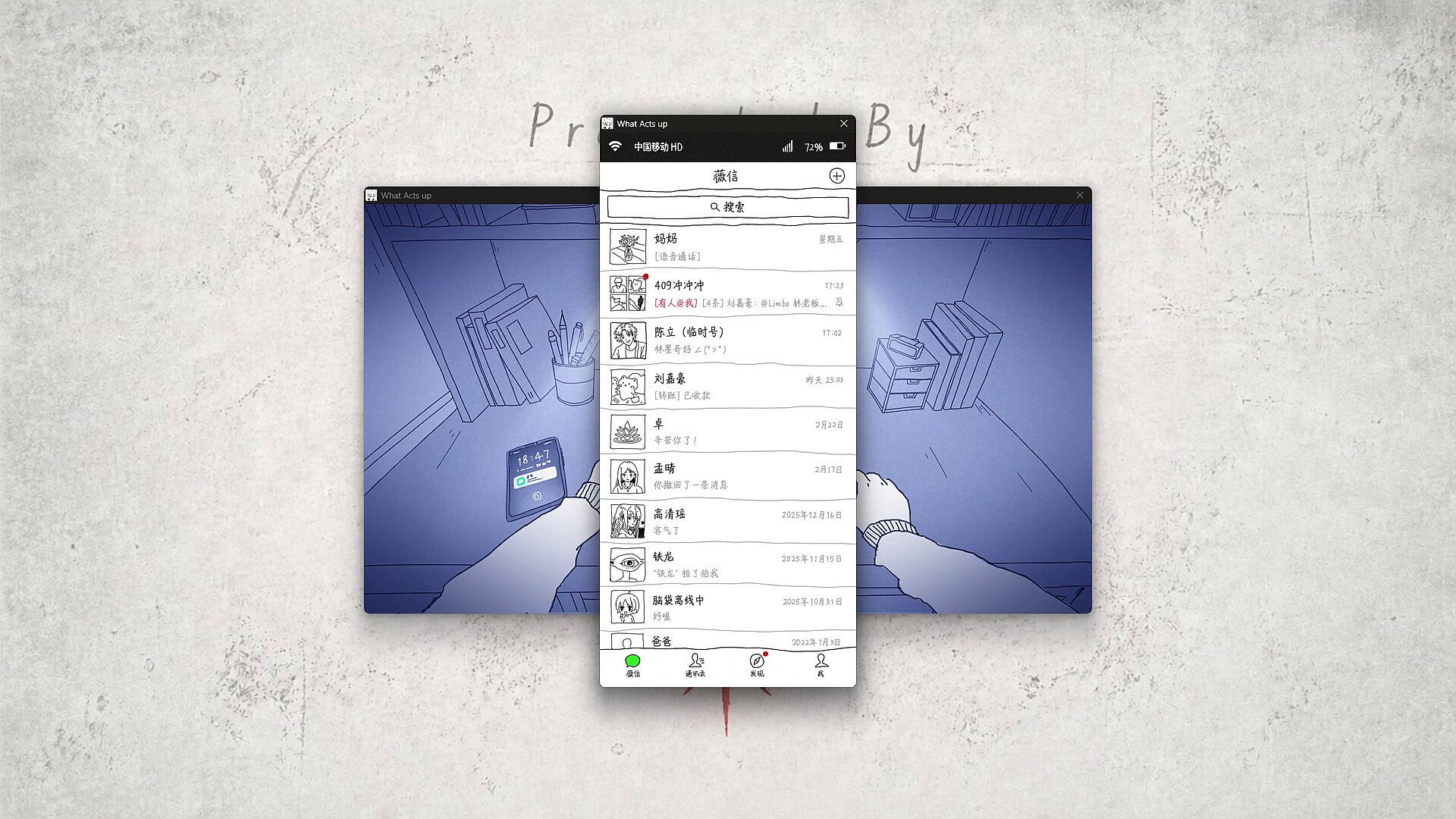
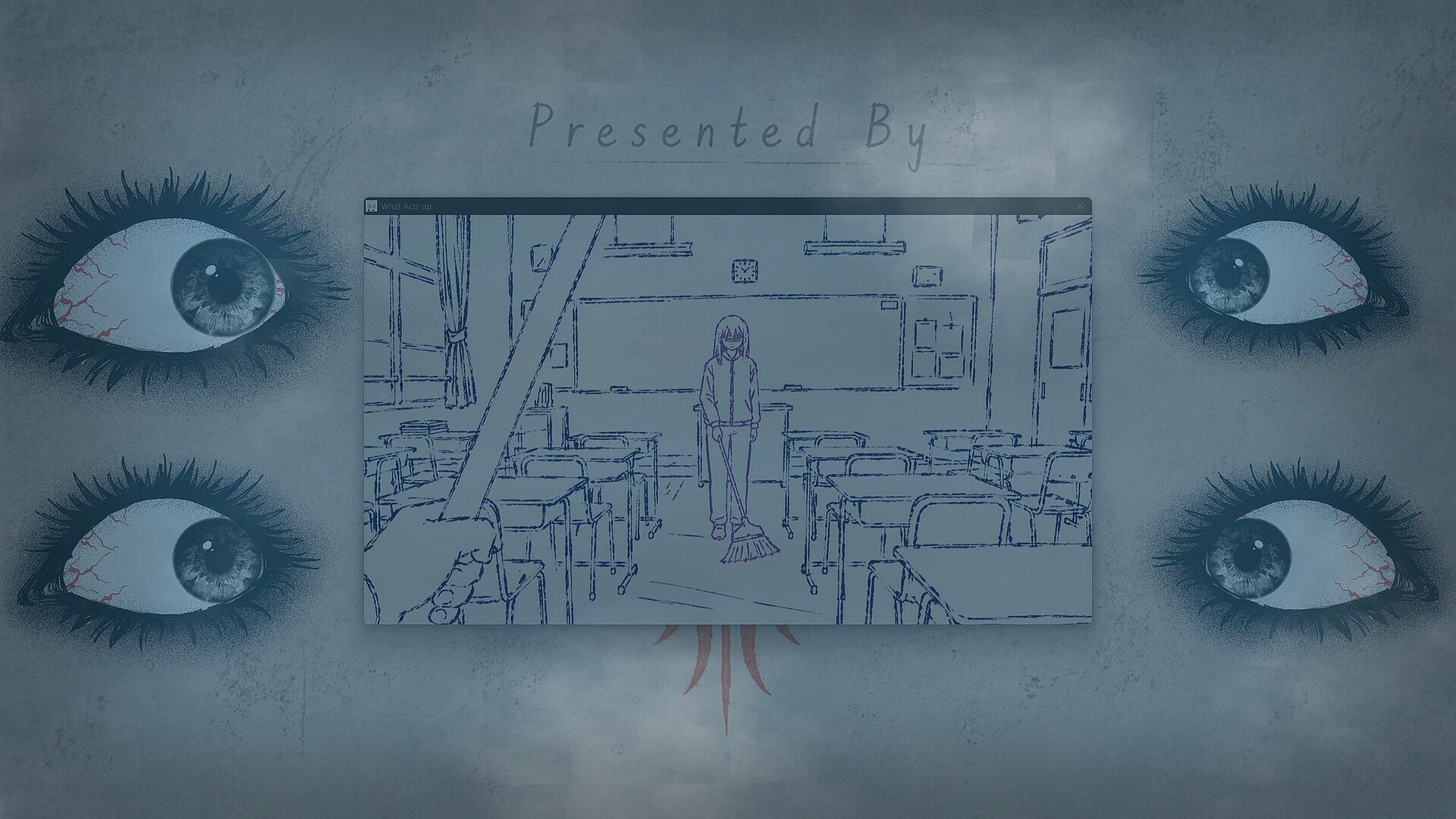
The core loop centers on navigating Lin Mo's daily life and inner world through dialogue choices and environmental observation. Conversations with other characters reveal their own backgrounds and gradually shift their relationships with the protagonist. Subtle details in scenes help players piece together Lin Mo's history and the origins of his fears. The presentation stands out with a multi-window system where interface elements respond dynamically to his mental state. Windows can shake, resize, drift, or spiral, making his psychological condition visible on screen and turning internal struggles into part of the visual experience.
Exploration remains grounded in ordinary campus settings. Players observe interactions, respond in conversations, and reflect on the gaps between what is said and what remains unspoken. The design avoids lengthy tutorials or overt guidance, instead encouraging attention to small cues and shifting perspectives. This approach creates a deliberate pace suited to players who appreciate narrative focus over action or puzzle mechanics.
Game Modes
What Acts up operates as a single-player narrative experience with no separate game modes or multiplayer components. Progression follows the story's structure of interconnected scenes and character encounters. There are no branching campaigns, competitive elements, or replayable challenges beyond revisiting the main sequence to notice additional details on subsequent playthroughs. The emphasis stays on the evolving relationships and the gradual revelation of Lin Mo's past rather than on varied gameplay formats.
Story and Themes
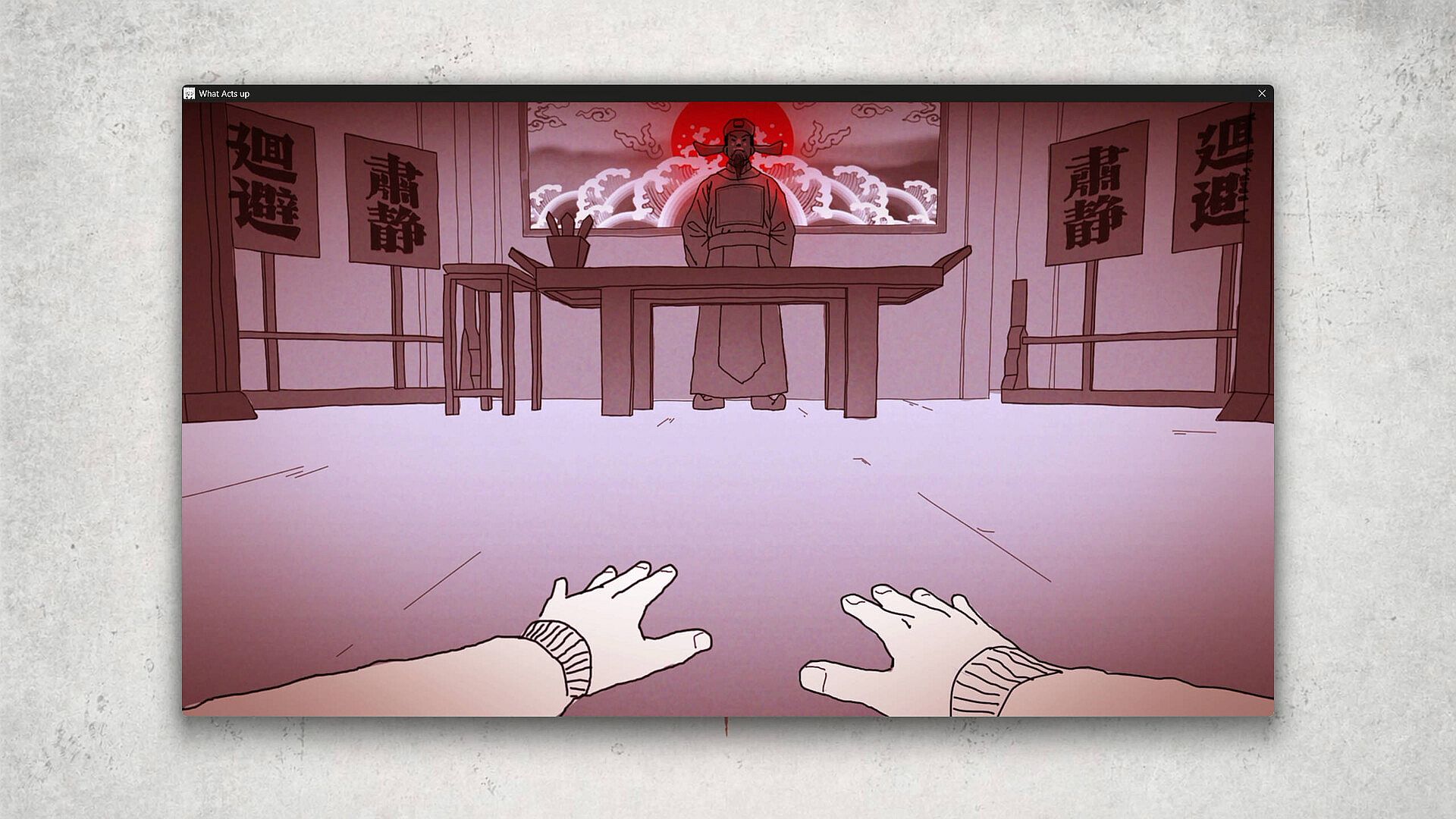
The narrative examines social anxiety and the less visible aspects of psychological strain. Misunderstandings about shyness or outward behavior appear through dialogue and internal reflections. The game presents these elements without framing the story as a straightforward journey toward resolution. Instead, it explores how certain fears persist, how self-doubt can become habitual, and how individuals might begin to question the origins of critical inner voices. Fragmented storytelling and the distinctive window mechanics help convey the bleed between reality and perception without direct statements.
Characters bring their own histories into each exchange. What begins as routine campus talk can deepen or shift based on choices and timing. This layered approach rewards careful attention to tone and context, allowing players to form a fuller picture of Lin Mo's situation over time.
Is It Worth Playing?
Players drawn to introspective indie adventures that prioritize emotional realism and innovative presentation will find the most value here. The game suits those comfortable with slower pacing and a focus on character perspective rather than mechanical challenge or open exploration. Its handling of social anxiety themes offers a thoughtful lens for anyone interested in stories that reflect internal conflicts without providing simple answers. Availability on PC makes it accessible for those seeking narrative-driven experiences that experiment with how the interface itself can reflect a character's mindset. If the described mechanics and themes align with your preferences, the game delivers a focused, distinctive session that lingers through its attention to subtle details and psychological presentation.











