


















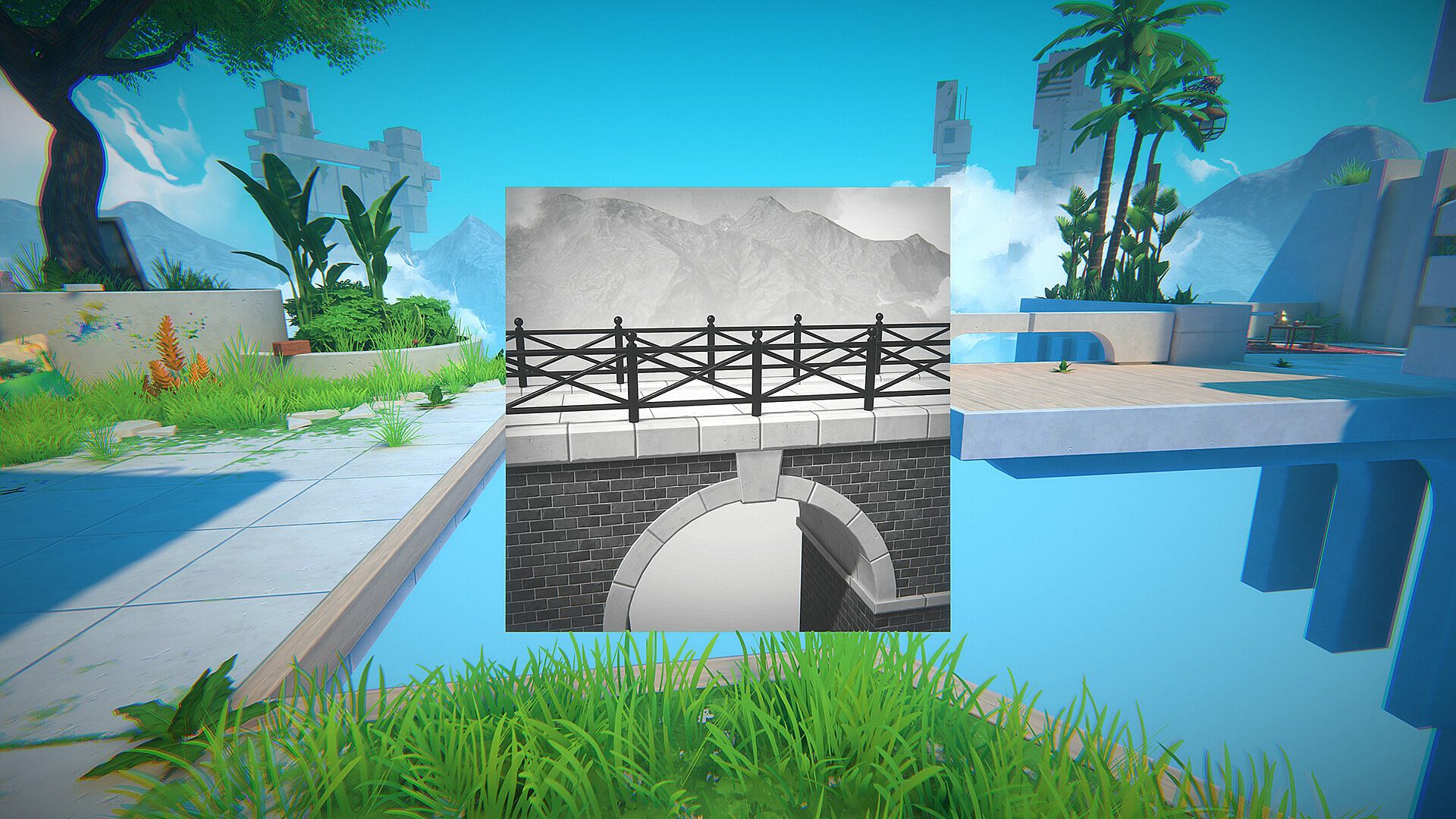
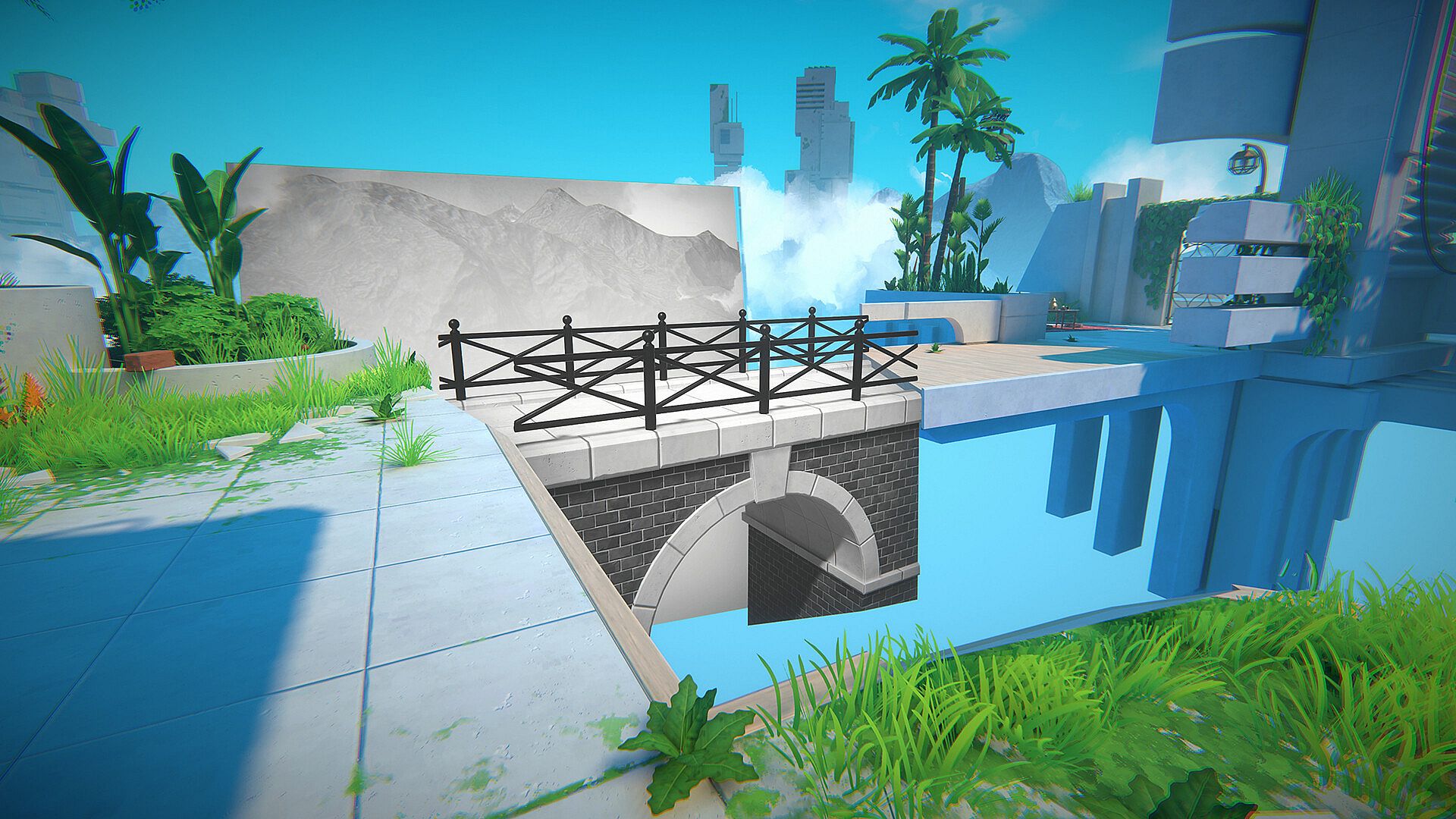
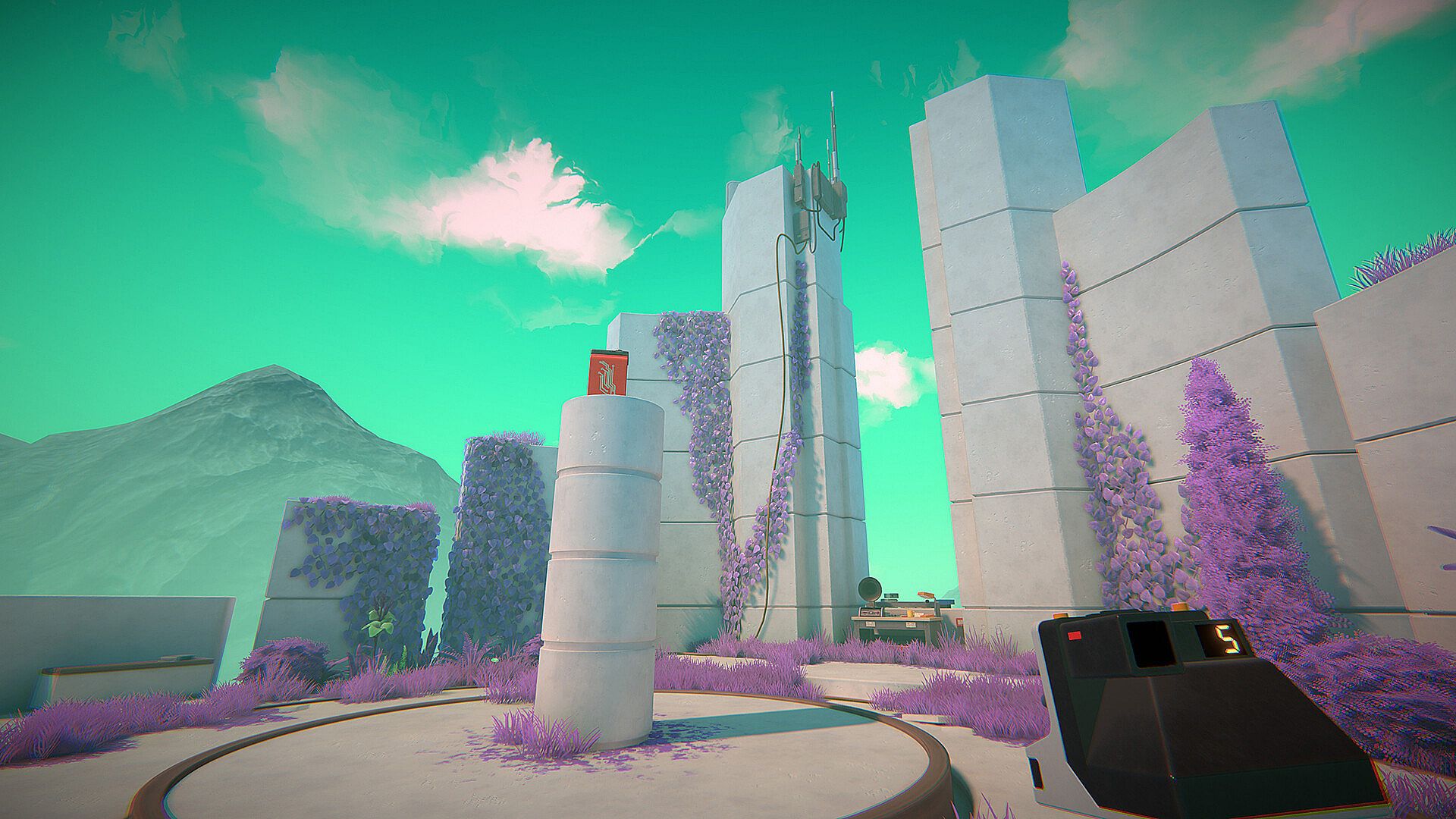
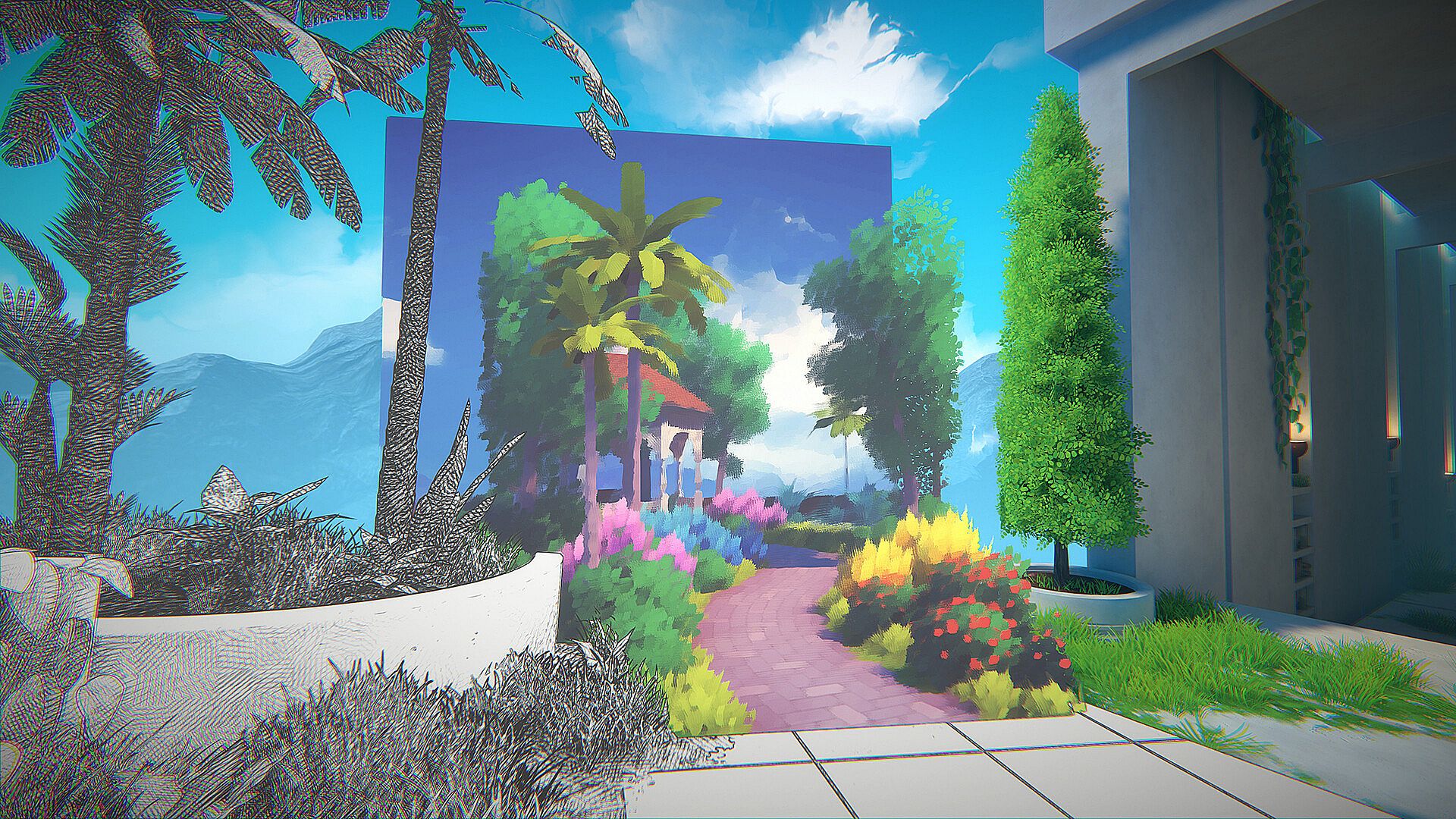
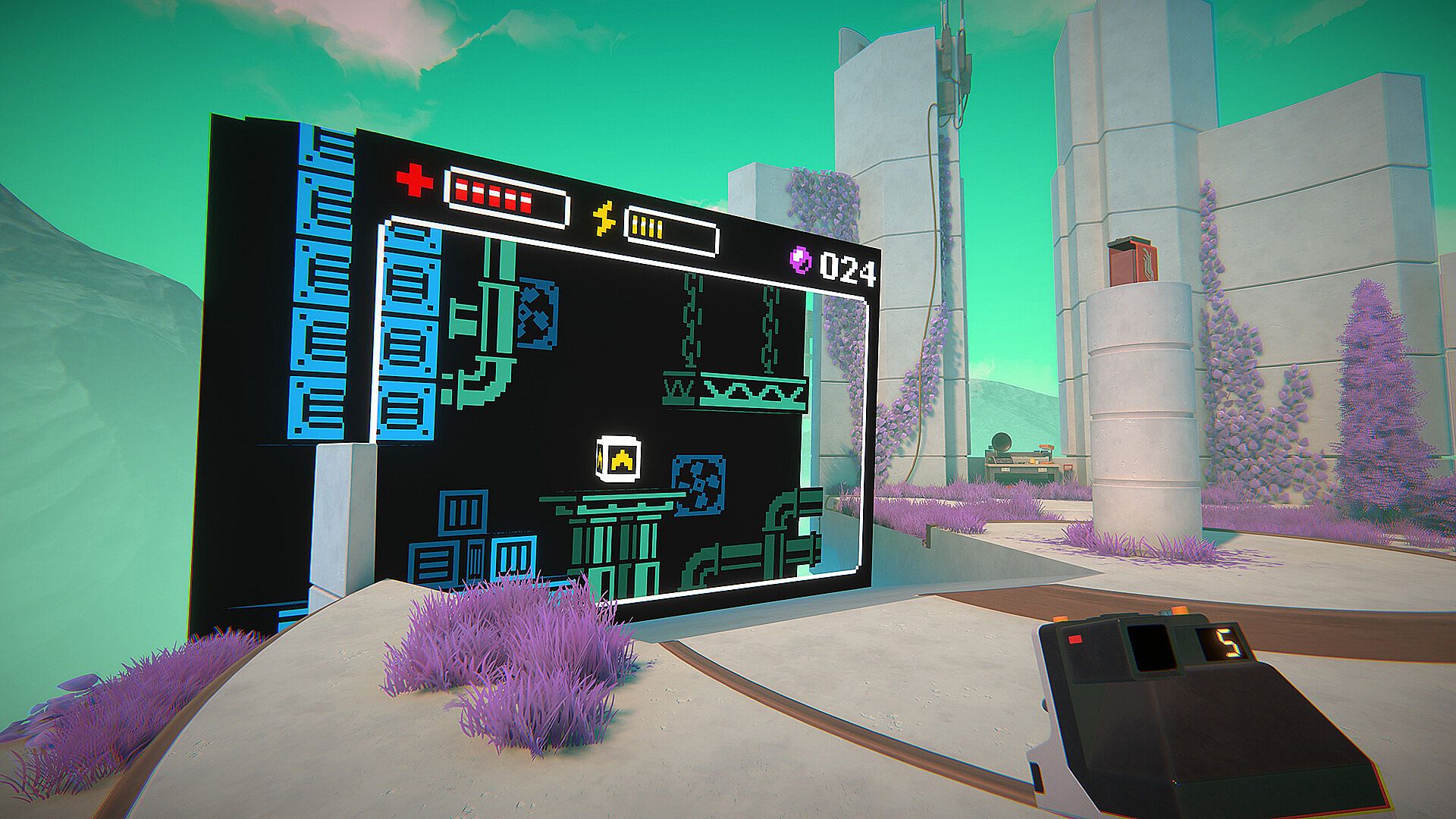
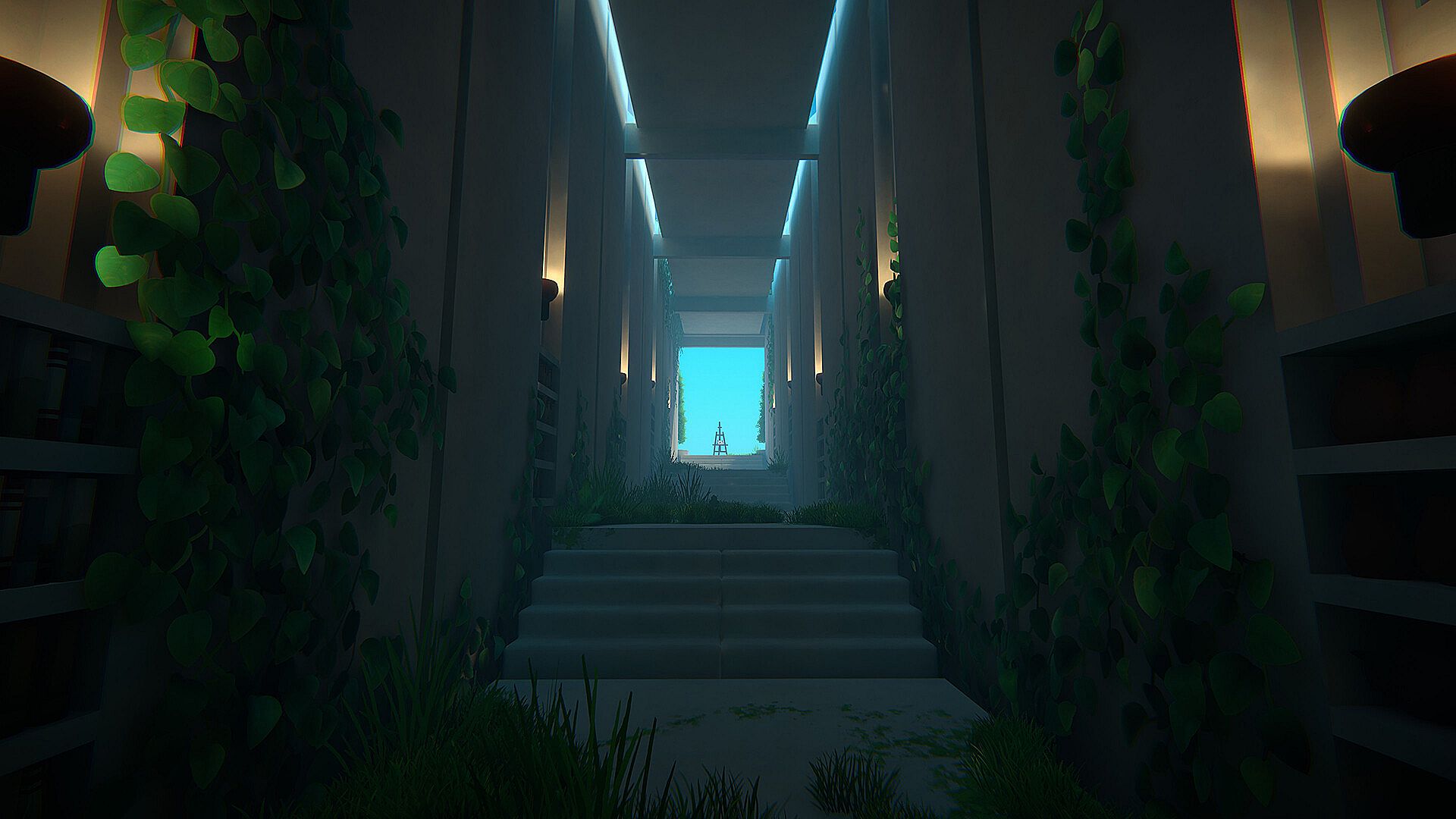
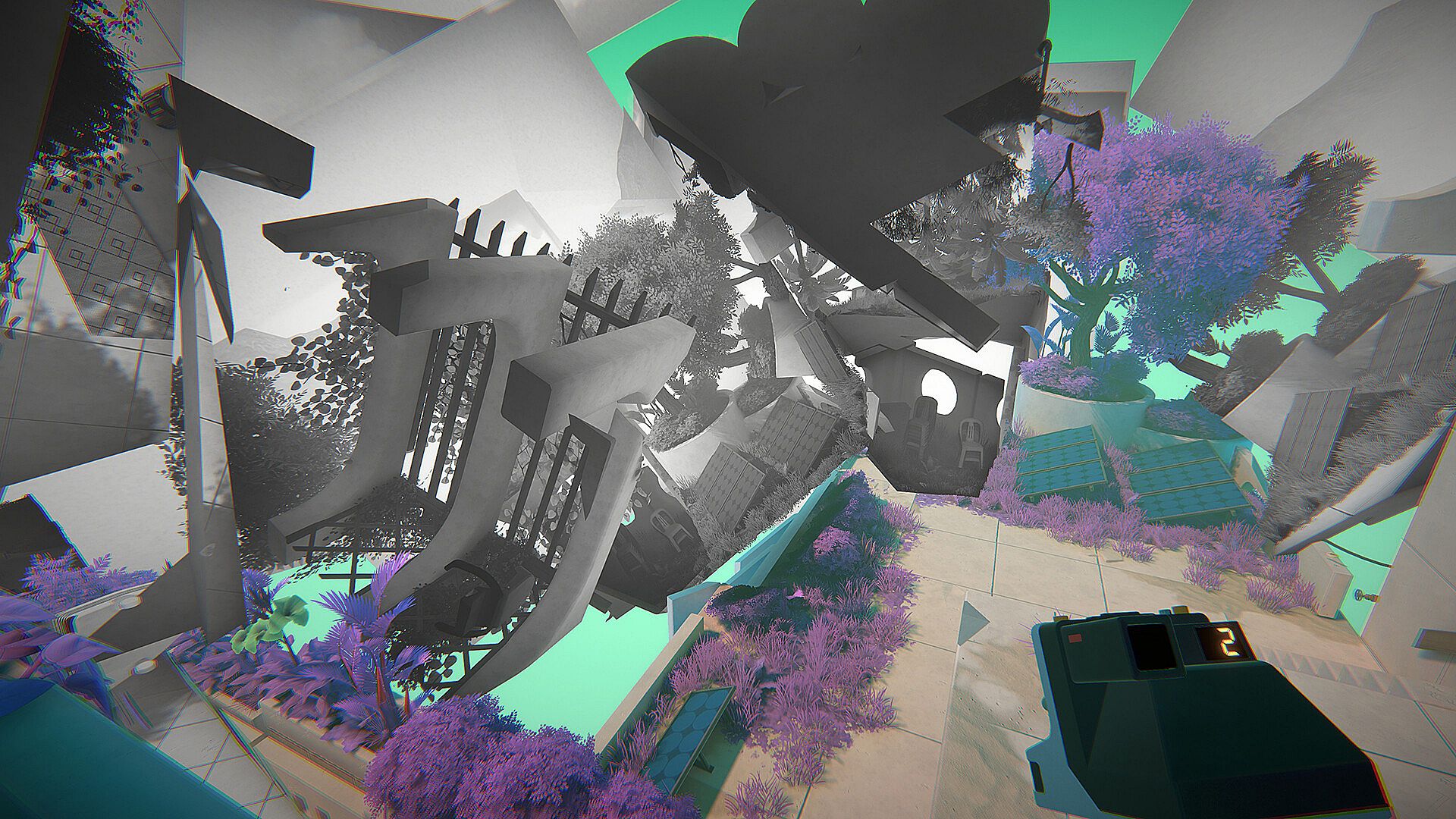
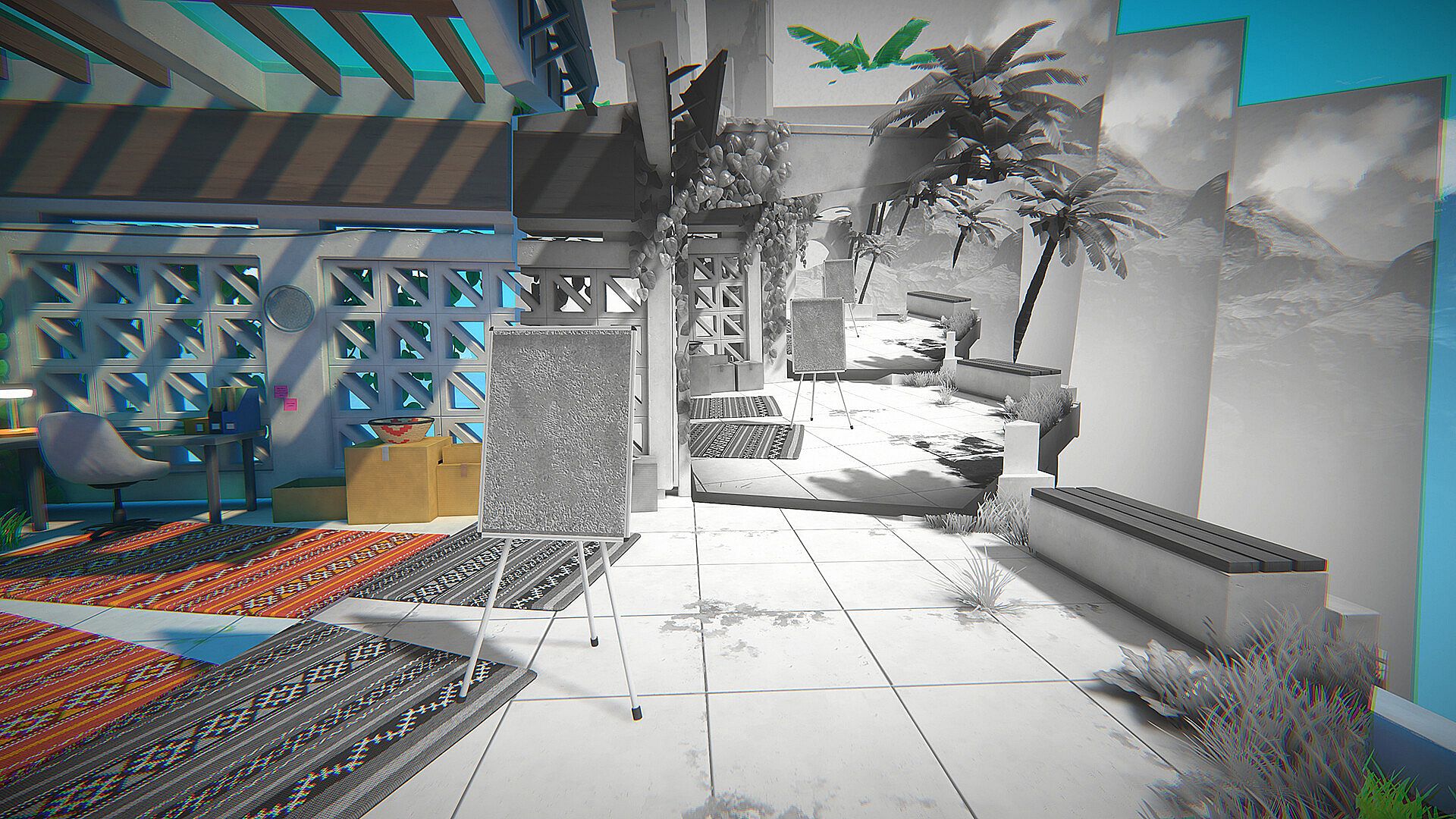
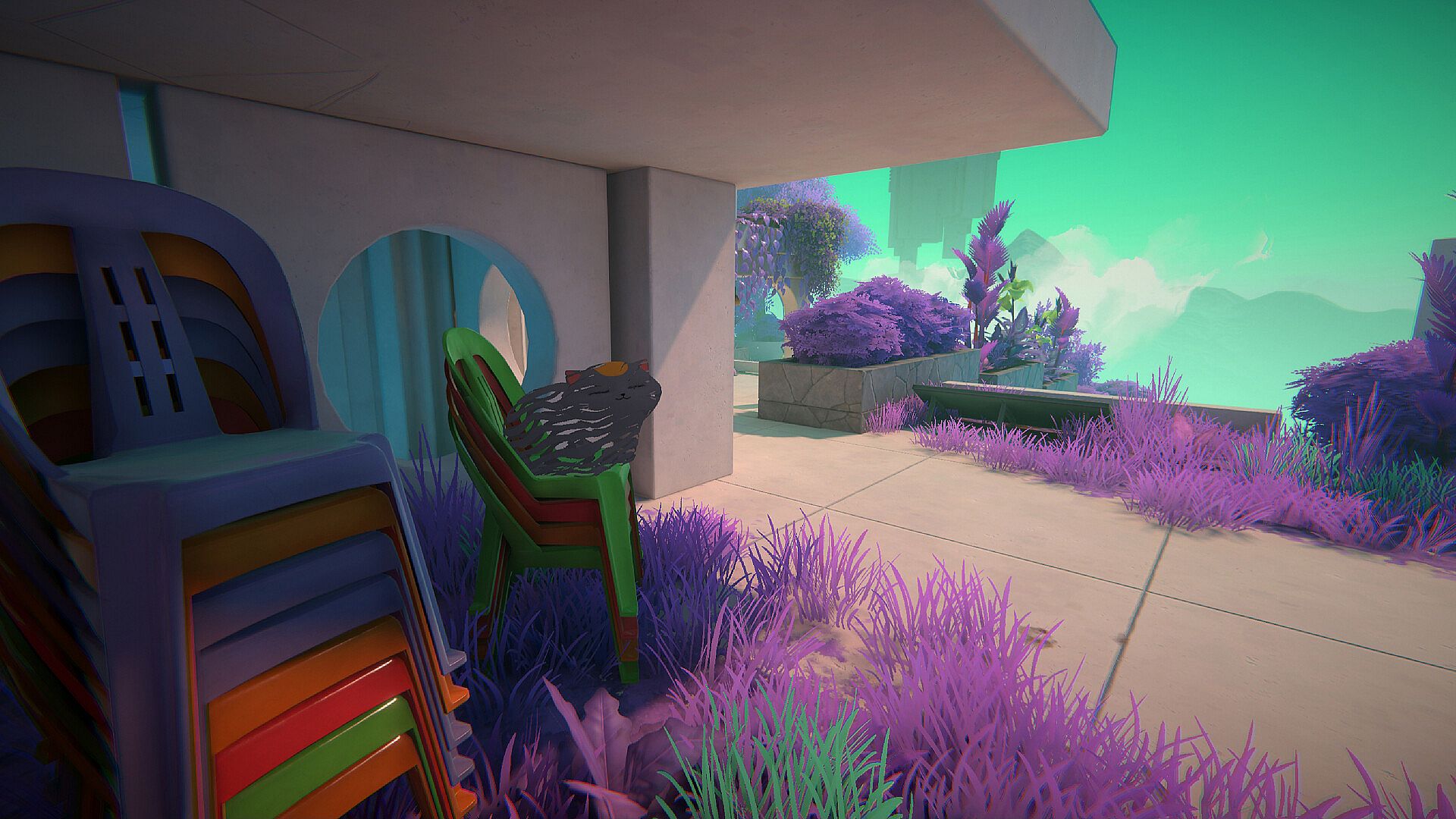
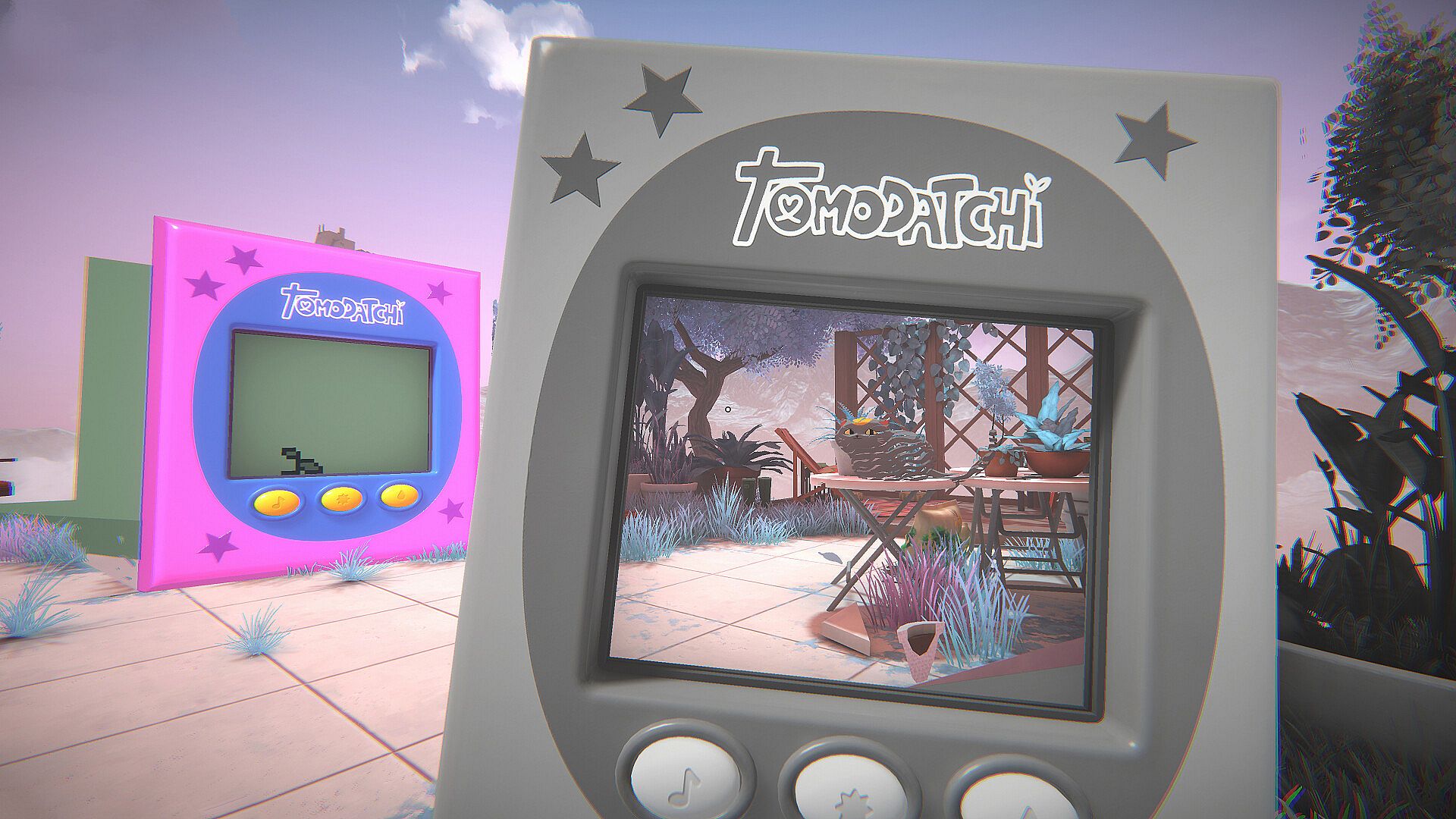
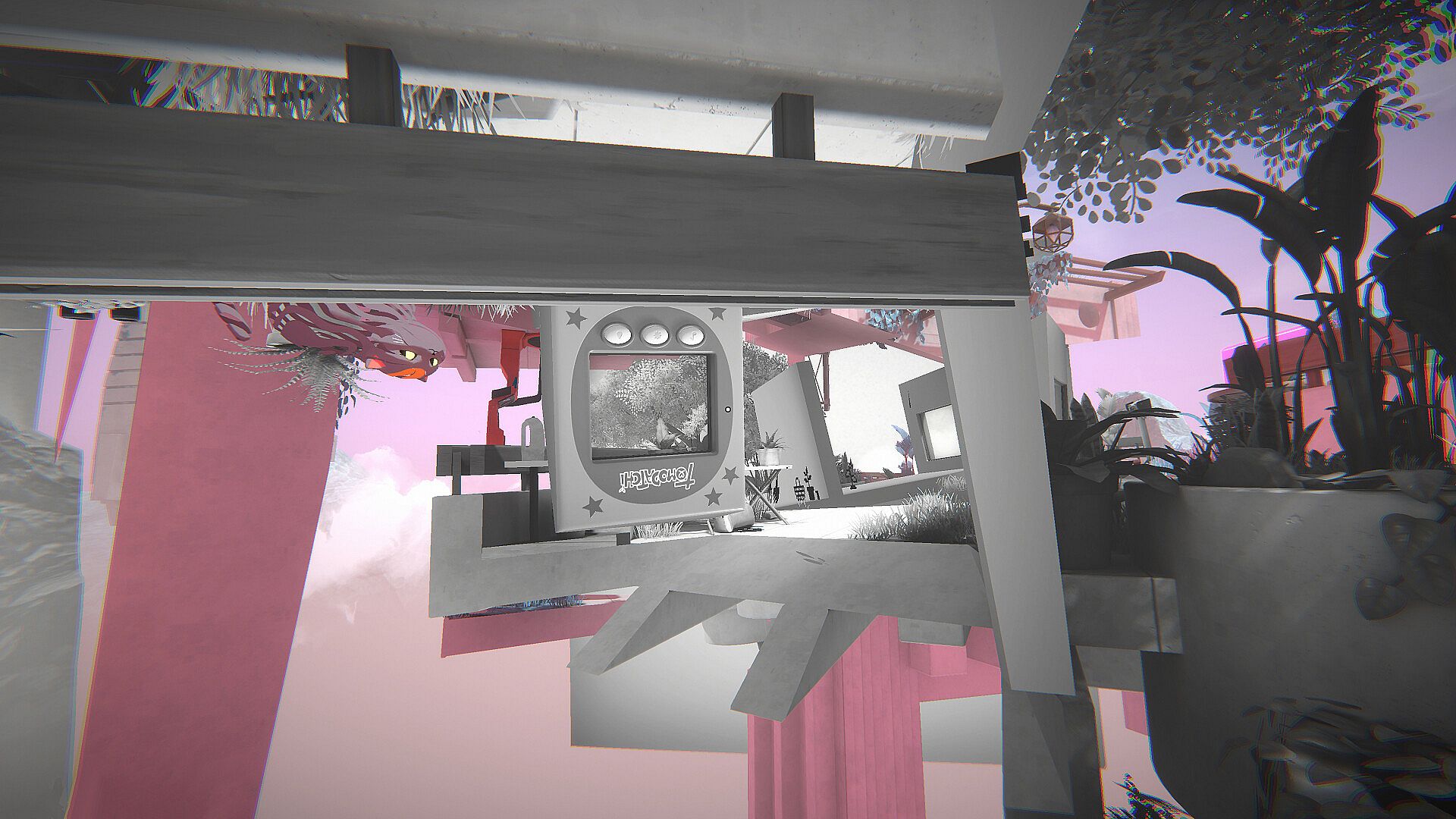

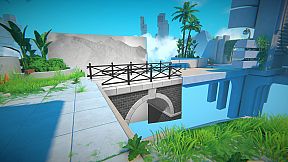
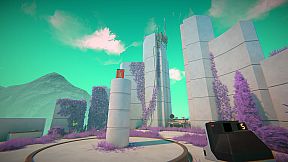
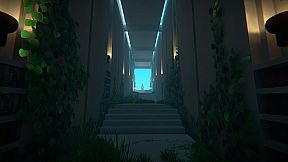
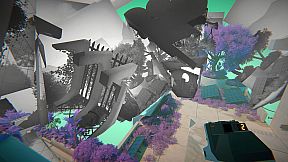
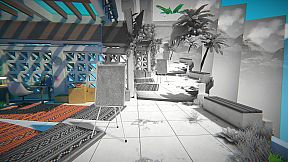
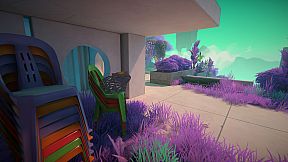
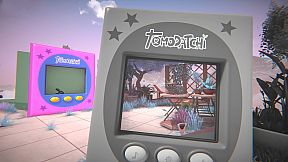
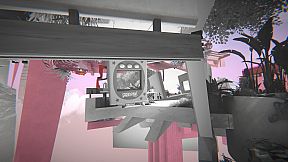
Viewfinder is a first-person indie adventure game centered on an instant camera that lets players capture scenes and place those images into the environment to alter the surrounding space. The core loop involves taking photographs or using other visual media and positioning them to create new paths, platforms, or structures that solve spatial puzzles. This mechanic drives progression through a series of interconnected areas where each placement changes the layout in real time.
Gameplay
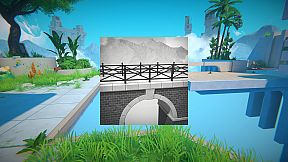
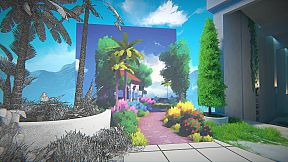
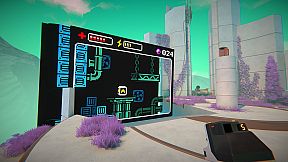
The gameplay revolves around perception and placement. Players explore enclosed spaces that start as simple rooms or corridors and gradually reveal more complex layouts. The camera serves as the primary tool for interaction. Capturing an image freezes a portion of the world, which can then be rotated, scaled, or inserted at different angles to bridge gaps, block hazards, or open new routes. Beyond standard photographs, the system supports paintings, sketches, screenshots, and postcards, each bringing distinct visual properties that affect how they integrate with the environment.
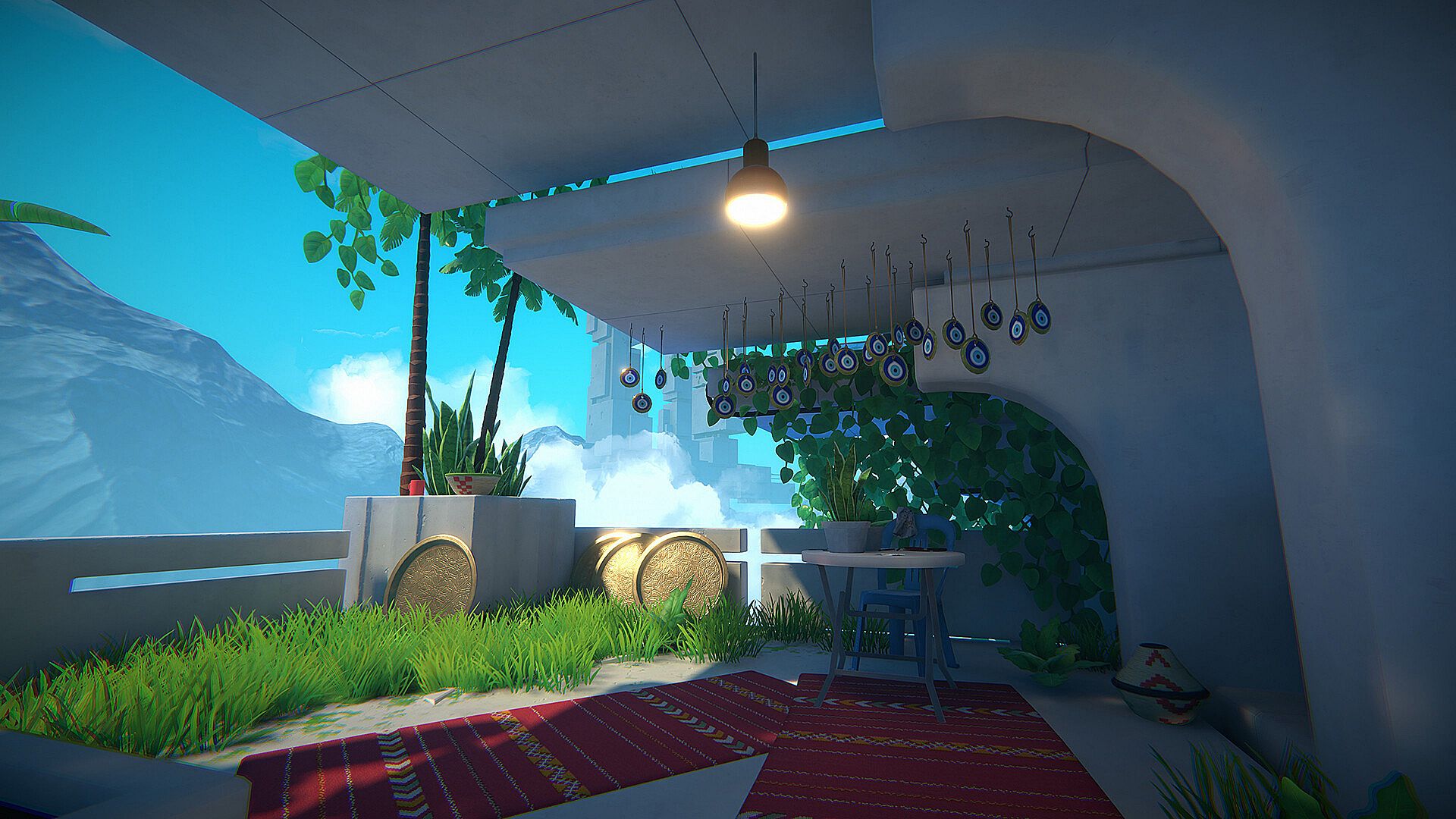
Exploration ties directly into puzzle solving. Moving through the levels uncovers fragments of information about the setting and its purpose. The design encourages experimentation because a single image can be repositioned multiple times until the desired configuration appears. Hub areas connect these puzzle sequences and maintain consistent visual themes while introducing variations in scale and complexity. The experience remains entirely single-player, with no external systems or shared elements.
Game Modes
Viewfinder operates as a single-player experience only. The narrative unfolds through player-driven choices in how deeply to engage with the environment and its clues. Those who focus on puzzle completion can progress steadily by solving spatial challenges. Players interested in additional layers can spend time examining details scattered across the hubs to piece together the reasons behind the world's construction. No separate modes or variants exist beyond this unified structure.
Narrative and World Building
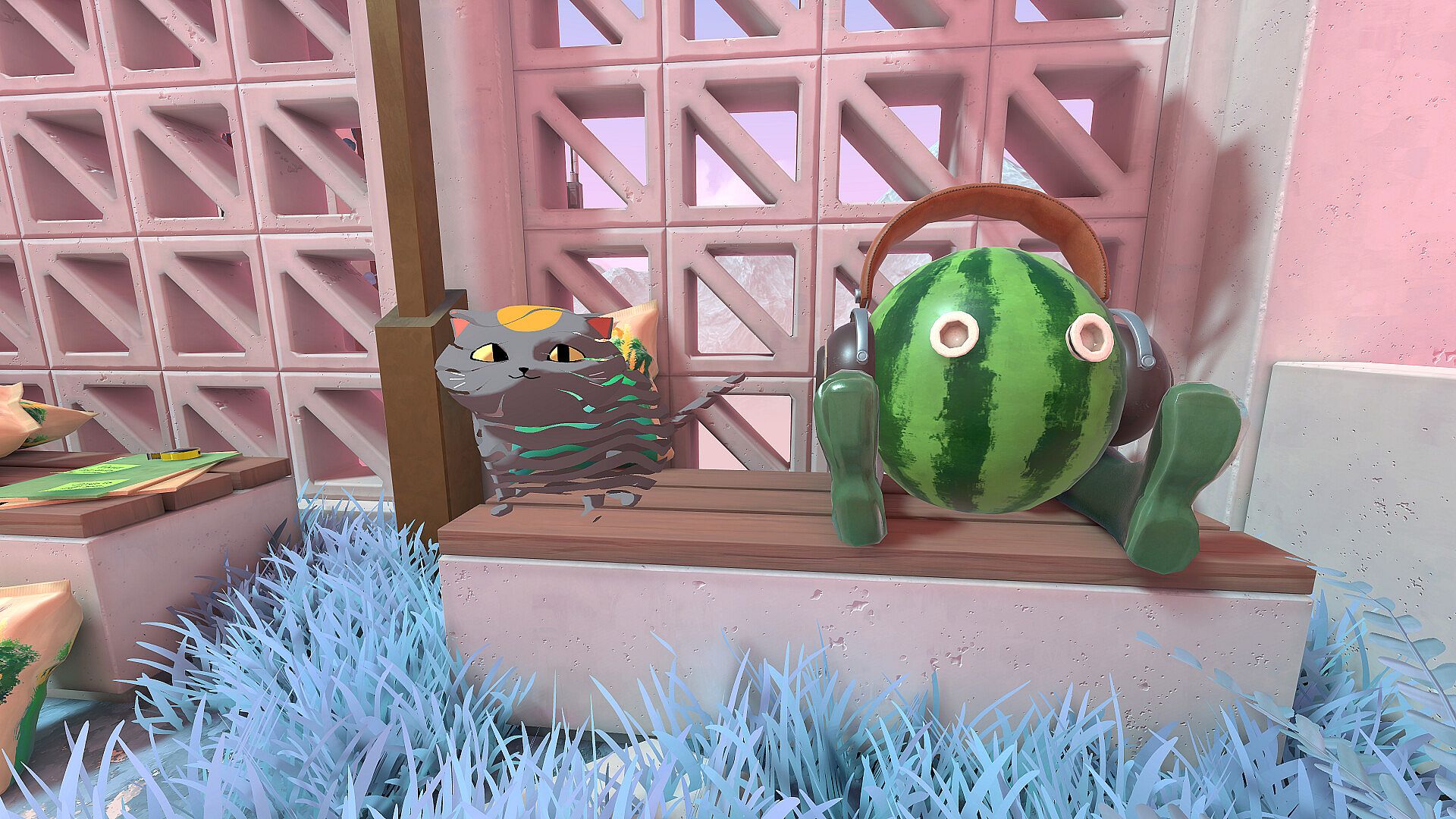
The story emerges from the spaces themselves rather than traditional cutscenes or dialogue trees. Each hub world presents a cohesive aesthetic with subtle differences that reward careful observation. Learning occurs through environmental storytelling and the gradual revelation of why the setting exists. The freedom to reshape areas with captured images reinforces the theme of creation and discovery. The overall tone stays grounded in puzzle logic while leaving room for interpretation about the larger context.
Is It Worth Playing?
Viewfinder suits players who enjoy first-person puzzle adventures that emphasize creative problem solving over combat or resource management. The camera placement system provides consistent novelty across its length, and the hub structure allows flexible pacing. Those who prefer linear progression can complete the main sequence efficiently, while others can extend their time by exploring optional details. The game remains available on PC with no additional modes or ongoing seasonal content required for the core experience. It delivers a focused, self-contained adventure that rewards attention to spatial relationships and visual experimentation.