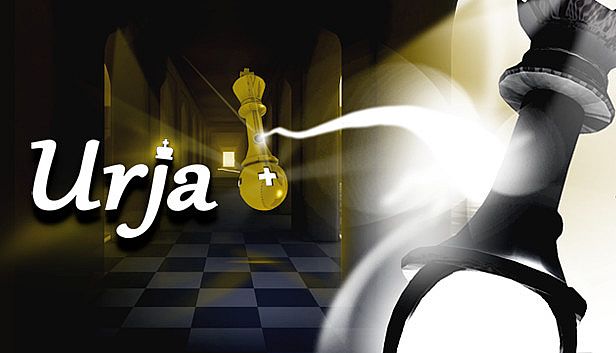









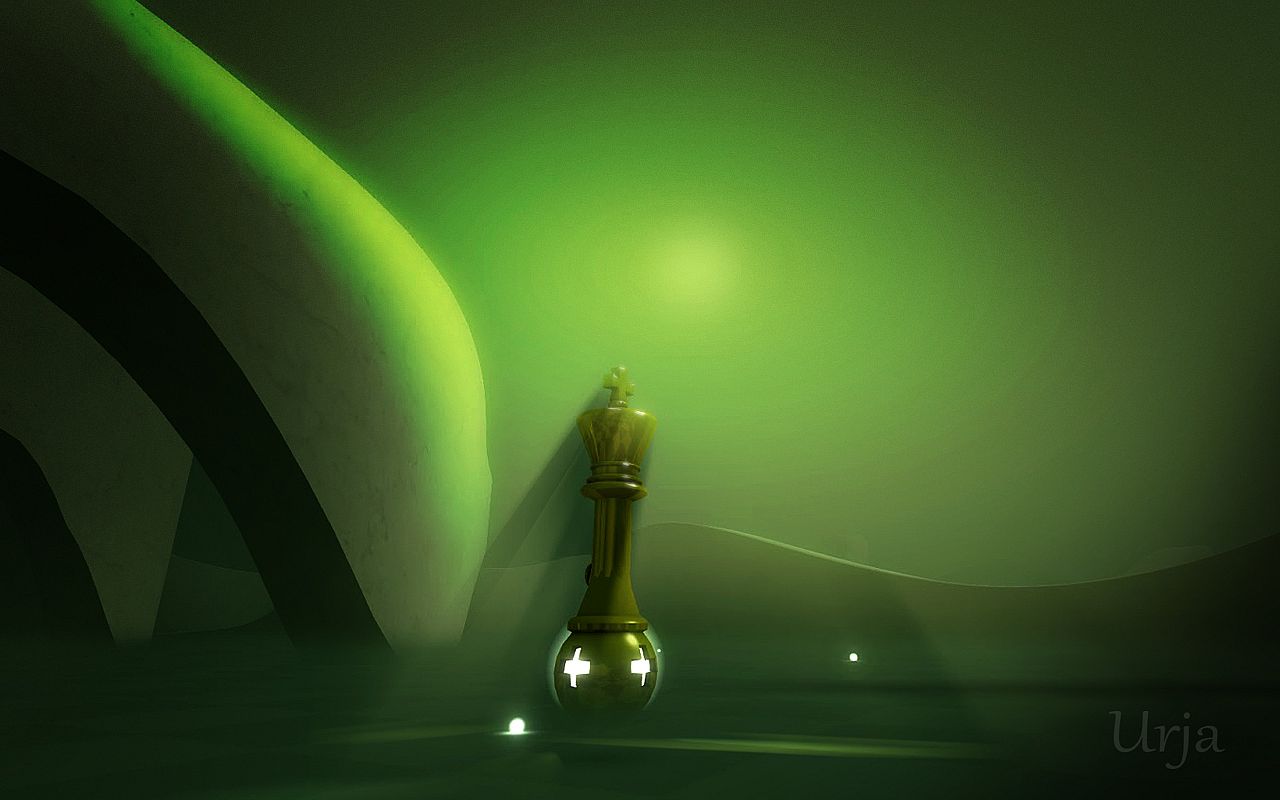
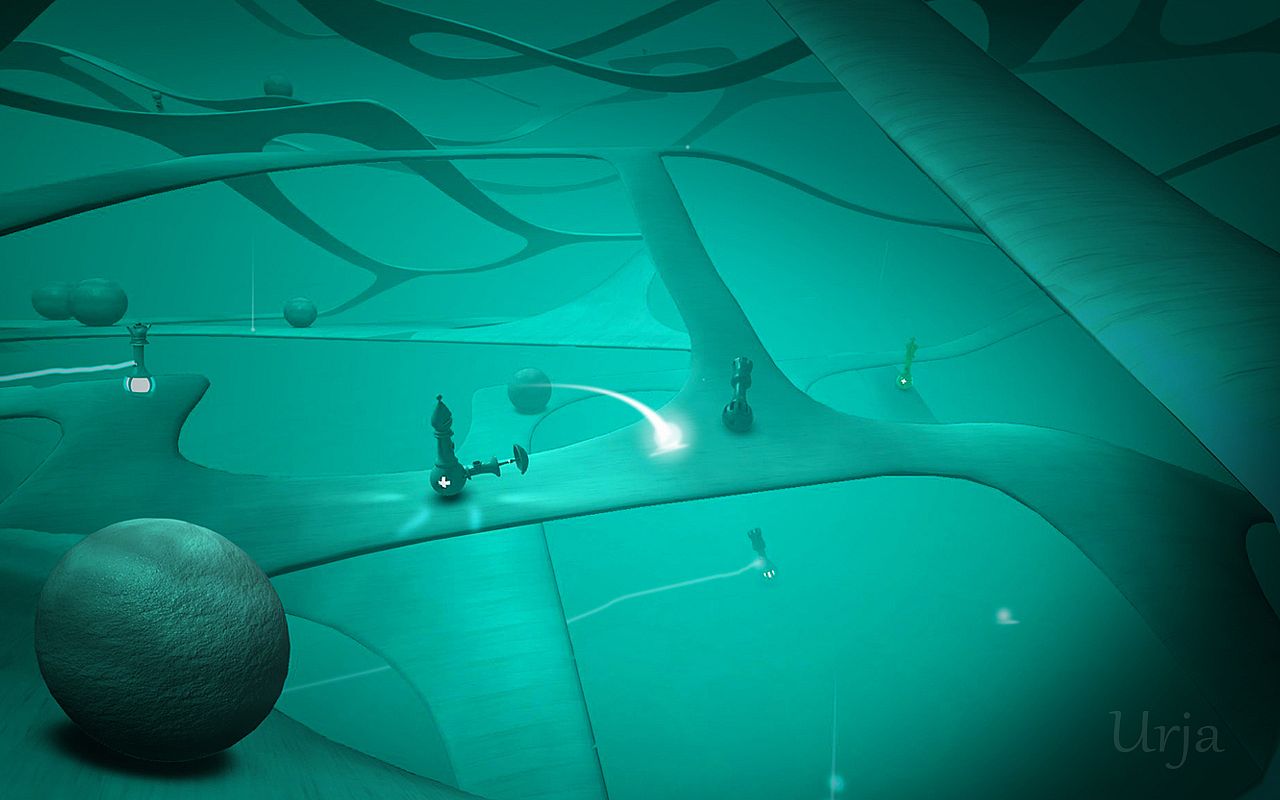
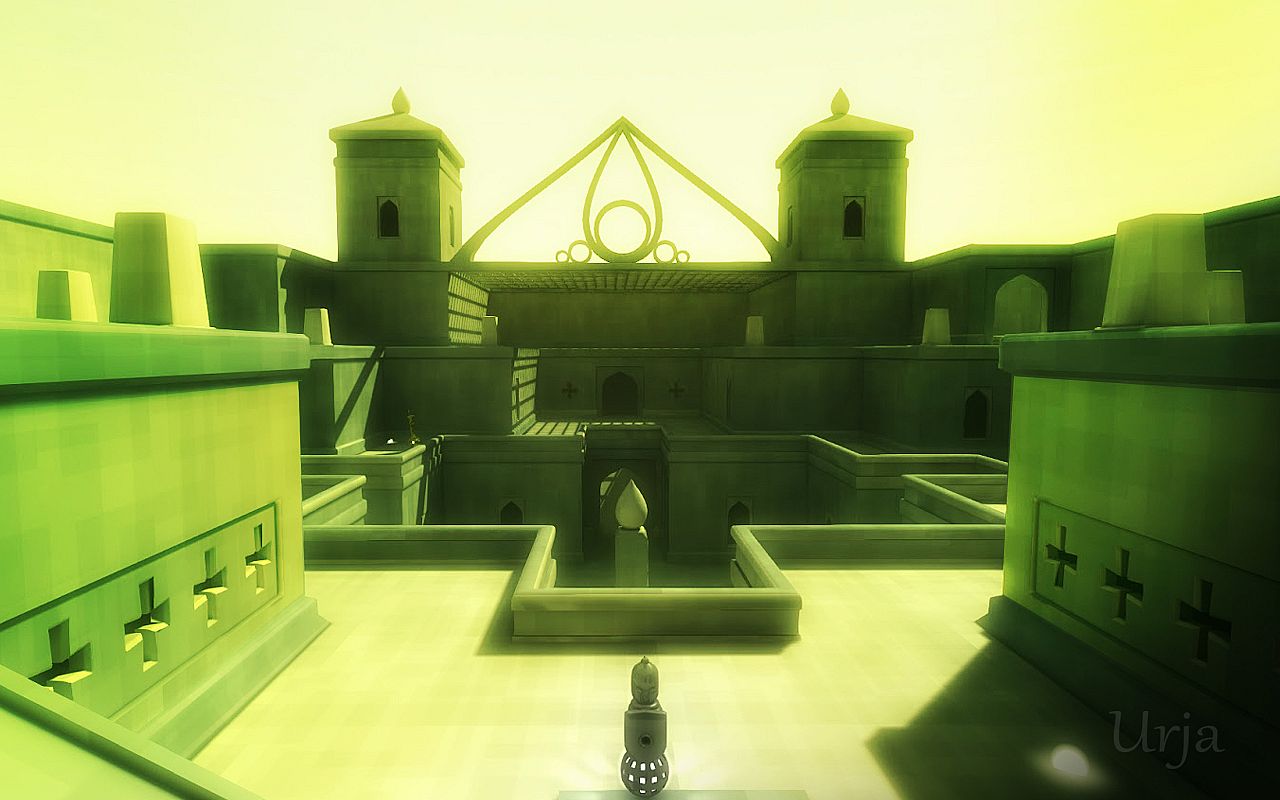
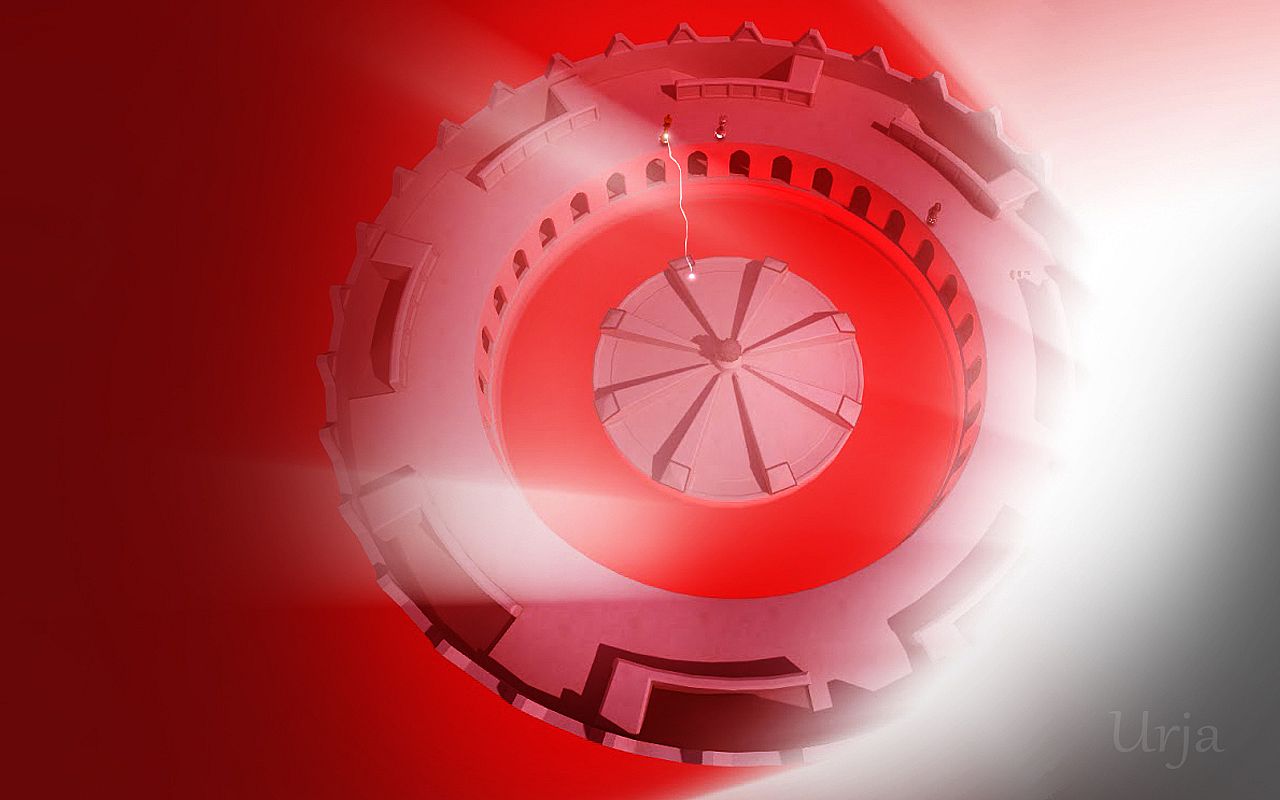
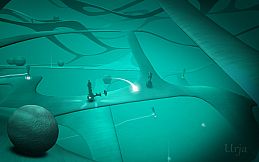
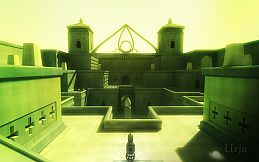
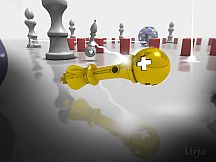
Urja is a first person shooter that blends puzzle elements with strategic decision making. Released in 2015 for PC, the game places players in 12 distinct worlds where the core challenge involves clearing all entities as quickly as possible while managing resources and positioning. It draws from strategy and casual genres through its emphasis on planning routes and adapting to enemy behaviors rather than pure reflex shooting.
Gameplay
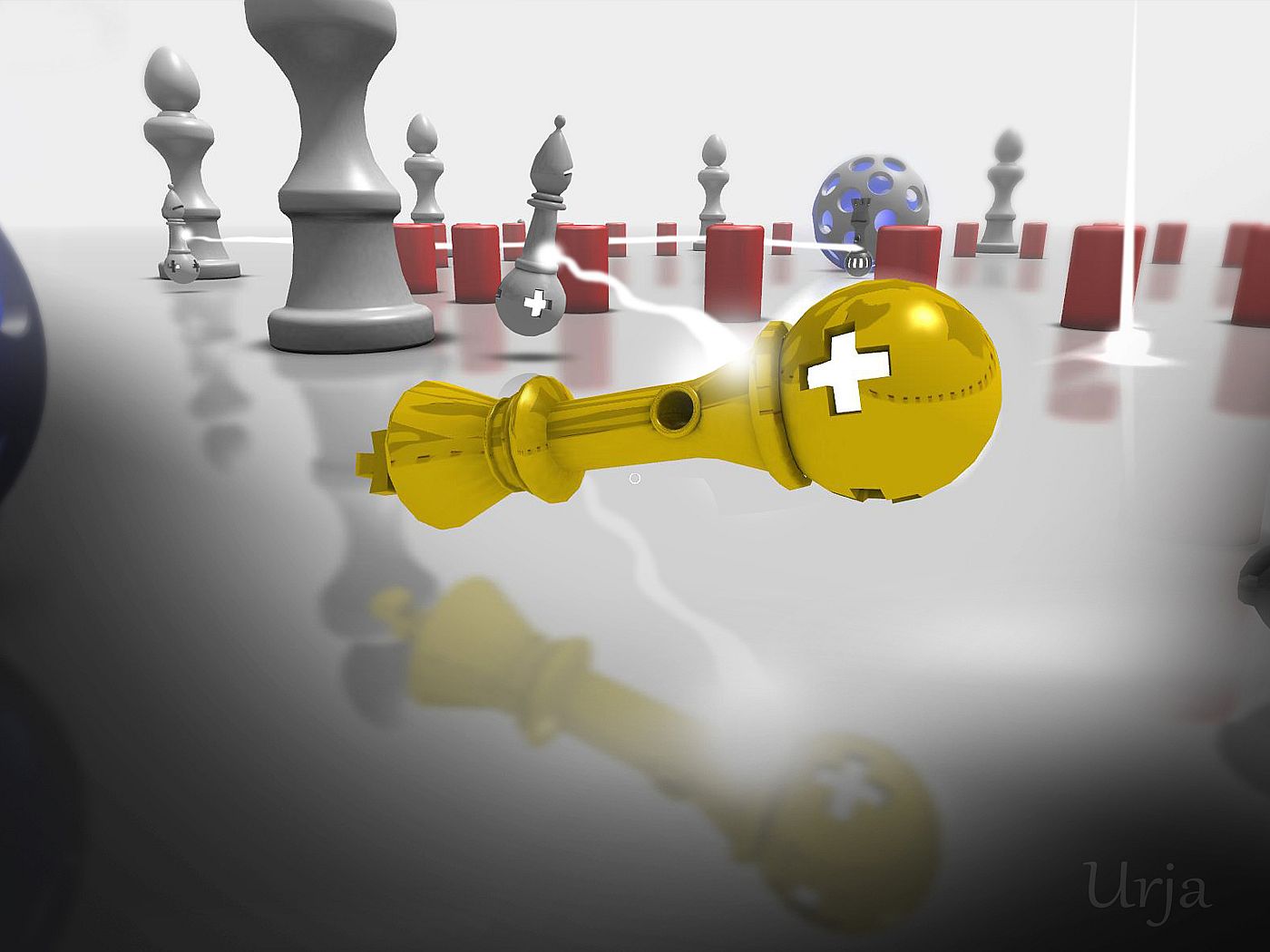
The central loop requires players to navigate each world, locate and eliminate every entity while avoiding or countering their energy-based attacks. Entities feed on surrounding energy to survive and can discharge it to stun the player temporarily. Higher ranking entities move faster and affect energy from longer ranges, forcing careful timing and path choices. When an entity is defeated, others may transfer into its shell to gain power, adding layers of progression that change the threat level mid encounter.
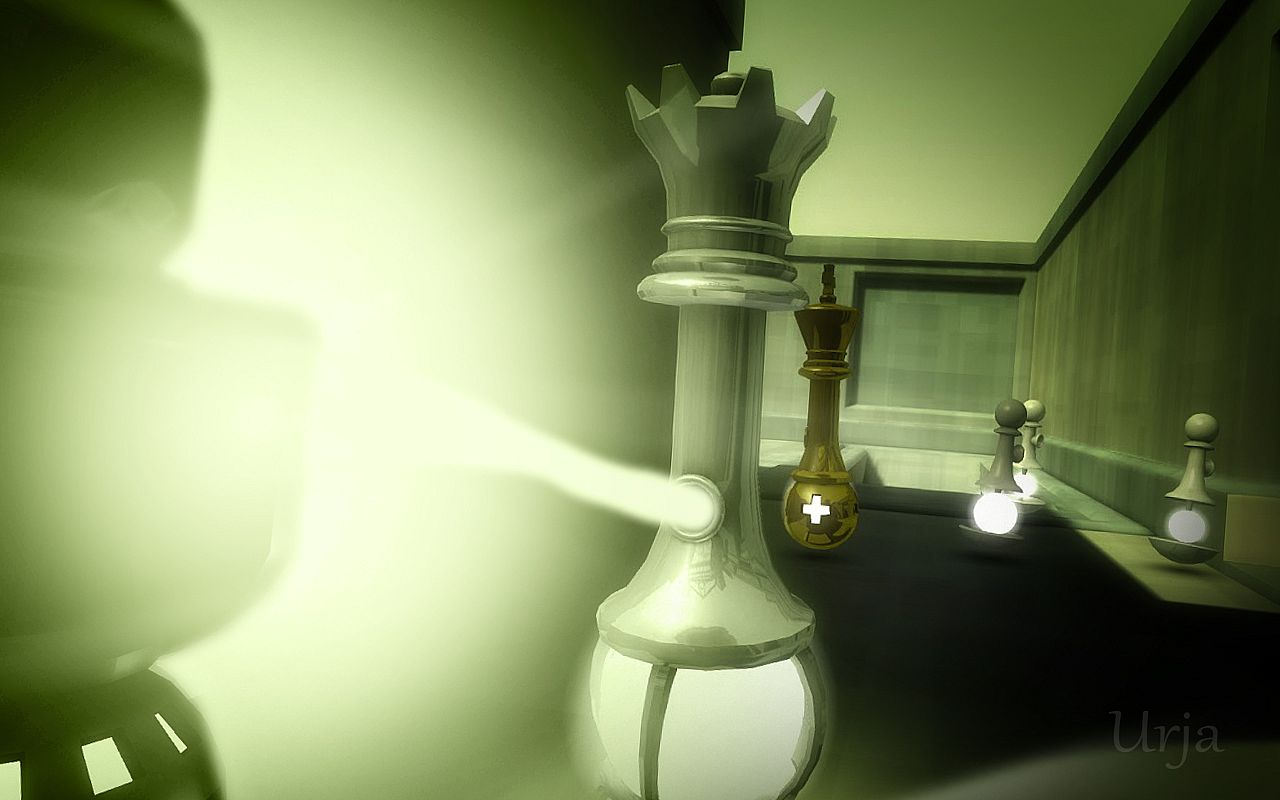
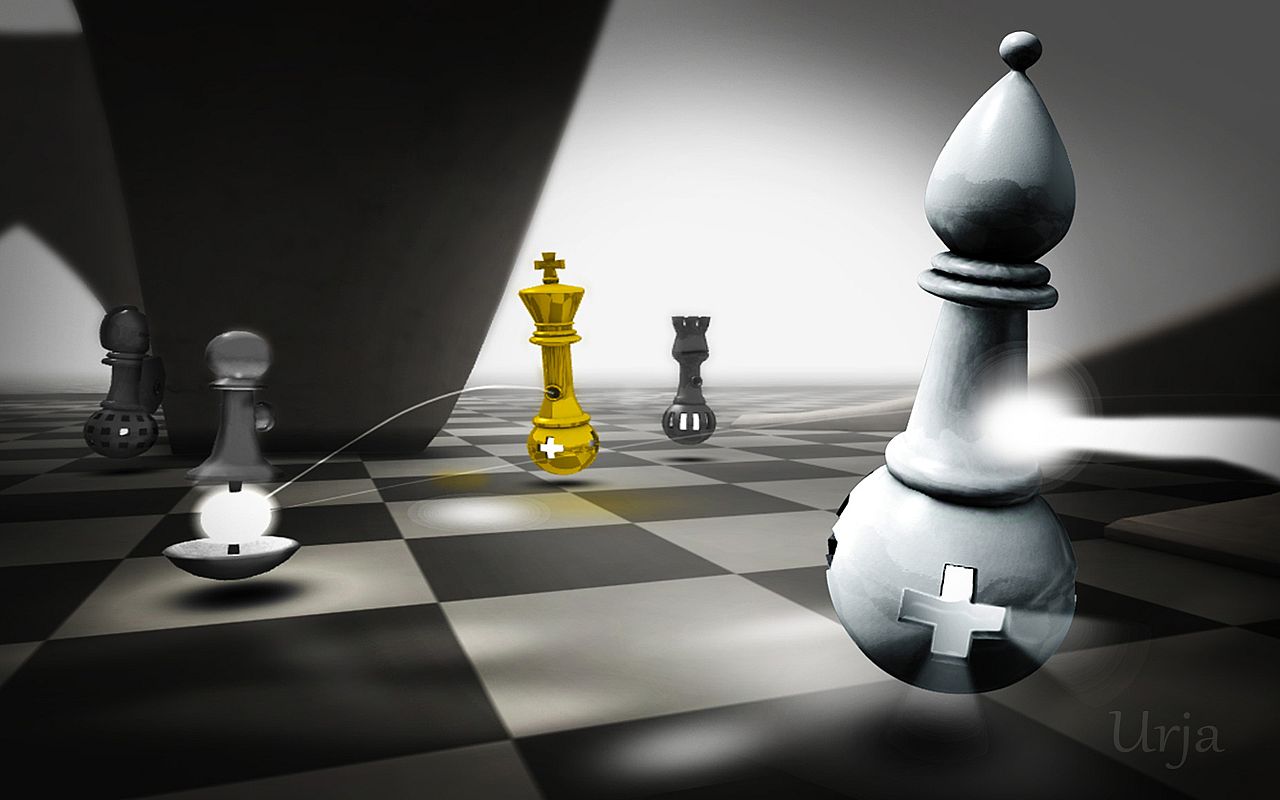
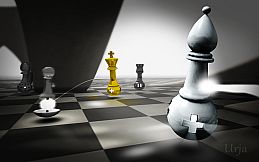
Chess inspired designs give specific entities distinct tools. Knights can activate shields to block incoming energy. Rooks generate temporary glass structures that obstruct paths or create barriers. Bishops possess the ability to resurrect fallen entities, requiring players to prioritize targets and clear areas thoroughly. These mechanics encourage a mix of direct engagement and indirect approaches, such as using the environment or timing movements to minimize exposure.
Intuitive AI ensures that entity responses vary across attempts, so repeated visits to the same world rarely play out identically. The focus stays on speed and efficiency, rewarding players who balance aggressive clearing with defensive positioning to avoid stuns and energy drains.
Game Modes
Urja centers on a single core experience across its worlds, with progression tied to personal best times and global leaderboards. Players compete for top placements each season, where the fastest clear times determine rankings. Four seasons run annually, and the top ten finishers receive prizes such as AAA PC games and Steam vouchers.
Seasonal updates introduce new maps along with adjustments to existing content, bug fixes, and additional features. This structure turns the base clearing objective into an ongoing competitive pursuit, where improving FPS fundamentals like aiming precision and movement directly impacts leaderboard performance and prize eligibility.
Seasons and Progression
Each year divides into four seasons that refresh the competitive landscape. Leaderboards track performance across all worlds, allowing players to compare times with others worldwide. Community competitions run alongside these seasons, offering real life prizes for consistent high placement.
Support continues through periodic additions that keep the 12 worlds fresh. Players can revisit earlier content with updated mechanics or new layouts, building skills that carry over into later seasons. The system rewards steady improvement in both tactical planning and execution speed.
Is It Worth Playing?
Urja suits players who enjoy first person shooters that reward planning over raw speed alone. Its mixed reception on Steam, with 53 percent positive from 95 reviews, reflects a niche appeal for those drawn to its chess themed enemy abilities and time attack format. The seasonal prize structure and global leaderboards provide ongoing motivation beyond a single playthrough.
Those seeking straightforward action may find the puzzle and stealth layers slower paced, while strategy focused players appreciate the multiple approaches to each world. The game remains available on PC with its original systems intact, making it a straightforward option for anyone interested in a compact, leaderboard driven experience that emphasizes entity management and efficient clearing.