










Uplink is a strategy indie game developed by Introversion Software for PC. Players take on the role of a freelance hacker in a cyberpunk setting, accepting contracts from corporations to infiltrate secure systems, extract data, and carry out sabotage while managing the risks of detection and retaliation.
Gameplay
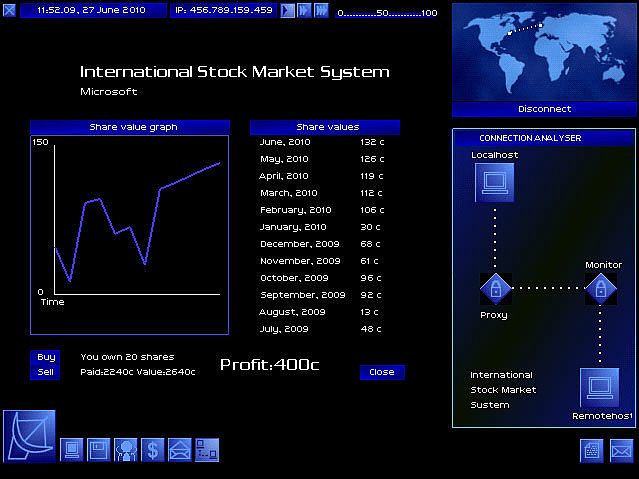
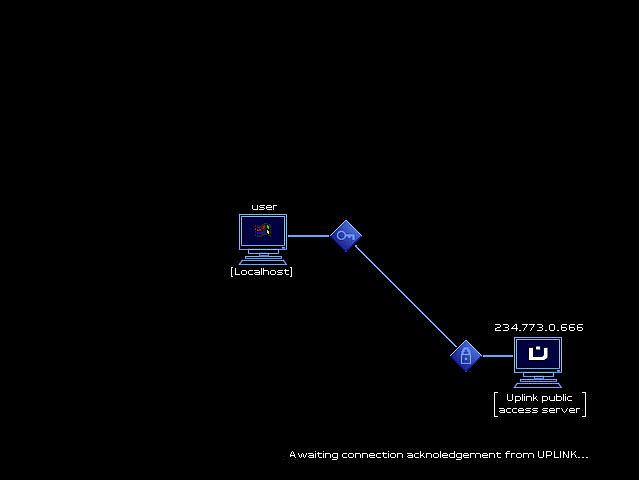
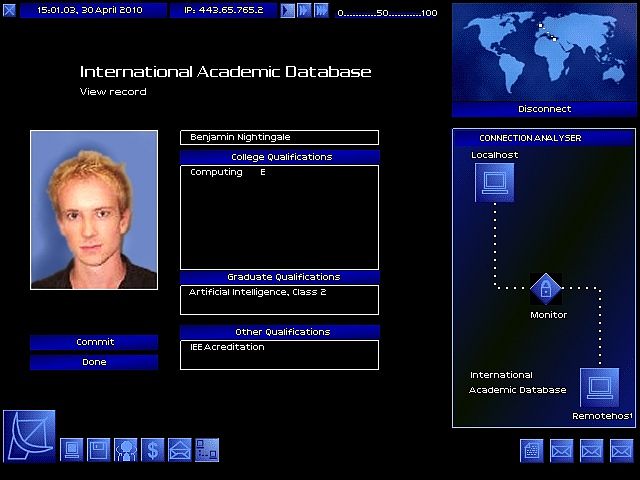
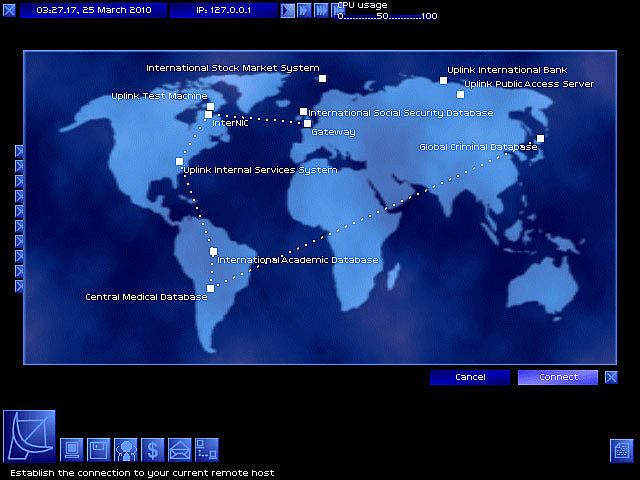
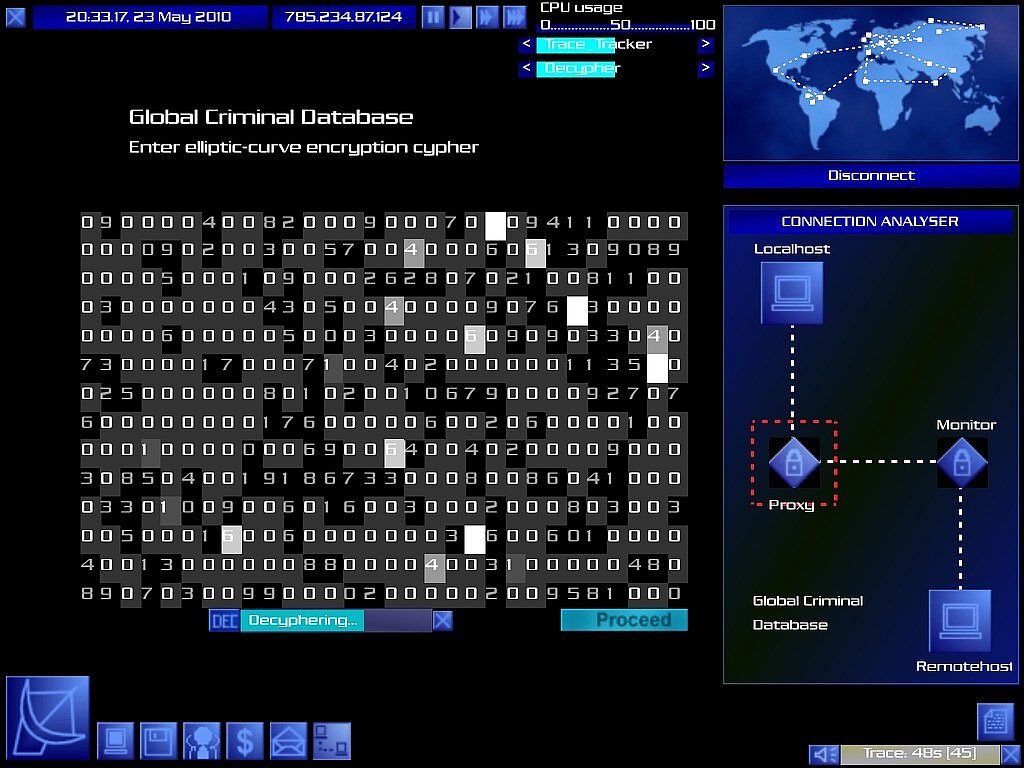
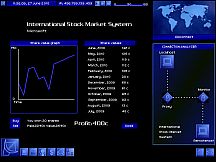
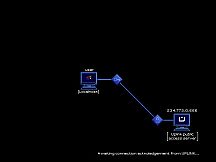
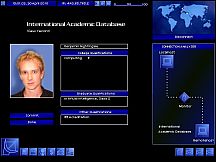
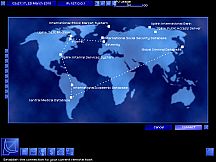
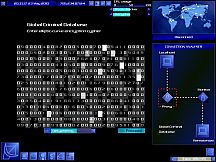
The core loop centers on mission preparation and execution through a diegetic computer interface that simulates the player's in-game workstation. Each contract requires routing connections through multiple intermediate servers to mask the origin and reduce the chance of a successful trace. Once connected, tools handle password cracking, encryption bypass, and system modifications such as data deletion or evidence planting.
Success depends on timing and resource management. Security systems activate timers that force quick decisions, and failure can result in loss of equipment or reputation. Credits earned from completed work fund upgrades to processing speed, storage, and specialized software, gradually expanding the range of viable targets and contract difficulty.
Connection bouncing and log editing form the foundation of evasion tactics. Players must balance thoroughness with speed, as prolonged activity increases exposure. The interface keeps all actions within the simulated desktop environment, reinforcing the sense of operating as an actual agent rather than directing an abstracted avatar.
Game Modes
Uplink operates as a single-player sandbox focused on contract-based progression. Freelance work provides the primary structure, with missions ranging from straightforward data theft to more complex operations involving rival interference. No separate multiplayer or competitive modes exist; the experience remains entirely offline and self-directed.
Within the sandbox, players choose how deeply to engage with corporate conflicts. Accepting work from one side may close opportunities with others, while staying independent preserves flexibility at the cost of higher-risk assignments. The absence of rigid mission trees allows repeated playthroughs to diverge based on equipment choices and alliance decisions.
Optional narrative threads emerge from repeated interactions with specific corporations. These threads do not lock the player into a linear path but instead alter available contracts and potential consequences for prior actions. The result is a flexible structure that rewards experimentation without enforcing a single campaign route.
Progression and Upgrades
Advancement occurs through credit accumulation and equipment investment. Early contracts yield modest returns that support basic gateway improvements, while later work demands faster hardware and more sophisticated programs to overcome advanced defenses. Each upgrade directly expands the scope of feasible missions.
Reputation influences contract availability and payment rates. Consistent success opens higher-paying opportunities, whereas repeated failures can limit access until standing recovers. This system creates a steady feedback loop where careful play enables riskier, more rewarding contracts over time.
Is It Worth Playing?
Uplink appeals to players who enjoy deliberate, systems-driven strategy with a focus on planning and risk assessment rather than fast reflexes. Its open structure supports multiple approaches to the same objectives, rewarding those who experiment with different tool combinations and connection strategies.
Reception remains positive decades after release, with the majority of user reviews highlighting the immersive interface and replay value. The game receives ongoing availability on major digital platforms without requiring additional purchases for core content. Those seeking a focused hacking simulation will find the mechanics hold up well for short or extended sessions.
Limitations include an interface that can feel dated by modern standards and a learning curve tied to understanding security timers and connection management. Players comfortable with older strategy titles or willing to adapt to the diegetic presentation tend to appreciate the depth once the systems click.