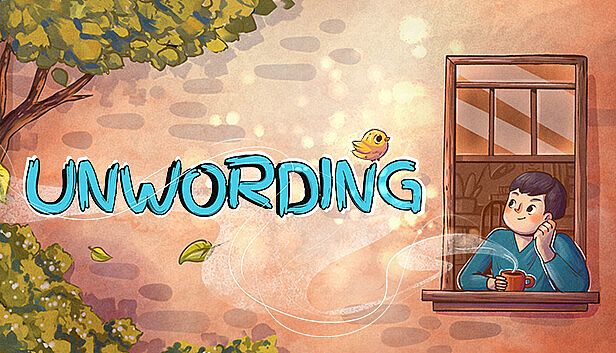

















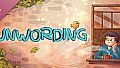

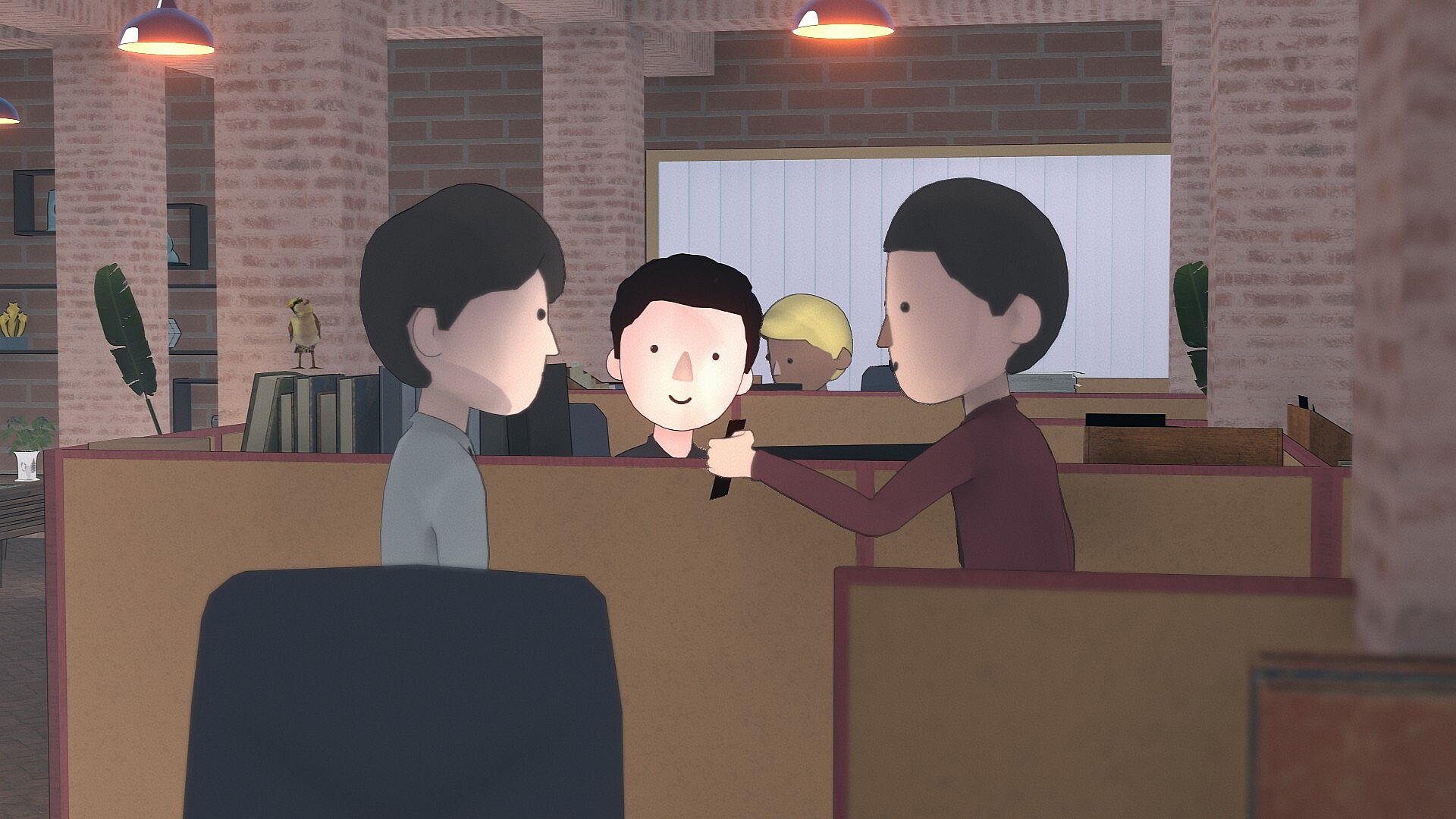
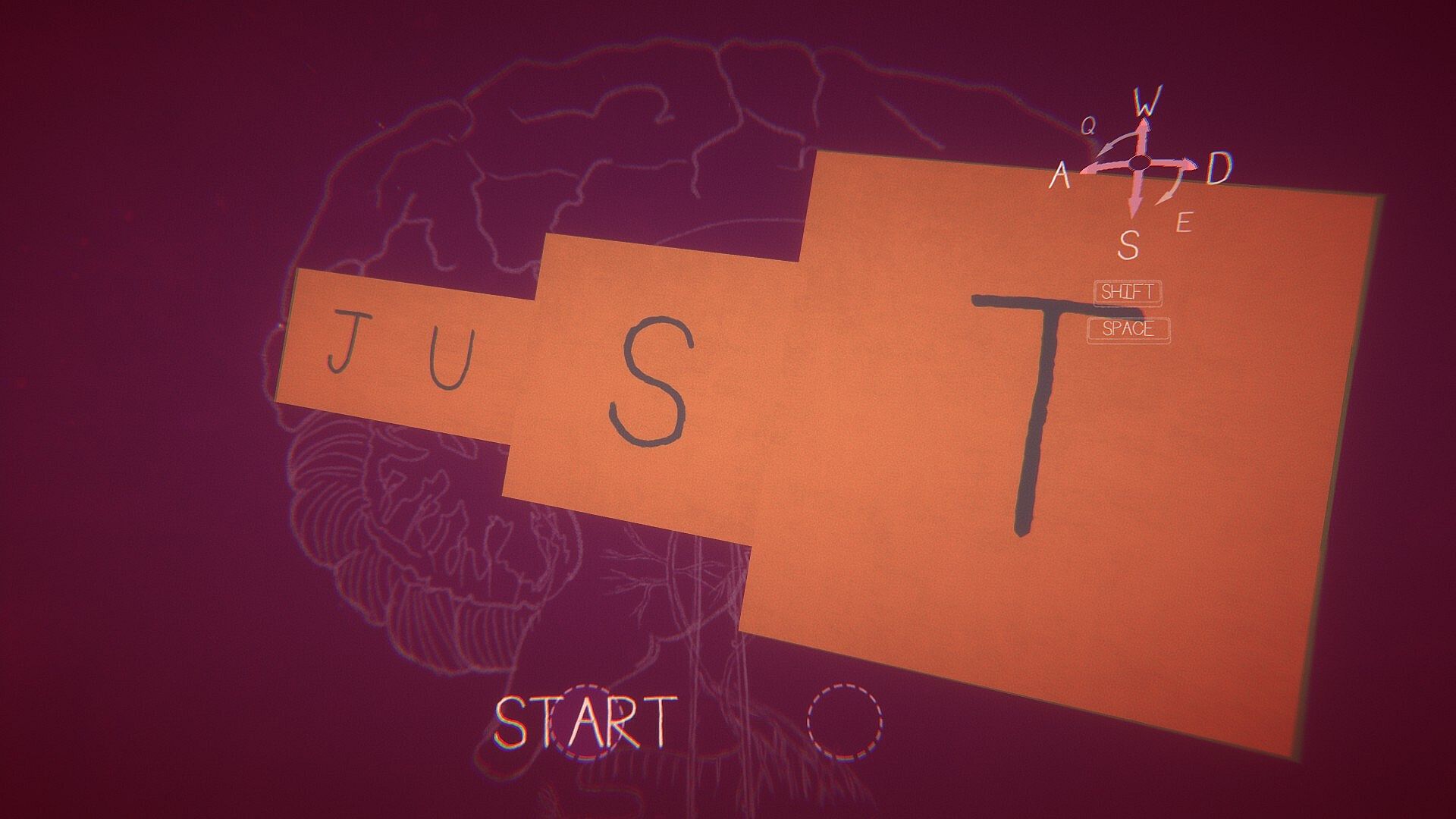









Unwording stands as an indie adventure game centered on word puzzles and personal reflection. Players guide Tom through a compact narrative that unfolds over several in-game days on PC. Everyday scenes transform into letter-based challenges that mirror his outlook, while exploration reveals shifting viewpoints of the same neighborhood.
Gameplay
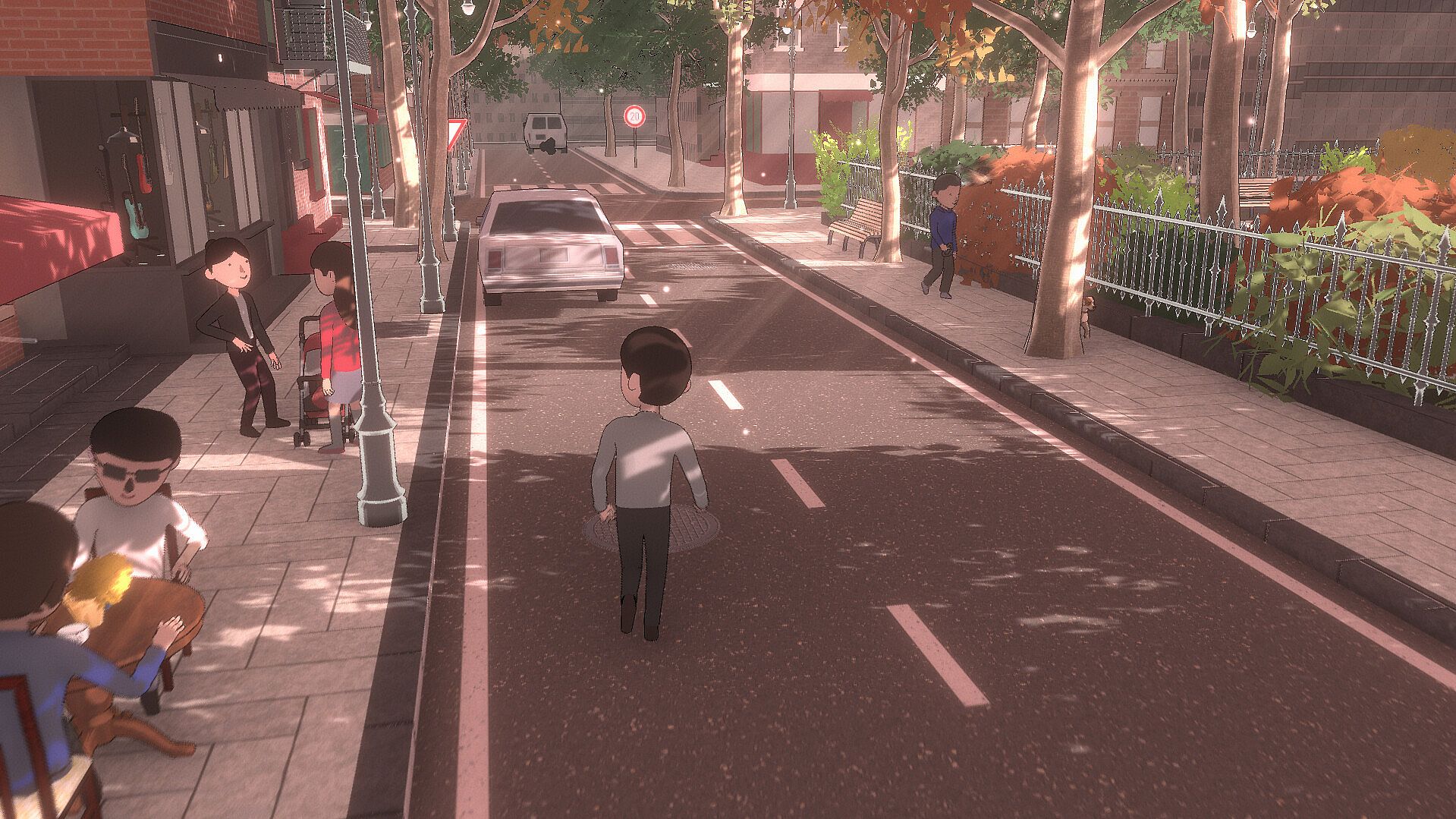
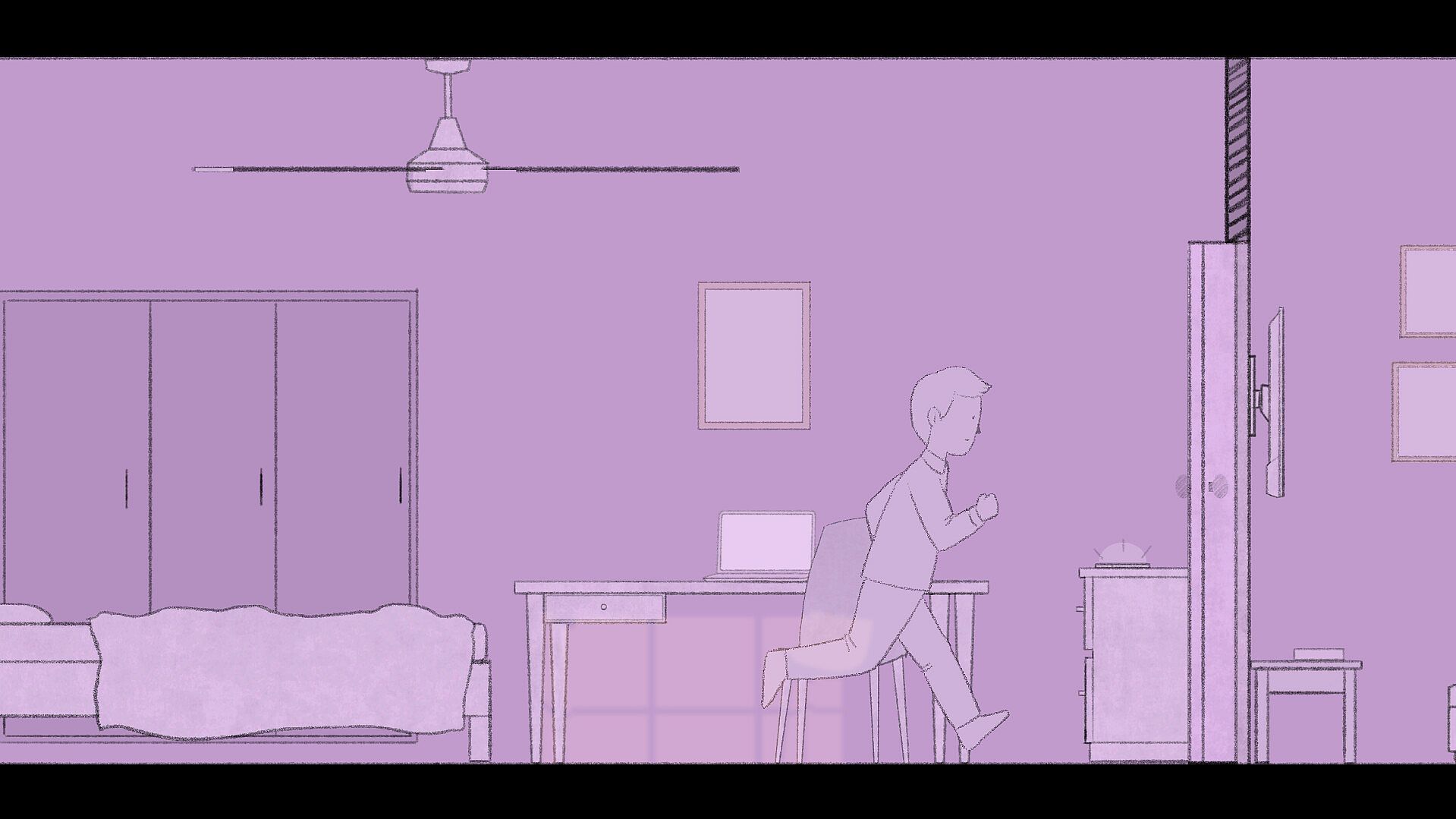
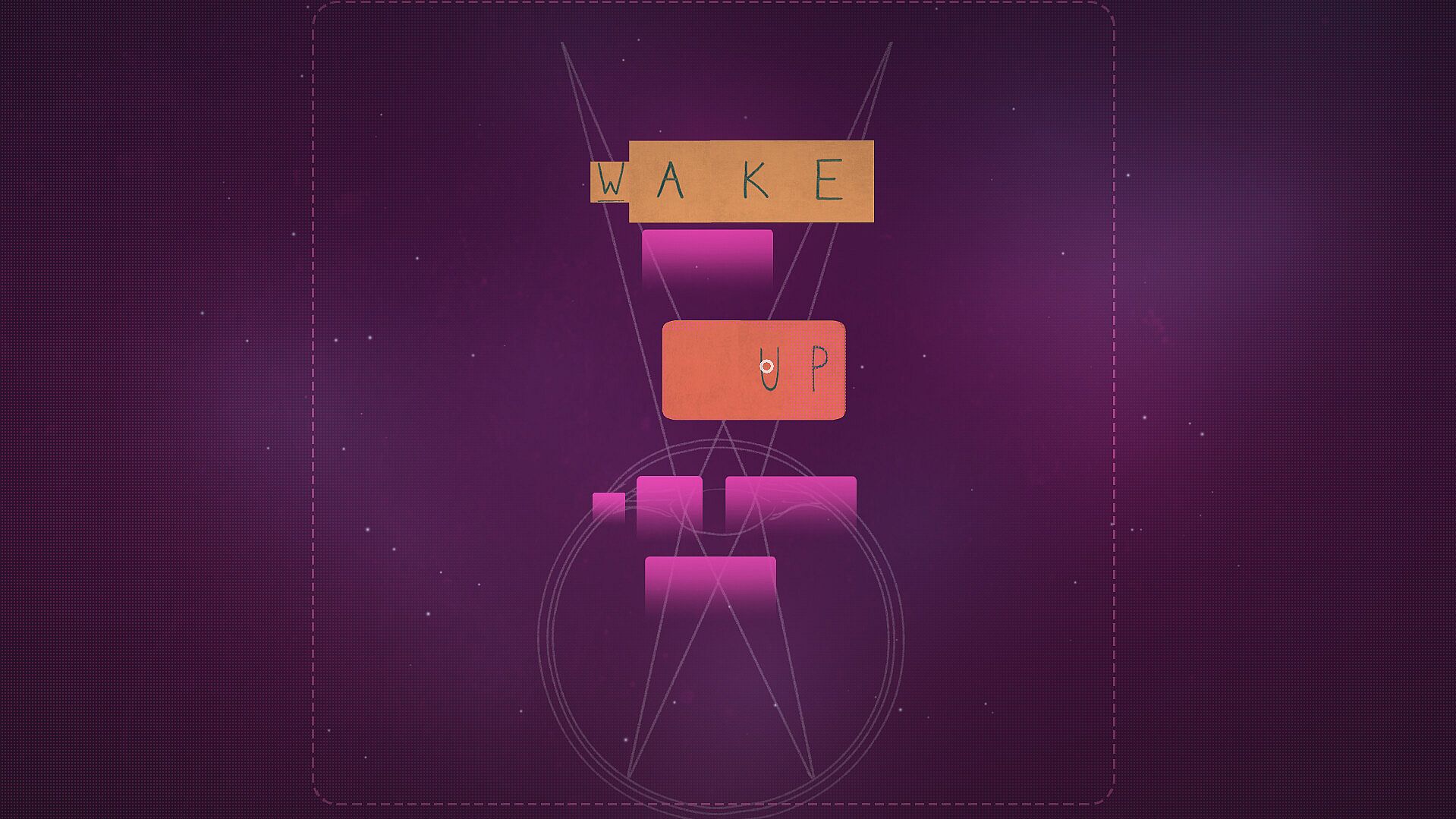
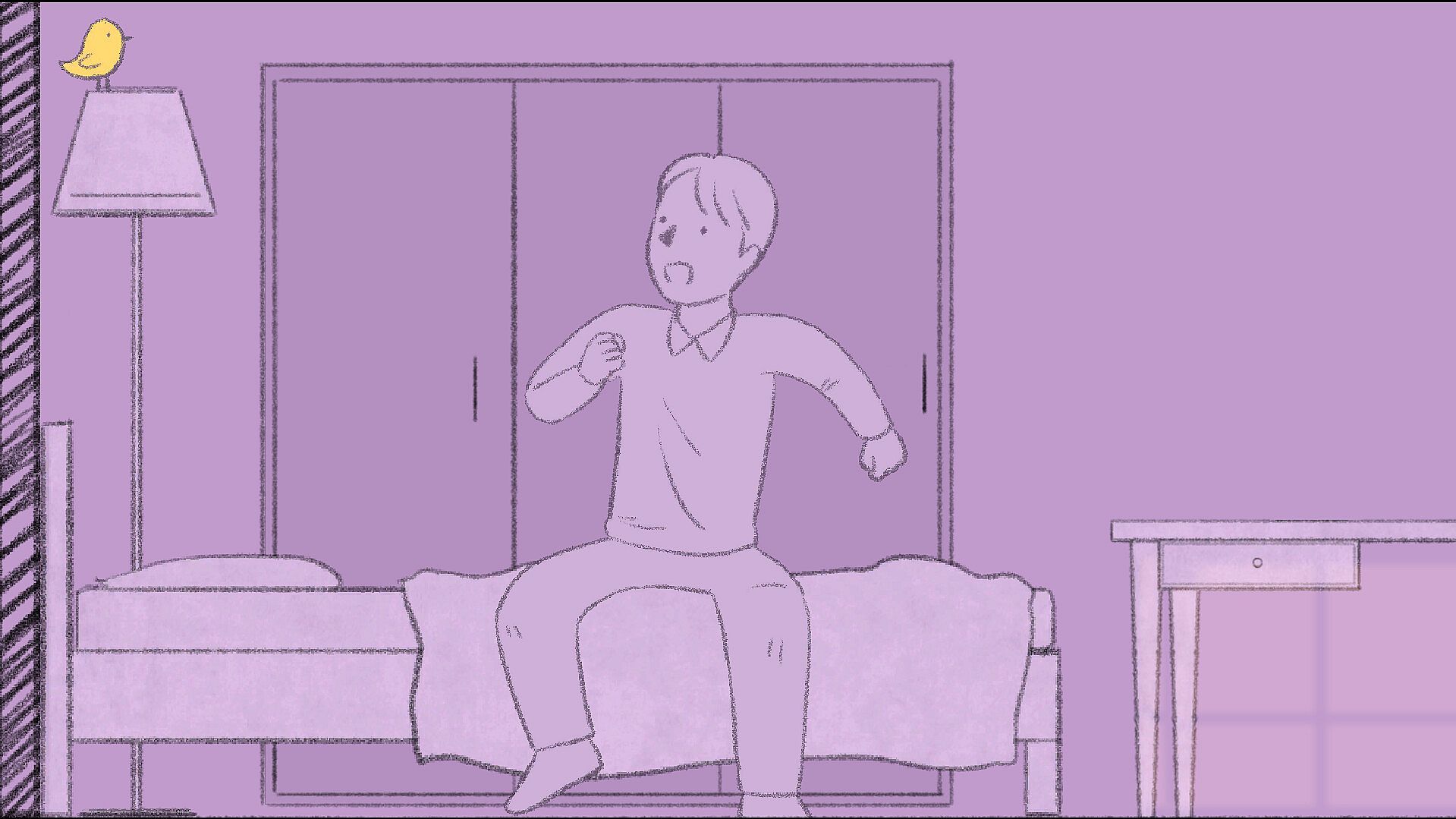
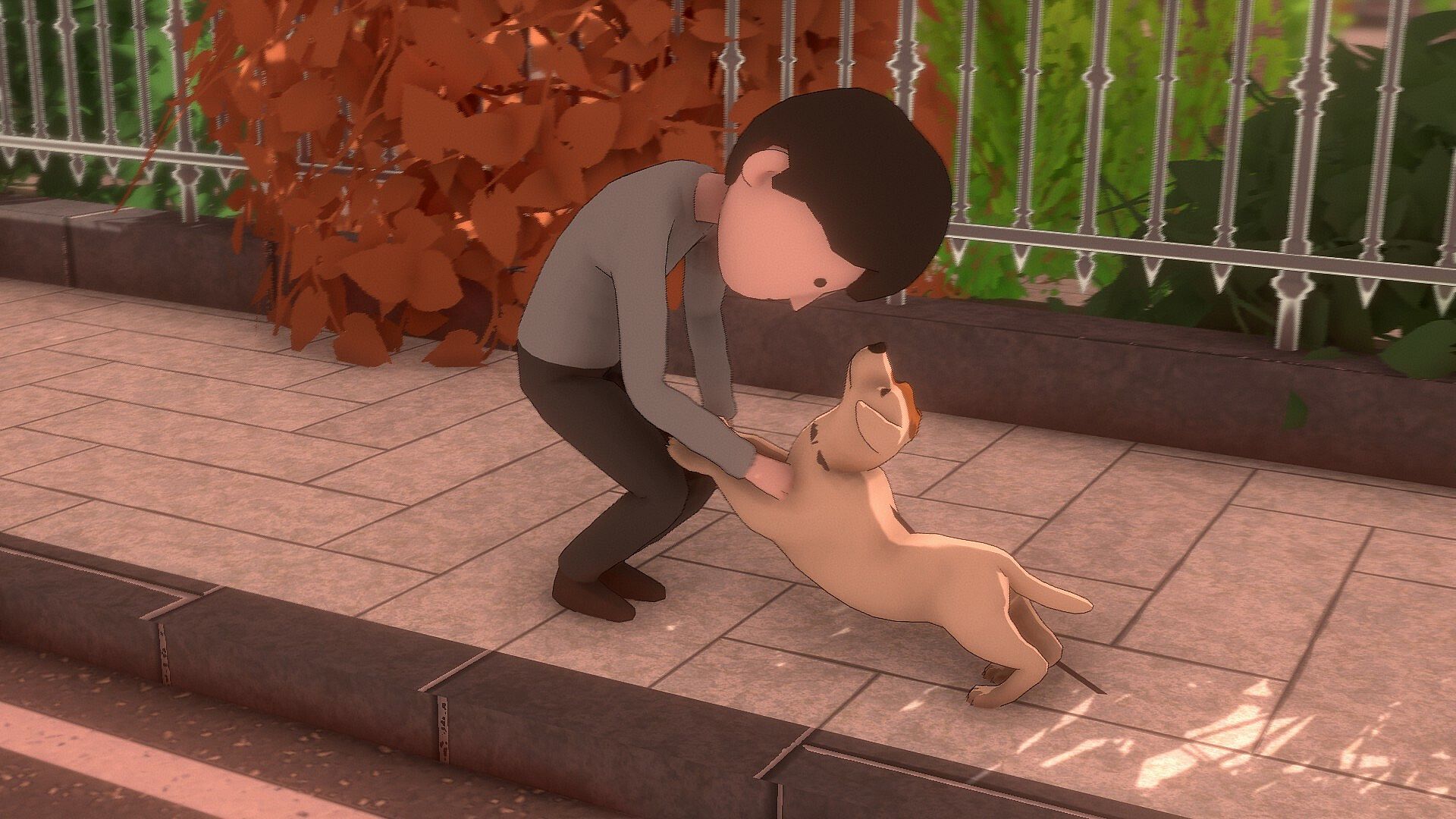
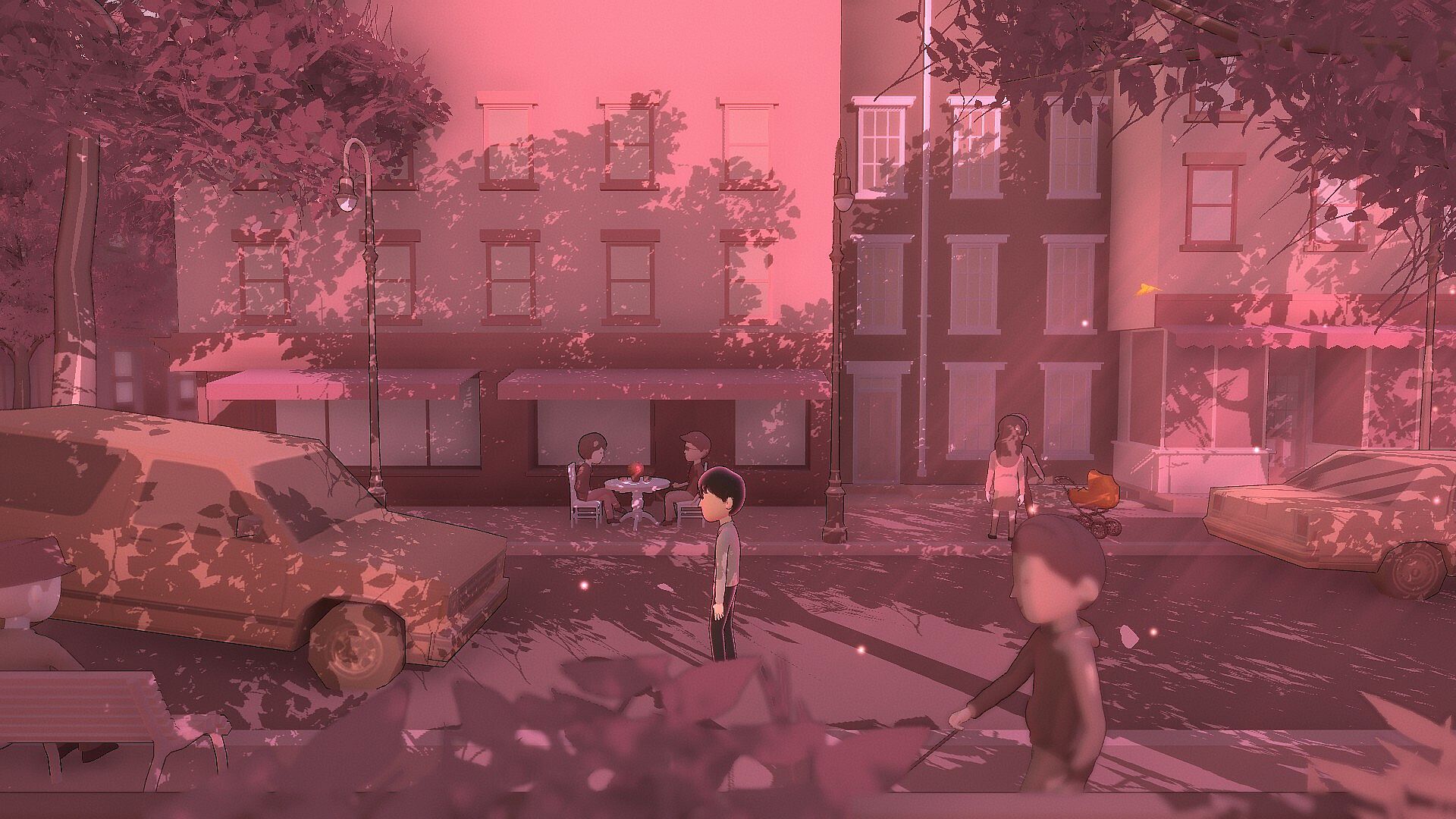
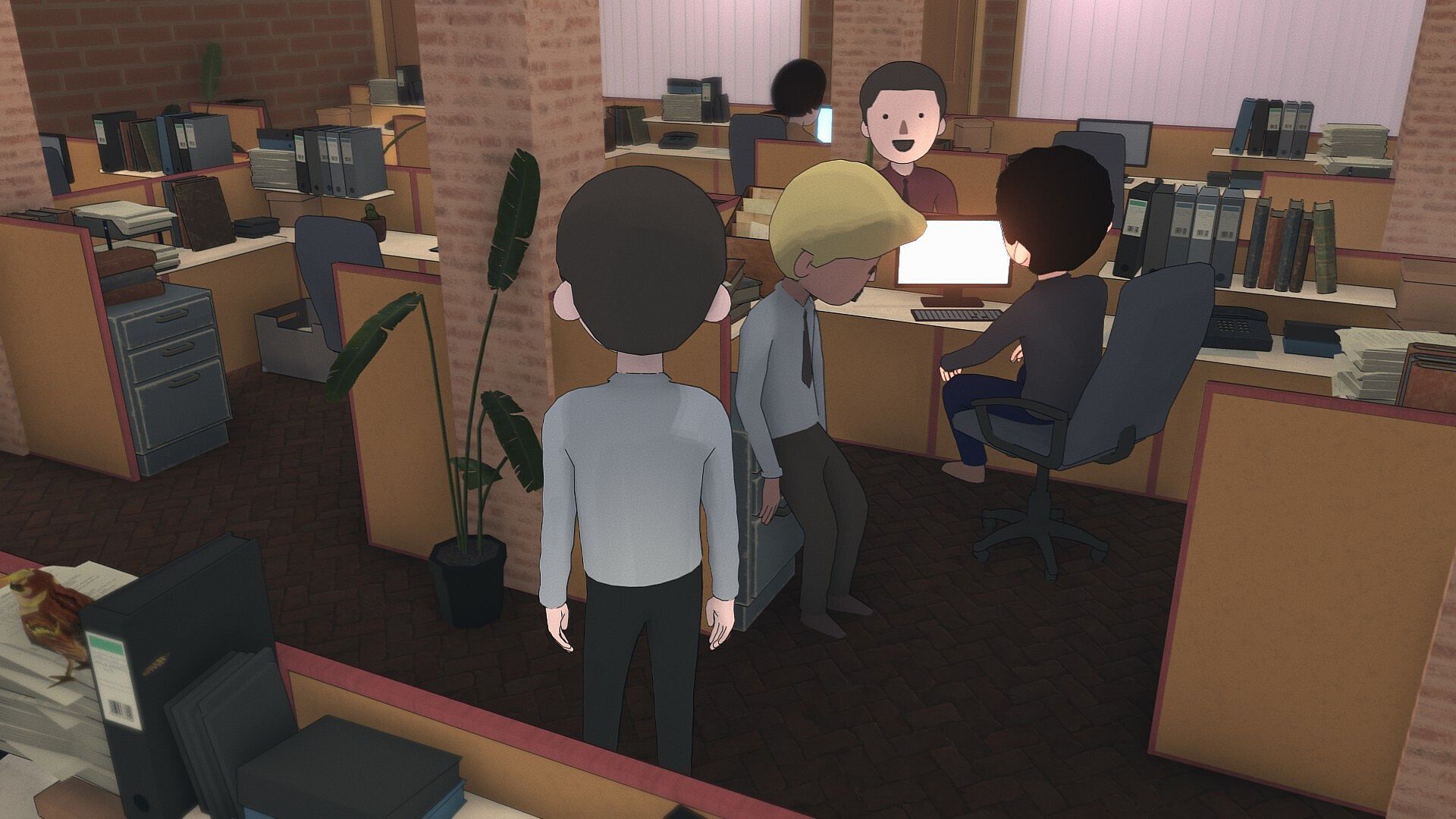
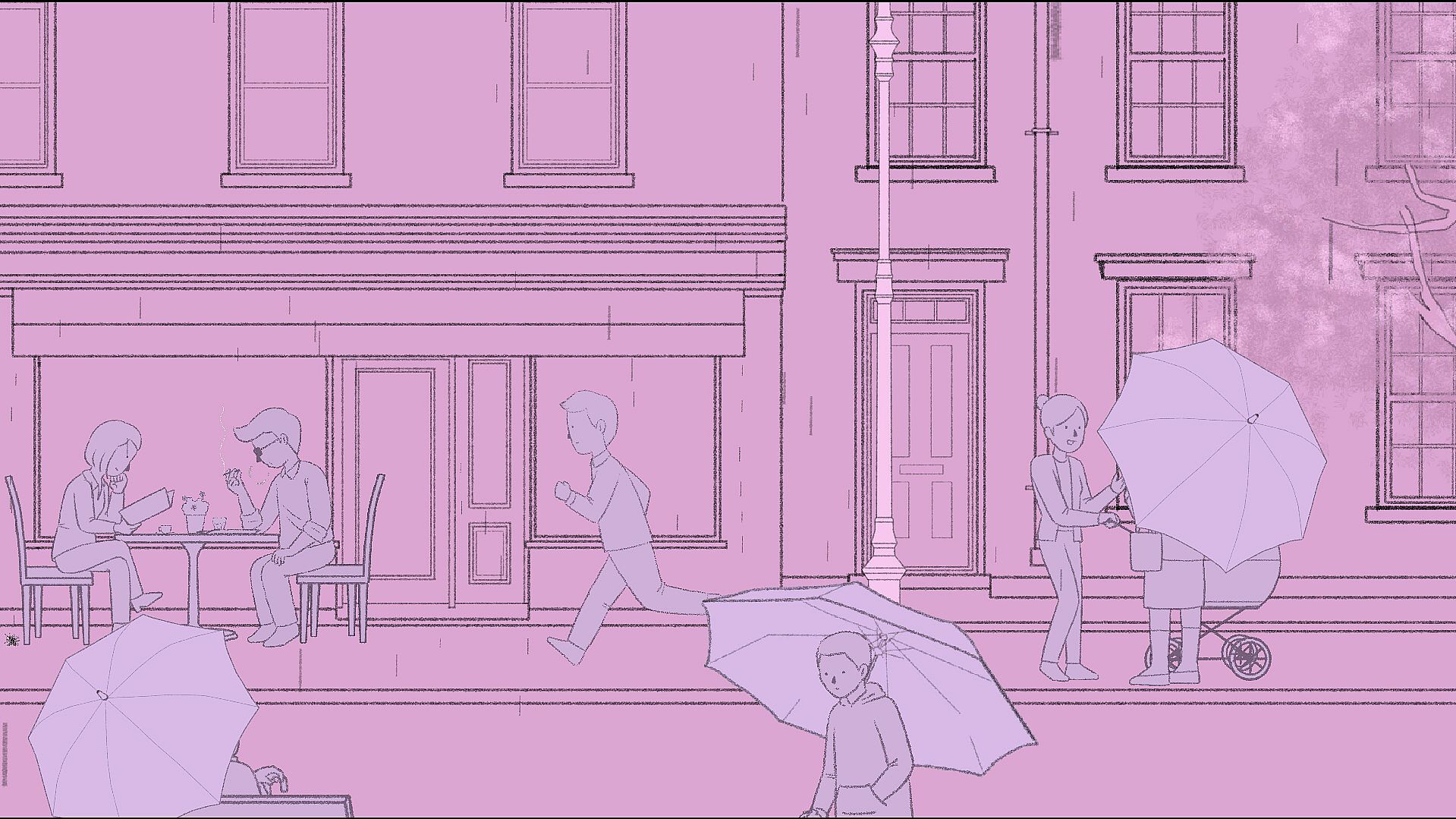
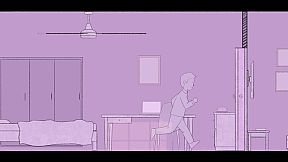
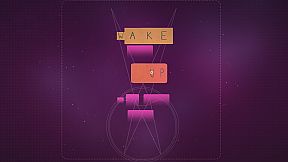
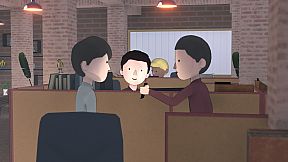
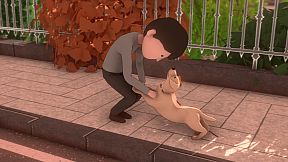
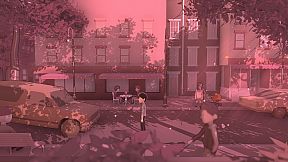
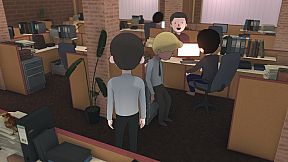
The core loop combines solving word puzzles with neighborhood exploration. Objects and environments rearrange into letter grids whose solutions form self-defeating phrases at first. As days progress, those same puzzles evolve and reflect gradual shifts in perception. Three distinct visual styles mark the journey, moving from flat 2D tones into layered 2.5D scenes and finally full 3D environments that match Tom's changing mindset. A tender soundtrack accompanies each stage, adjusting its tone to underscore emotional beats without any spoken dialogue. An optional easy mode removes puzzle pressure for those focused solely on the story progression.
Game Modes
Unwording operates as a single-player experience with no separate competitive or cooperative options. The main path follows the story in sequence, while the built-in easy mode serves as an alternative for quicker narrative access. Puzzles adapt automatically across in-game days, creating natural progression without additional selectable modes or branches.
Narrative and Visual Design
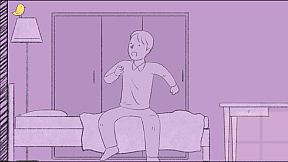
The story centers on Tom's struggle with negative thought patterns and the arrival of a small yellow bird that disrupts his routine. Exploration from multiple angles encourages players to reconsider familiar spaces. Visual transitions between art styles reinforce the theme of perspective change, while the absence of dialogue keeps focus on environmental storytelling and puzzle solutions that advance the plot.
Is It Worth Playing?
Unwording delivers a concise, focused adventure suited to players who enjoy thoughtful word puzzles paired with emotional themes around mental health and self-perception. Its mostly positive reception highlights the effective use of mechanics to illustrate cognitive shifts. The short length and optional easy mode make it accessible for story-driven playthroughs, while the standard difficulty offers satisfying challenge for puzzle enthusiasts. Those seeking a reflective single-player experience on PC will find the combination of evolving puzzles, perspective-based exploration, and evolving presentation worthwhile.