




















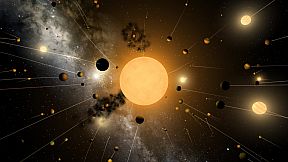

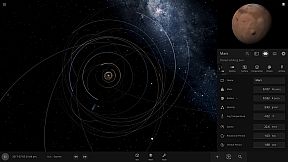
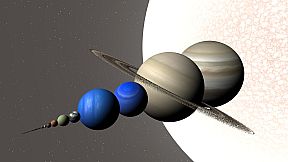
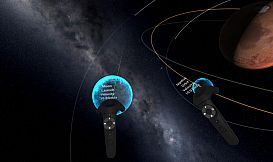
Universe Sandbox stands out as a physics-based space simulation game that lets you tinker with cosmic elements on a grand scale. Available on PC, this indie title blends casual gameplay with deep simulation mechanics, remaining in early access as developers continue to refine its features. At its core, the game empowers you to build, manipulate, and observe astronomical phenomena using real physics principles, making it a unique tool for anyone curious about the universe.
Gameplay
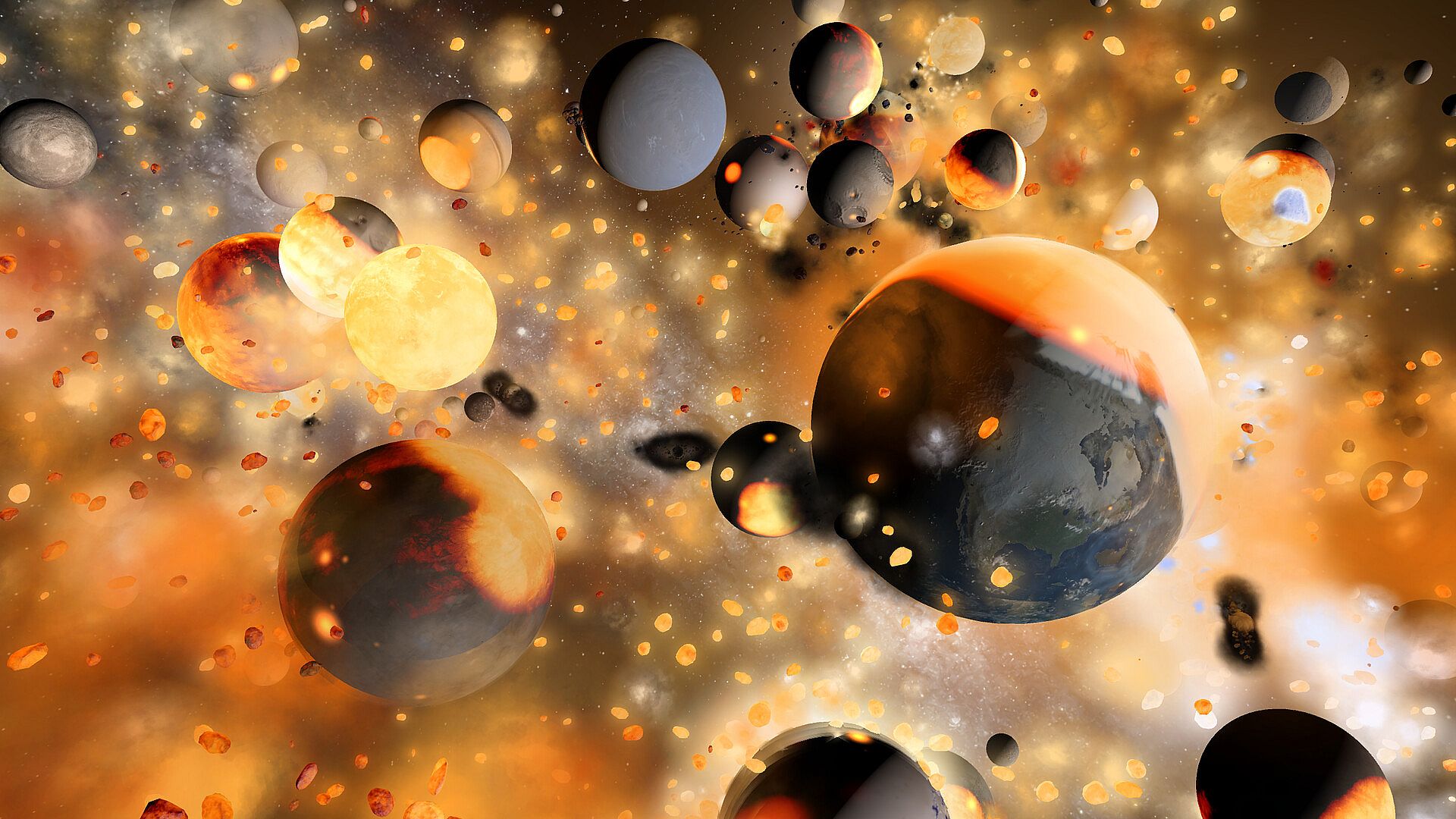
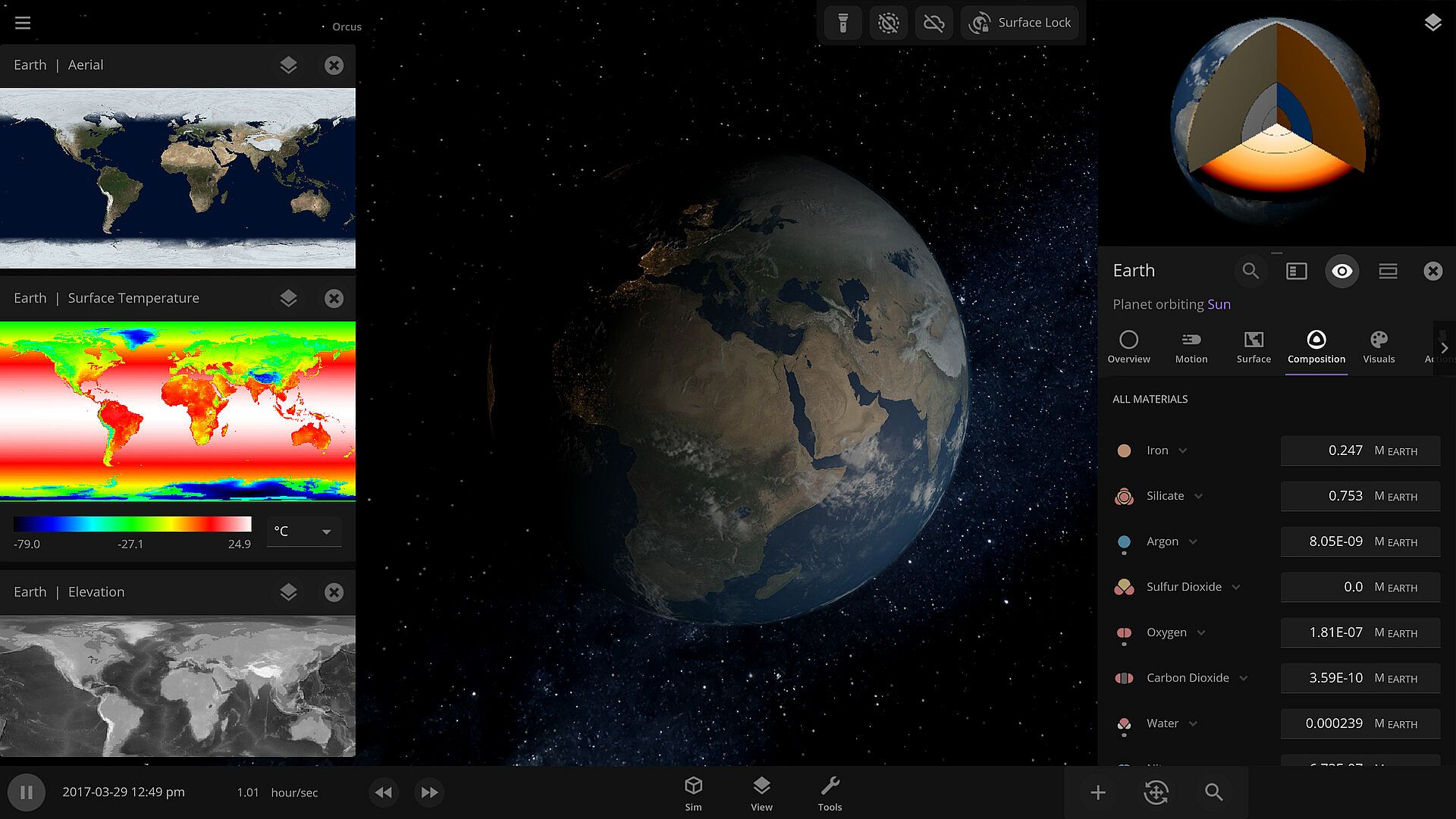
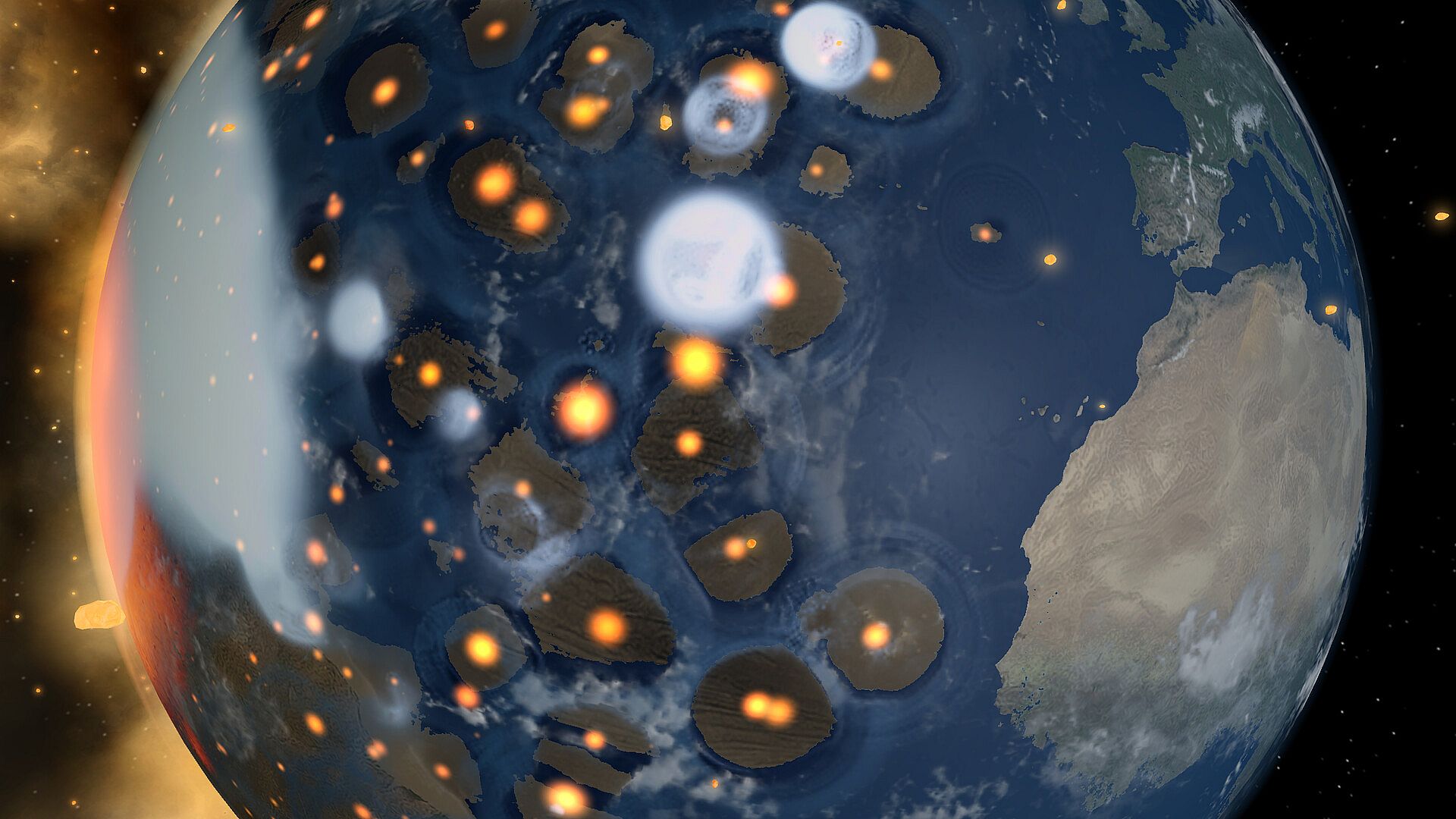
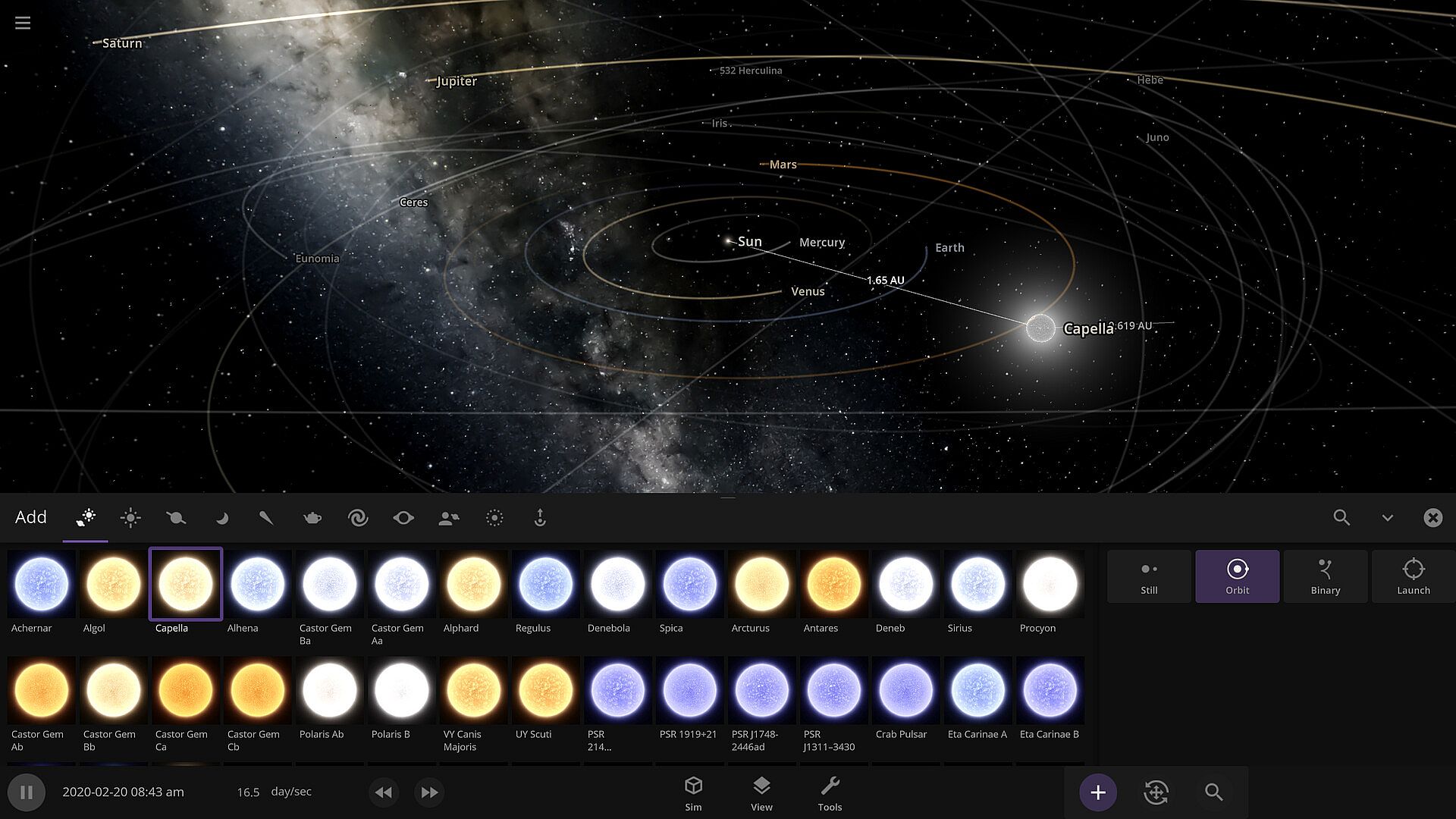
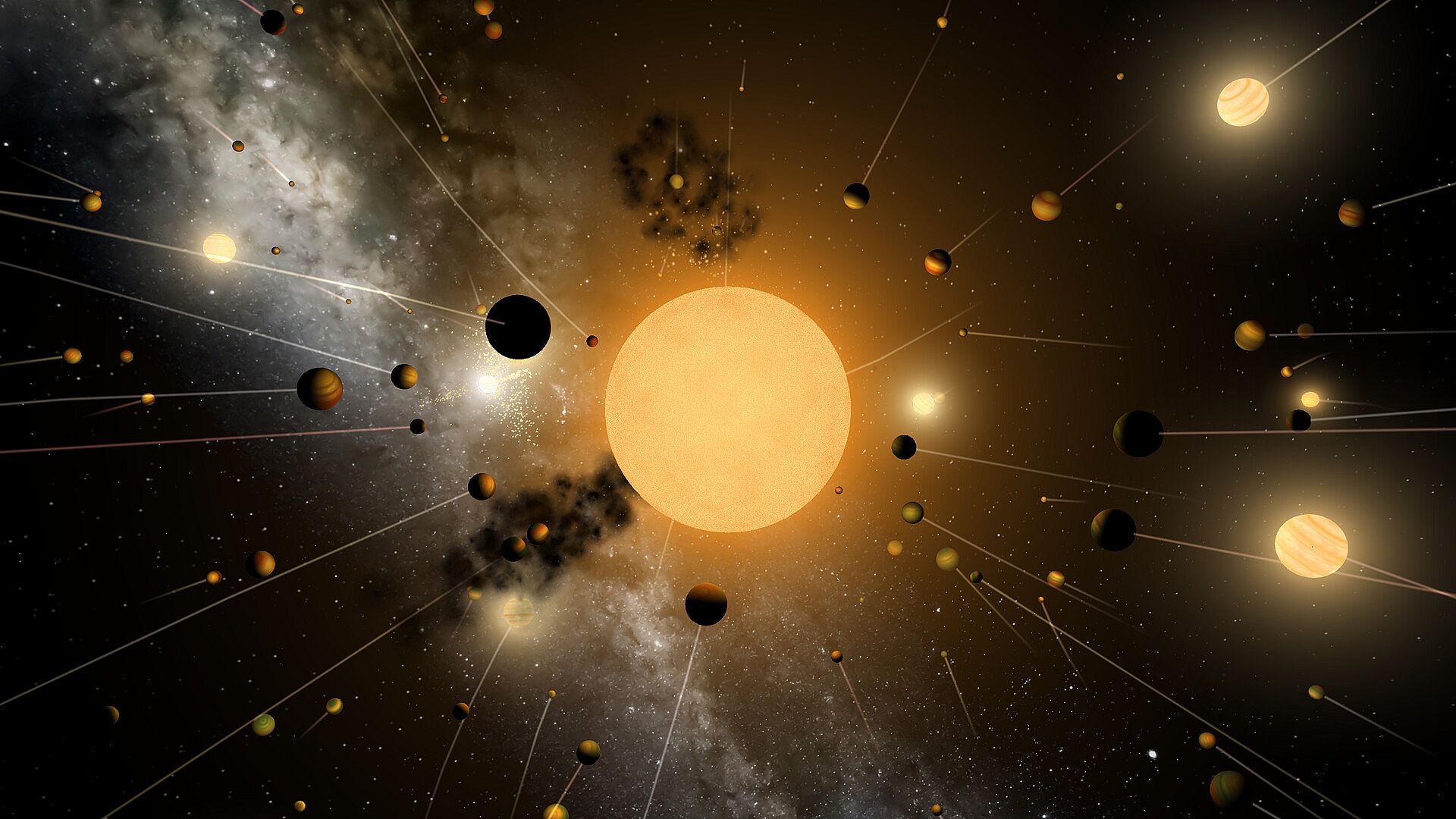
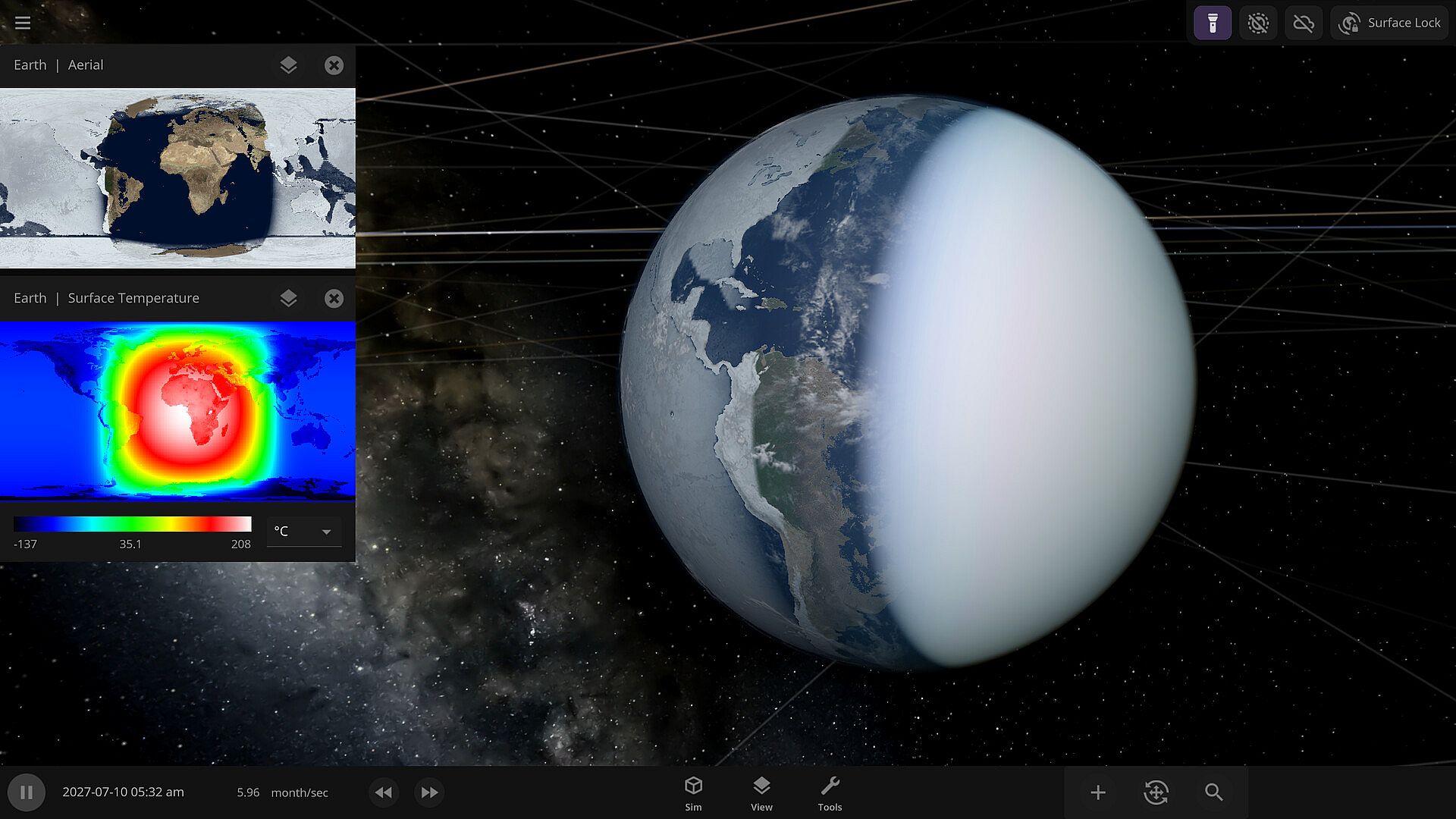
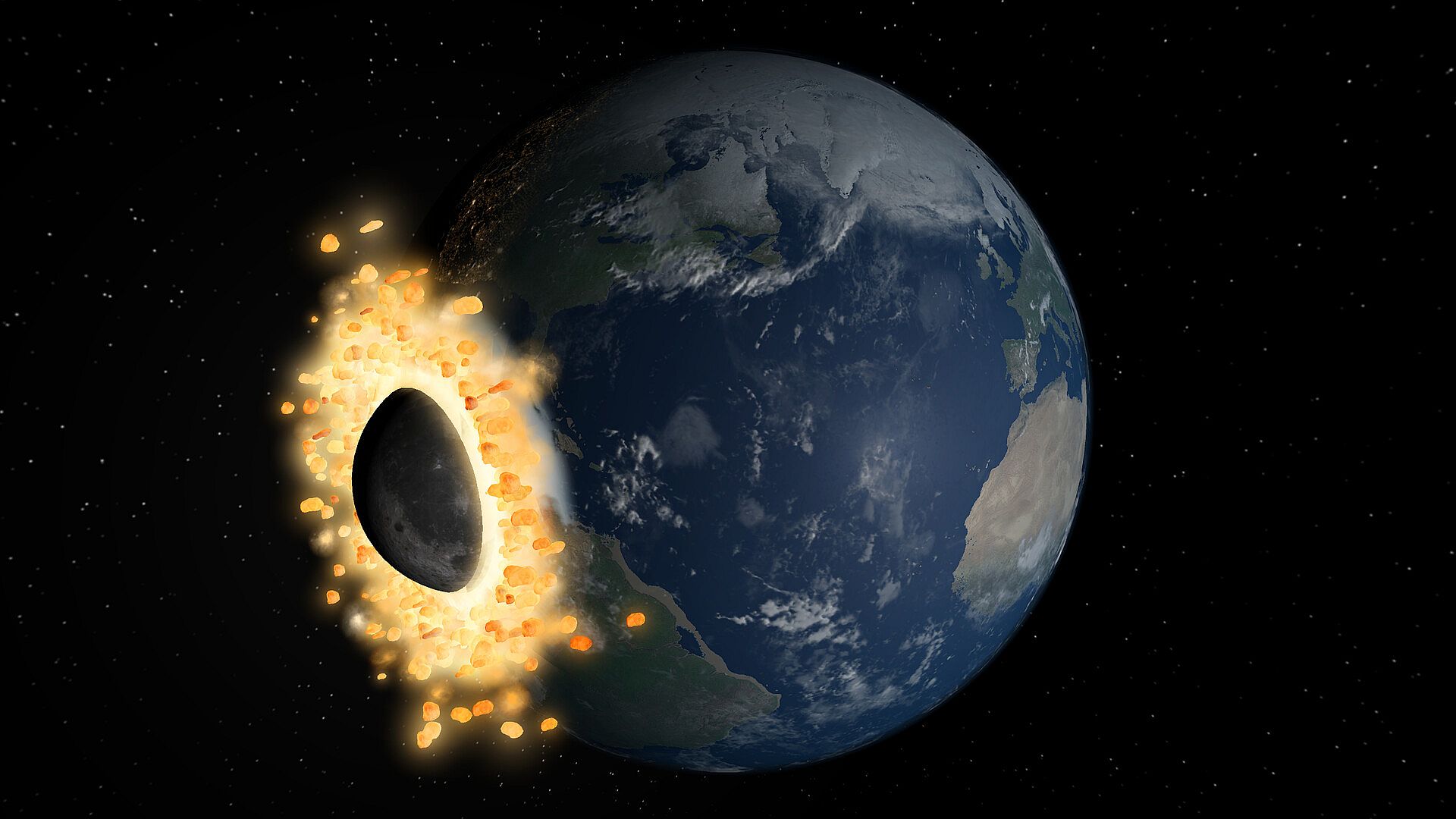
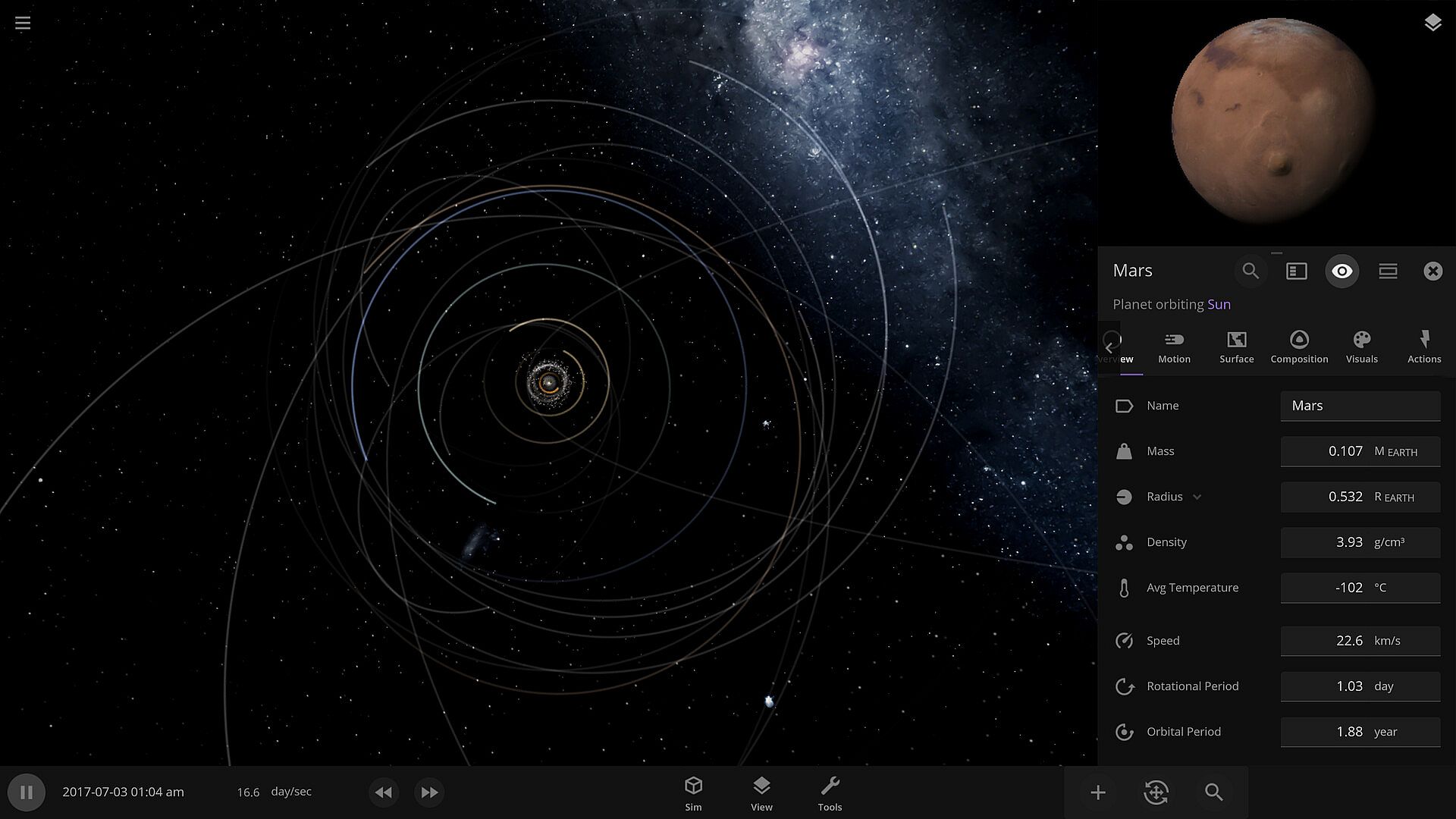
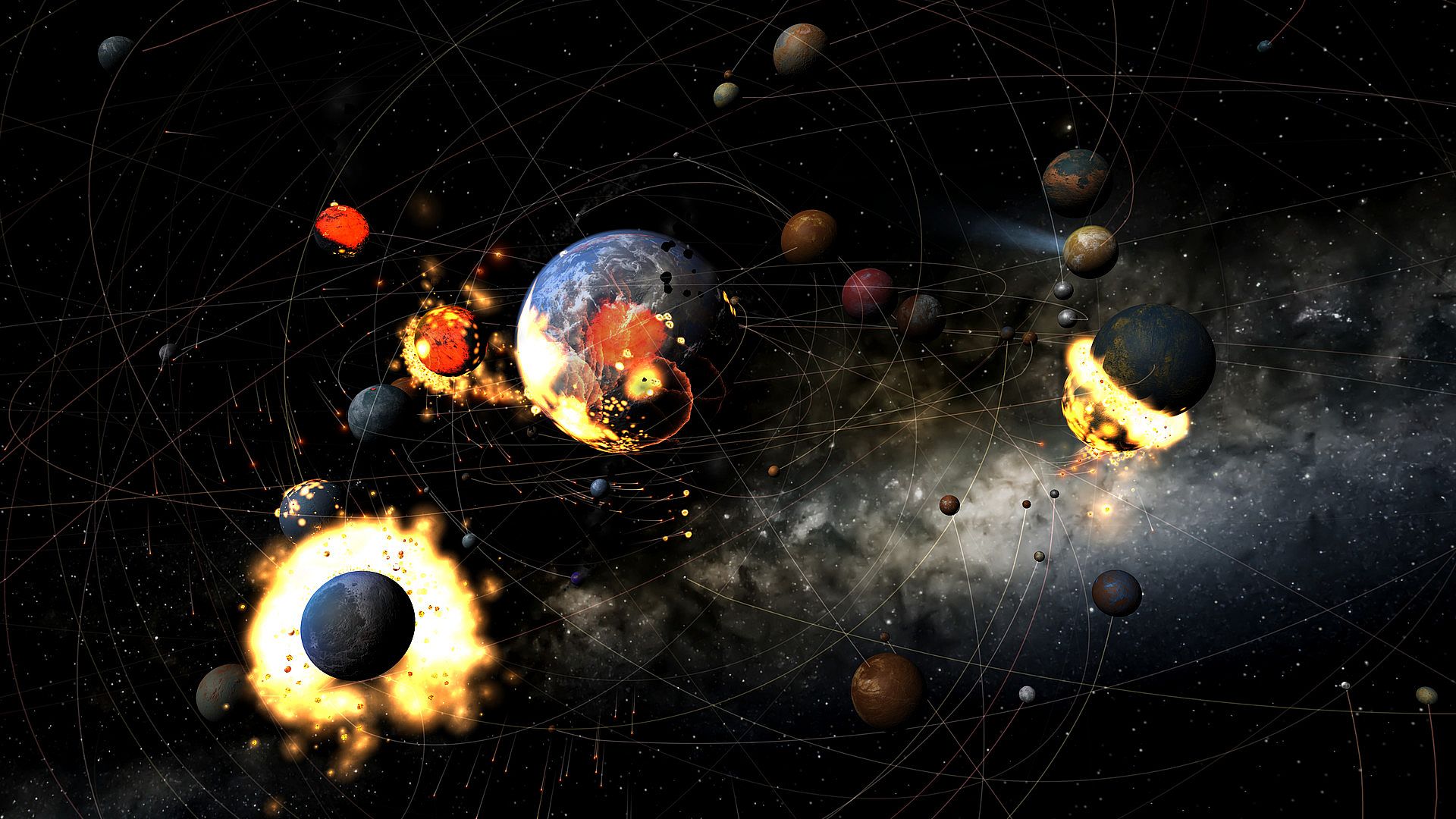
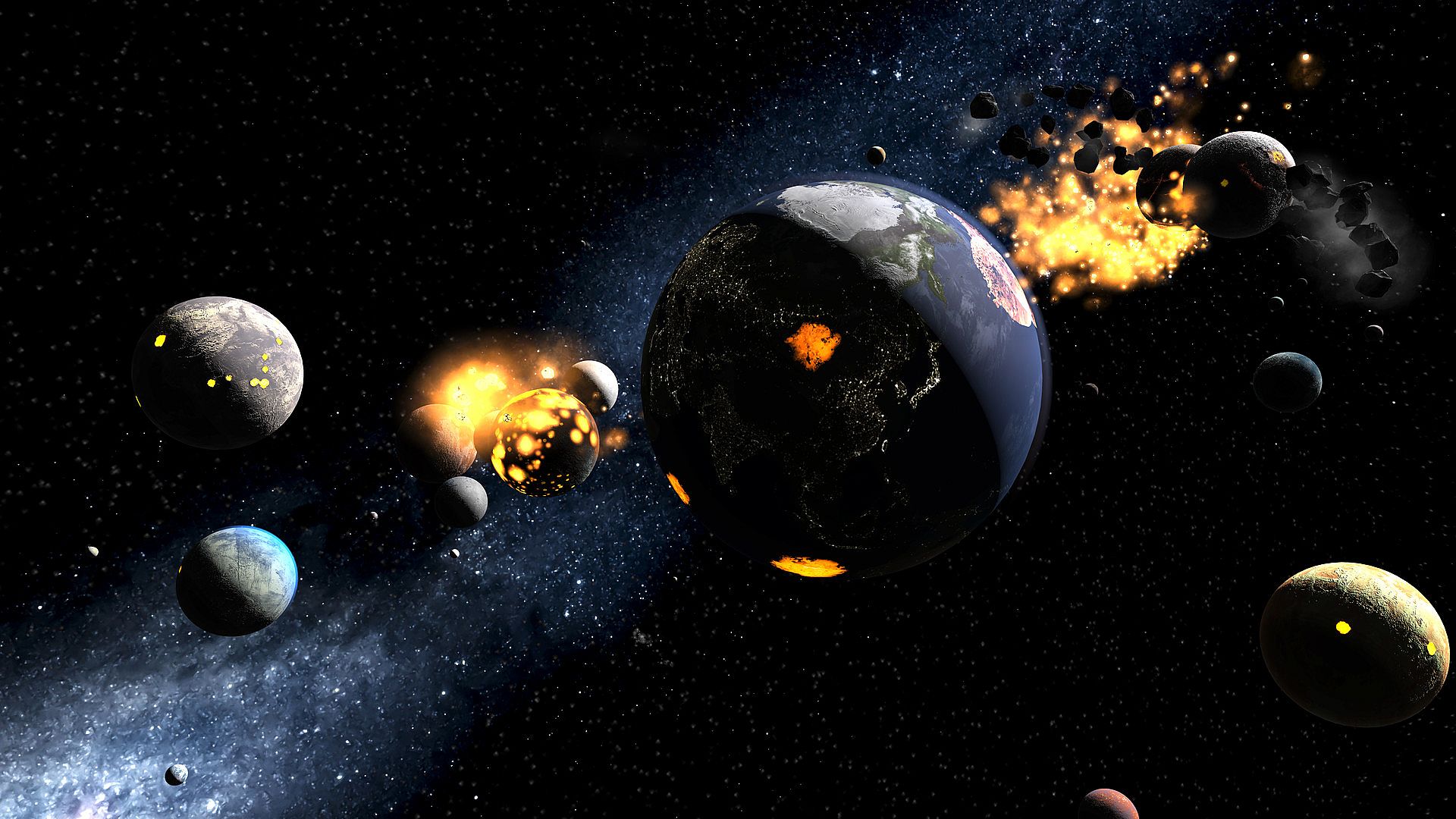
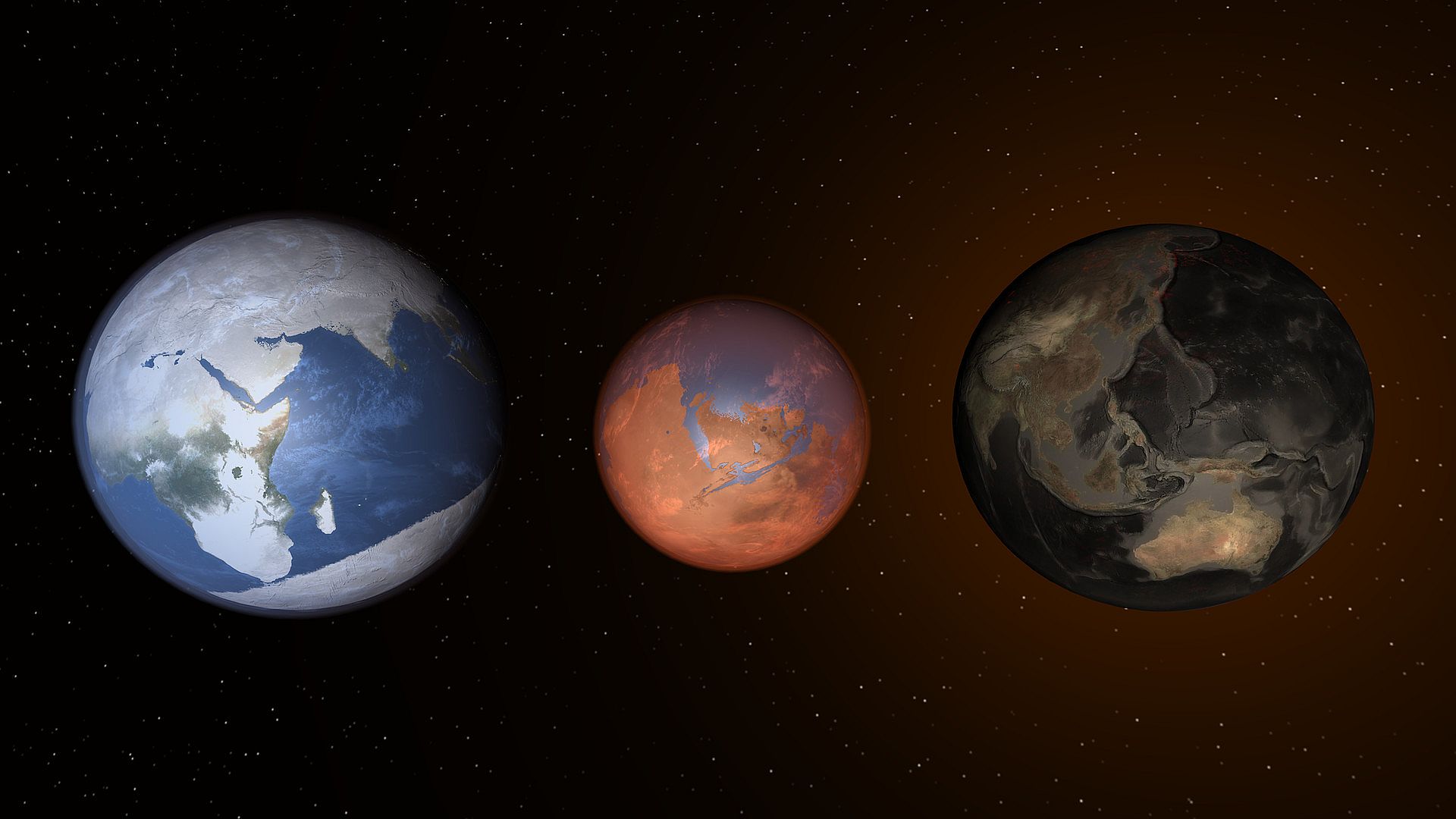
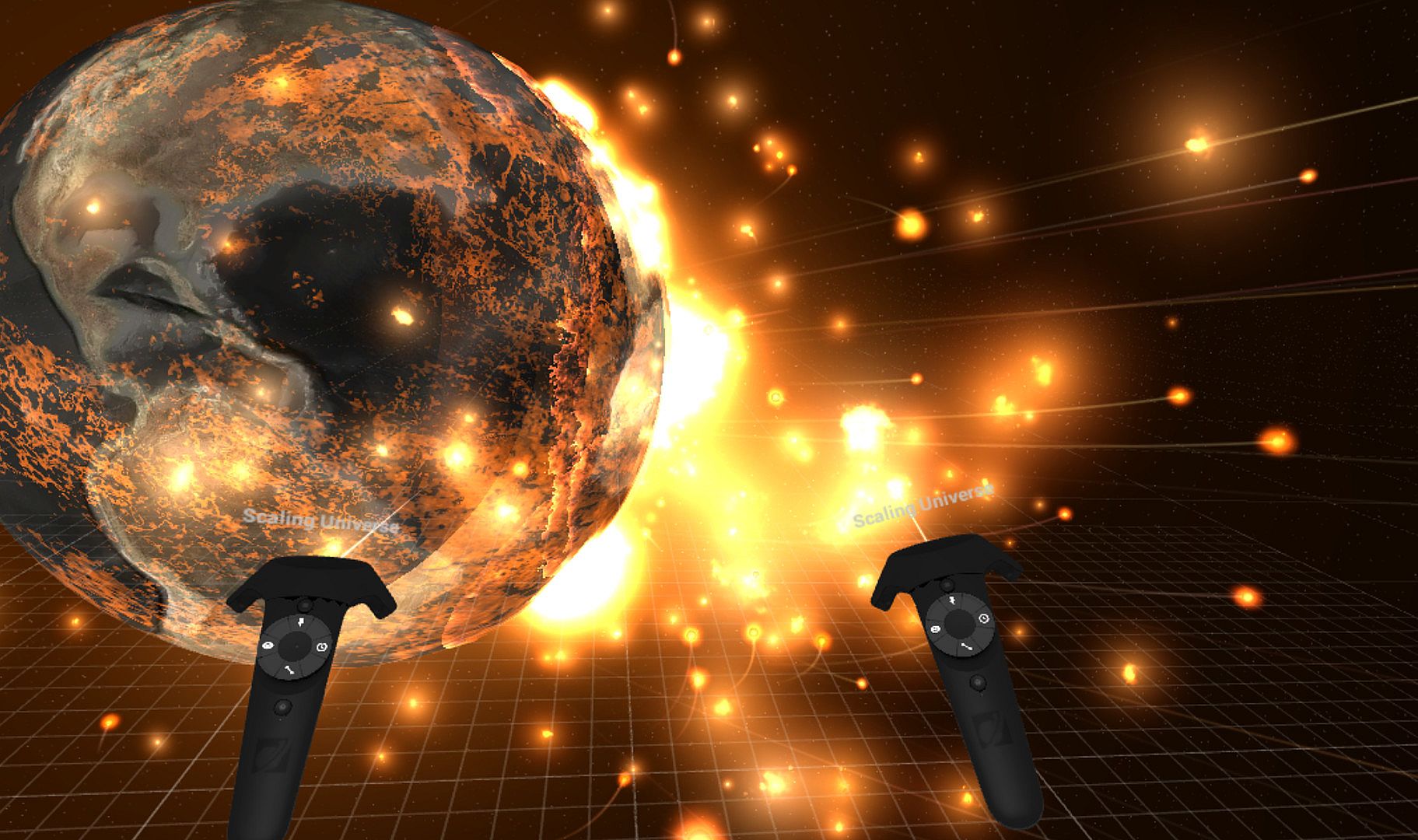
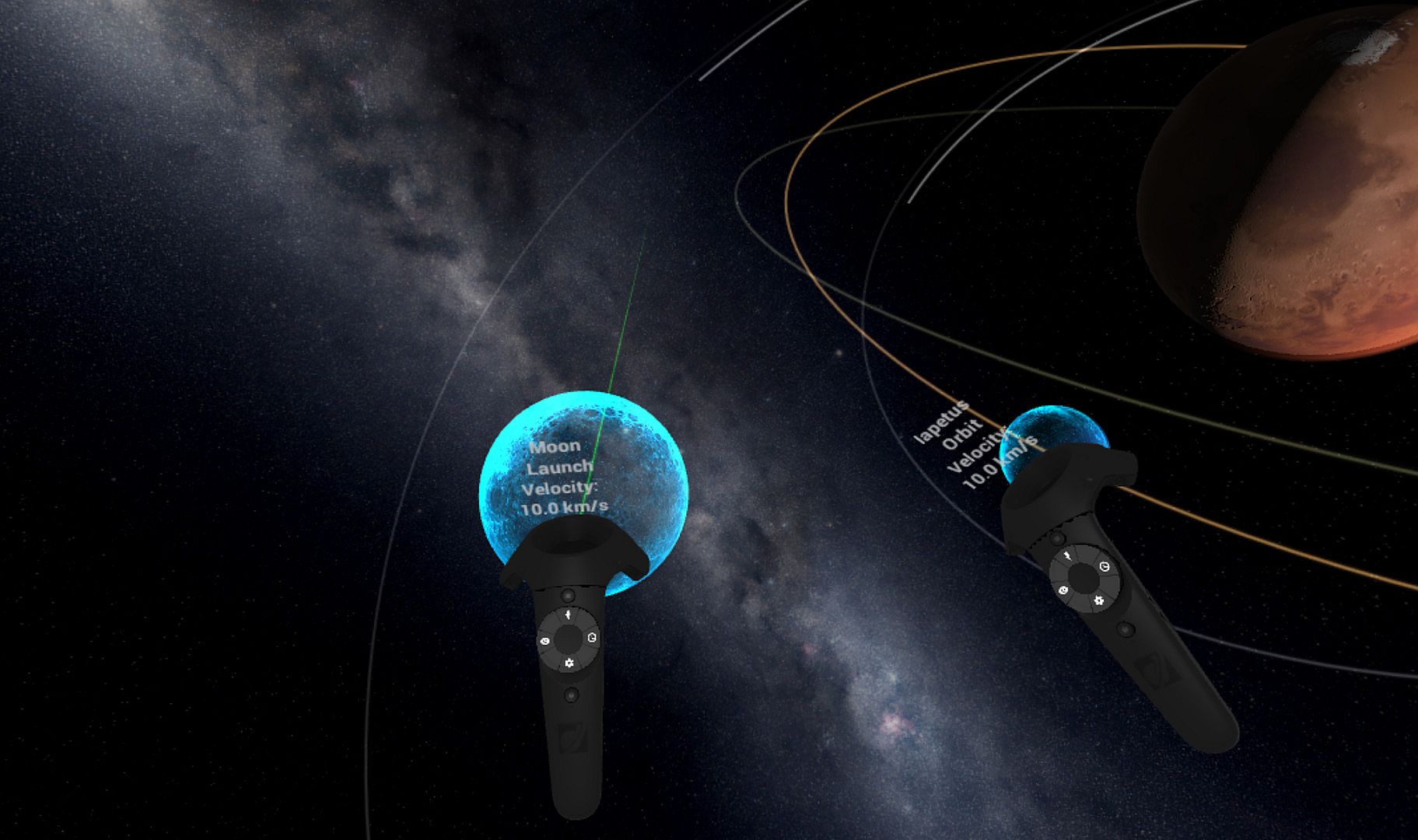
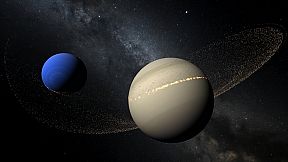
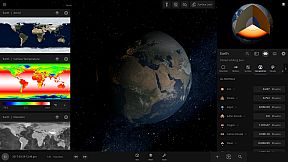
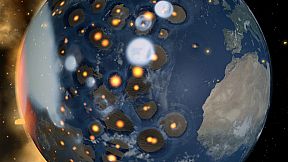
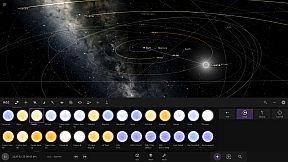
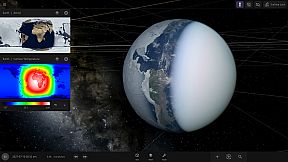
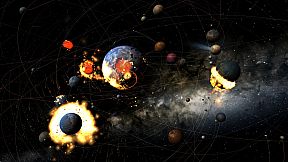
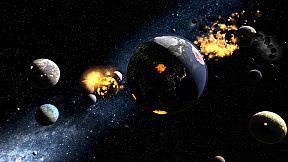
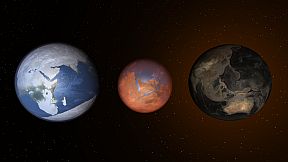
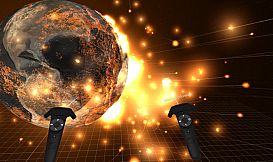
The gameplay revolves around an N-body simulation that handles gravity with Newtonian mechanics, allowing interactions at various speeds without needing massive computing power. You start by setting up systems, such as adding planets to a star, incorporating moons, rings, comets, or black holes. Collisions between planetary bodies create dramatic effects, like molten craters from impacts. Climate modeling lets you adjust a planet's tilt to watch sea ice form or recede across seasons, or move it closer to a star to boil away oceans.
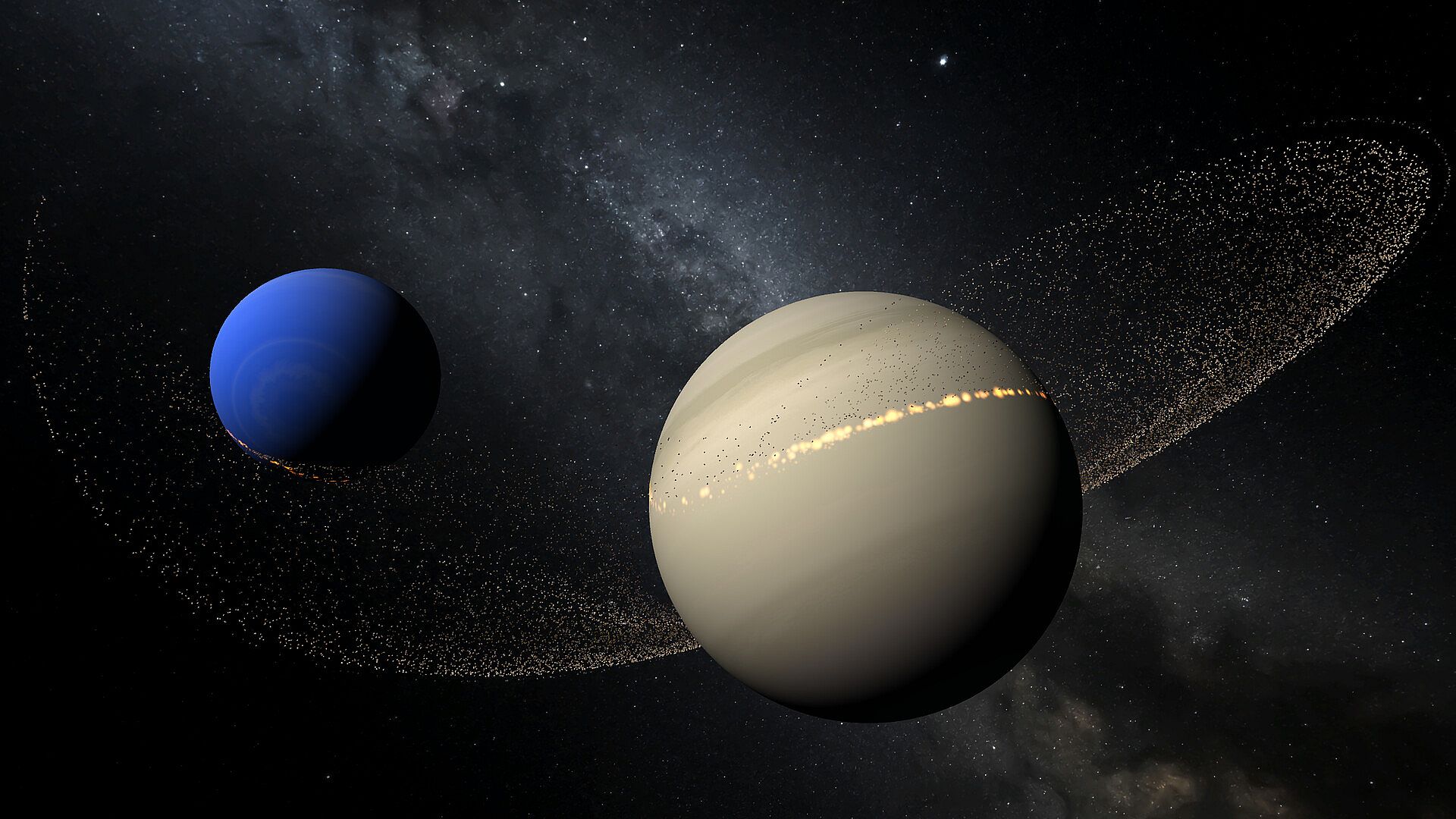
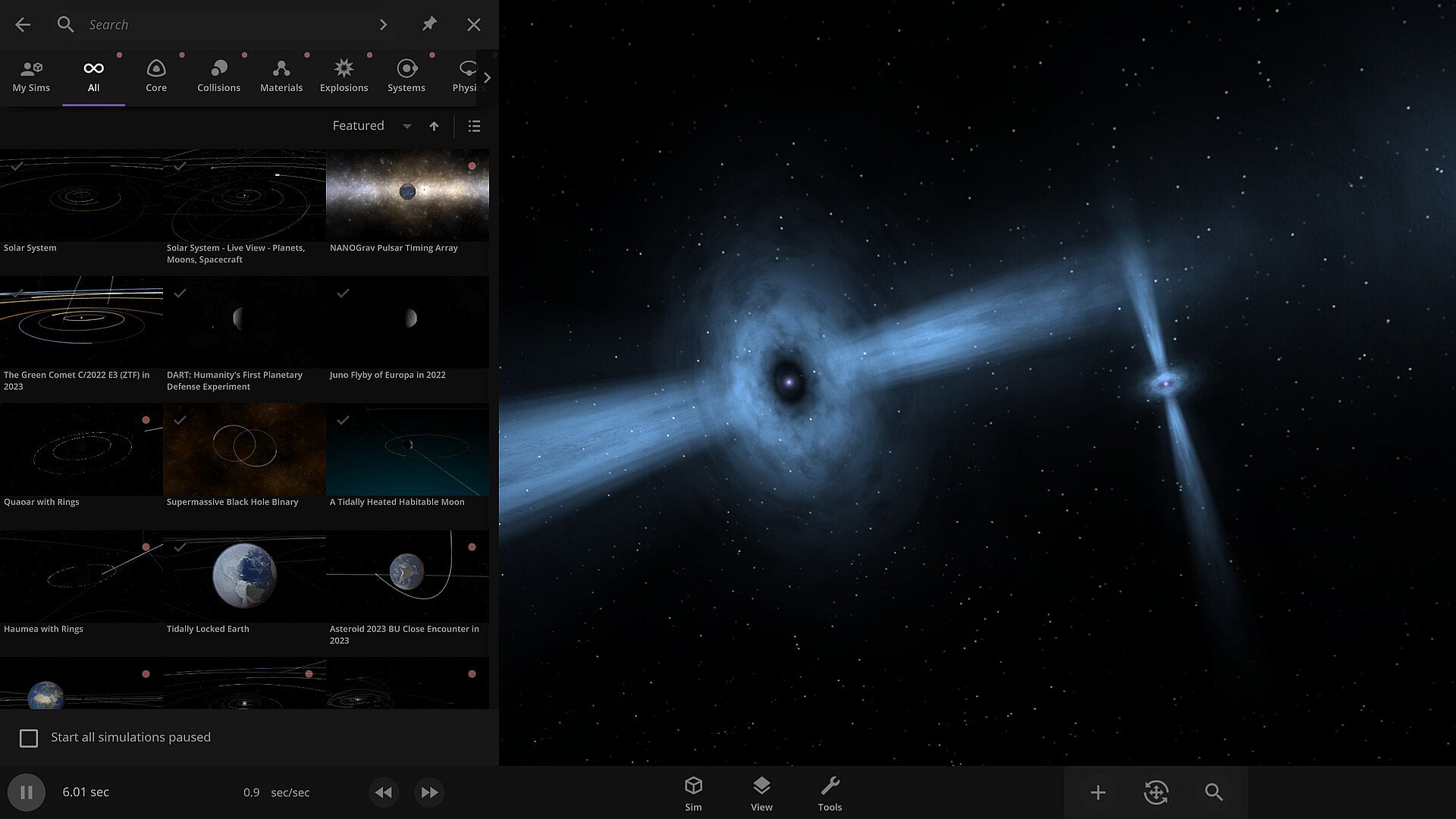
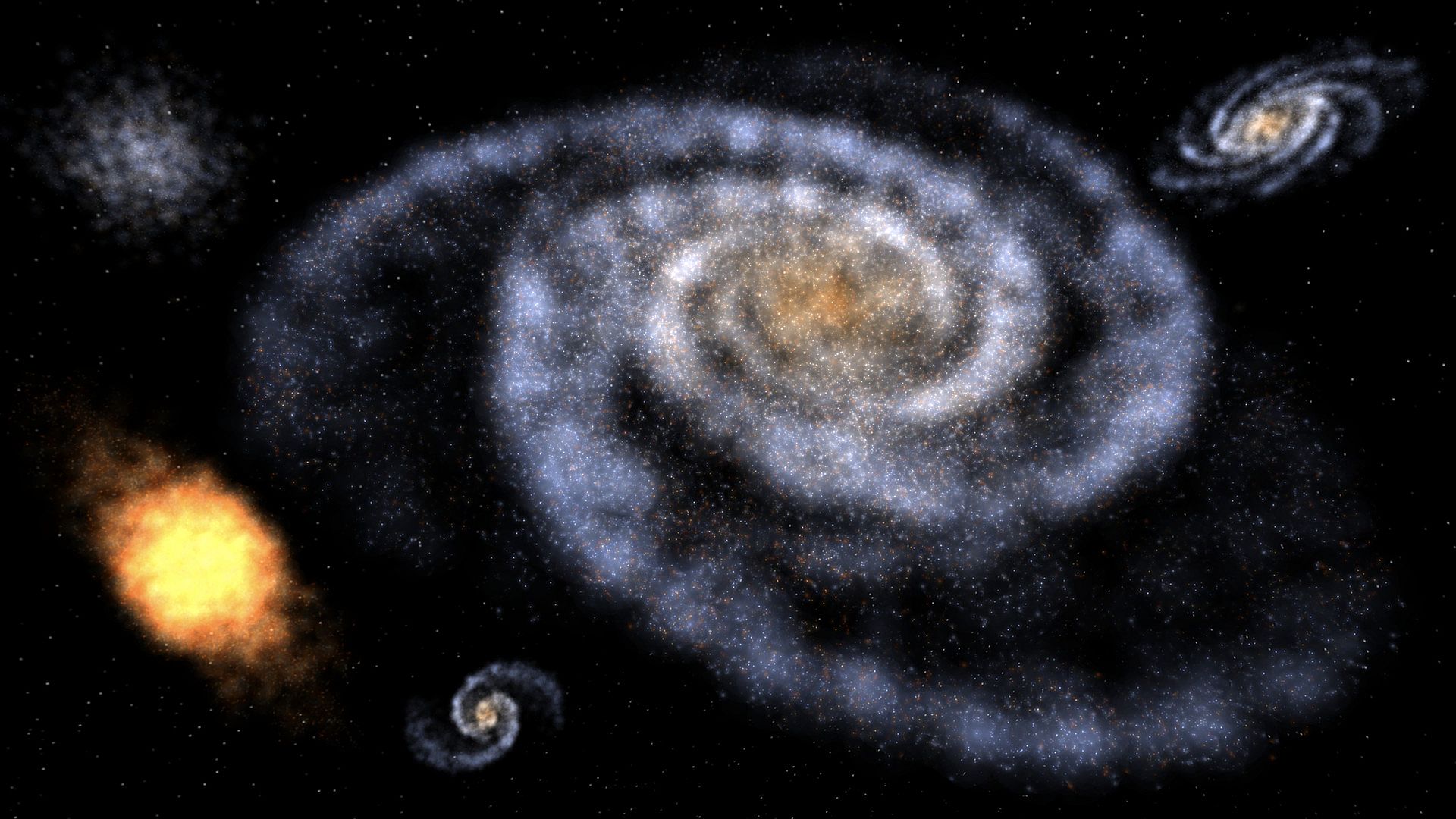
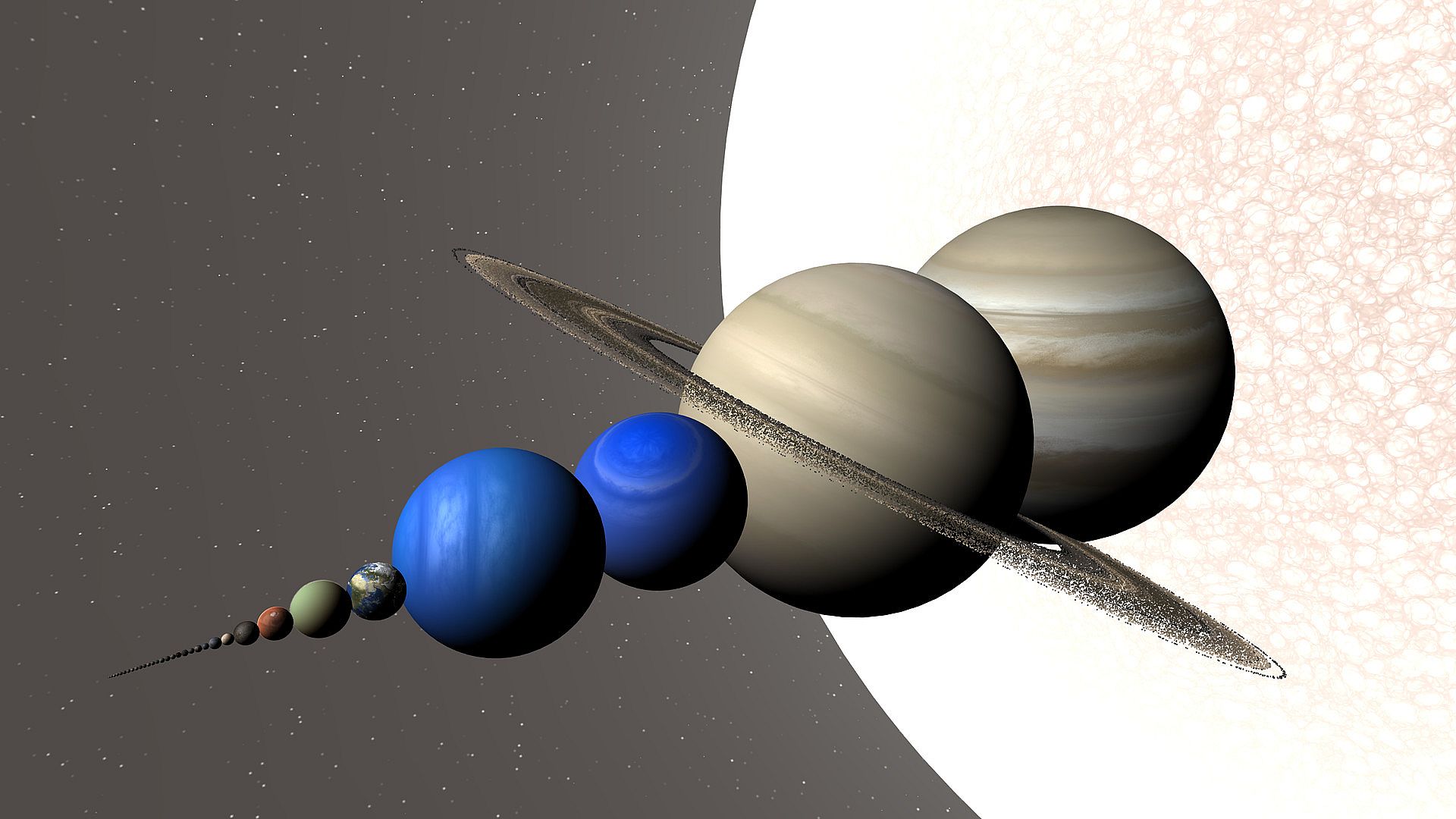
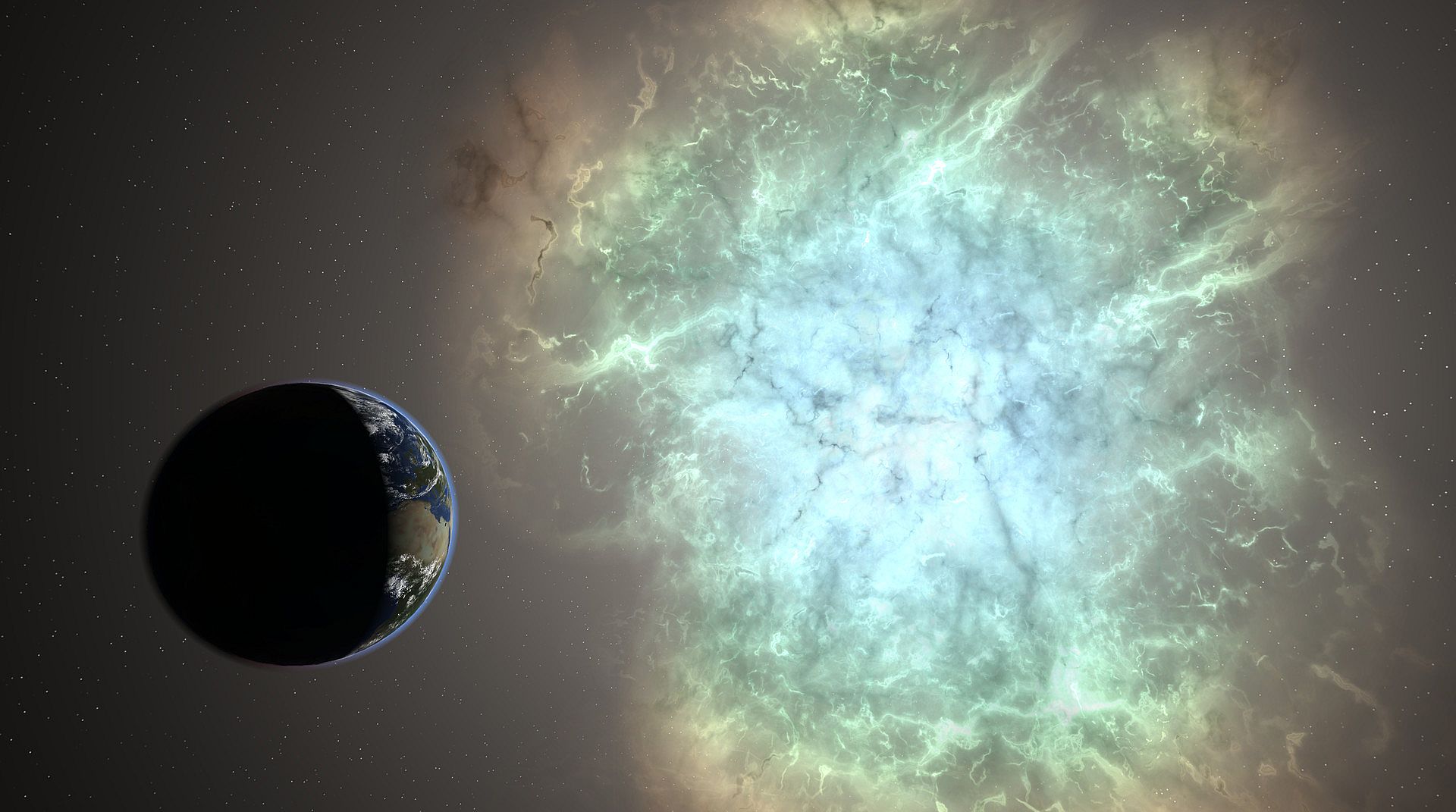
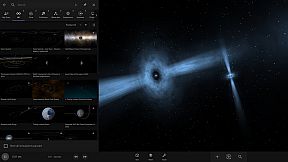
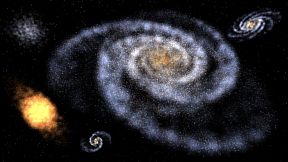
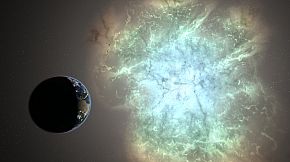
Terraforming plays a key role, with 12 materials including water, oxygen, and carbon dioxide to shape planets. You can trigger supernovas by colliding stars or increasing their mass, and explore effects like stellar flares, volatile trails, pulsars, and light-warping around black holes. Procedural generation creates unique planets, stars, and galaxies, while tools like space lasers and centrifugal force let you spin planets apart or sculpt oceans and mountains on surfaces.
Game Modes
Universe Sandbox operates primarily as an open-ended sandbox, where you craft and experiment with simulations without structured objectives or levels. This setup encourages free-form creation and destruction, focusing on physics interactions rather than competitive or narrative-driven play.
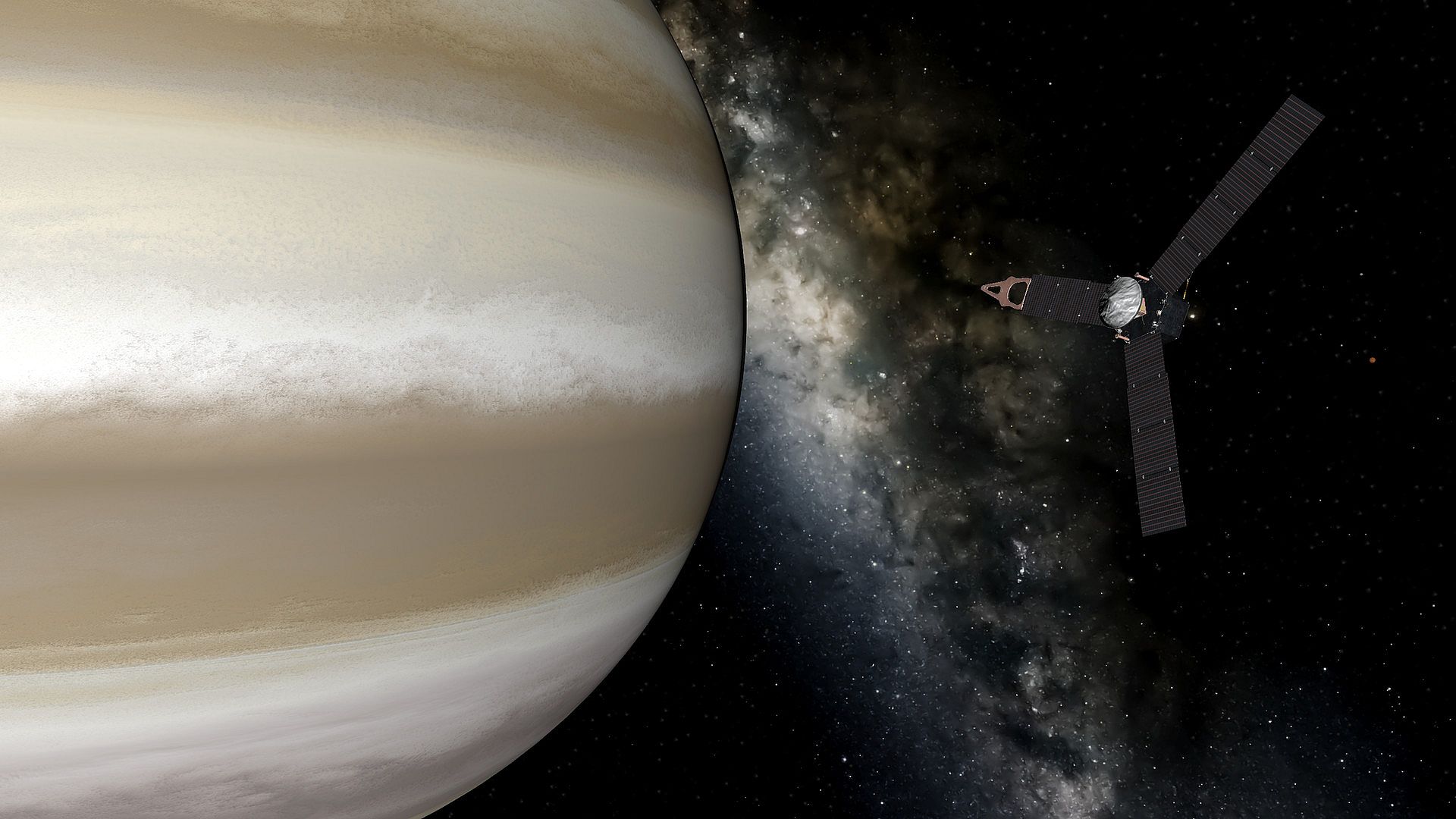
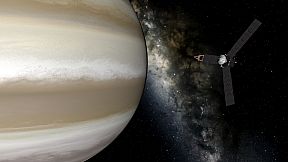
One notable aspect includes exploring historical events, such as riding along with spacecraft like Juno or New Horizons, or witnessing a total solar eclipse. These scenarios provide guided ways to engage with real-world astronomy, blending education with interactive simulation.
Updates and Future Plans
The game receives ongoing development, with recent updates enhancing graphics and adding features like meteors burning up in atmospheres. Developers have outlined plans for 2026, including a physics architecture overhaul to better simulate atmospheric drag on meteors and refine laser mechanics. Other upcoming additions involve space megastructures, basic life simulation, custom models and textures, dynamic terraforming, and new materials like methane.
Community sharing through workshops allows players to exchange simulations, supported by an original soundtrack and localization in over 20 languages. This active support keeps the experience evolving, addressing feedback on optimization and simulation accuracy.
Is It Worth Playing?
With overwhelmingly positive reviews on platforms like Steam, where 96% of over 18,000 English reviews praise it, Universe Sandbox appeals strongly to physics and astronomy fans. Recent feedback maintains a 95% positive rate, highlighting its value as an educational tool that demonstrates cosmic fragility and beauty.
It suits those who enjoy hands-on experimentation over traditional gaming challenges, offering endless replayability through creative scenarios. If you seek a simulator that combines real science with interactive fun, and appreciate ongoing updates in early access, this title delivers a compelling experience without rigid goals or competition.














