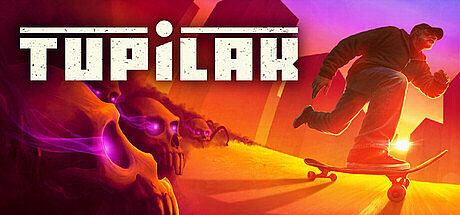


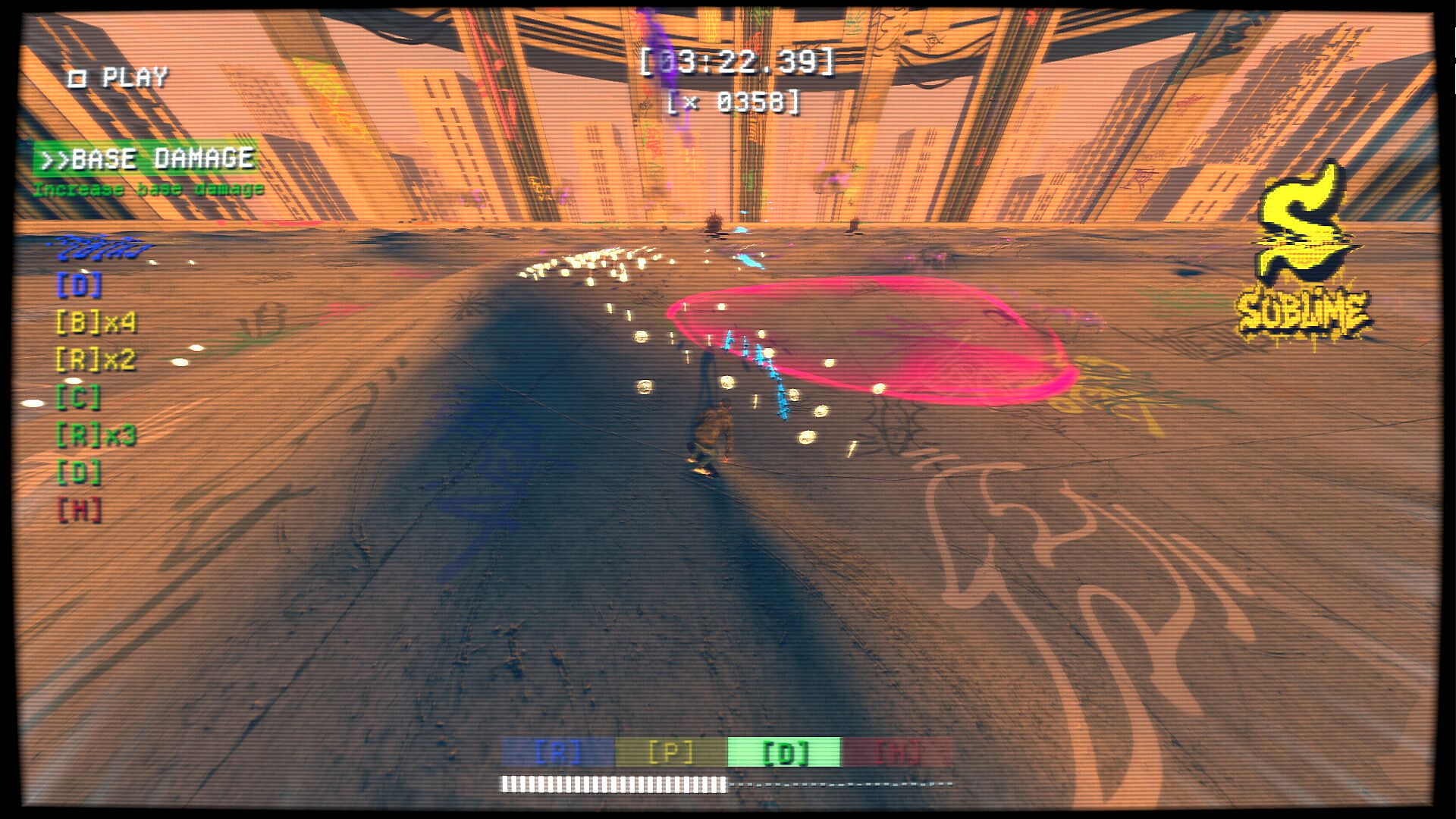
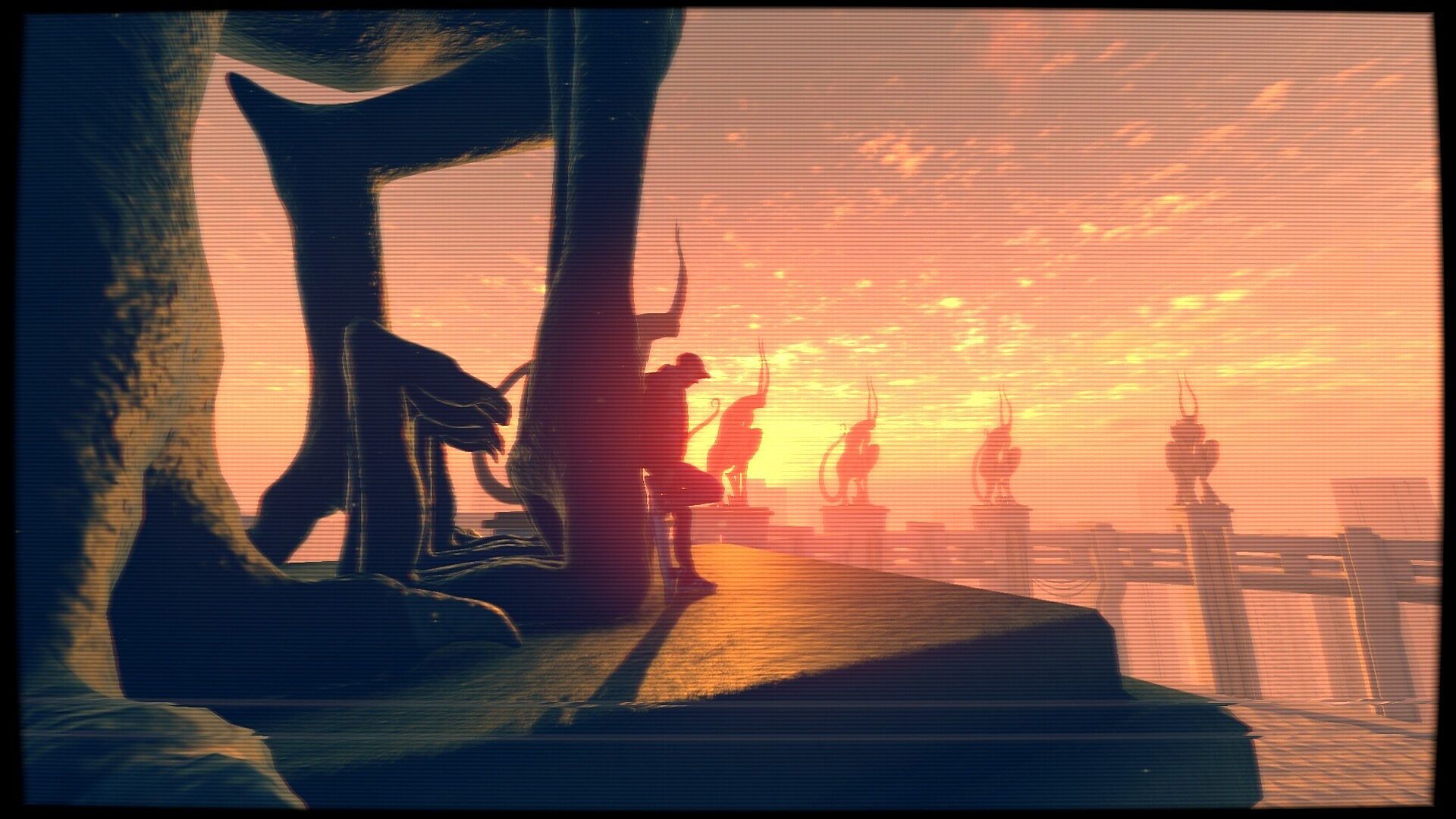
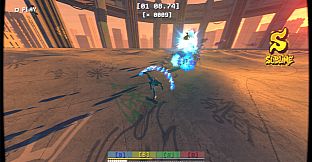
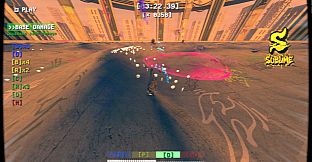
TUPILAK is an action-arcade roguelike for PC in which players skate across constantly shifting concrete waves in an abandoned city. The core experience combines wave-riding movement with aerial tricks and orbiting magic daggers that target enemies automatically. Runs take place in a single-player setting where the ground itself behaves like ocean swells, requiring constant adjustment to maintain speed and avoid hazards.
Gameplay
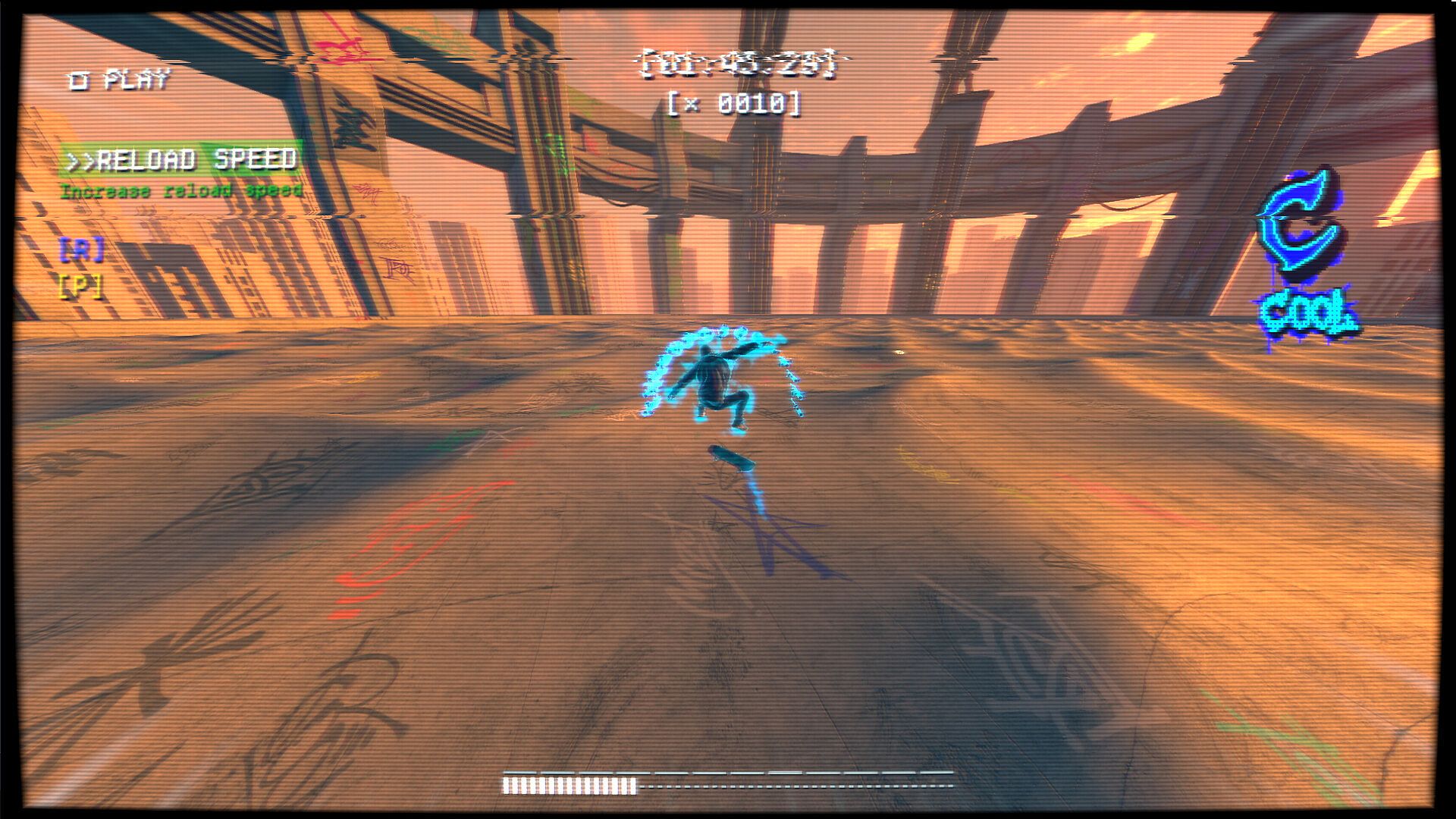
The movement system centers on reading and carving real-time waves that roll beneath the board. Players pump for speed in troughs, carve along wave faces, and time launches from crests to gain air. Landing must be precise because sloppy touches drain the style meter that powers the dagger ring. While airborne, players perform flips, spins, and grabs to refill the meter and reload daggers, turning aerial maneuvers into both offense and survival tools.
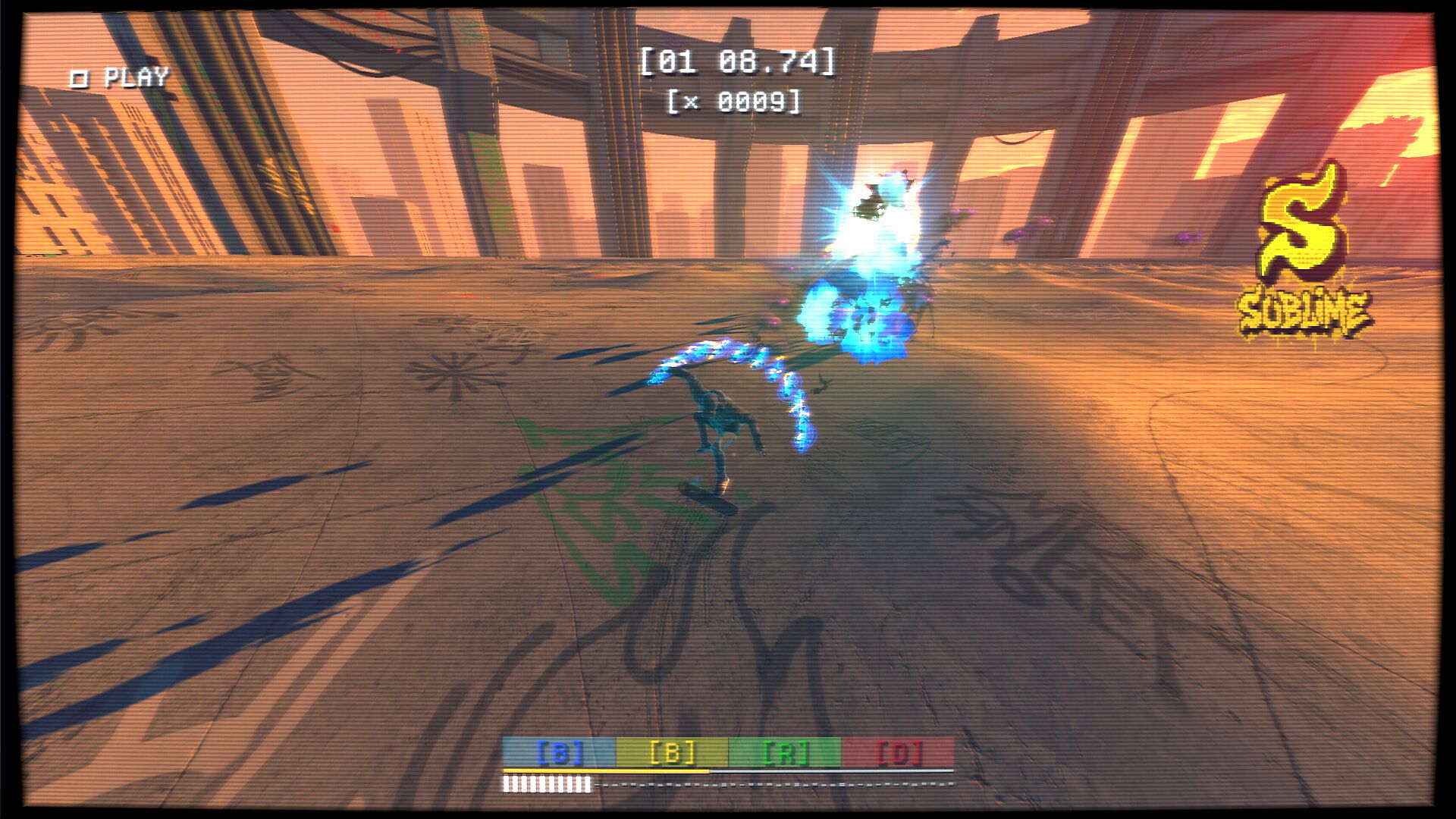
Combat revolves around the homing daggers that orbit the board and lock onto moving targets. Kills drop gold that can be spent mid-run on random modifiers such as extra blades, faster draws, ricochets, lifesteal, explosions, or chain lightning. These upgrades stack and combine differently each attempt, so the same starting loadout rarely produces identical results two runs in a row.
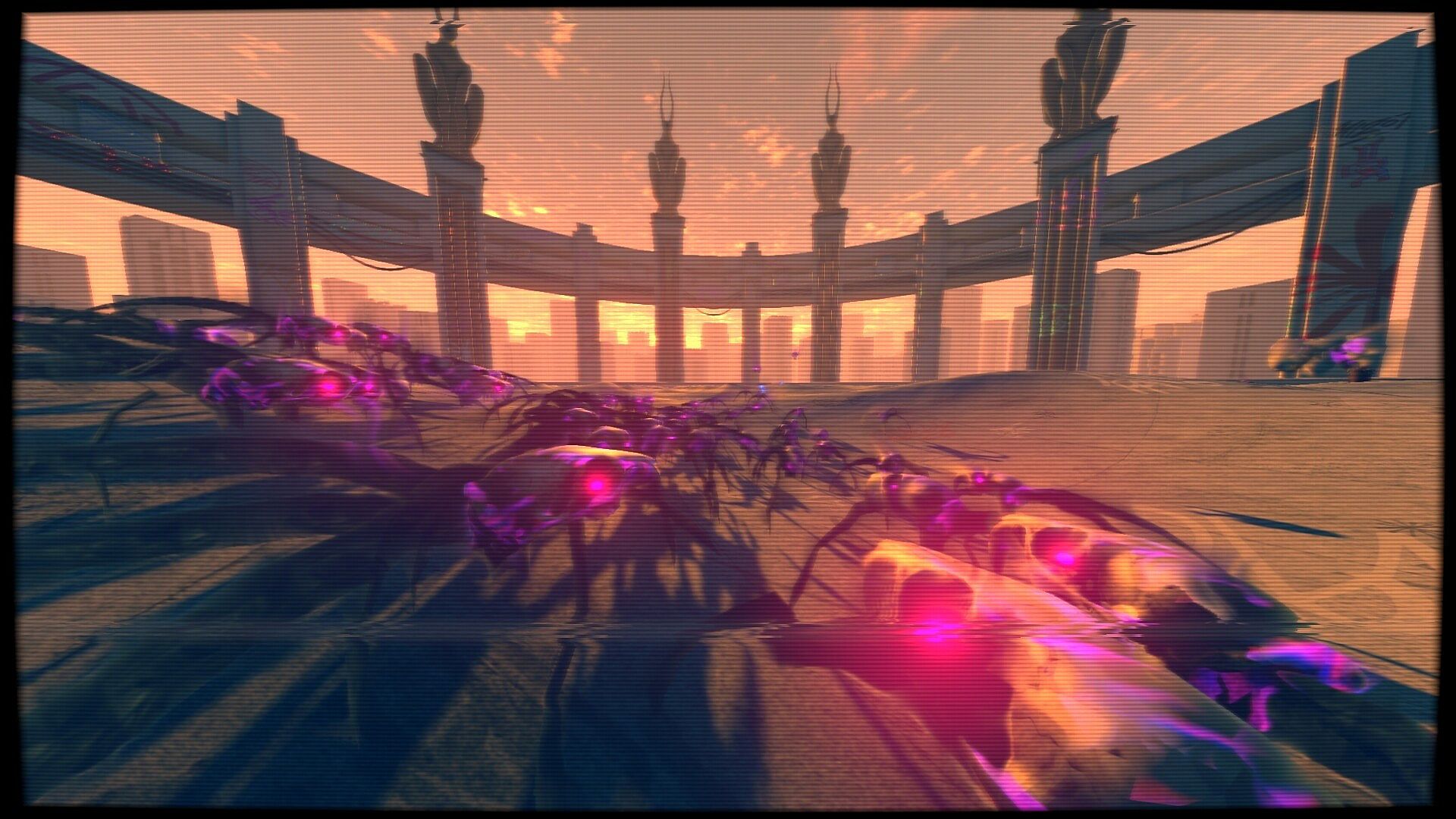
Enemy types force distinct positioning choices. Fast pawns chase relentlessly and require quick carving to outmaneuver. Bombardiers launch mortar fire that lands ahead of the player, demanding wave timing to dodge. Spawn pods grow new threats in batches; cracking one open early yields extra gold but releases a surge of enemies that must be cleared before they overwhelm the dagger ring.
Game Modes
TUPILAK operates as a single-player roguelike with procedurally generated runs that end when the player is overwhelmed. Each attempt builds on collected gold for temporary modifiers while the underlying wave simulation and enemy spawns change the layout and pressure. Between runs players access The Record, a collection of notes and confessions that provide atmospheric context without altering core mechanics.
The structure emphasizes repeated short sessions where mastery of wave reading and trick timing directly extends survival. No separate campaign or versus modes exist; progression comes entirely from learning the movement physics and experimenting with dagger upgrades across successive attempts.
Visuals and Atmosphere
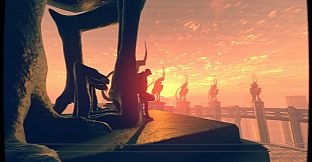
The presentation mimics a degraded broadcast with static skies, VHS grain, and white-on-blue interface elements. Synth audio cues accompany movement and combat, reinforcing the sense of a signal leaking through interference. This aesthetic frames the abandoned city without adding mechanical layers, keeping focus on the wave simulation and dagger combat.
Is It Worth Playing?
TUPILAK suits players who enjoy precise movement systems and roguelike run variety in a single-player action format. The wave-riding core demands practice to chain speed maintenance with aerial reloads, while the modifier system encourages experimentation across attempts. Because the game remains in a pre-release state with no user reviews available, the decision rests on interest in the described skating and dagger mechanics rather than established community feedback. Those drawn to arcade-style action with procedural elements will find the most direct match in its wave navigation and build crafting loop.