













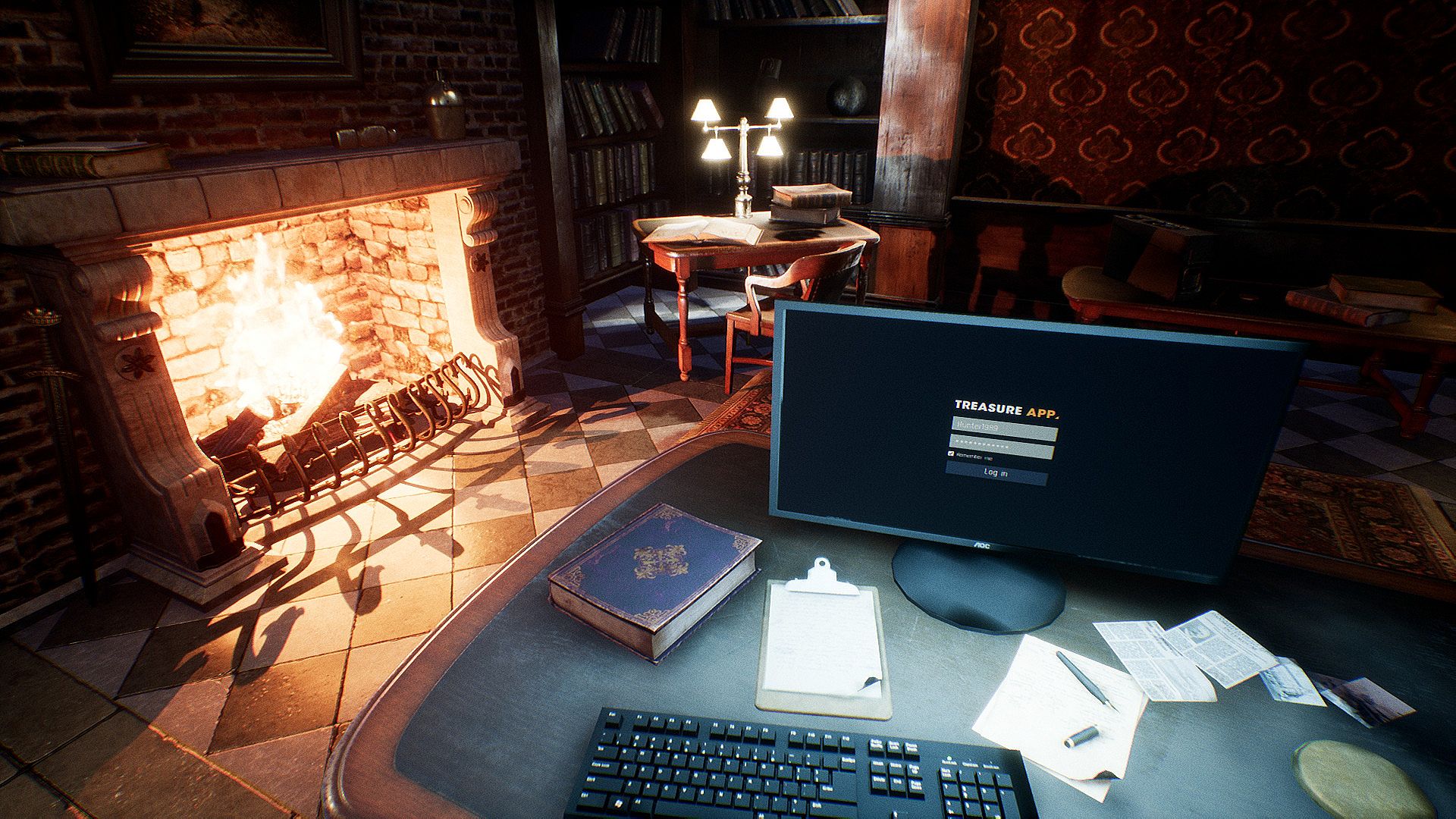


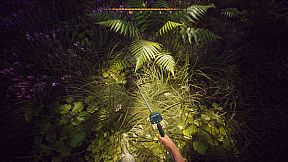
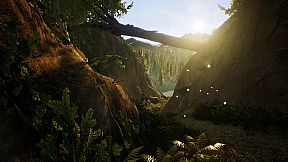



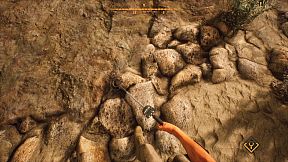
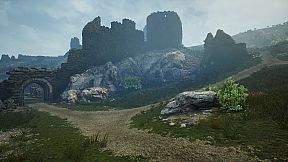

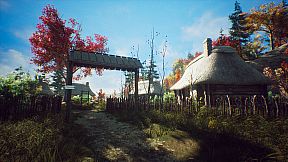
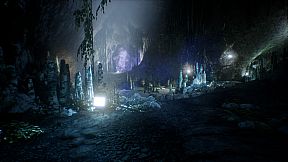
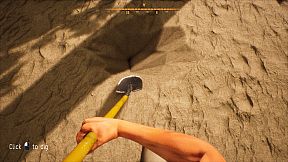

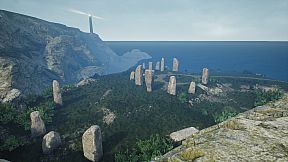
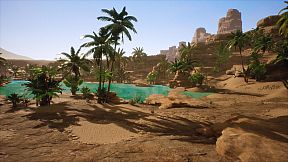

Treasure Hunter Simulator is an indie simulation game that puts players in the role of a metal detector enthusiast searching for historical artifacts across diverse real-world inspired sites. The experience blends relaxed exploration with light progression systems, allowing gradual access to more remote and rewarding areas through earnings from finds.
Gameplay
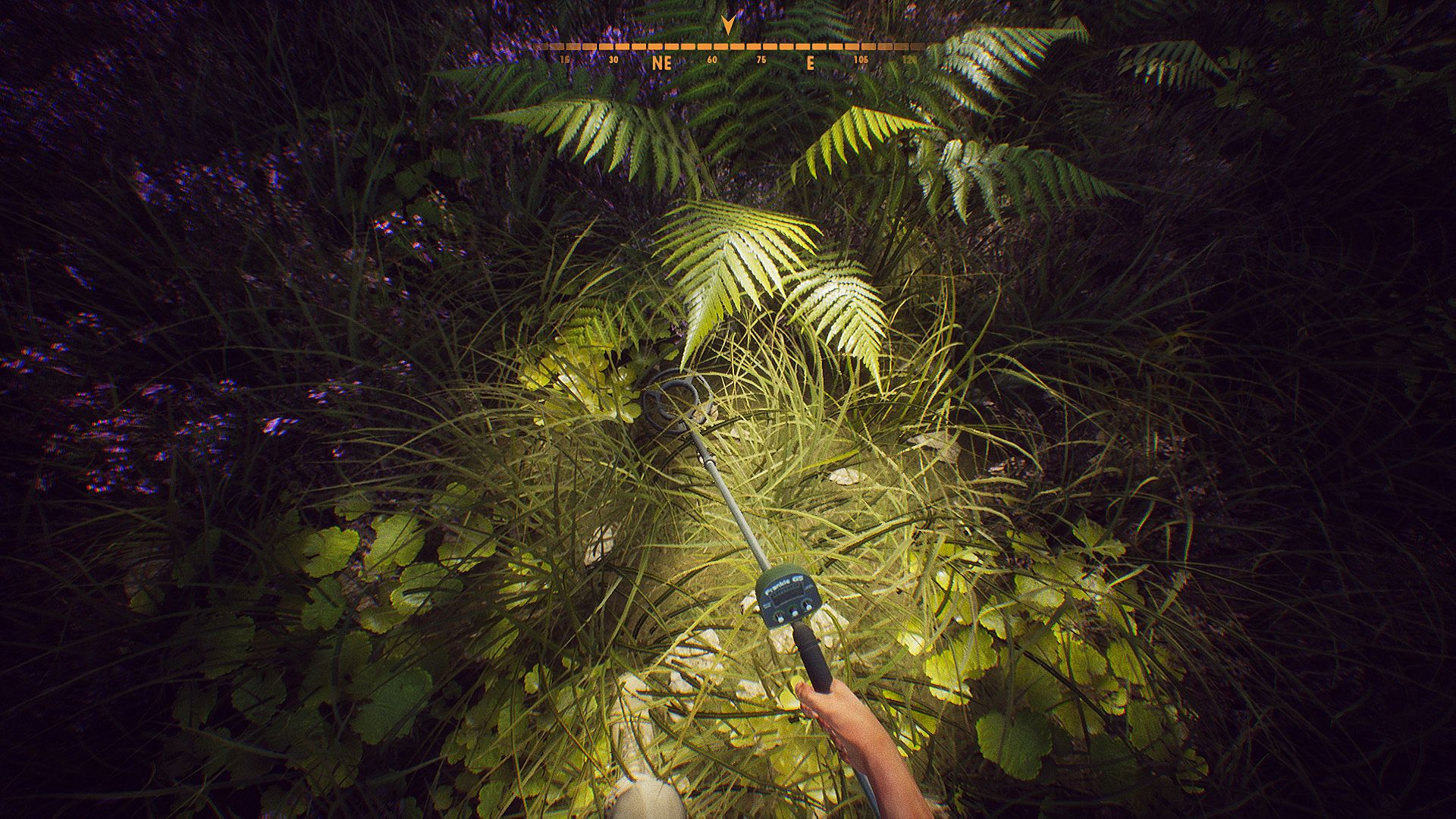
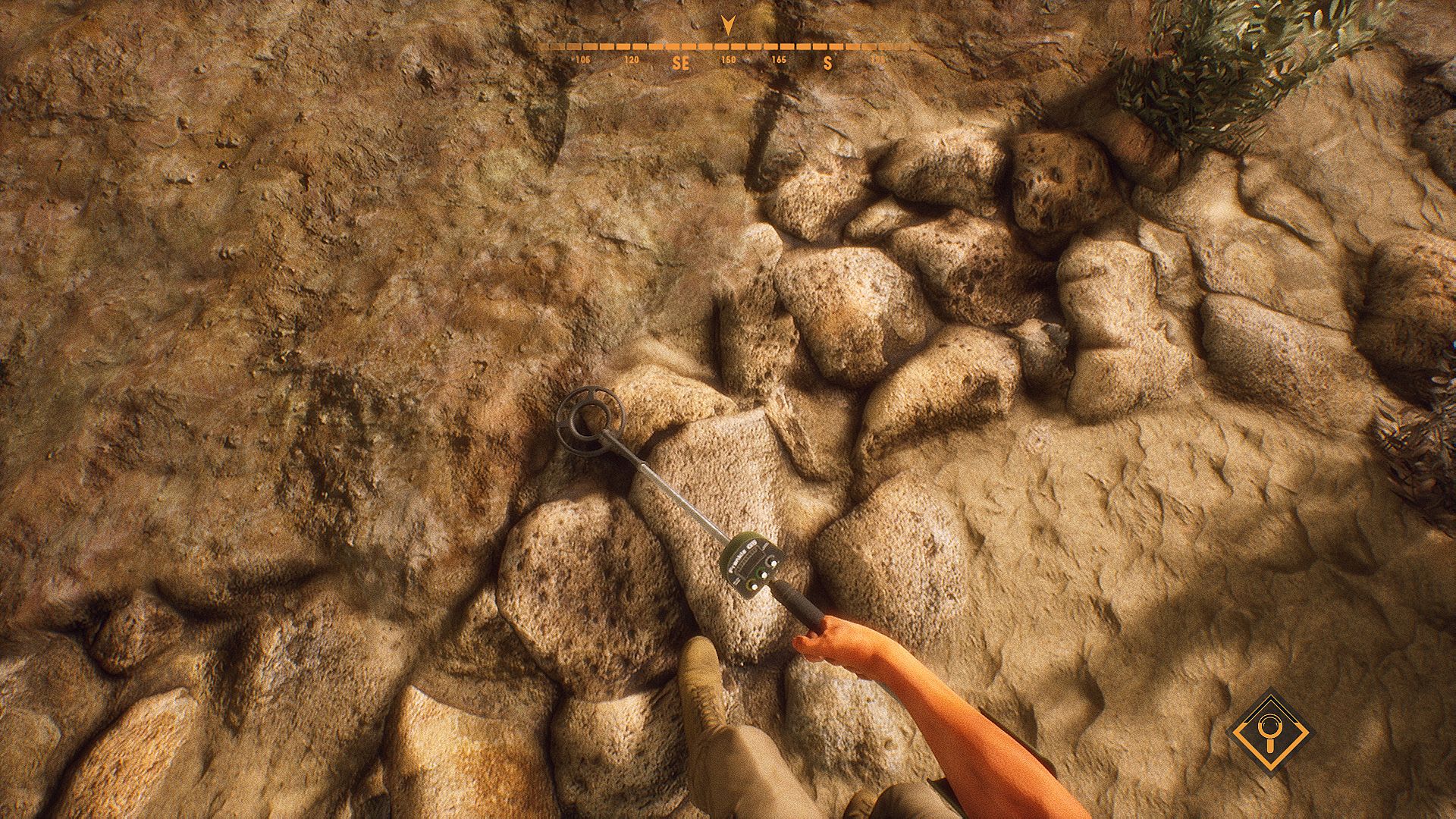
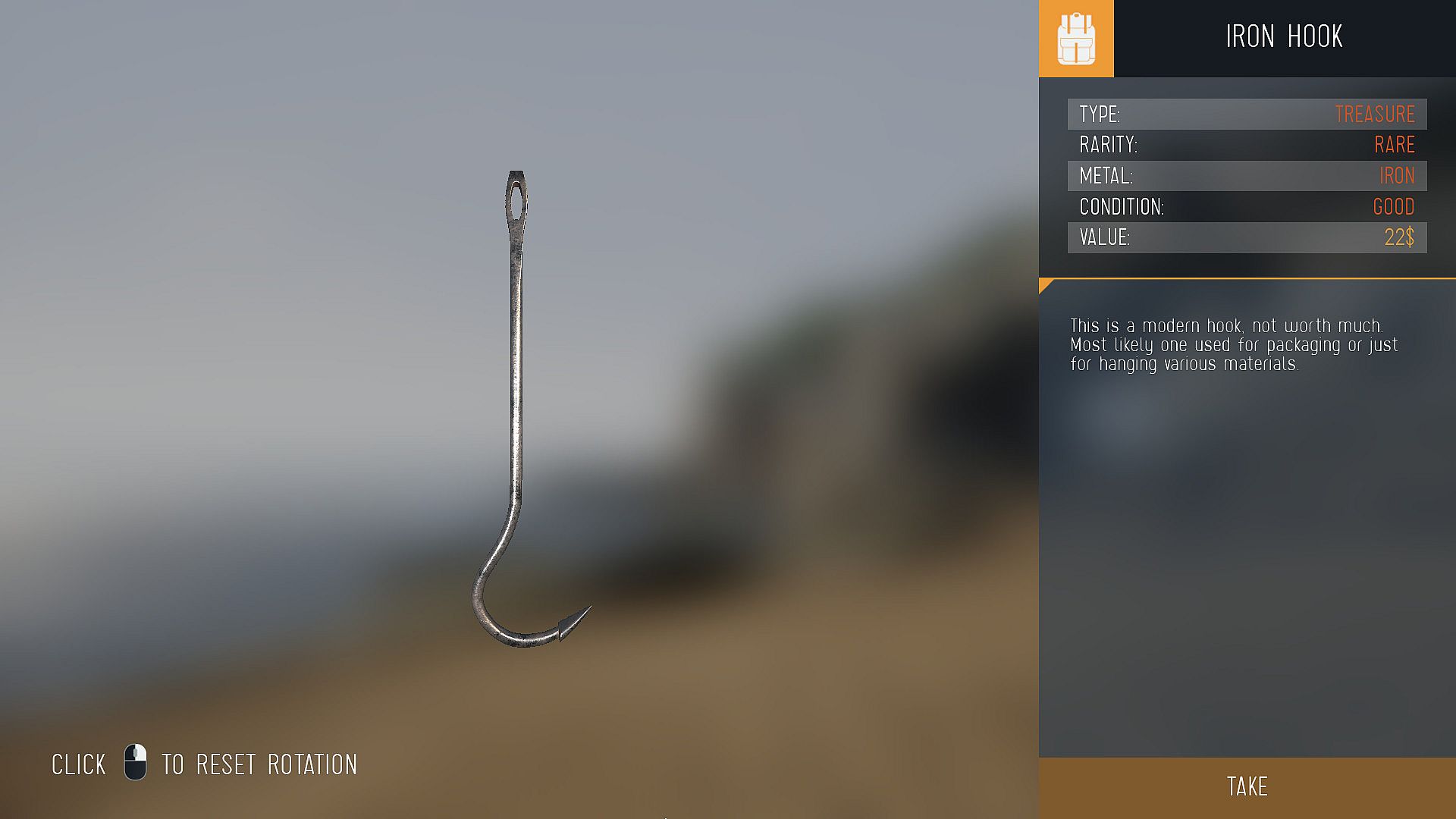
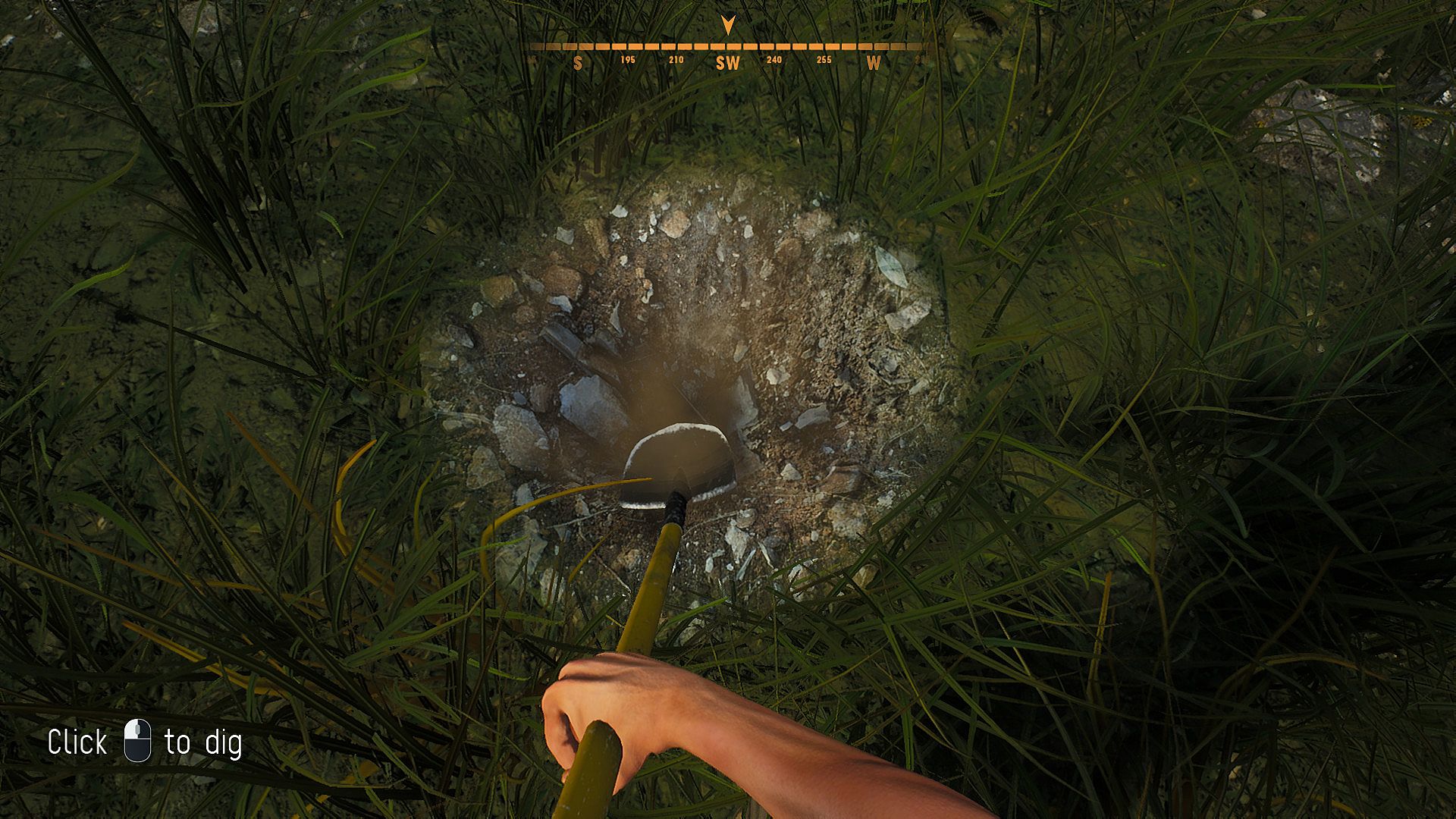
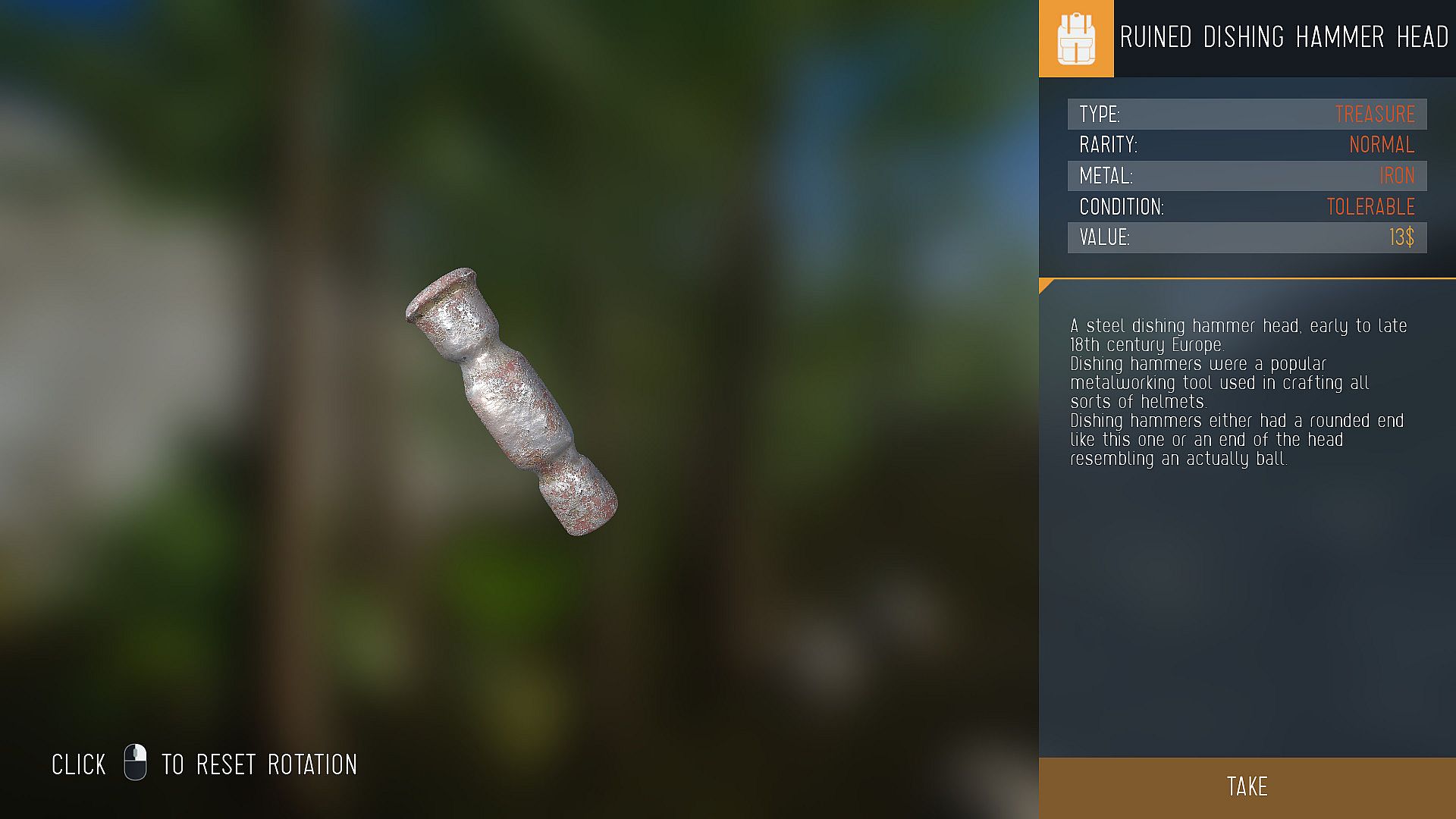
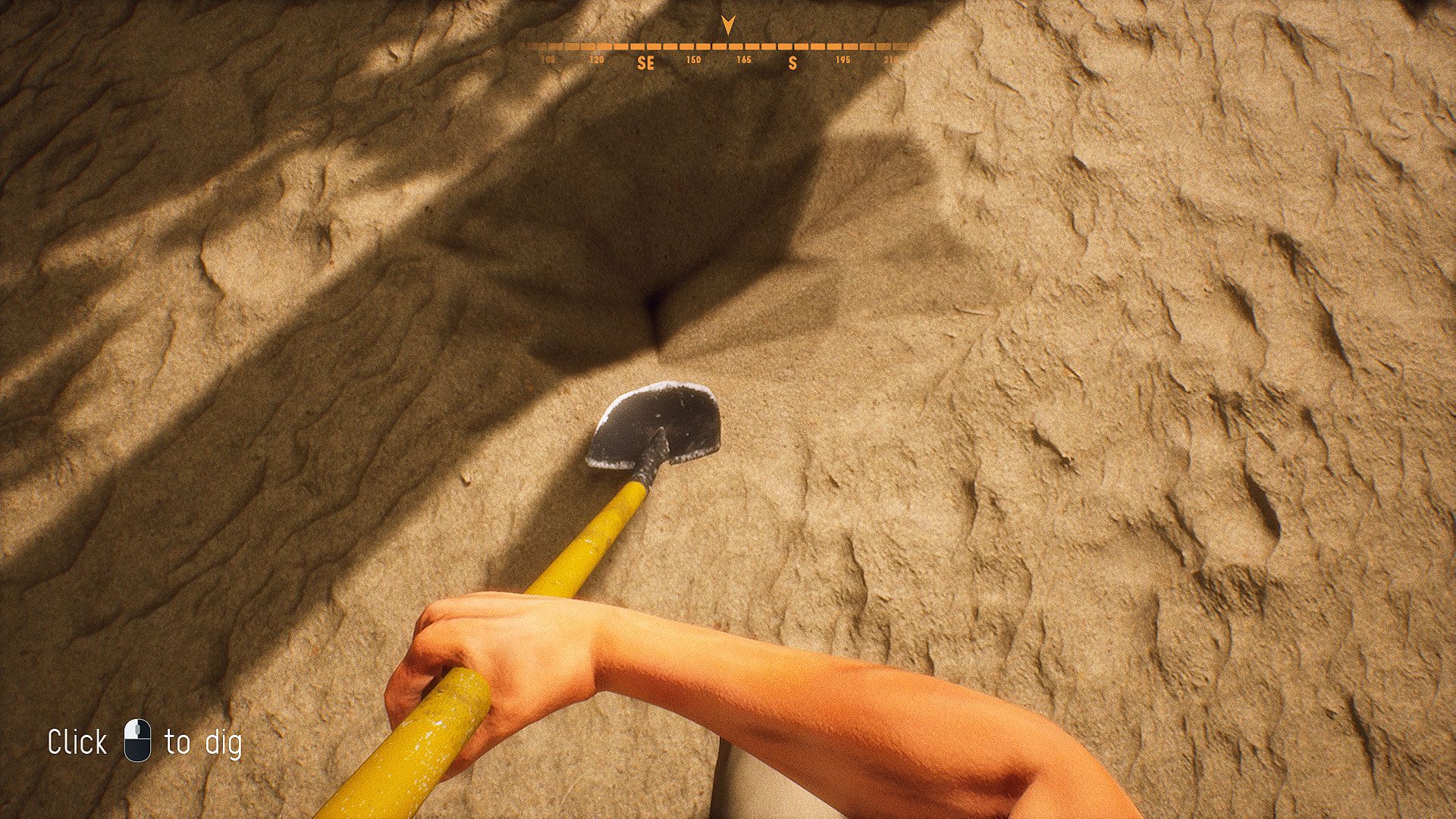
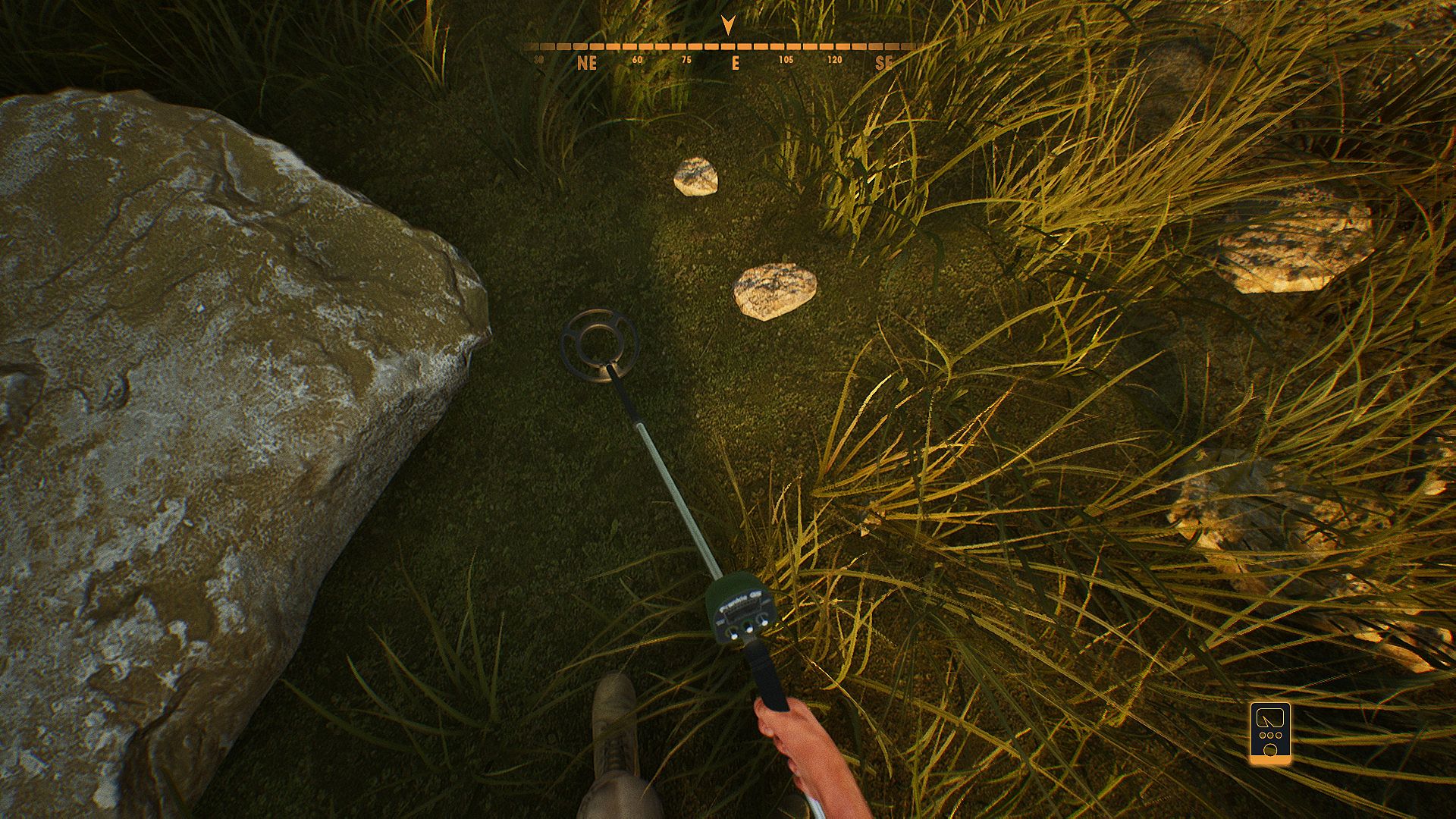
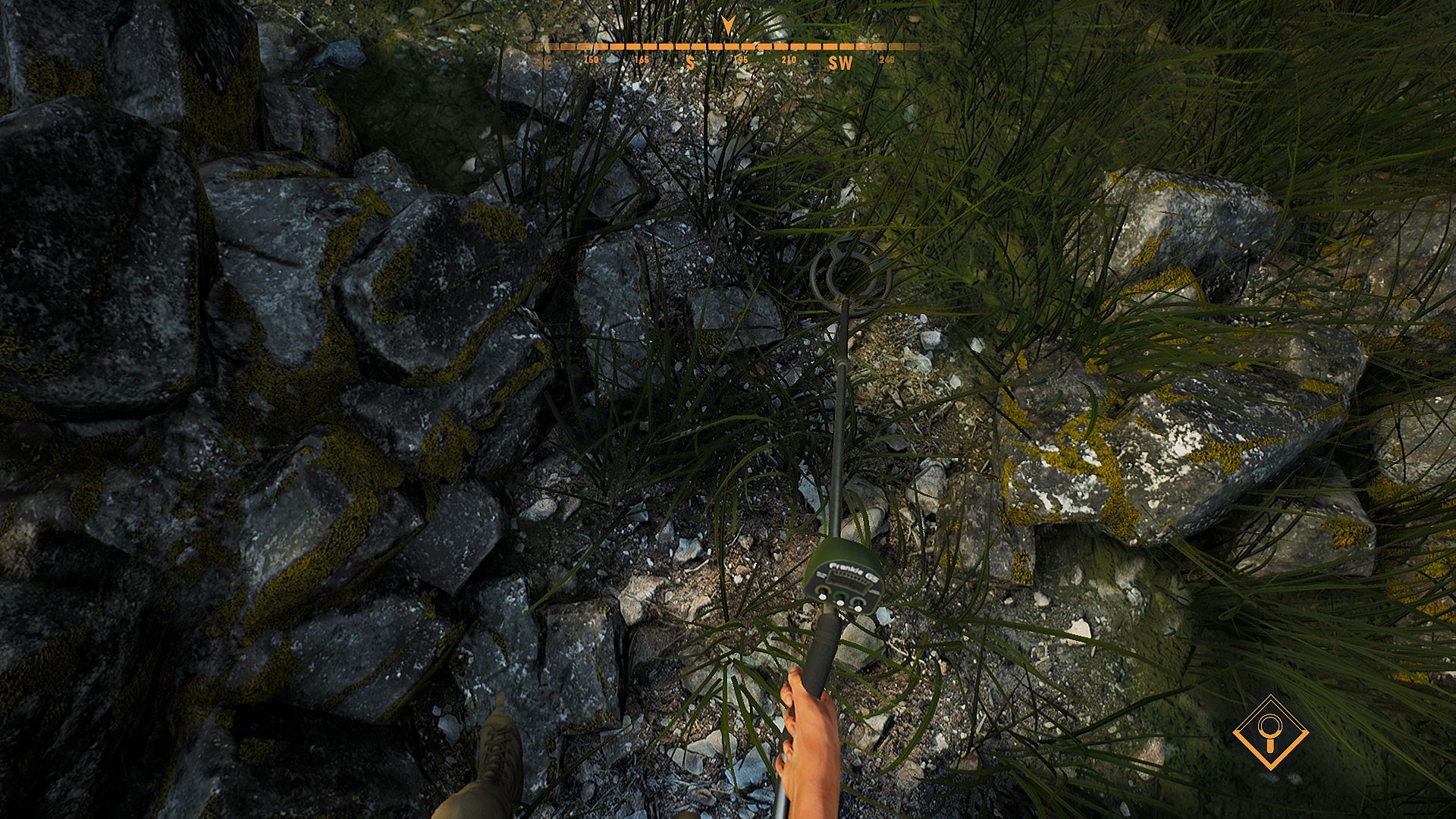
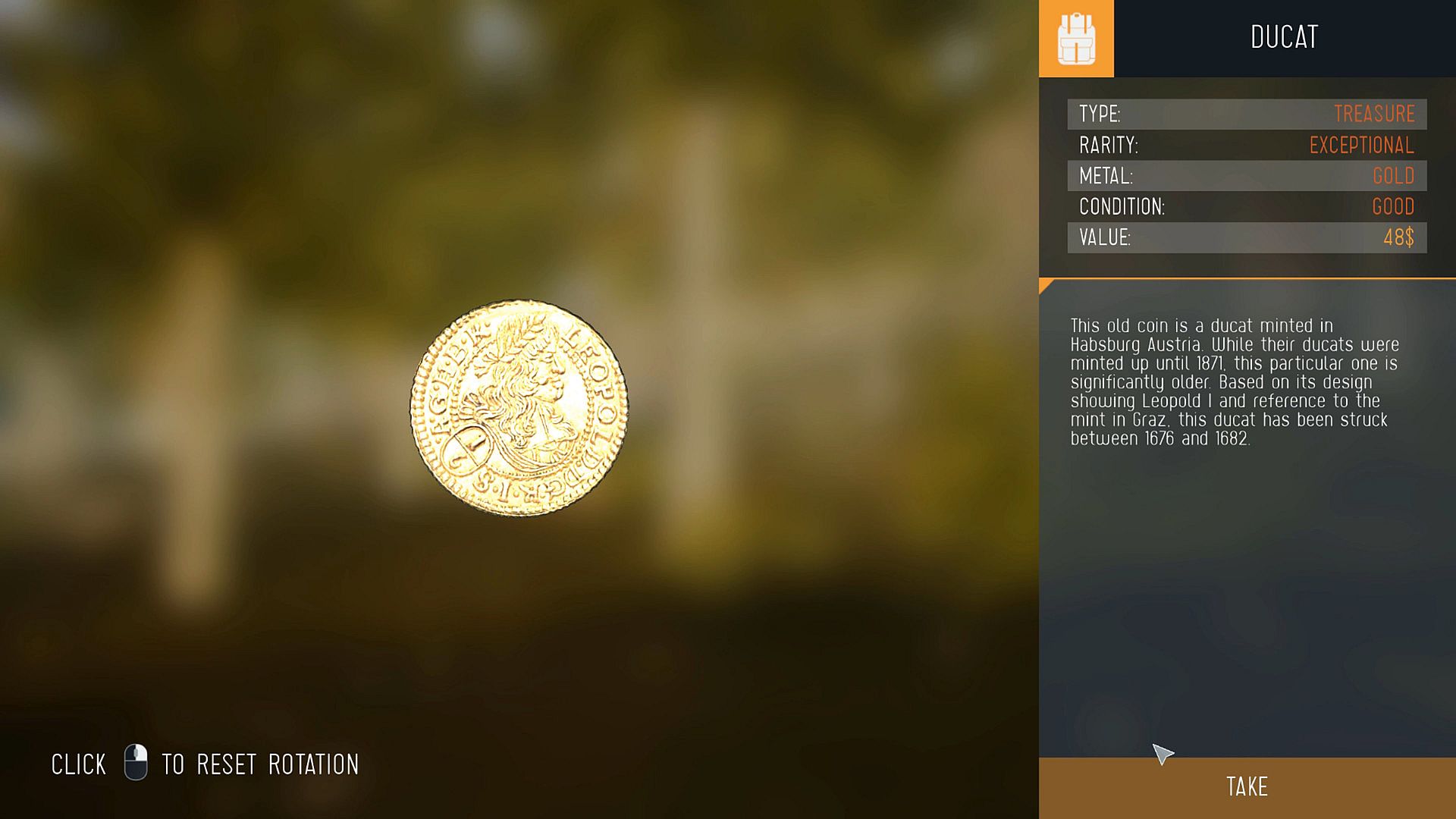
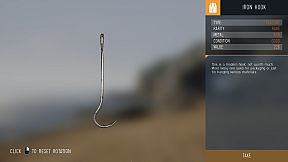
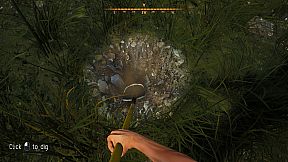
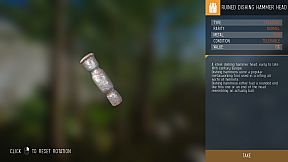
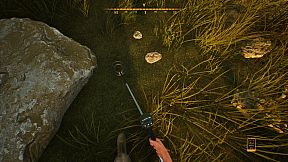
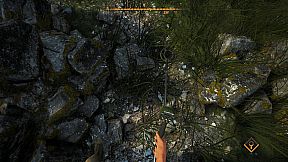
The core loop centers on scanning open areas with a metal detector to locate buried items. Players sweep the device over the ground, listen for signals, and dig when something registers. Artifacts appear in varying states of preservation, which affects their value and the information revealed upon identification. Each discovery adds to a personal collection or generates funds when sold at auction.
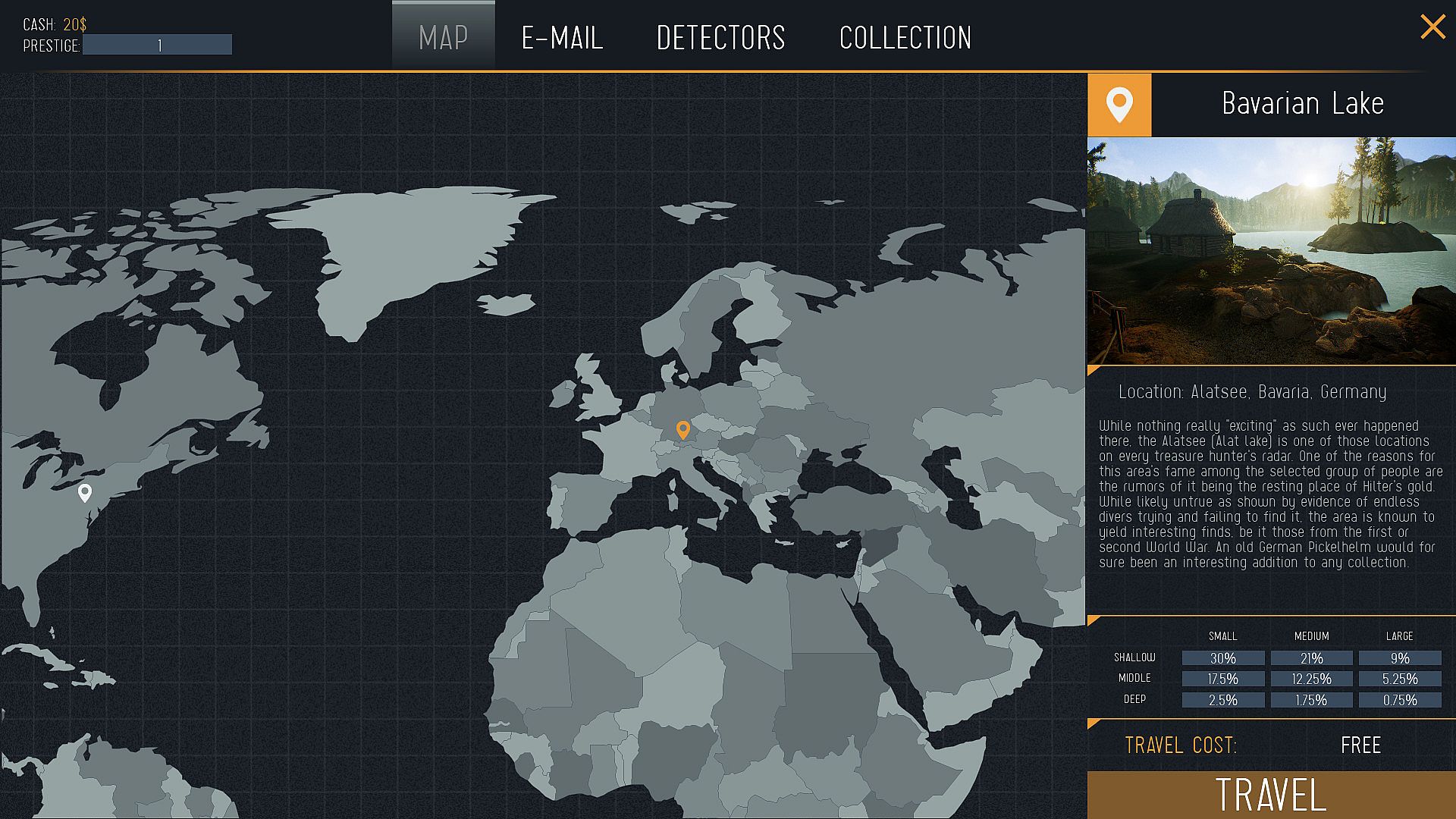
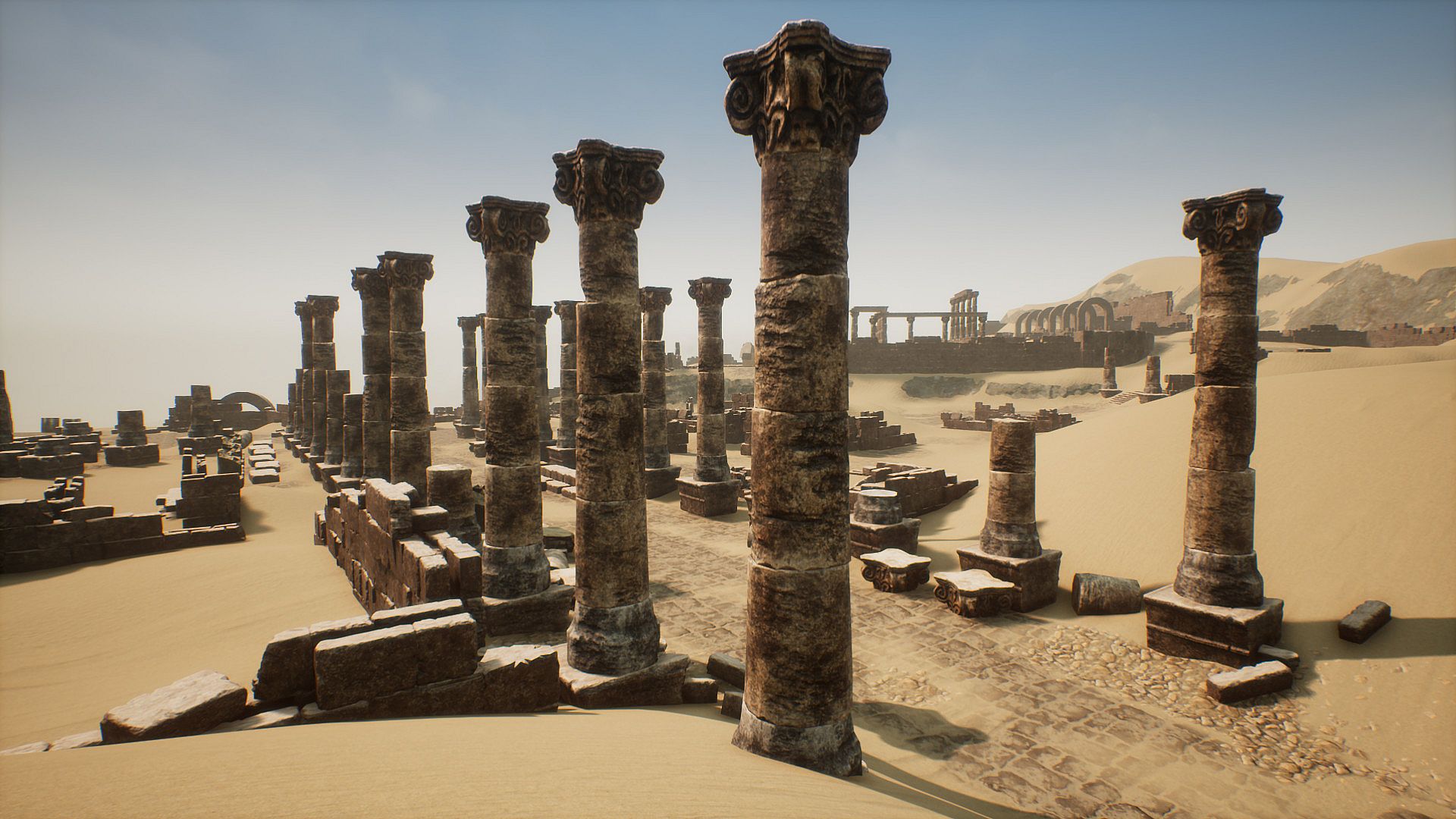
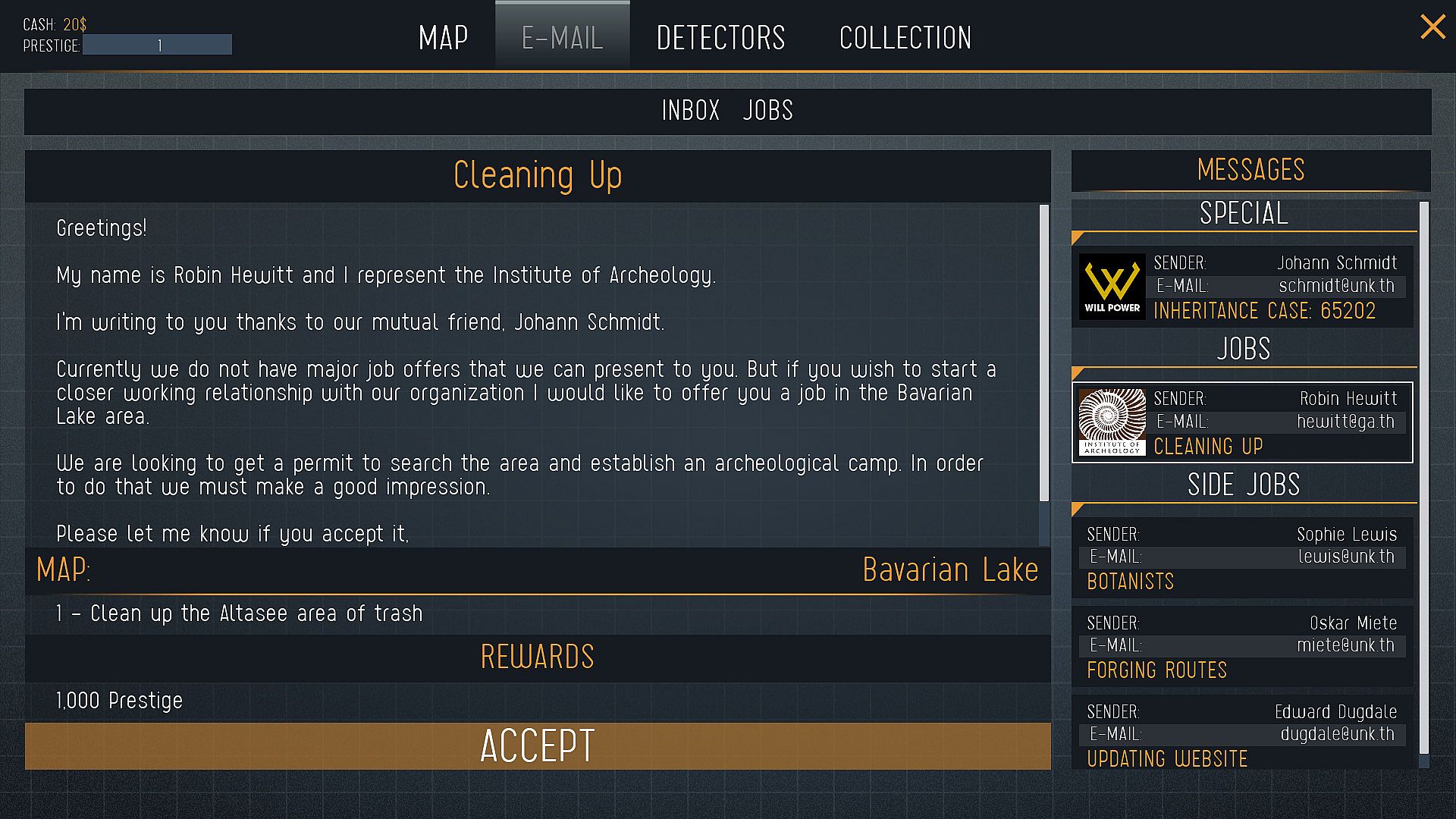
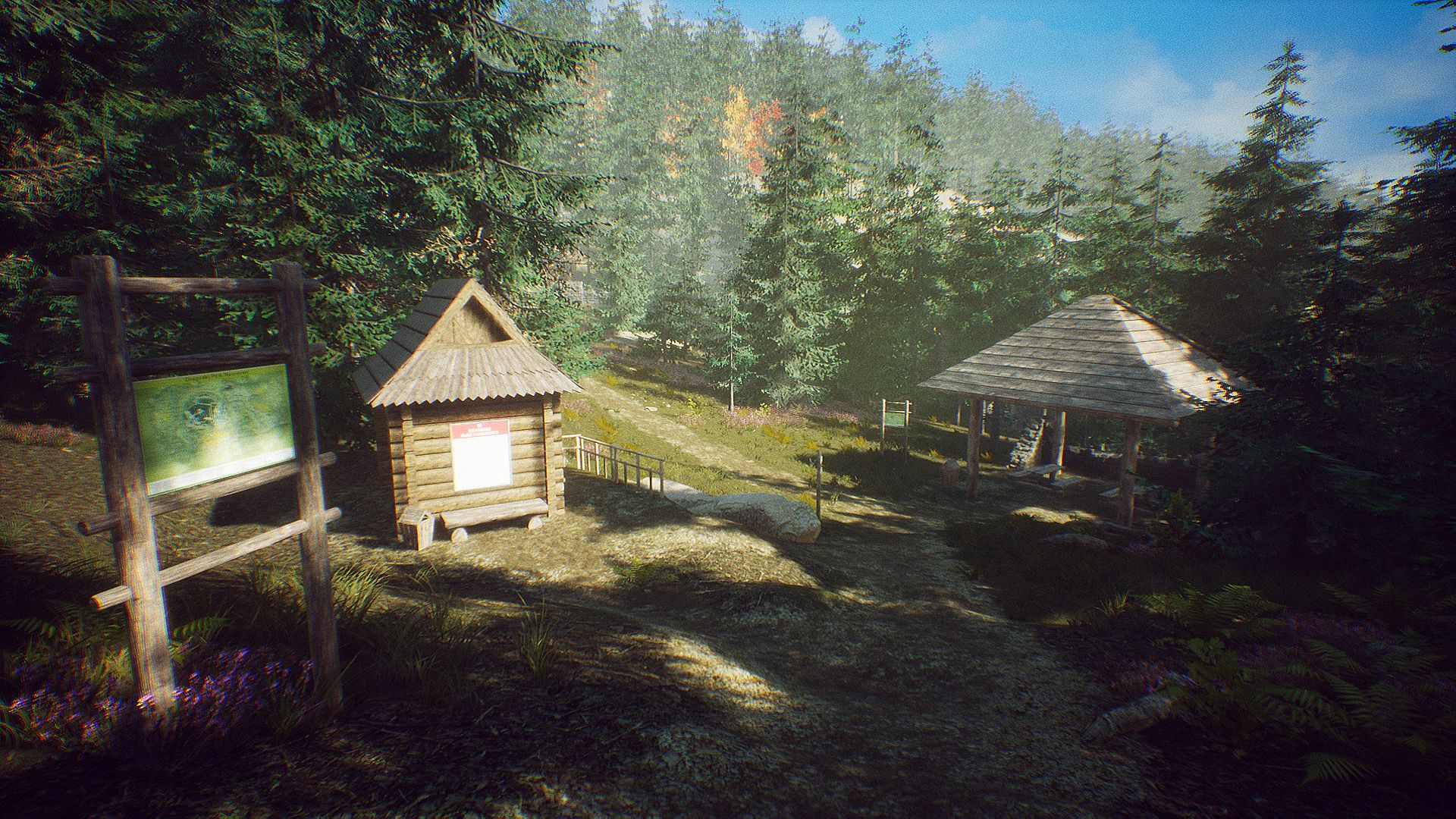
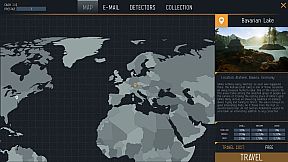
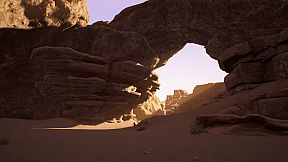
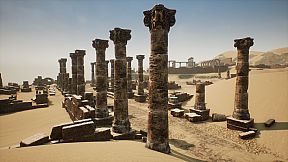
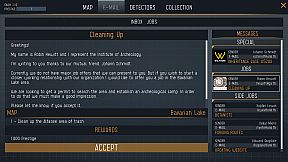
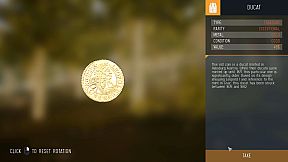
Progression comes from using sale proceeds to purchase improved detectors and cover travel costs to new sites. Starting in familiar local woods builds the resources needed for distant historical locations. The game includes over 100 artifacts, with a subset of legendary pieces that stand out for their rarity and background details. Identification involves examining each find to learn its historical context, adding an educational layer to the activity.
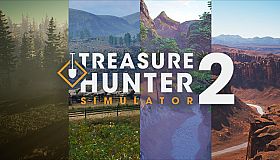
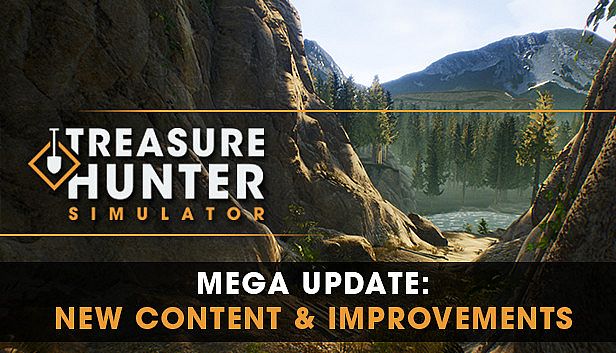
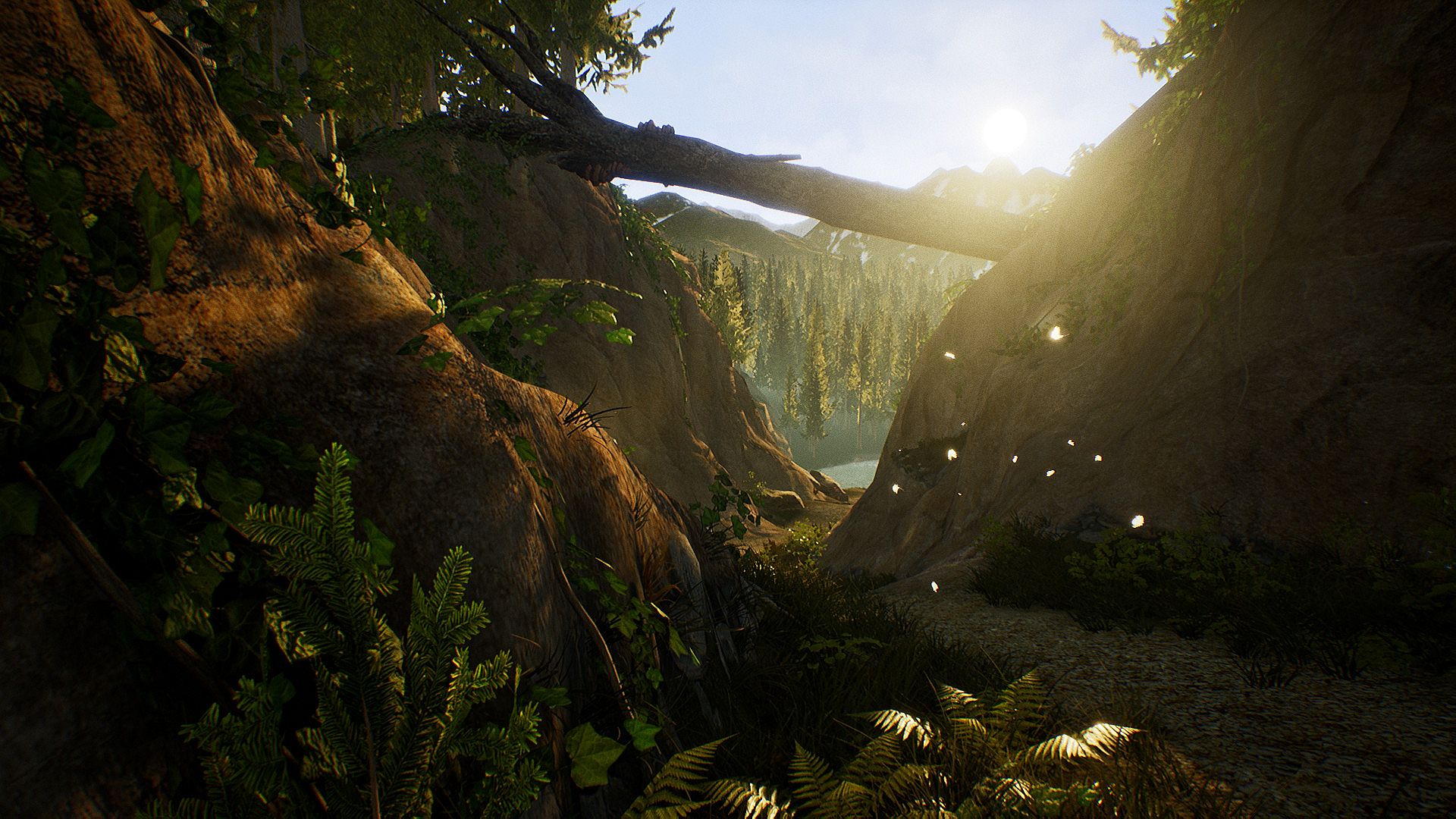
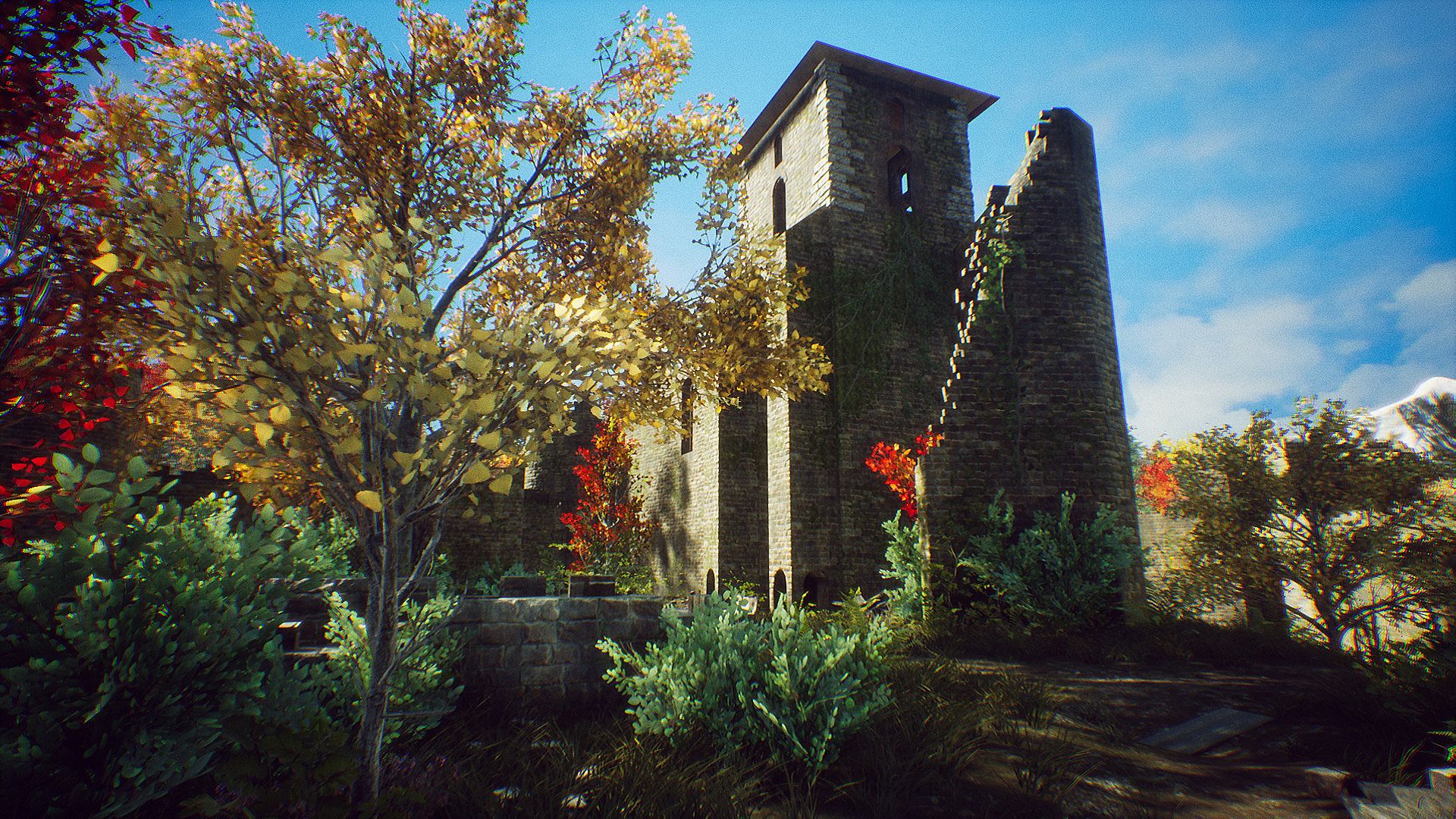
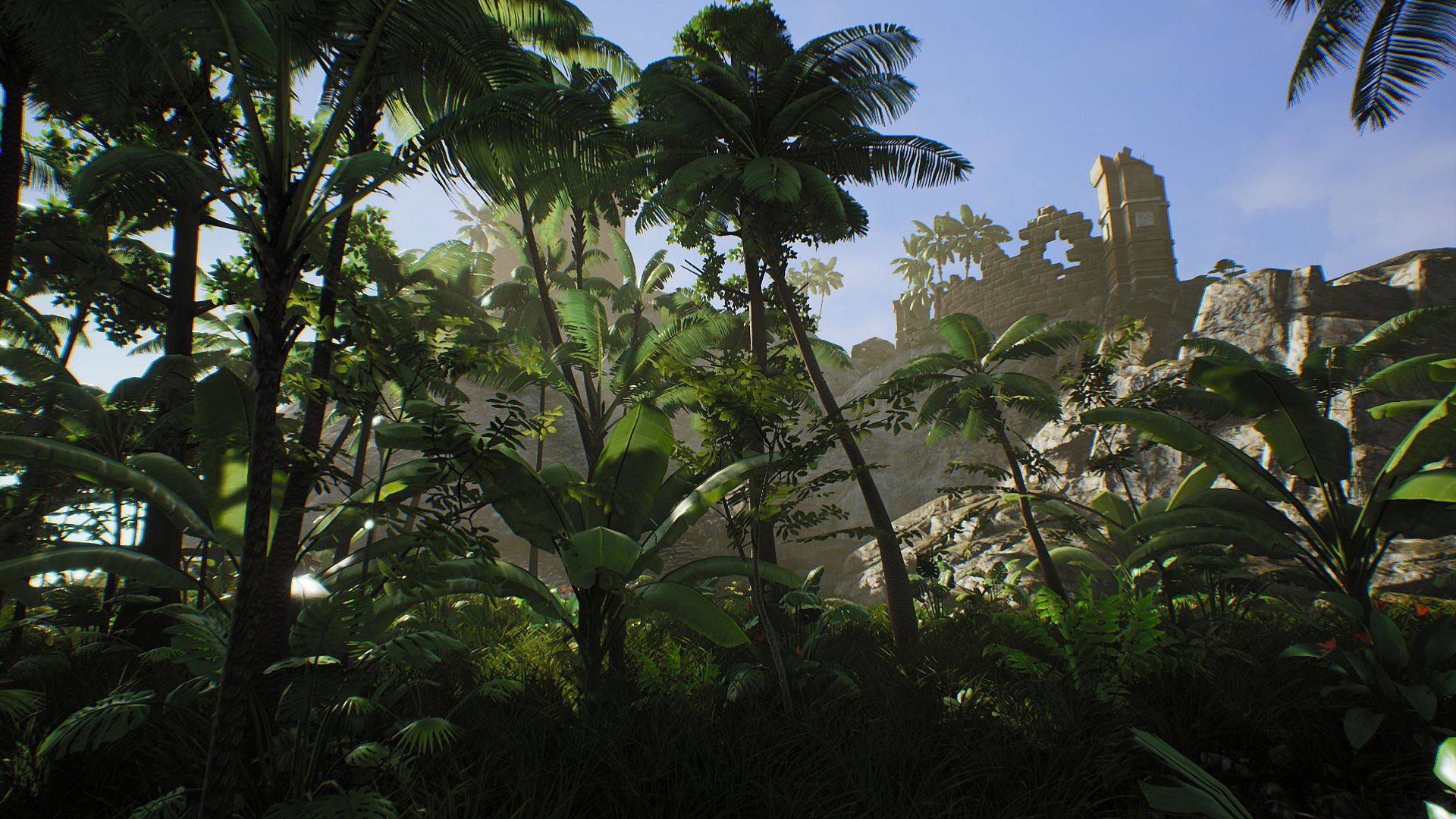
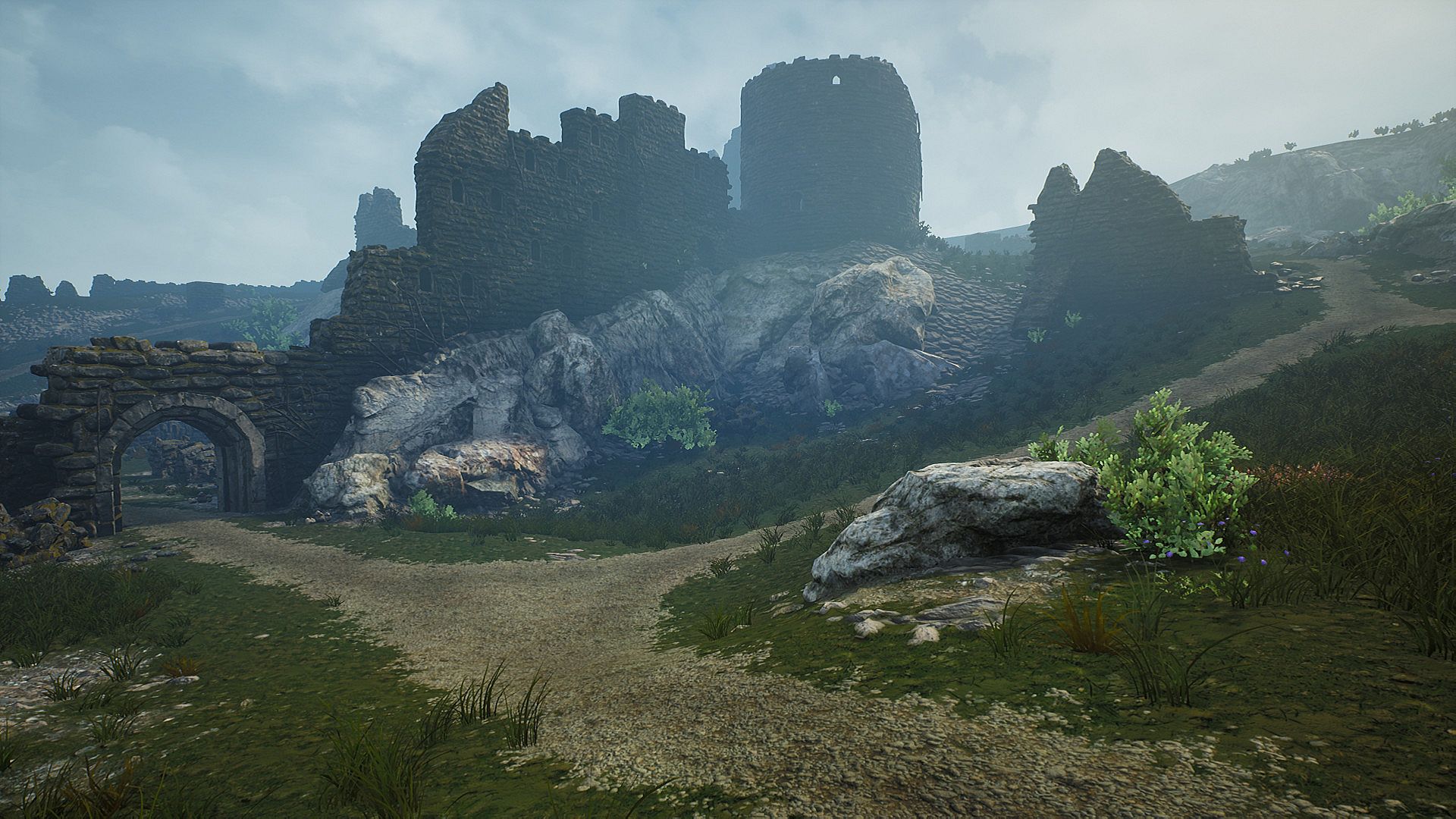
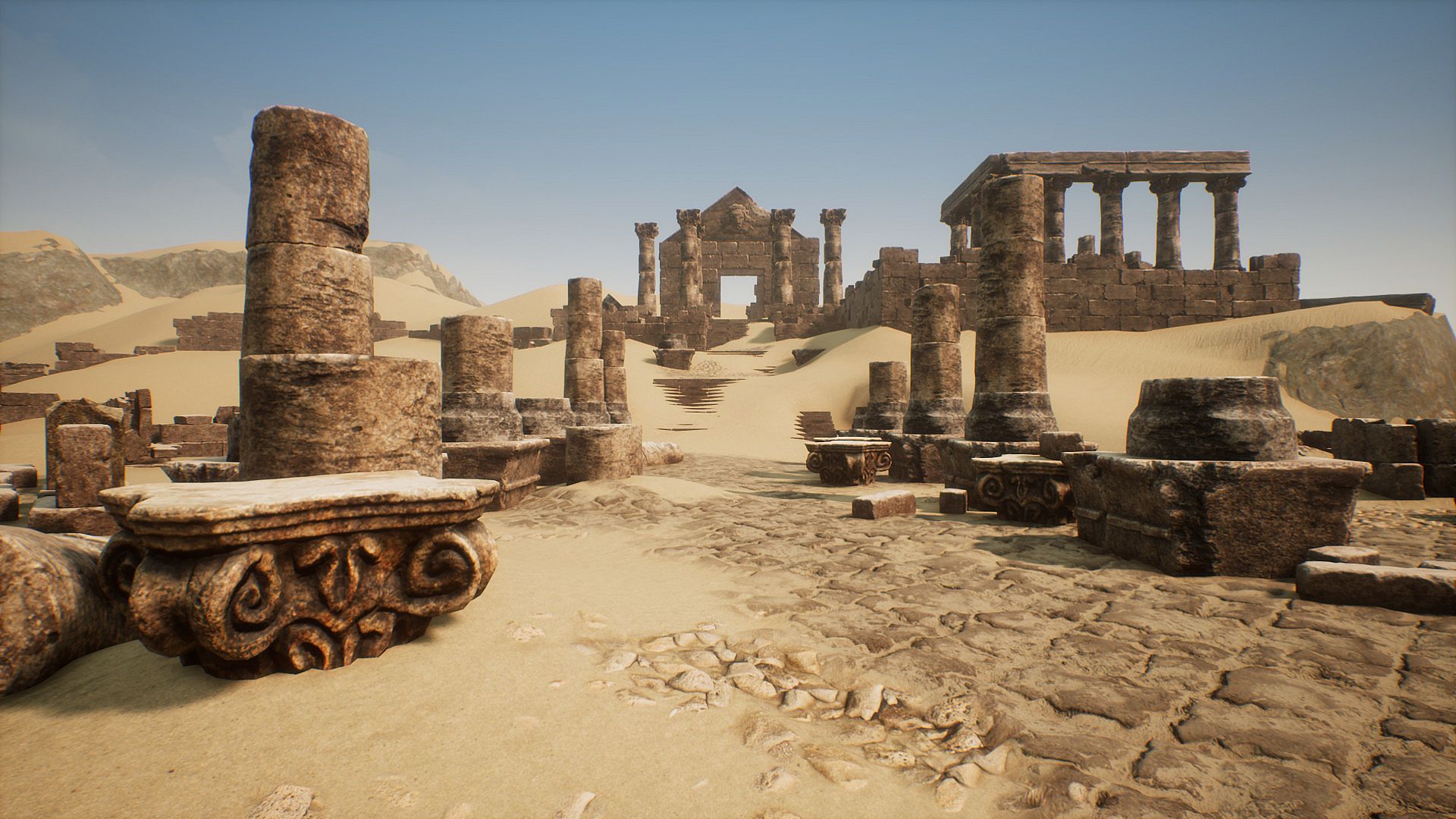
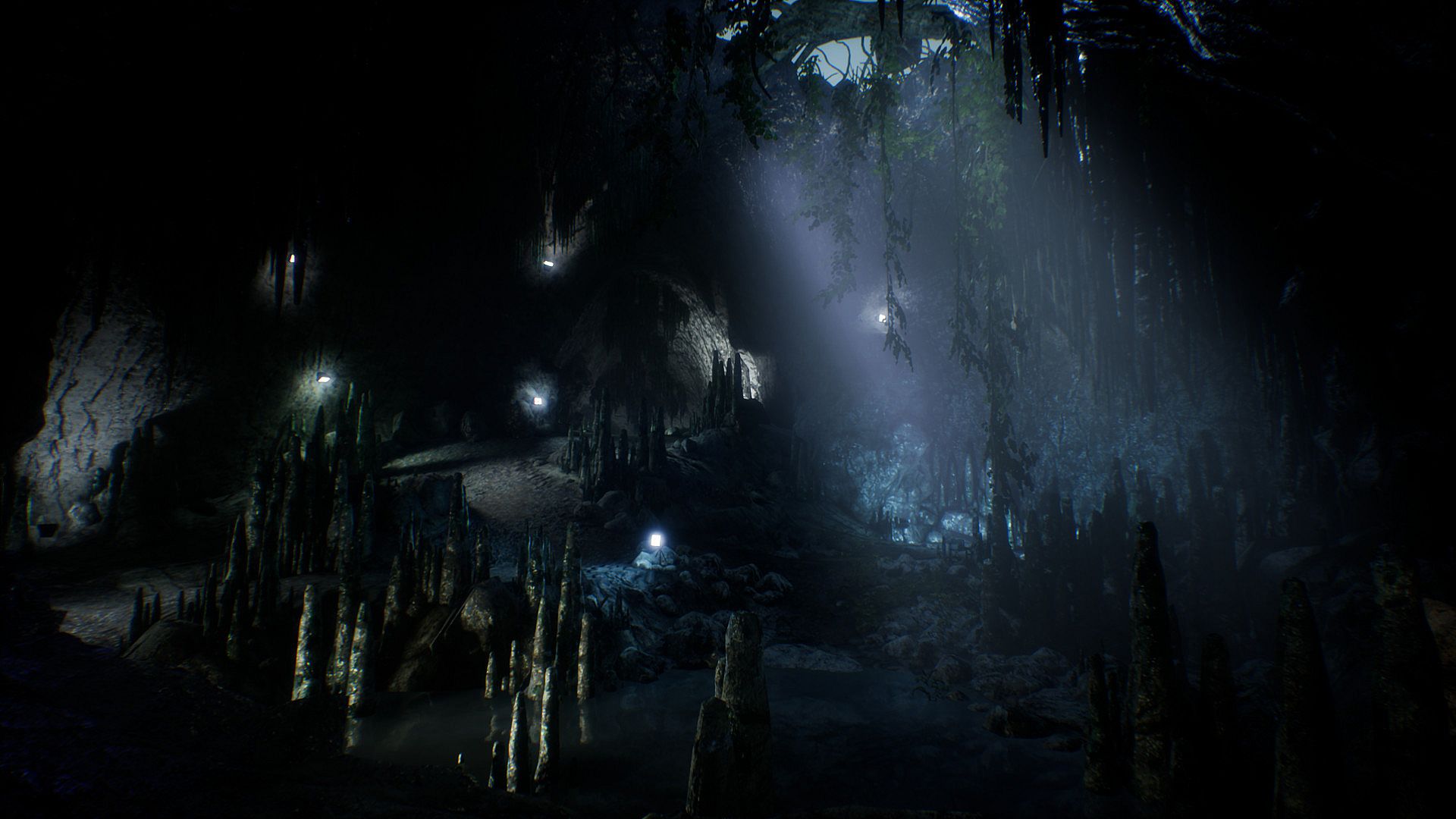
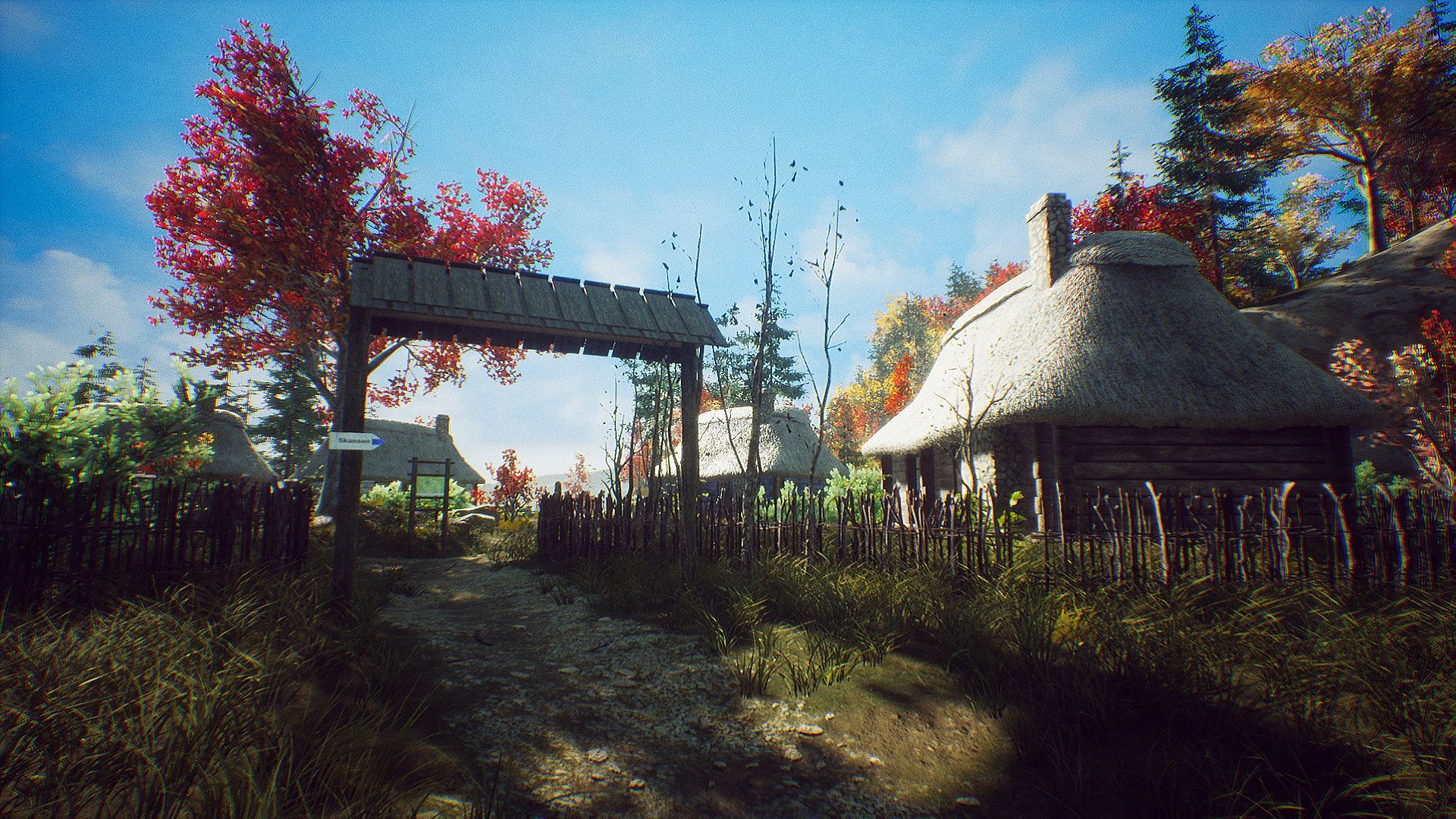
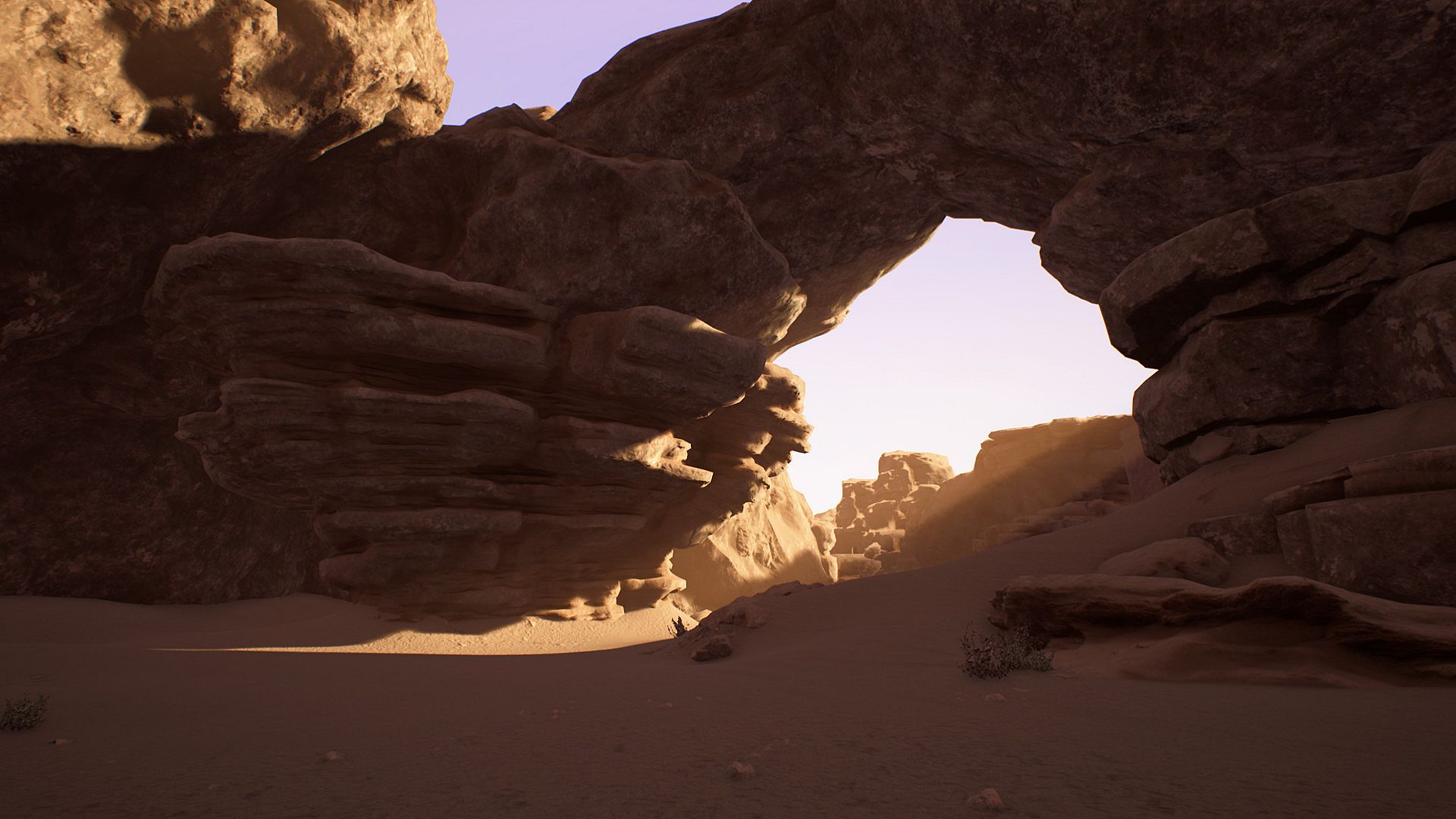
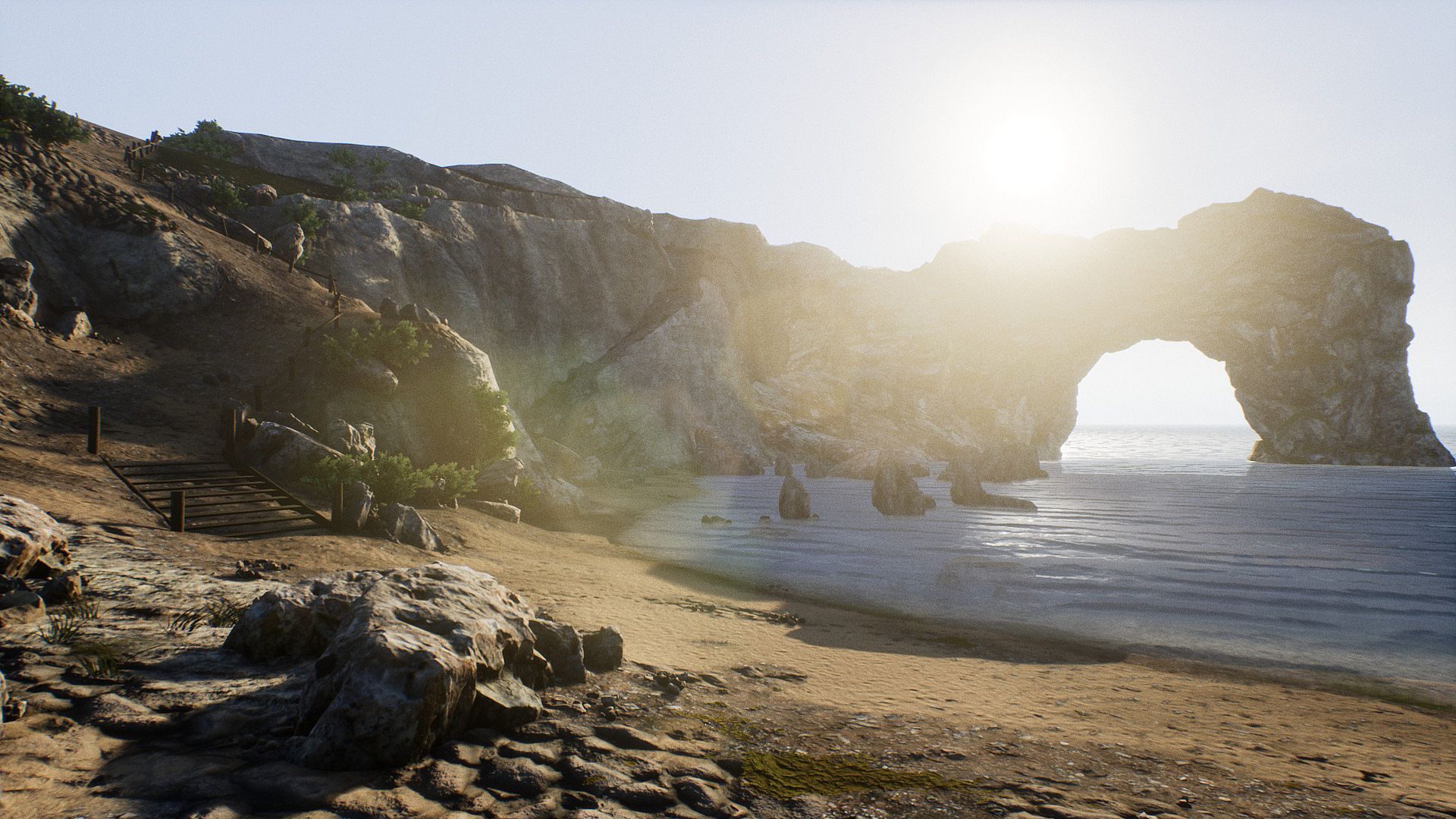
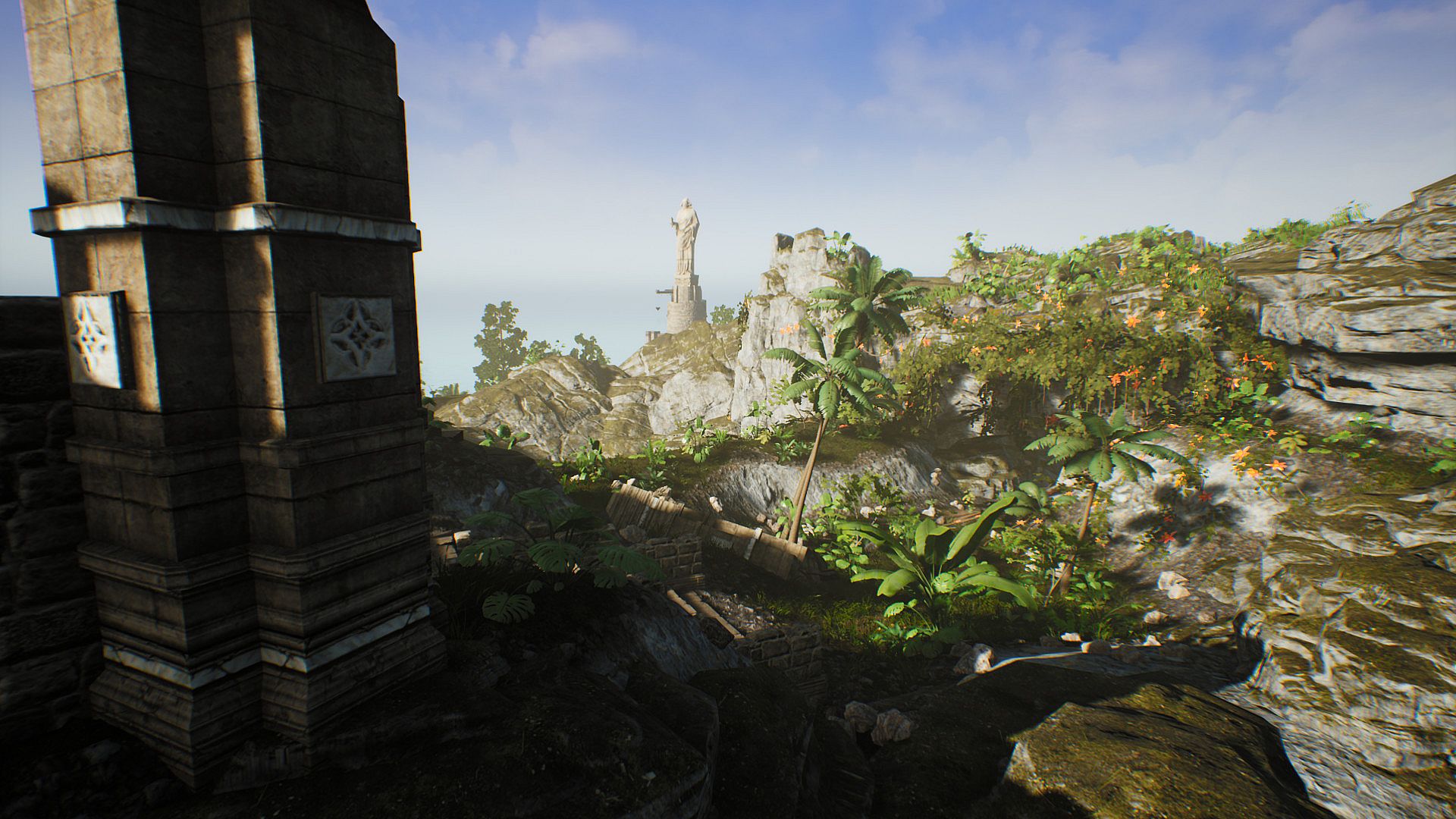
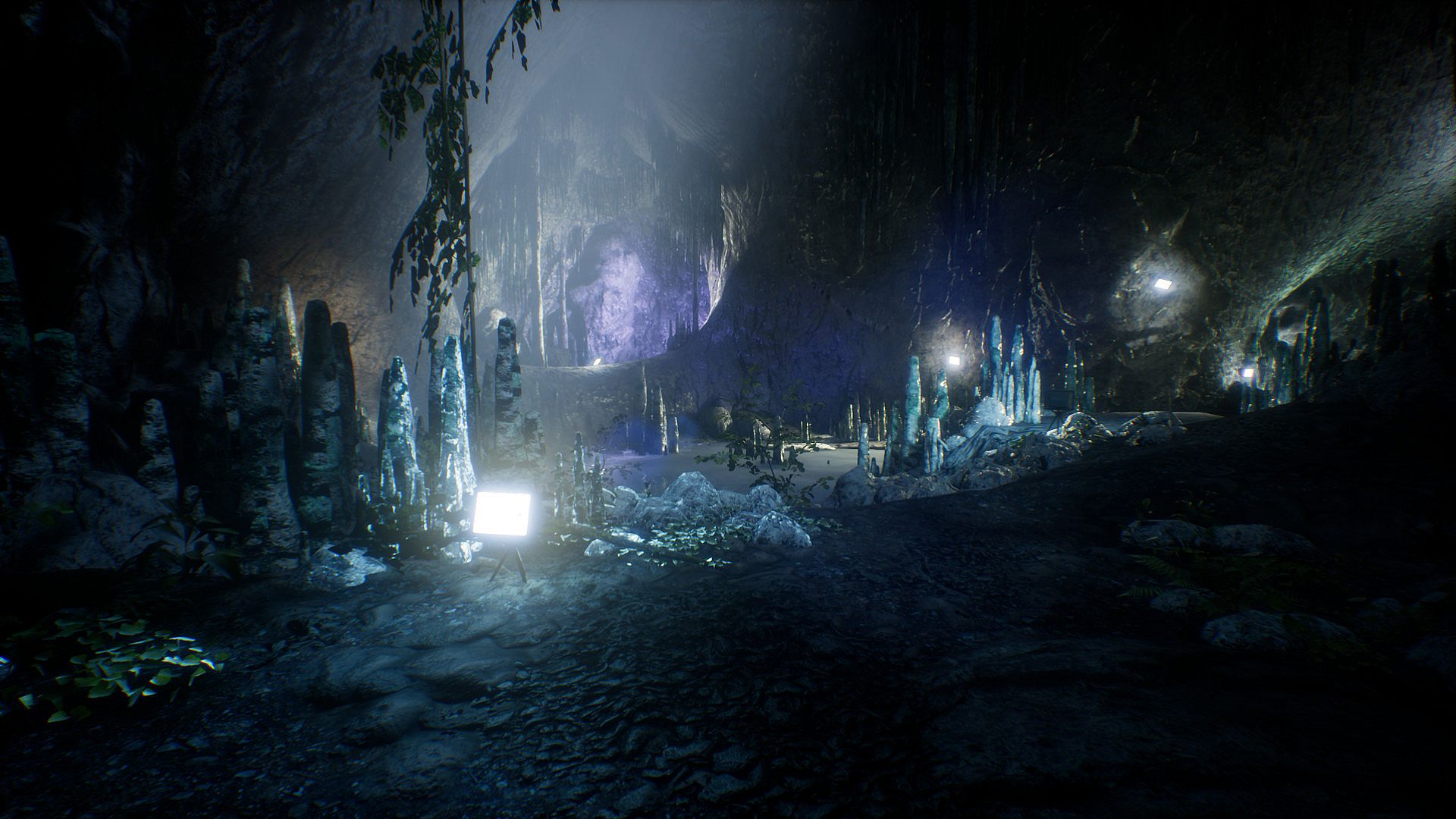
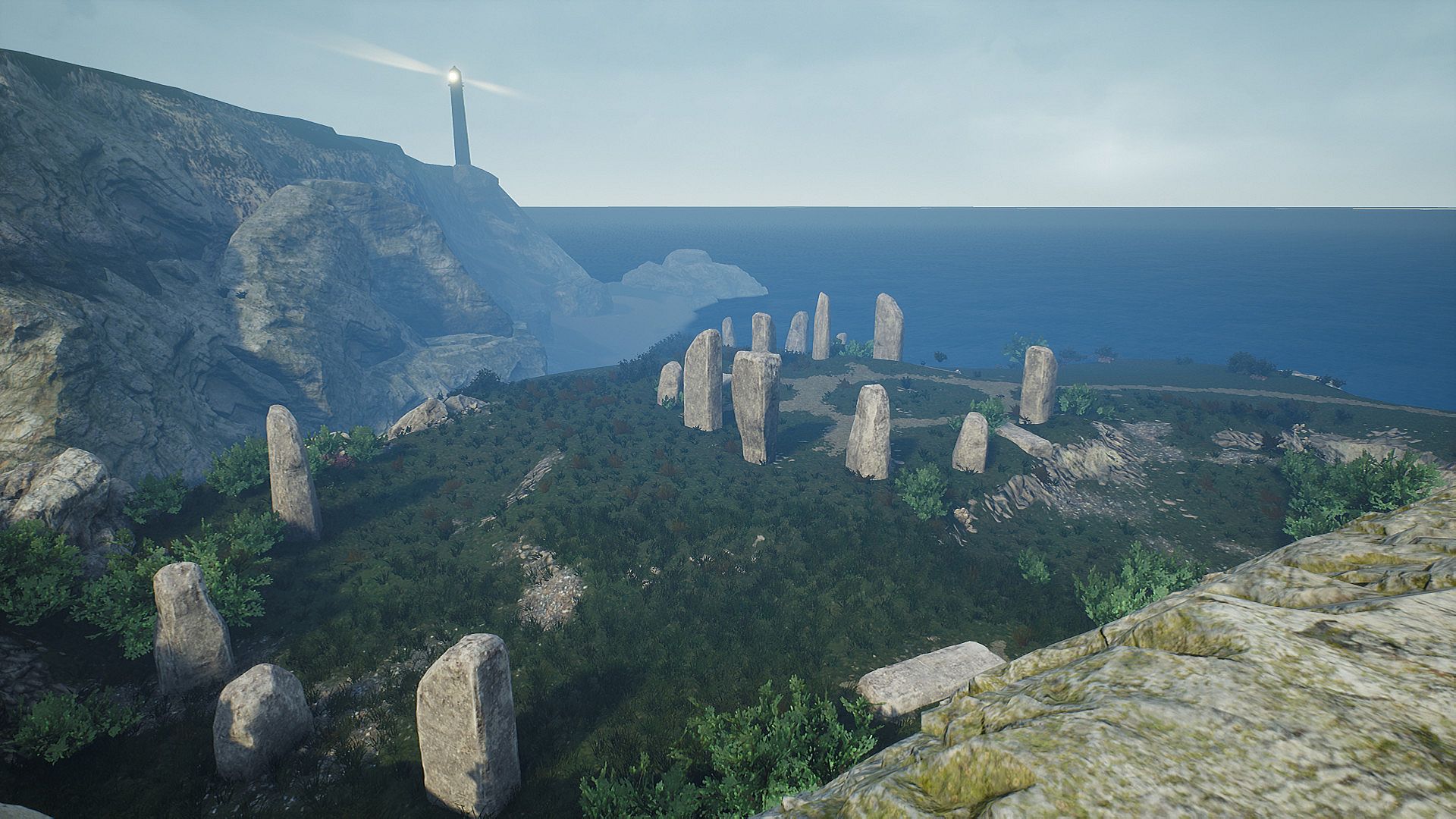
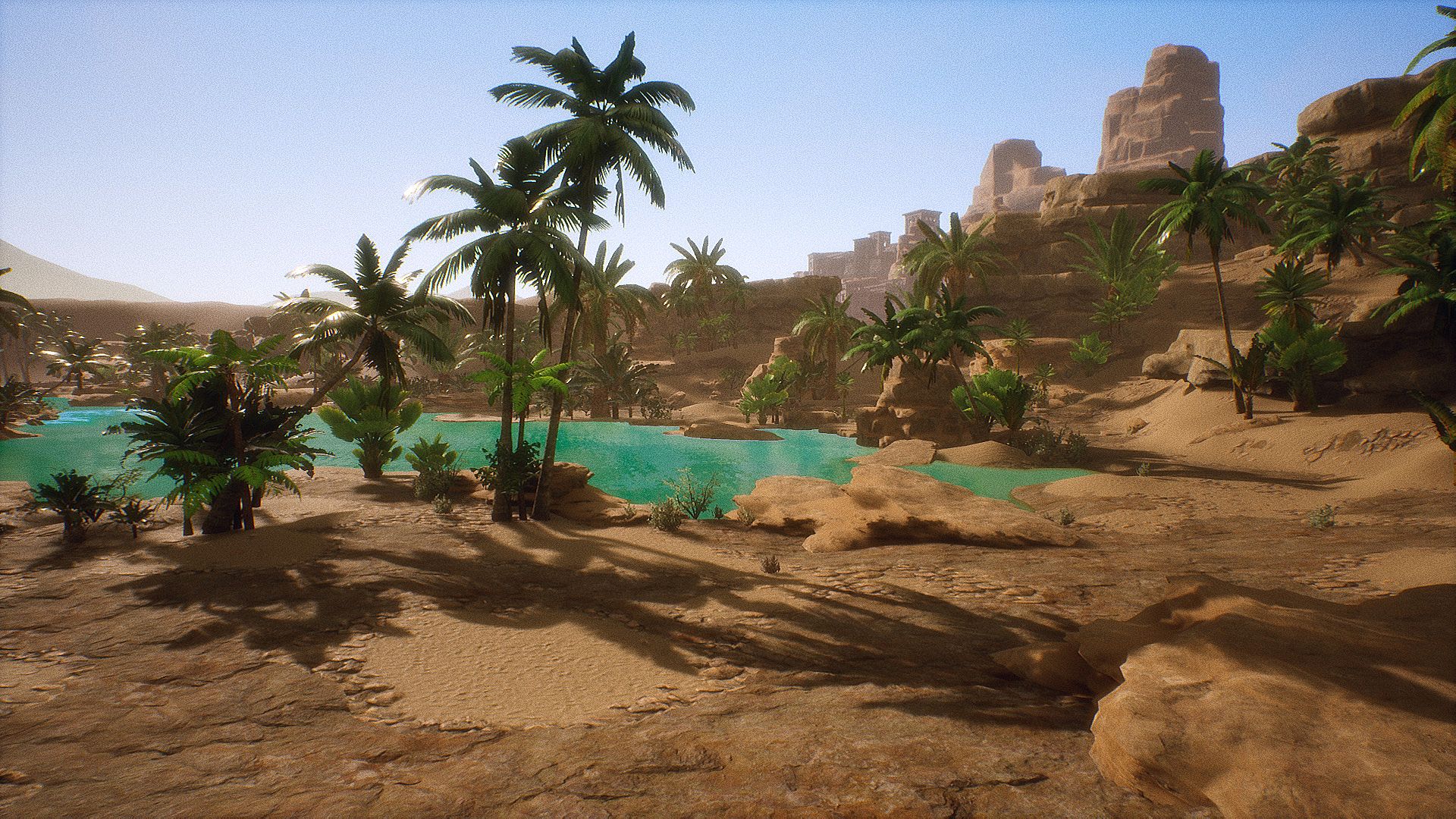
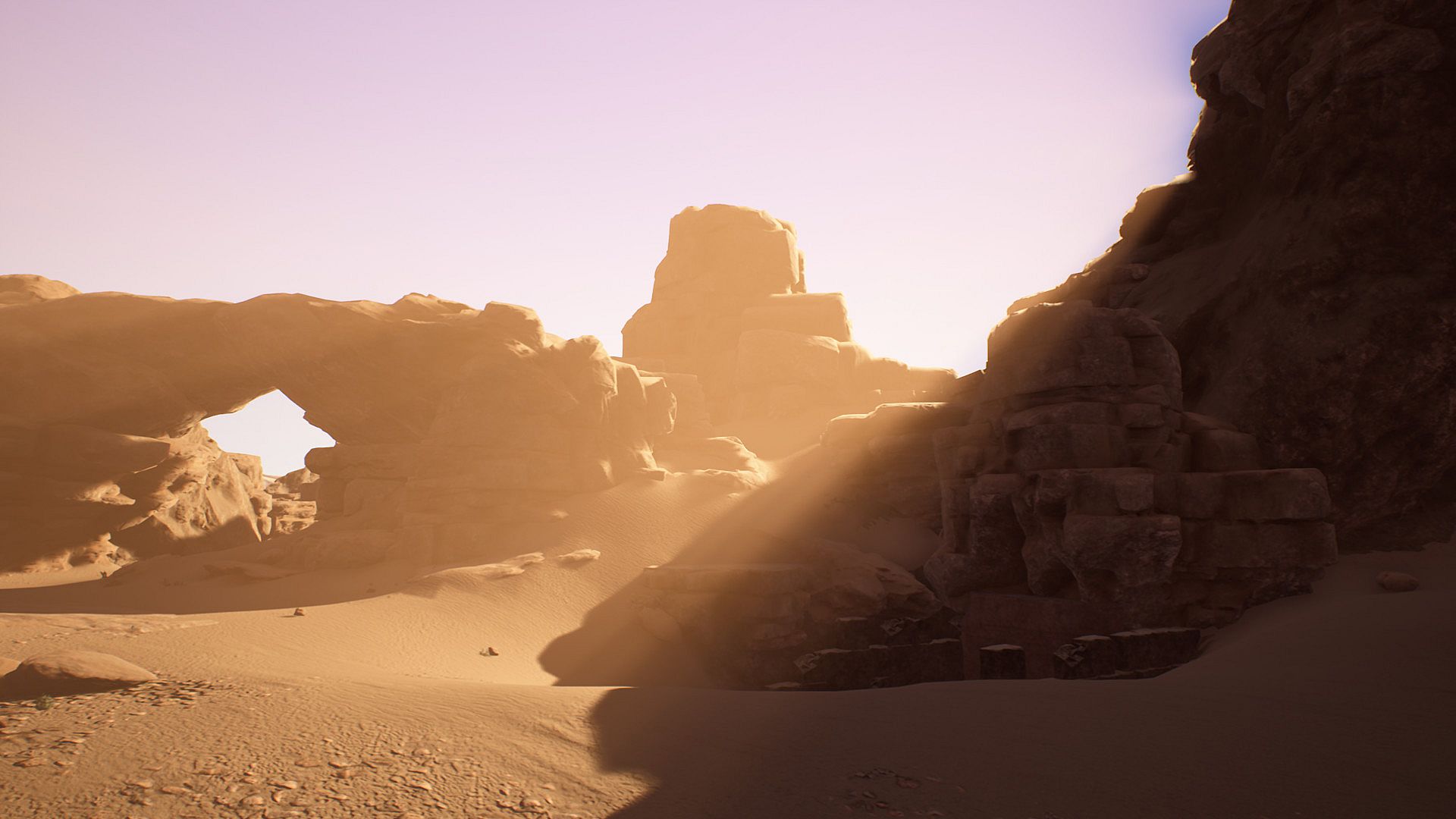
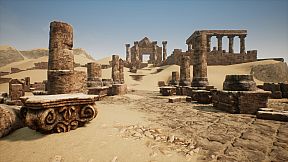
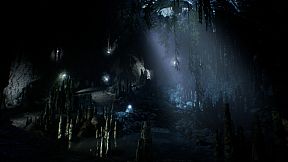
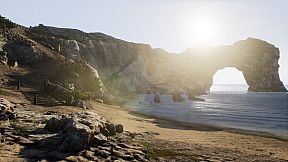
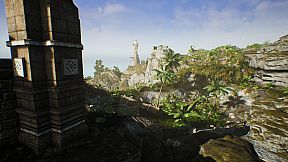
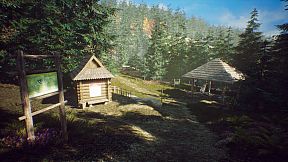
Detector upgrades provide better range, sensitivity, and accuracy, making the search process more efficient as equipment improves. The mechanics stay streamlined rather than deeply technical, supporting both dedicated fans of the hobby and players seeking a lighter experience. Beautiful handcrafted environments across 11 locations encourage thorough exploration of meadows, forests, and other settings that may hide remnants of past events.
Game Modes
Treasure Hunter Simulator operates as a single-player experience without separate competitive or cooperative modes. The entire game revolves around the artifact-hunting progression system, where players move between locations at their own pace. There are no time-limited challenges or multiplayer elements, keeping the focus on steady collection and equipment advancement.
Gameplay flows through a continuous career-style structure. Early sessions emphasize local areas to gather initial funds and prestige. Later efforts open international sites once sufficient resources accumulate. Artifact conditions and identification remain consistent across all locations, creating a unified loop rather than distinct variants.
Progression and Collection
Players manage a growing inventory of finds, deciding whether to retain pieces for personal display or liquidate them for cash. This choice directly influences travel options and detector purchases. Eight detector models become available through upgrades, each offering incremental improvements suited to different terrain or signal types.
Legendary artifacts provide additional motivation, as they deliver richer historical details upon recovery. The system rewards repeated visits to the same locations because items can appear in different conditions or positions on subsequent searches. No complex skill trees or branching narratives exist beyond this equipment and location expansion.
Is It Worth Playing?
The game suits players who enjoy calm, methodical simulation titles centered on discovery and light management. Its mixed reception on Steam, with 60 percent positive reviews from over 1,000 submissions, reflects appreciation for the relaxing pace and scenic environments alongside criticism of repetition in later stages. Released in 2018, the title receives no ongoing seasonal content or major post-launch updates.
Those drawn to artifact identification and gradual gear progression will find the most satisfaction, especially if they prefer single-player experiences over fast-paced action. The accessible mechanics make it approachable for casual sessions, while the collection aspect offers long-term goals for completionists. Availability remains limited to standard purchase without free trials or alternate editions confirmed in current listings.