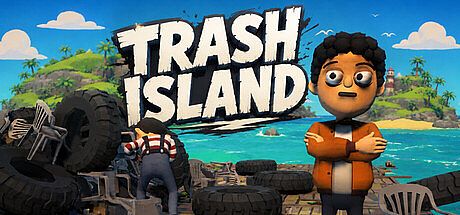


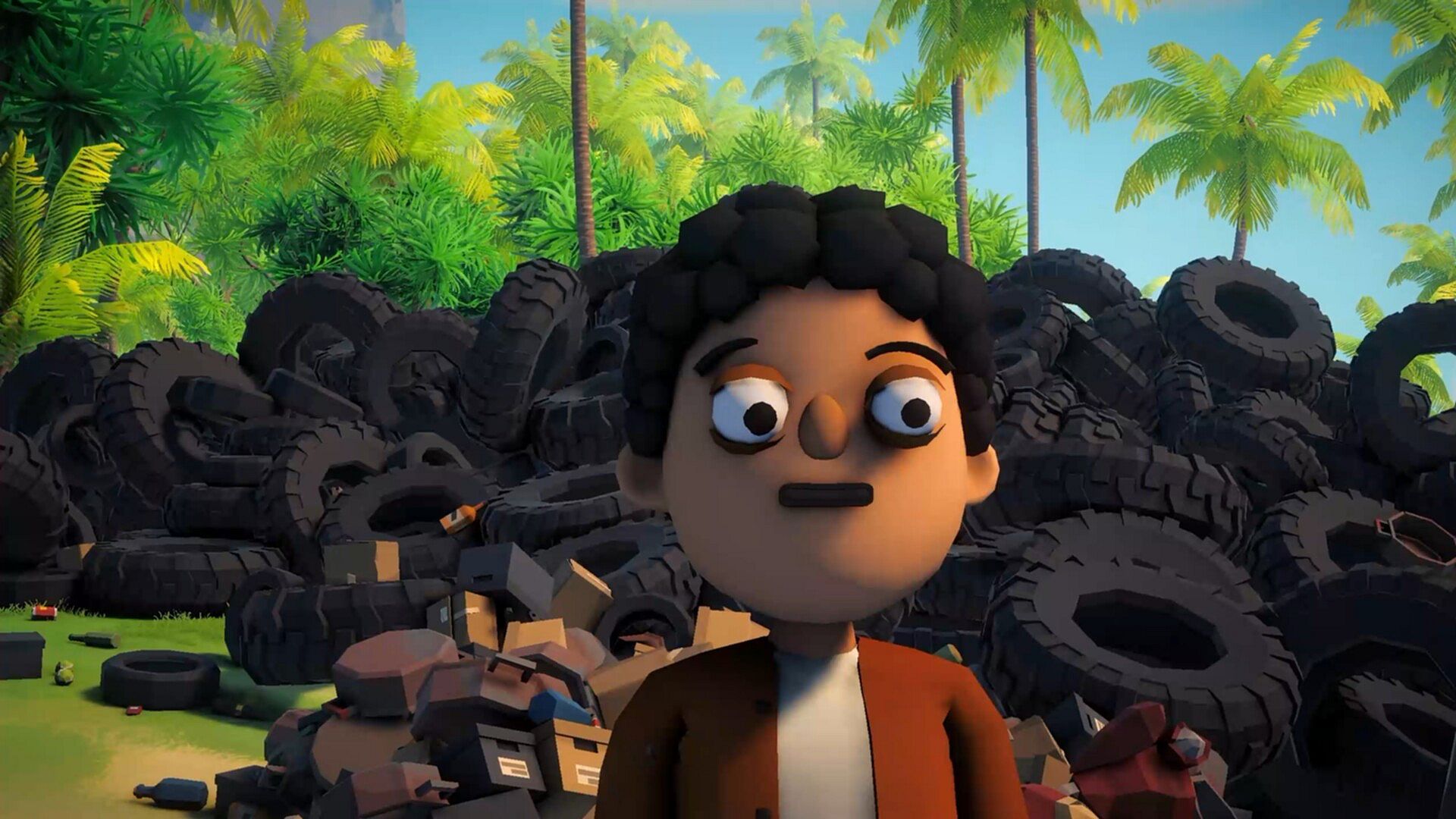
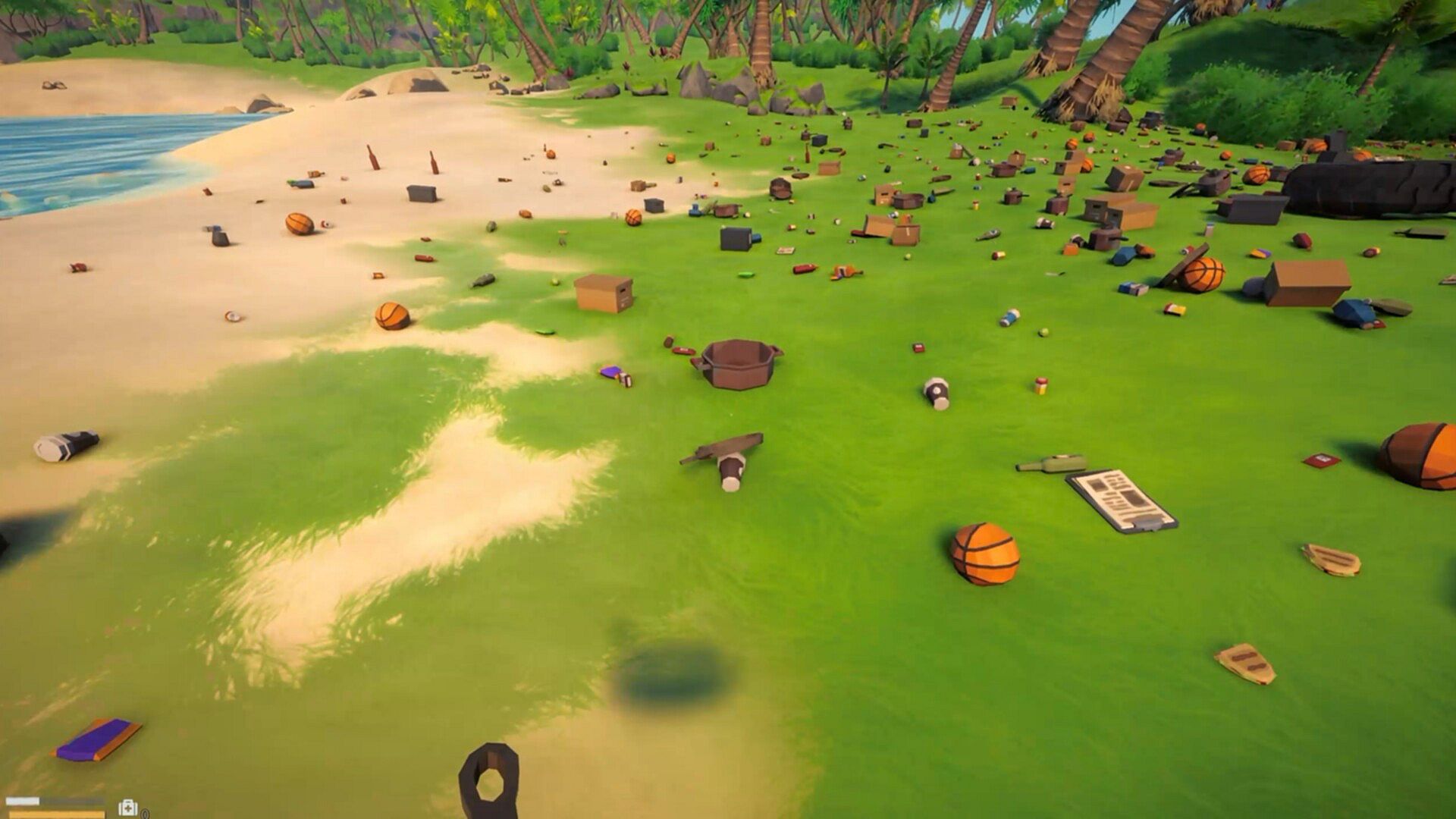
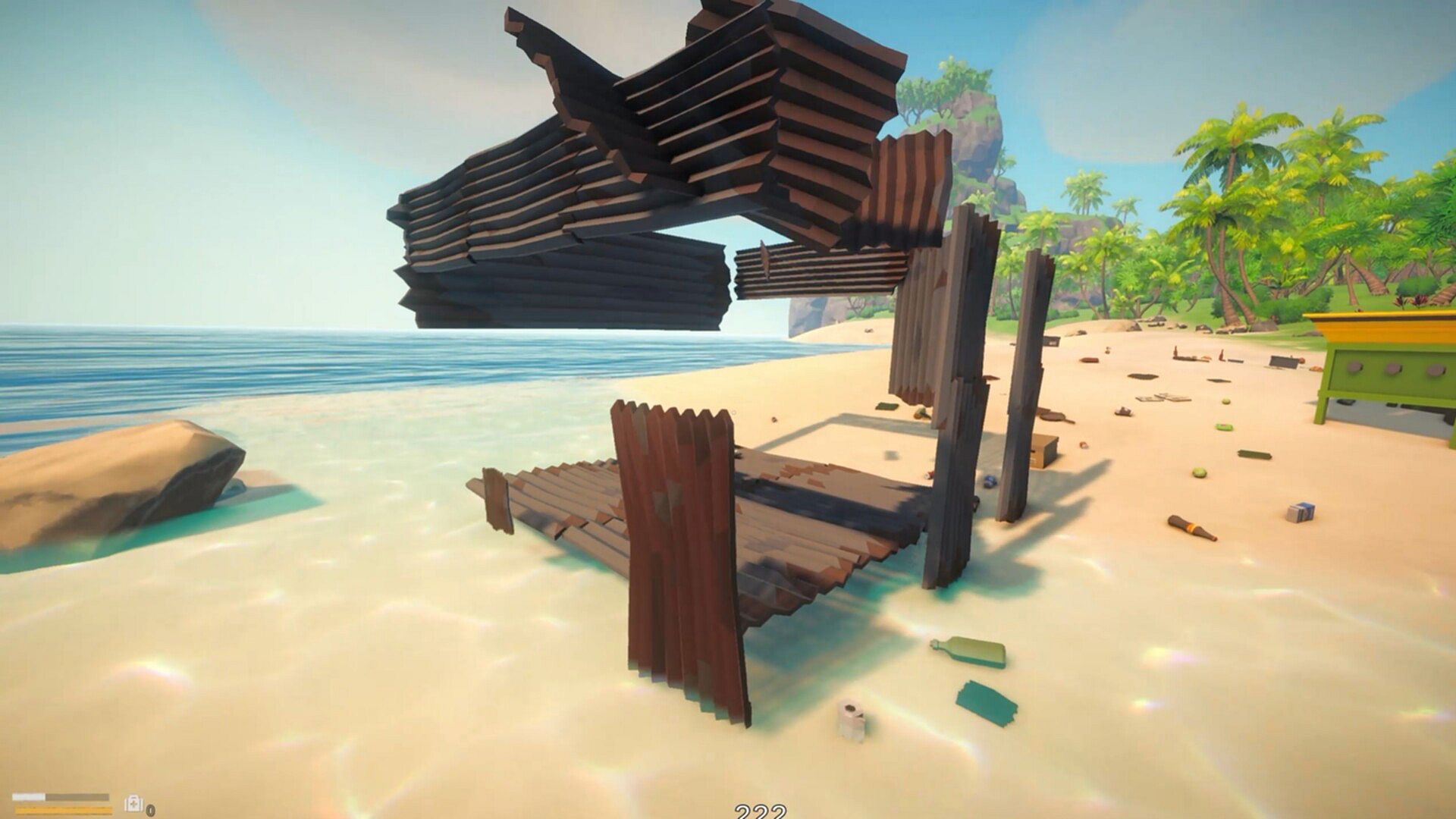
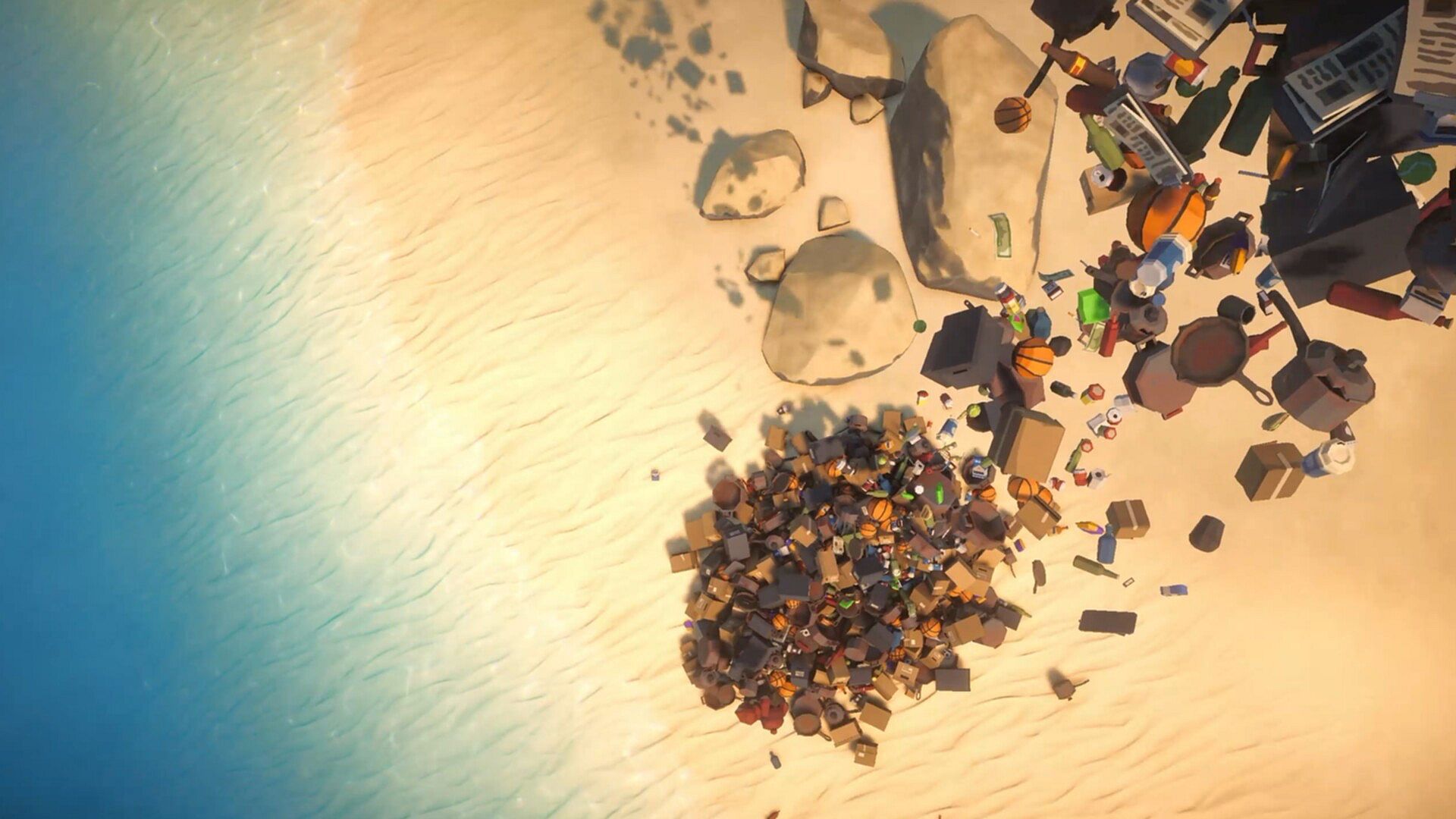
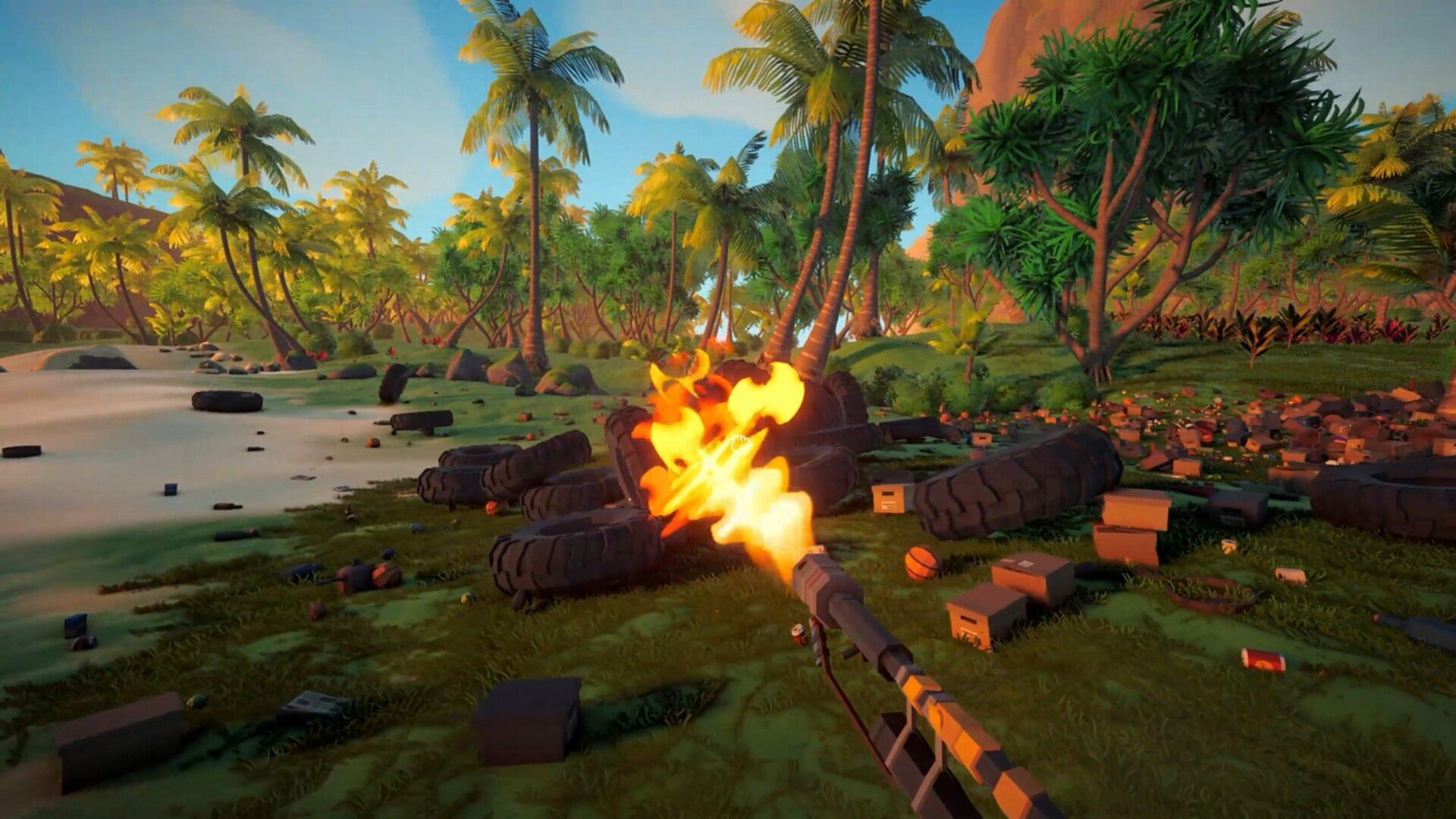
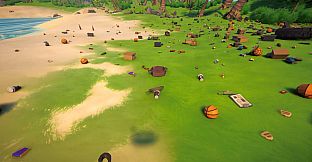
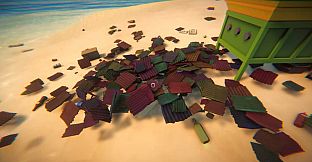
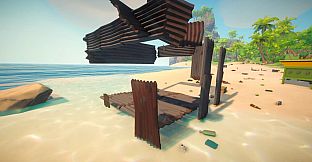
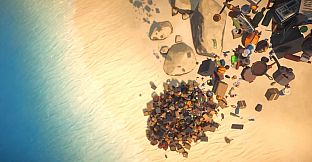
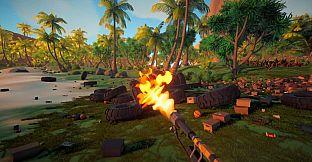
Trash Island is an indie simulation and adventure game set on a remote island buried under layers of waste, surrounded by an endless ocean. Players arrive with nothing and must build a sustainable life by turning discarded materials into functional resources and structures. The core experience revolves around exploration, resource management, and gradual environmental transformation on PC.
Gameplay
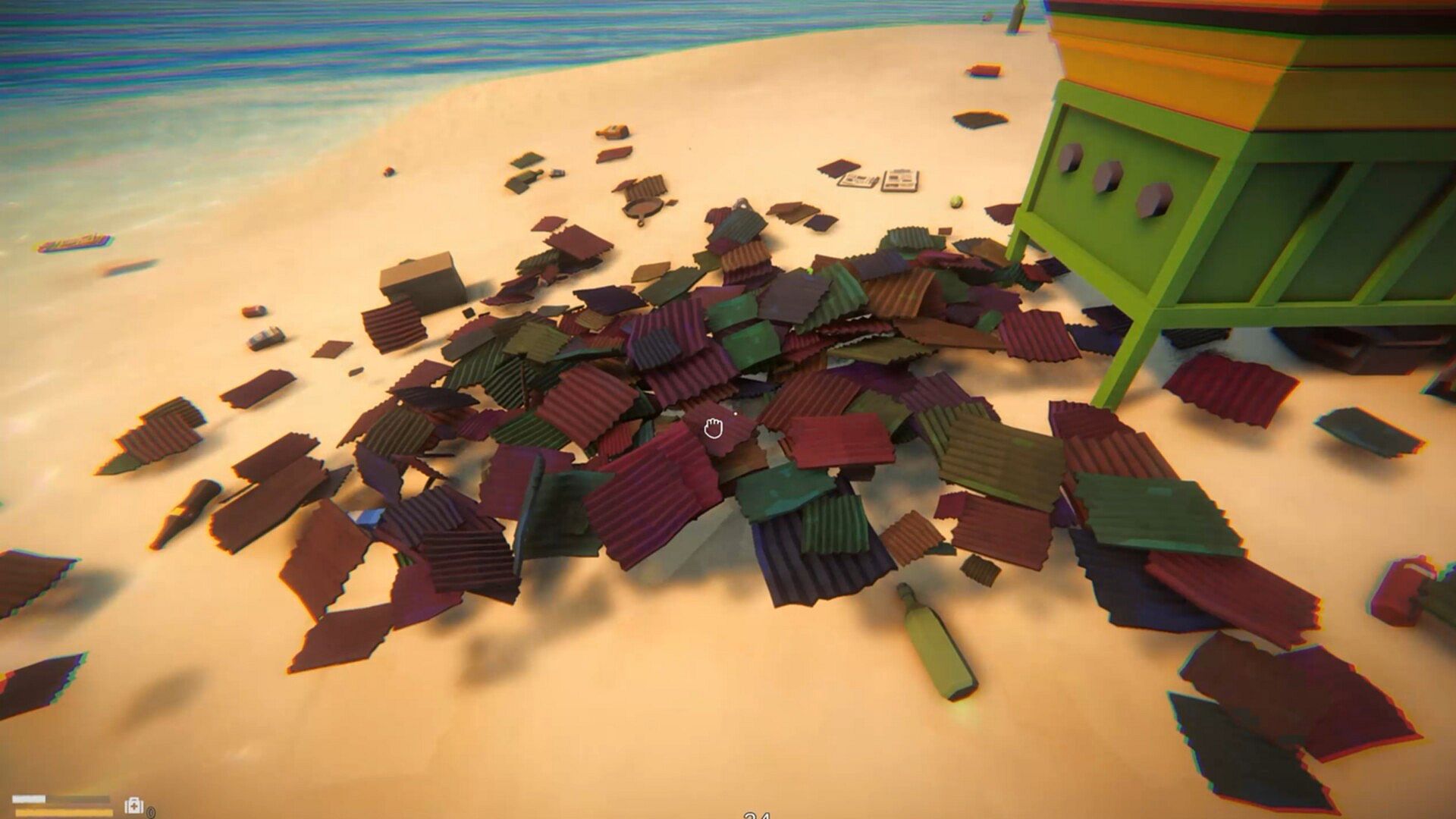
The central loop involves gathering scattered waste such as old plastics, metal scraps, and wooden planks from across the island. Collected items are sorted and processed through grinding or other methods to create usable materials. These materials support crafting of tools, equipment, and construction elements that expand living and work spaces.
Progress extends beyond the shoreline. Players construct a boat from recovered junk to venture into open water, where floating debris offers additional resources. Encounters with passing ships or helicopters can yield ordinary or rarer items, adding an element of timing and pursuit to resource acquisition. Clearing waste gradually reveals the underlying island terrain, shifting the environment from a polluted site to a more habitable area through incremental changes.
Mechanics emphasize practical reuse, where nearly every found object holds potential value once processed. Building focuses on functional additions like shelters, storage, and work zones that scale with available materials. Sea expeditions introduce uncertainty about distant finds, while island cleanup provides visible feedback as piles diminish and natural features emerge.
Game Modes
Trash Island supports solo play for independent exploration and management of the island and surrounding waters. It also includes a co-operative option for up to four players, allowing shared collection, sorting, and building tasks. Participants can divide responsibilities across different areas or collaborate on larger projects such as boat construction and ocean searches.
Co-op sessions permit flexible approaches, including coordinated resource gathering or unstructured experimentation that may lead to creative or chaotic outcomes. No additional named modes appear in the available details, keeping the focus on these two primary ways to experience the simulation and adventure elements.
Building and Exploration Systems
Construction begins modestly with basic shelters and expands as processed materials accumulate. Work areas and storage solutions integrate directly into the island layout, creating a personalized base that reflects collected resources. The process ties collection volume to expansion potential, encouraging systematic cleanup to unlock further development.
Ocean travel adds depth through boat-based scavenging. Built vessels enable searches for drifting materials, with distance from shore increasing the range of possible discoveries. Occasional aerial or maritime traffic provides opportunities for high-value items, requiring observation and quick response to secure them before they are lost.
Is It Worth Playing?
Trash Island targets players interested in casual simulation and adventure experiences centered on resource transformation and island restoration. The described systems of collection, processing, crafting, and building offer a self-contained loop suitable for solo sessions or small-group cooperation. Environmental progression through waste removal provides tangible visual changes without complex combat or narrative layers.
As the game remains listed as coming soon with no released version or player reviews available, any assessment relies on the outlined features. Those drawn to relaxed management of materials and gradual base-building may find the co-op and solo options appealing once it launches. The absence of confirmed updates or additional content means expectations should center on the core mechanics presented in the description.