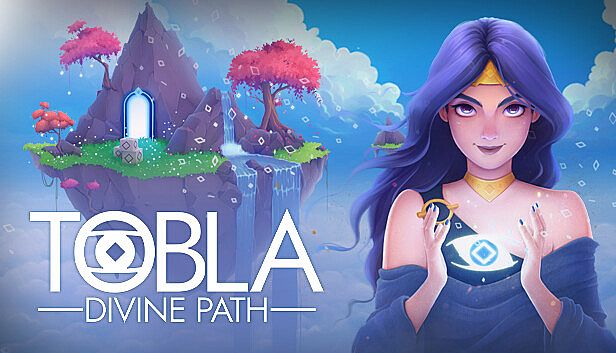


















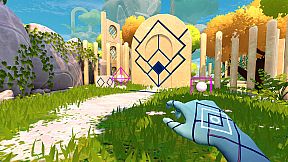
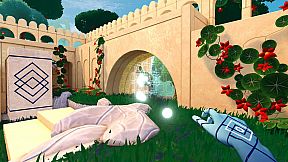
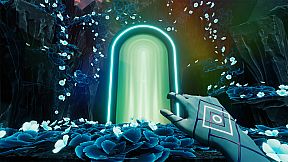
Tobla - Divine Path is an indie casual adventure game built around physics-based puzzle solving on PC. Players take control of Mort, a mortal pulled into service by the goddess Tobla, and work through a series of compact trials set across floating islands and contrasting landscapes.
Gameplay
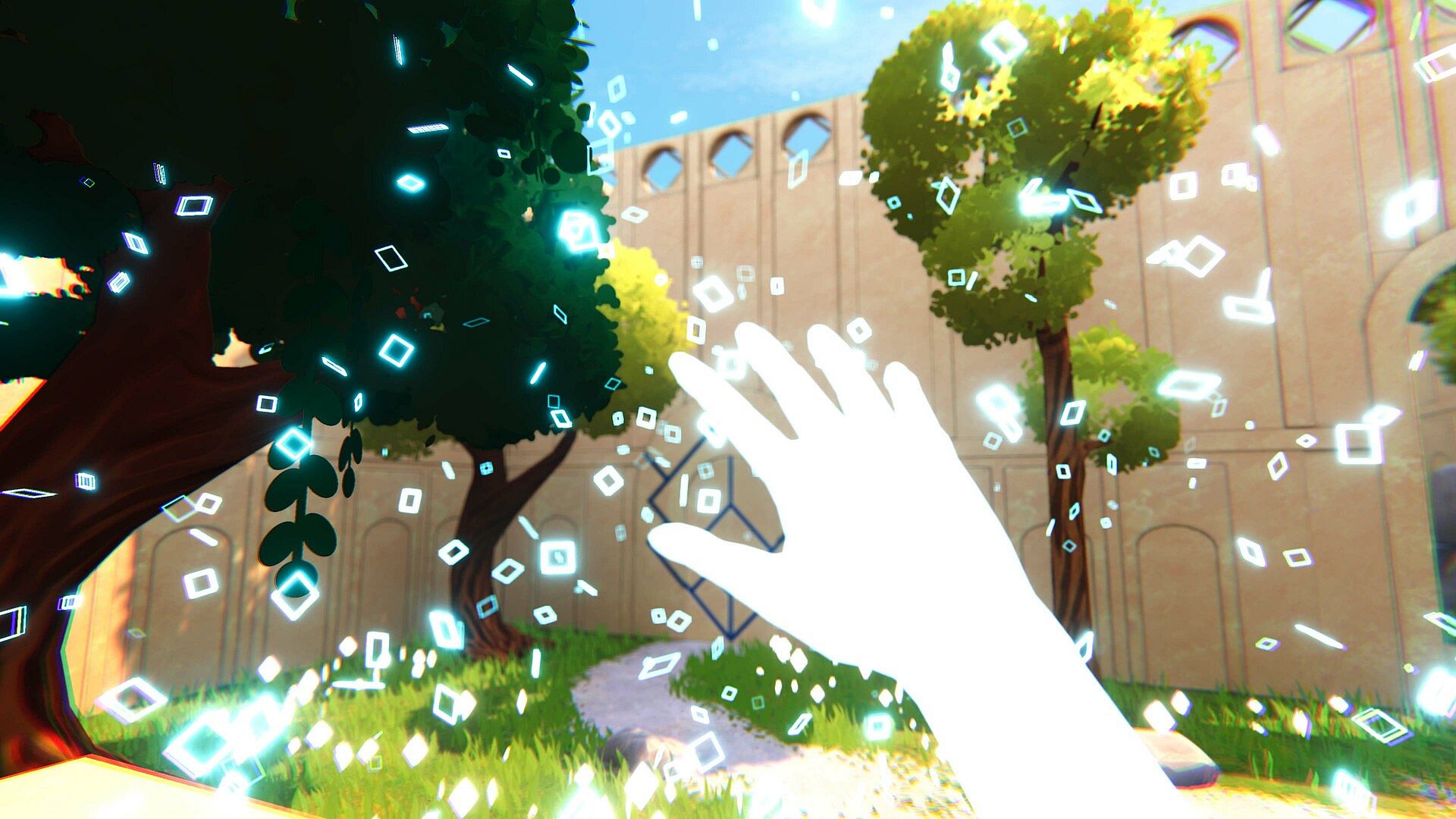
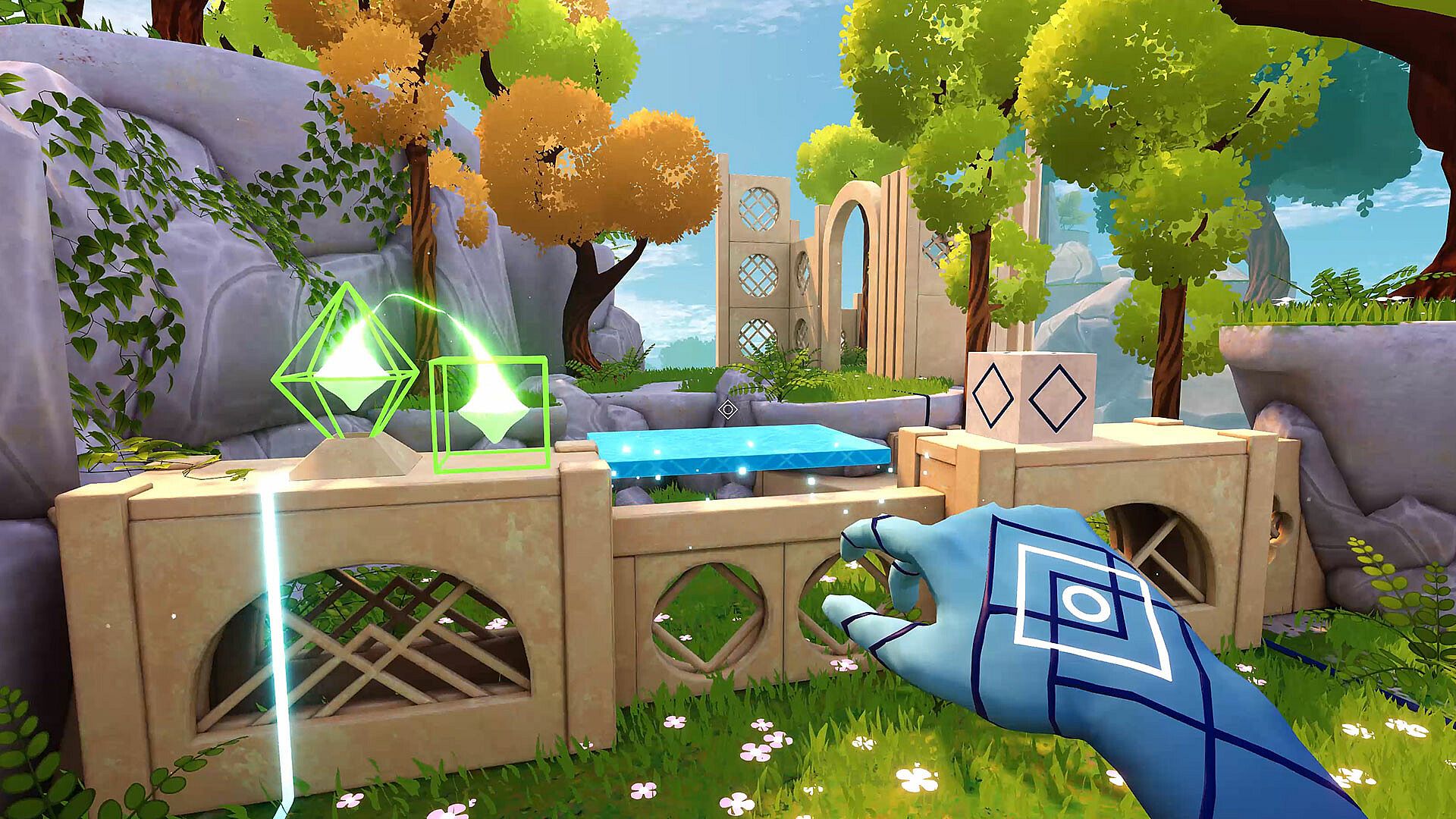
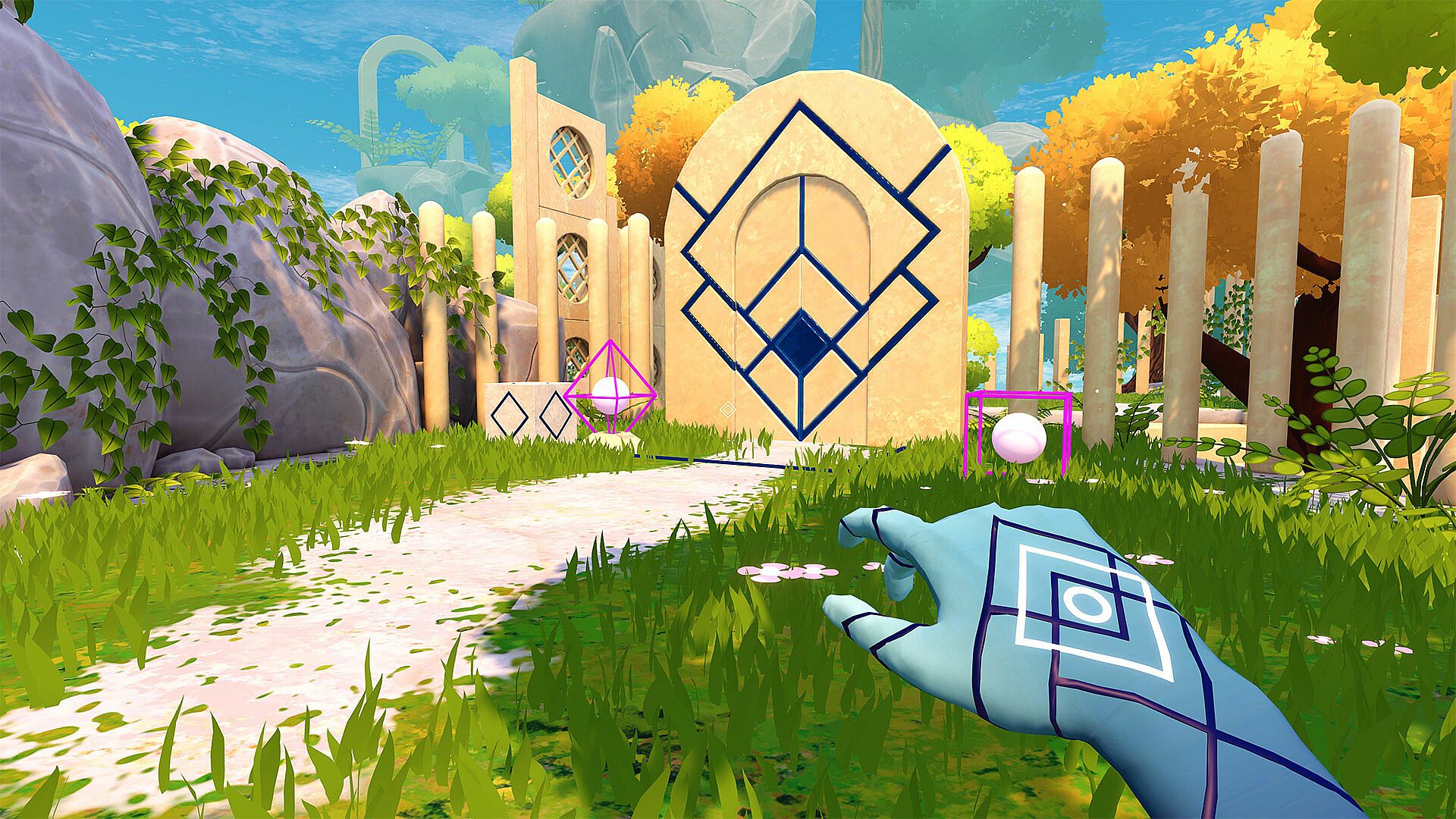
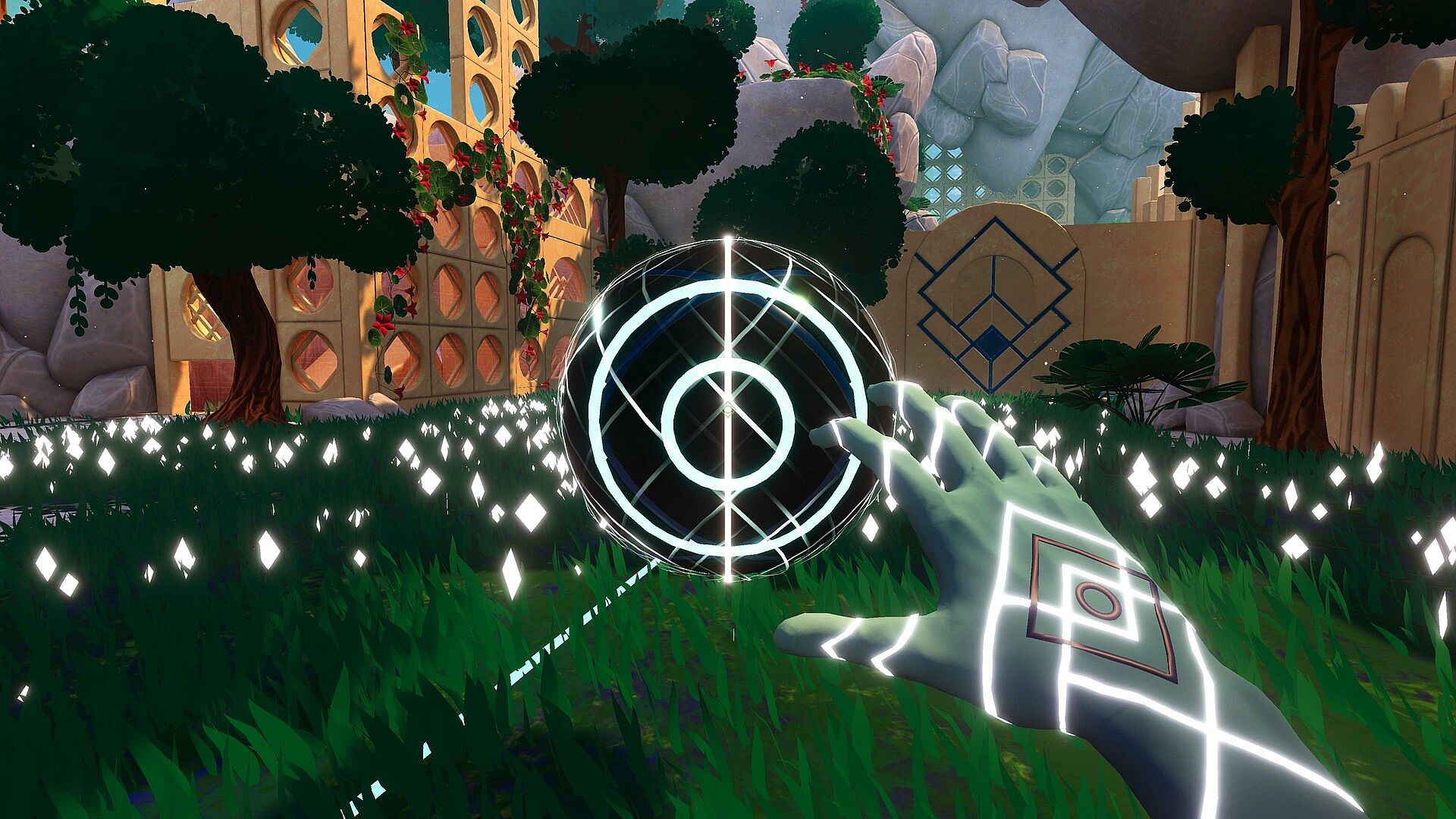
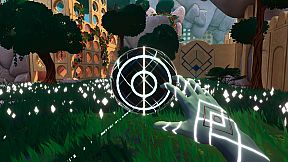
The core loop centers on manipulating objects in each puzzle room to reach the exit or complete the objective. Swapping marked cubes instantly exchanges their positions, which opens paths or repositions key elements. Spheres can be rolled along surfaces to trigger switches or clear routes, while bombs provide controlled destruction to break barriers or redirect momentum. These tools combine in layered challenges that require precise timing and spatial awareness rather than complex inventories or upgrades.
Puzzles progress from straightforward introductions to tighter sequences that layer multiple mechanics at once. The goddess Tobla provides ongoing commentary that reacts to player actions, adding a layer of personality without altering the mechanical focus. Sessions stay self-contained, allowing completion in a single afternoon or evening without extended grinding or backtracking.
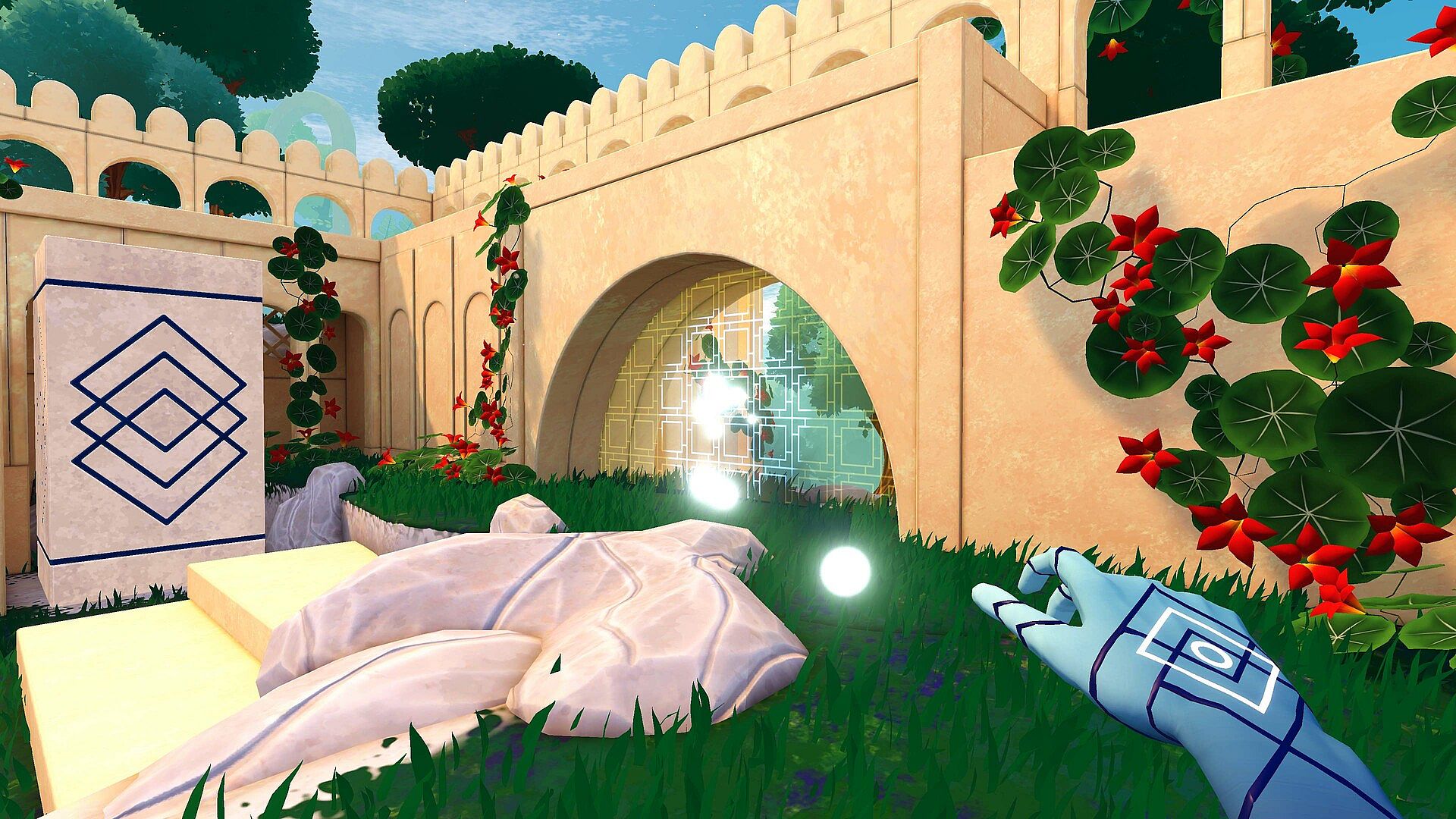
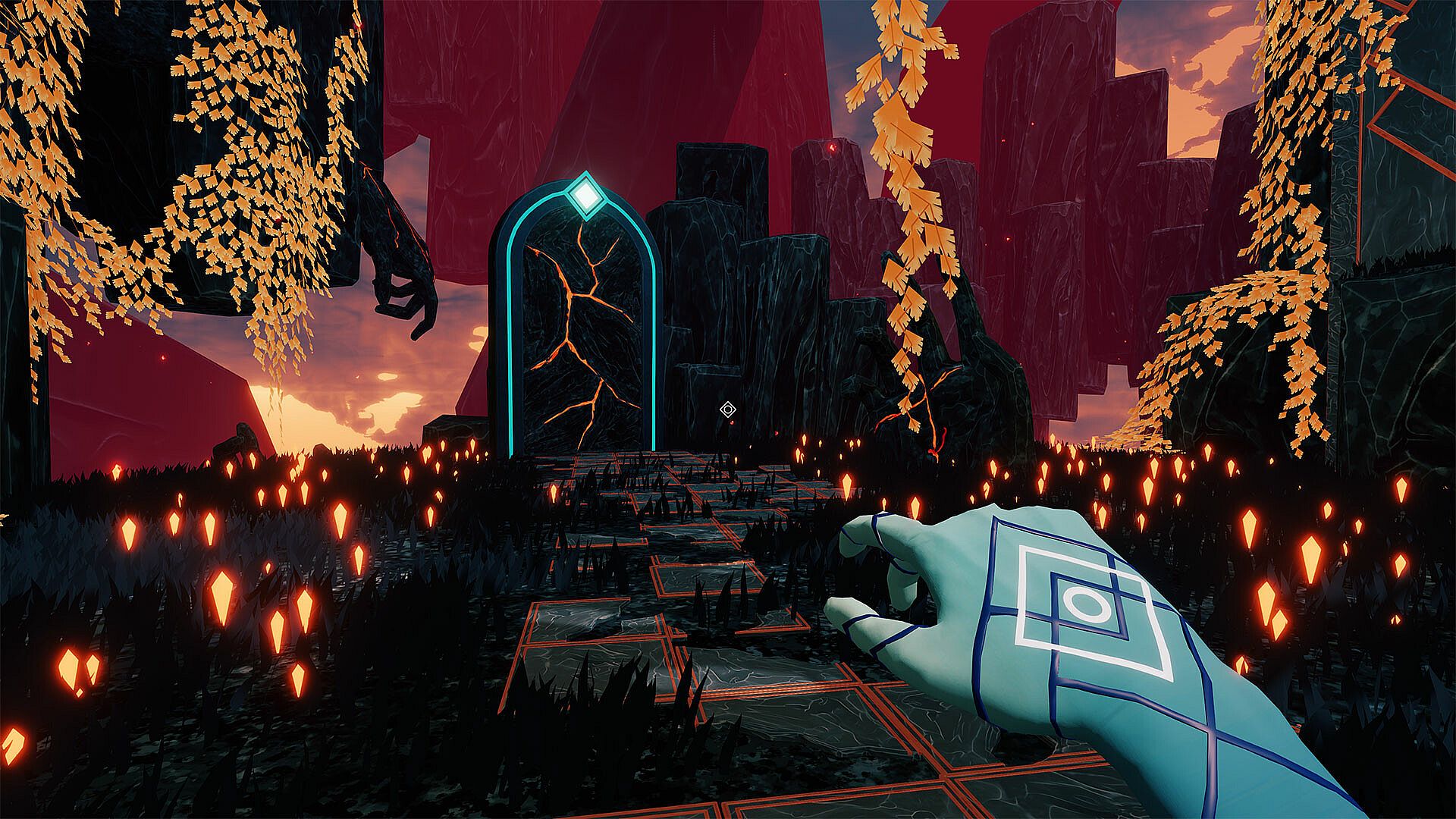
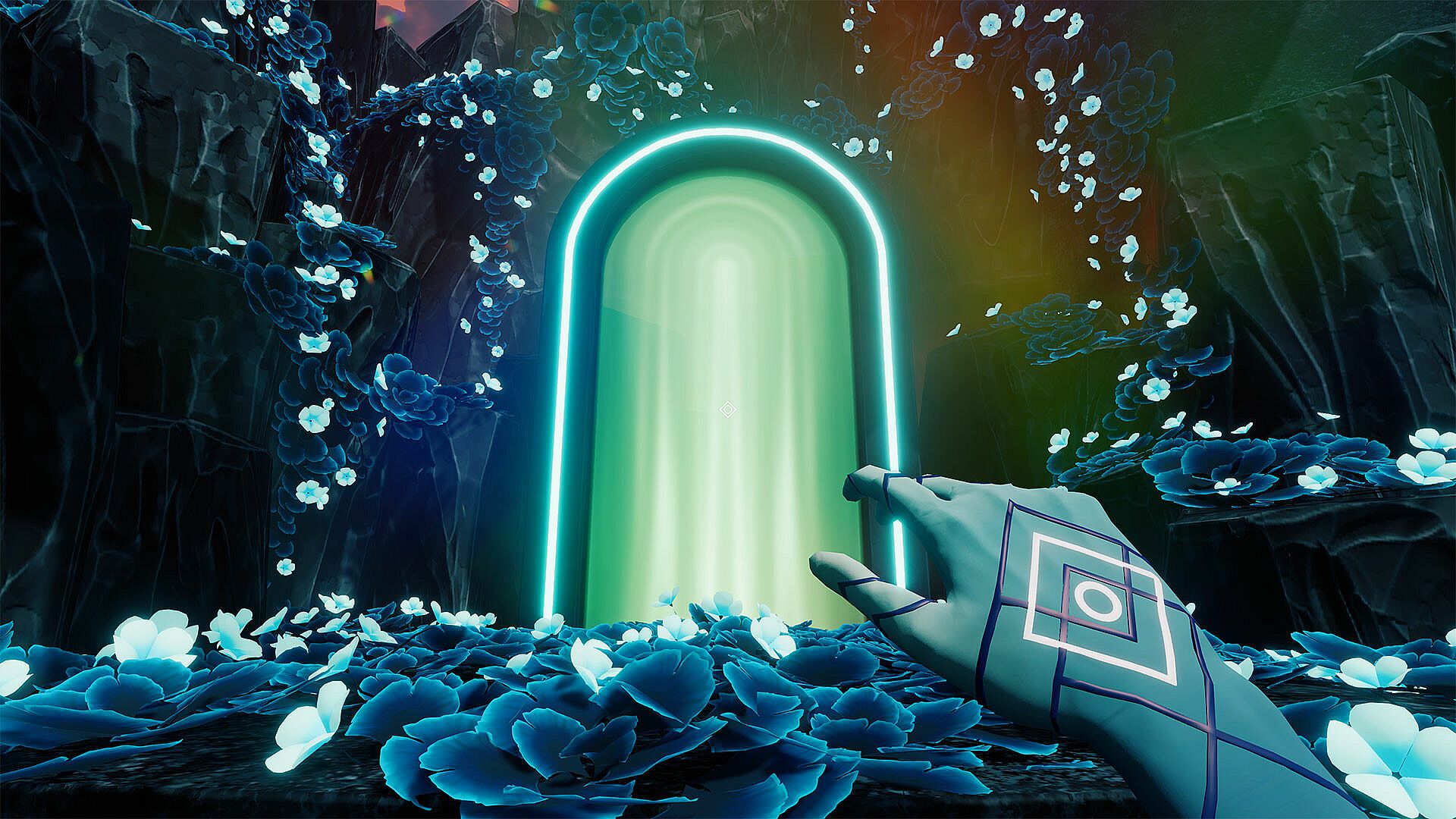
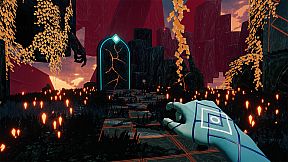
Visuals emphasize clean 3D environments with distinct zones, from verdant platforms to more intense fiery areas, all rendered to highlight the physical interactions at the heart of each trial.
Game Modes
Tobla - Divine Path operates as a single-player experience with no separate multiplayer or competitive options. The entire game consists of a linear sequence of puzzle trials presented as the goddess's challenges. There are no branching paths, difficulty selectors, or additional modes beyond the main campaign structure.
Progression follows the story of Mort's attempts to navigate and ultimately disrupt Tobla's plans through successful puzzle completion. Each section builds on prior mechanics while introducing new combinations, keeping the focus narrow and deliberate.
Story and Presentation
The narrative follows Mort's interactions with the manipulative goddess Tobla, delivered through voice lines and environmental storytelling. The tone mixes puzzle-solving tension with dry humor from the deity's remarks. Environments serve the puzzles directly, with floating islands and contrasting biomes providing visual variety that supports the mechanics rather than overwhelming them.
Sound design reinforces the physicality of swaps, rolls, and explosions without relying on orchestral scores or complex audio layers. The overall presentation stays minimal to keep attention on the puzzle solutions.
Is It Worth Playing?
This title suits players who enjoy focused, short puzzle experiences similar to classic portal-style games but with a distinct object-swapping twist. Its compact length and lack of filler make it a good fit for those seeking a self-contained session rather than long campaigns or ongoing content updates.
Reception centers on the satisfying core mechanics and witty narration, though some note the story remains secondary to the puzzle design. Availability on PC allows straightforward access for anyone interested in indie puzzle adventures without additional hardware requirements.
Those who prefer expansive worlds, multiplayer features, or frequent updates may find the scope limited, while puzzle enthusiasts looking for clever spatial challenges will find consistent engagement across the trials.