




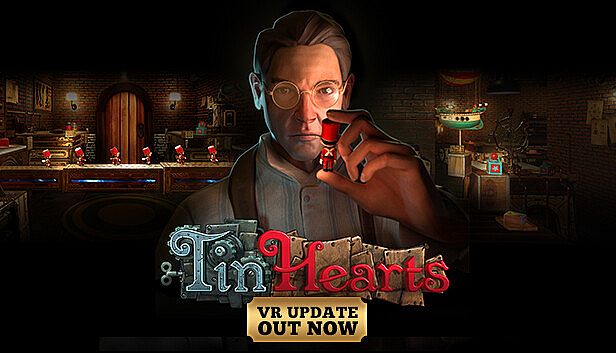

















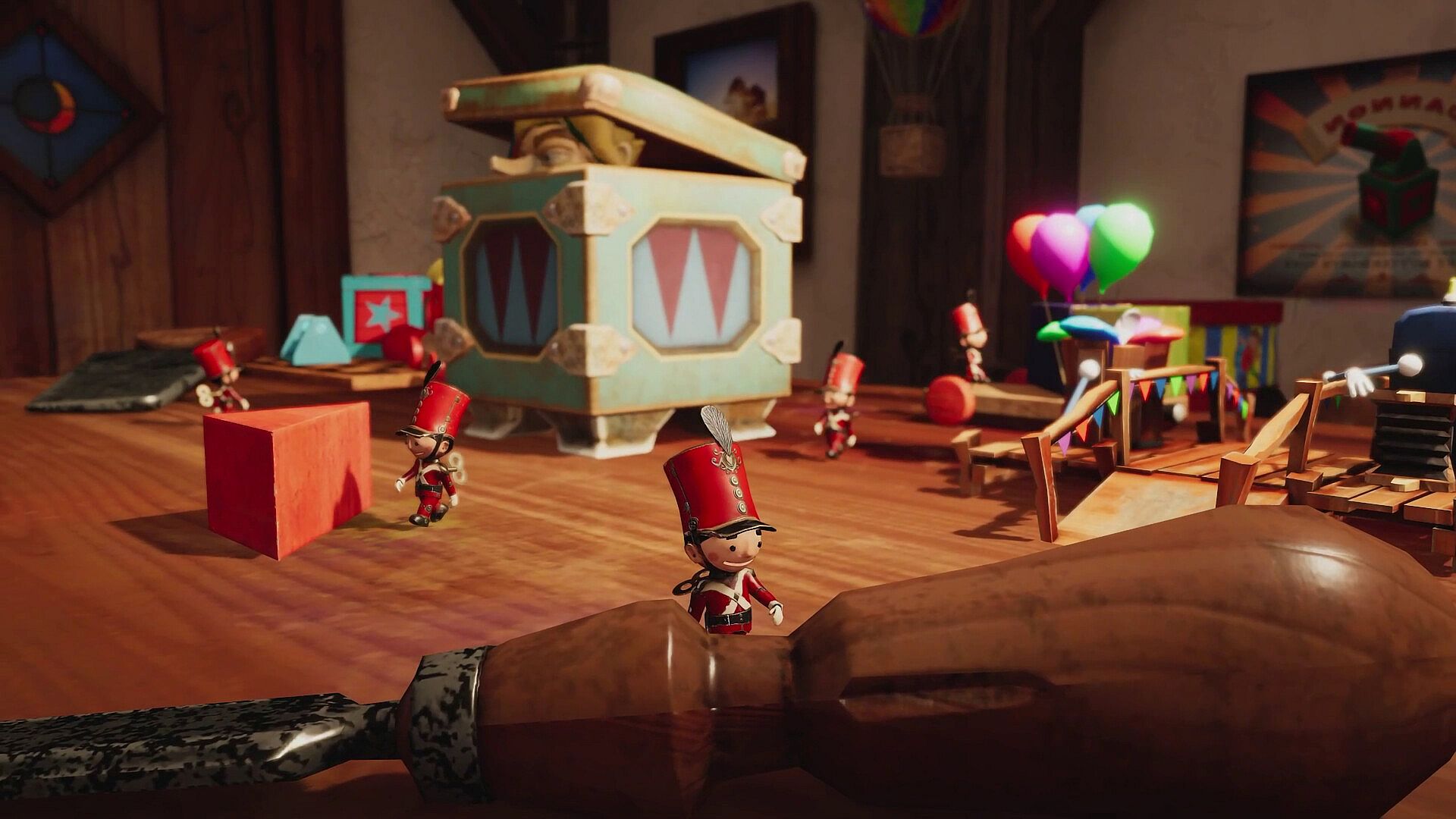
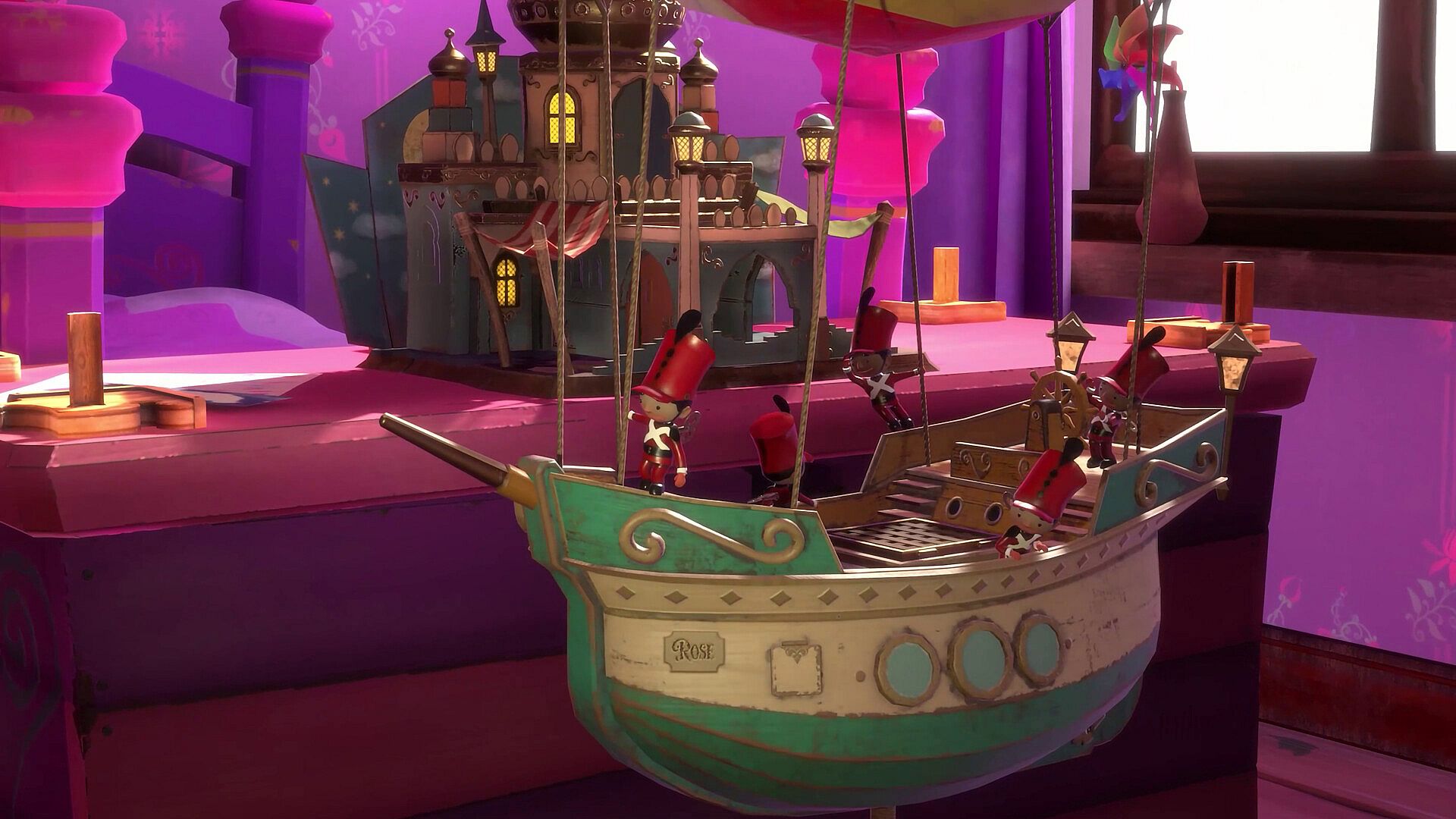
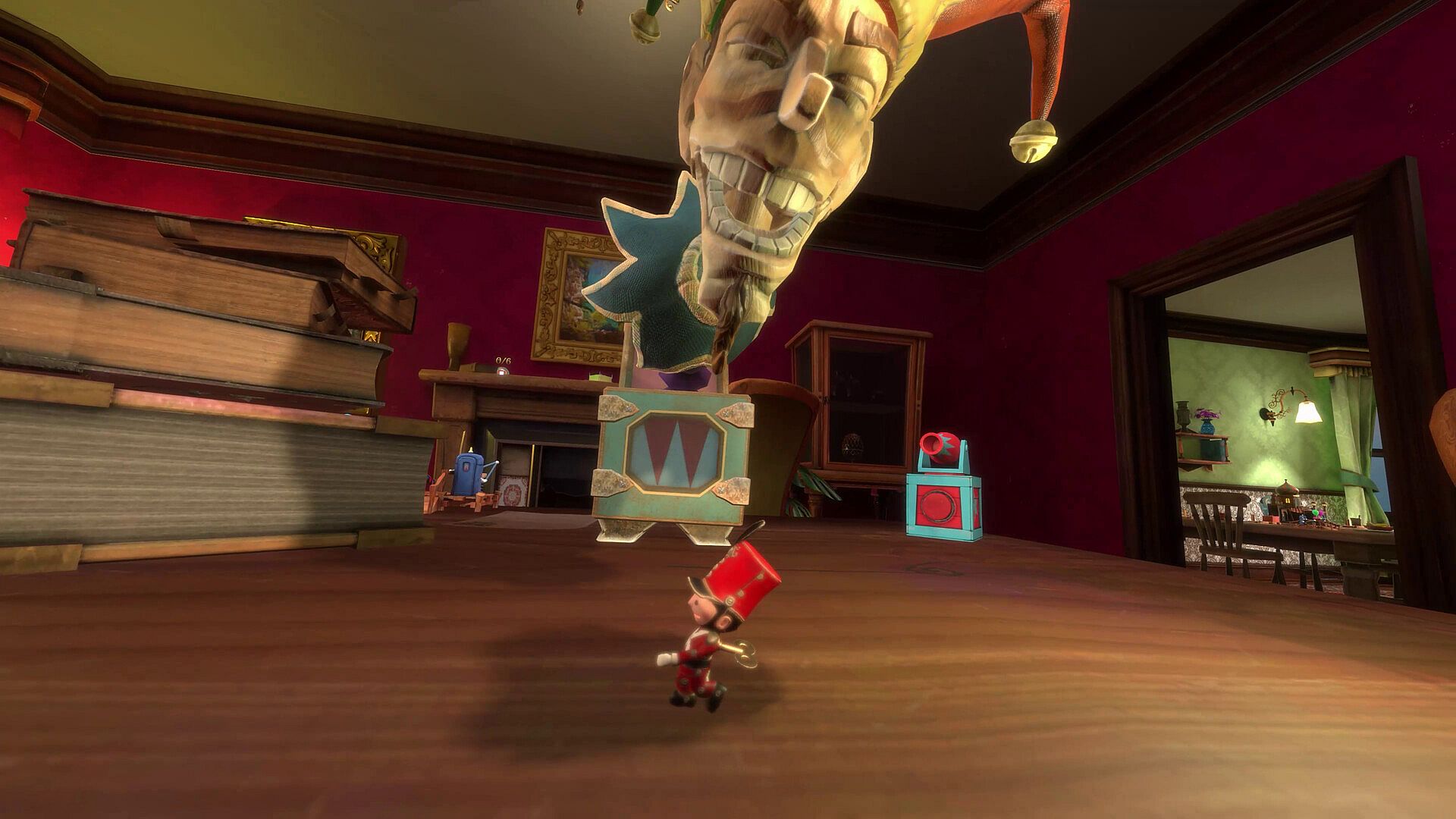
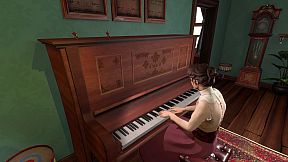
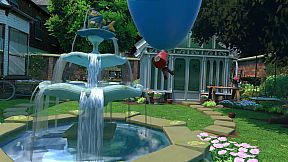
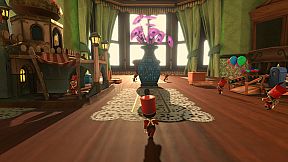
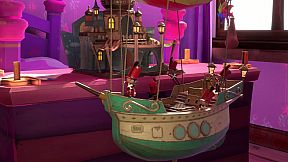
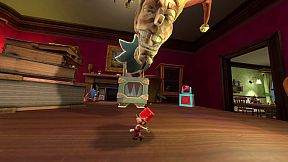
Tin Hearts is an indie narrative puzzle adventure game for PC in which players guide groups of tin soldiers through intricate environmental challenges set inside a sprawling Victorian home. The core loop revolves around directing the soldiers along safe paths while using a growing set of mechanical inventions to overcome obstacles, all while piecing together the life story of inventor Albert J. Butterworth through scattered letters, photographs, and memories.
Gameplay
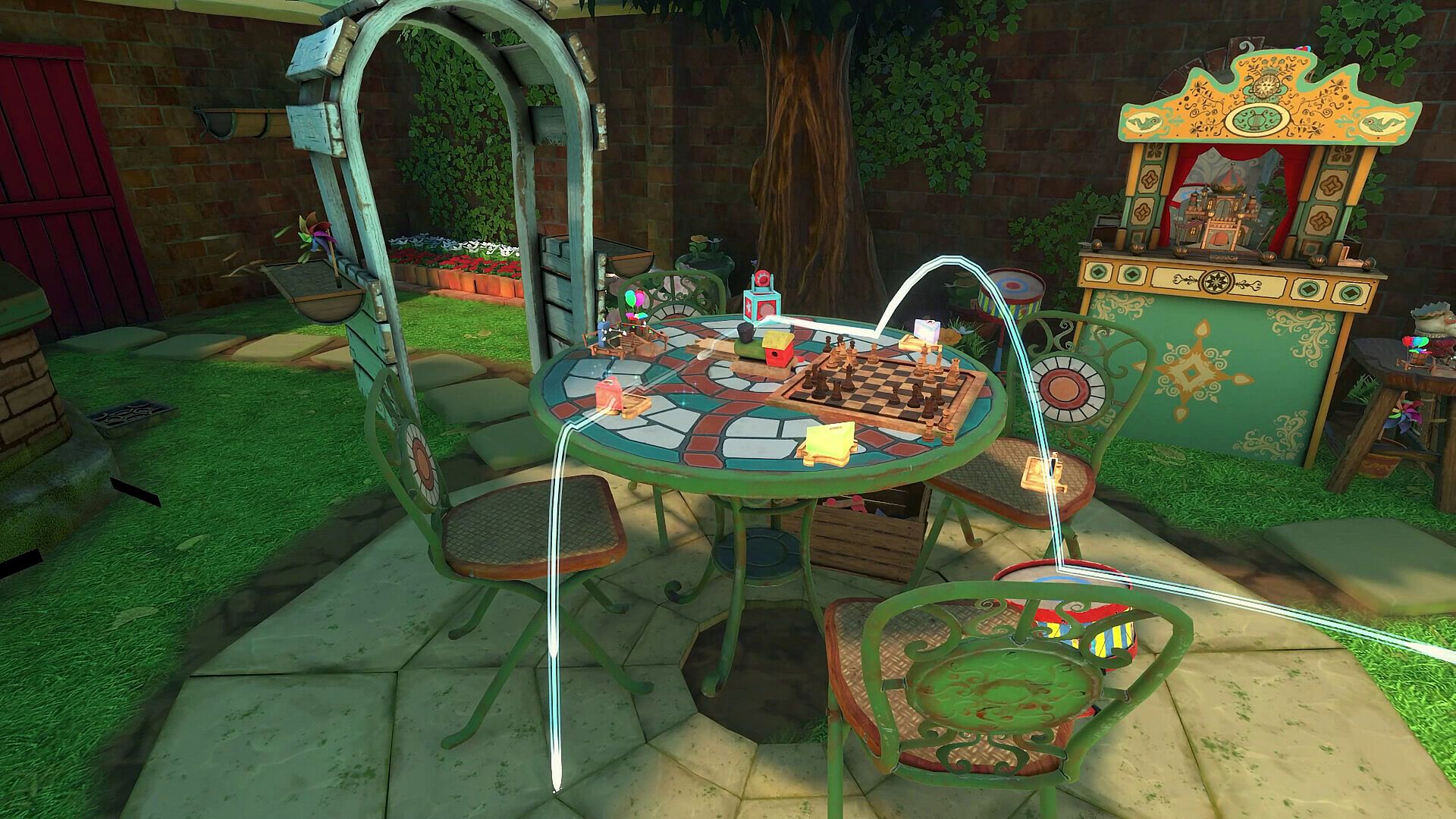
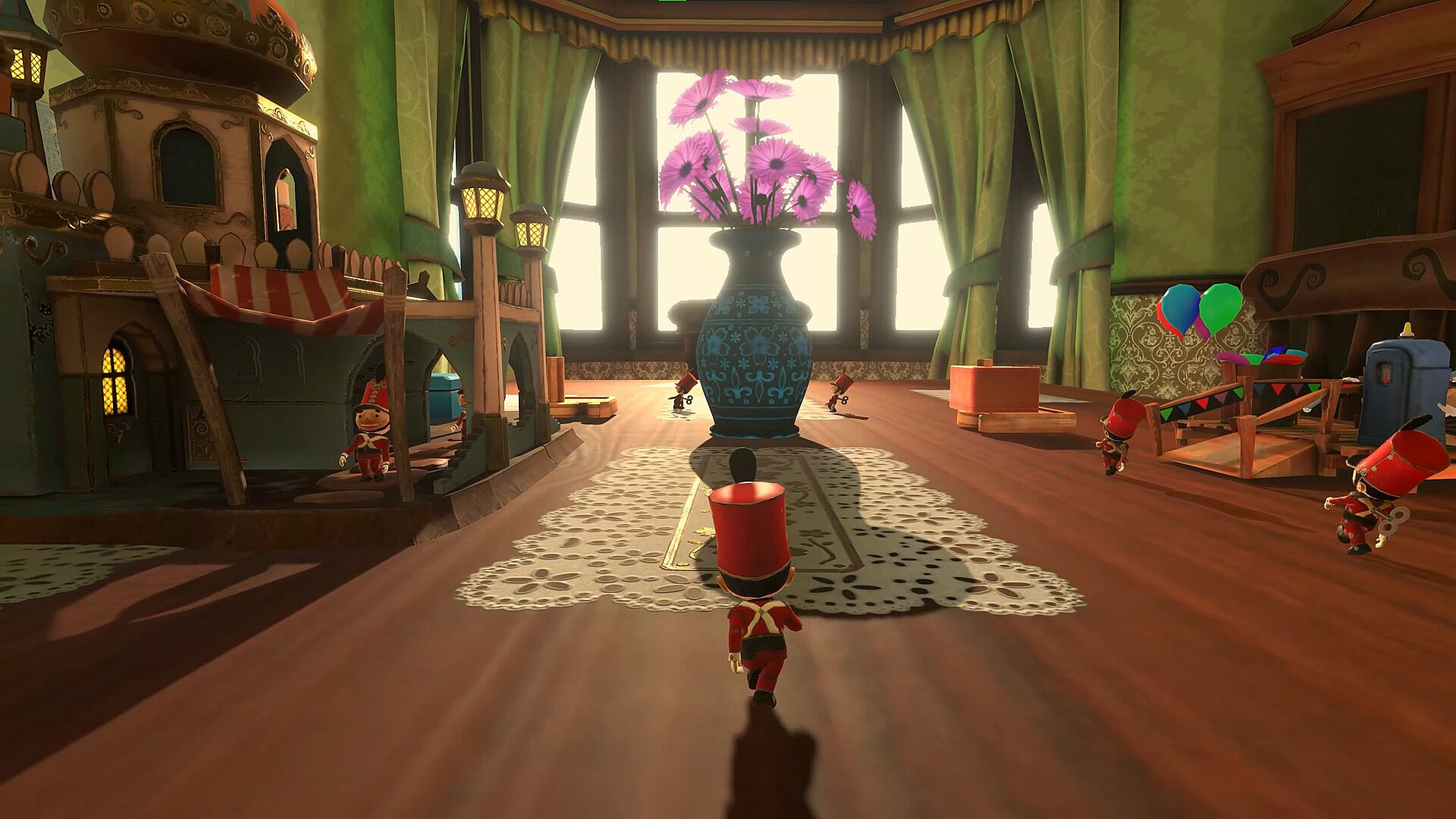
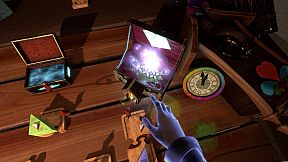
The central mechanic draws from classic lemmings-style puzzle design. Players set paths for marching soldiers and intervene with devices that alter their route or grant new movement options. Early puzzles focus on simple redirection, but later challenges layer multiple inventions together, requiring precise timing and positioning. Time controls allow pausing the action, rewinding to test different approaches, or fast-forwarding once a solution is in motion. A separate controllable character called Mr Soldier can be detached from the main group to scout ahead, interact with switches, or reveal hidden routes without risking the entire troop.
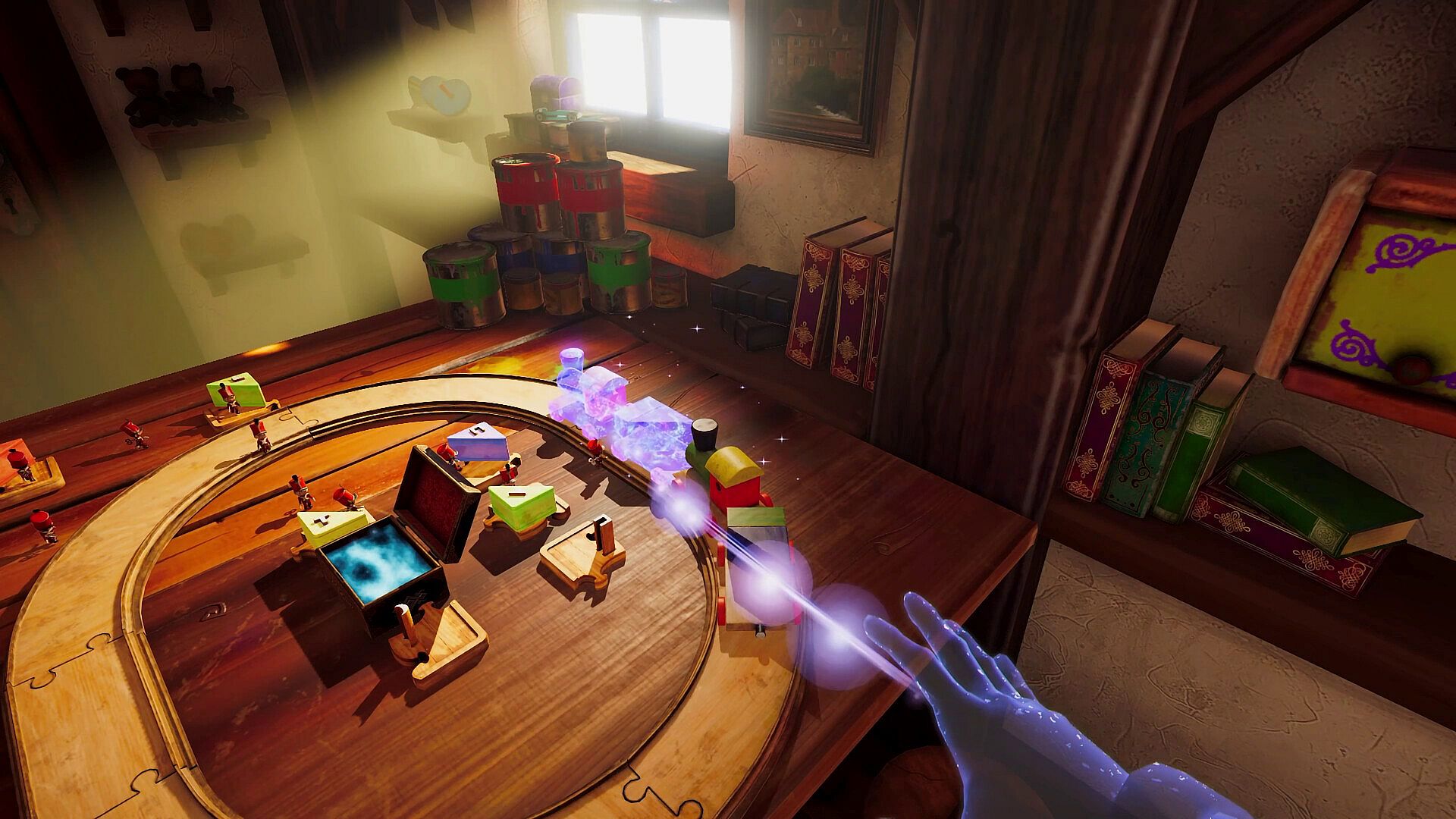
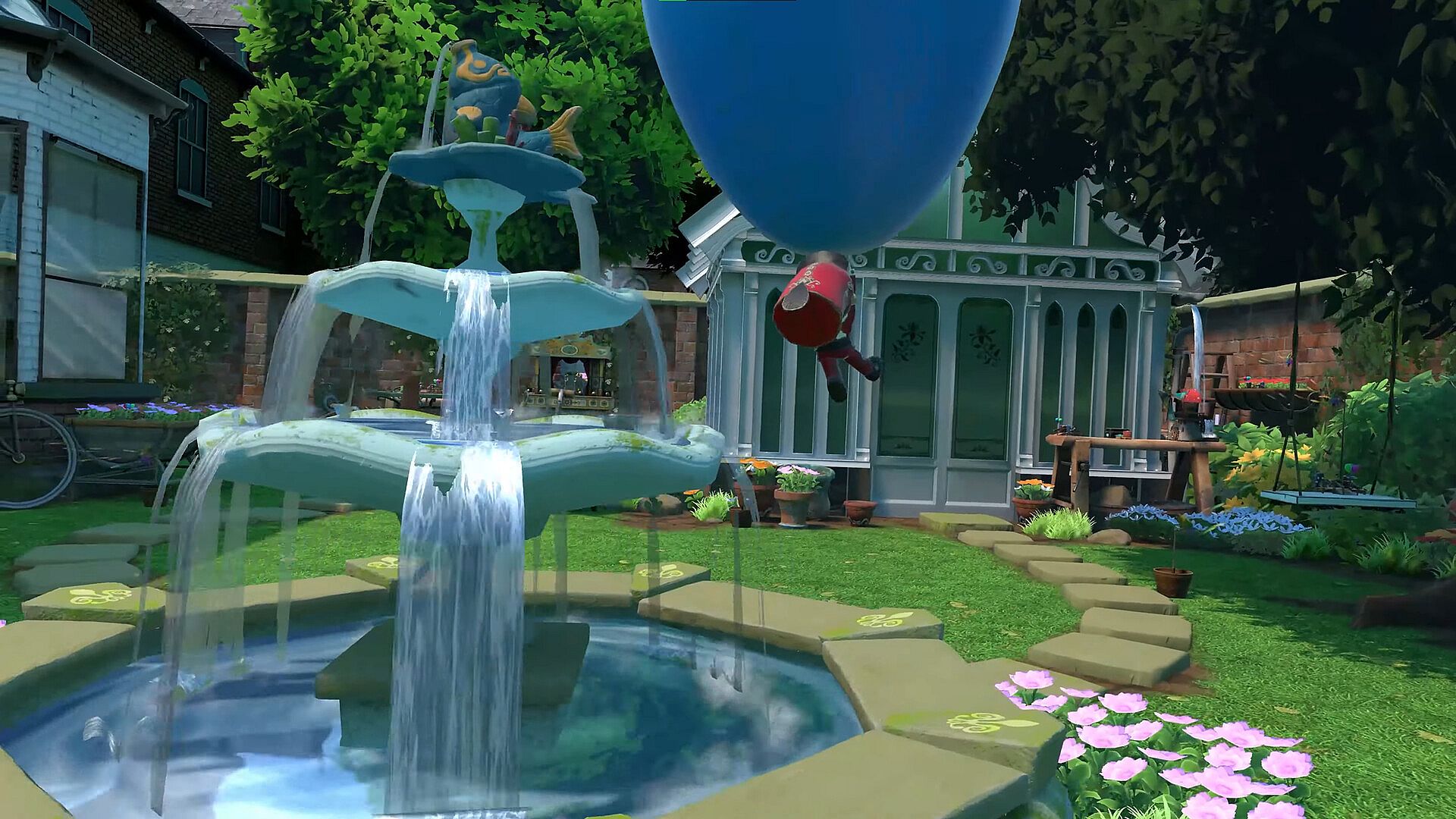
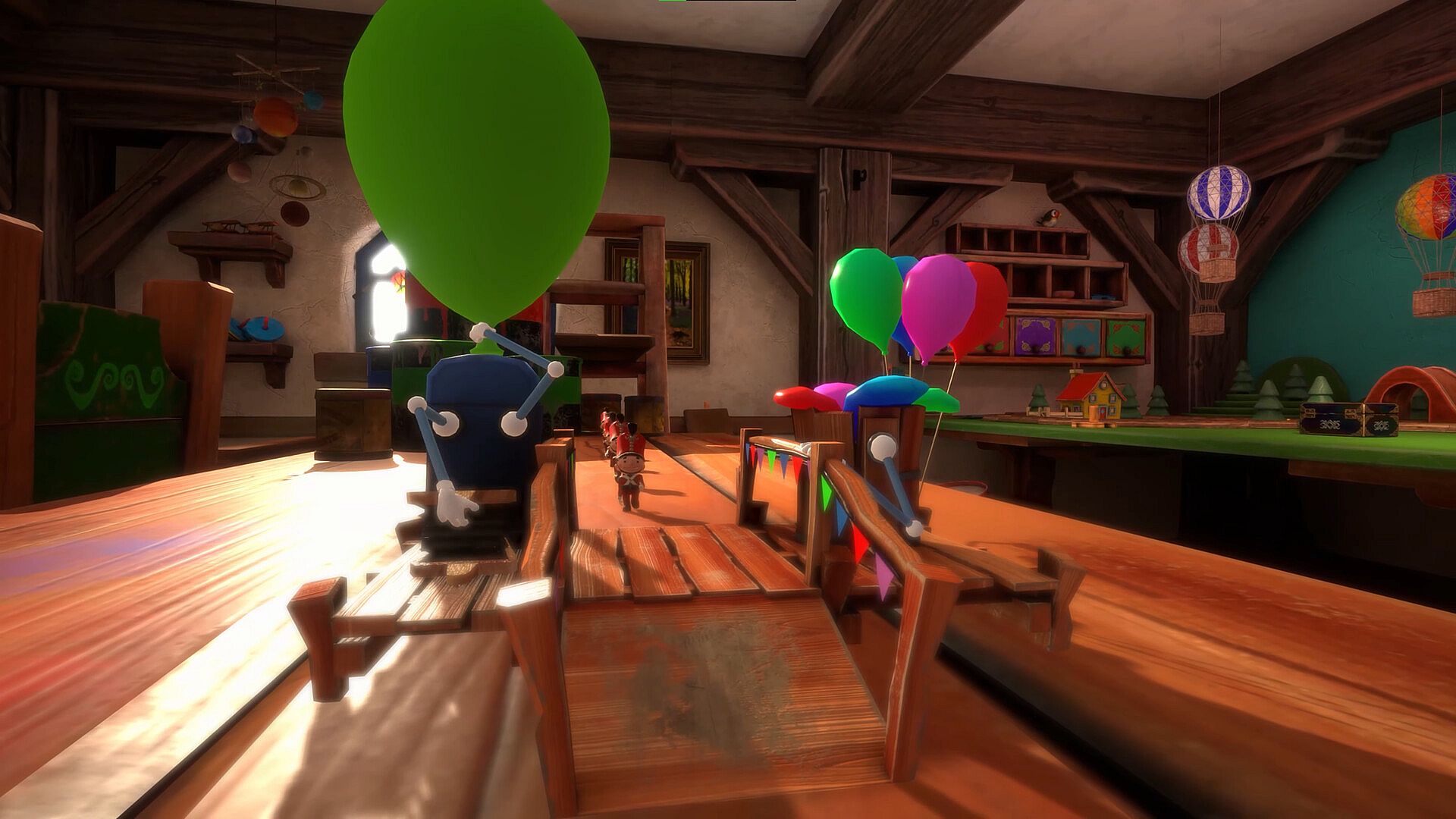
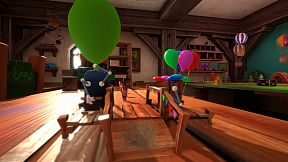
Inventions appear gradually across the four acts. Toy cannons blast obstacles aside, trampoline drums launch soldiers upward, balloon machines create floating platforms, and the power glove offers direct manipulation of larger objects. Each new tool integrates into existing puzzle spaces, encouraging players to revisit earlier rooms with fresh abilities. Hints are available at any time, keeping the experience accessible while still rewarding careful observation and experimentation. The puzzles evolve steadily, with many rooms supporting multiple valid solutions that open different visual or narrative details on repeat playthroughs.
Game Modes
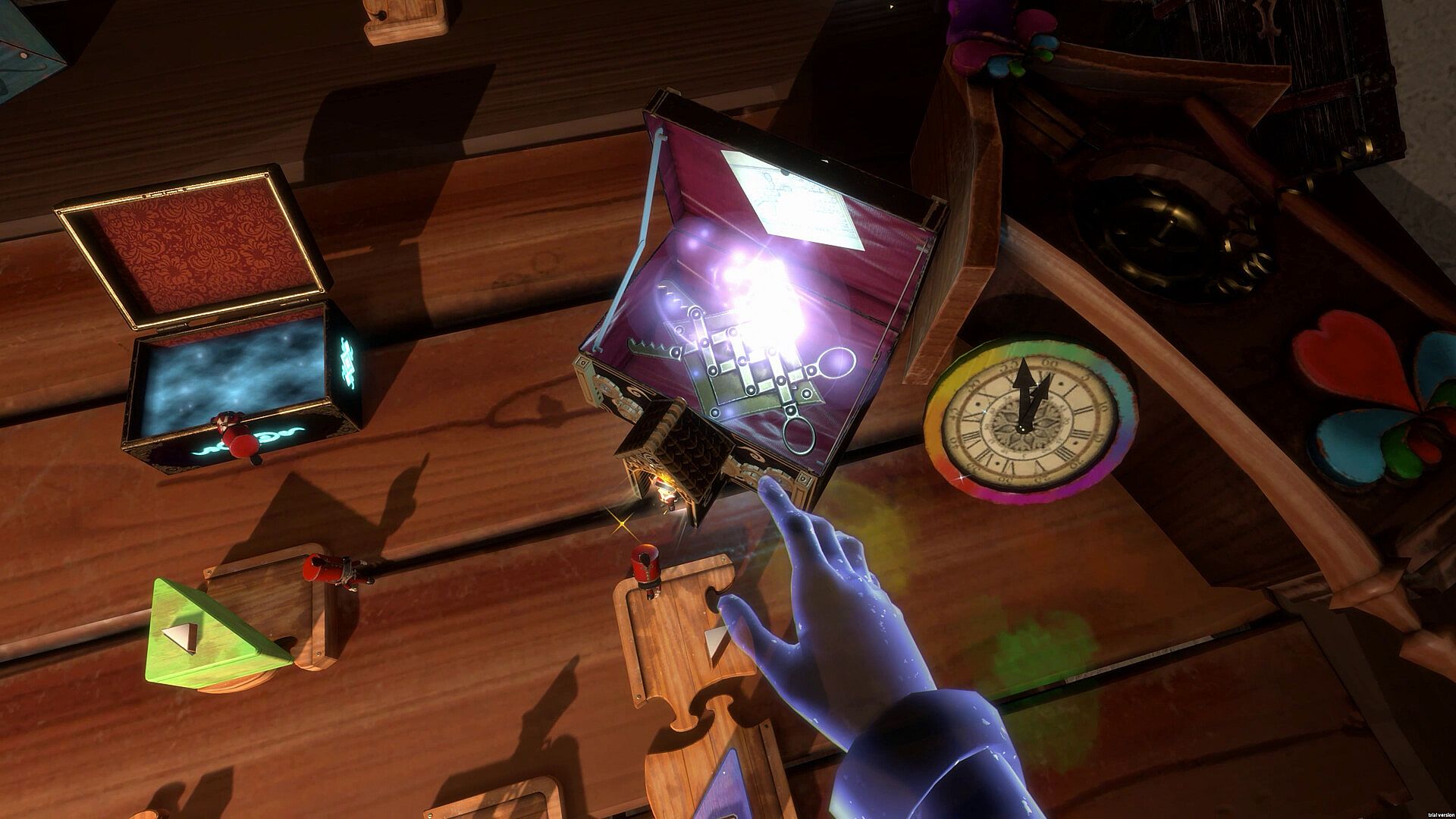
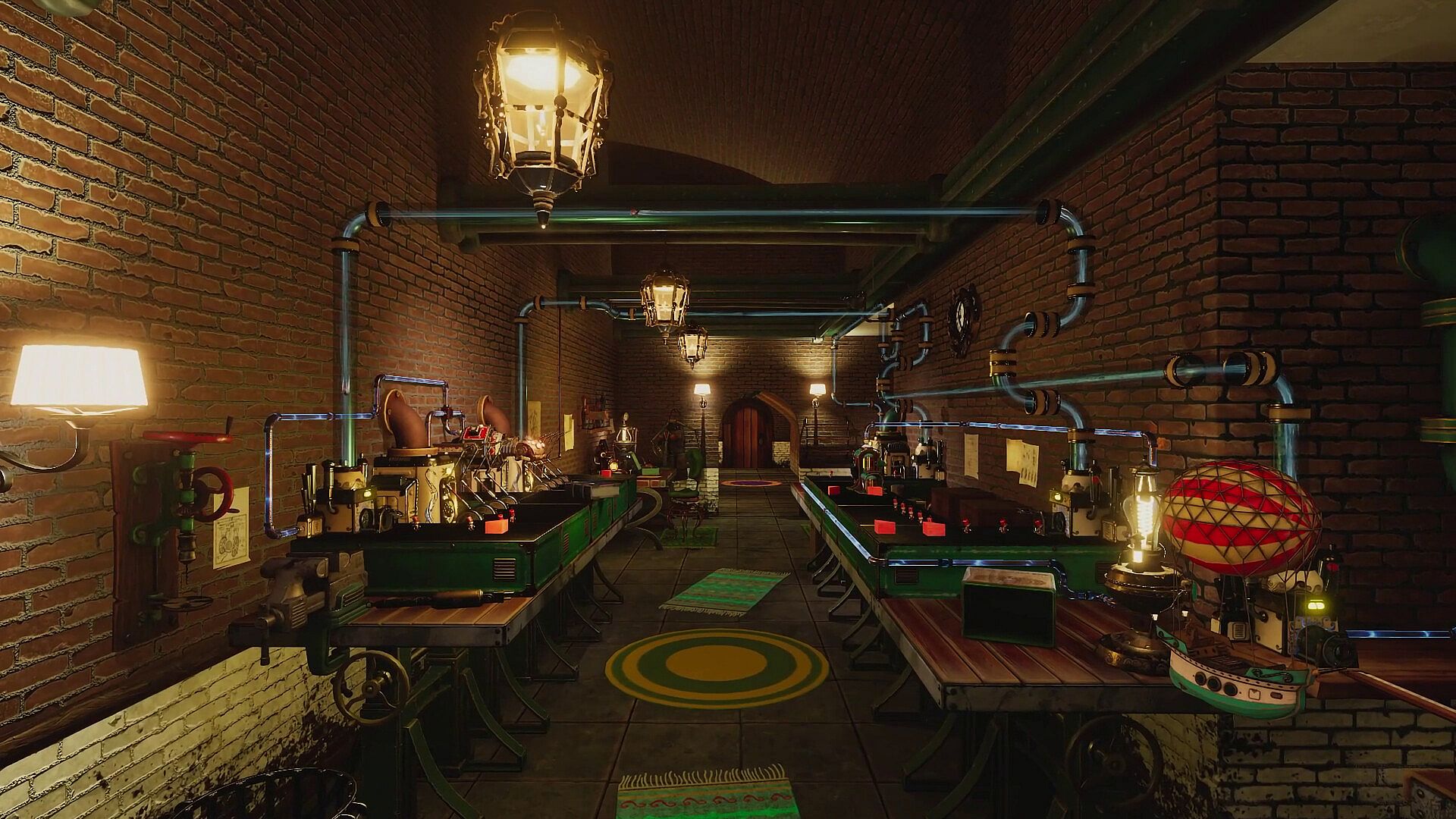
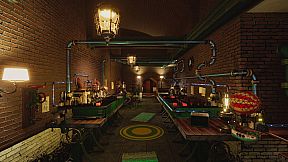
Tin Hearts is built as a single-player experience with no separate competitive or cooperative modes. The entire campaign unfolds as one continuous puzzle adventure divided into four acts, each set in a distinct area of the Butterworth residence such as the garden, basement workshops, and upper living quarters. Progression is linear in story terms but flexible in puzzle execution, as players can experiment with different invention combinations or soldier paths within the same environment. The VR edition, developed from the ground up for virtual reality, adds direct physical interaction with the same mechanics, allowing players to reach out and adjust devices by hand while moving freely through the spaces.
Story and Atmosphere
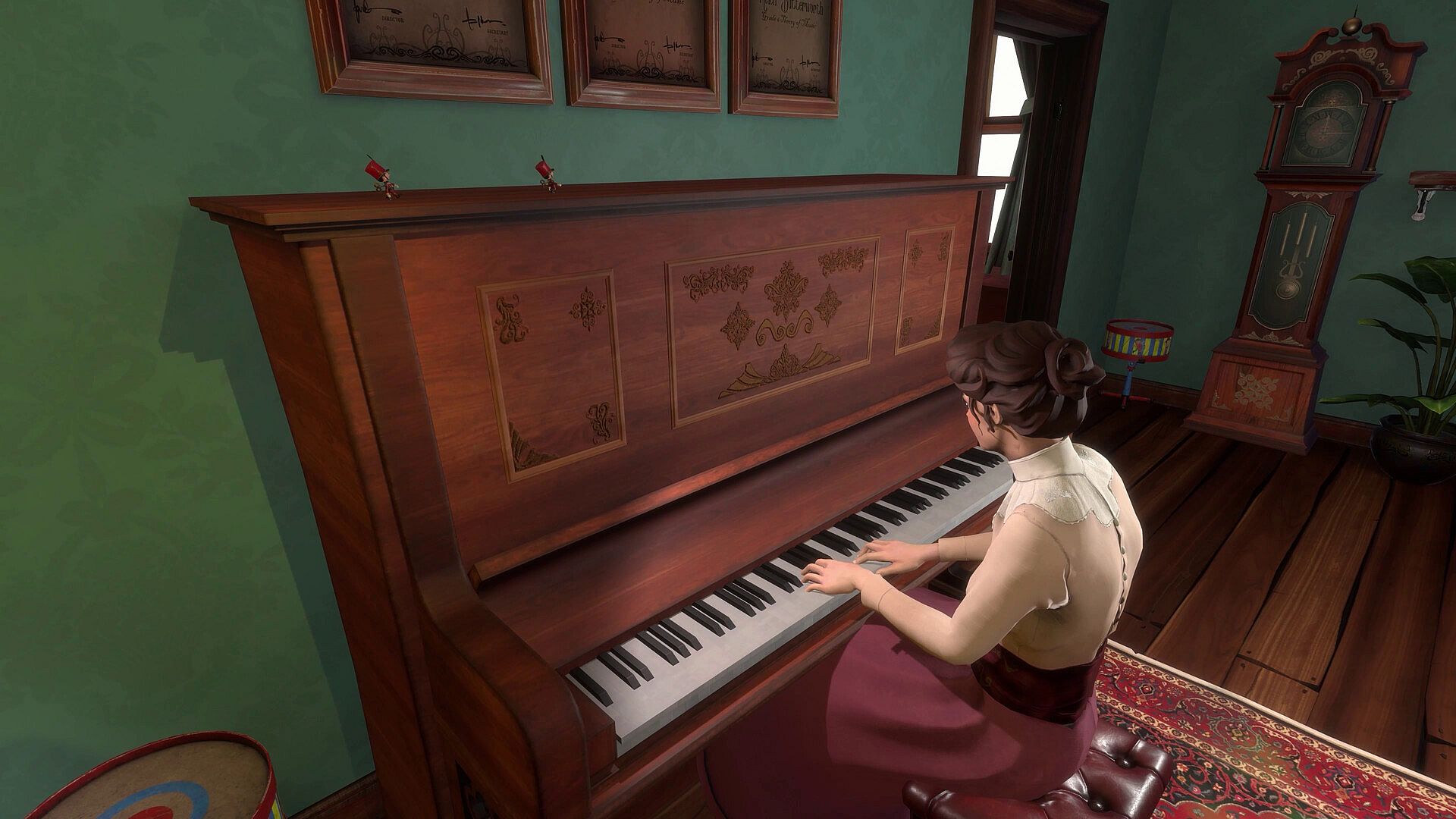
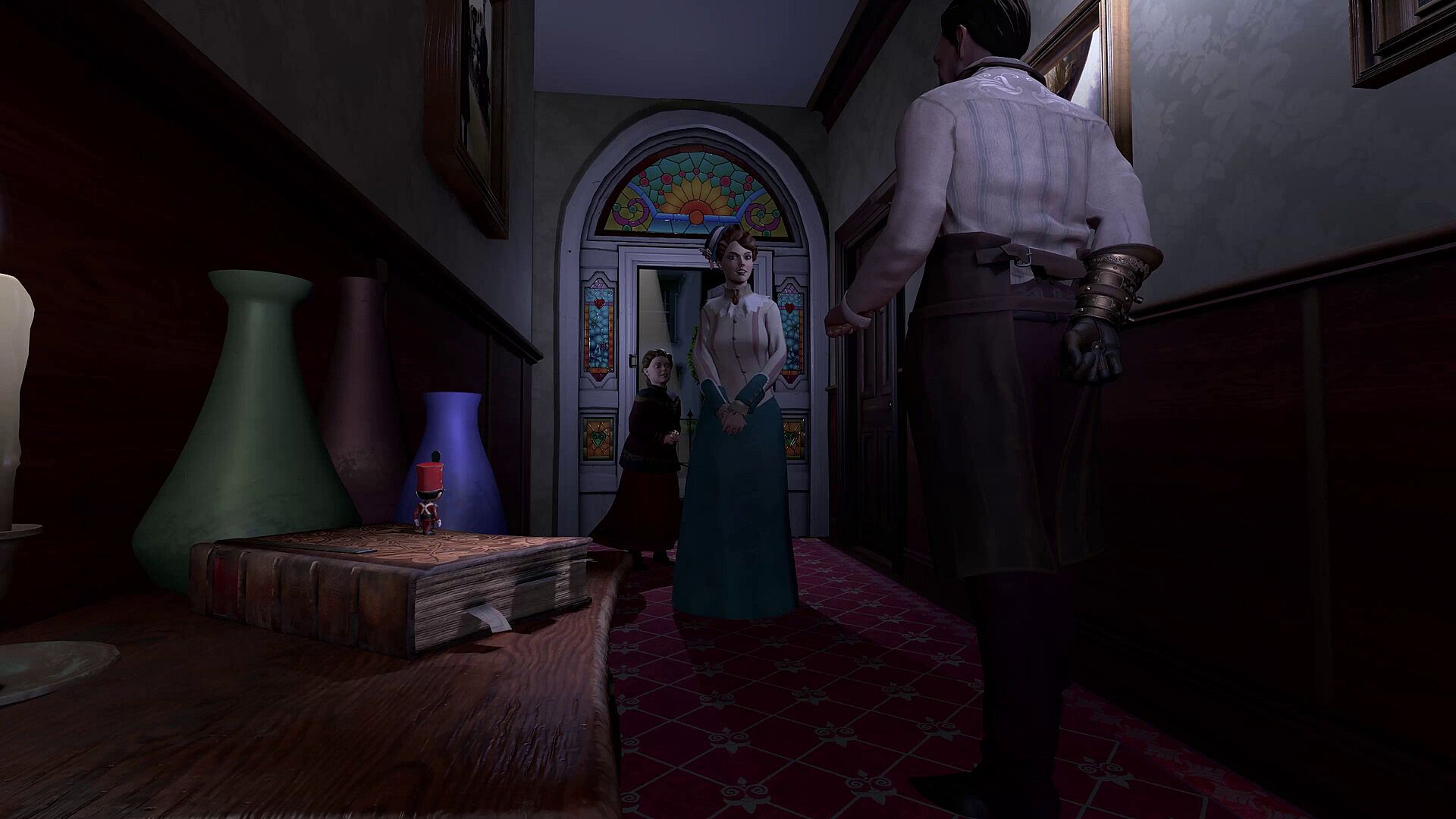
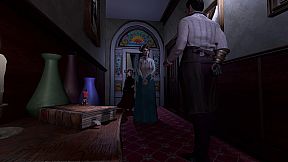
The narrative centers on Albert J. Butterworth, a brilliant toymaker whose professional ambitions strain his family relationships. Players uncover the tale gradually through environmental storytelling rather than cutscenes, finding handwritten notes, faded photographs, and voiced recollections that reveal themes of love, compromise, and the cost of relentless invention. The setting itself functions as a character, with each room filled with period details and whimsical toys that tie directly into the puzzles. A soundtrack composed by Matthew Chastney underscores the emotional beats without overpowering the quiet puzzle-solving focus. The game runs approximately ten hours for a first playthrough, though multiple solution paths and collectible memories encourage additional visits.
Is It Worth Playing?
Tin Hearts suits players who enjoy thoughtful, single-player puzzle adventures with strong narrative integration. Its refined level design and emotional storytelling have earned critical praise since the 2023 release, particularly for the way puzzles feel purposeful rather than arbitrary. The inclusion of time manipulation tools and the scout character reduces frustration, while the hint system keeps progress steady for those who prefer a relaxed pace. Availability on PC alongside VR platforms on PC VR, PS VR2, and upcoming Quest support broadens access. Anyone drawn to atmospheric puzzle games with memorable characters and inventive mechanics will find a complete, self-contained experience that respects the player's time and intelligence. Those seeking fast action or multiplayer options should look elsewhere, as the title remains focused on deliberate, contemplative play.














