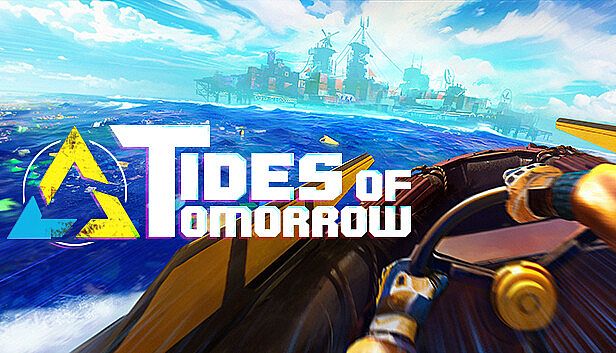





























Tides of Tomorrow is an indie first-person adventure game set on a flooded ocean planet where players take on the role of a Tidewalker. The core experience revolves around a single-player narrative journey shaped by an asynchronous connection system called Story-Link. This feature links individual playthroughs so that choices made by one player influence the world state, characters, and events encountered by those who follow.
Gameplay
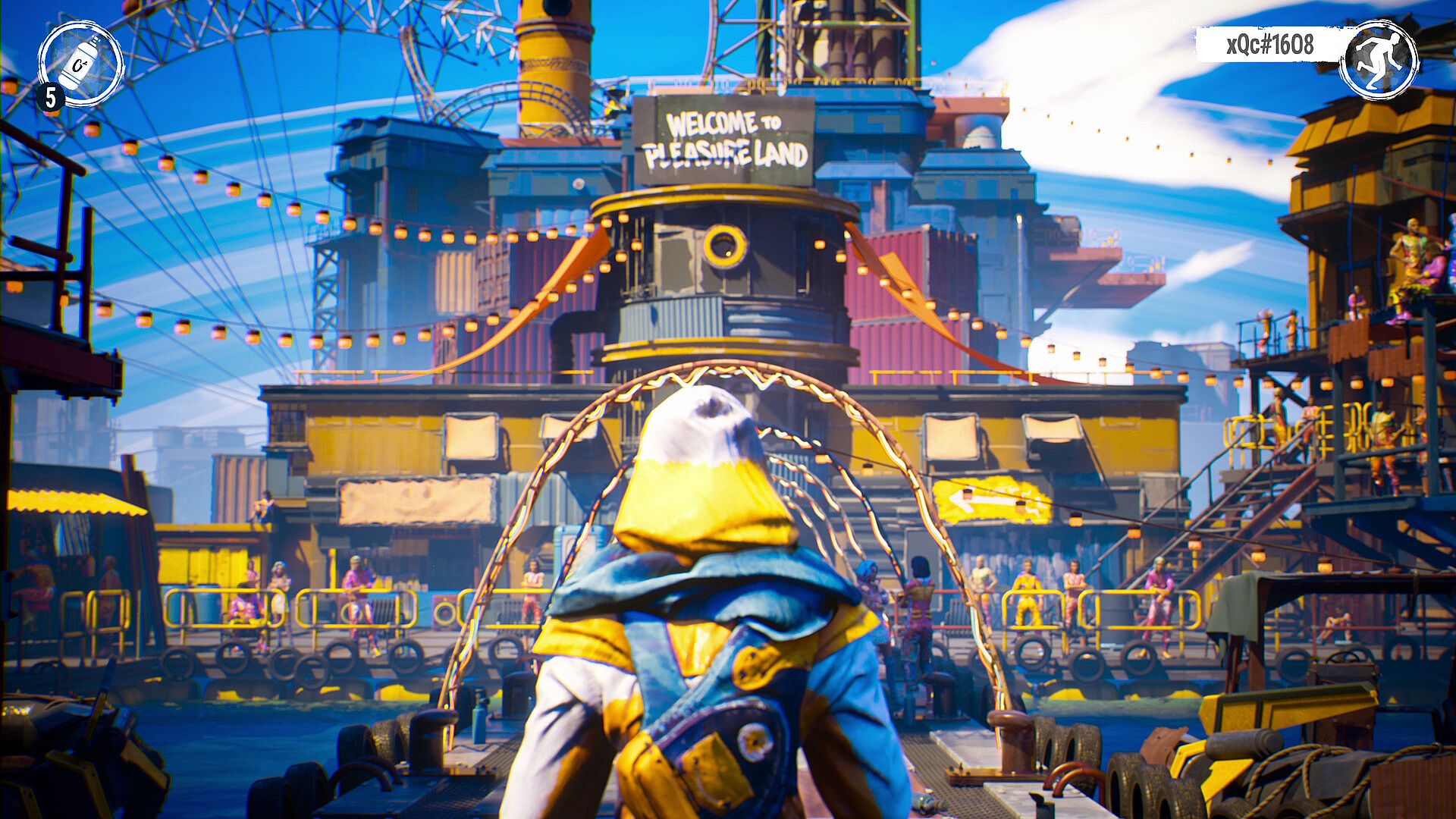
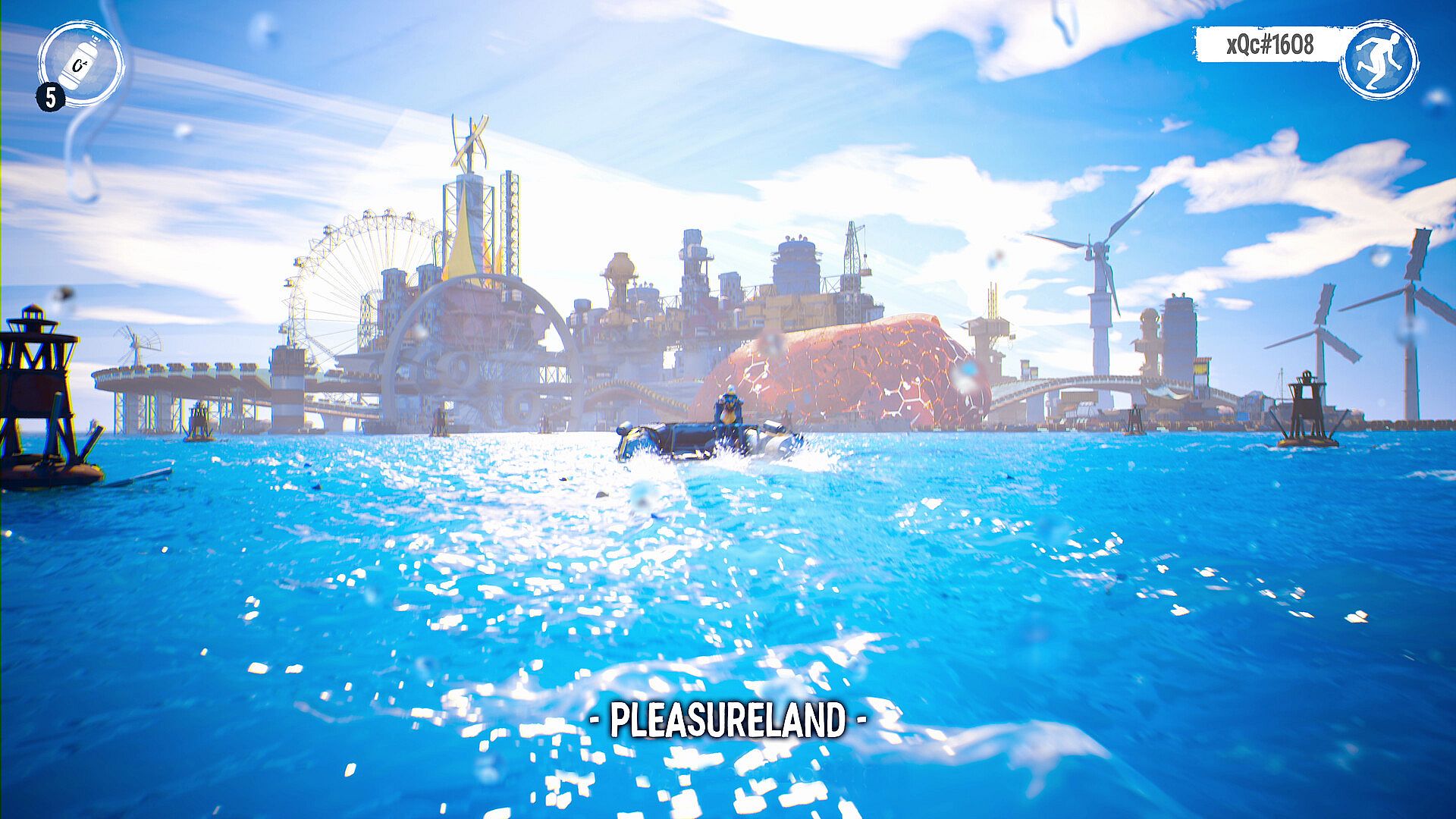
The gameplay centers on exploration across scattered floating islands in a world afflicted by Plastemia, a disease that threatens all life. Players sail between locations, gather resources to aid survival, and navigate environments that shift based on the selected Story-Link. This system lets players choose a link from friends, streamers, developers, or random others, which determines how levels appear, which NPCs populate areas, and what narrative branches open up.
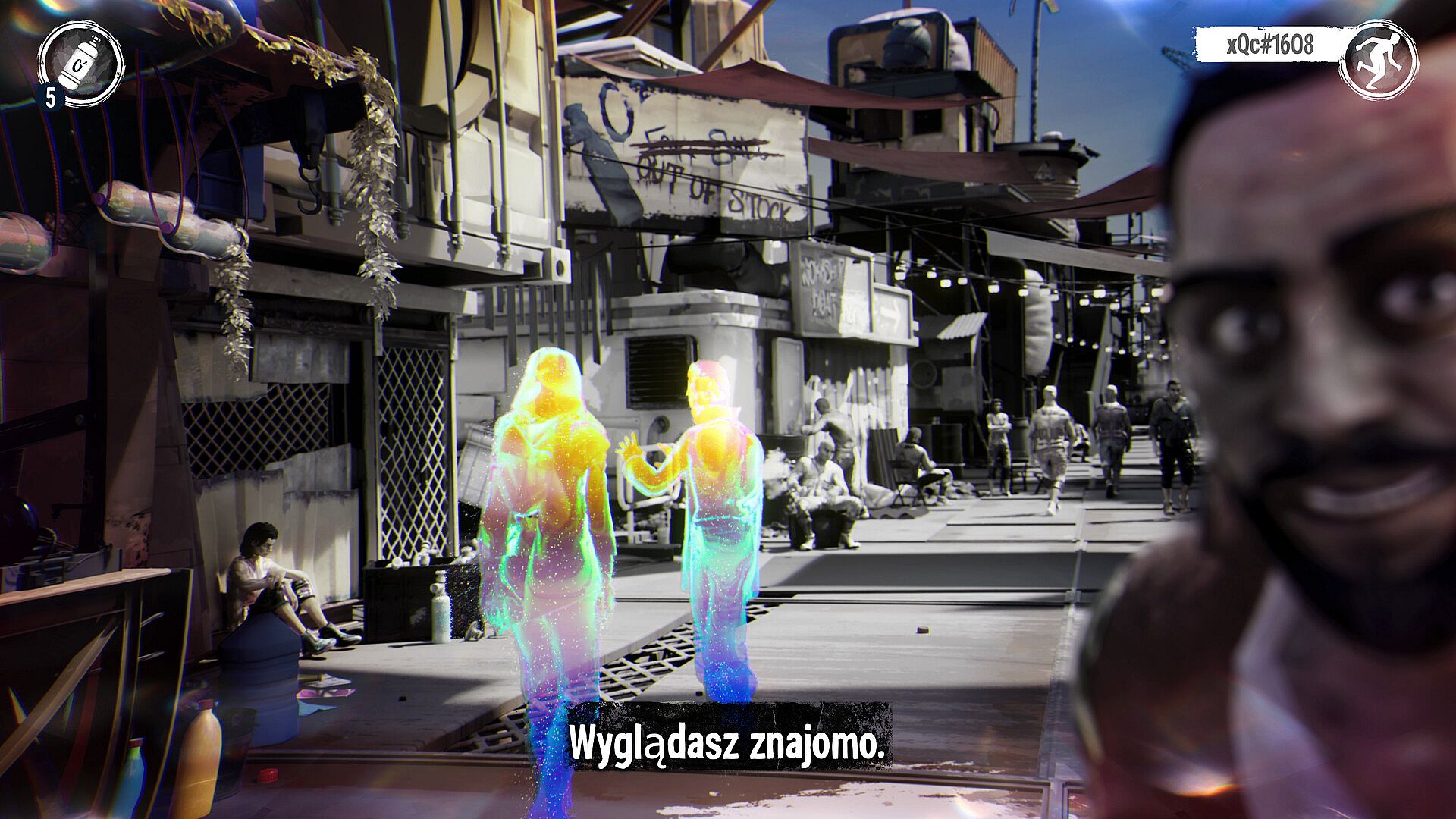
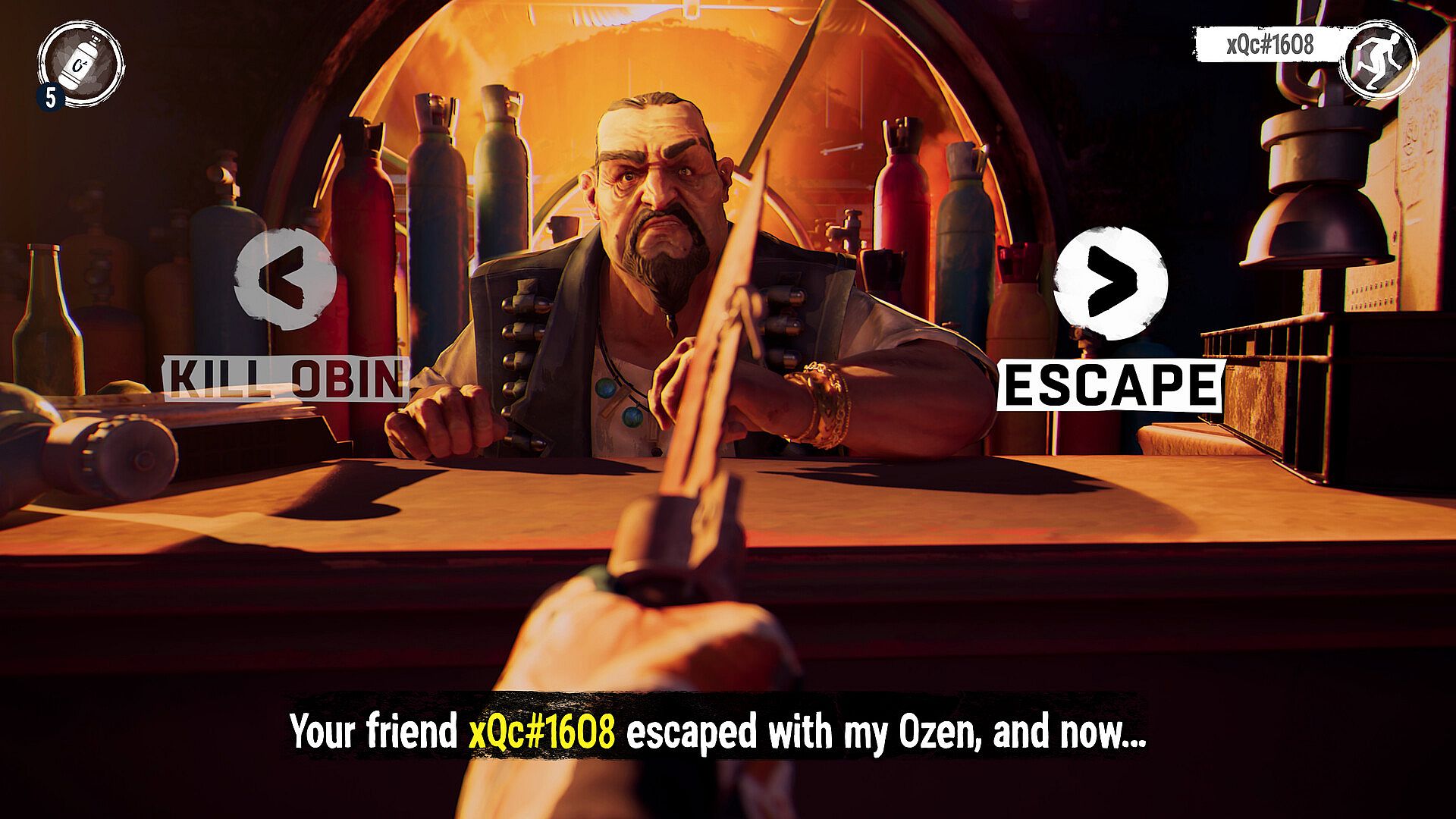
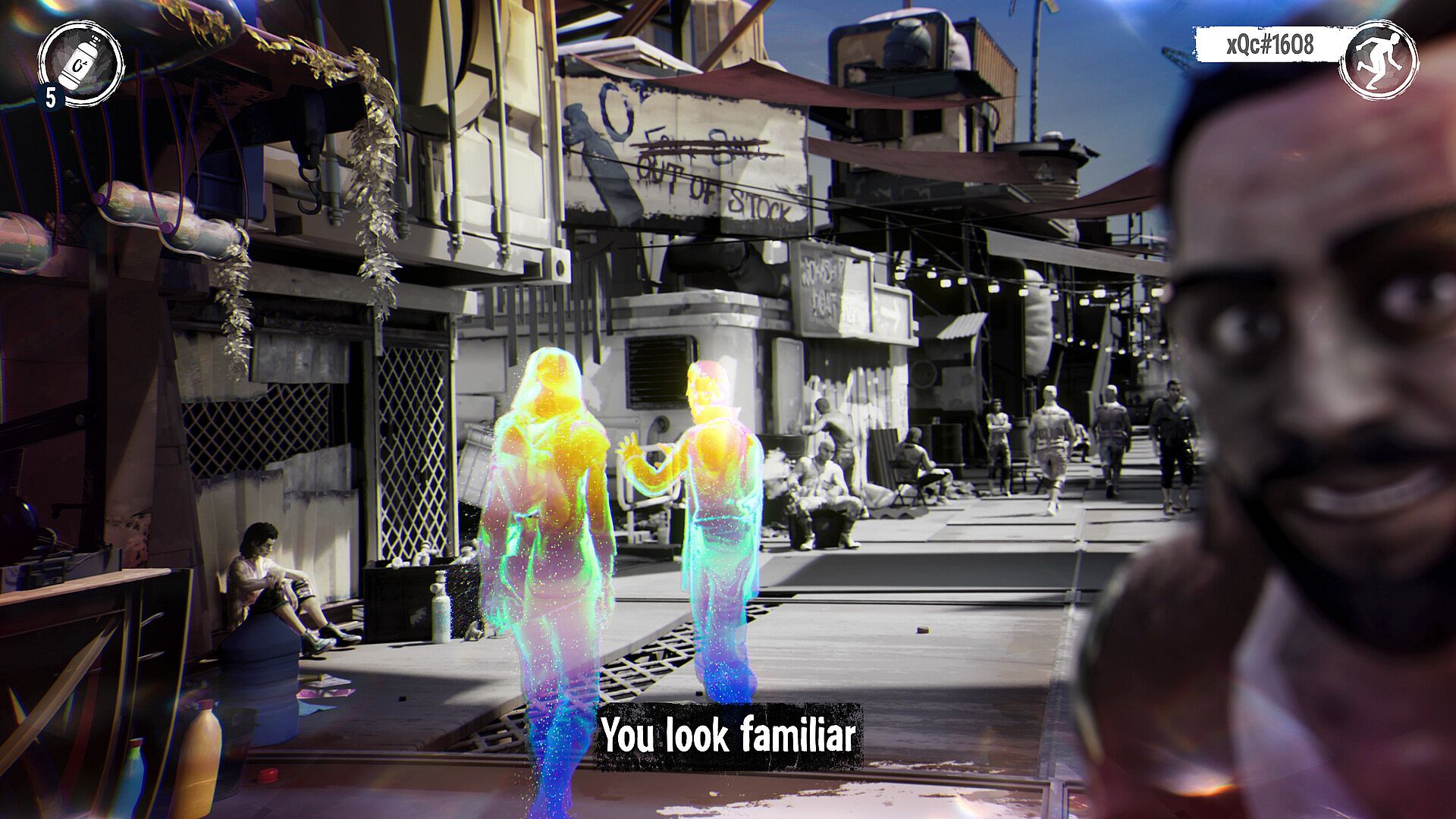
Revealing echoes allows Tidewalkers to observe traces of prior actions, such as paths taken, decisions recorded, or messages left behind. These visual and narrative remnants create a sense of shared history without direct interaction. Resource management plays a key role as players collect materials to improve their odds against environmental hazards and faction conflicts. Encounters with characters from different groups require careful choices that can alter alliances or standings for subsequent players.
Additional activities include boat travel between isles, basic platforming, stealth sections, and occasional confrontations. The world reacts differently depending on the linked playthrough, so revisiting with a new Story-Link reveals alternate layouts, NPC behaviors, and outcomes tied to previous decisions.
Game Modes
The game operates as a single-player narrative adventure with the Story-Link feature serving as the primary connective element. There are no separate competitive or cooperative modes. Instead, the experience emphasizes sequential influence where each run builds upon or diverges from others through the asynchronous system. Players select a Story-Link at the start to define their path through the story of reconstruction or further disruption of the planet.
This setup means the core loop remains consistent across sessions while the specific content varies. Faction interactions, settlement conditions, and key events adapt according to the choices embedded in the chosen link. No traditional multiplayer lobbies or real-time sessions exist; the connection happens through the persistent world echoes and altered states passed forward.
Story and World
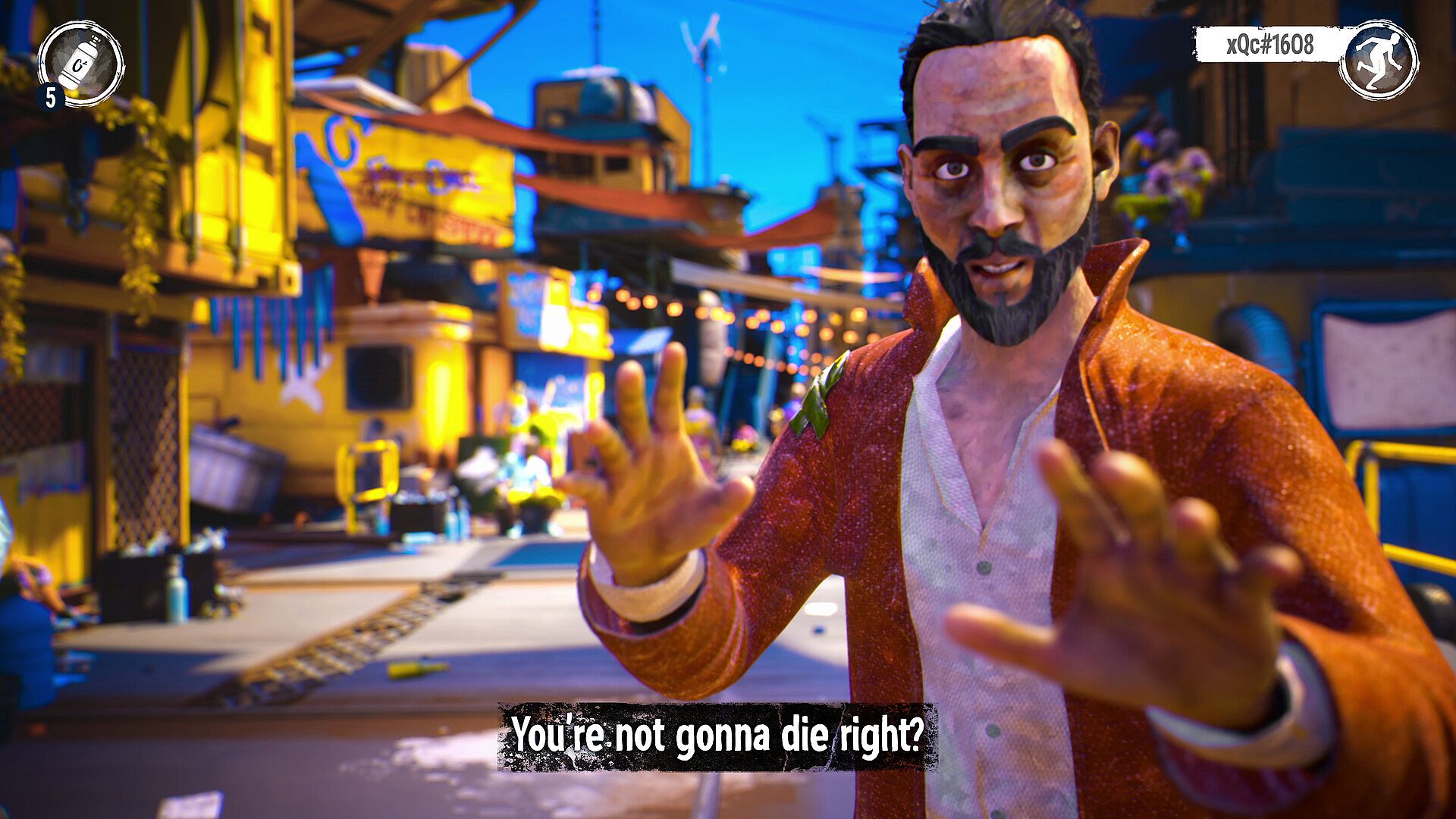
The narrative unfolds on Elynd, an ocean planet recovering from a great flood. Plastemia ravages the ecosystem, forcing survivors into uneasy coexistence. Three main factions shape the conflicts: Marauders who dominate medicine and trade through force, Reclaimers who focus on everyday survival and reclamation efforts, and Mystics who hold reverence for the past and its remnants. Players navigate these groups while pursuing a mission that can either unite or further divide them depending on the inherited Story-Link.
Characters tied to each faction respond based on prior actions, creating ripple effects that future Tidewalkers inherit. The world features diverse landscapes on floating platforms, from resource-scarce zones to contested settlements with names like Scrap Harbour. Exploration reveals how earlier decisions have shifted power balances, resource availability, or community conditions.
Is It Worth Playing?
Tides of Tomorrow suits players who enjoy narrative-driven adventures with branching outcomes and a novel layer of indirect player connection. The Story-Link system delivers meaningful variation across playthroughs without requiring simultaneous participation. Those interested in exploration, resource decisions, and faction dynamics will find the core loop engaging, especially when experimenting with different links to uncover alternate paths.
The game launched in April 2026 and remains available on PC through standard digital platforms. Current concurrent player numbers sit in the low dozens, consistent with an indie title focused on single-player experiences rather than ongoing live service elements. Reception highlights the unique asynchronous storytelling and visual style, though the emphasis on narrative choice means it appeals most to fans of games like those from the same developer. If the concept of leaving and inheriting echoes resonates, the title offers a distinctive take on adventure gameplay that rewards multiple runs.