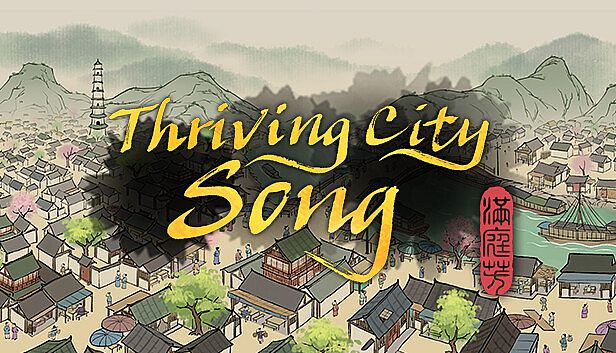












Thriving City: Song is a city-building simulation game set in ancient China during the Song dynasty. Players take on the role of a magistrate tasked with turning a small settlement into a prosperous urban center while balancing resources, public needs, and external threats.
Gameplay
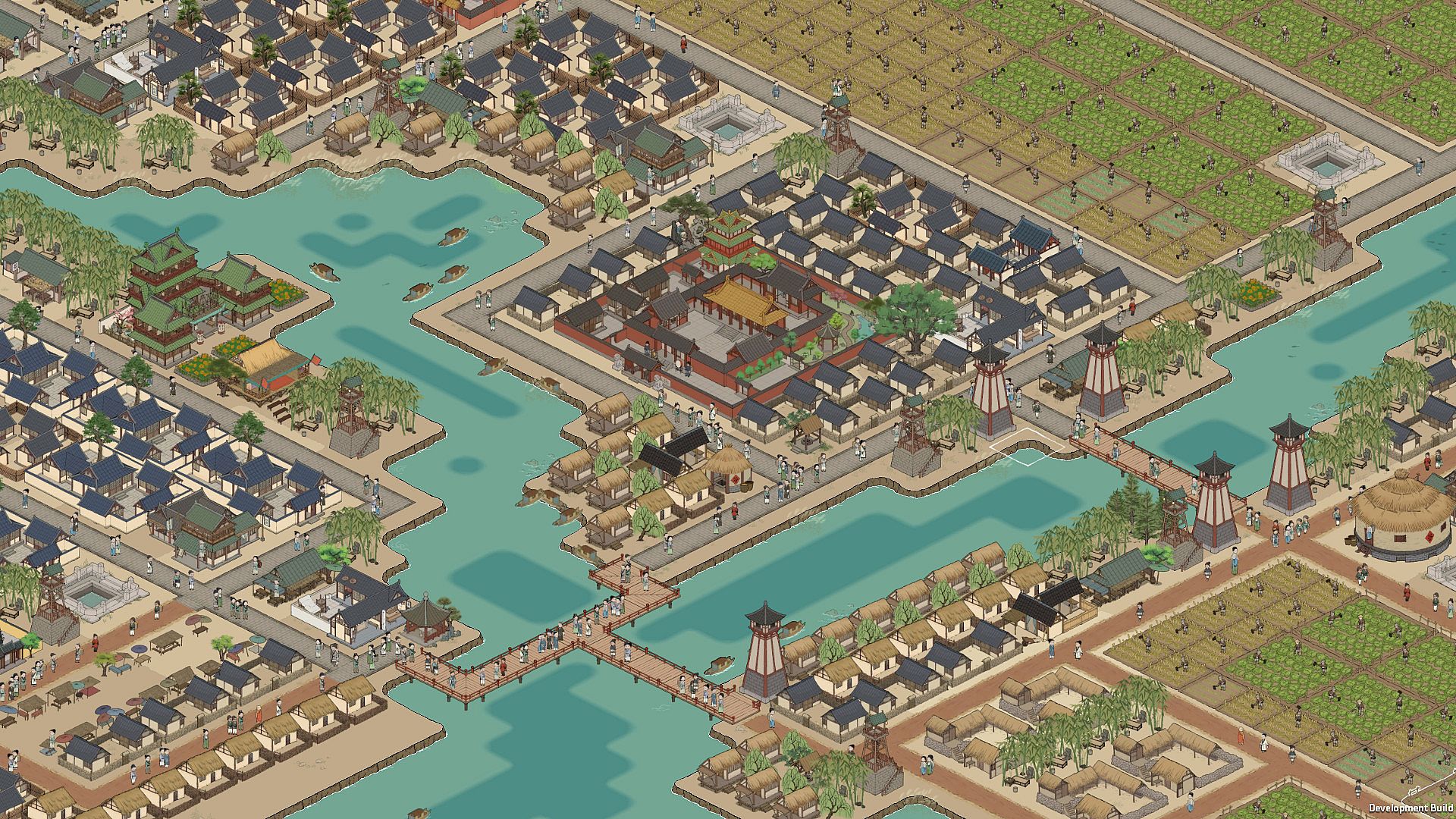
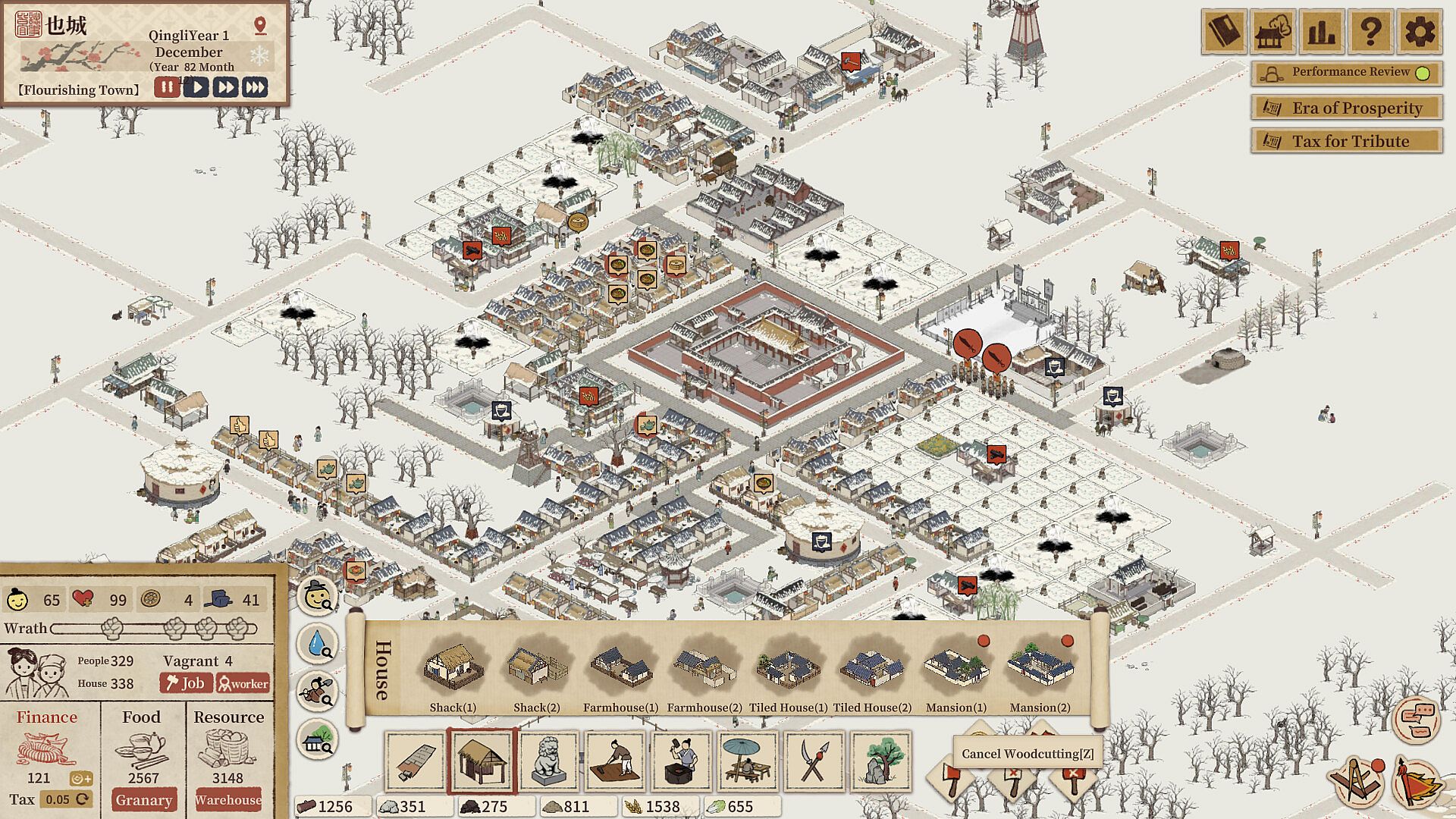
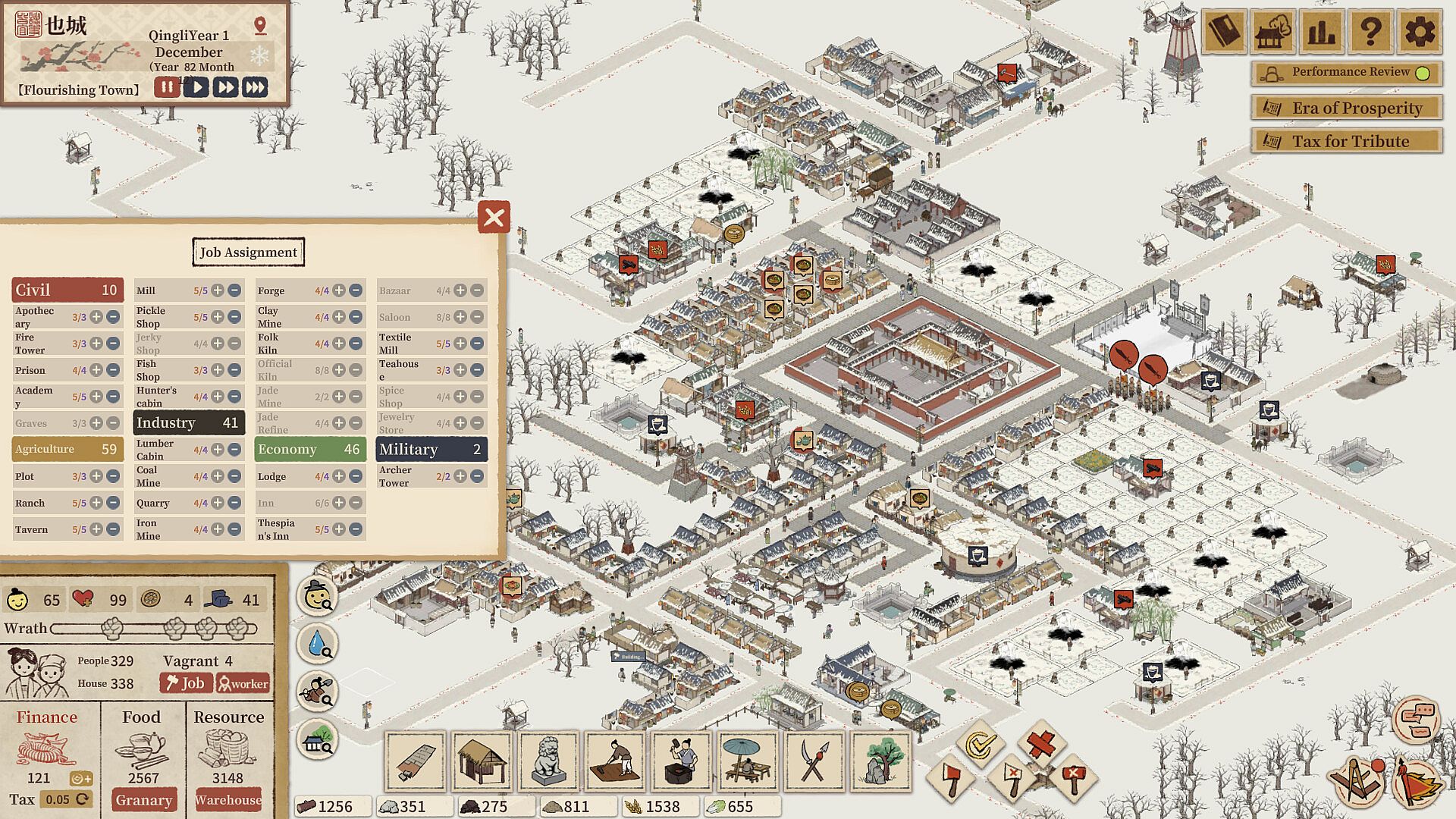
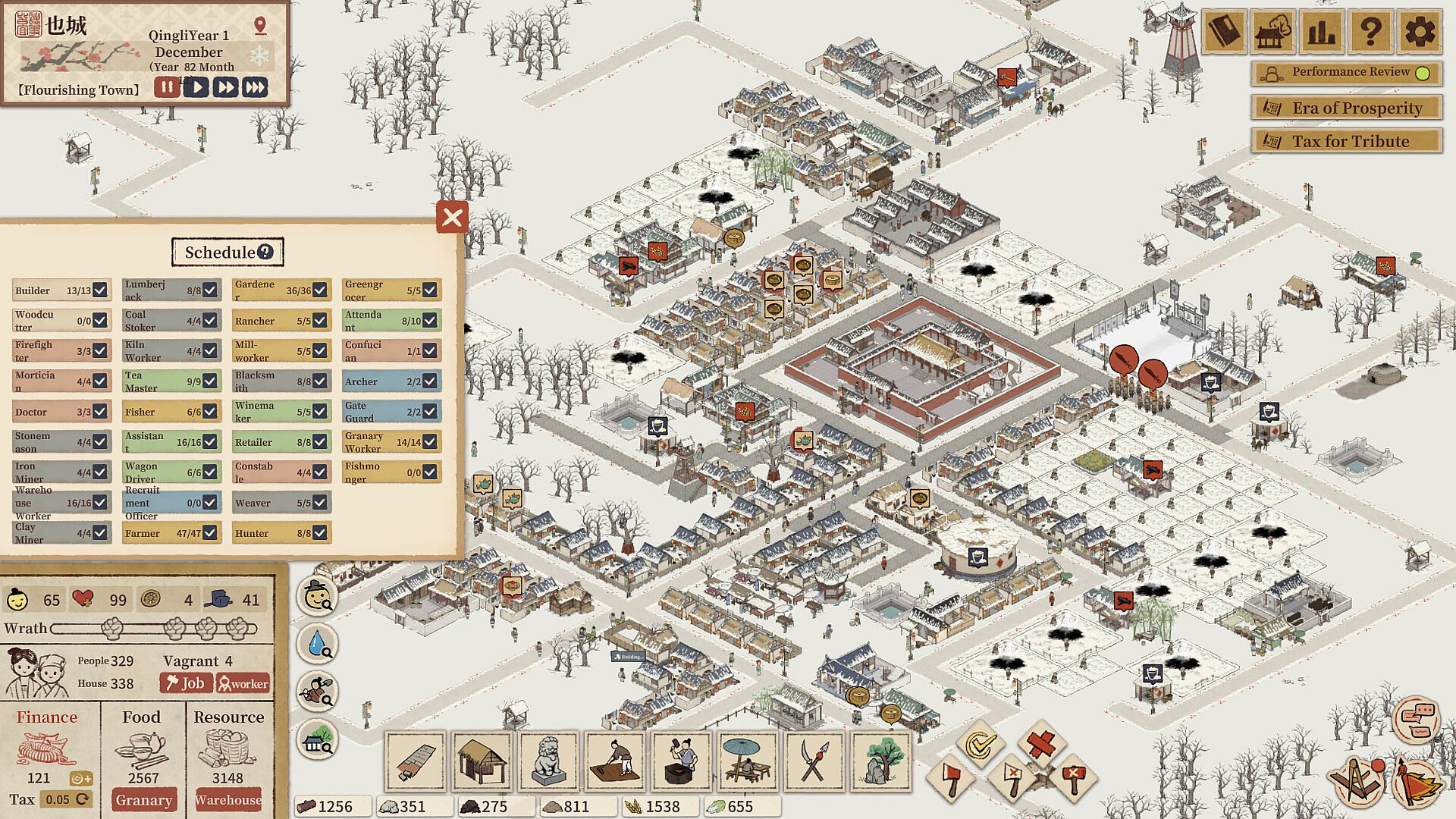
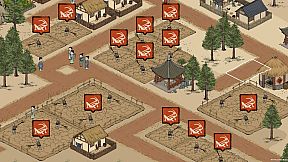
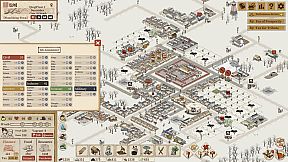
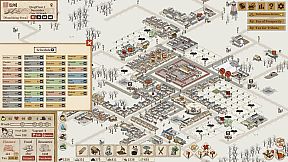
The core loop centers on planning and managing interconnected systems for agriculture, industry, commerce, education, civil affairs, and politics. Assigning jobs, constructing production facilities alongside living quarters, and timing resource collection drive steady growth. Buildings placed in logical clusters boost efficiency and output across related sectors.
Meeting basic needs forms the foundation, yet expanding happiness requires additional layers such as entertainment venues and cultural events. Facilities like spice shops, inns, and taverns draw residents and visitors, while academic pursuits including student education and success in the Imperial Exam generate income and elevate the city's reputation. These elements feed into further expansion opportunities.
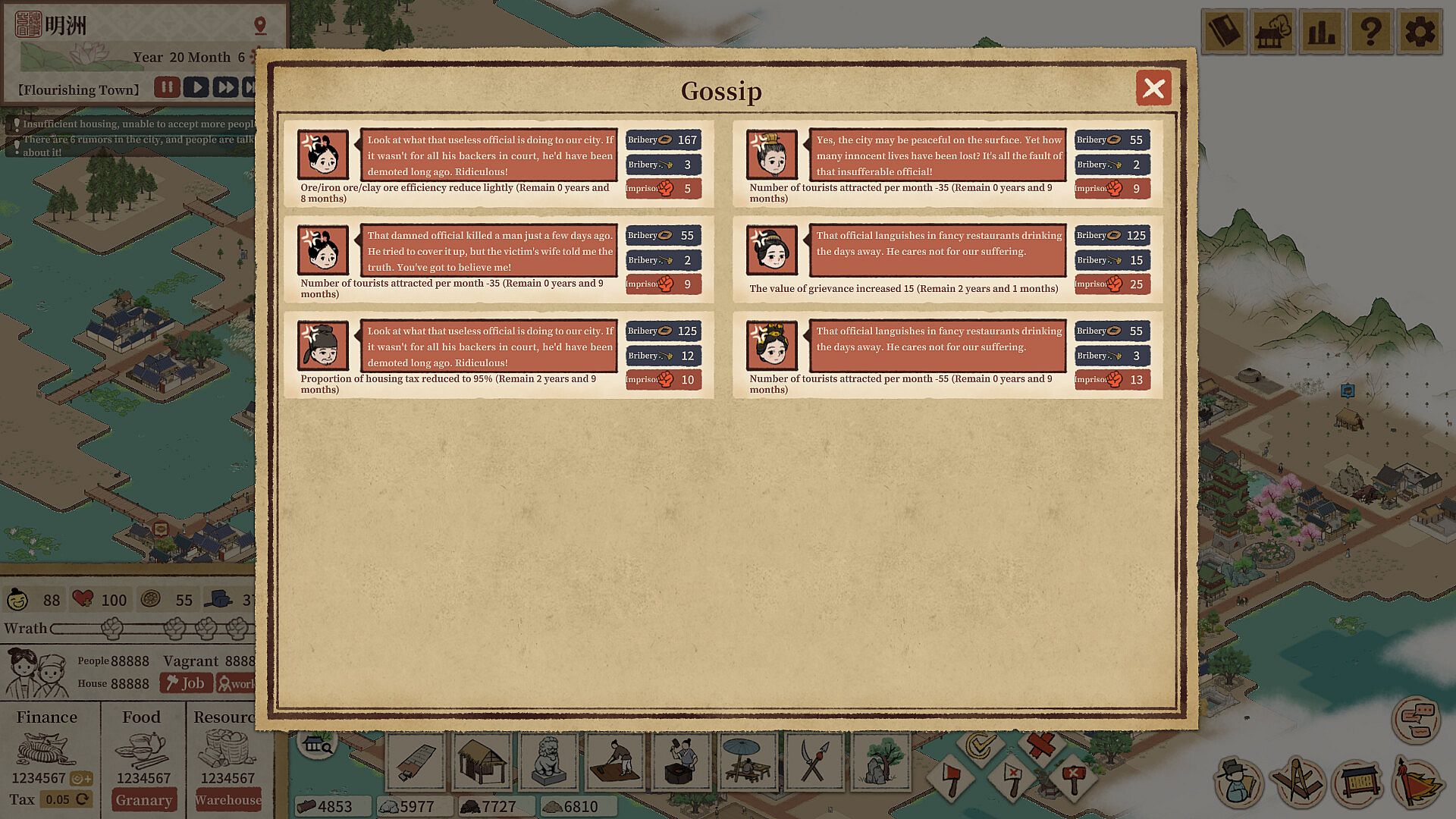
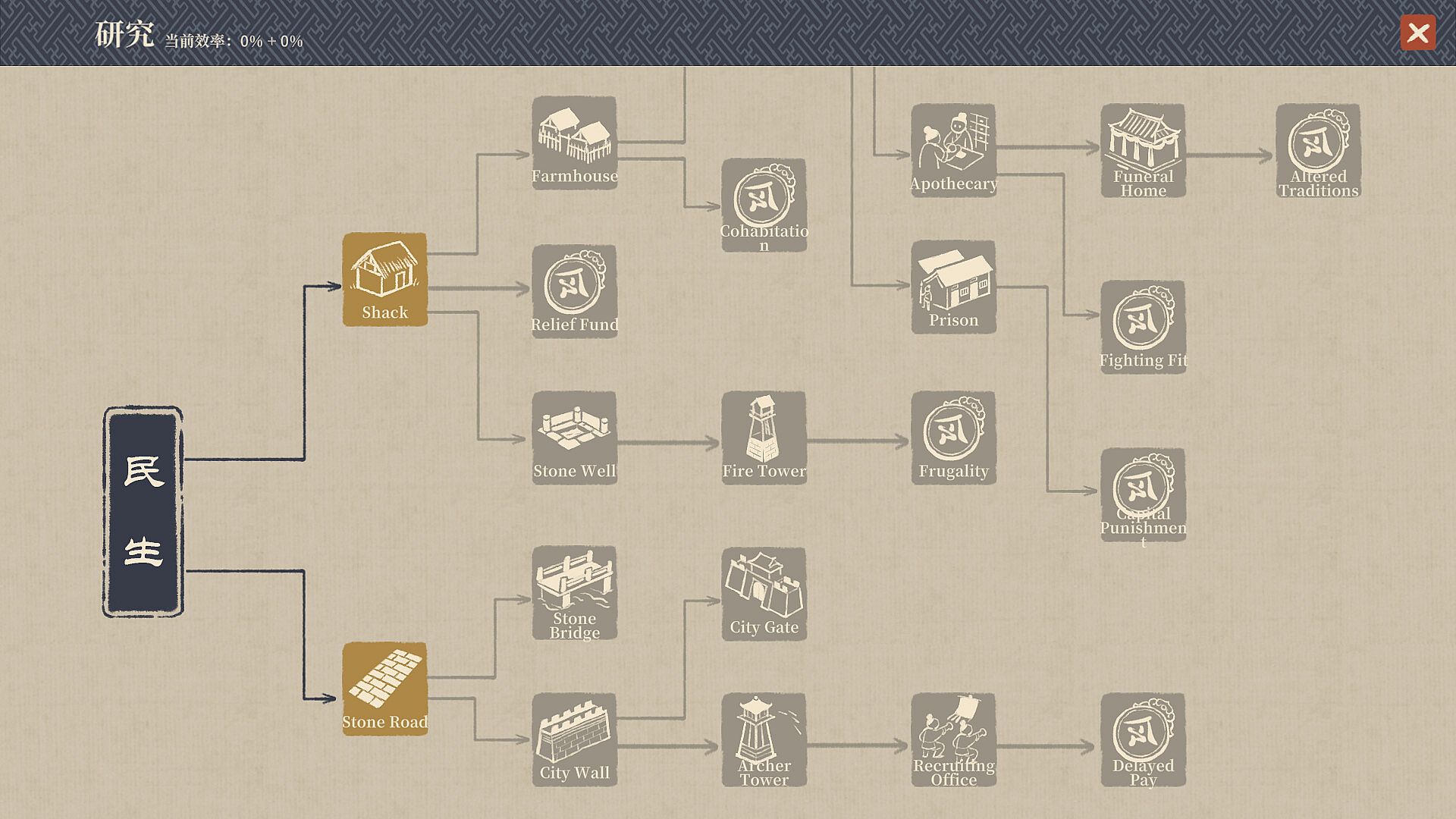
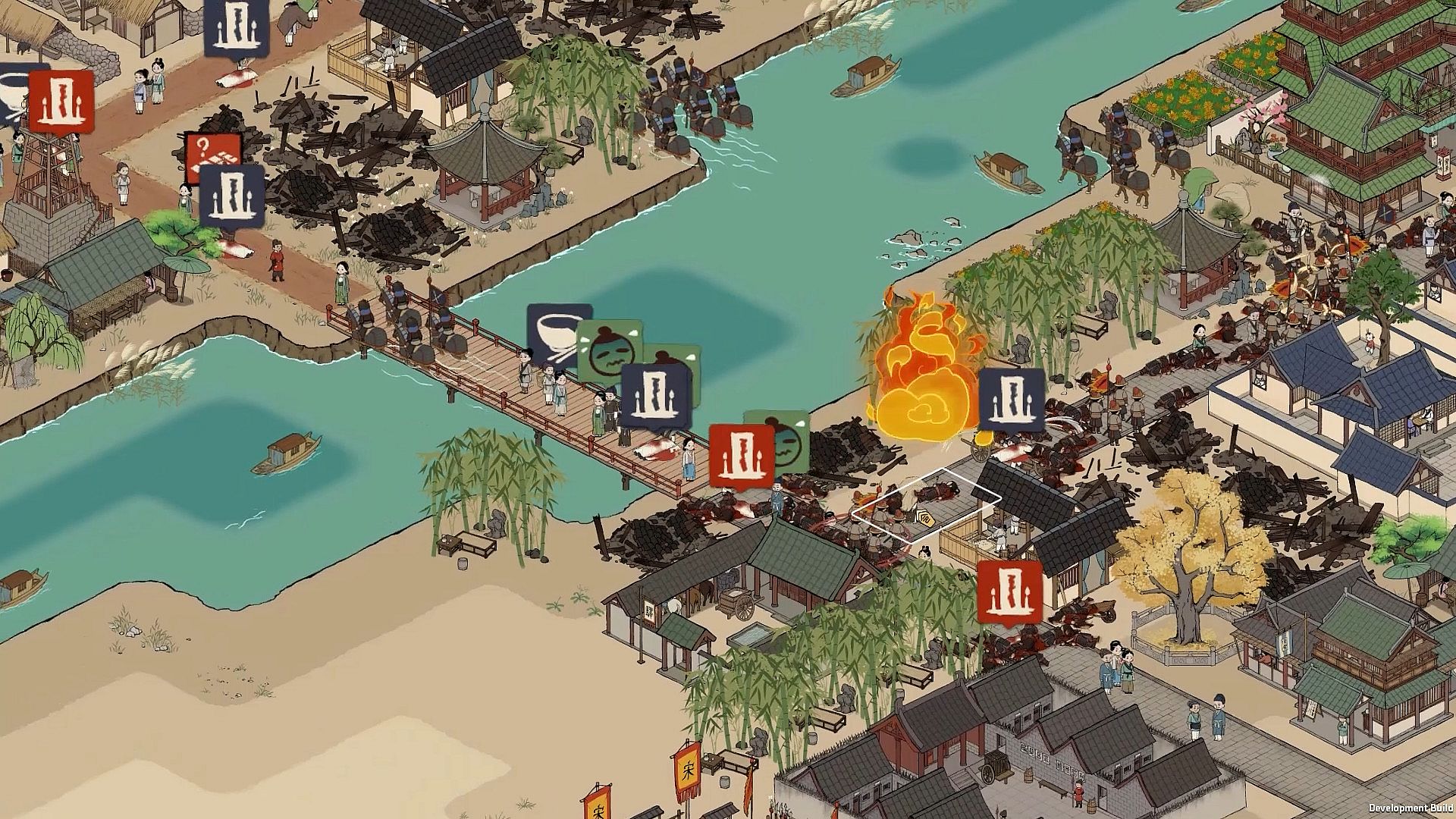
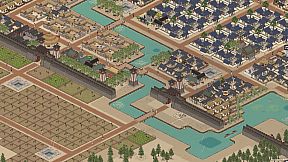
Security and stability demand attention as the population scales. Constructing prisons addresses rising crime rates from theft, arson, and violence. Defense structures including city walls and archer towers, paired with trained militias and archers, counter invasions and other threats. Disasters and plagues also require active response through prepared infrastructure and policies.
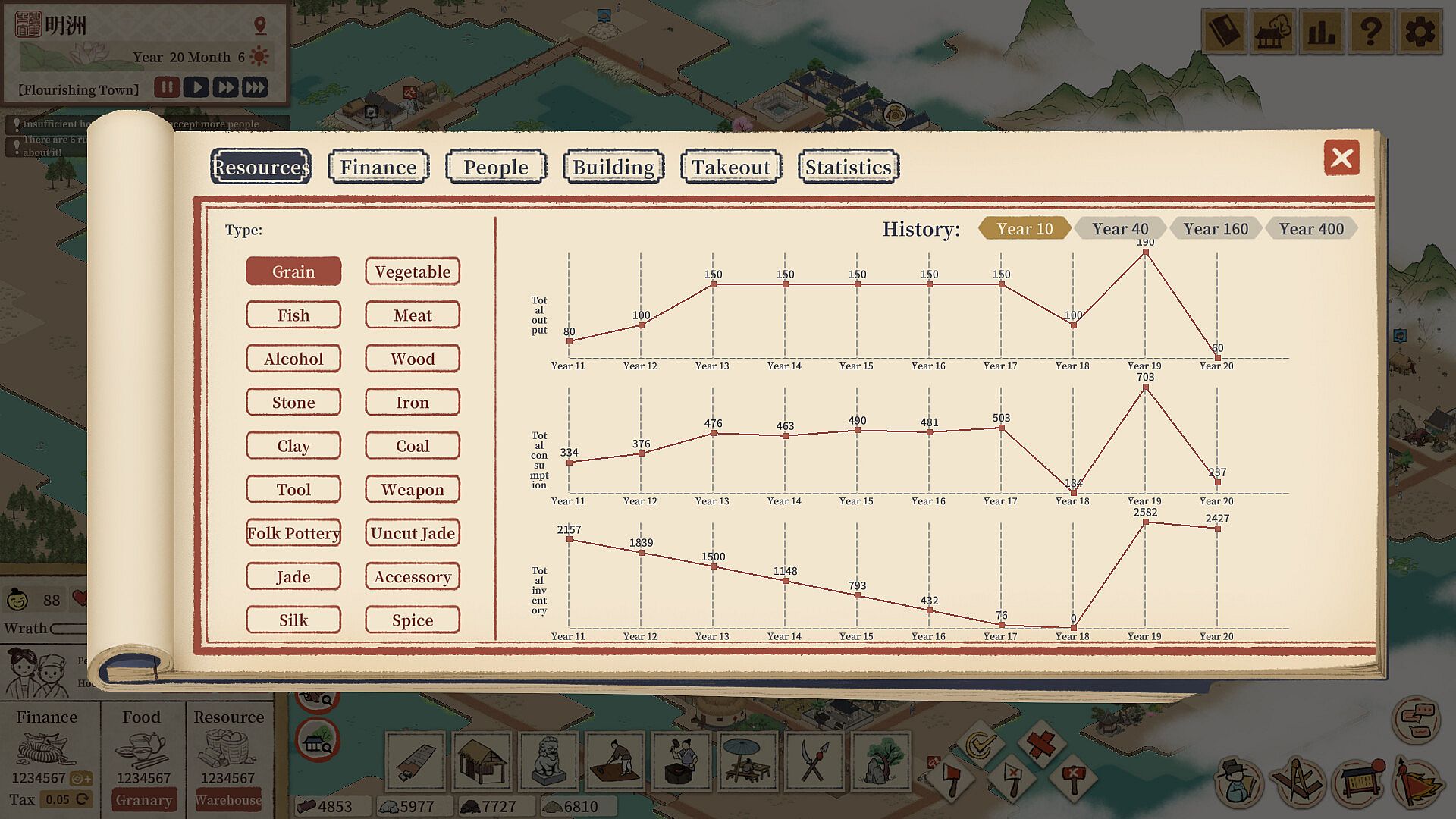
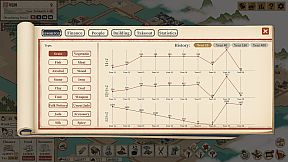
Policy decisions add strategic depth. Enacting measures can accelerate production or improve governance efficiency when combined thoughtfully, though some carry drawbacks that affect daily life or long-term stability. Monitoring city finances and forecasting yearly needs keeps the settlement viable through changing conditions.
Game Modes
Story Mode follows the historical arc of the Song dynasty starting in 960 AD. Players progress through chapters tied to real events, responding to imperial edicts, participating in major periods of the dynasty, and making choices that influence outcomes. Time management and sequential tasks shape the experience, with each stage presenting defined goals and constraints.
Adventure Mode shifts focus to open-ended construction. Players select from multiple maps of varying sizes and resource profiles, adjust difficulty settings, and apply town seals that introduce permanent advantages or limitations. This mode emphasizes creative city layout and long-term development without the narrative structure of the story path.
Historical Detail and Visual Style
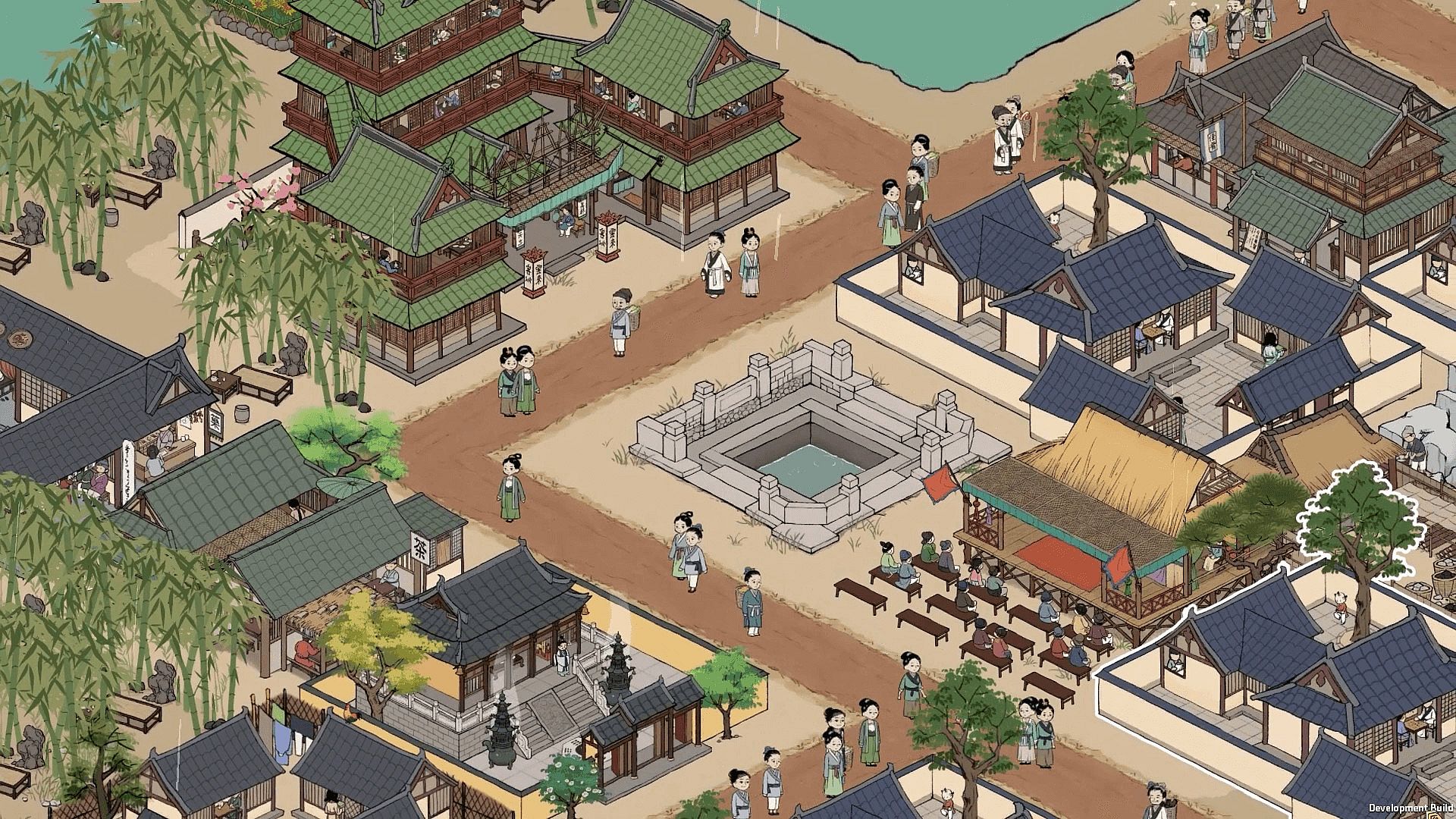
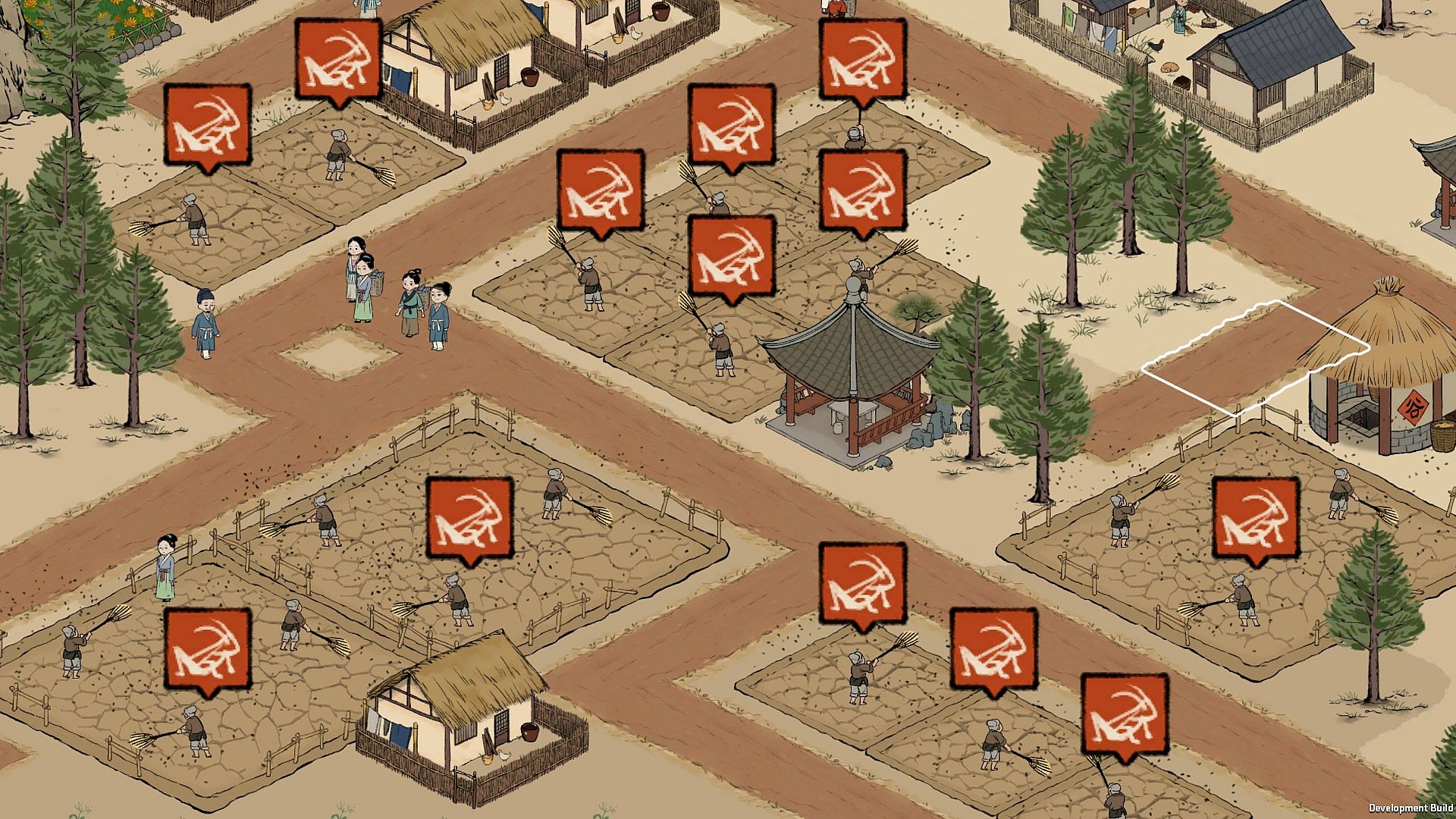
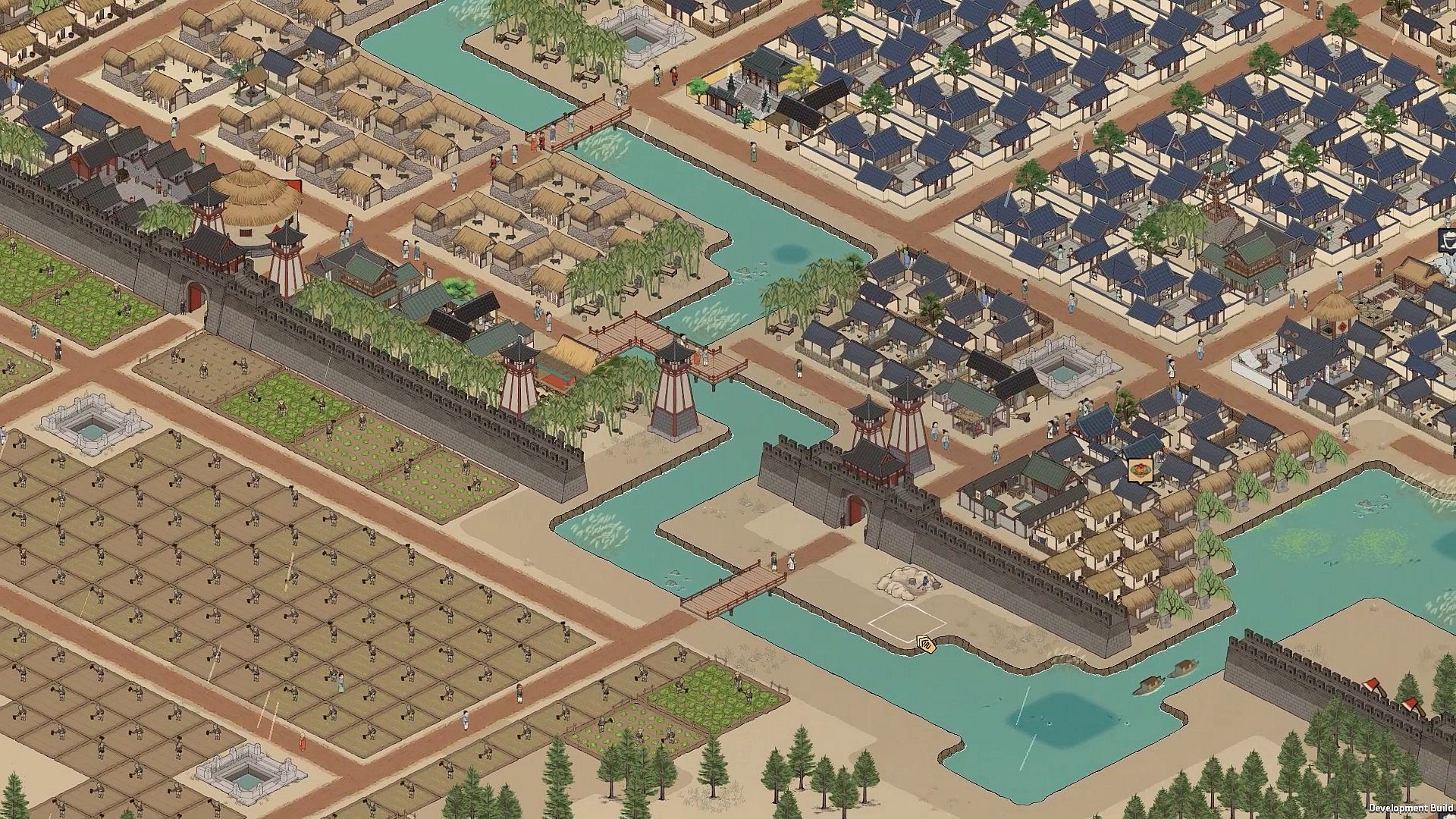
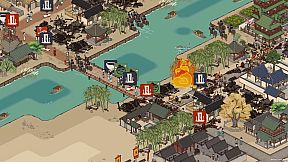
The game draws from museum records and historical sources to depict Song dynasty elements accurately. Buildings, industries, professions, and clothing reflect the period, creating a consistent visual and mechanical framework. Traditional Chinese art influences the overall design, with animated structures and characters that convey daily activity and growth.
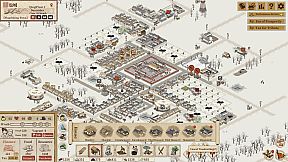
Population scaling reaches visible levels of two thousand or more citizens on screen, highlighting the impact of sustained planning on urban density and vibrancy.
Is It Worth Playing?
Thriving City: Song appeals to players who enjoy deliberate city-building simulations with historical themes. The dual modes provide both guided progression through documented events and flexible sandbox construction. Reviews highlight the distinctive artwork, atmospheric music, and layered mechanics that reward careful resource balancing and policy choices.
Those interested in single-player strategy experiences focused on ancient Chinese settings will find the systems engaging, particularly the interplay between economic growth, public welfare, and crisis management. The full release supports ongoing play without reliance on seasonal content or additional modes beyond the confirmed options.