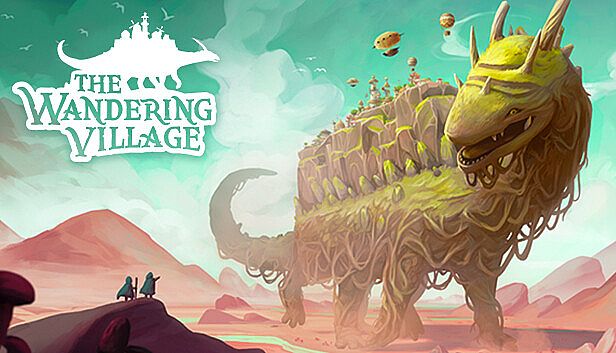











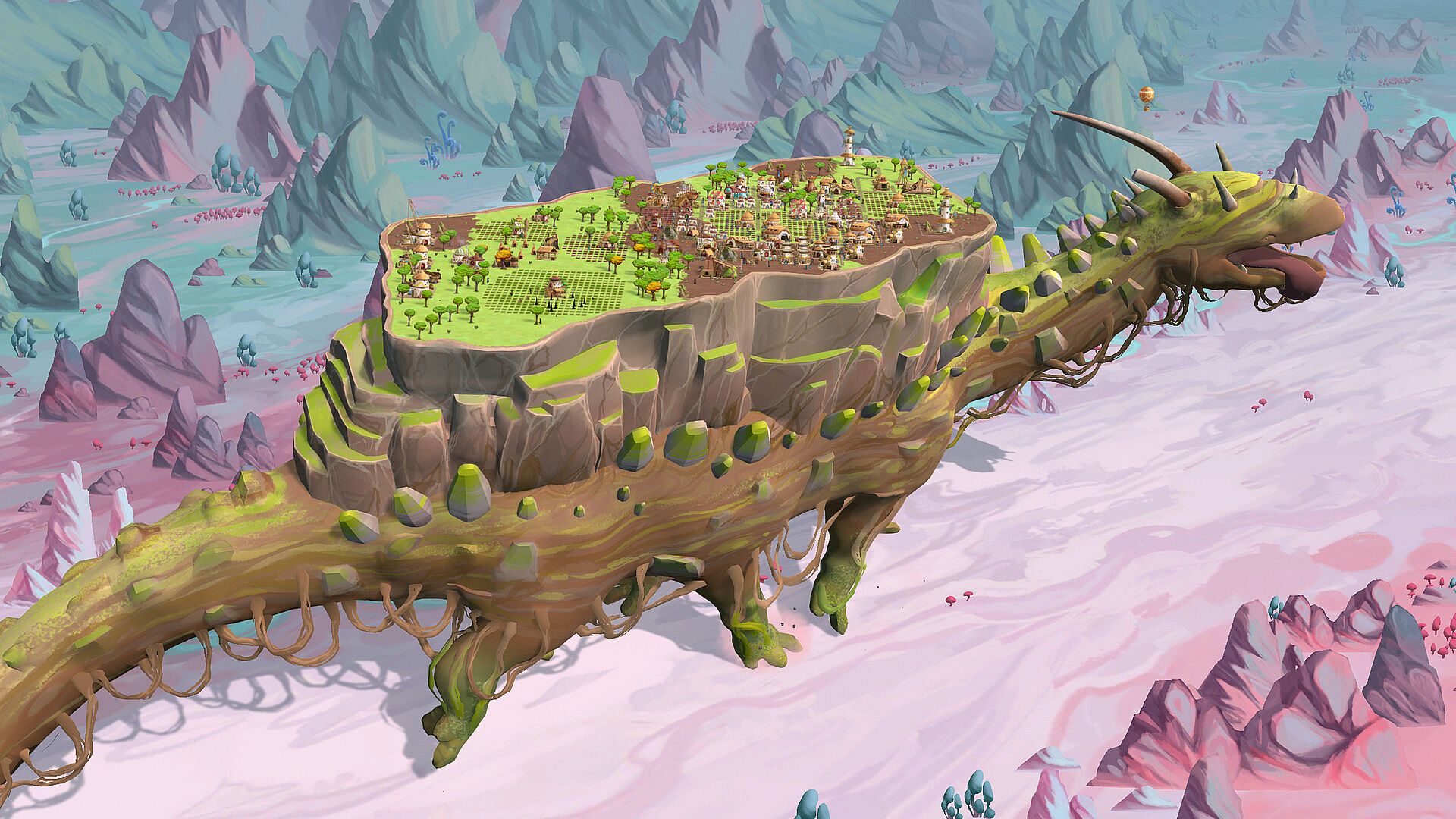
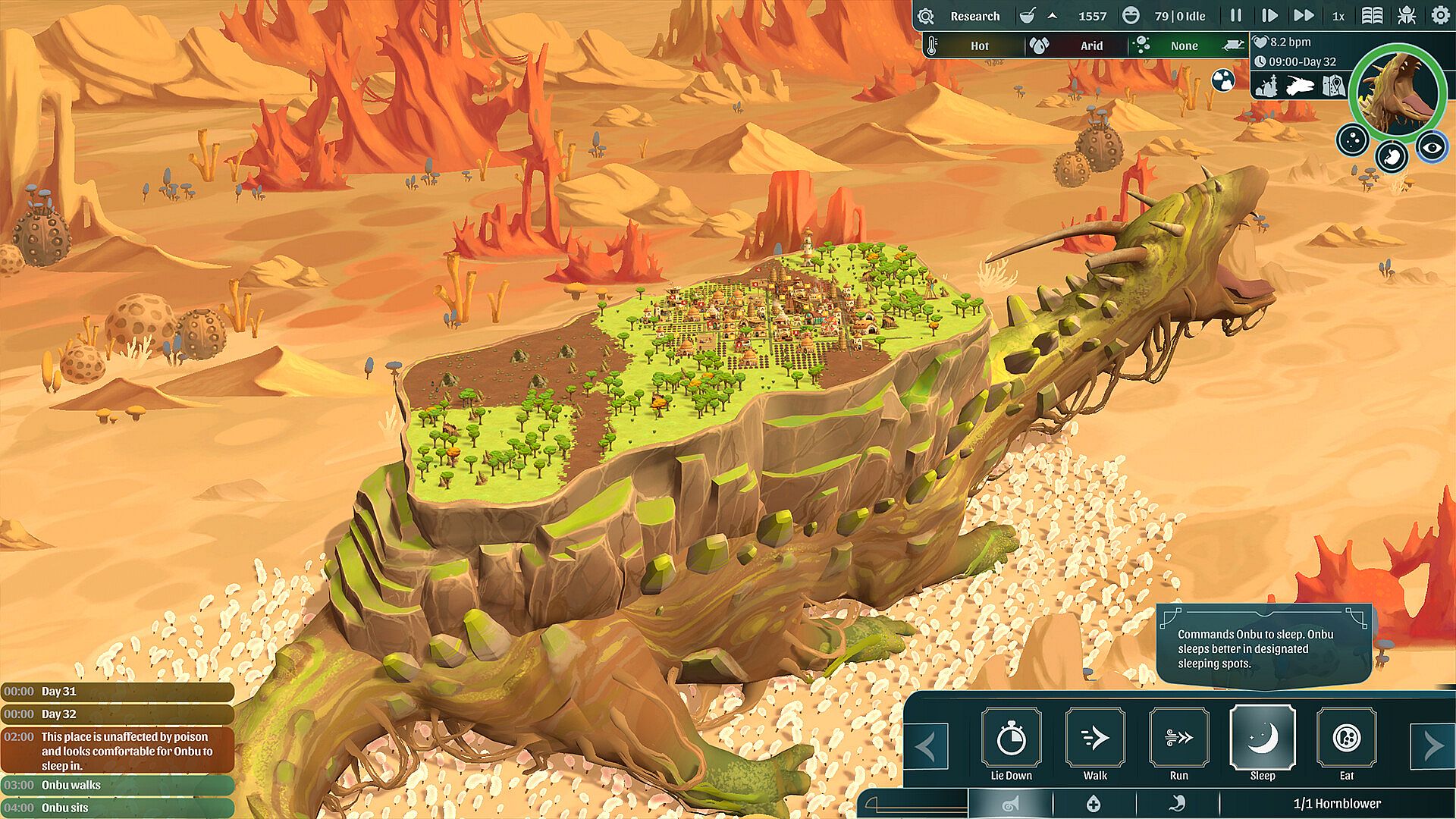
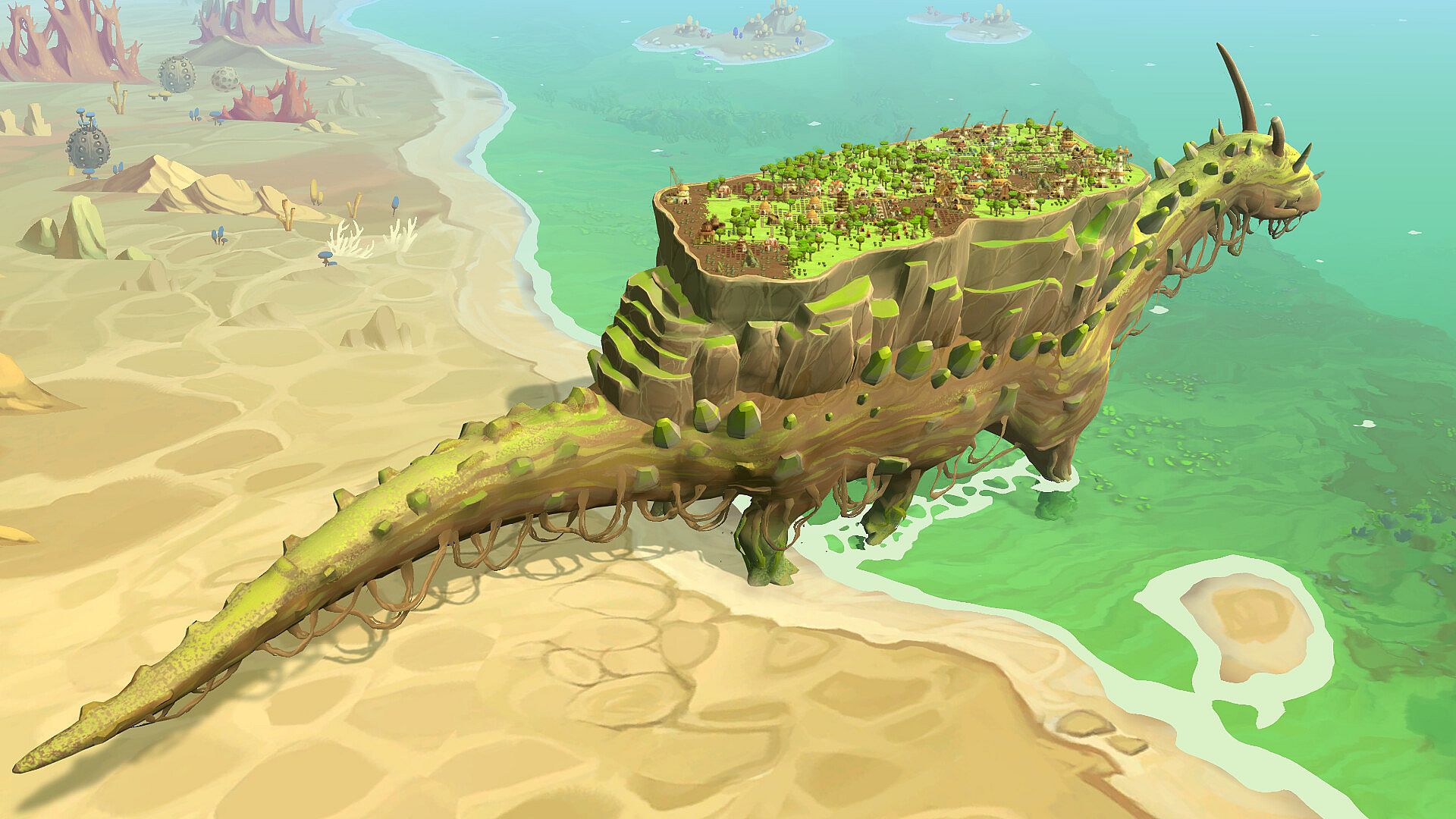
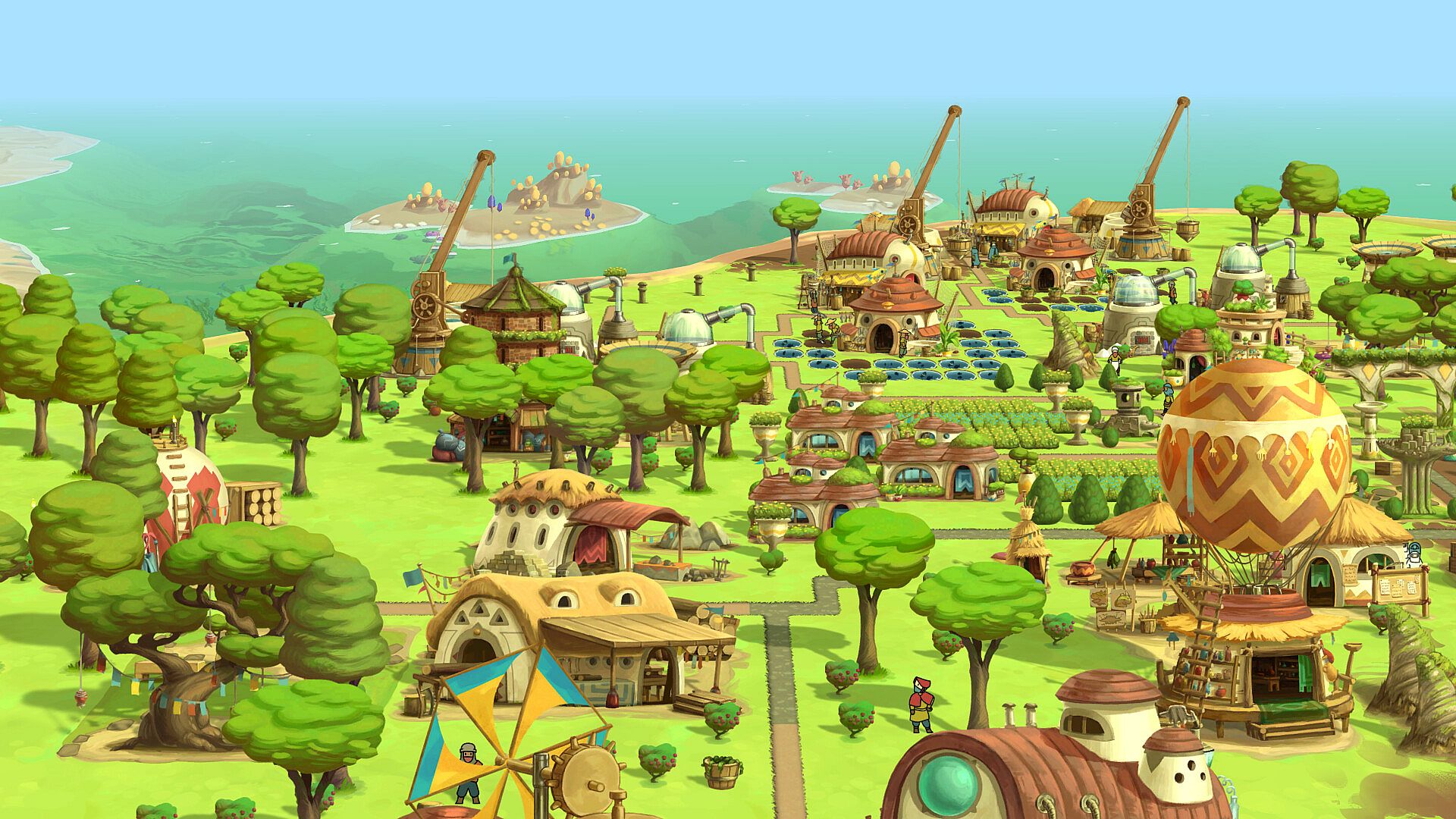
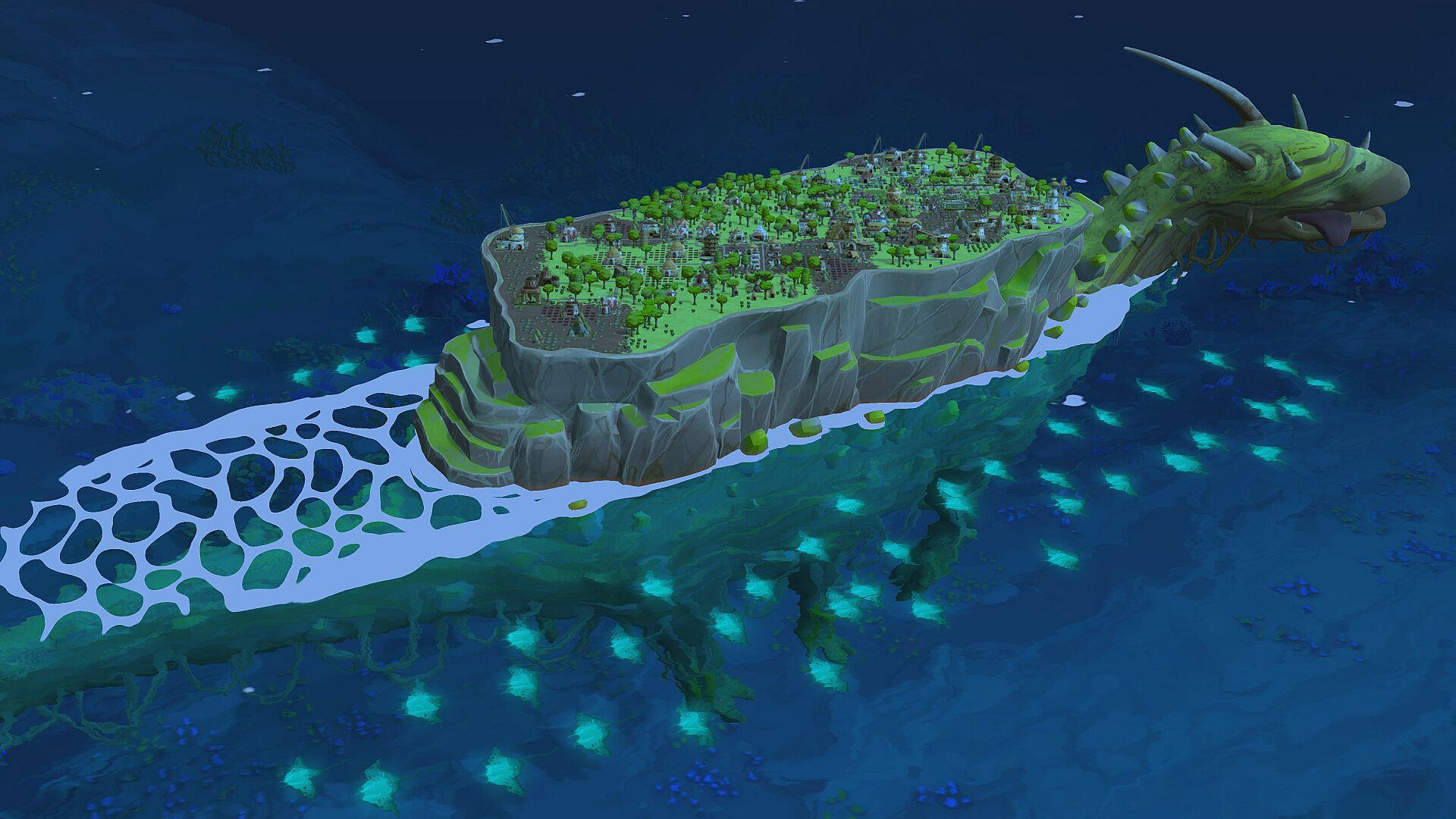
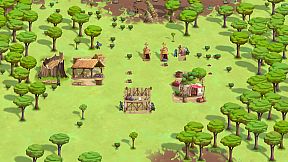
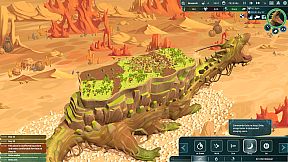
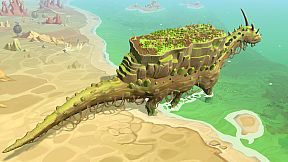
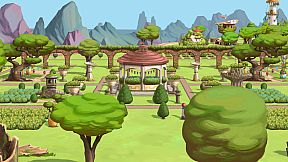
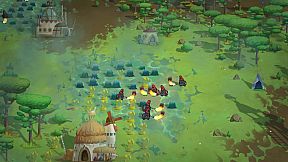
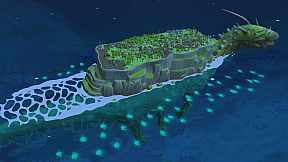
The Wandering Village is a strategy and simulation game that places players in charge of a settlement built on the back of a massive creature known as Onbu. In a post-apocalyptic setting where toxic plants spread poisonous spores, survivors turn to this wandering host for safety. The core loop revolves around constructing and managing buildings, balancing resource production, and deciding how to interact with Onbu itself while traveling through varied environments.
Gameplay
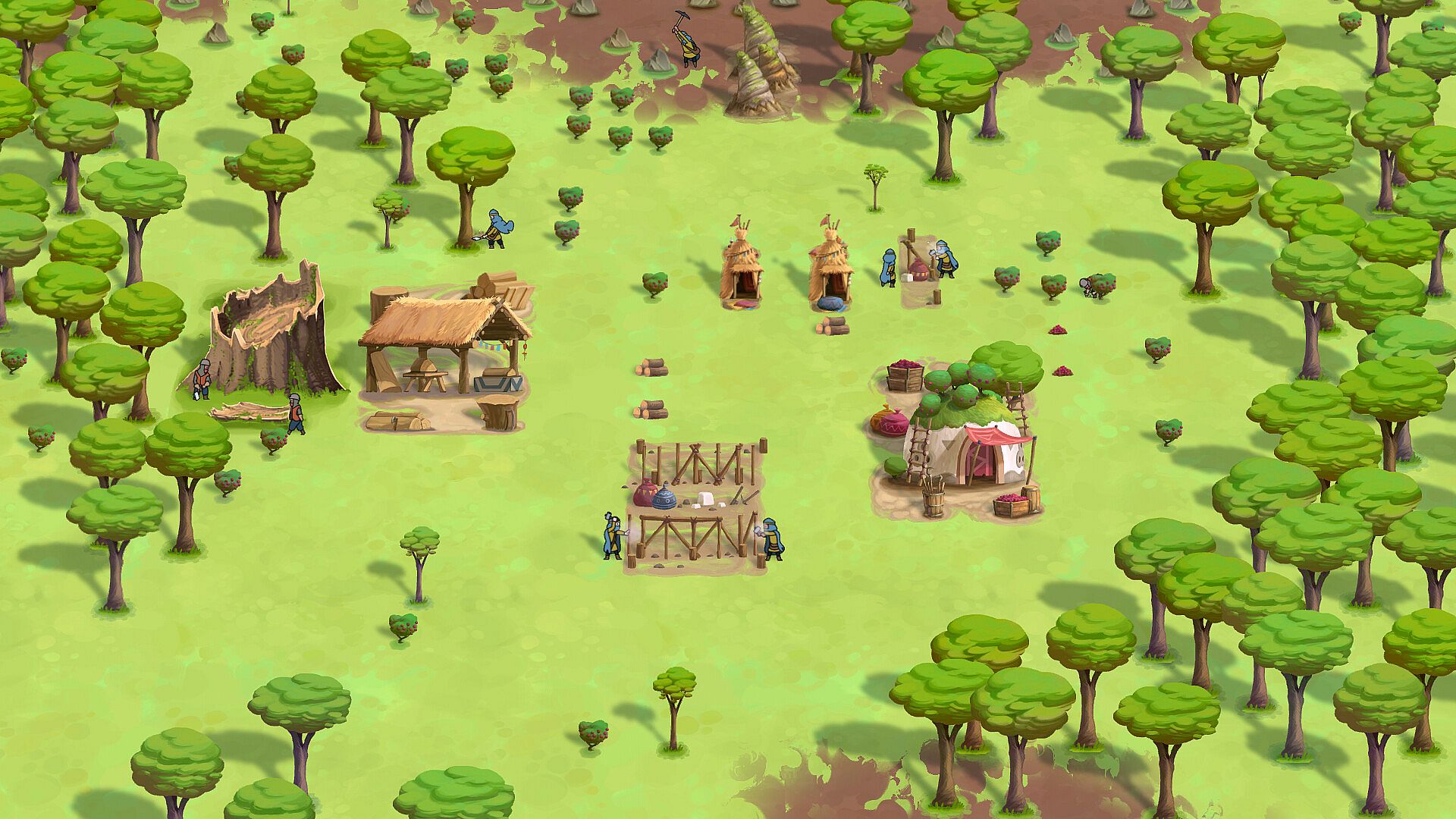
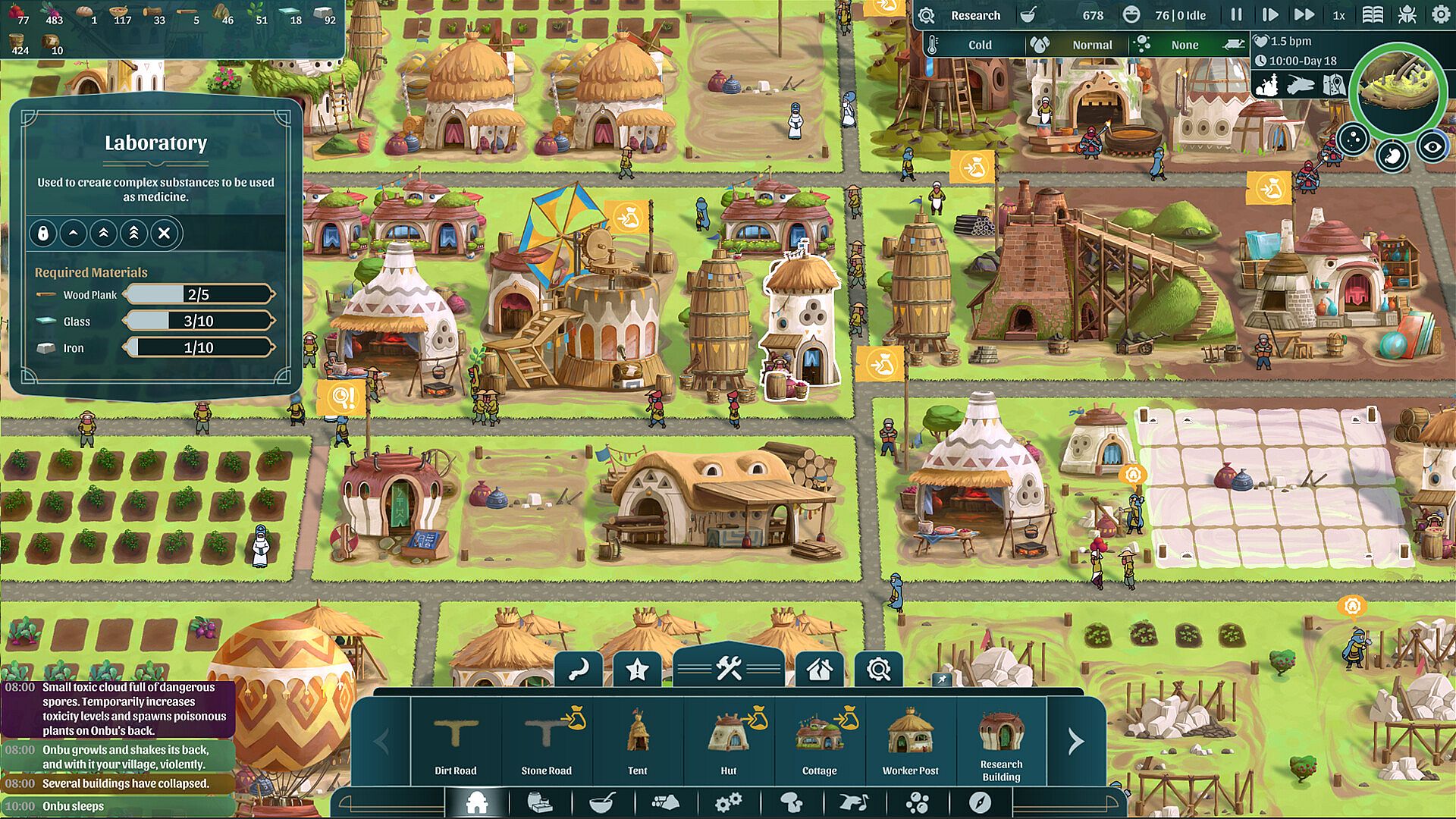
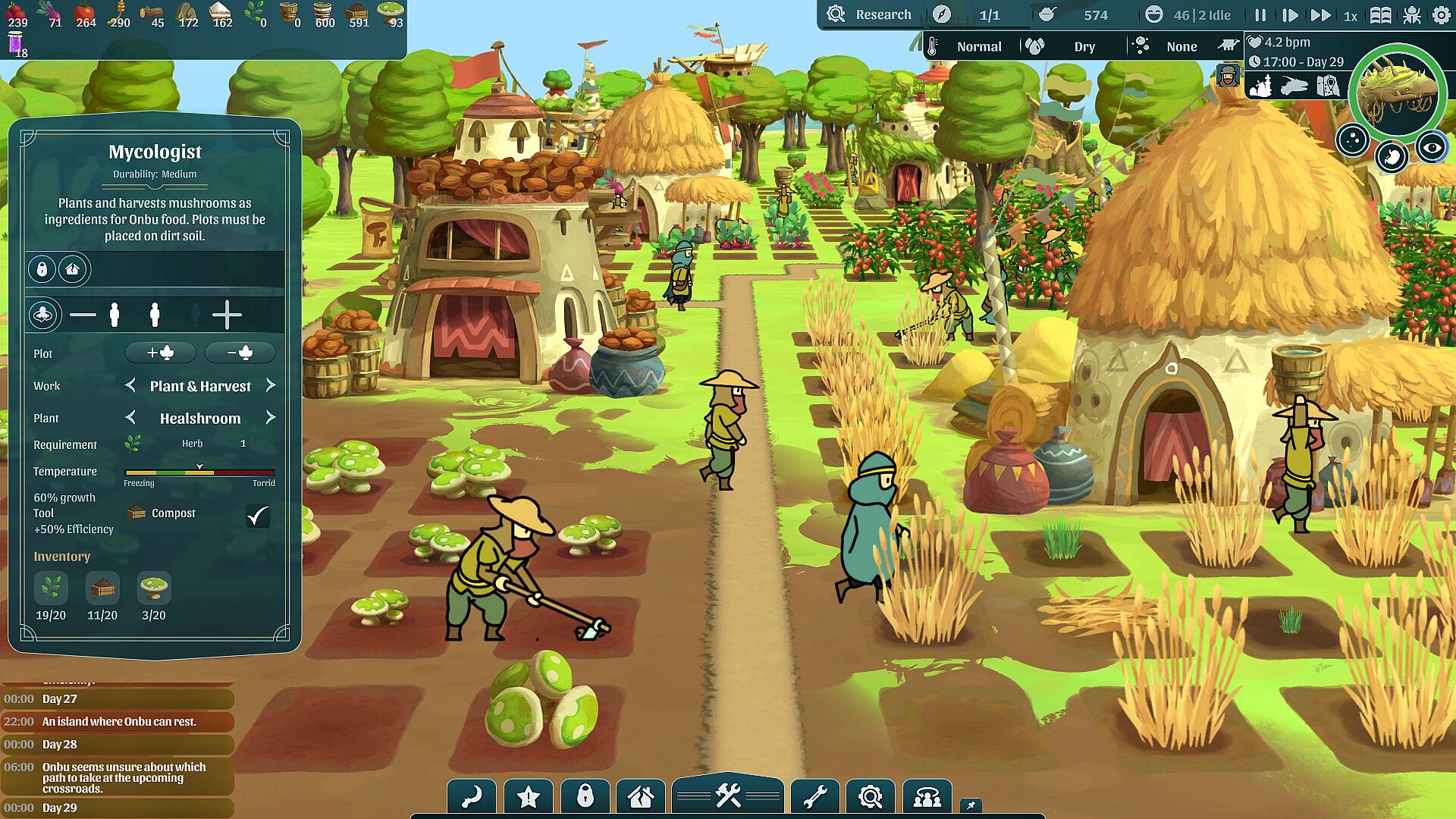
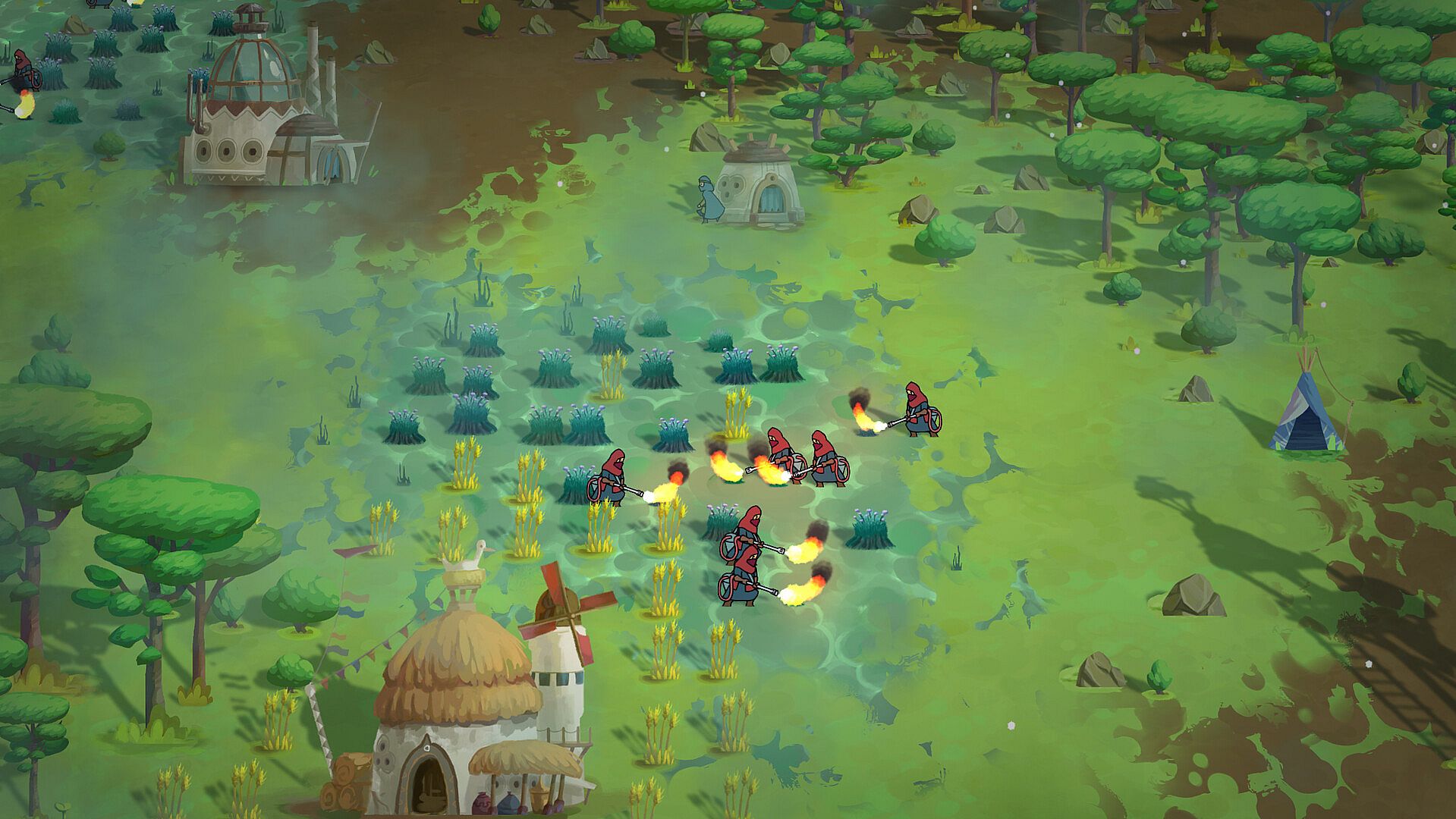
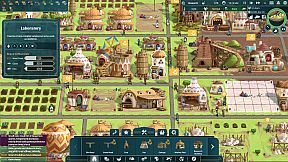
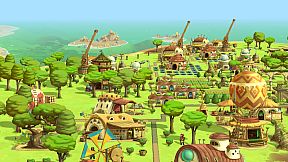
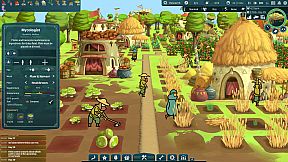
Players expand a village across Onbu's back by placing structures that form production chains. Limited space forces careful planning to avoid overcrowding while meeting the needs of growing numbers of villagers. Resources such as wood, clay, and stone come from foraging missions sent into surrounding areas, and these must be allocated efficiently to sustain the community.
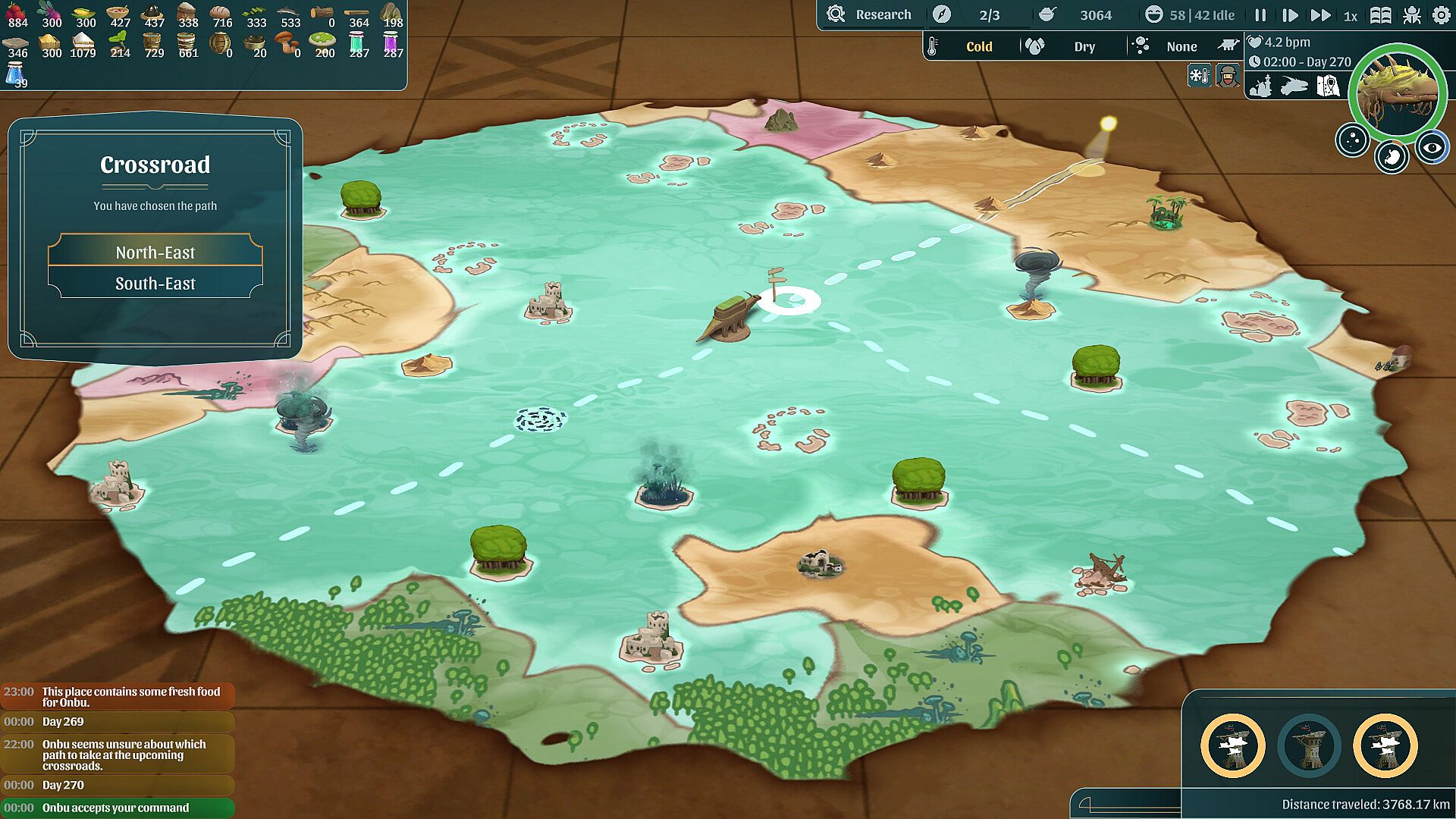
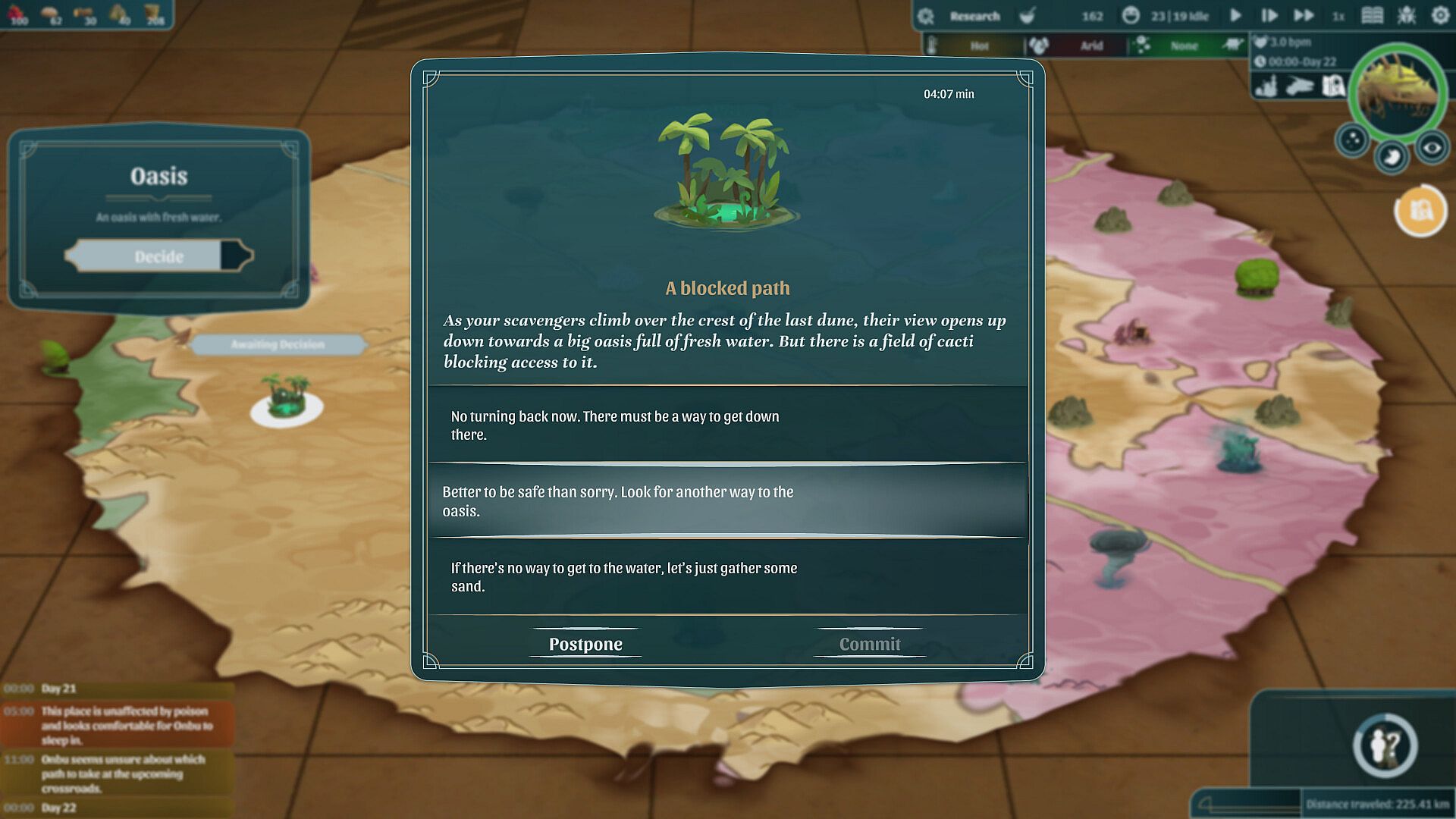
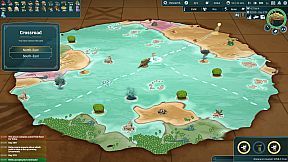
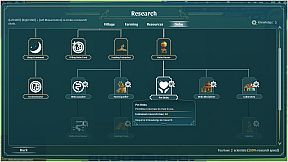
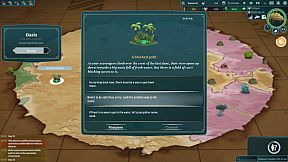
Travel through multiple biomes introduces shifting climates that bring both new opportunities and threats. Villagers research remnants of the old world to unlock technologies, though each advancement carries risks that can affect the settlement or Onbu. Survival depends on handling poisonous spores, harsh weather, and parasites that target the creature or the villagers. The relationship with Onbu forms a central choice: players can foster mutual support or prioritize the settlement at the creature's expense, influencing long-term stability.
Game Modes
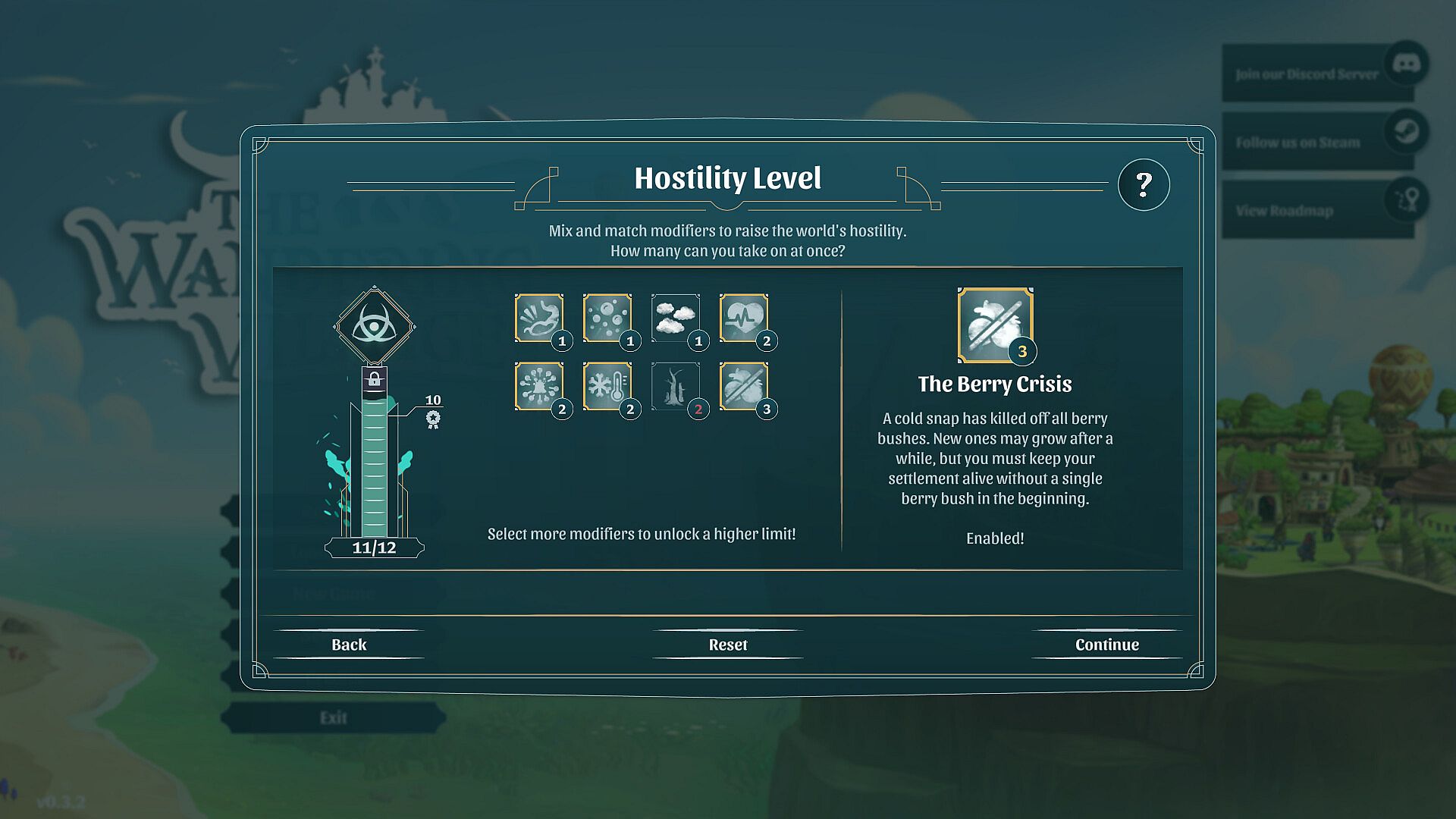
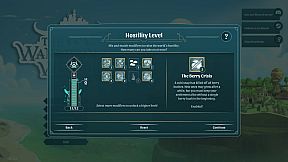
Story mode guides players through a narrative focused on uncovering the source of the infestation. It includes an optional tutorial and difficulty settings that range from guided to more demanding options. Challenge mode adds layers of hostility through customizable modifiers, such as increased hunger for Onbu, and tasks players with surviving a journey of 1000 kilometers or more under normal or hard conditions.
Sandbox mode removes many restrictions, allowing free experimentation with options like making Onbu invincible or preventing villager unrest. Difficulty levels still apply, giving flexibility for relaxed building or stricter management. These modes support different play styles without overlapping mechanics.
Key Mechanics and Progression
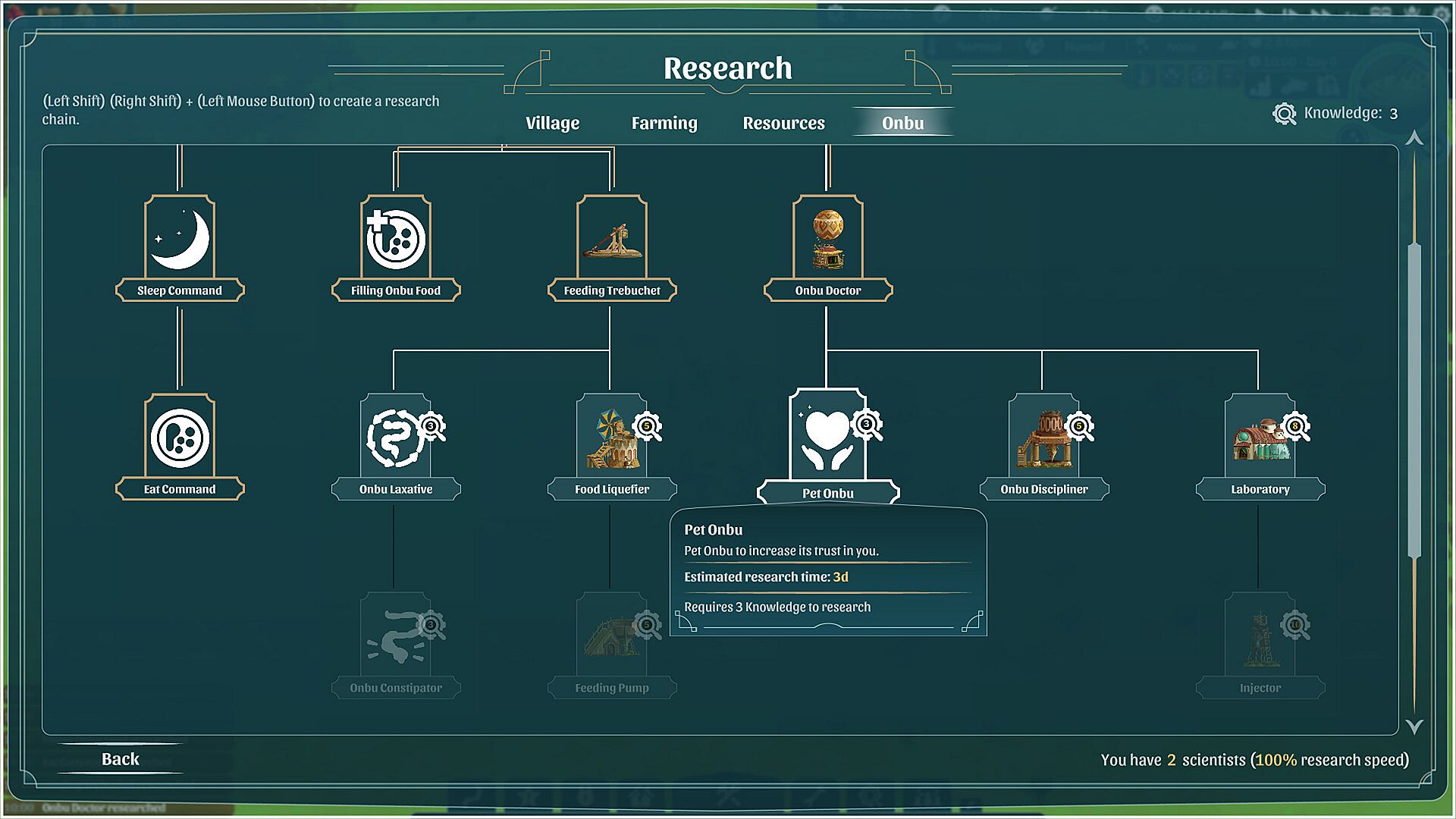
Research forms a central progression system where villagers uncover and apply old-world knowledge through a tree of upgrades. Each choice affects resource use and settlement capabilities. Foraging expeditions supplement base production by retrieving rare materials and artifacts from explored areas. Biome transitions require ongoing adaptation, as climate changes alter available resources and introduce new hazards that must be mitigated through building placement and villager assignments.
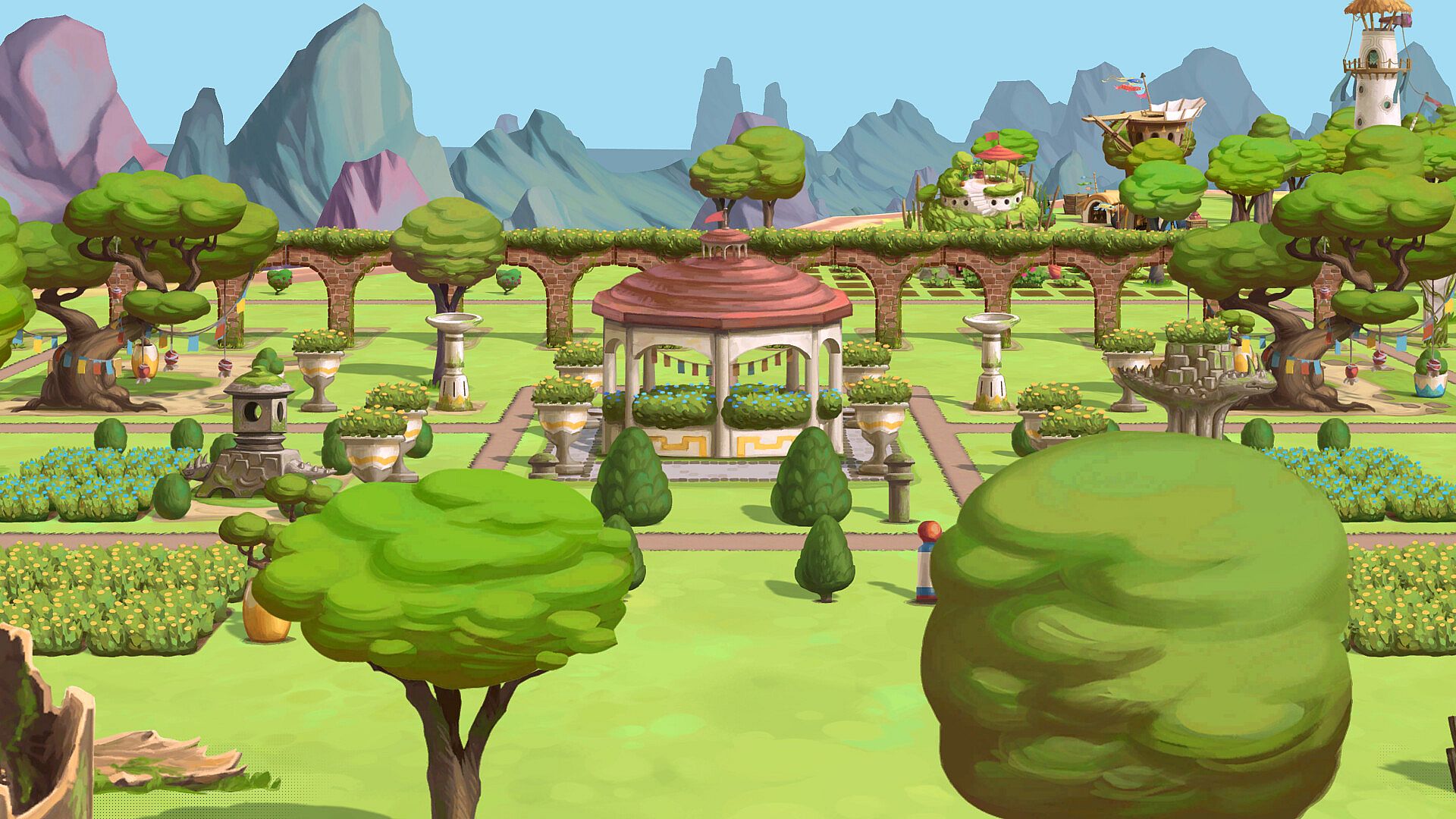
Space constraints on Onbu's back encourage compact layouts and optimized chains that minimize waste. Happiness and health metrics for both villagers and the creature add layers of management, with imbalances leading to reduced efficiency or direct threats. The game emphasizes steady decision-making over rapid expansion.
Is It Worth Playing?
The full release in 2025 delivers a complete experience built around its distinctive premise of settlement management on a living platform. Reviews highlight the charm of the visuals, the depth of the building systems, and the way environmental travel keeps the loop fresh across sessions. It appeals most to players who enjoy city-building with survival constraints and a focus on long-term planning rather than combat or fast-paced action.
Those drawn to single-player strategy simulations will find the modes provide substantial replay value through varying difficulty and restrictions. The symbiotic elements add a personal layer to decisions that standard builders often lack. If the concept of balancing a community against a mobile host resonates, the game offers consistent engagement without requiring additional purchases for core content.