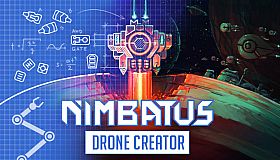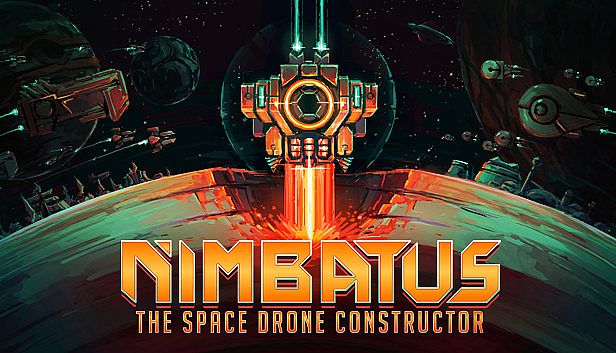











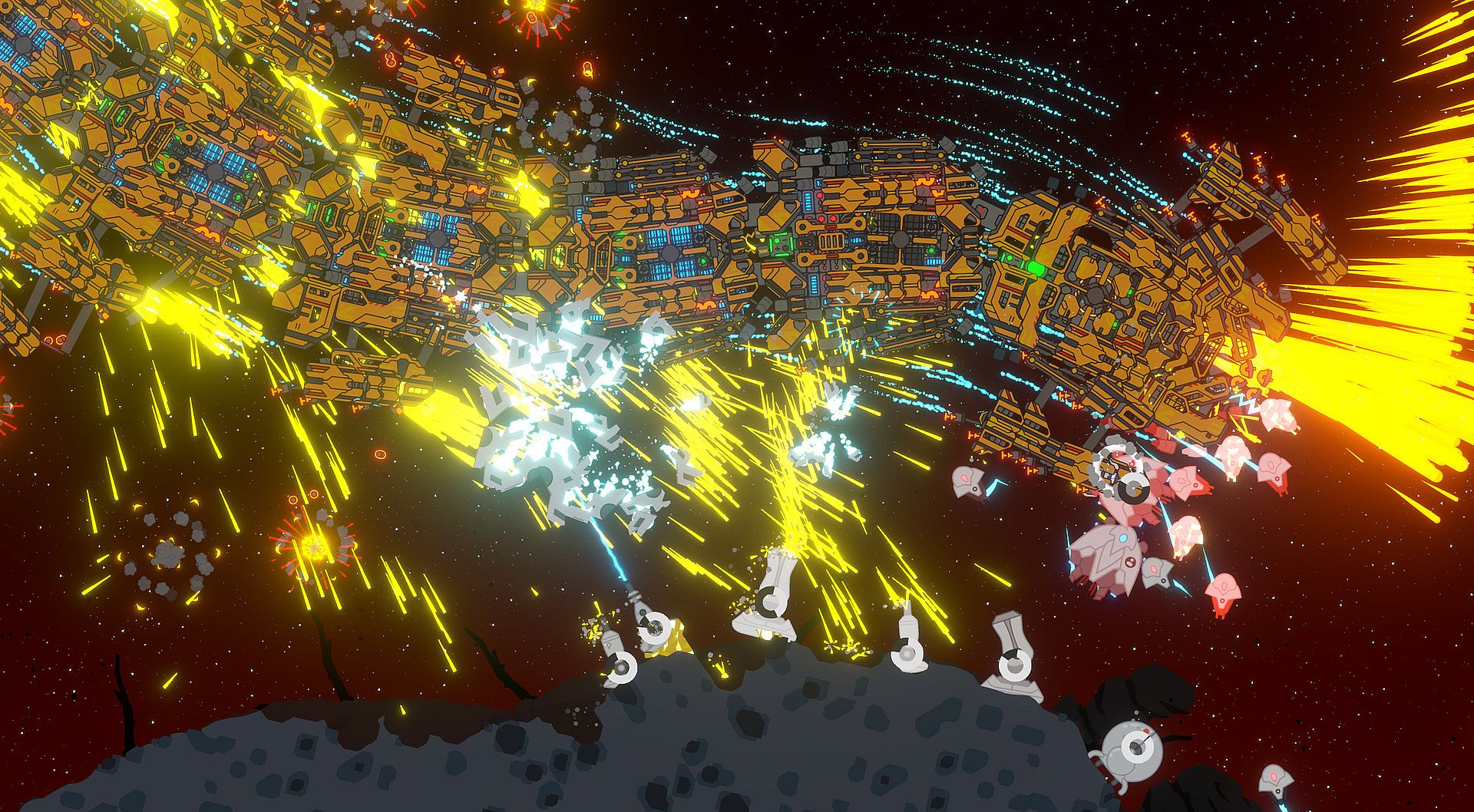
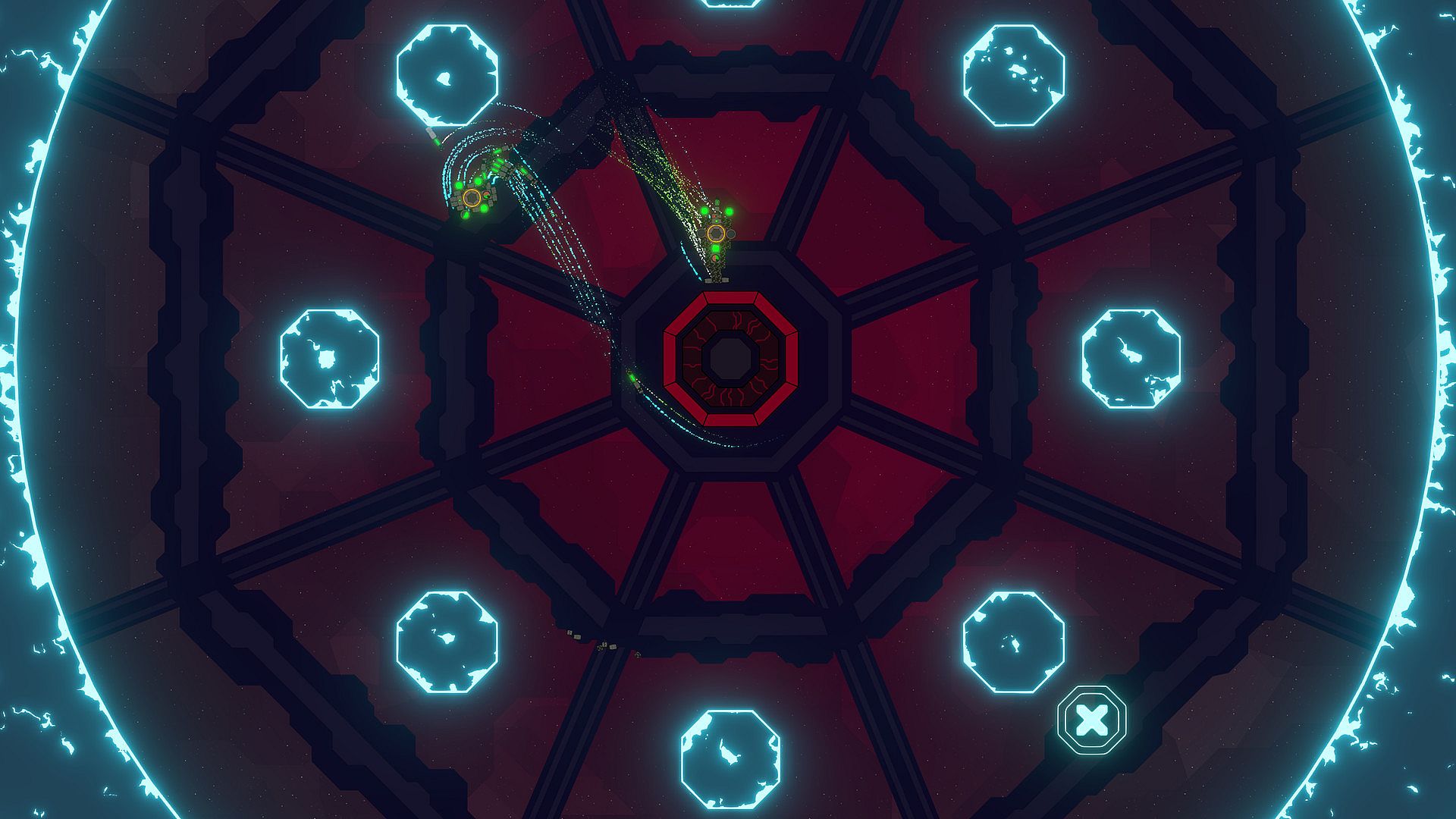
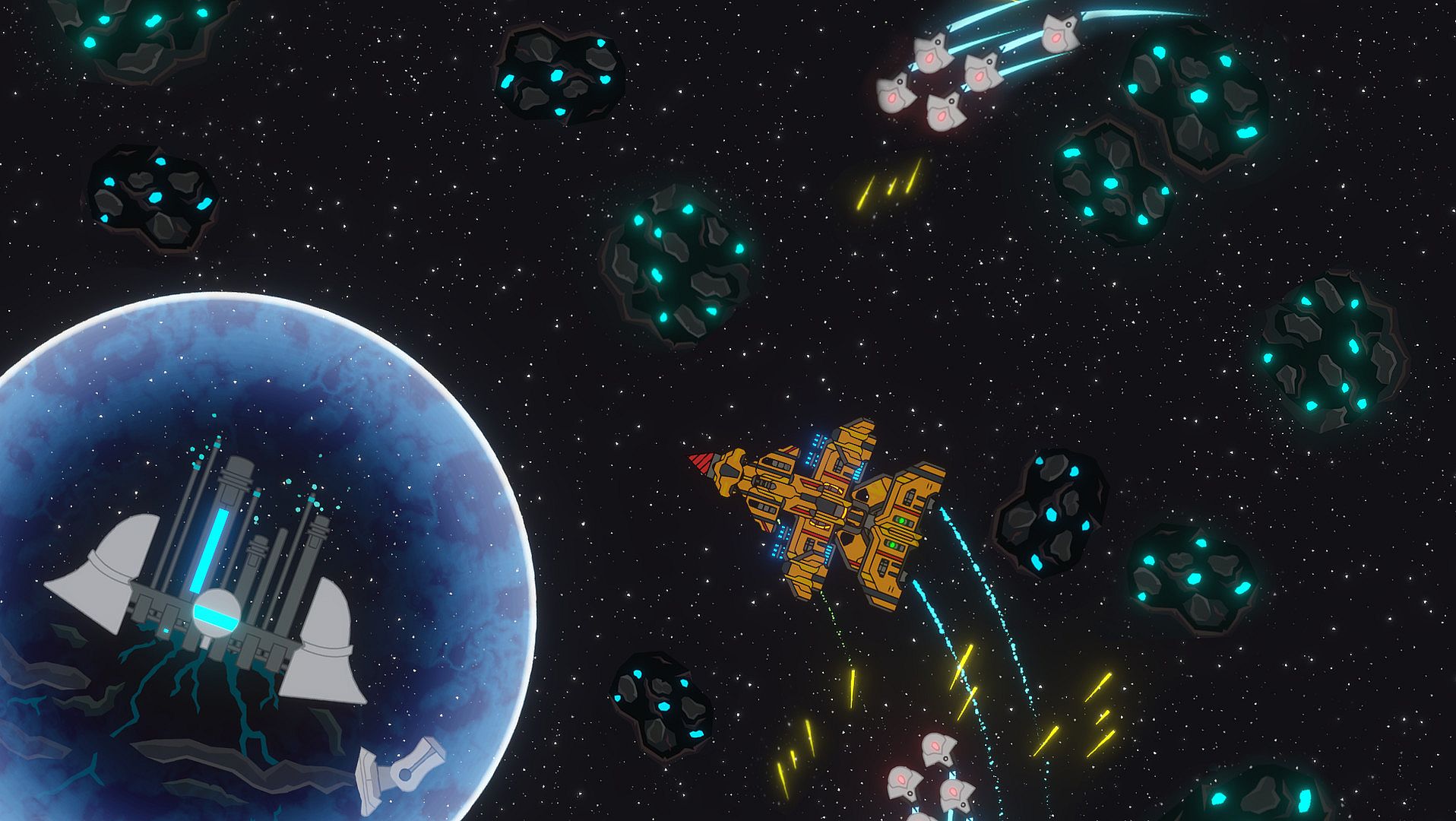
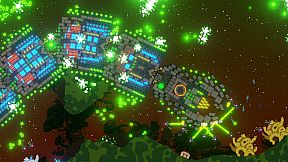
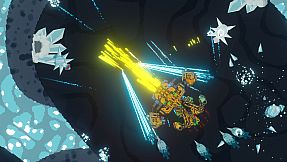
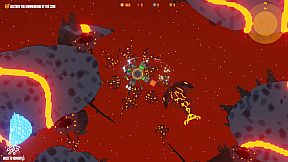
Nimbatus - The Space Drone Constructor is an action and simulation game focused on building and piloting custom drones in a physics-driven space setting. Players take command of the Nimbatus, a mobile drone factory, and use its workshop to assemble vehicles from dozens of components that respond realistically to forces, collisions, and environmental hazards. The core loop centers on exploration, resource gathering, combat, and experimentation across procedurally generated worlds that can be mined or destroyed entirely.
Gameplay
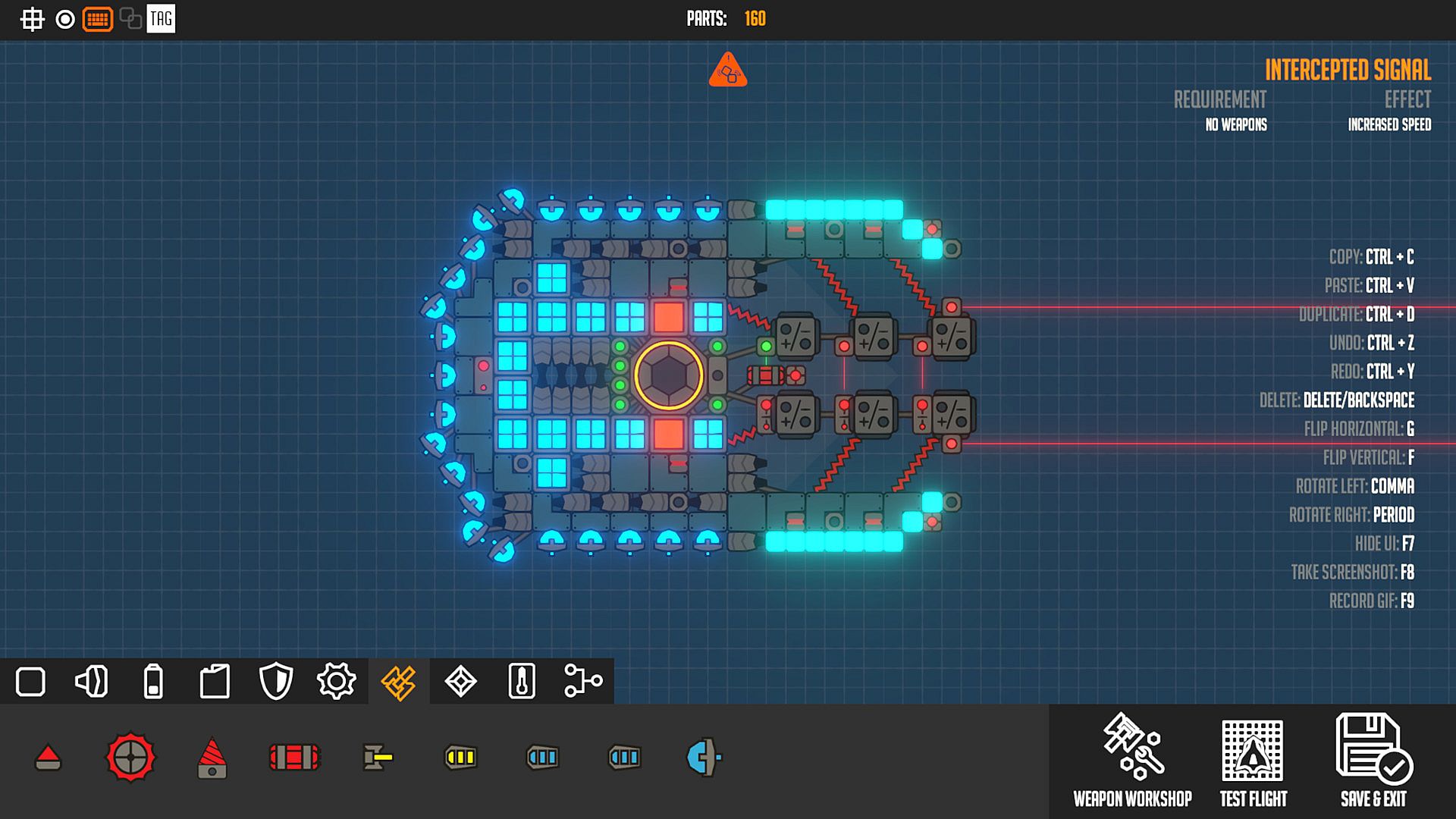
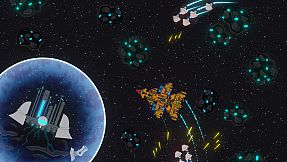
The construction system forms the heart of the experience. More than 75 physically simulated parts allow for detailed drone designs that account for weight distribution, thrust vectors, and structural integrity. Parts connect in a grid-based editor where balance and power management determine flight performance and durability. Once built, drones navigate asteroid fields, planetary surfaces, and space encounters while facing enemies that react to player actions.
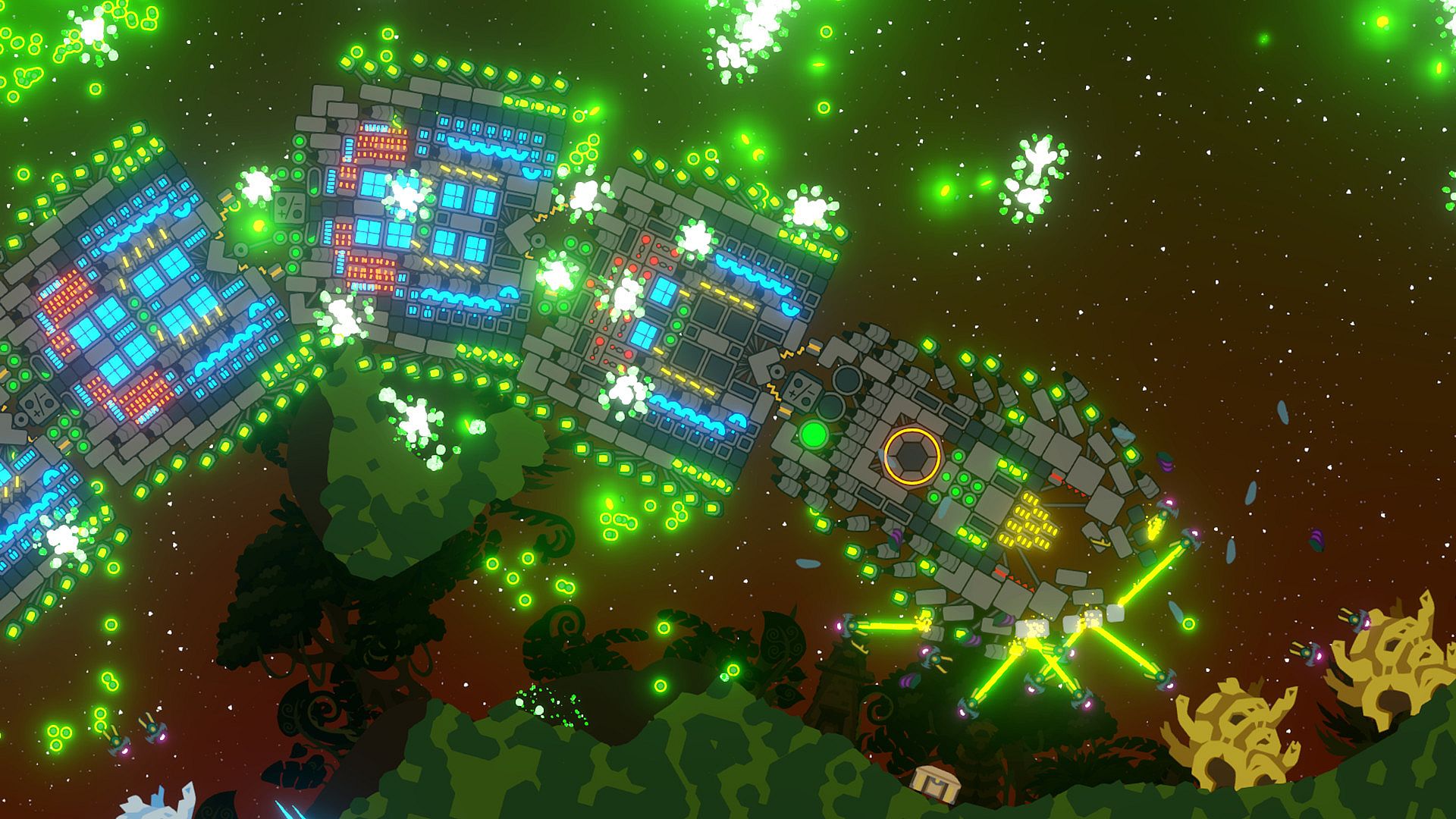
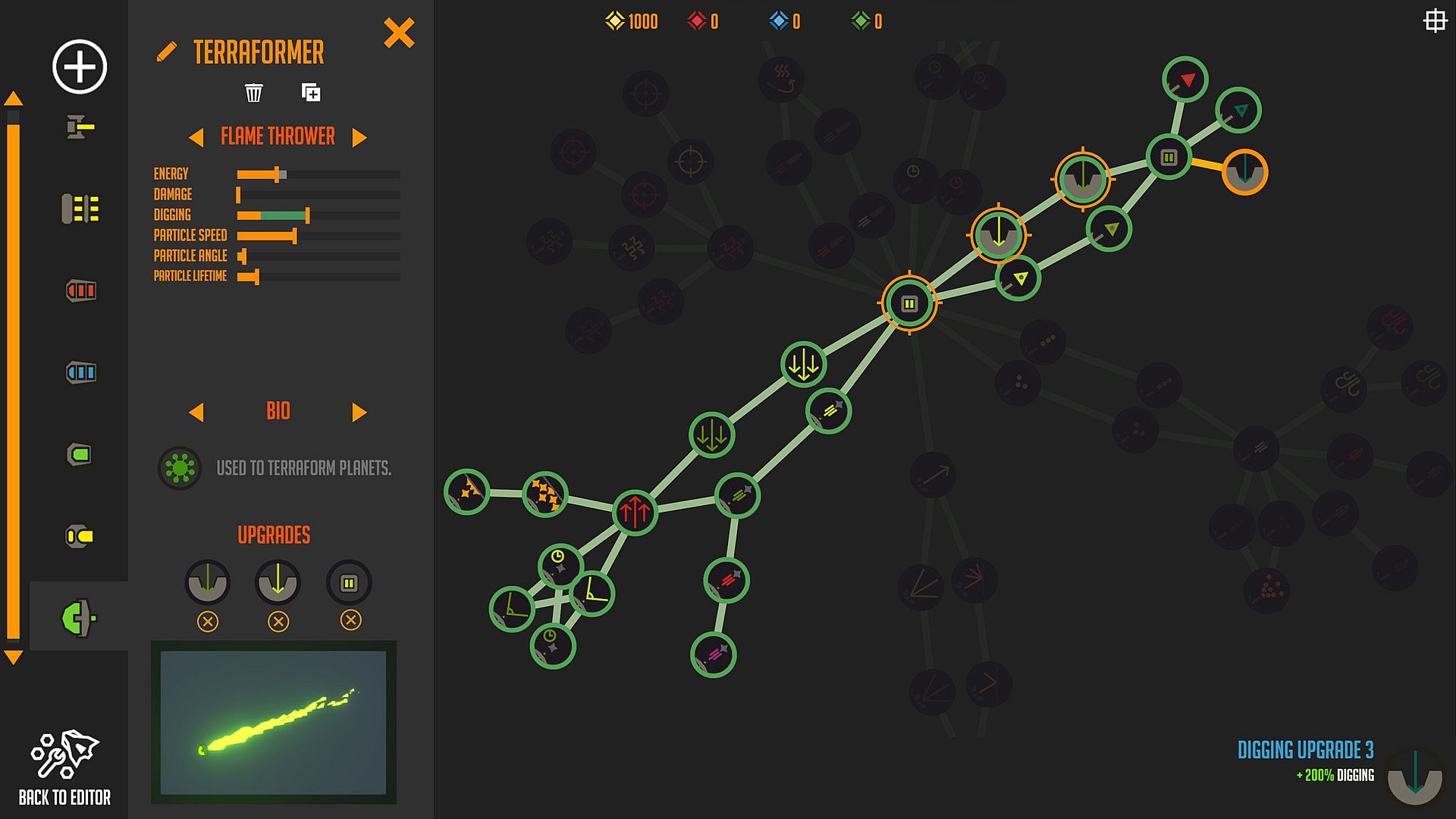
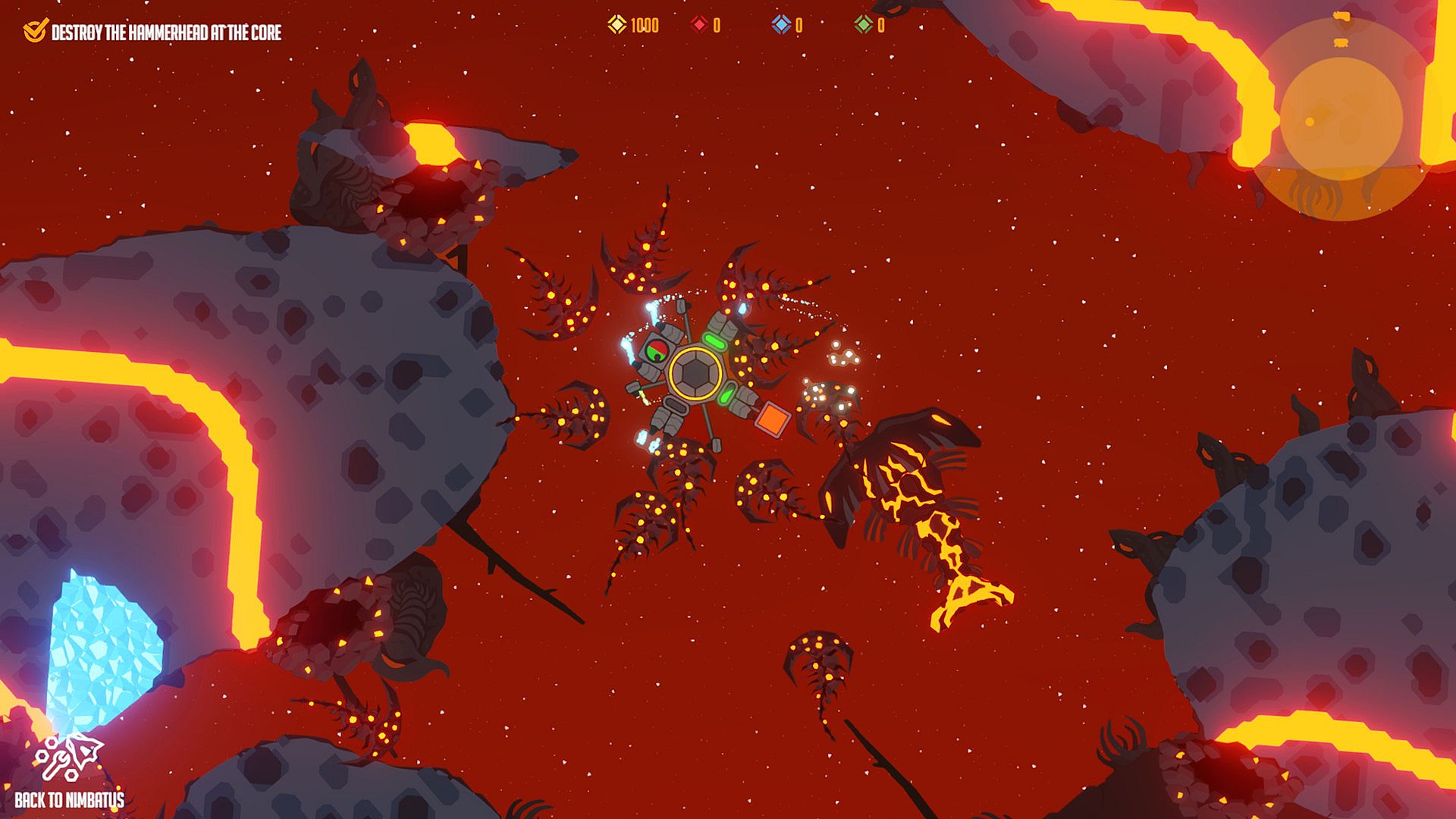
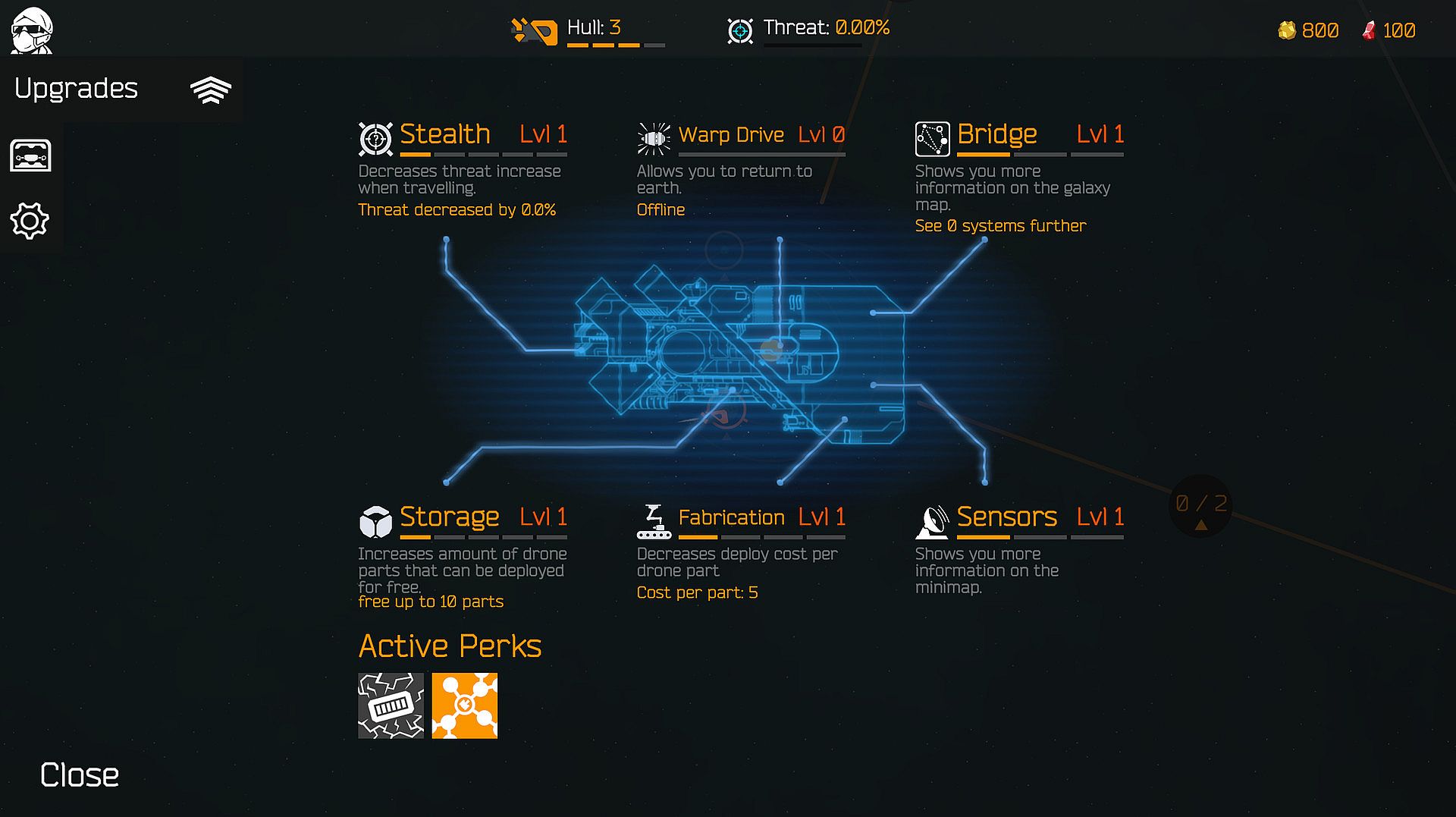
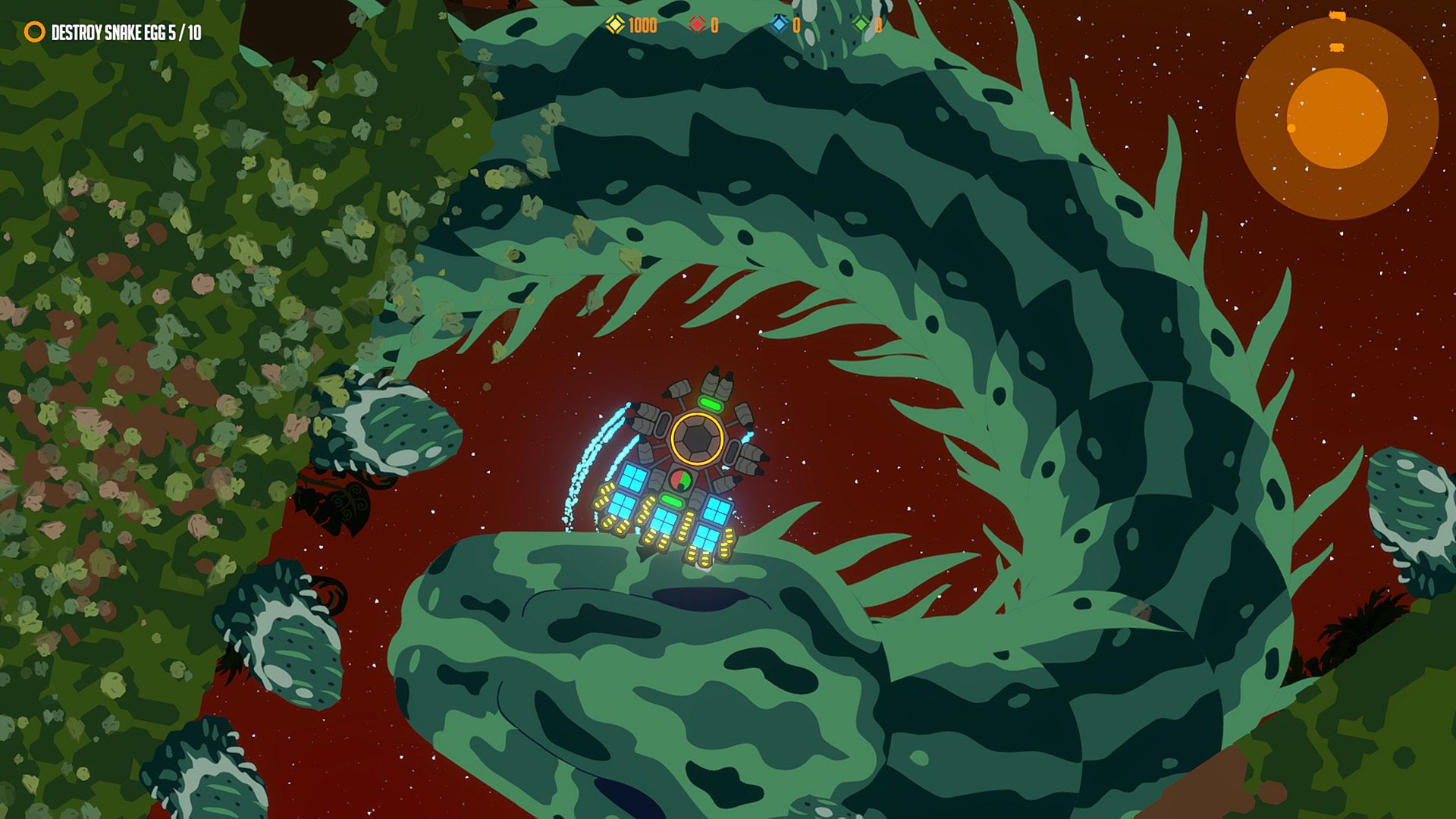
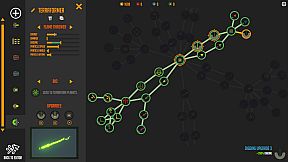
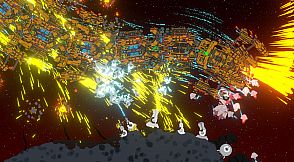
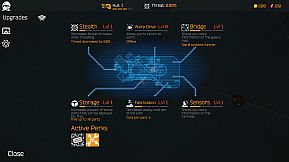
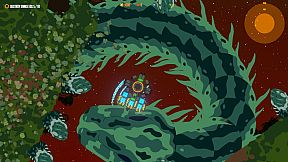
Planets feature varied biomes with distinct climates, resources, and hazards. Full destructibility means players can carve tunnels, collapse structures, or strip entire worlds for materials. Resource collection fuels upgrades and expansions, while combat involves direct control or automated sequences. The mothership itself receives improvements through a tech tree, providing support functions during missions.
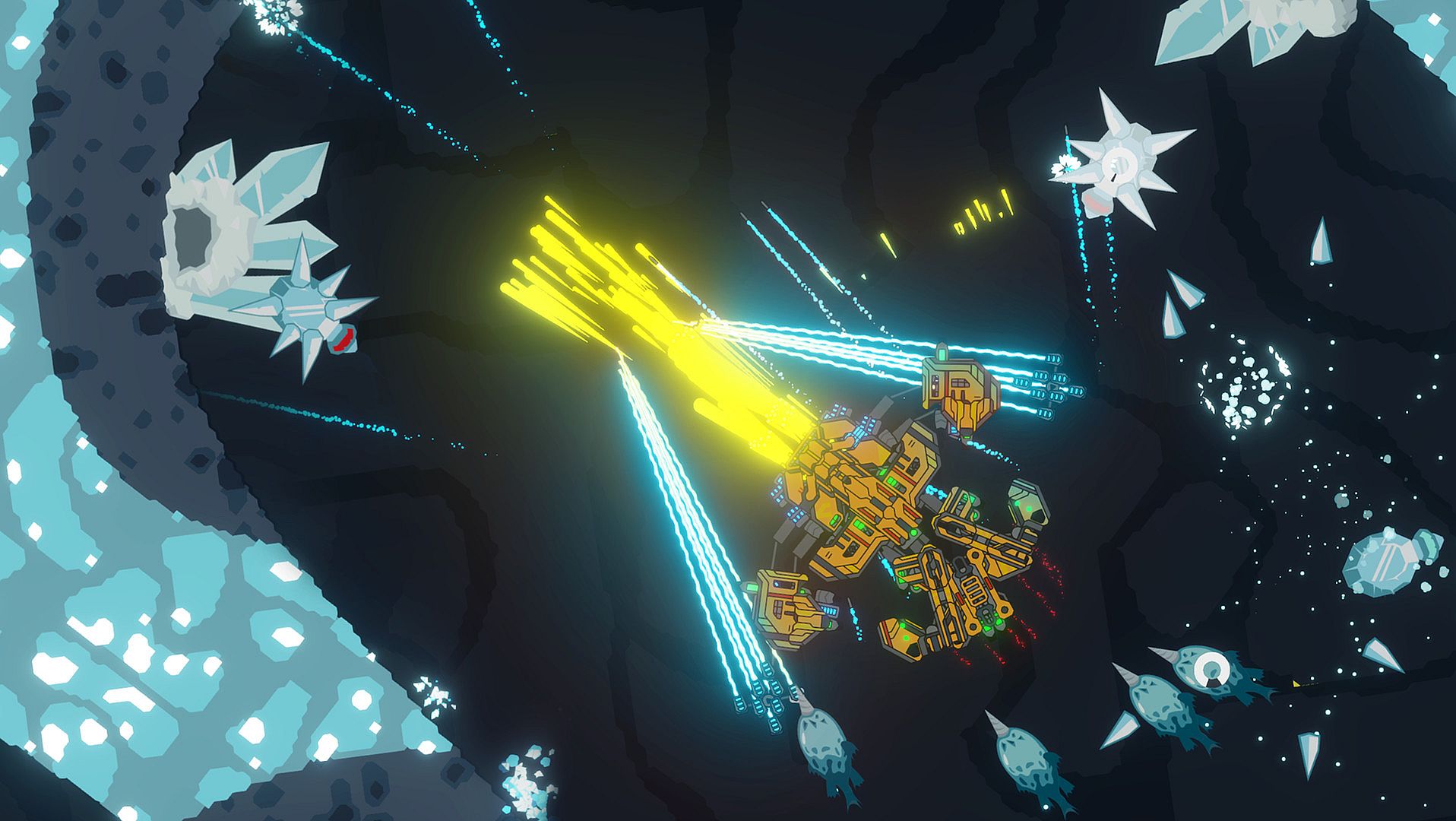
Weapon options range from standard armaments to custom creations researched in a dedicated workshop. Combinations emphasize experimentation, as different loadouts suit specific threats or objectives. Physics interactions extend to every element, so a poorly balanced drone may tumble or break apart under stress.
Game Modes
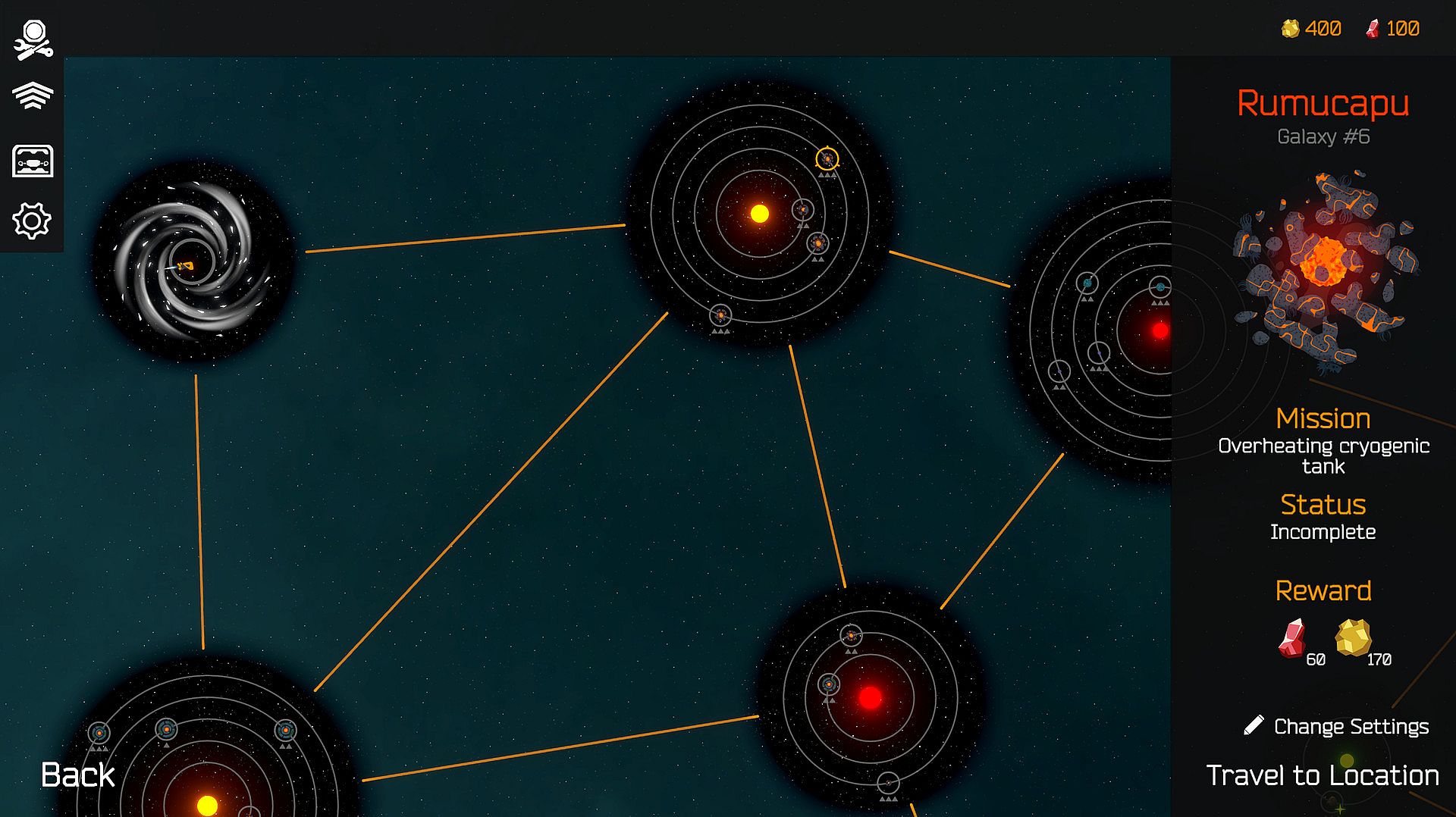
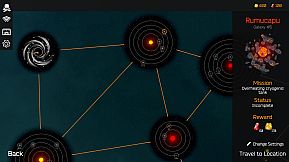
Three primary modes structure play. The survival campaign lets players select from six captains and progress through a series of challenges that expand the available parts and capabilities while confronting escalating threats. Objectives focus on survival, exploration, and arsenal growth in a connected universe.
Sandbox mode removes restrictions for open-ended creation. Parameters can be adjusted freely, resources remain unlimited, and players can test extreme designs or invent personal scenarios without external pressure.
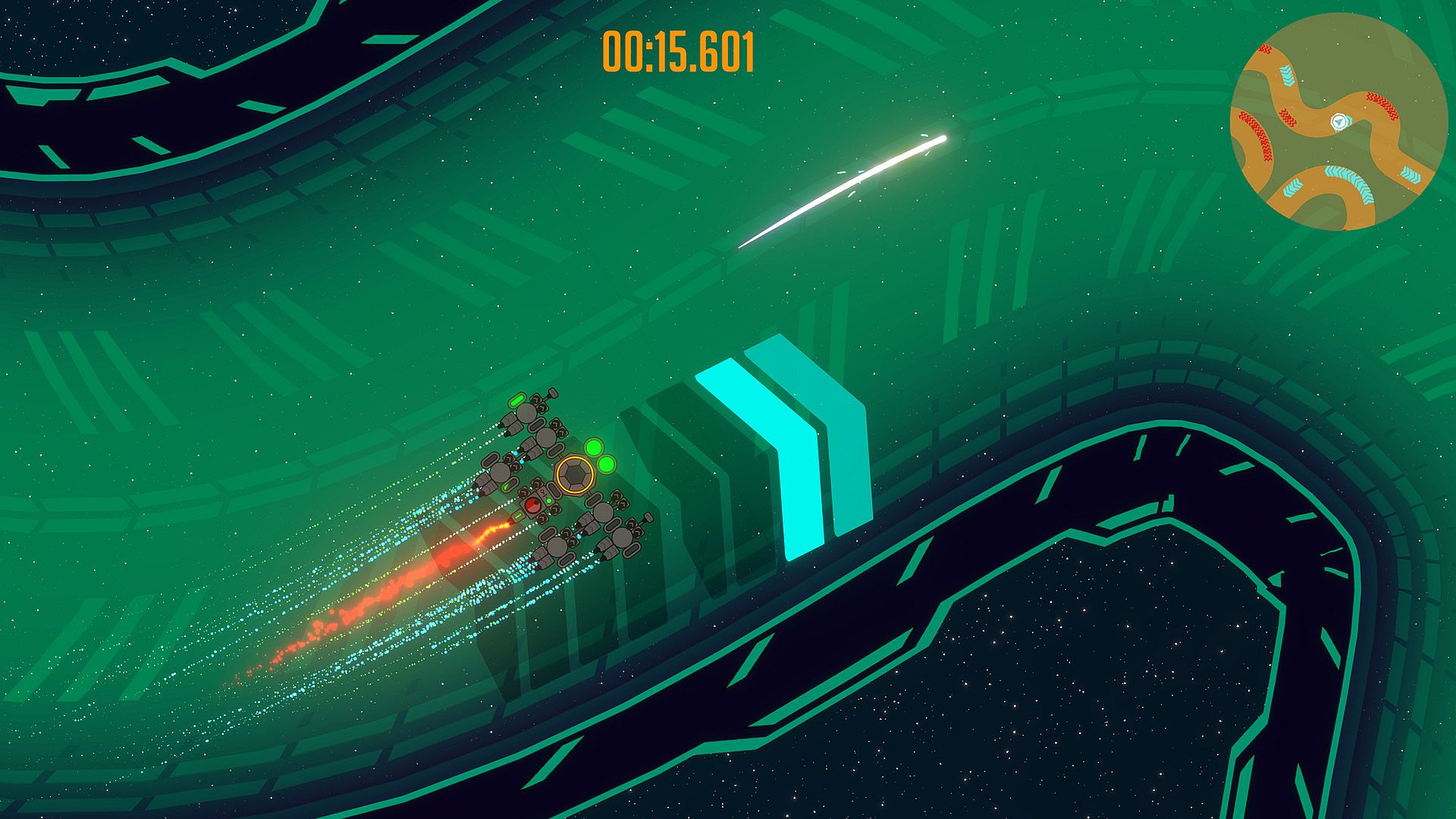
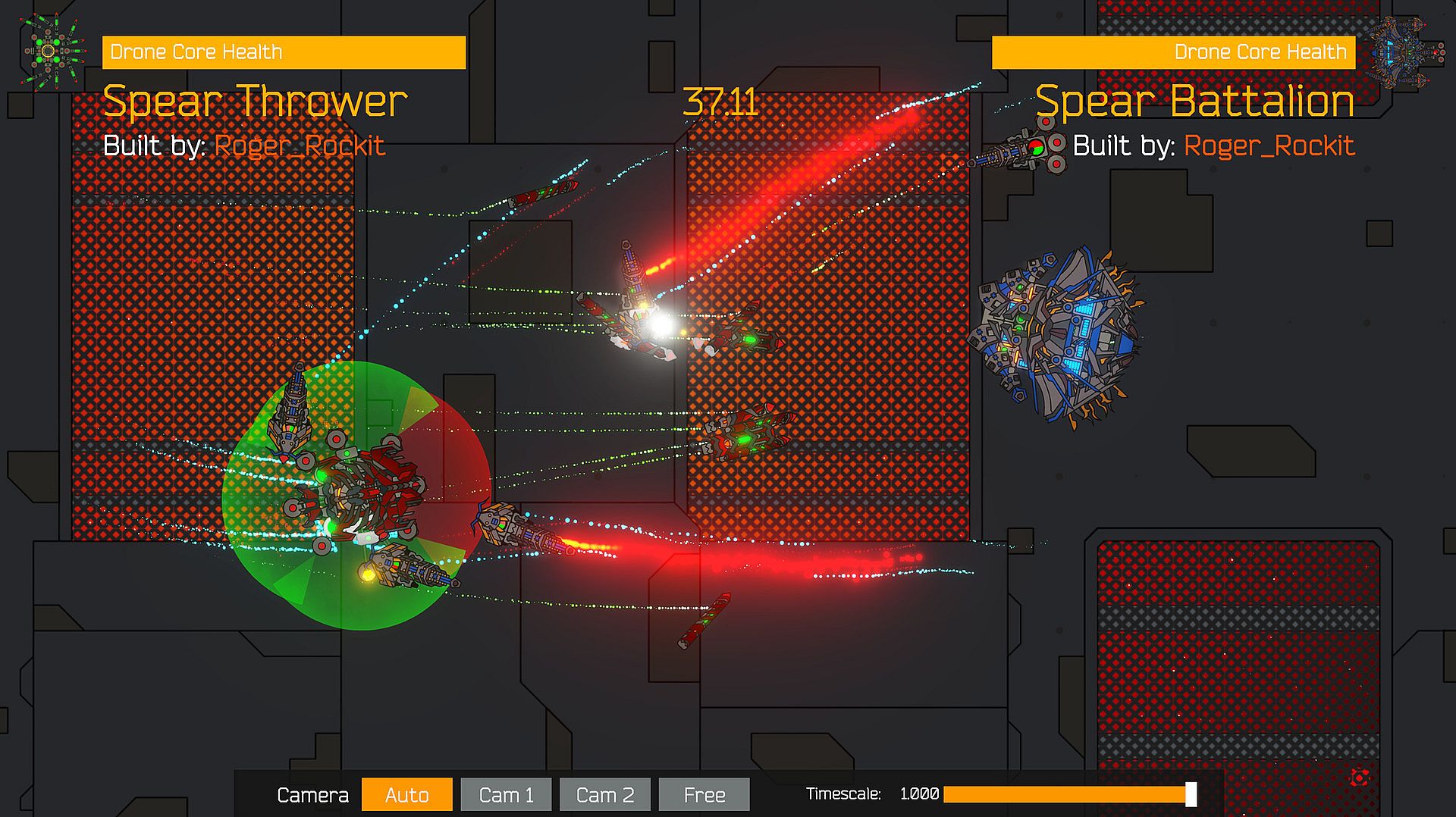
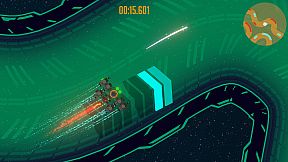
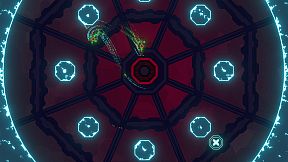
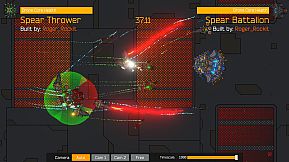
Competitive arenas shift focus to direct comparison with other builders. Available formats include Sumo, Racing, Brawl, and Catch. These test engineering choices in head-to-head or objective-based matches where drone performance determines outcomes.
Automation and Advanced Systems
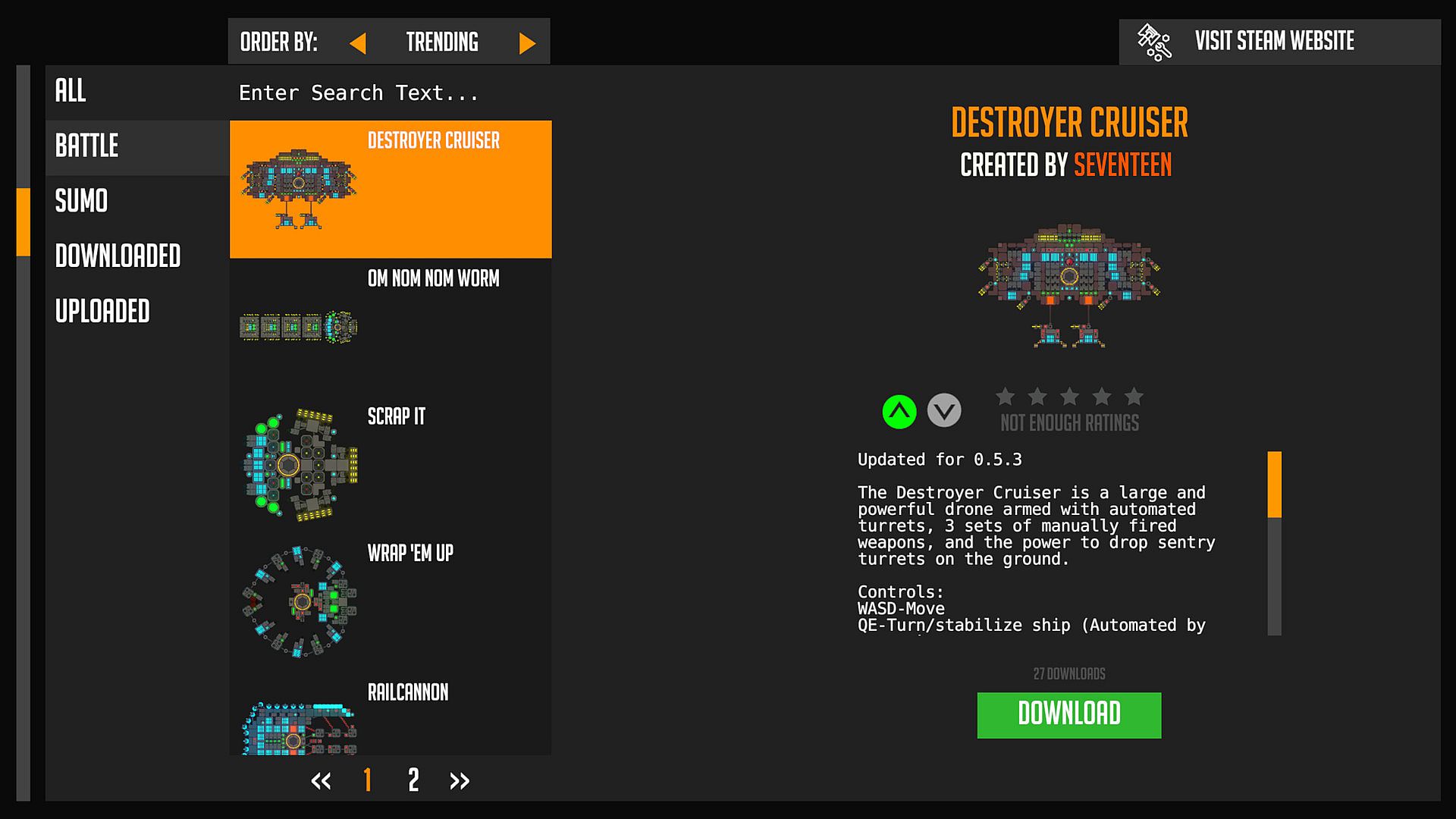
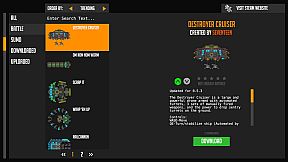
Beyond manual piloting, the game supports fully autonomous drones through sensors and logic components. These allow scripted behaviors such as target acquisition, pathfinding, or resource prioritization. Automated designs function in single-player scenarios and can be entered into competitive arenas for skill-based evaluation against community creations.
The emphasis on logic encourages iterative refinement. Players combine detection modules with conditional commands to create specialized units that operate independently, adding depth for those interested in programming-like mechanics within the construction framework.
Is It Worth Playing?
Player reception stands at mostly positive, with 79 percent approval from 1,745 reviews. The game appeals most to those who enjoy detailed building, physics simulation, and creative problem-solving over fast-paced action or narrative focus. Its procedural worlds and destructible environments provide ongoing variety for single-player sessions, while arenas offer a multiplayer outlet for sharing designs.
Support continues through the base release without additional seasonal content. Availability on PC makes it accessible for experimentation, and the sandbox option lowers barriers for casual creators. Those drawn to titles emphasizing engineering and open systems will find substantial depth, whereas players seeking guided stories or frequent updates may find the scope more limited. The verified mechanics and modes deliver consistent value for the target audience.