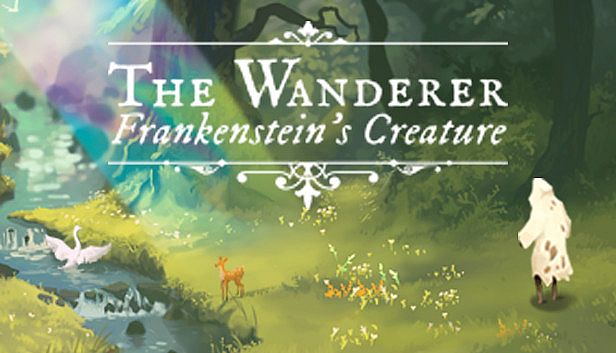




















The Wanderer: Frankenstein's Creature is an indie point-and-click adventure game that places players in the role of the Creature from Mary Shelley's classic novel. Released in 2019 for PC, the title reimagines the story through the eyes of an artificial being with no memory or moral framework. Exploration across stylized European landscapes forms the core loop, where decisions influence relationships and personal understanding rather than combat or resource management.
Gameplay
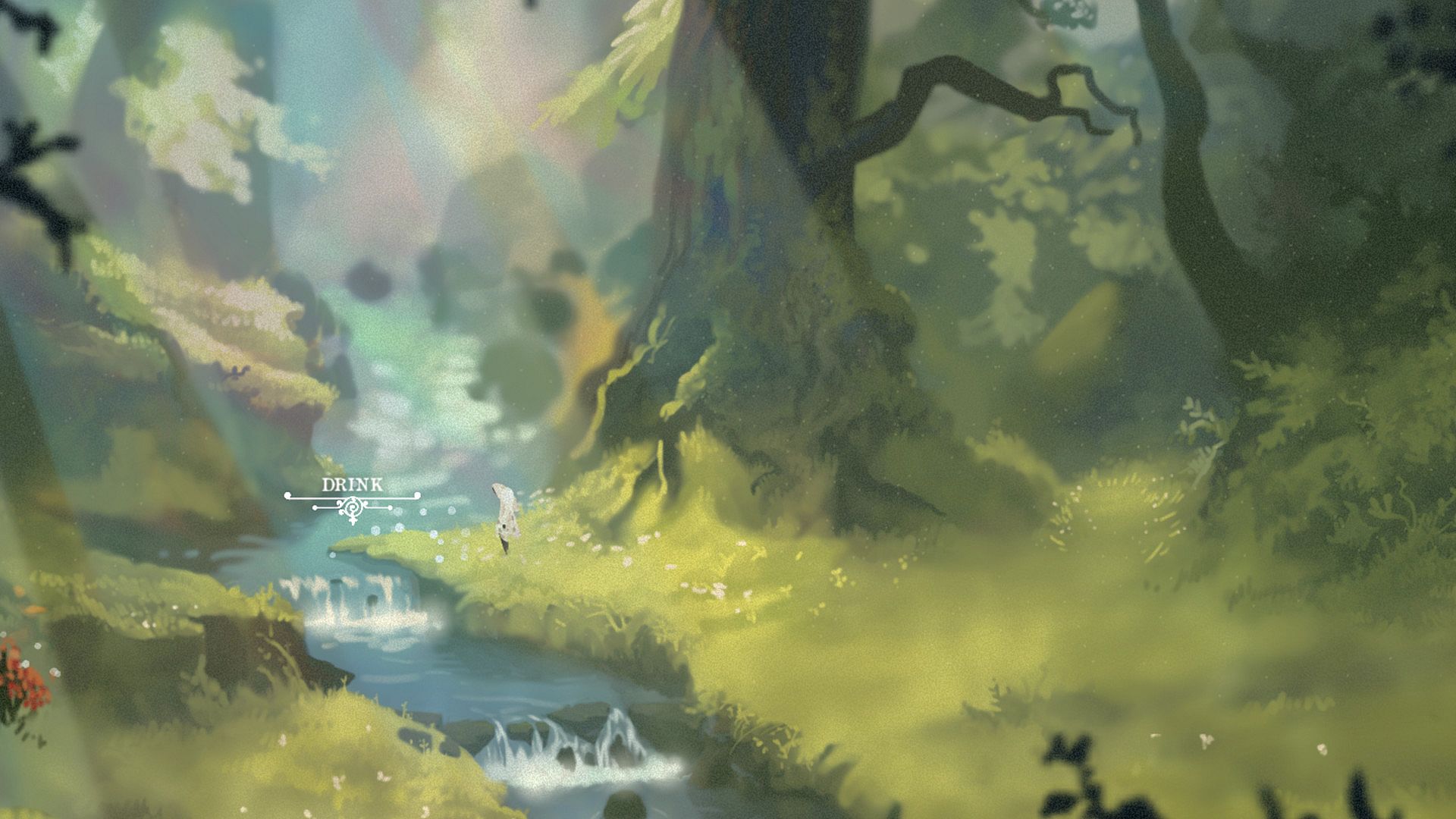
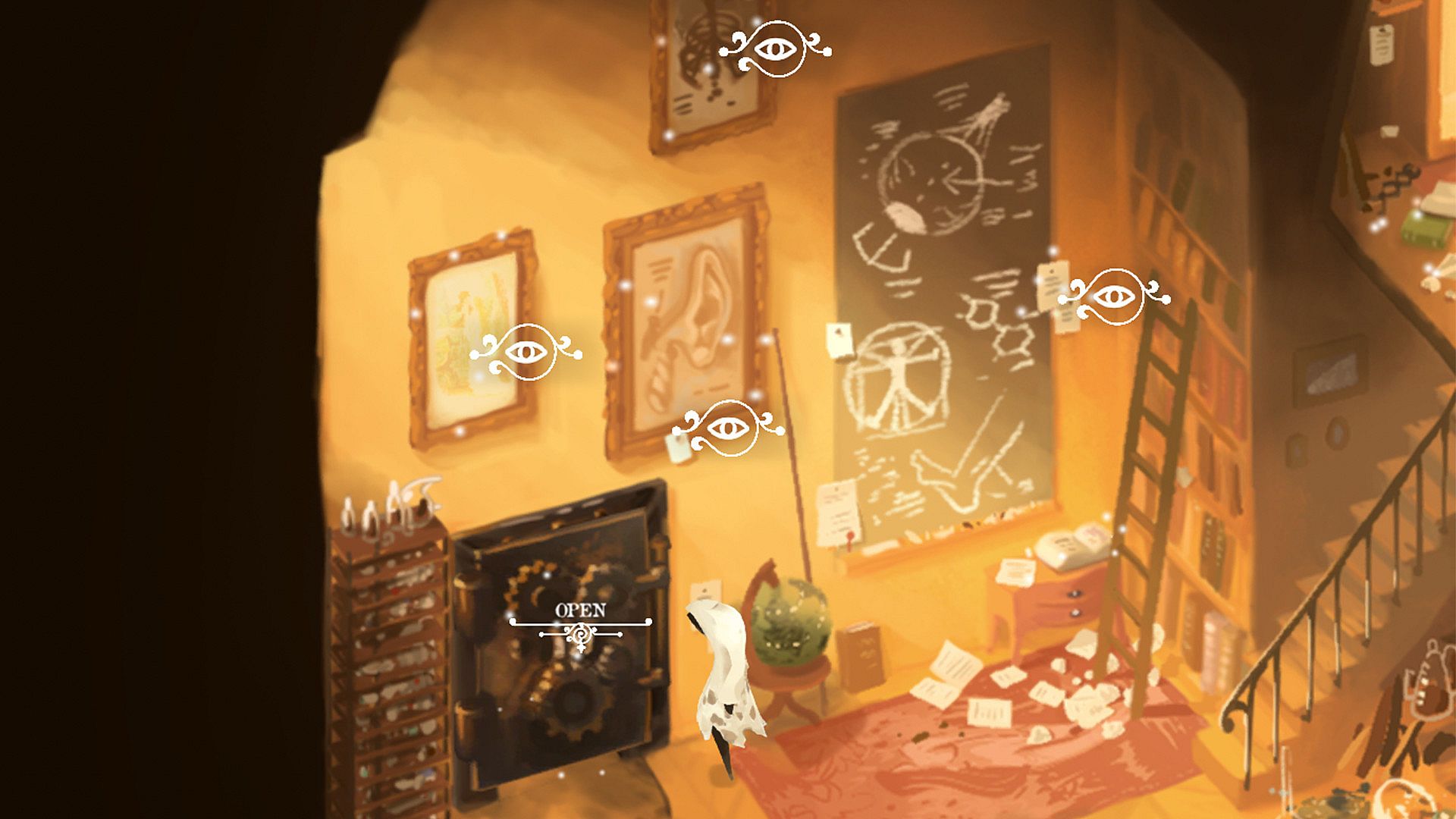
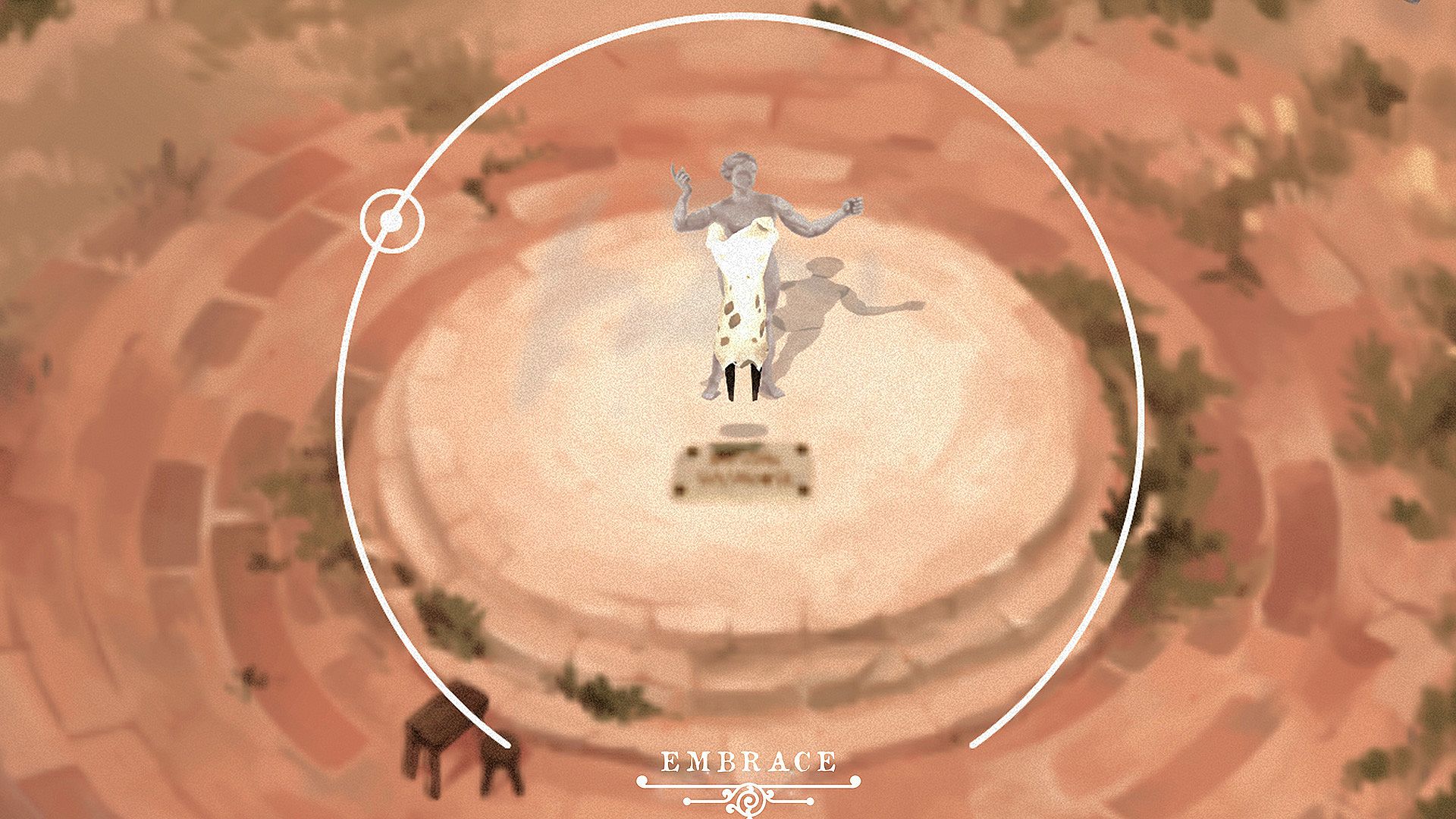
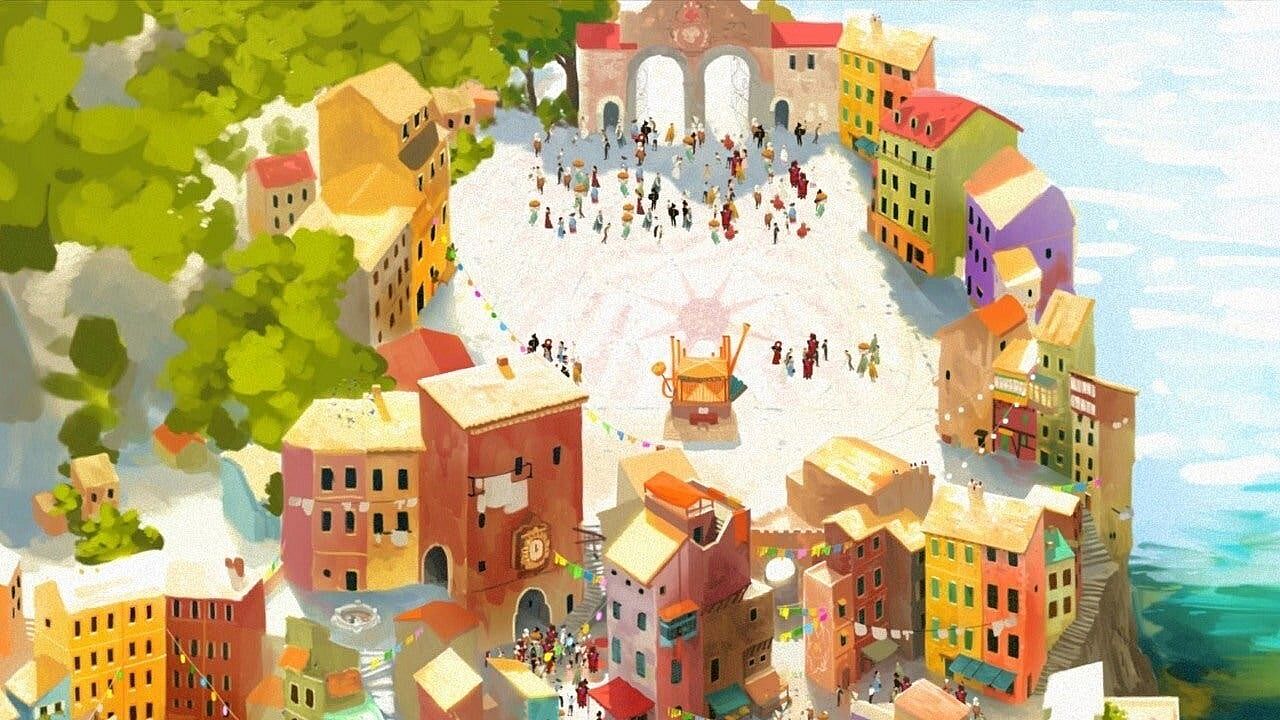
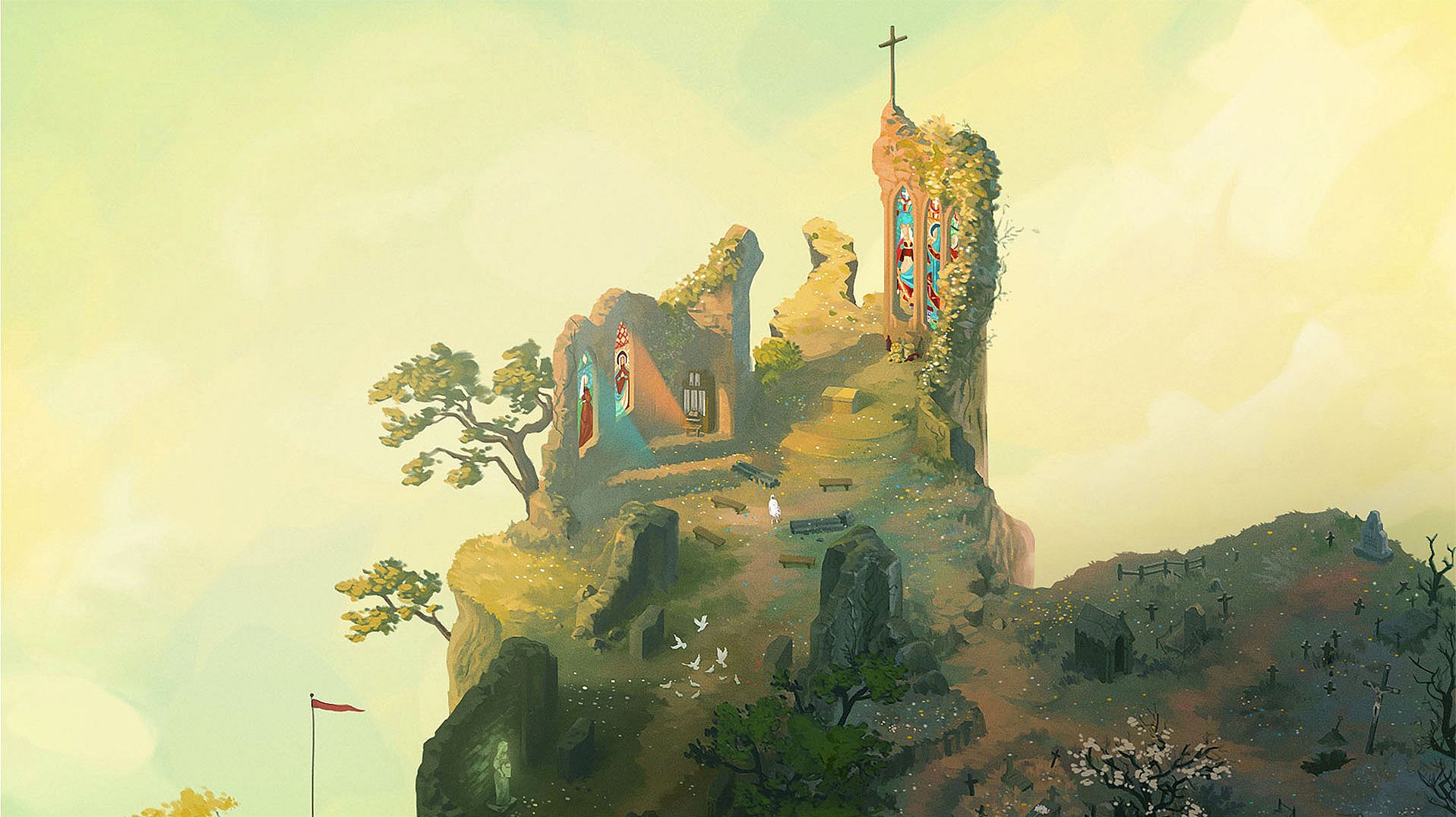
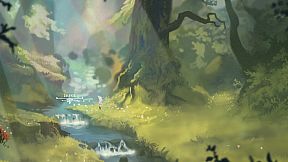
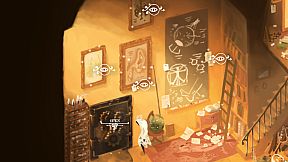
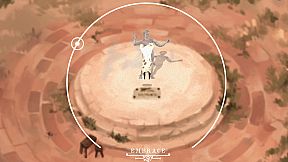
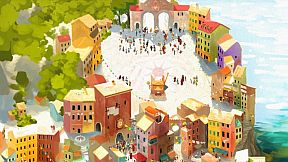
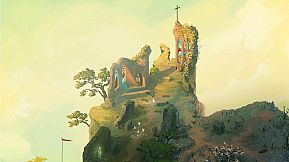
Players navigate hand-painted scenes rendered in the style of 19th-century artwork. Movement occurs through simple point-and-click interactions that reveal new areas and trigger dialogue or environmental changes. Landscapes shift in appearance and tone based on the Creature's accumulating emotions, creating a visual feedback loop that reflects internal states without requiring separate menus or stats tracking.
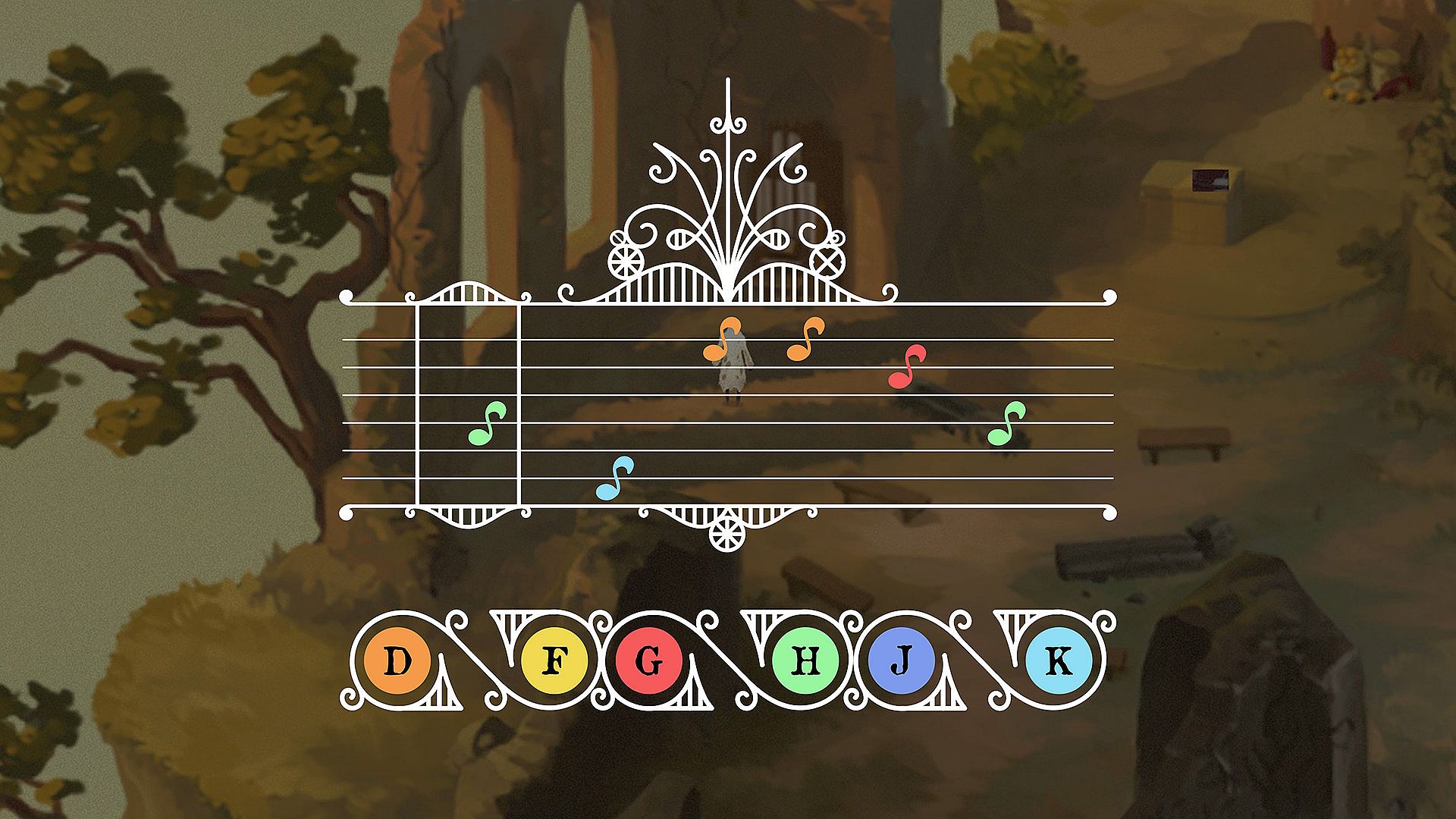
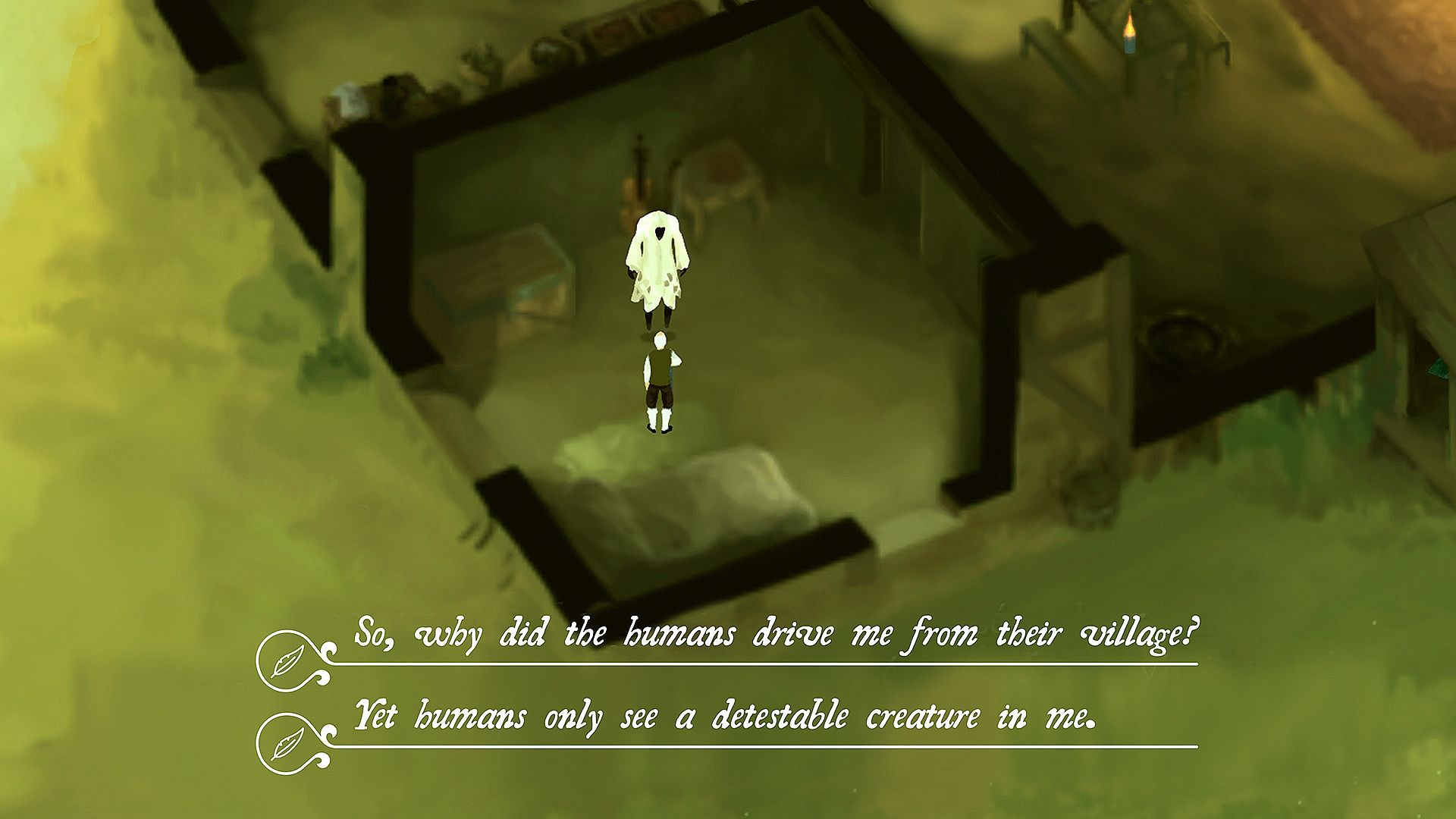
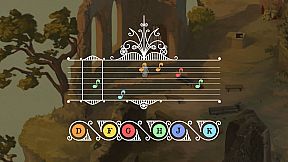
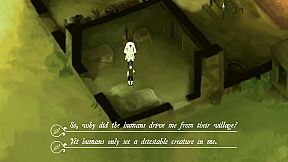
Interactions with human characters prompt choices that determine how events unfold. These moments emphasize observation and consequence over timed challenges. The soundtrack underscores moments of discovery and reflection, with piano and orchestral elements that adapt to the narrative pace. Puzzles appear sparingly, often tied to memory sequences or rhythmic patterns that fit the introspective tone.
Game Modes
The experience centers on a single continuous narrative journey across Europe. Branching paths emerge from player decisions, leading to different conclusions about the Creature's origins and place in the world. There are no separate competitive or cooperative modes; progress follows the linear structure of the story while allowing replayability through alternative choices.
Exploration remains open within each painted chapter, encouraging players to revisit locations after emotional shifts alter the environment. The structure supports multiple playthroughs focused on different moral alignments or levels of curiosity about the past.
Story and Atmosphere
The narrative follows the Creature's awakening and subsequent travels as it encounters people who react to its appearance and questions its existence. Themes of identity, belonging, and the weight of creation drive the plot without relying on horror tropes common to other Frankenstein adaptations. Visuals drawn from 18 distinct paintings maintain a consistent artistic identity that blurs the line between the game world and classical illustration.
Emotional progression directly affects the presentation of locations, turning serene vistas into more somber or vibrant scenes depending on prior interactions. This system reinforces the central idea that experiences shape perception, both for the character and the player.
Is It Worth Playing?
Player feedback on the PC version has been very positive, with an 84 percent approval rating from hundreds of reviews. Reviewers frequently highlight the striking artwork, cohesive soundtrack, and thoughtful handling of the source material as standout elements. The game suits those seeking a short, contemplative singleplayer experience rather than action or complex systems.
Its focus on choice-driven storytelling and evolving visuals makes it a strong fit for fans of narrative adventures. Those who prefer fast-paced mechanics or multiplayer elements may find the deliberate pace less engaging. The title remains available at a modest price with no ongoing seasonal content or required updates beyond its original release state.