




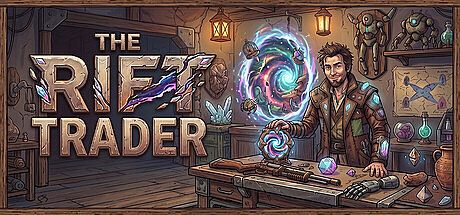


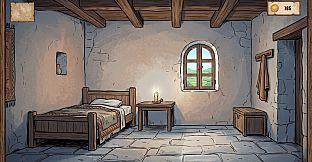
The Rift Trader is a strategy indie casual simulation game centered on crafting, trading, and narrative choices in an unfamiliar setting. Players begin by receiving an unexpected package that transports them into unknown realms, where the goal centers on crafting items, negotiating with locals, and finding a path home through resource management and relationship building.
Gameplay
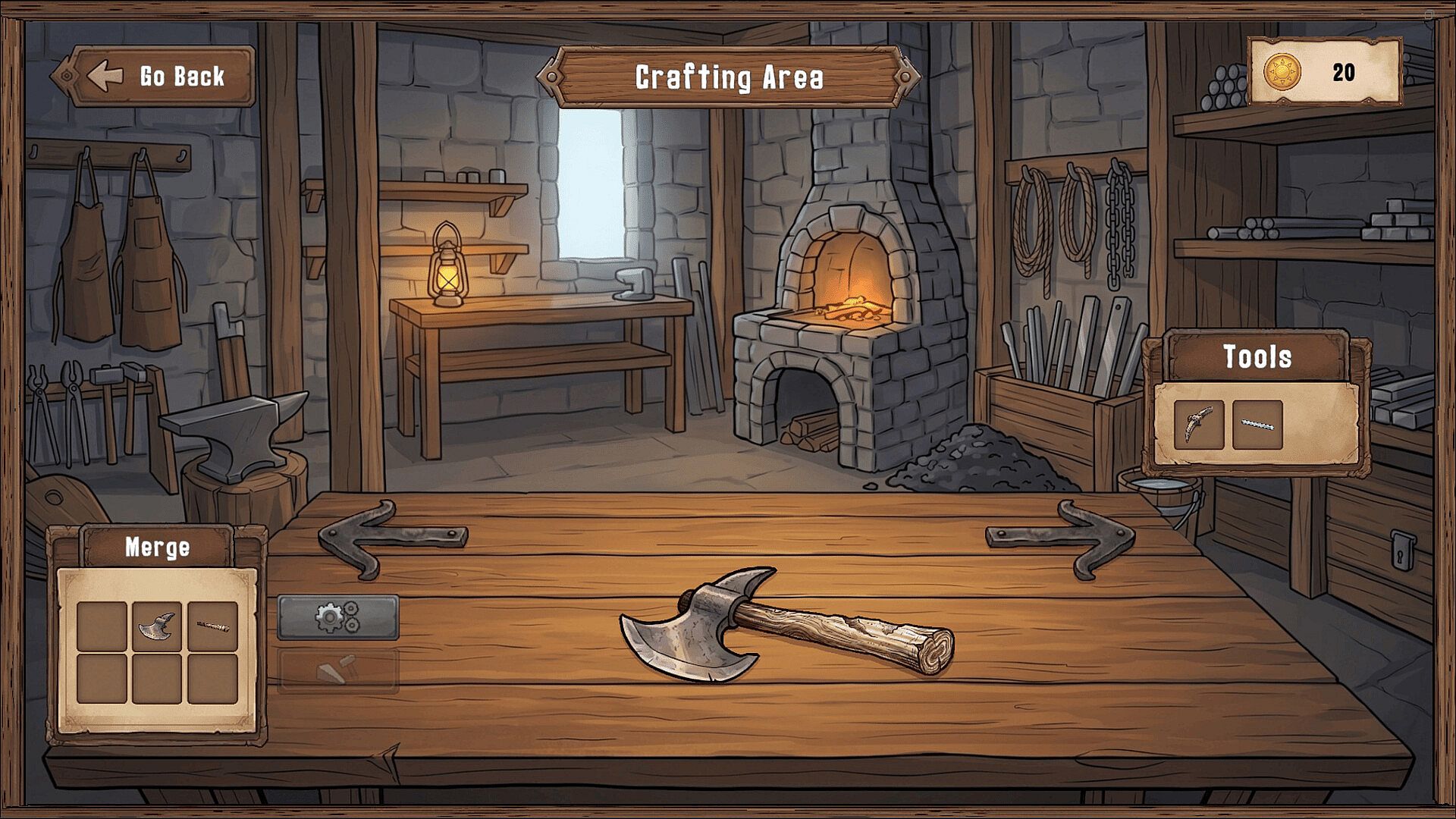
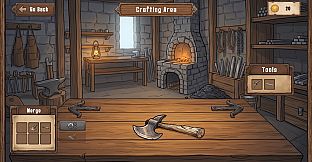
Core gameplay revolves around salvaging discarded materials from various realms and breaking them down into basic components. Modular crafting allows merging parts to create tools, weapons, and other items that fulfill specific orders from clients who visit the workshop. This system emphasizes experimentation with combinations to match exact requirements for success in deals.
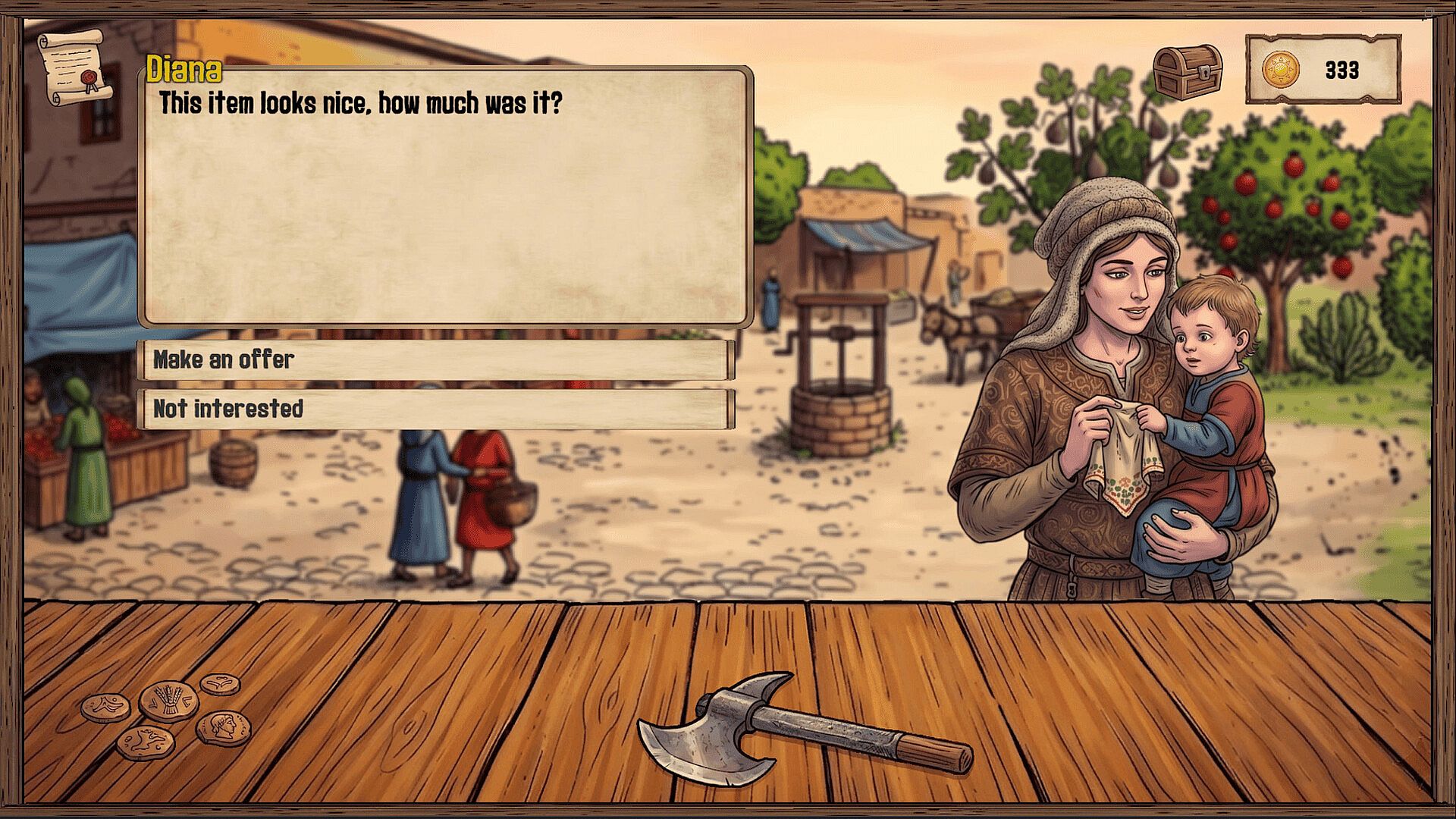
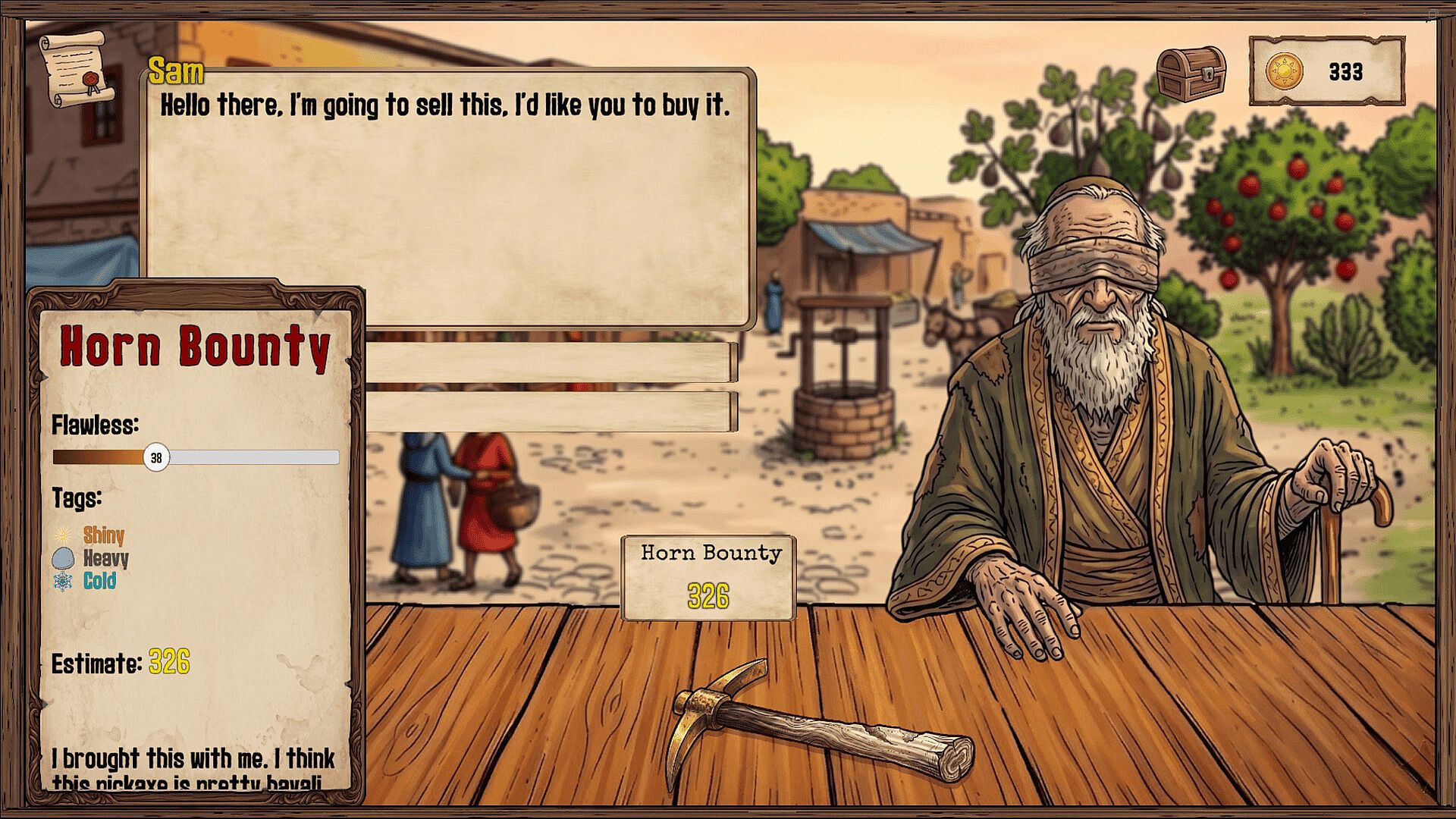
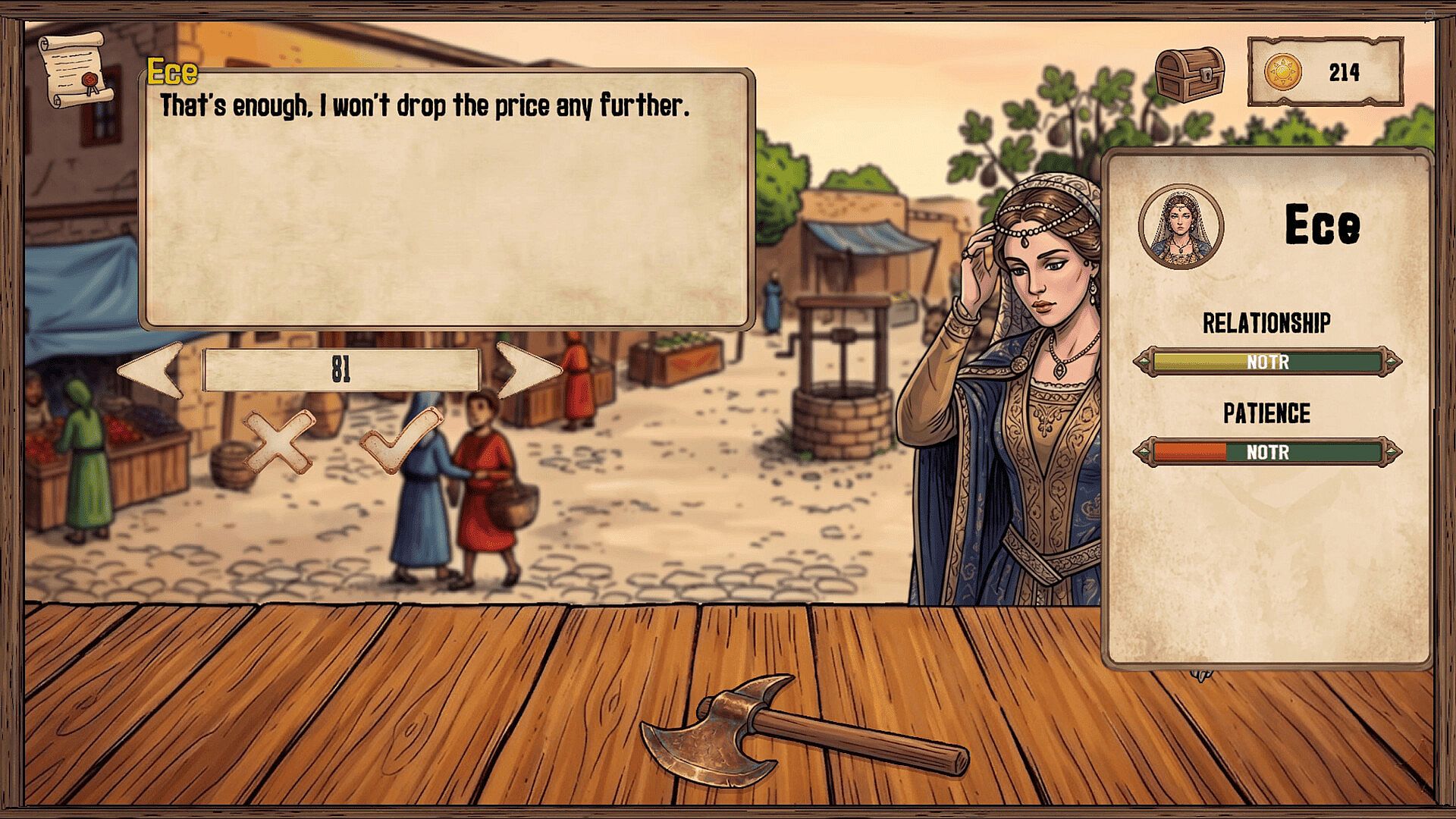
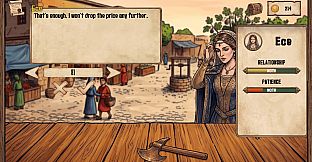
Negotiation forms another key layer, as interactions with unique characters depend on accumulated trust. Fair trades strengthen bonds and open new options, while deceptive moves can damage relationships permanently and limit future opportunities. Every transaction carries consequences that shape the overall journey.
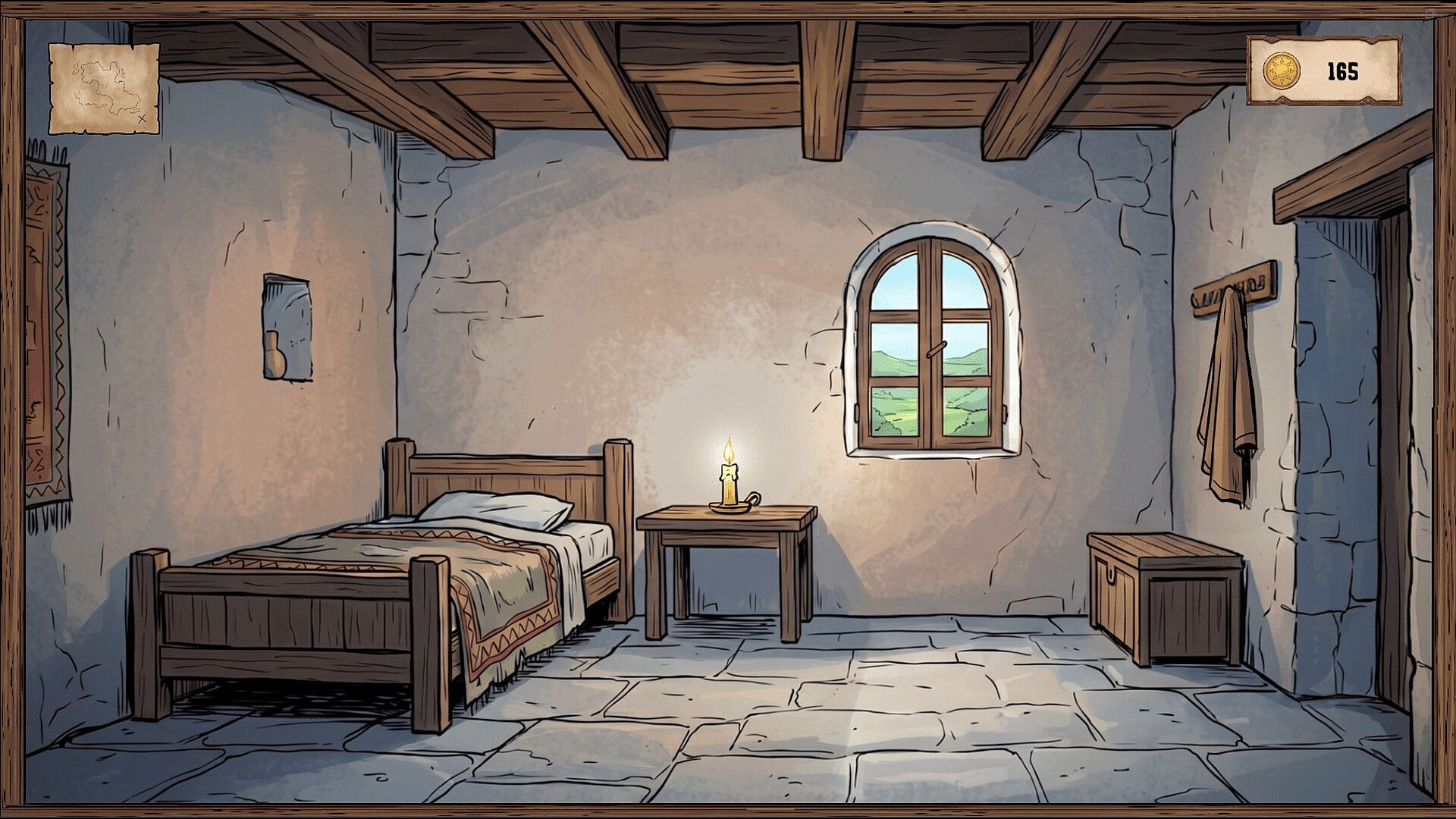
Survival ties directly to these activities, requiring players to balance resource gathering, item creation, and social decisions without relying on combat or exploration in traditional senses. The focus remains on thoughtful assembly and careful deal-making within the workshop environment.
Game Modes
The experience unfolds as a single-player narrative journey without separate competitive or multiplayer modes. Progression occurs through sequential client encounters and crafting challenges that advance the story of returning home. Choices in each interaction influence available paths and long-term outcomes in a linear yet branching structure.
Players engage in repeated cycles of collection, breakdown, and assembly to meet demands, with trust mechanics adding layers of strategy to how deals are approached over time. No additional modes such as endless survival or versus play appear in the design.
Narrative and World Building
The story drives forward through the perspective of someone displaced into fragmented realms, relying on locals for information and resources. Each character brings distinct needs and personalities that affect how trades unfold and what information or items become accessible.
World elements emerge via the remnants salvaged and the stories shared during negotiations, revealing details about the broken realms without direct travel or combat. The setting emphasizes isolation and adaptation through practical skills rather than heroic exploits.
Is It Worth Playing?
This title suits players who enjoy deliberate crafting systems combined with interpersonal strategy in a relaxed simulation format. The emphasis on consequences from every deal provides replay value for those interested in exploring different approaches to trust and negotiation.
Its indie scale and focused mechanics appeal to fans of casual strategy games that prioritize thoughtful decision-making over fast action. Availability on PC makes it accessible for those seeking a contained experience built around resource transformation and relationship management.
Current development status indicates an emphasis on core loops of salvaging and trading, with potential for future refinements based on player feedback in similar titles. Those drawn to narrative-driven simulations with tangible choice impacts will find the structure rewarding.











