




















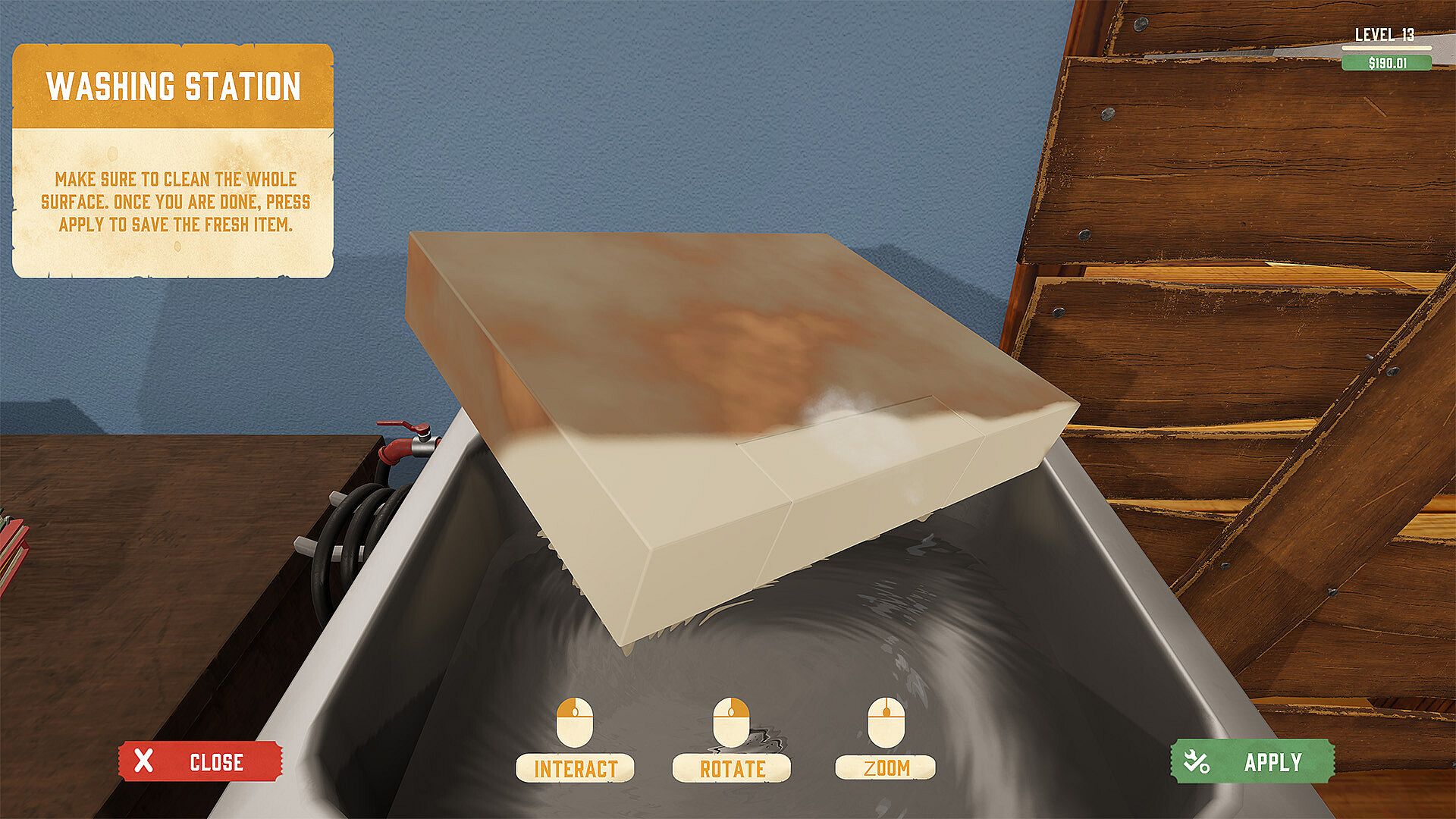
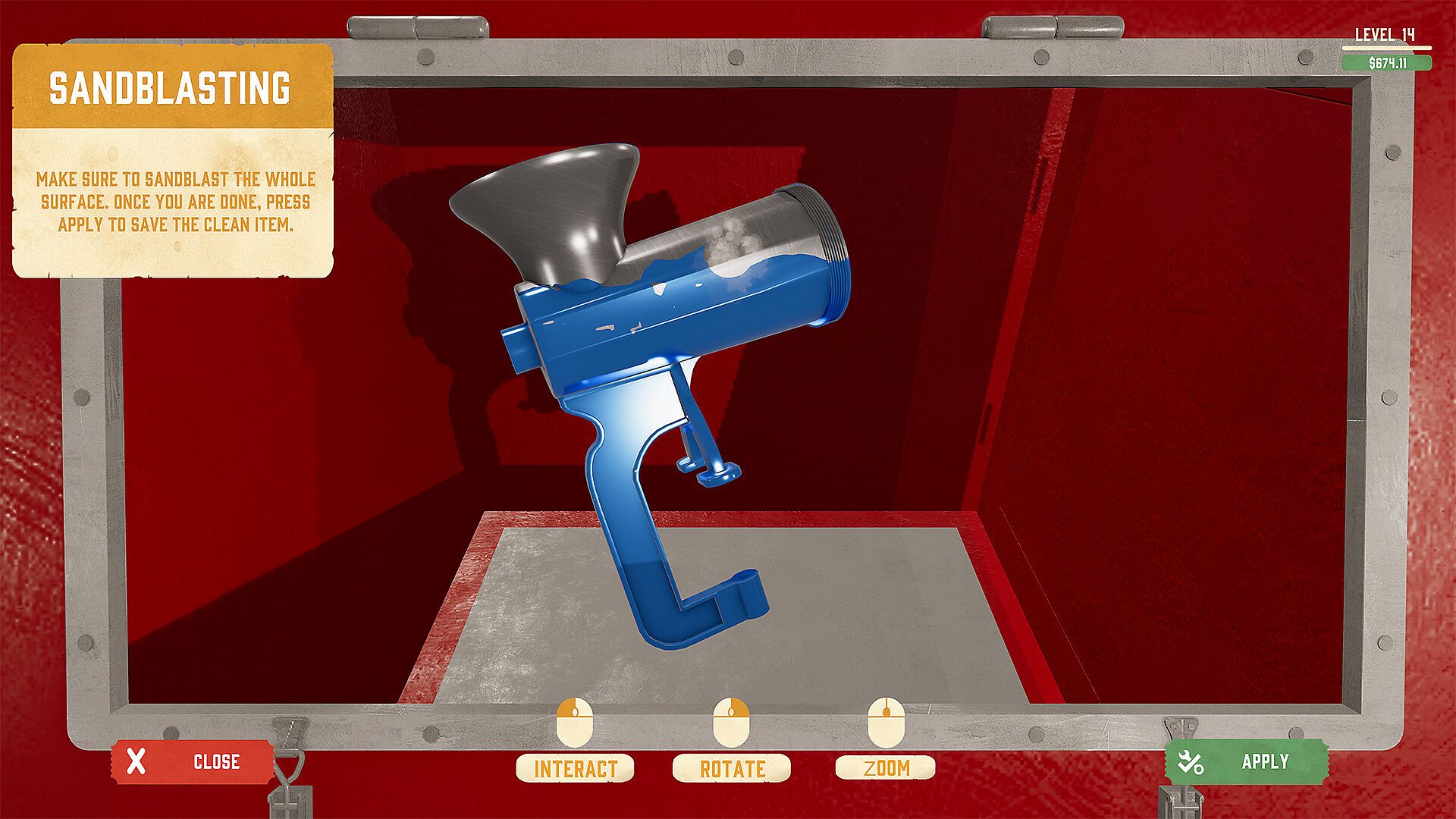
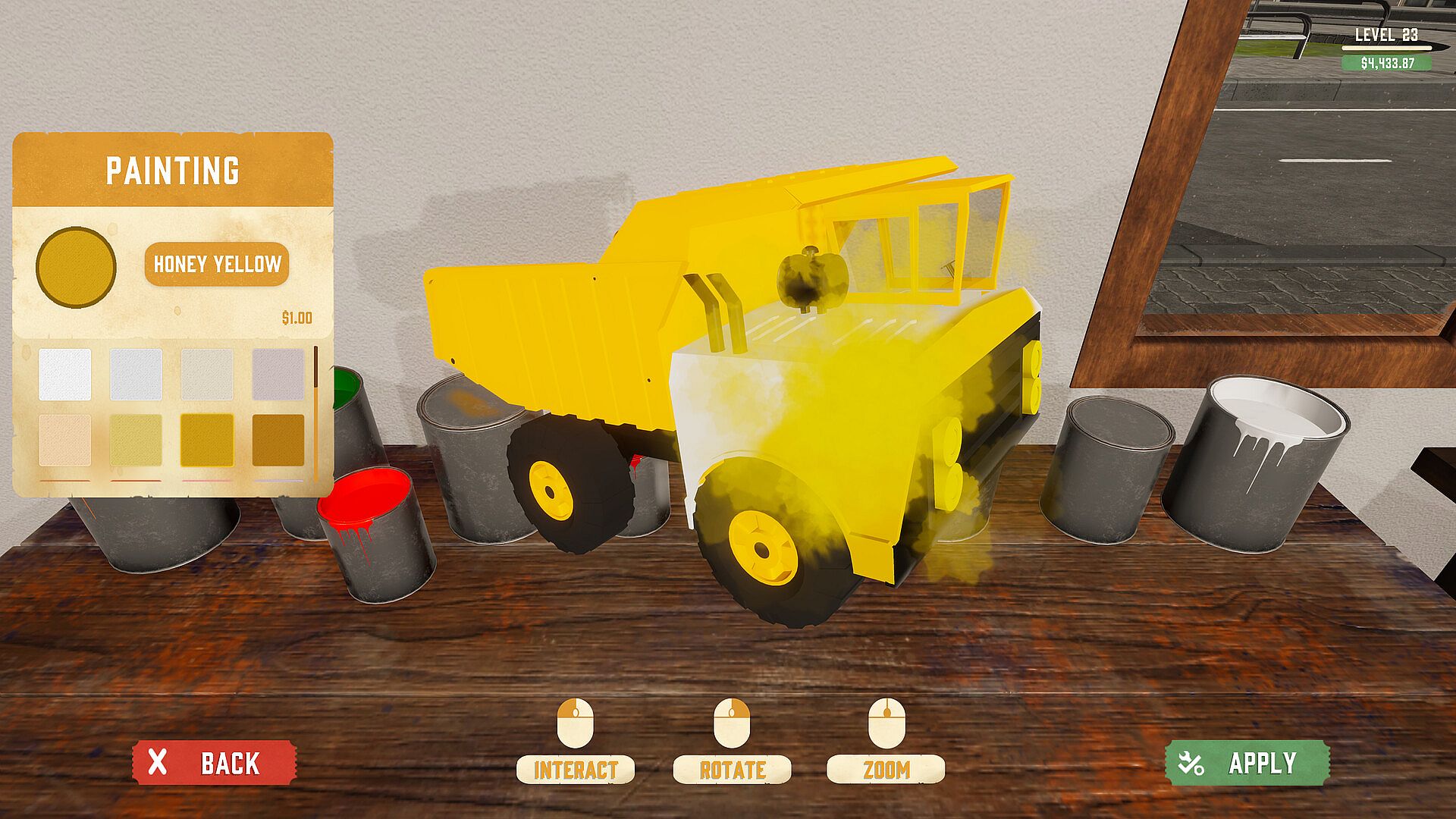
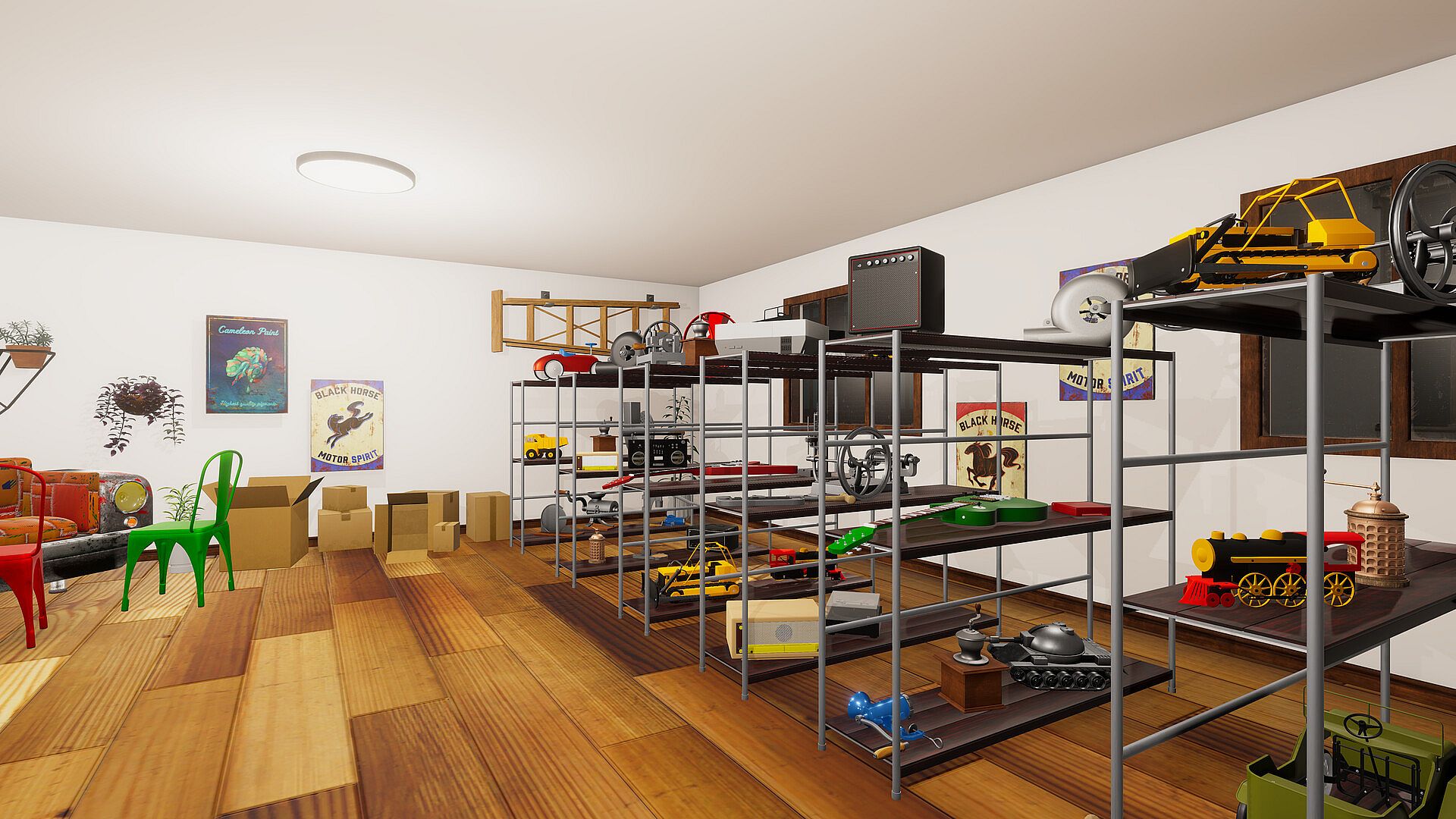
The Repair House: Restoration Sim is a single-player casual simulation game focused on running a personal workshop dedicated to finding, disassembling, cleaning, repairing, and refinishing a wide variety of everyday and collectible objects. Players take on the role of a restorer who sources items through exploration and bidding, then brings them back to a functional and visually appealing state using hands-on tools and techniques. The experience emphasizes methodical steps over speed, with accurate representations of real-world items such as musical instruments, arcade cabinets, antiques, and toys.
Gameplay
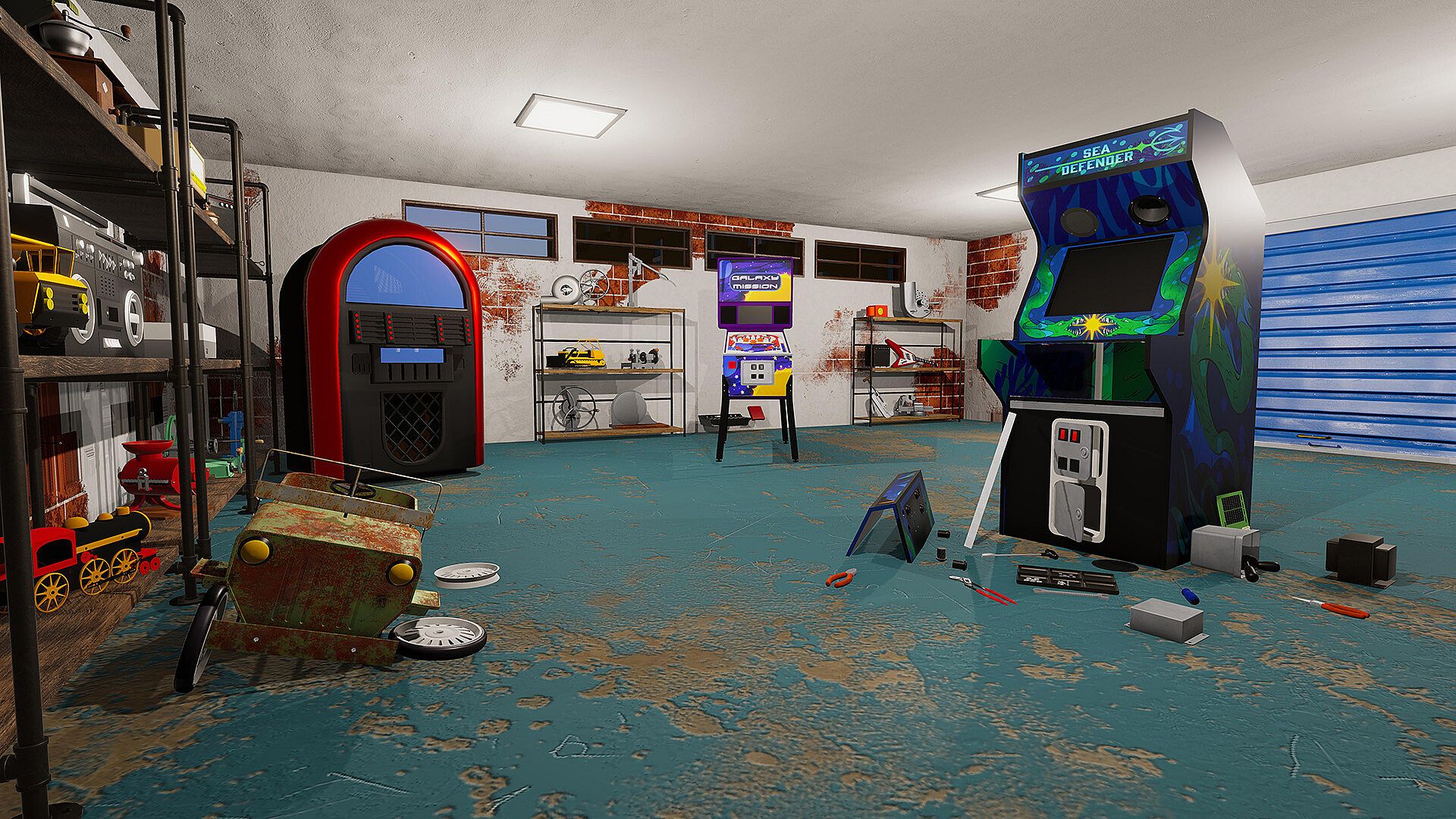
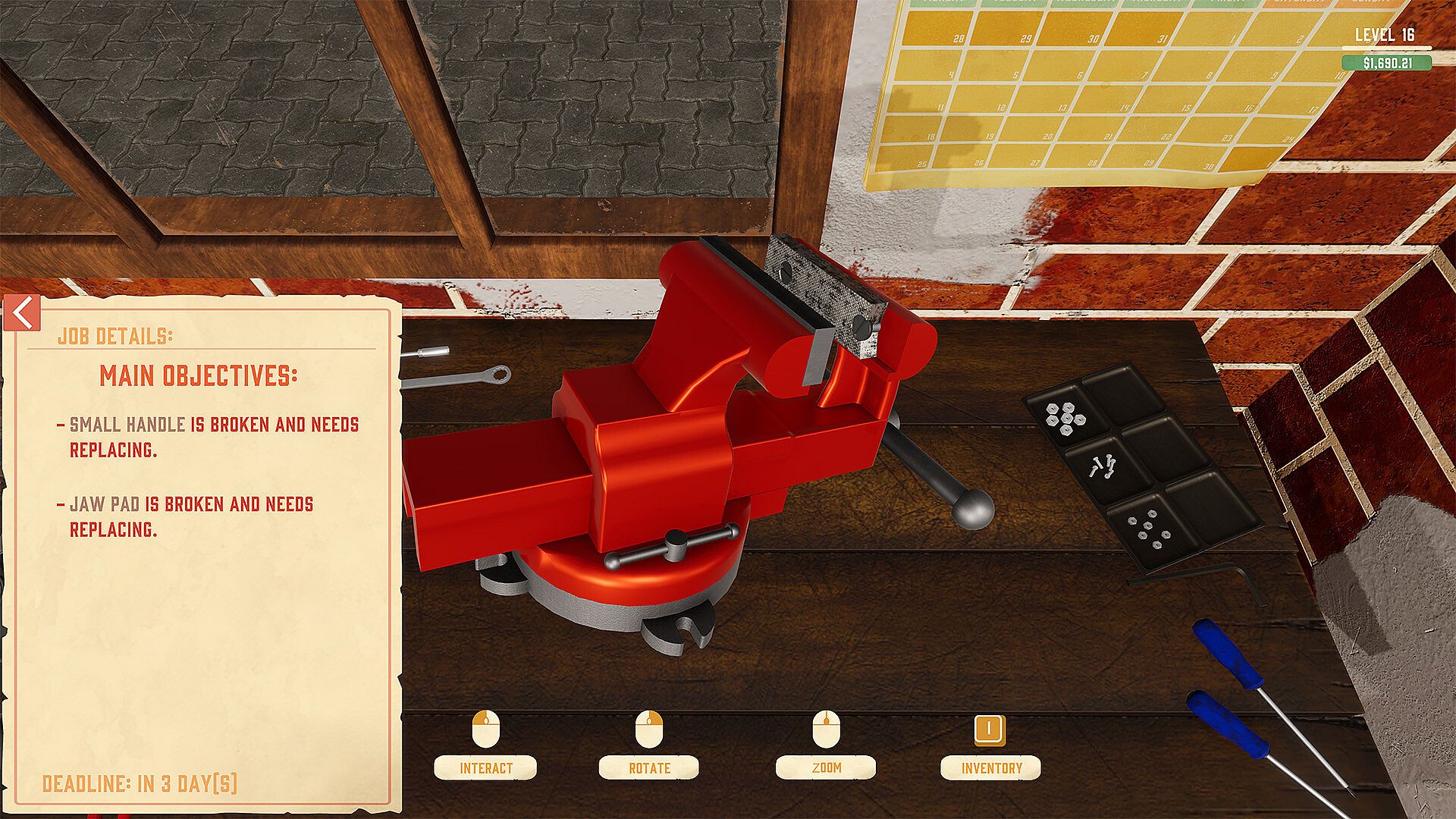
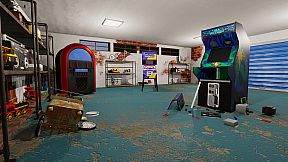
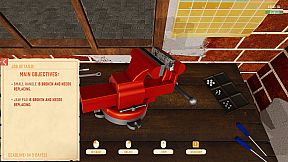
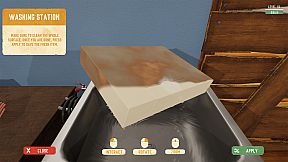
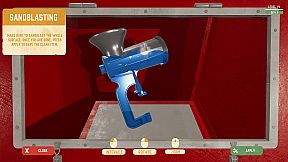
Core gameplay revolves around a detailed restoration process that begins with sourcing. Players visit locations including old barns, flea markets, auction houses, and storage units to locate items. Bargaining with sellers or bidding on lots adds a layer of decision-making, as the contents of some purchases remain partially unknown until opened. Once acquired, each item requires careful disassembly to identify and handle individual components before cleaning, rust removal through sandblasting, and reassembly.
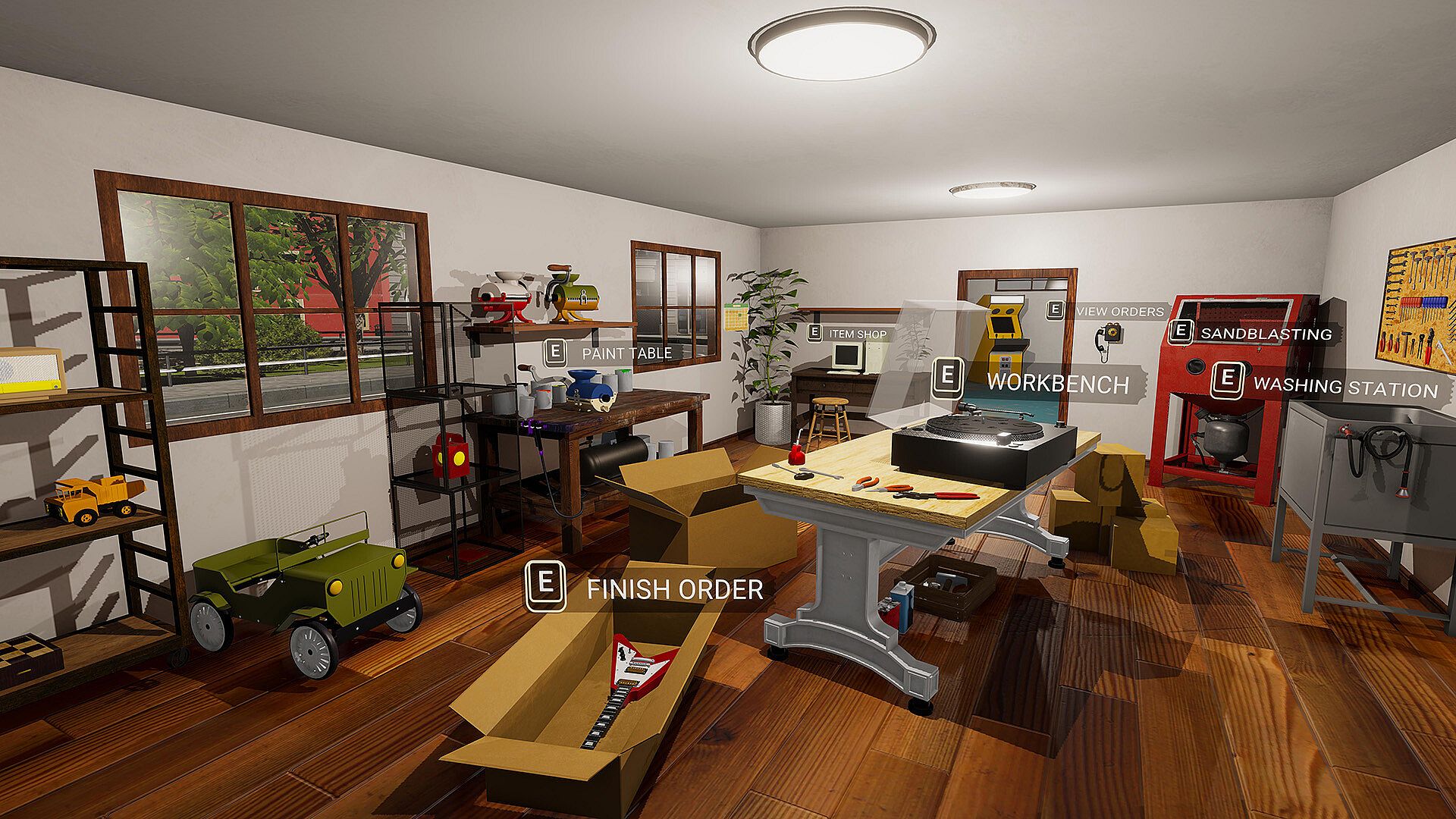
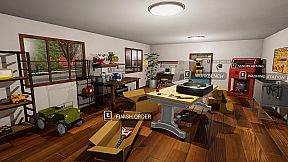
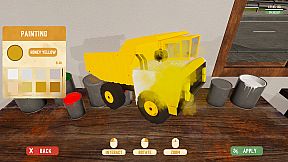
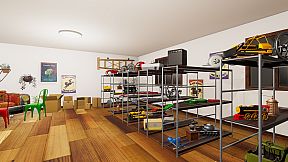
Workshop management forms another key pillar. Players arrange tools and equipment within a customizable space, unlock new stations as progress continues, and expand the facility to handle larger or more complex projects. Painting tools allow full creative control over final finishes, while display cases provide options for showcasing completed work. The loop encourages repeated visits to different sourcing sites, where missing parts from one restoration may turn up during later jobs.
Progression feels steady through equipment upgrades and space improvements rather than levels or experience points. Each restoration teaches the specific sequence needed for that object type, rewarding patience and attention to detail with satisfying visual transformations from worn to renewed condition.
Game Modes
The game operates entirely in a single-player format without separate competitive or cooperative modes. Instead, variety comes from the different sourcing and restoration activities available. Exploration of barns and storage units focuses on discovery and haggling, often involving hidden keys or mystery lots. Flea market visits emphasize quick finds and potential profit through targeted repairs. Auction house bidding introduces competition against other buyers for rare pieces needed to finish collections.
Restoration itself serves as the central activity across all paths, with each item type presenting unique disassembly and finishing challenges. Players can shift focus between sourcing runs and workshop work at any time, creating a flexible daily routine that mixes travel, negotiation, and hands-on crafting. No timed challenges or score-based systems appear; the emphasis stays on personal satisfaction from completing each project to a high standard.
Workshop Customization and Progression
Players begin with a basic setup and gradually expand both the physical layout and available tools. Unlocking new equipment opens opportunities for more advanced restorations, while decoration options let the space reflect individual taste through accessories and display arrangements. This system rewards consistent play by gradually increasing capacity and efficiency without introducing complex skill trees.
Item variety keeps the work engaging over time. Musical instruments demand precise reassembly of delicate parts, while industrial antiques benefit from heavy cleaning and metal restoration. Toys and arcade cabinets add lighter or more colorful projects that contrast with heavier antiques. The accurate modeling of each object encourages careful observation during every step.
Is It Worth Playing?
Reception has been mixed, with just over half of user reviews expressing positive sentiment. The game appeals most to players who enjoy slow-paced, detail-oriented simulation experiences similar to other restoration or building titles. Those who appreciate methodical disassembly, creative painting, and the satisfaction of visible improvement will likely find the loop engaging.
A free demo exists for anyone unsure about the pace or mechanics. The developer has shown willingness to incorporate player feedback through ongoing updates. Overall, the title suits individuals seeking a relaxing single-player activity centered on craftsmanship rather than action or narrative elements. If the core loop of sourcing, repairing, and customizing matches personal interests, it offers a solid option within the casual simulation genre.