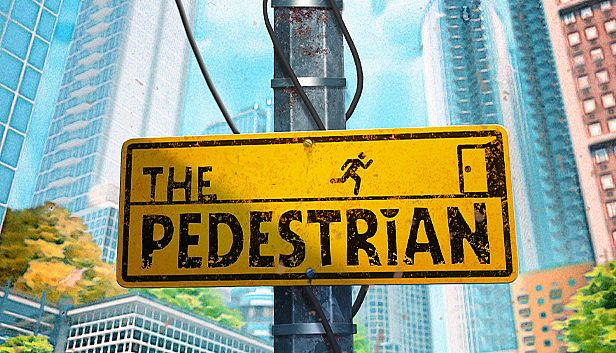













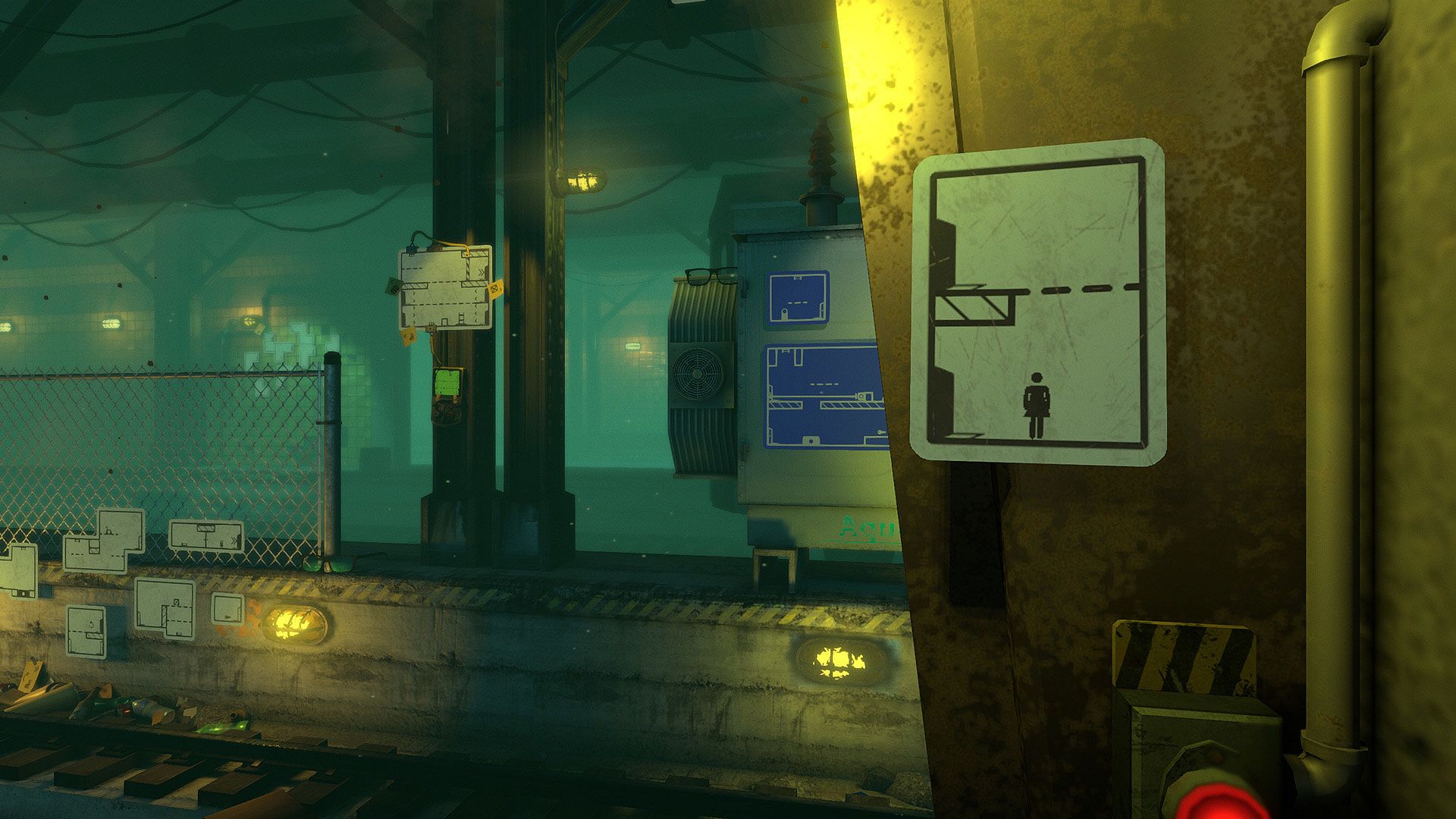
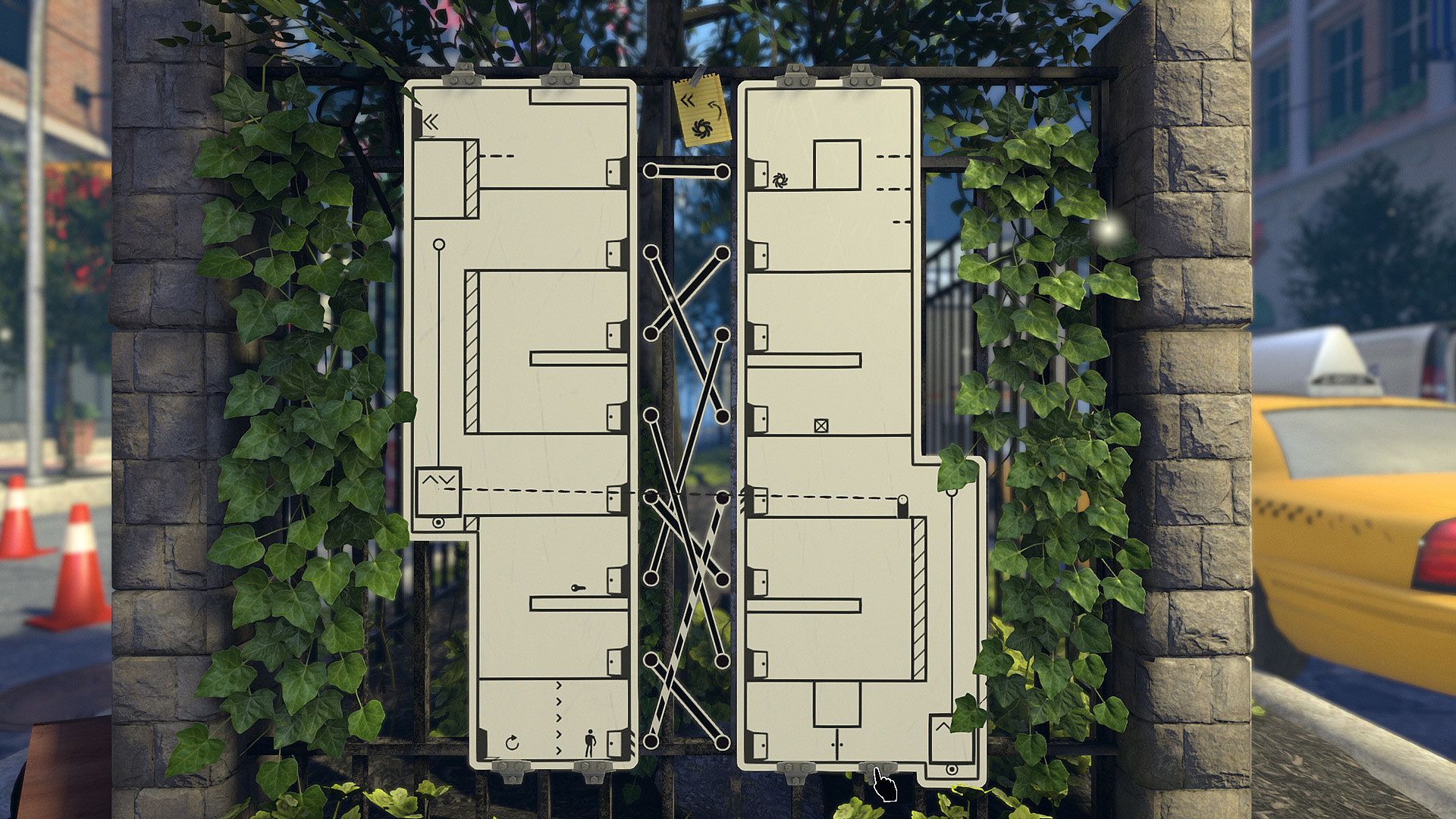
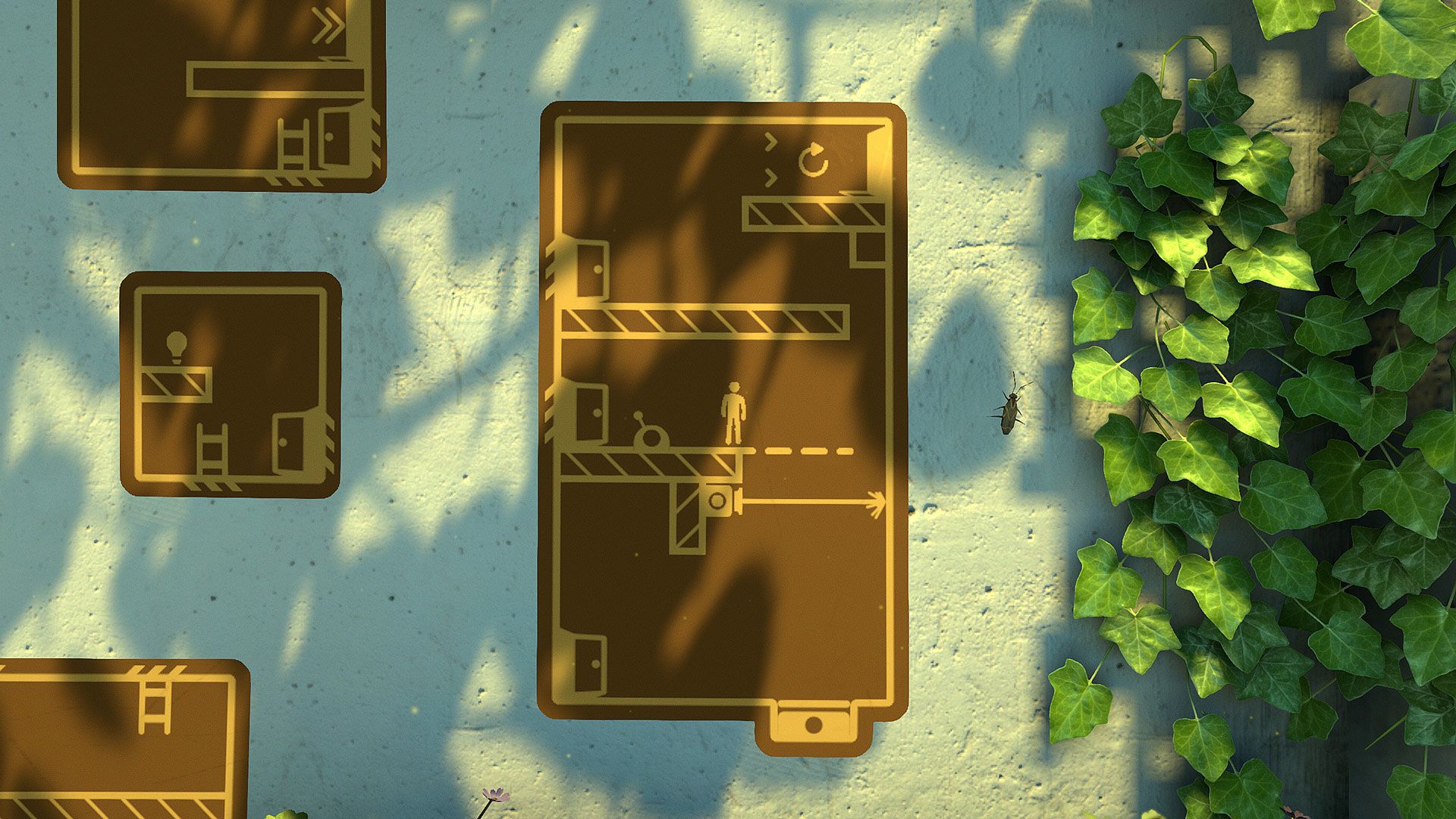
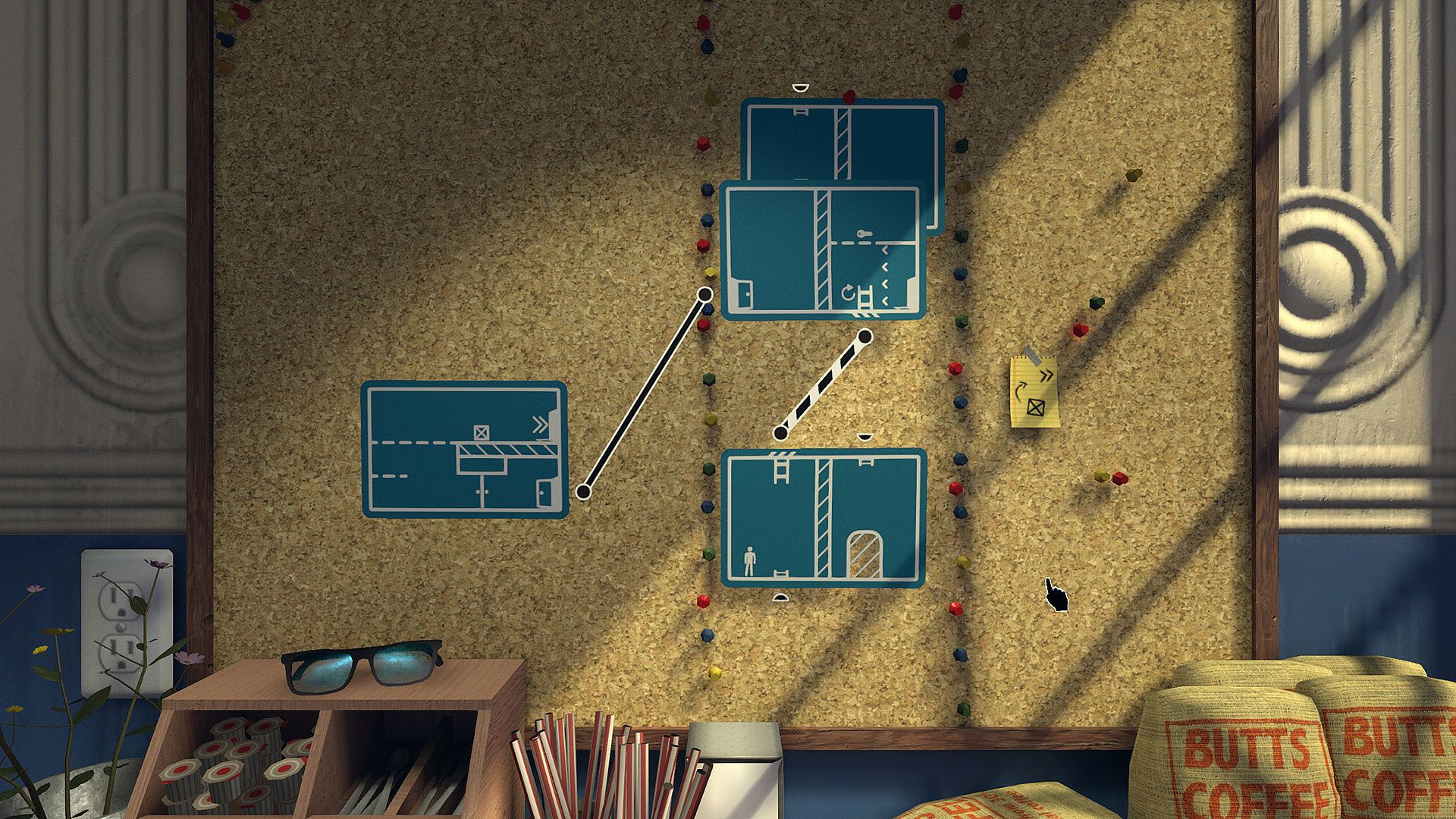
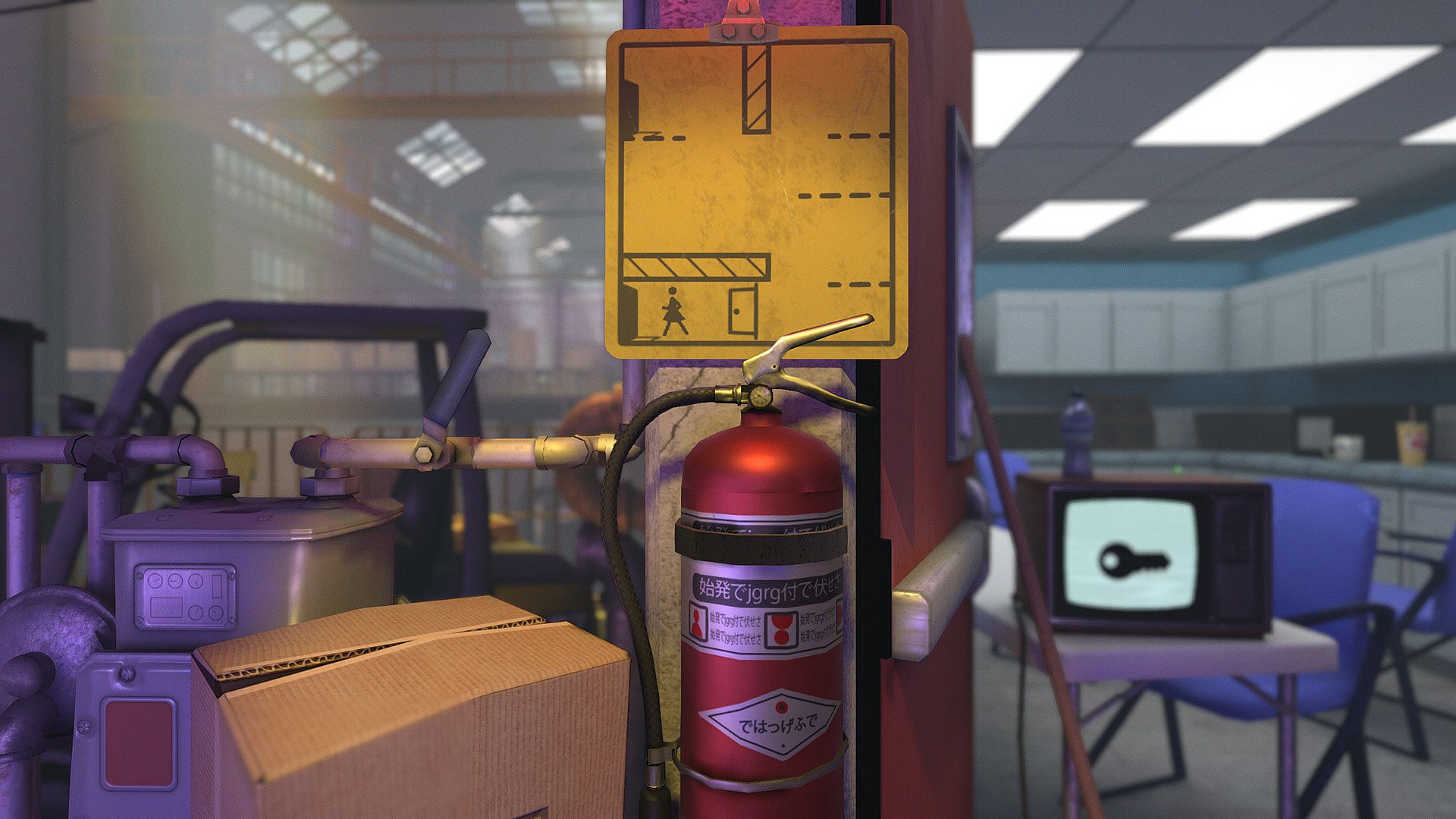
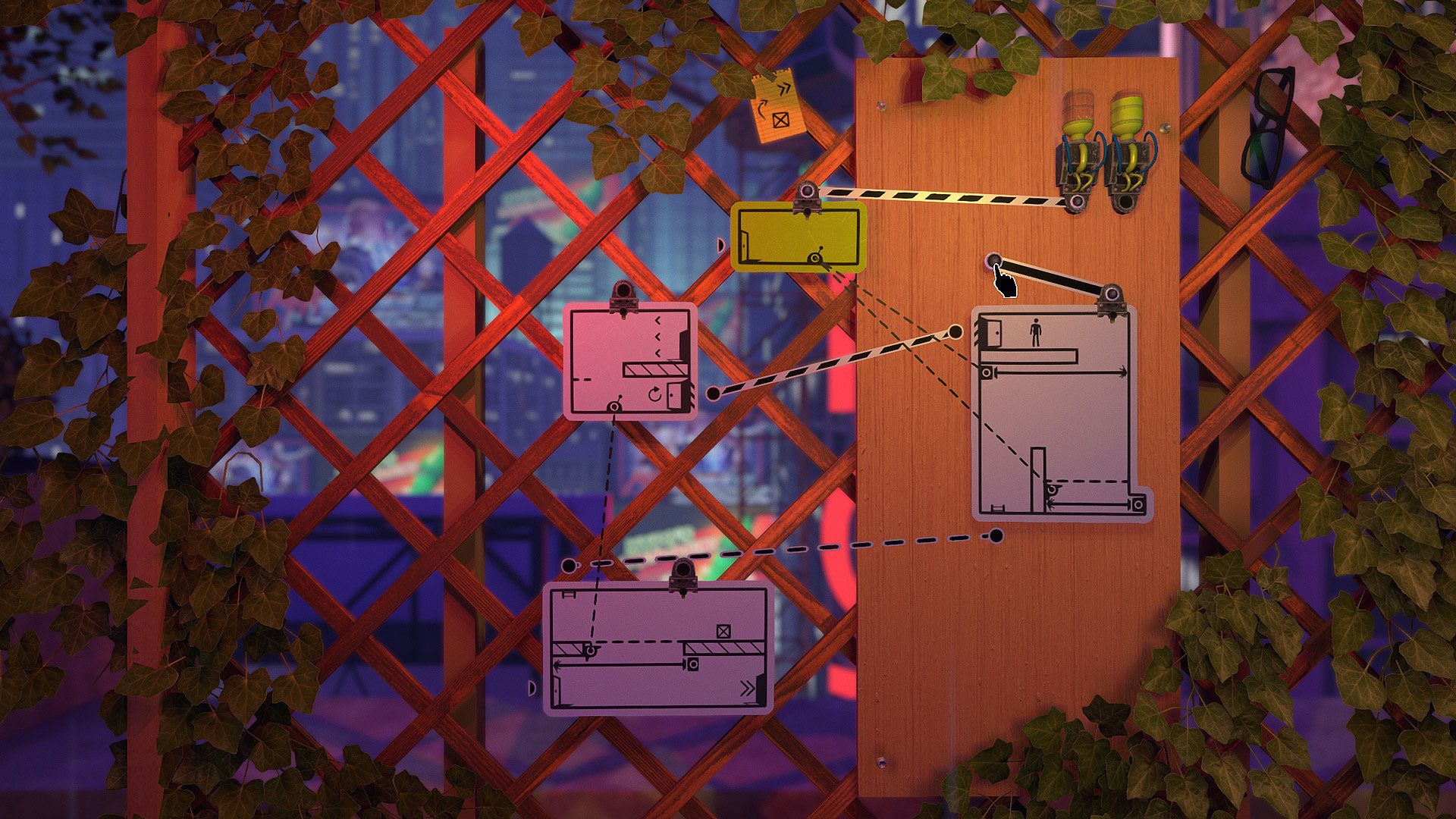
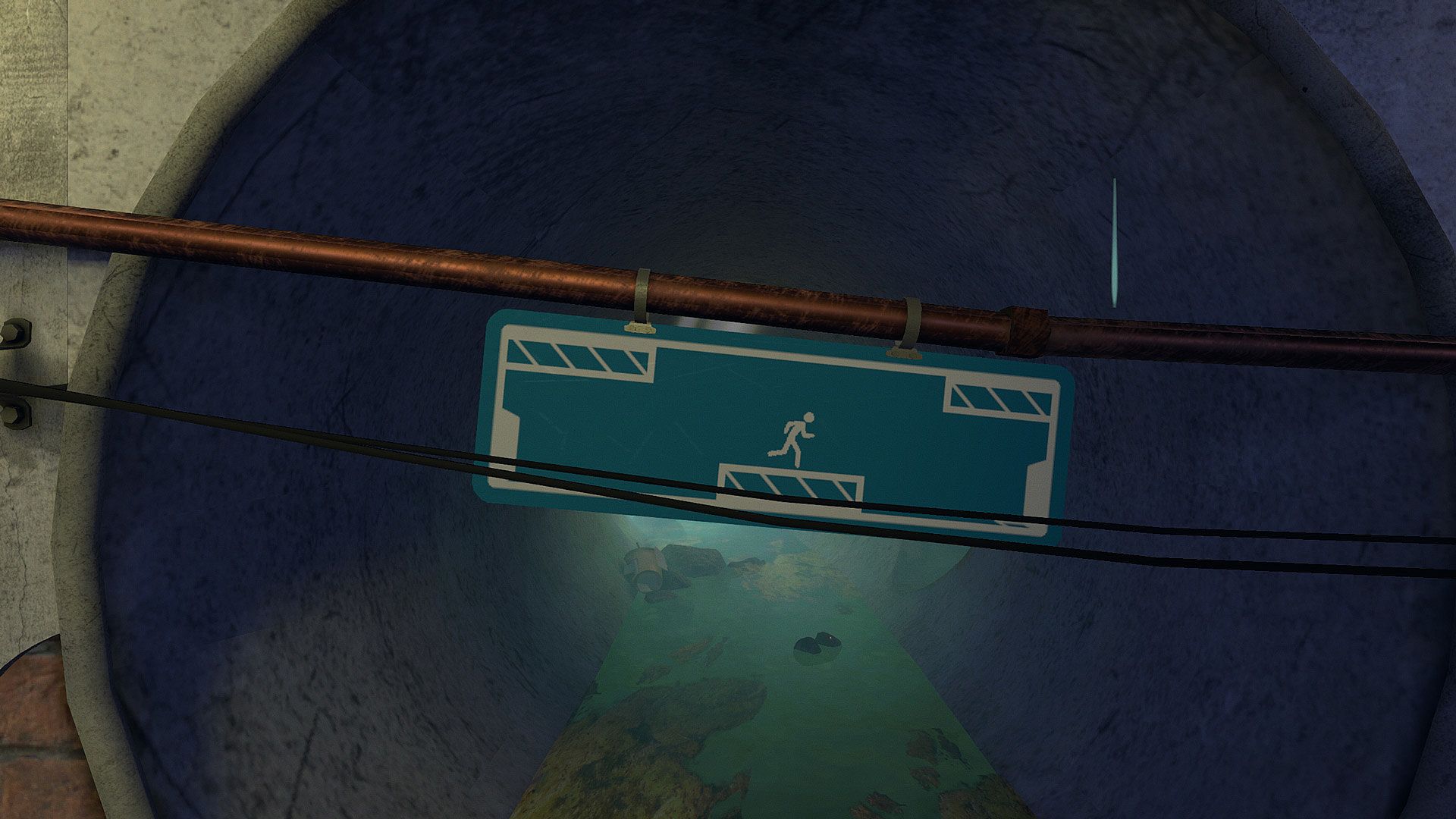
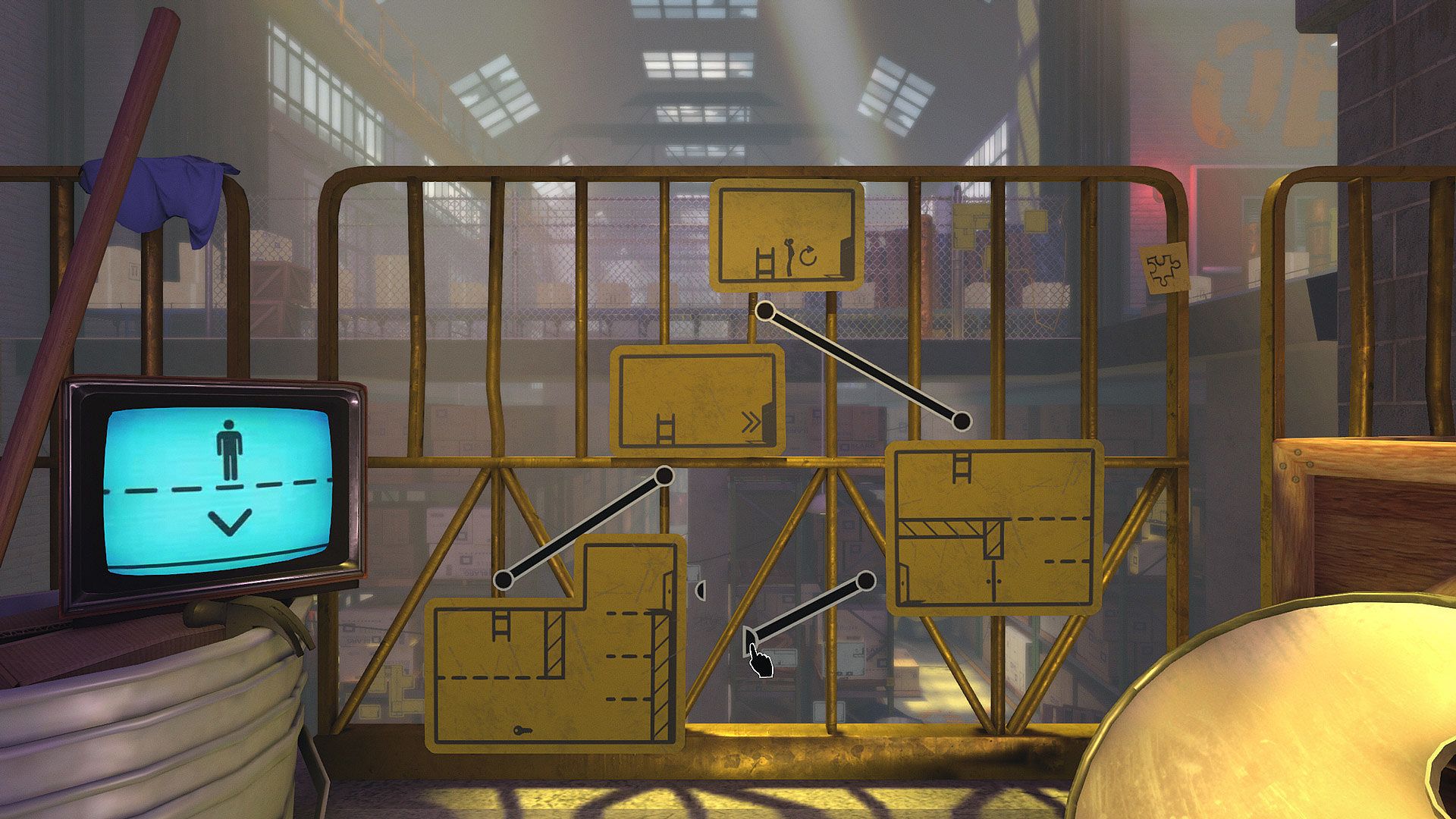
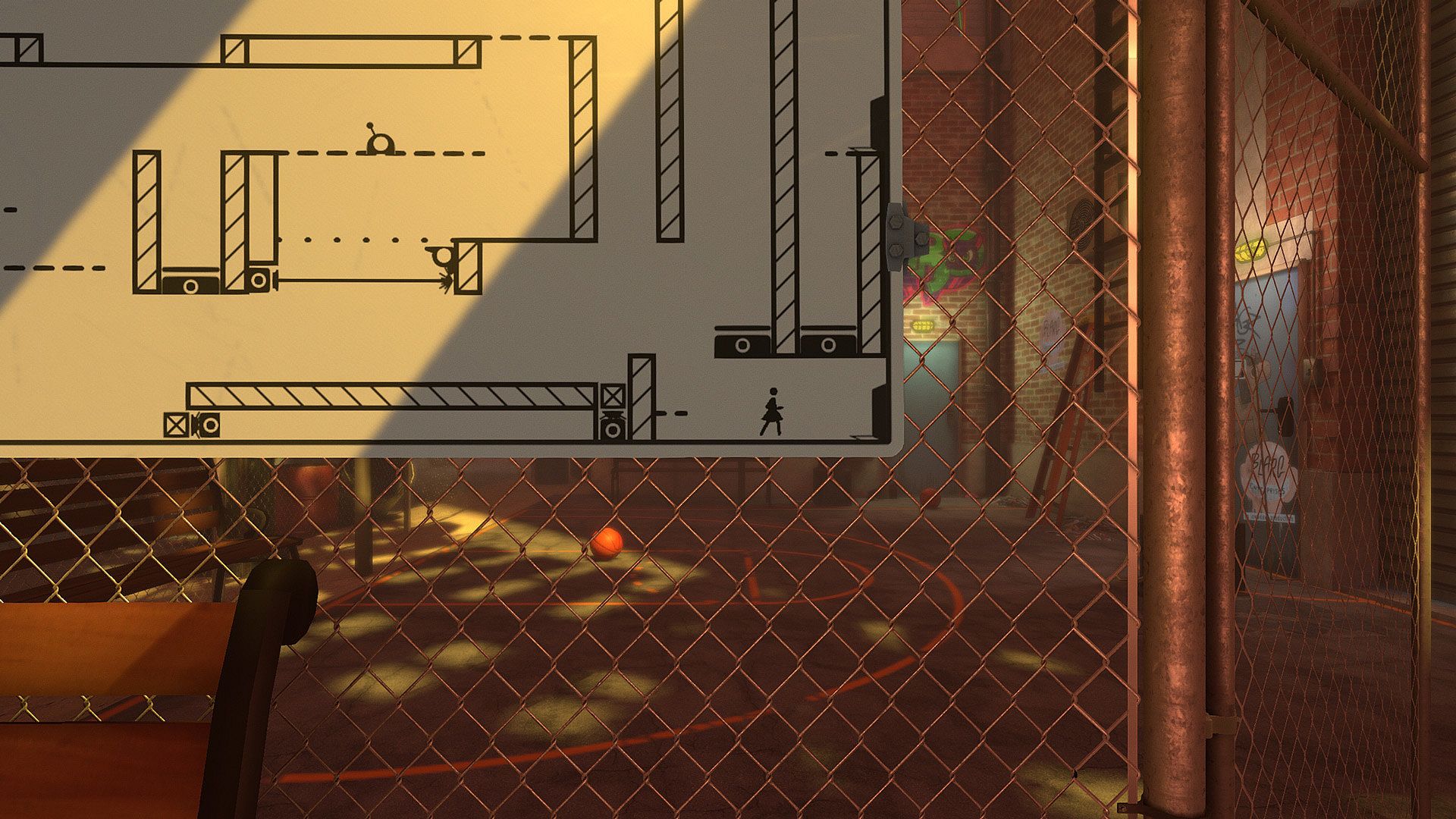
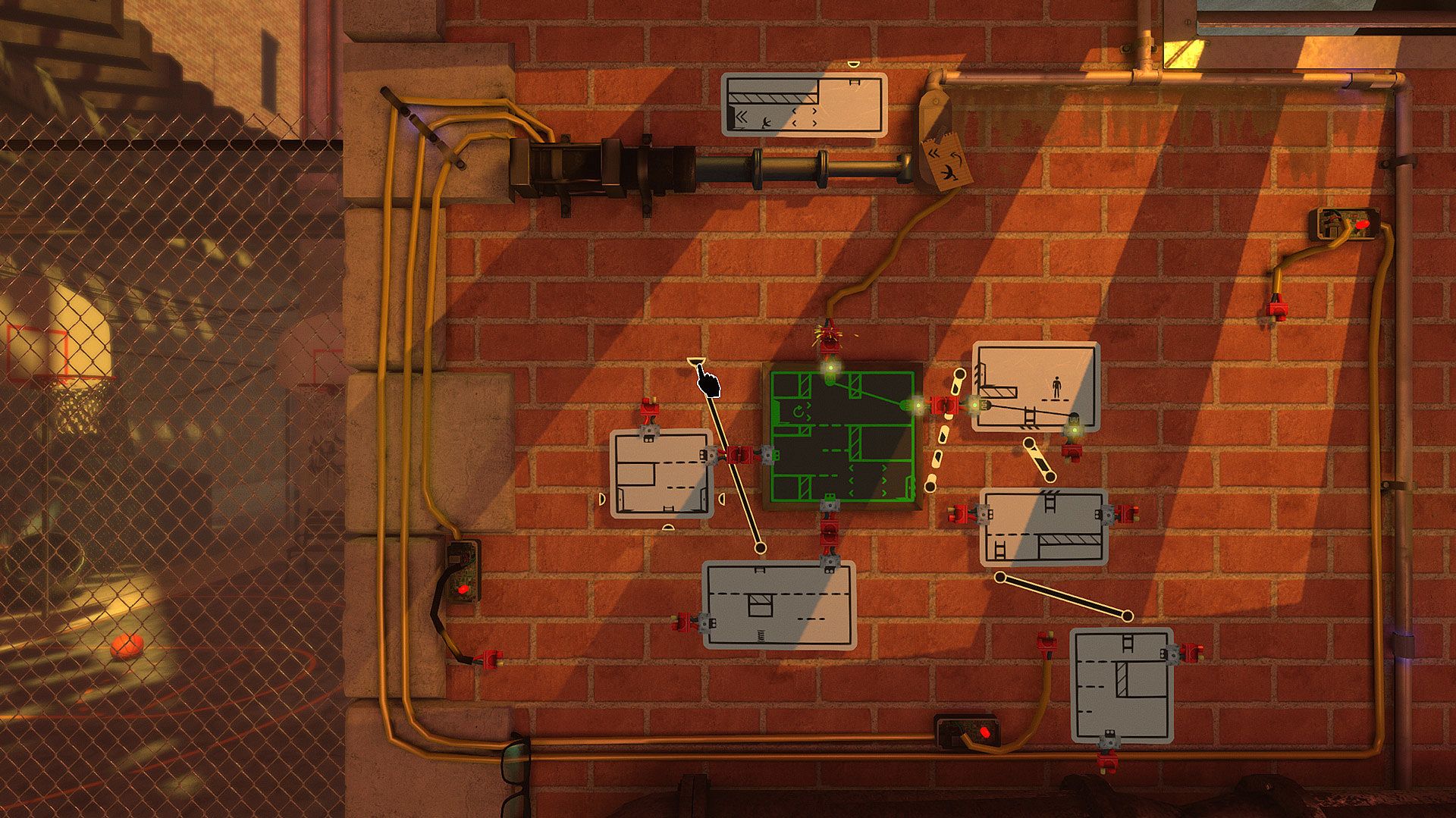
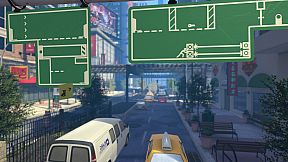
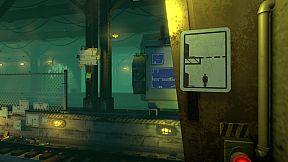
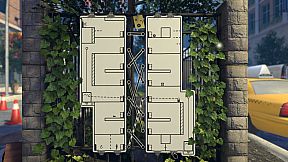
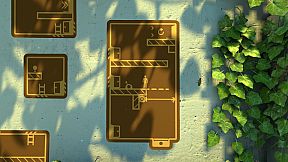
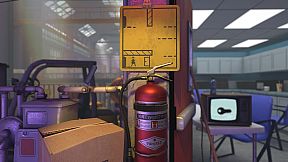
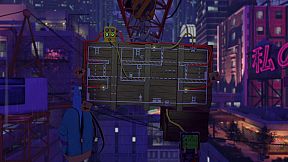
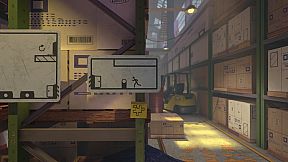
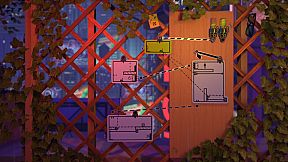
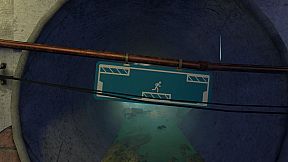
The Pedestrian stands out as a distinctive indie adventure that blends puzzle solving with platforming elements in a 2.5D side-scrolling format. Players control a stick figure character who exists within public signs, navigating a larger three-dimensional cityscape by manipulating those signs themselves.
Gameplay
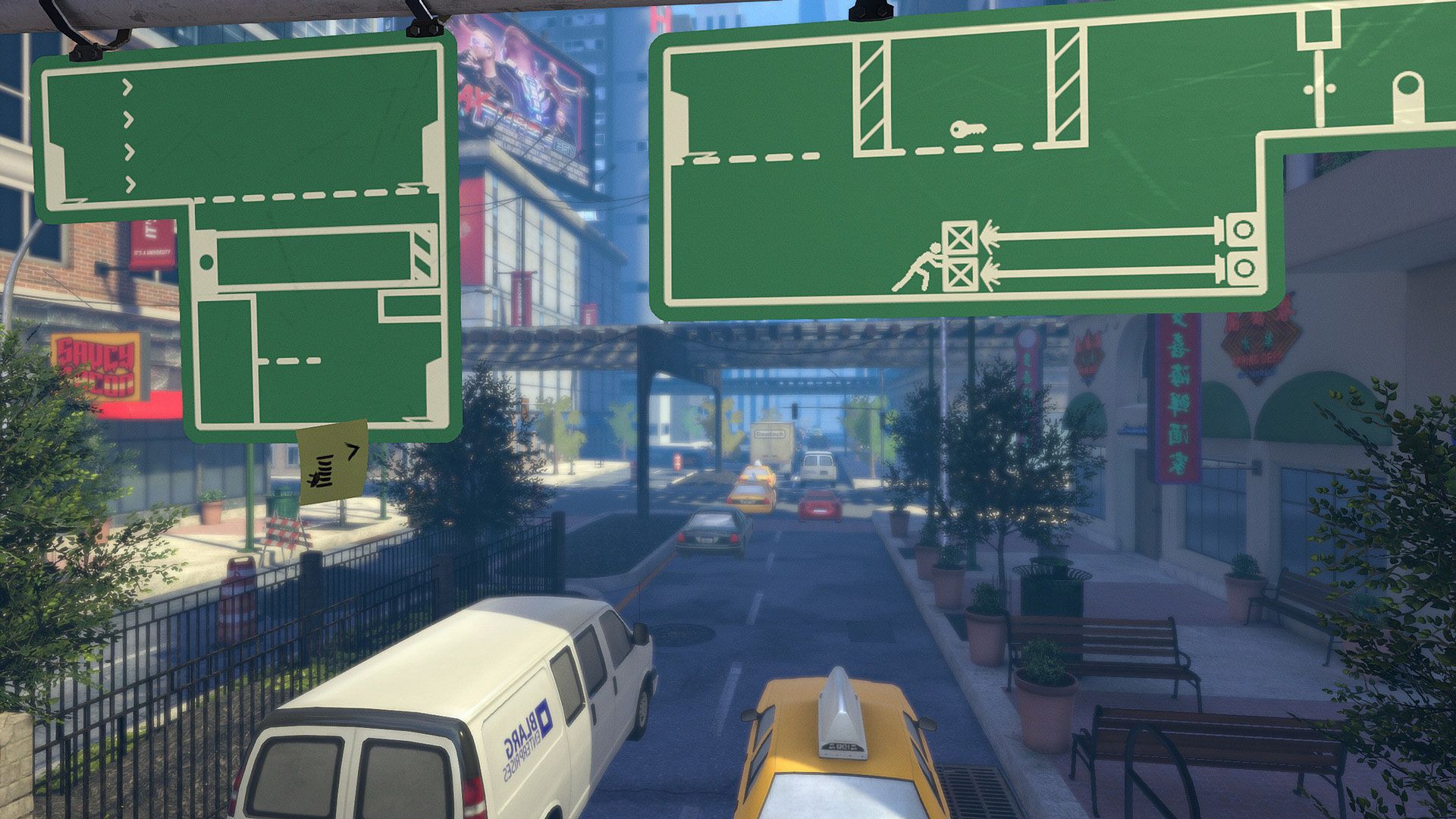
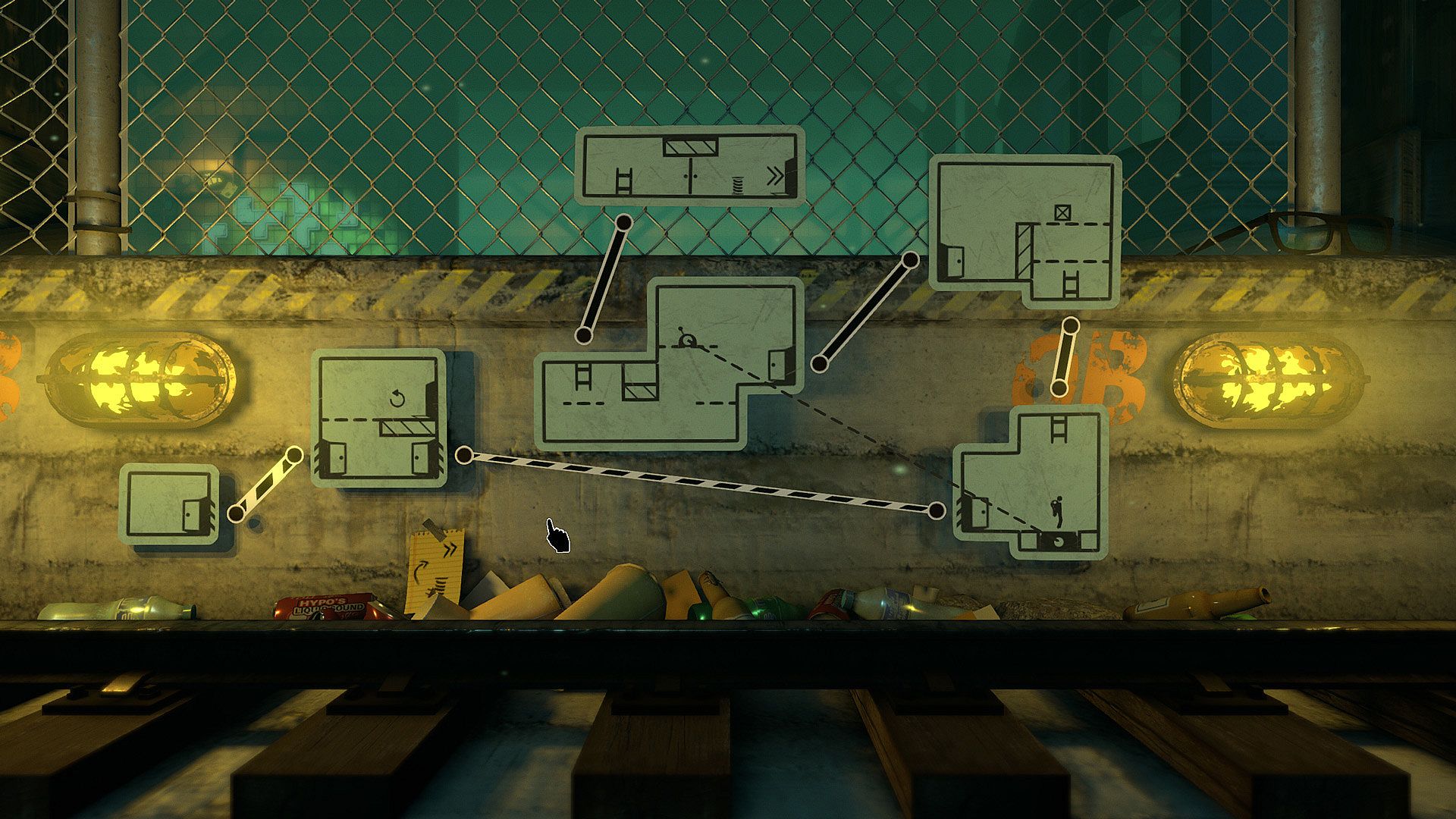
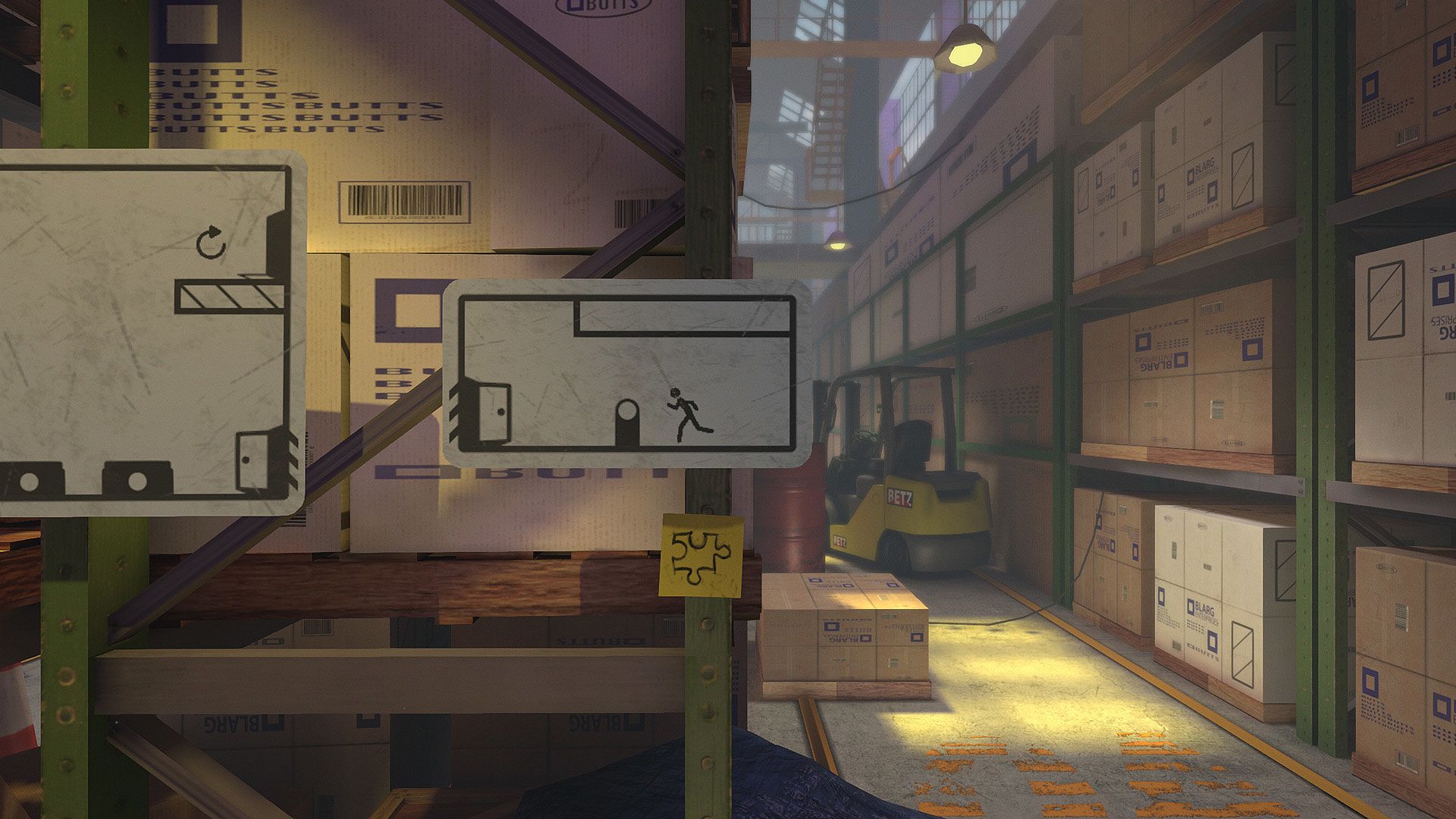
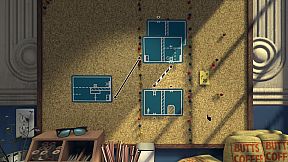
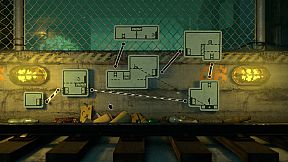
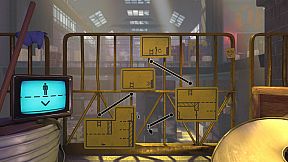
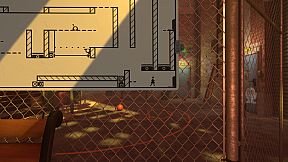
The central loop revolves around rearranging flat sign surfaces to create connected pathways. Each sign functions as a small platforming arena where the character can jump, climb ladders, push objects, and collect keys or other items needed to progress. Connections between signs allow the character to transfer from one to another, often requiring players to rotate or reposition signs in the surrounding 3D environment to align doors, wires, or platforms correctly.
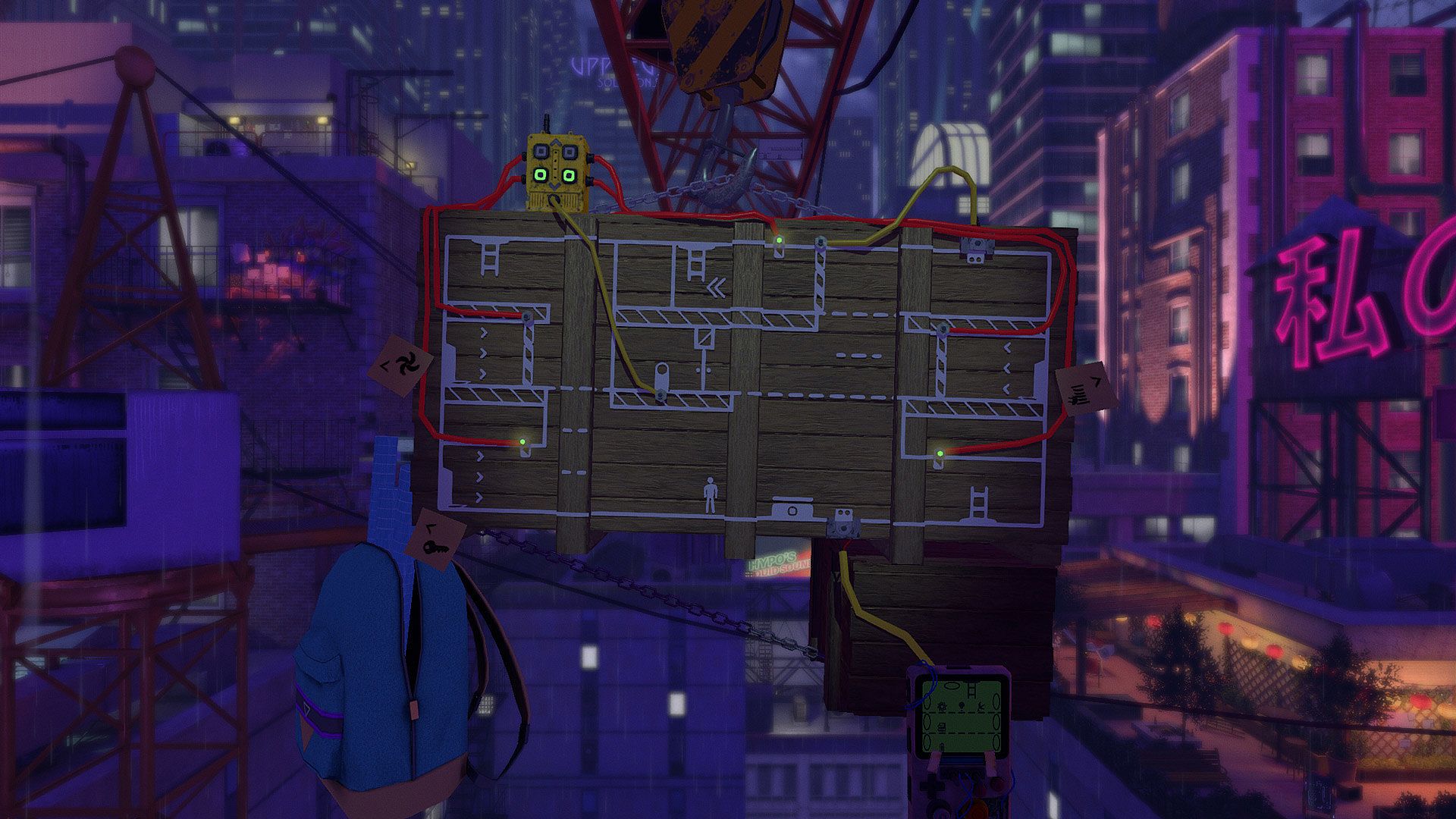
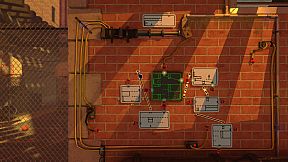
Puzzles grow in complexity as the game advances through urban settings that include streets, sewers, and maintenance areas. The camera frequently pulls back to reveal how individual signs fit into the broader world, creating moments where actions inside one sign influence elements outside it, such as powering circuits or opening routes in the real-world backdrop. Controls remain straightforward, emphasizing precise positioning and logical planning over fast reflexes.
Environments feature detailed, bustling city visuals that contrast with the simple monochrome style of the signs themselves. This setup encourages experimentation with sign placement while maintaining a steady sense of forward momentum through each area.
Game Modes
The experience consists entirely of a single-player campaign structured around a sequence of levels. There are no separate modes such as competitive play, co-op options, or endless challenges. Instead, the focus stays on sequential puzzle progression where each stage builds on the mechanics introduced earlier.
Players move through these levels by solving interconnected sign-based challenges that increase in scale and intricacy. The structure remains linear, guiding participants through varied city districts without branching paths or alternate objectives.
Visual Style and Presentation
Striking visuals separate the game from typical platformers by layering simple sign graphics over realistic three-dimensional city scenes. The contrast highlights the clever integration of 2D elements within a 3D space, with smooth transitions that emphasize spatial relationships.
Sound design supports the puzzle focus through subtle environmental audio and minimalistic cues that reinforce successful connections without overwhelming the player. The absence of dialogue or on-screen text keeps attention centered on the mechanical interactions.
Is It Worth Playing?
Reception has been strongly favorable, with the title holding an Overwhelmingly Positive rating based on thousands of user reviews. Many appreciate the inventive core mechanic and the satisfying progression through increasingly elaborate puzzles.
The game suits players who enjoy deliberate, thoughtful puzzle platformers rather than action-heavy experiences. Its relatively compact length allows completion in a focused session or two, making it accessible for those seeking a self-contained indie title without long-term commitments.
Availability on PC includes a free demo for those wanting to test the sign-manipulation system firsthand. Overall, it delivers a polished, original concept that rewards careful observation and creative problem solving.