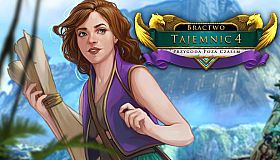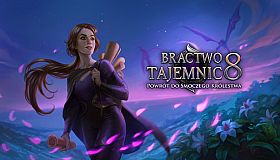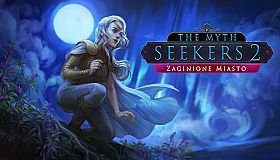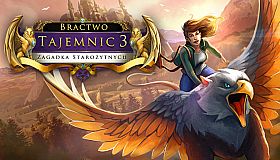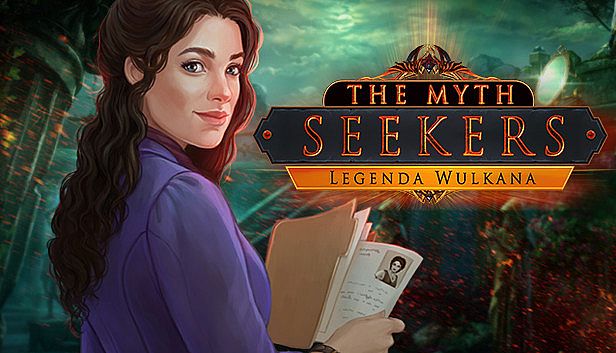












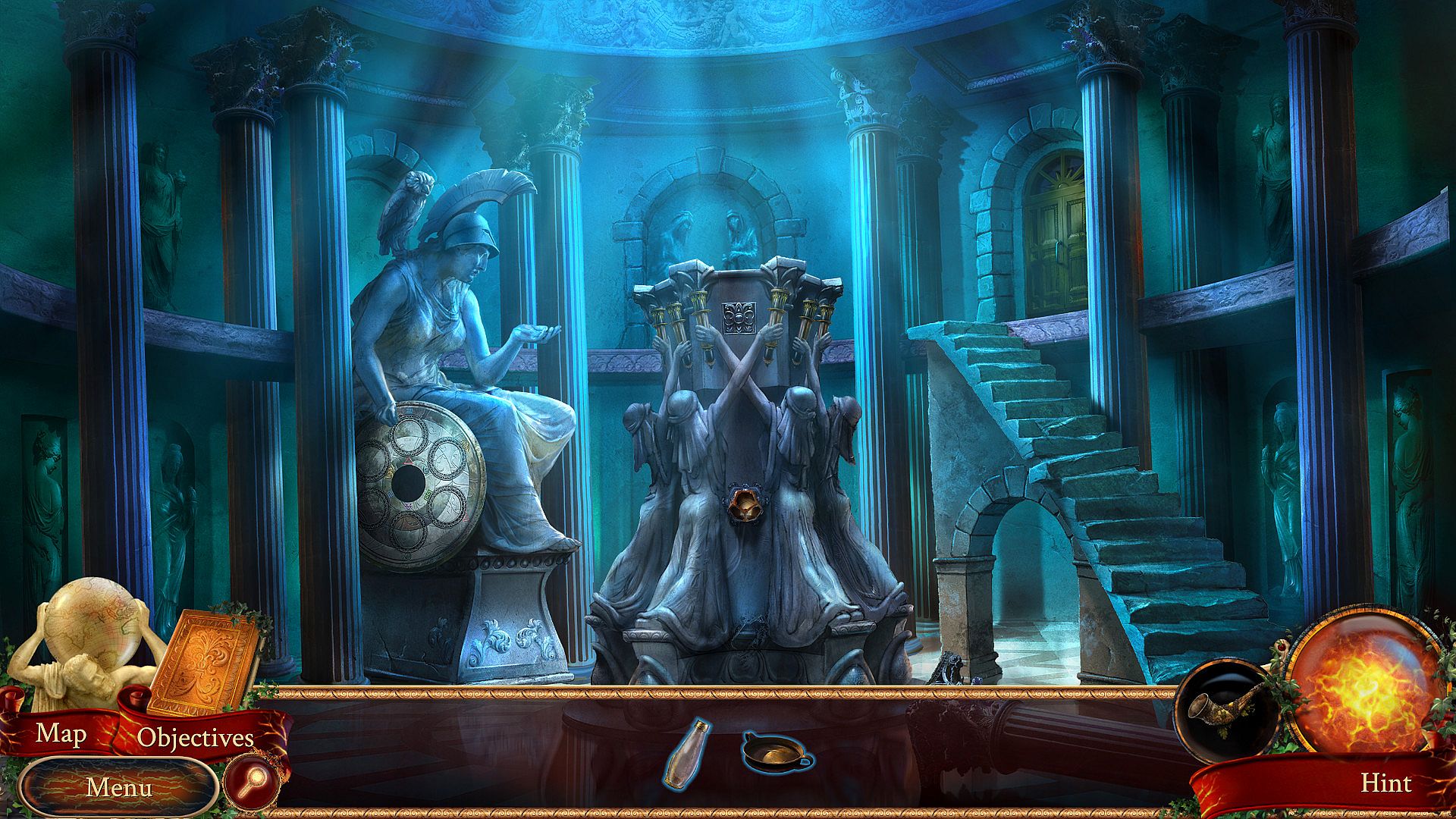
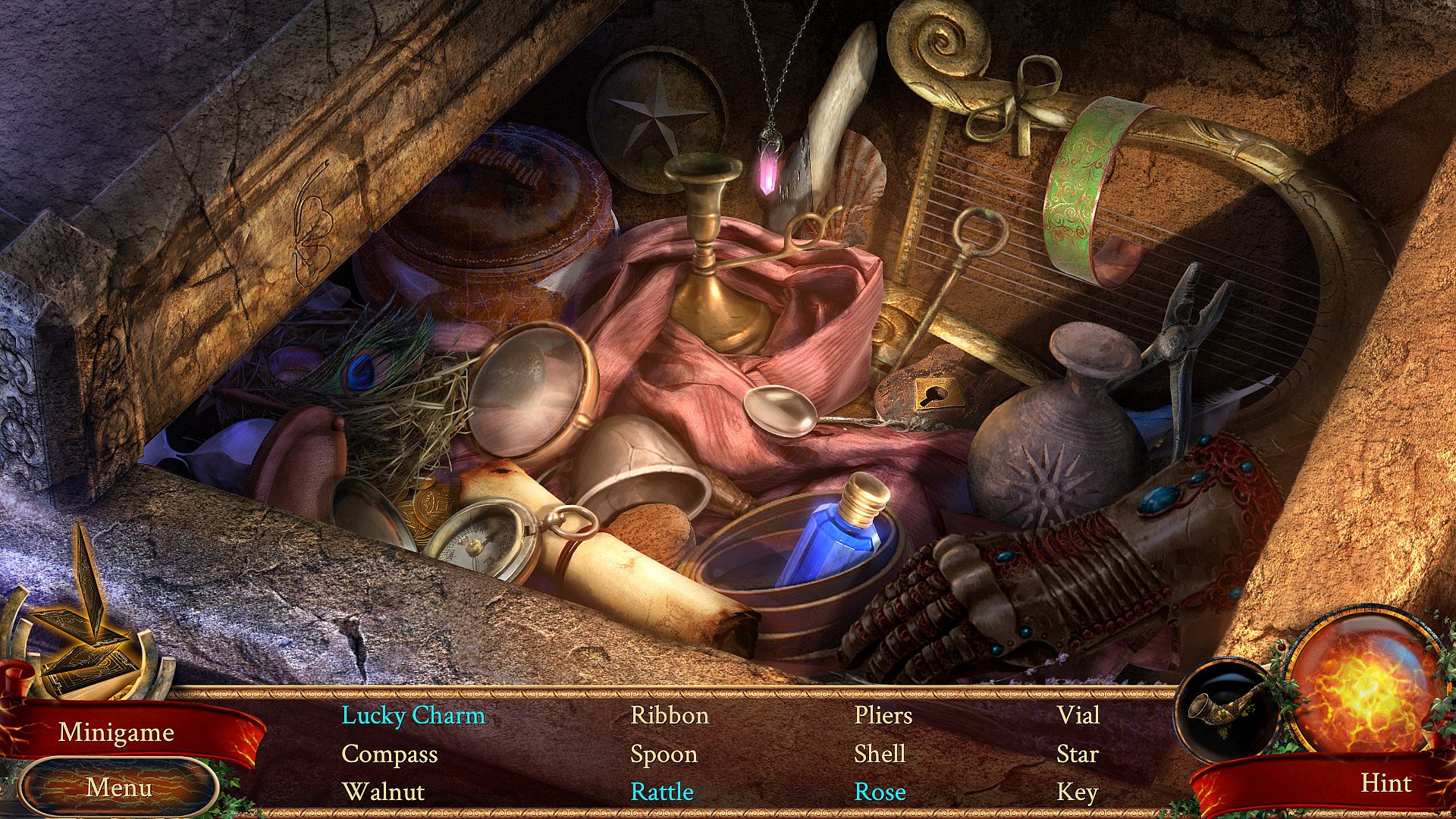
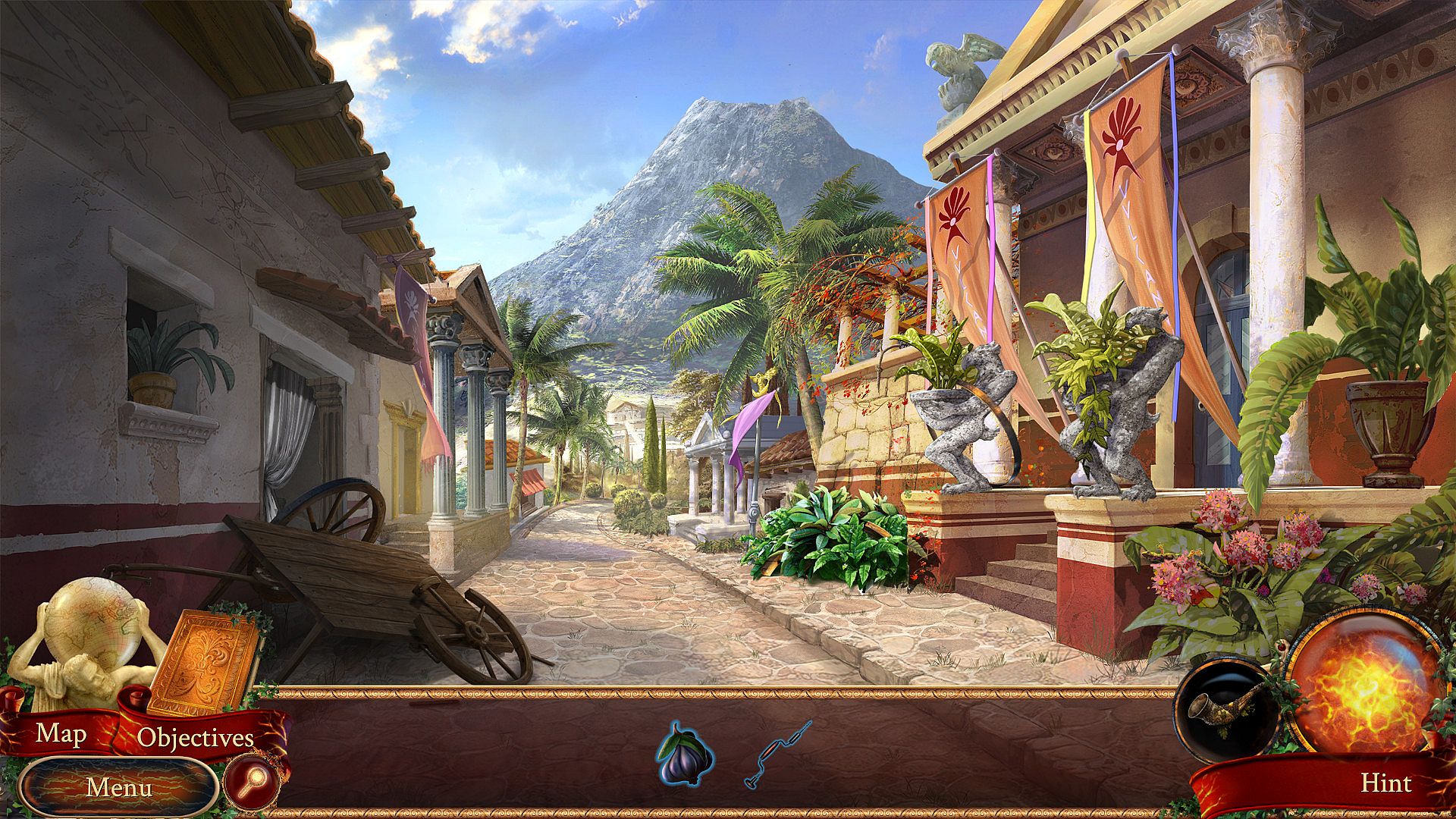
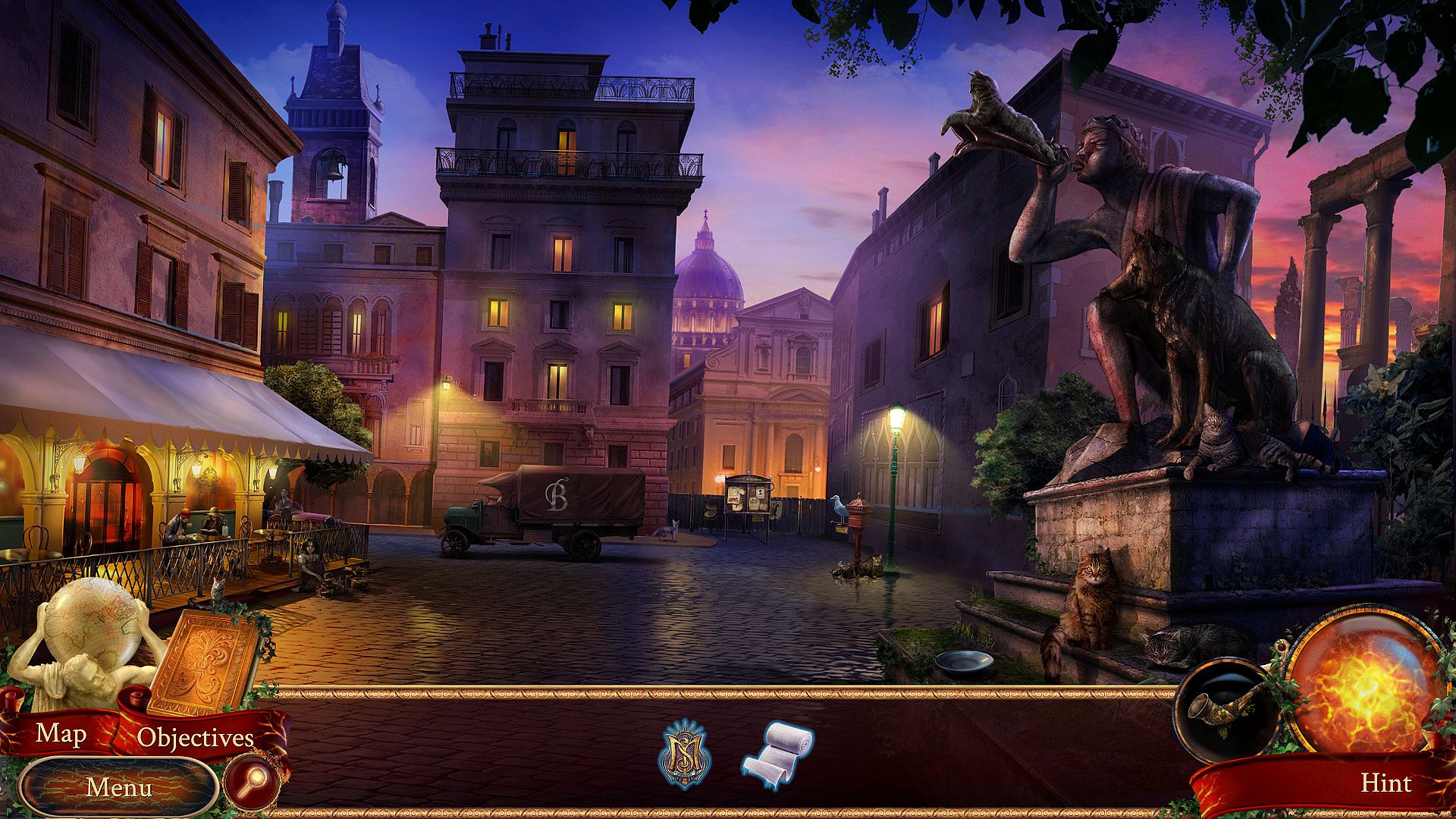
The Myth Seekers: The Legacy of Vulcan is a casual adventure game that combines hidden object scenes with puzzle mechanics in a single-player story set during the late 1920s in Italy. Players take on the role of Amelia, an expert in Roman mythology who joins the Myth Seekers agency to investigate a missing operative and recover the Hammer of Vulcan before ancient forces can cause widespread destruction. The experience centers on exploration across Italian settings, clue gathering, and interaction with mythological elements tied to the fall of Pompeii.
Gameplay
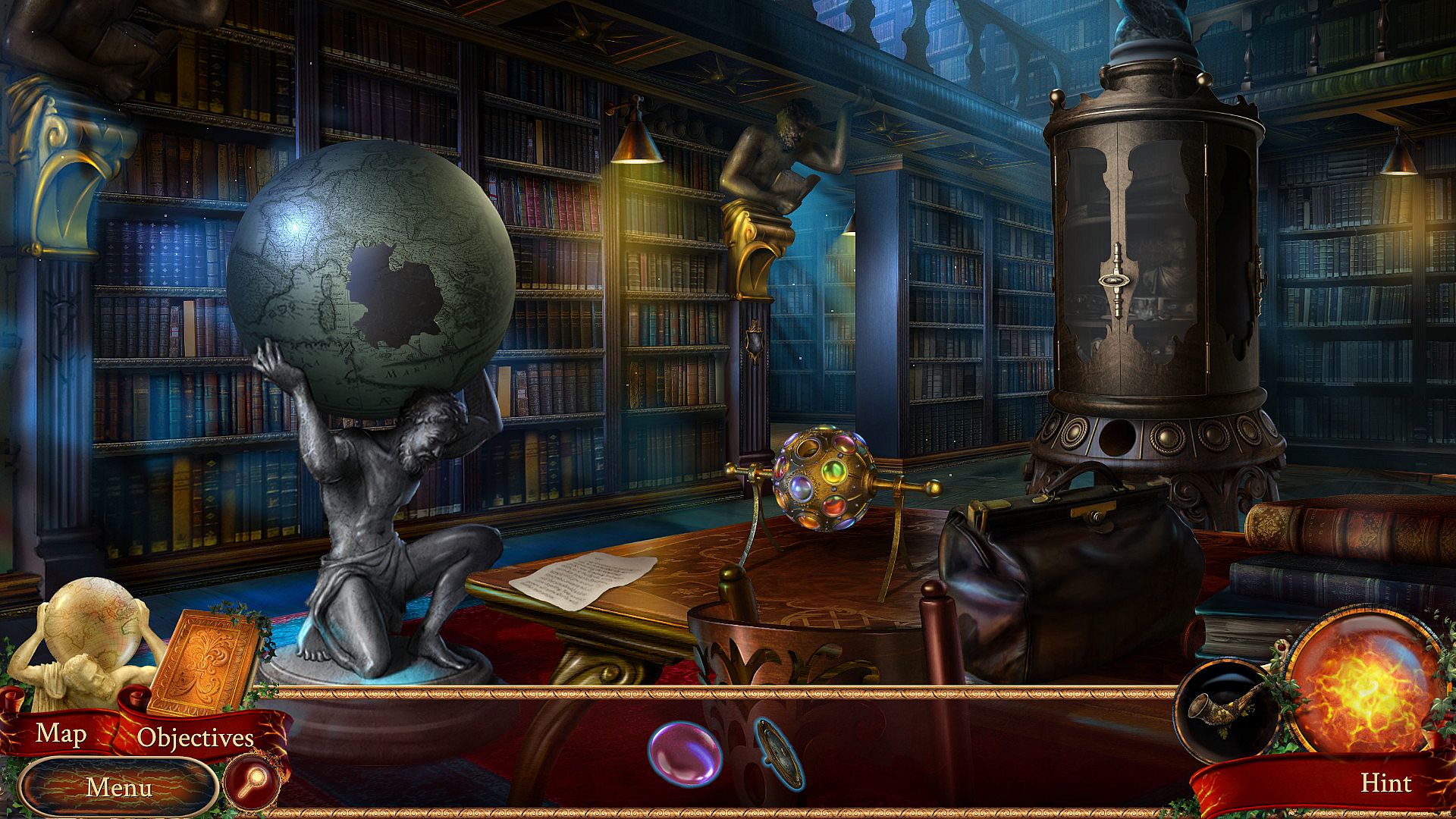
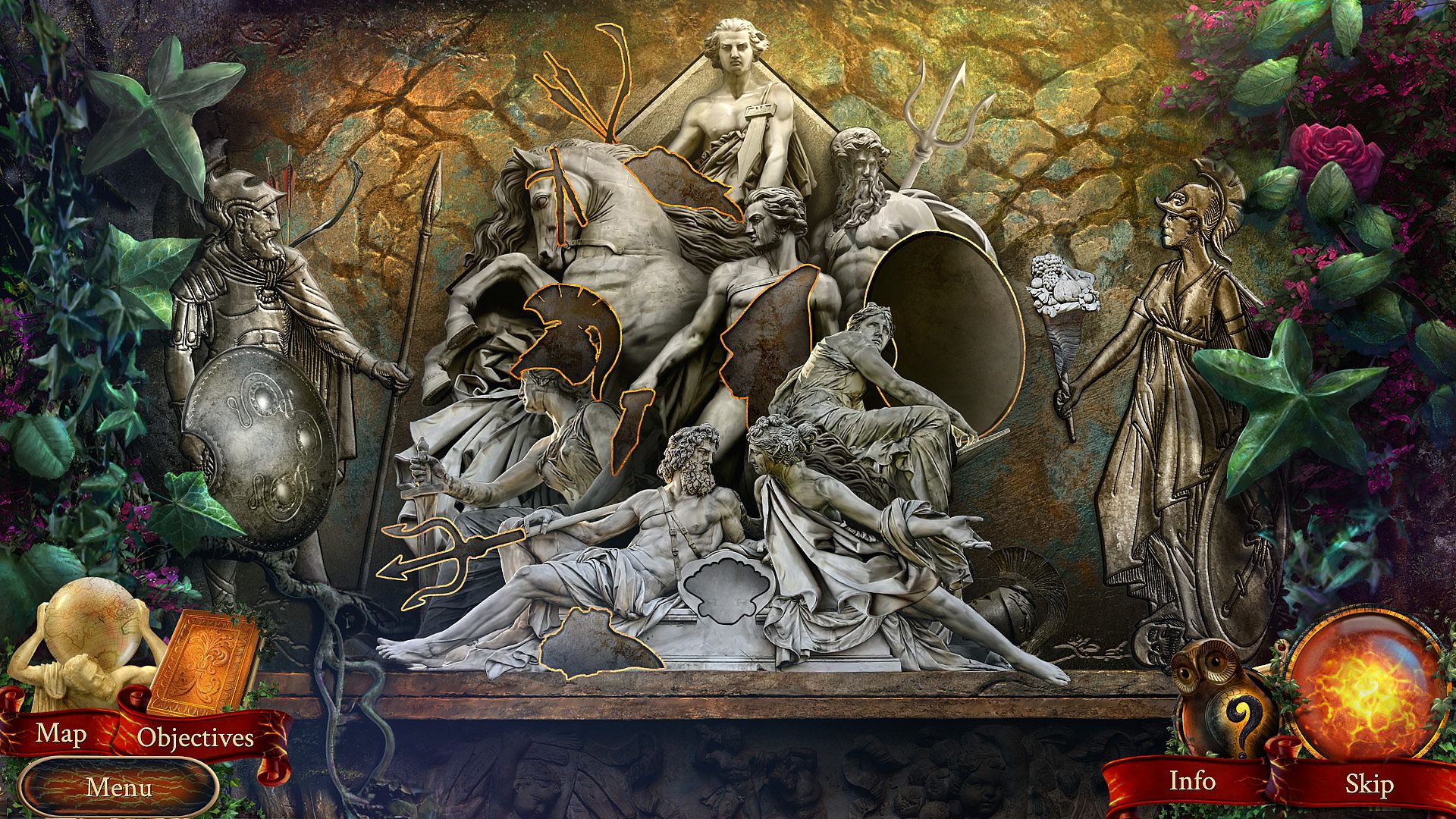
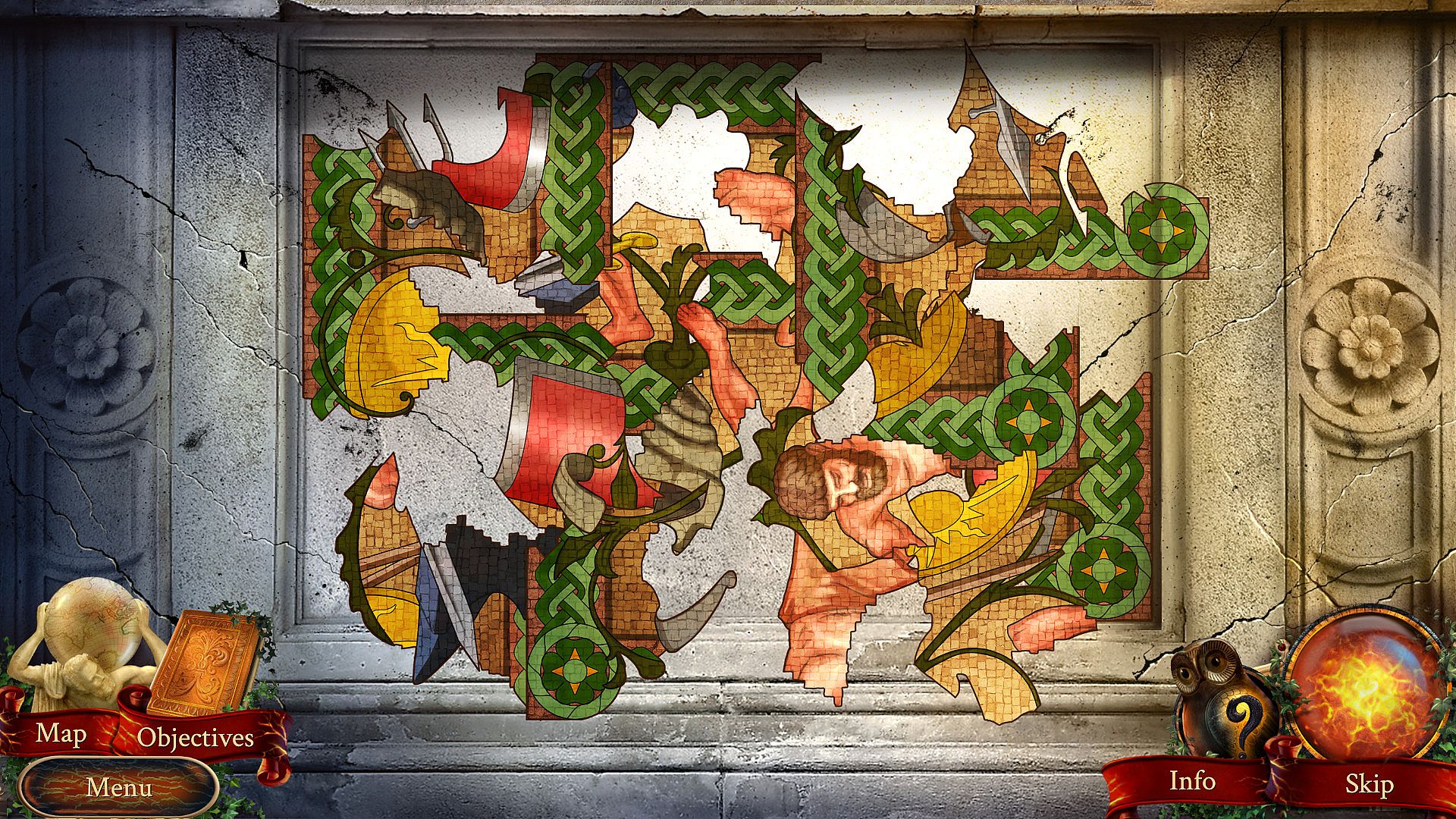
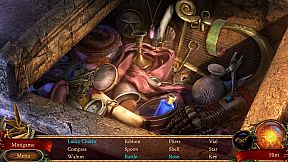
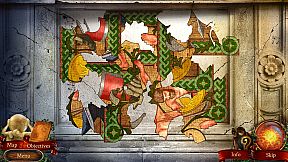
Core gameplay revolves around traveling between detailed locations to search for items and advance the investigation. Hidden object scenes require locating specific objects within cluttered environments, often with variations that change the list of targets or add interactive elements. Minigames interrupt the flow with logic challenges, inventory-based tasks, and assembly puzzles that tie directly into the narrative about divine artifacts created by Vulcan.
Progression follows a structured path where players locate the Vesuvian Codex early on, connect with an agent named Lorenzo, and track the central relic while confronting opposition from rival groups. The story integrates encounters with figures from Roman mythology, using these interactions to reveal backstory about the agency's enemies and the historical events surrounding Pompeii. Navigation relies on point-and-click movement between scenes, with clues and tools collected to unlock new areas or resolve obstacles.
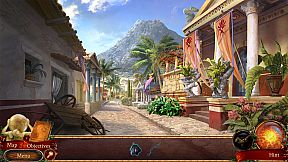
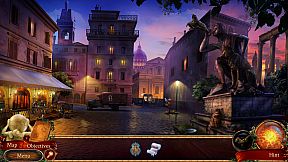
Divine artifacts serve as key items that players employ during certain sequences to bypass barriers or gain advantages in confrontations. The total scope includes nearly 40 combined hidden object scenes and minigames distributed across 28 locations that capture the atmosphere of interwar Italy through architecture, lighting, and period details.
Game Modes
The game operates as a single continuous campaign without separate difficulty settings or branching paths. Players advance linearly through the investigation, completing required scenes and puzzles in sequence to reach the conclusion. Steam achievements provide optional goals that encourage thorough searching and multiple playthroughs for completionists, though these do not alter the core experience.
No competitive or cooperative elements exist, keeping the focus entirely on solo progression through the agency's mission. The structure emphasizes story delivery alongside the mechanical variety of hidden object searches and minigames rather than replayable modes or post-campaign content.
Story and Setting
The narrative unfolds against political tensions in 1920s Italy, where the Myth Seekers agency operates in secrecy to manage threats from ancient gods. Amelia's assignment builds on the disappearance of a colleague, leading to discoveries about the Vesuvian Codex and the Hammer of Vulcan. Locations span recognizable Italian landmarks reimagined with mythological overlays, allowing players to piece together events connected to Pompeii's destruction while racing against external threats.
Interactions with 16 characters drawn from the Roman pantheon add layers to the investigation, providing exposition and assistance through dialogue and artifact usage. The plot maintains a steady pace that alternates between exploration, puzzle resolution, and direct confrontations with the agency's foes.
Is It Worth Playing?
Steam user reviews rate the game Very Positive based on 140 submissions, with many players noting the solid integration of hidden object mechanics and the engaging mythological premise. The experience suits fans of casual adventure titles who prefer self-contained stories over extended campaigns or live-service elements. Its length typically falls between three and seven hours for a standard playthrough, making it accessible for shorter sessions without requiring ongoing commitment or updates.
Those who enjoy methodical searching and logic-based minigames will find consistent activity throughout the 28 locations. The absence of additional modes or seasons means the value lies in the one-time completion of the agency's mission and the collection of achievements. Players seeking a straightforward hidden object puzzle adventure with Roman mythology themes can expect a polished, if brief, single-player outing that delivers on its core loop.