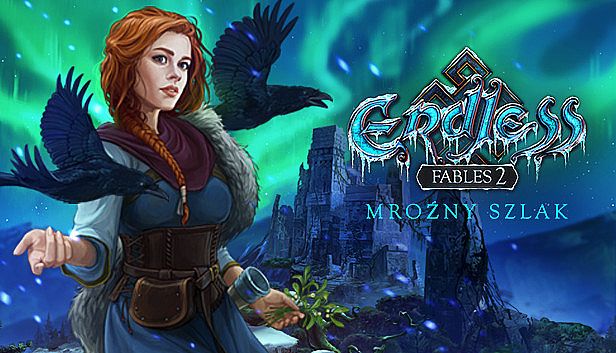










Endless Fables 2: Frozen Path stands as a casual adventure title centered on hidden object scenes, inventory-based puzzles, and narrative progression through a sequence of illustrated locations. Players follow anthropologist Pamela Cavendish as she travels to northern Europe after receiving a letter about her missing colleague Peter, whose research into Norse figures Hodur and Loki led him into a remote mine. The experience unfolds in a linear story structure that mixes exploration of detailed environments with tasks drawn from Scandinavian folklore themes.
Gameplay
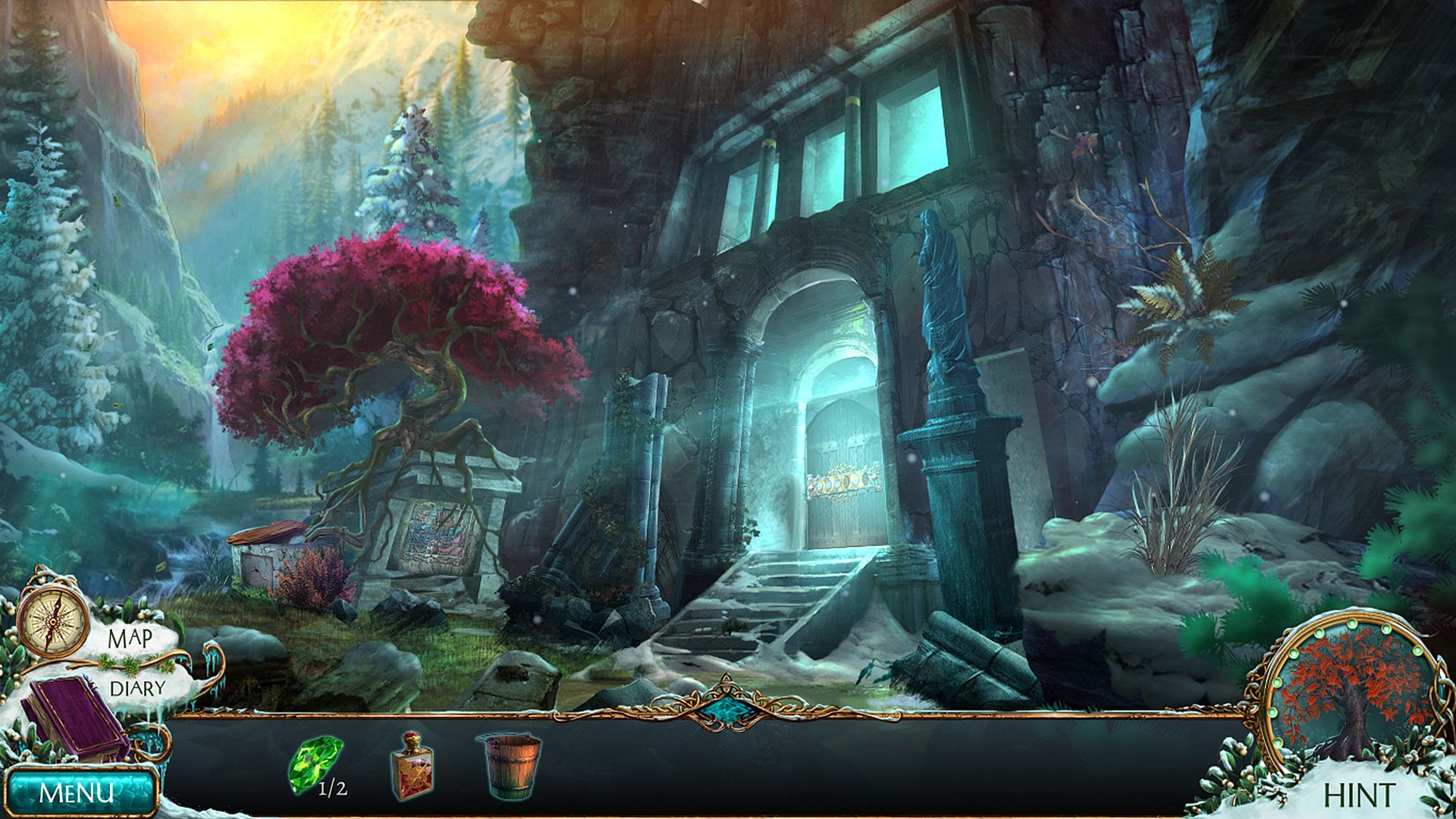
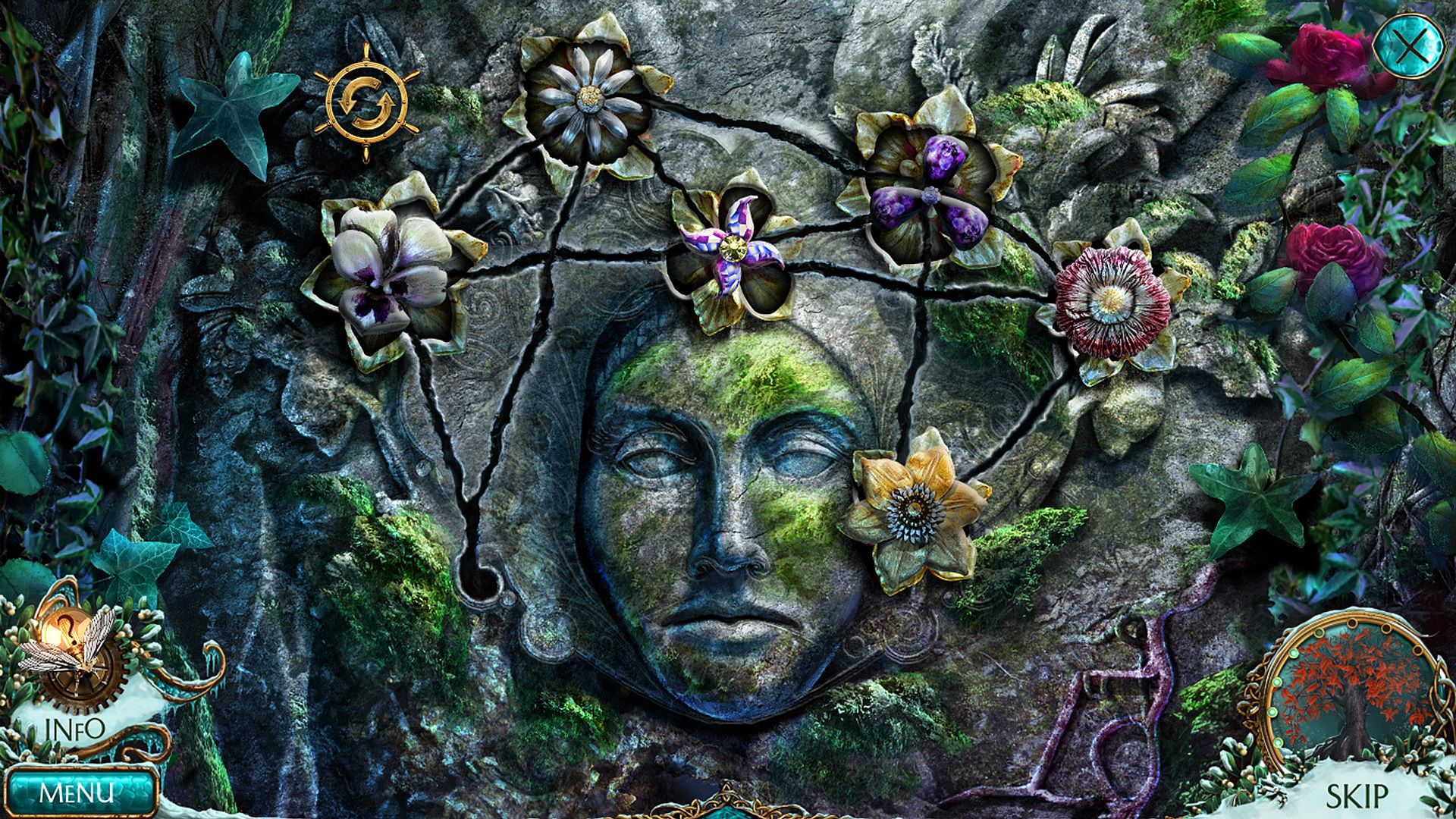
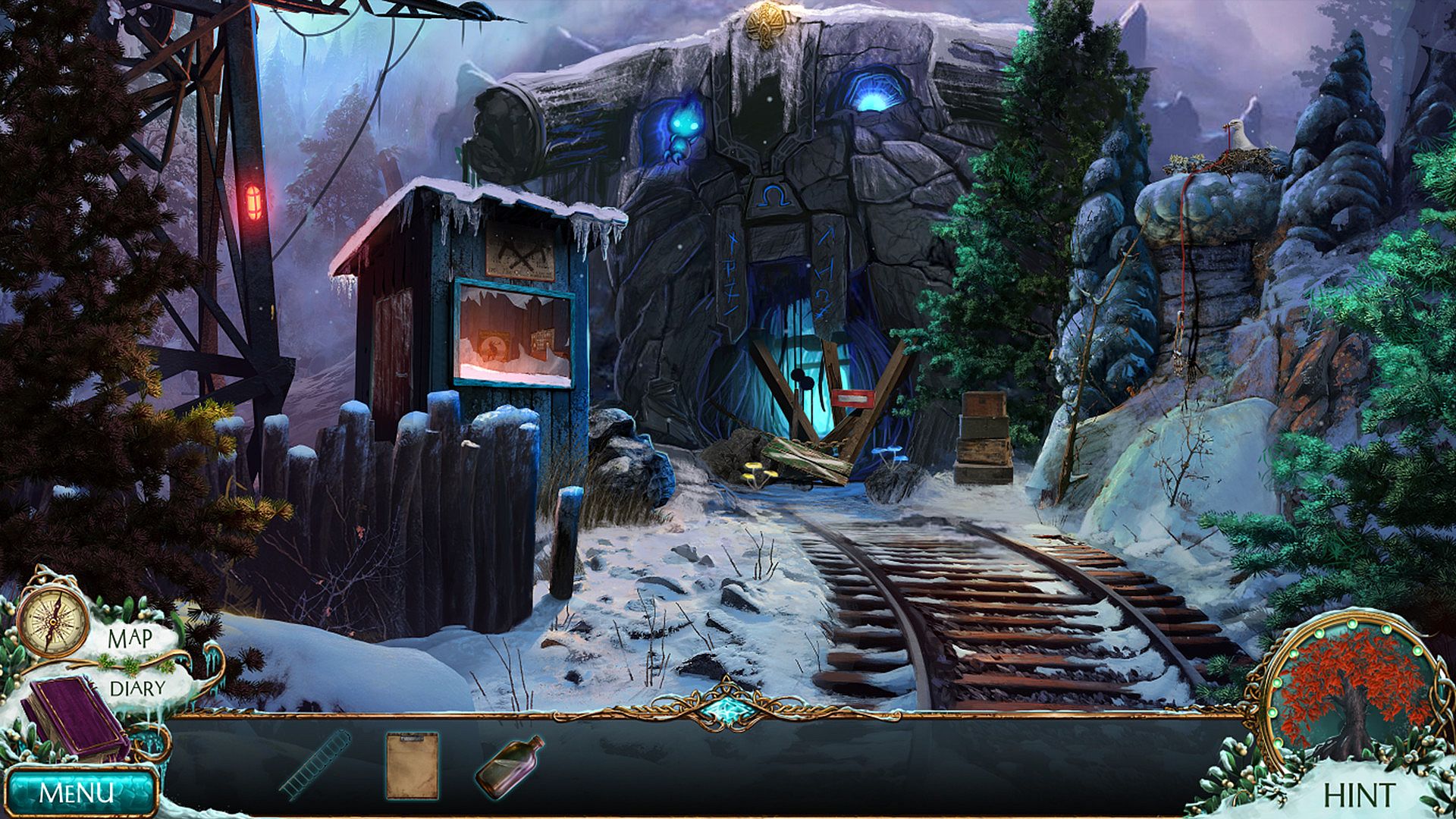
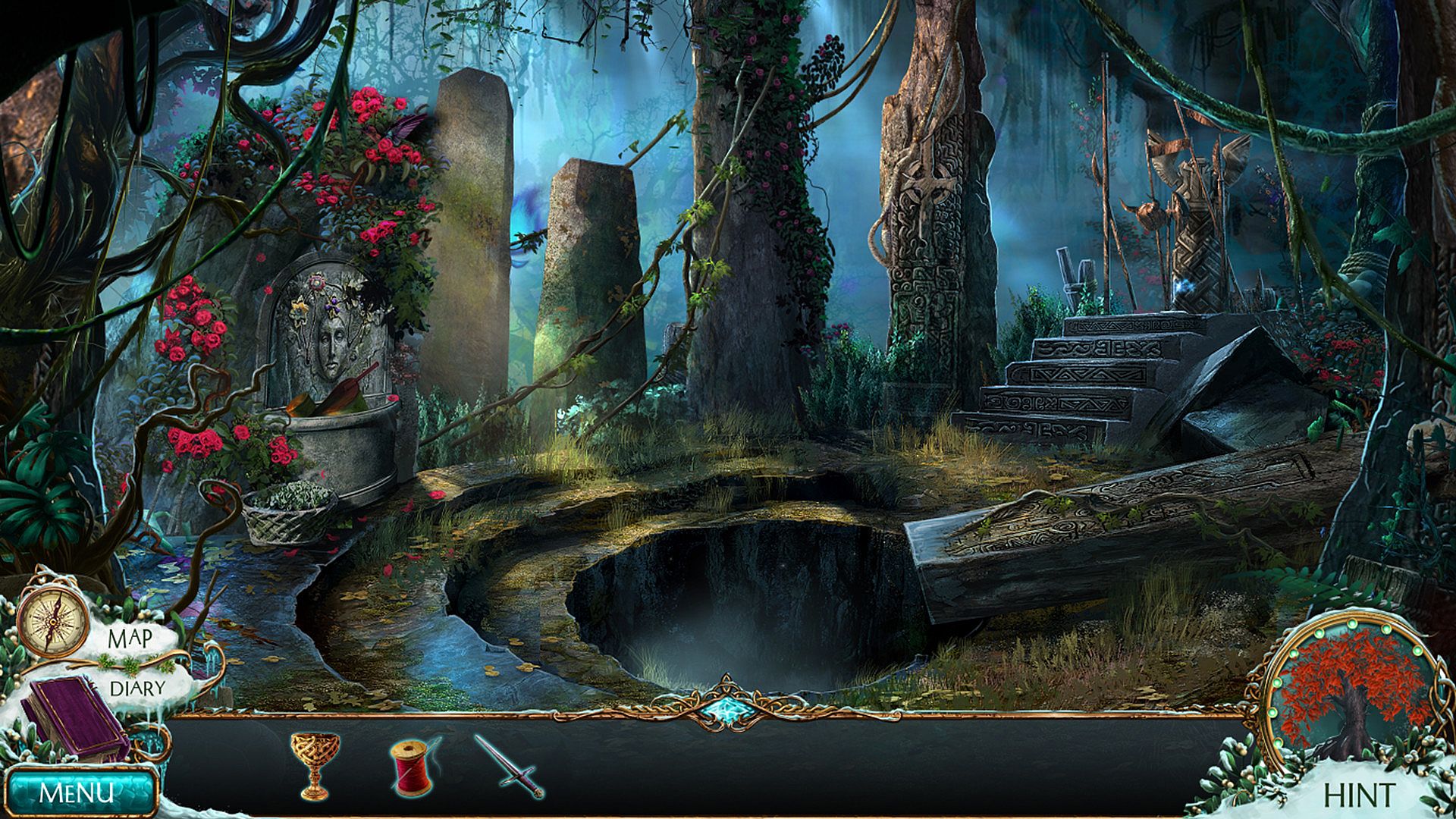
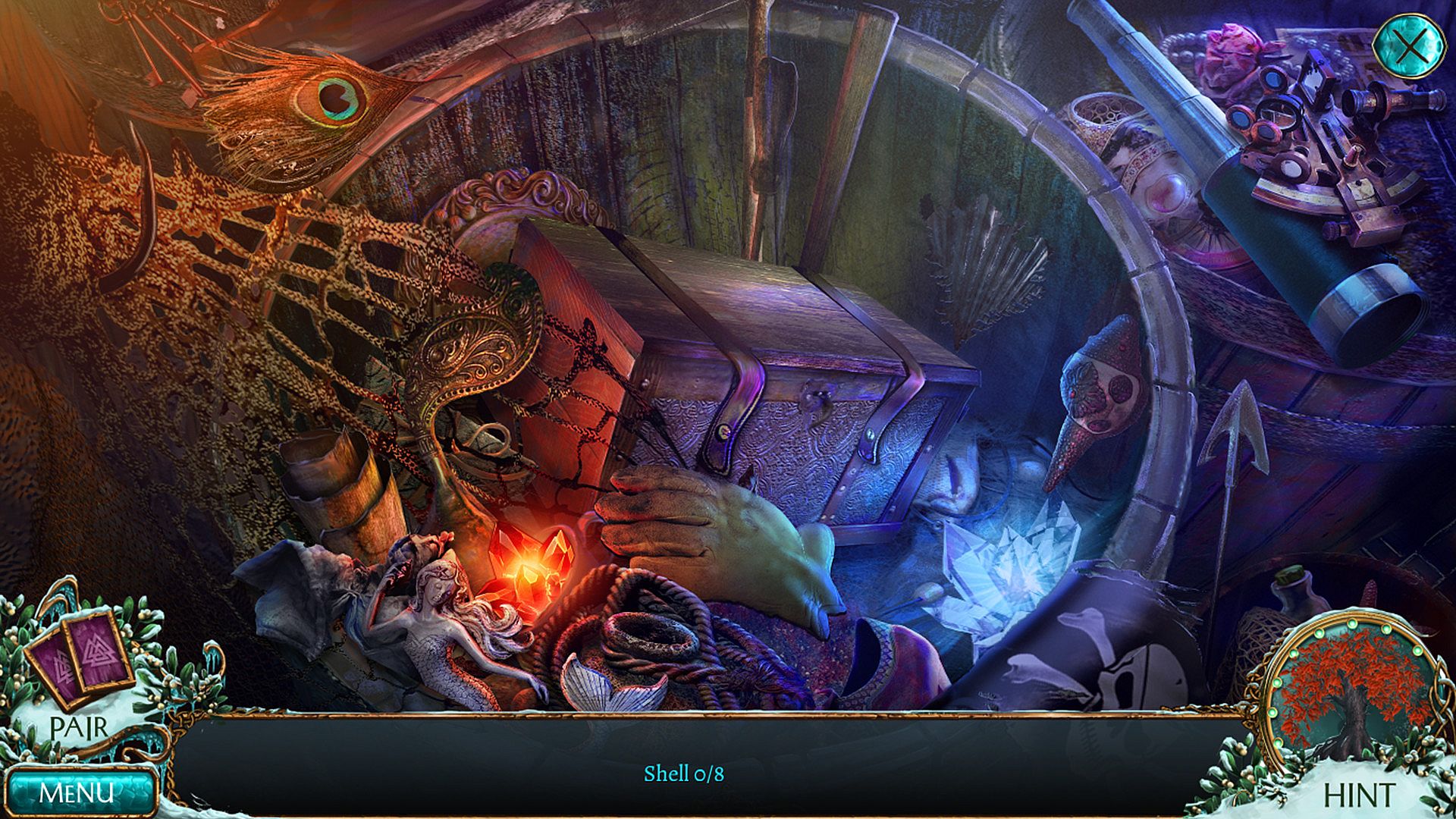
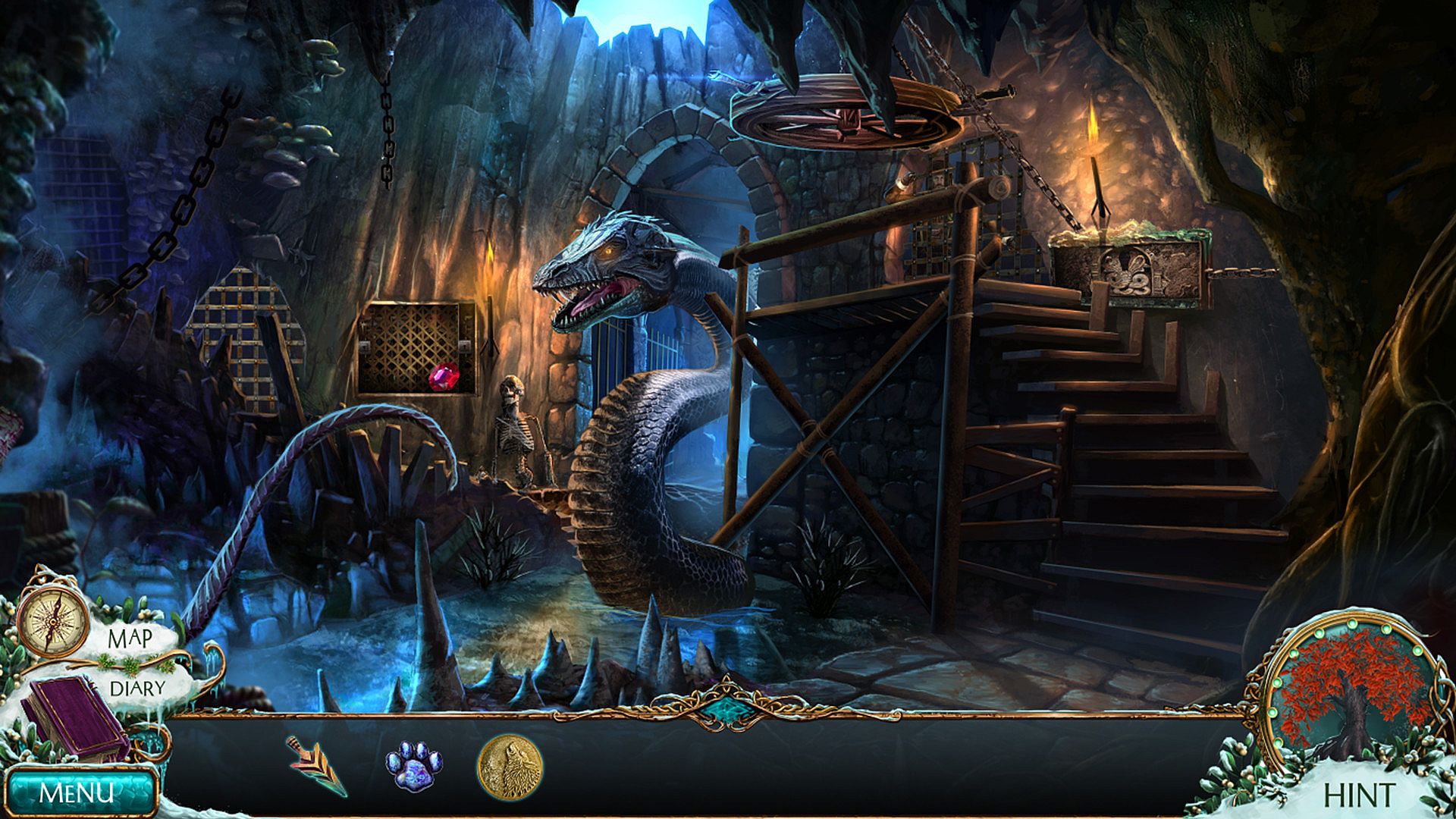
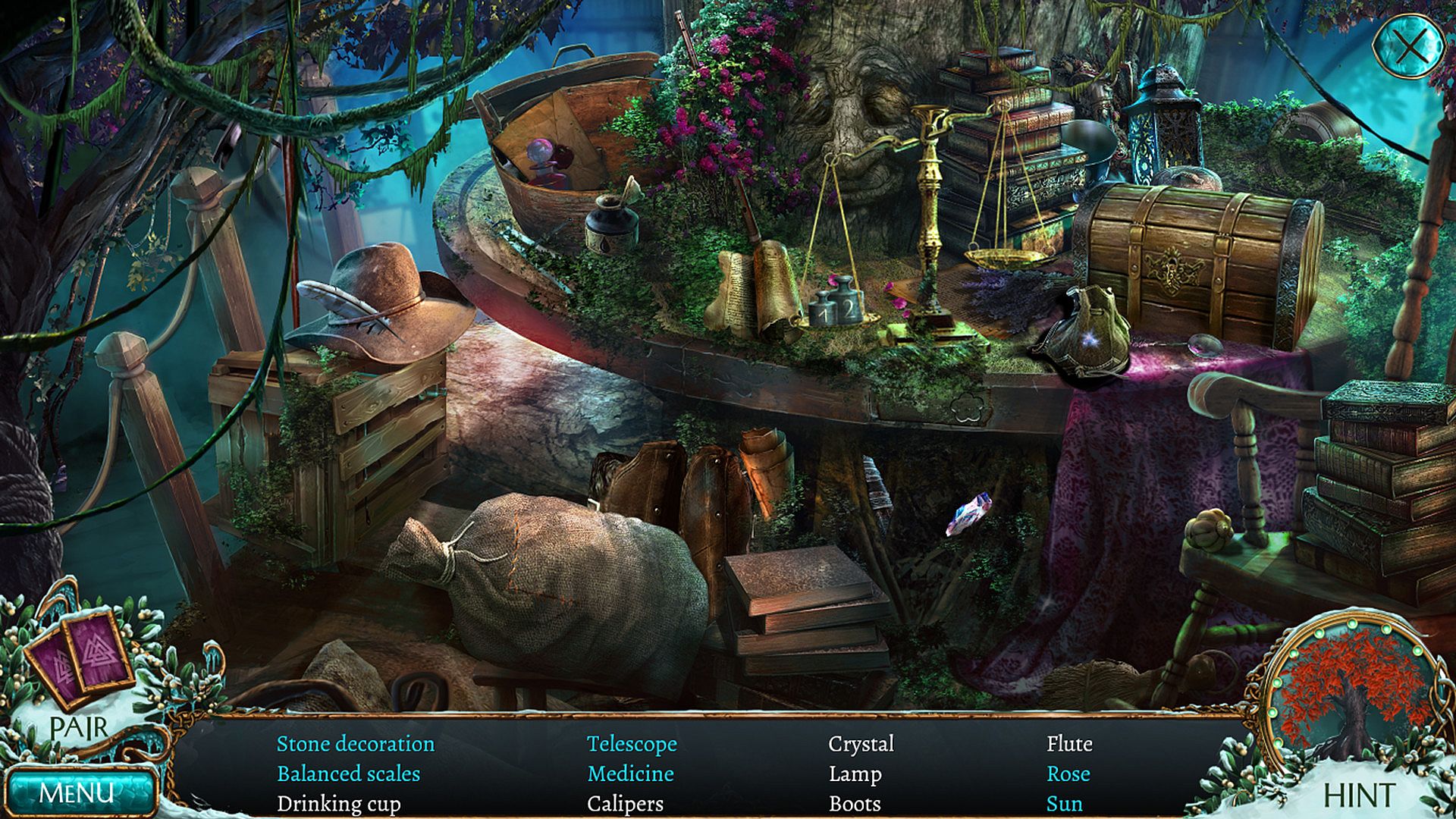
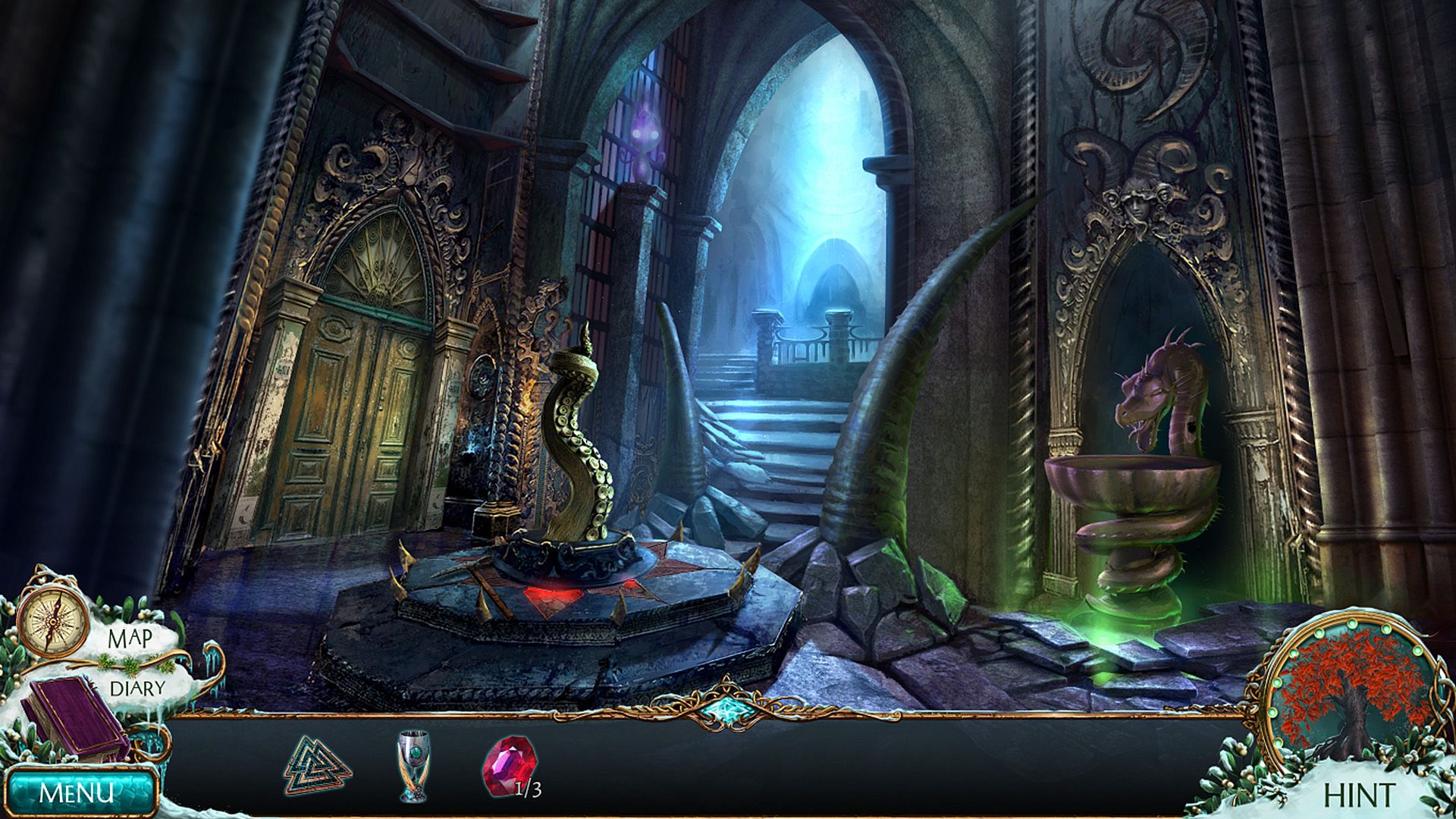
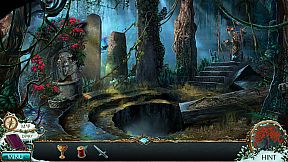
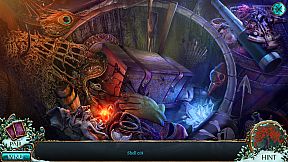
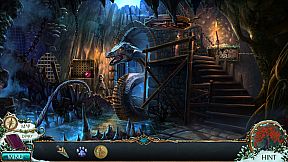
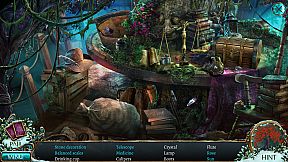
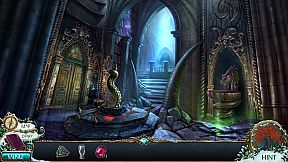
The core loop involves moving between static scenes where players search for listed items or interact with the environment to advance. Inventory items collected along the way solve mechanical obstacles such as assembling tools or opening locked mechanisms. Mini-games appear regularly and range from simple matching exercises to more involved logic challenges that require rotating pieces or aligning symbols. Collectibles scattered throughout the locations encourage thorough searching without altering the main path. The visual style emphasizes atmospheric northern settings with consistent art direction that supports the mystery tone.
Game Modes
The game operates entirely within a single-player campaign format. Progress follows the central story thread through successive locations, with hidden object scenes serving as the primary activity type. Alternate puzzle options appear in some scenes for variety, allowing players to bypass traditional item lists when preferred. No separate competitive or cooperative modes exist, keeping the focus on sequential puzzle solving and story advancement.
Story and Setting
The narrative builds around the disappearance inside the mine and the potential connection to ancient legends. Pamela investigates clues left by the expedition while encountering characters affected by the events. Locations draw from real-world northern European aesthetics reimagined through folklore elements, including mines, villages, and natural landscapes tied to the Hodur and Loki mythos. The plot maintains a steady pace with periodic revelations that tie personal stakes to larger mythological implications.
Is It Worth Playing?
This title suits players who prefer methodical hidden object adventures with a mythology backdrop over fast-paced action. The combination of more than fifty minigames and hidden object scenes provides consistent activity across the forty locations. Reviews highlight the polished presentation and steady challenge level, making it a solid choice for those already familiar with the genre. As a complete single-player release from 2017, it offers a self-contained experience without ongoing content requirements. Fans of inventory puzzles and folklore-inspired mysteries will find the structure rewarding, while those seeking multiplayer elements or open-world freedom may prefer other options.