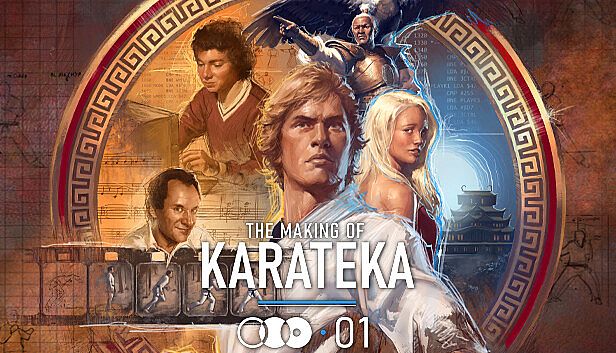





















The Making of Karateka is an interactive documentary that blends historical exploration with playable action games from the early 1980s. Developed by Digital Eclipse as the first entry in its Gold Master Series, the experience centers on Jordan Mechner's creation of Karateka while he was a college student. Players navigate archival materials, video features, and emulated versions of the original title alongside two exclusive modern takes on the material.
Gameplay
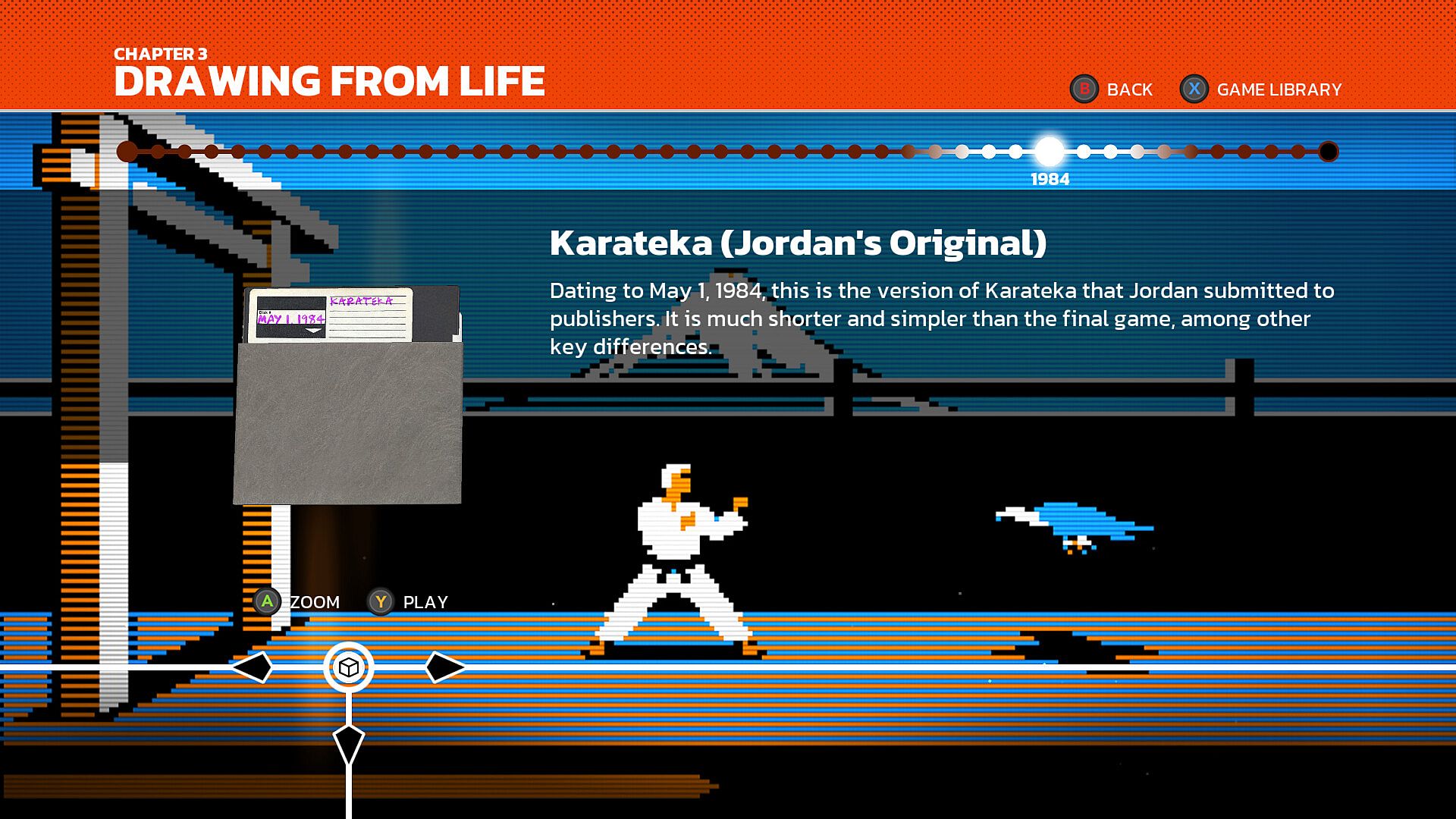
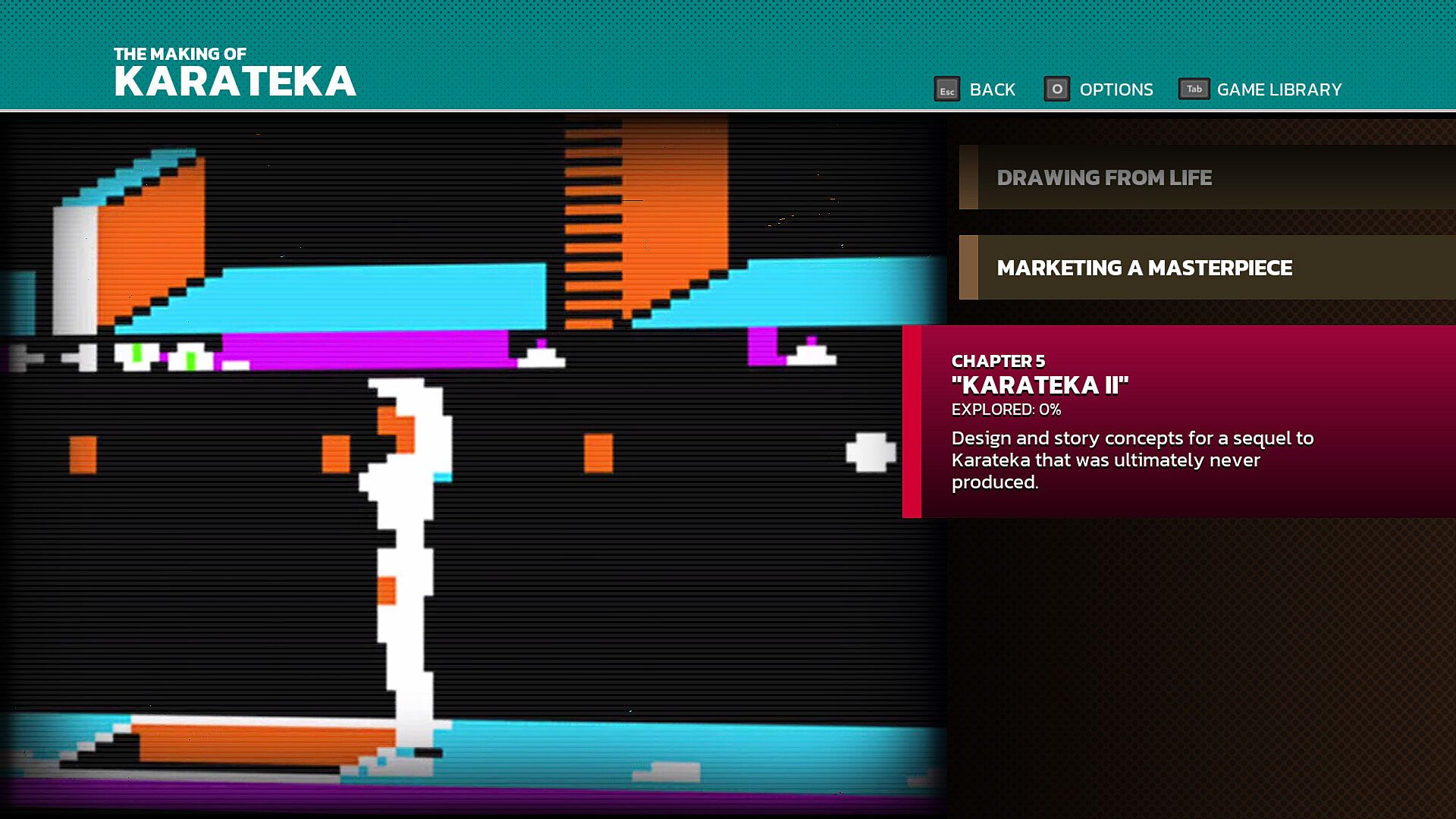
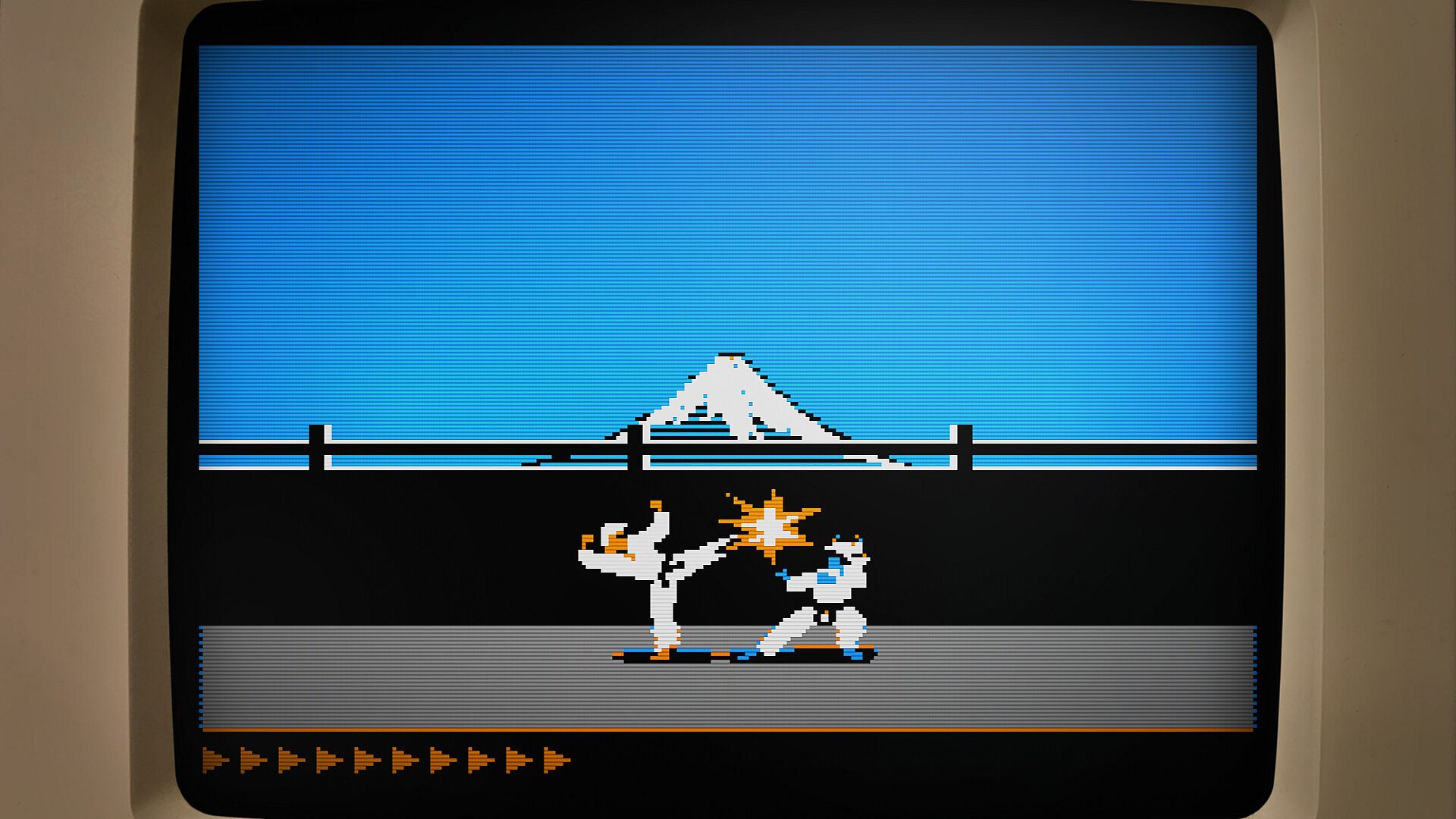
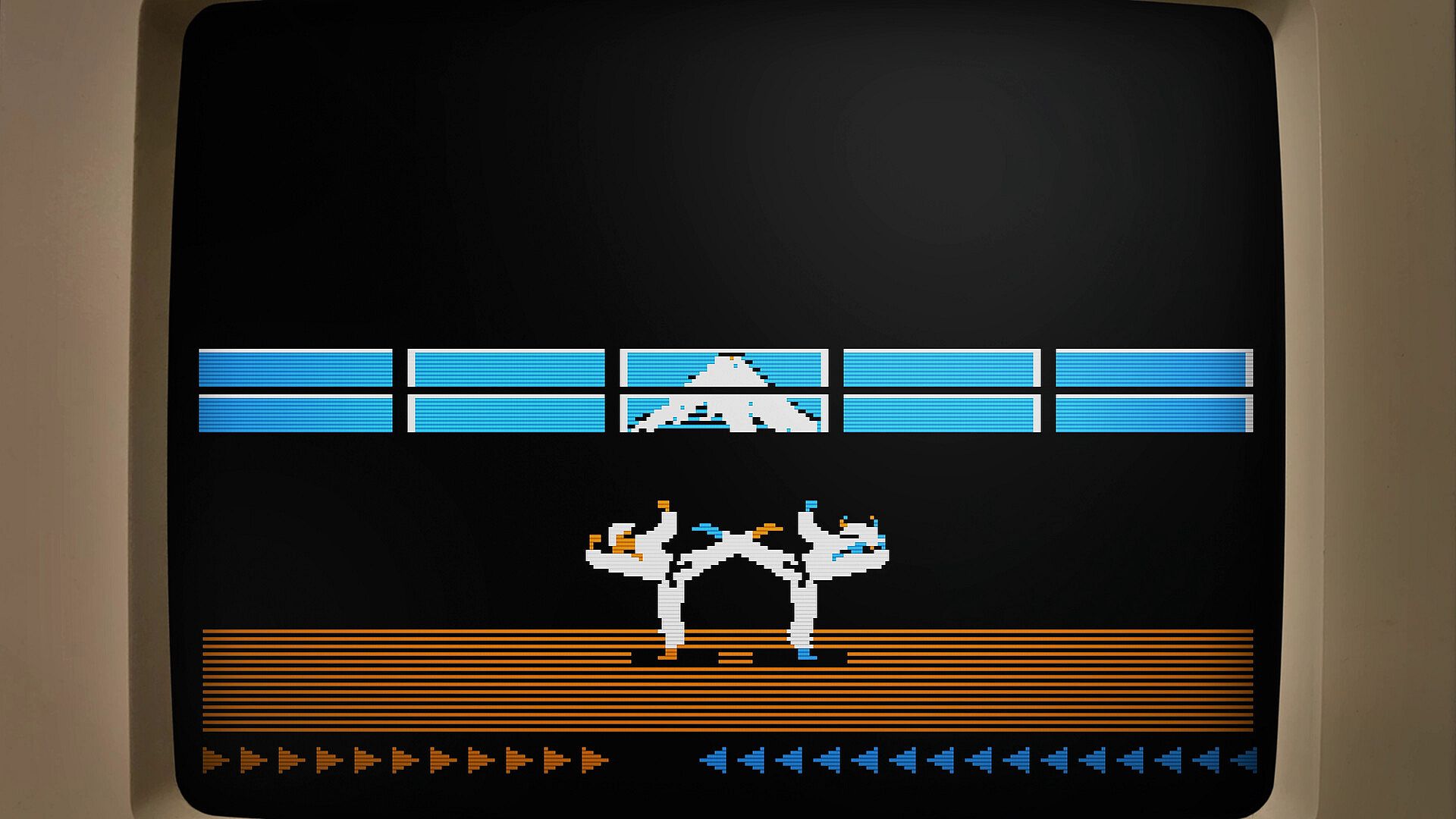
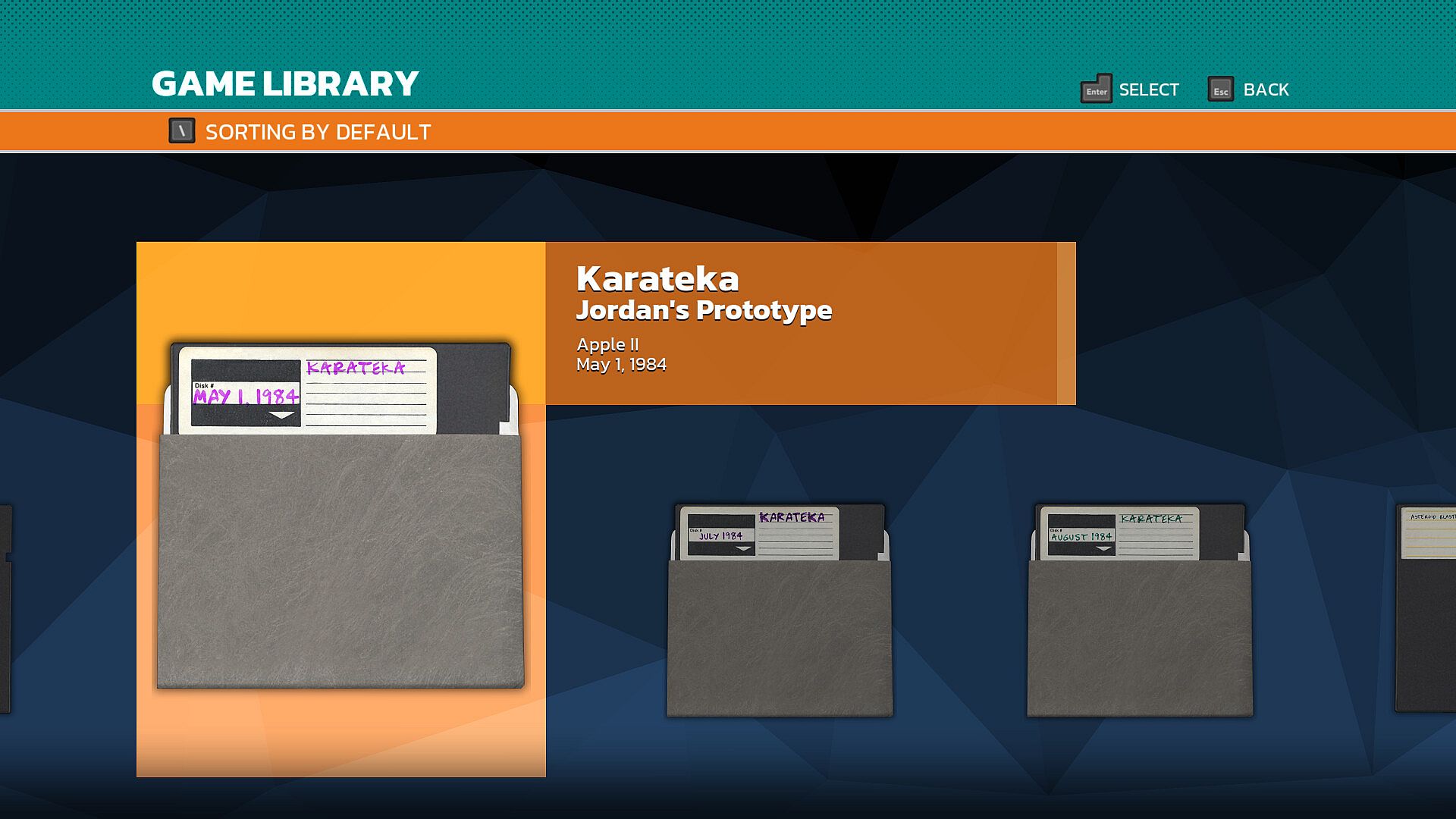
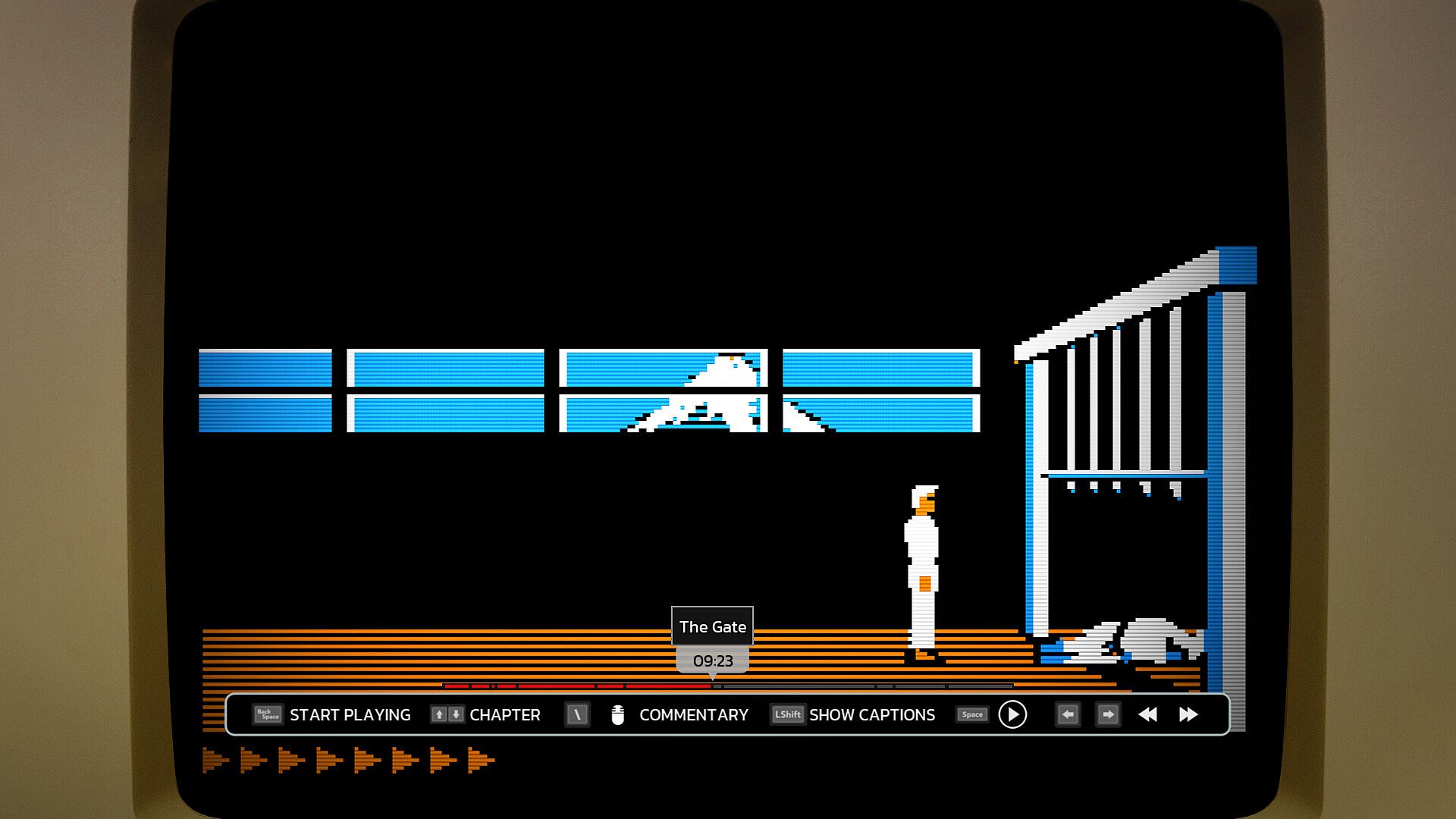
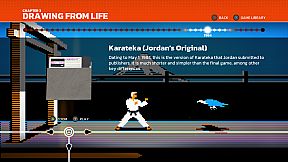
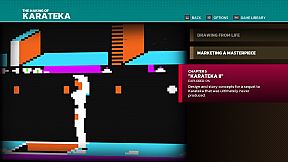
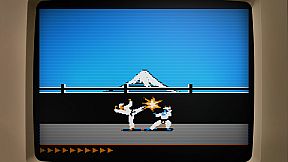
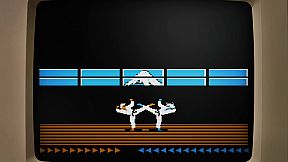
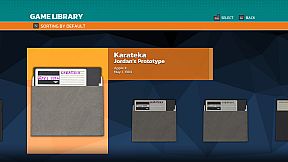
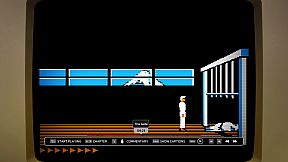
Core gameplay revolves around freeform exploration of interactive timelines that present design documents, prototypes, and video segments at the user's own pace. These sections function like a digital museum exhibit, allowing navigation through the development history of Karateka without linear restrictions. At any point, players can switch to pixel-perfect emulations of the original Karateka releases for Apple II, Commodore 64, and Atari platforms, plus several early prototypes never released before.
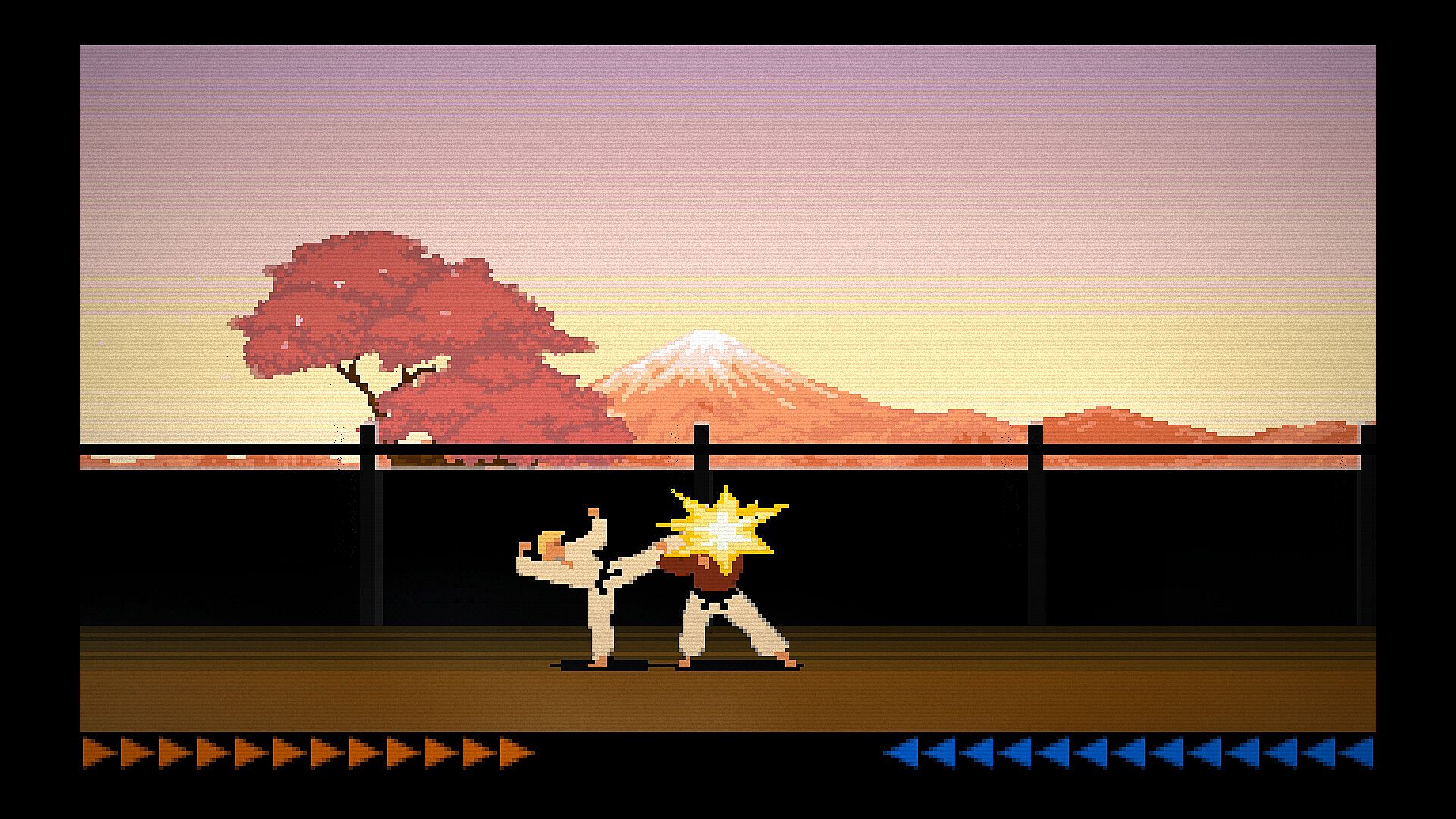
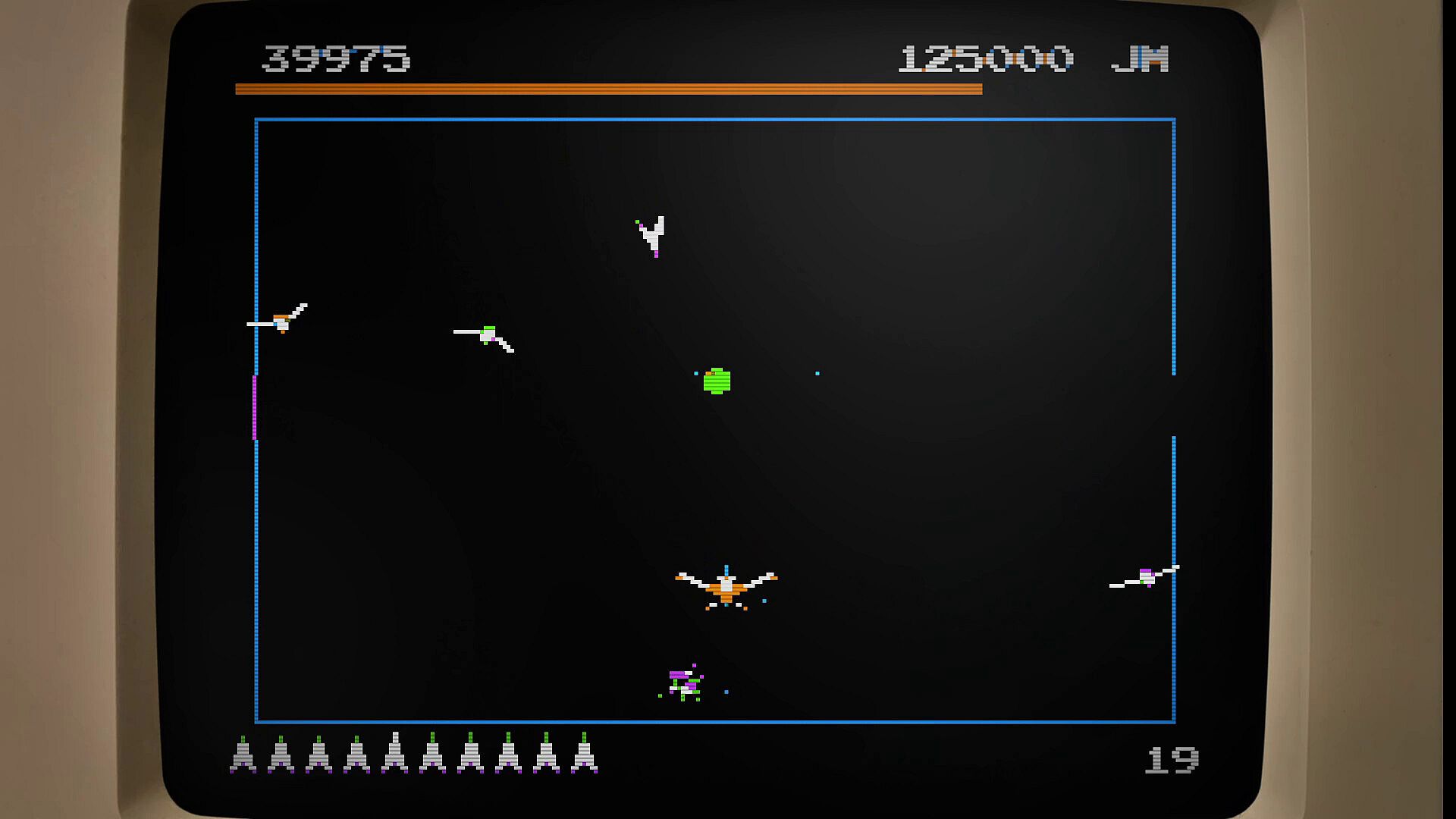
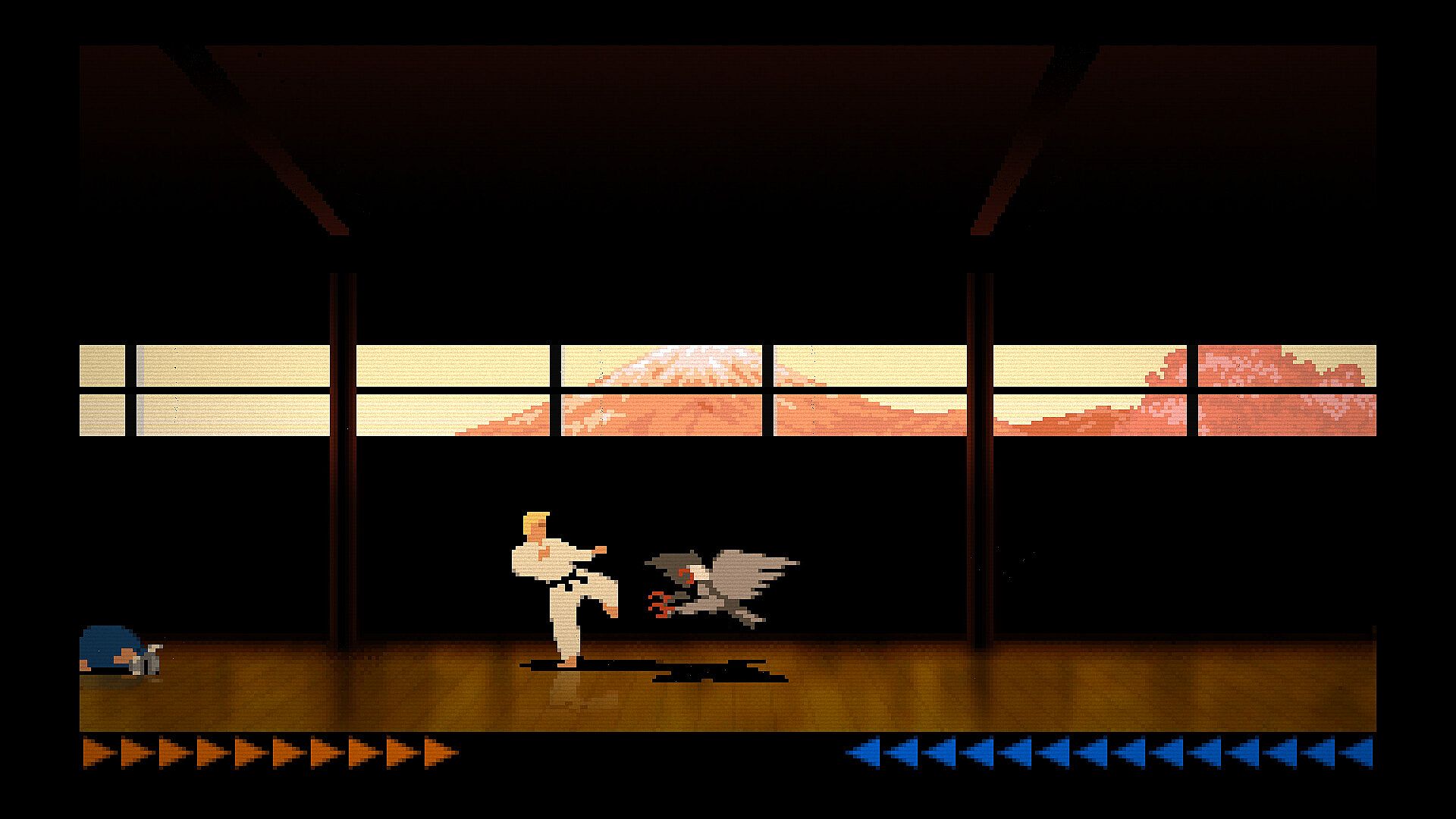
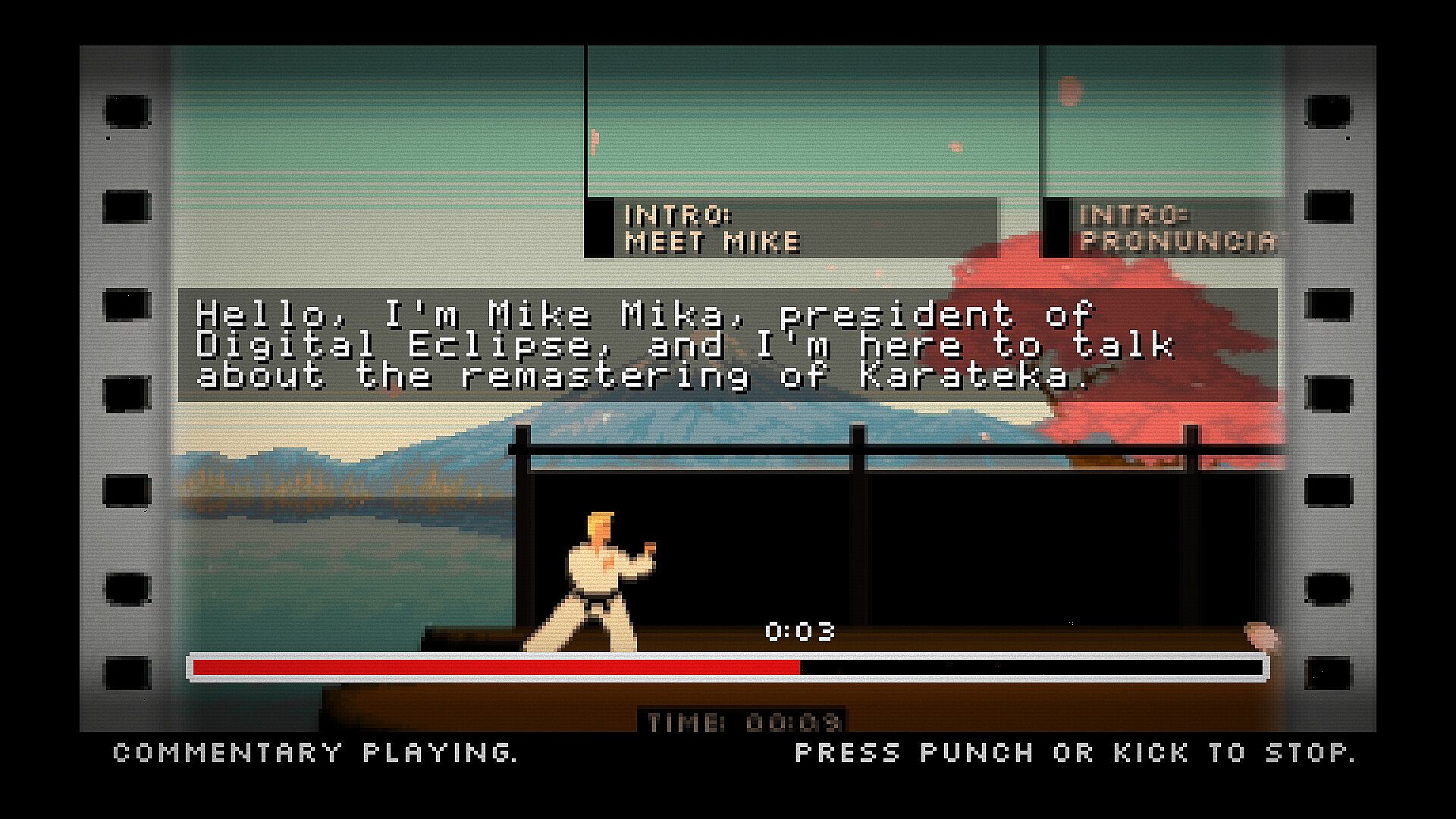
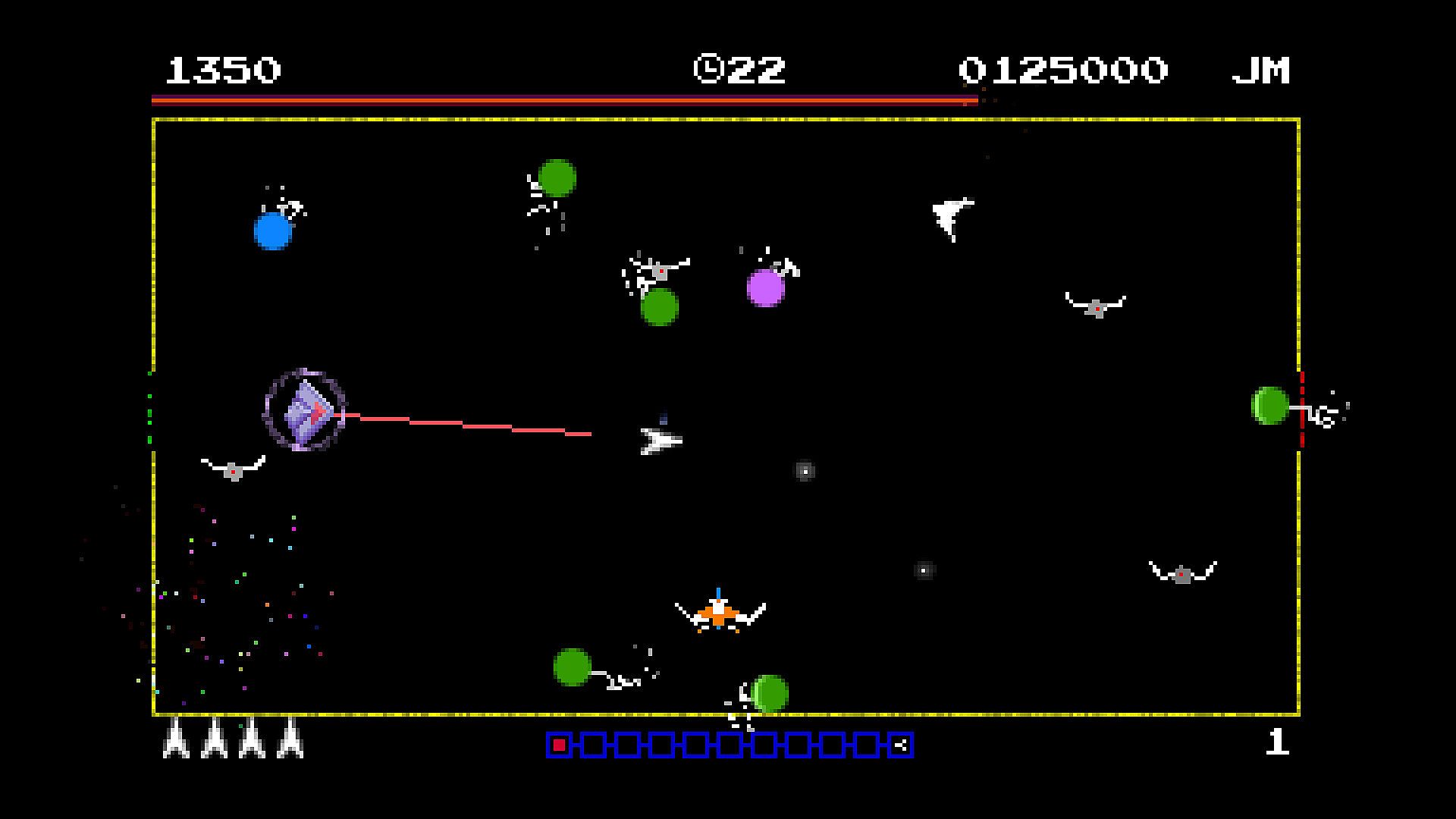
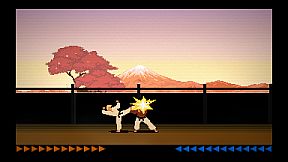
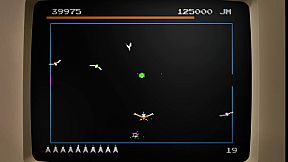
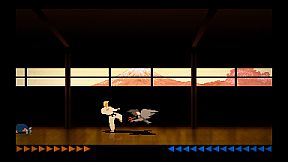
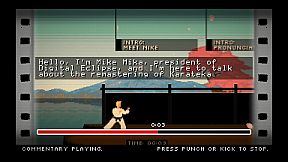
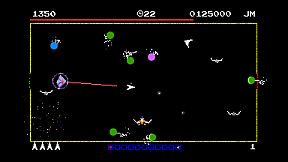
Quality-of-life tools enhance the retro action sequences, including the ability to save progress anywhere, rewind gameplay, select specific chapters, and access director's commentary tracks. The package also features Karateka Remastered, which incorporates previously cut content and additional commentary layers while preserving the side-view martial arts combat and cinematic transitions of the source material. A separate experience called Deathbounce: Rebounded reimagines an unpublished prototype as a twin-stick shooter with fast-paced movement and shooting mechanics.
Game Modes
The primary mode is the documentary timeline exploration, where users browse archives and video features independently. Separate play sessions focus on the original Karateka versions and prototypes, each presented with modern emulation support for smoother interaction. Karateka Remastered serves as a dedicated single-player mode that expands the classic action gameplay with new elements and achievement tracking. Deathbounce: Rebounded operates as its own standalone twin-stick shooter mode, emphasizing rapid combat encounters drawn from the early prototype concepts.
No multiplayer components exist across any section. All modes remain available as single-player experiences that can be accessed in any order once unlocked through the main interface.
Historical Context and Innovations
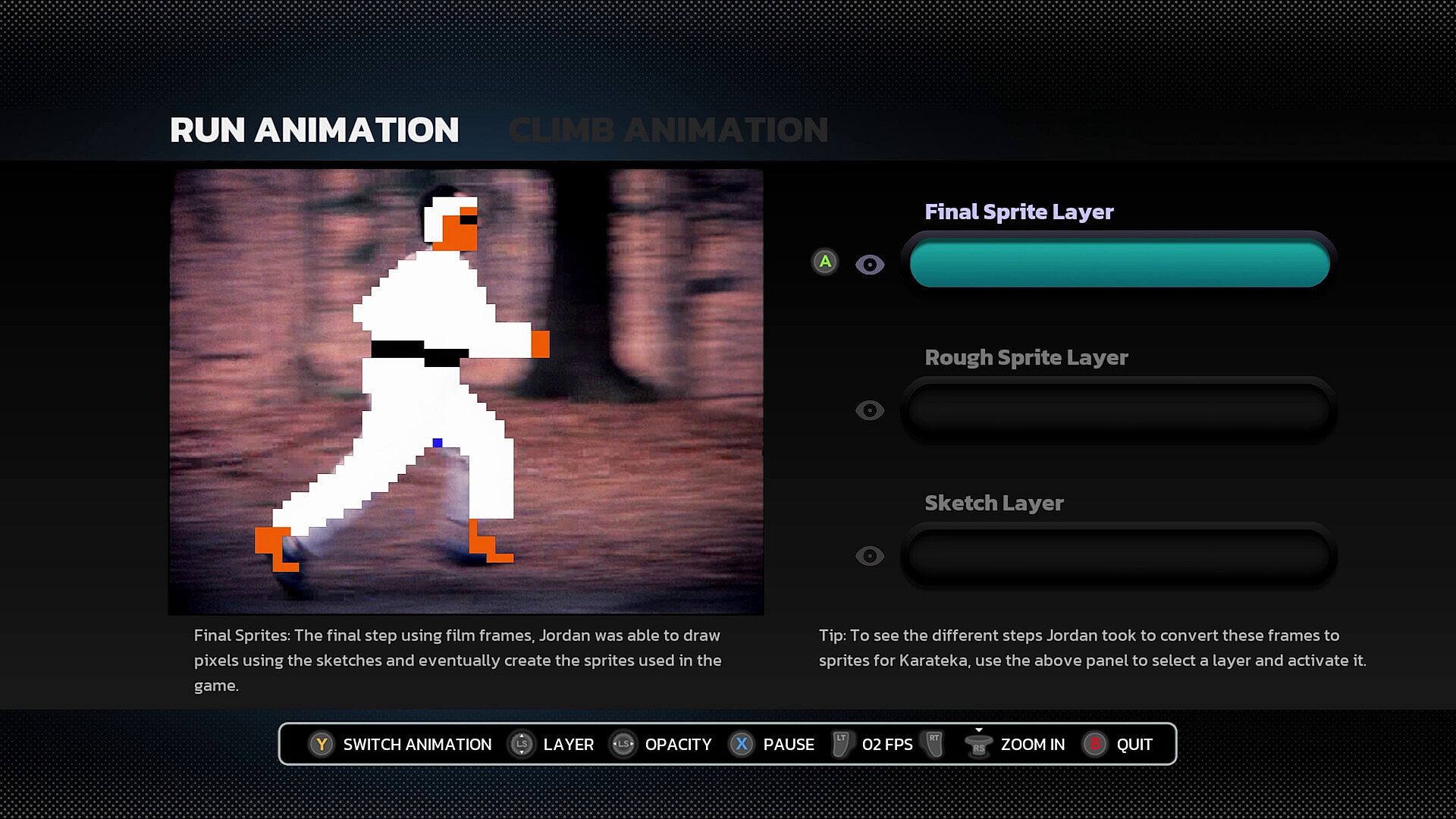
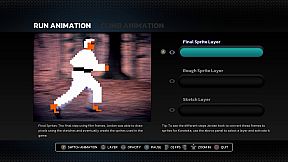
Karateka introduced several techniques that shaped later action games, including integrated cinematic scenes, a composed soundtrack, rotoscoped character animation, and a narrative focused on a rescue plot with romantic elements. The interactive documentary highlights these aspects through direct comparison of prototypes and final versions, showing how Mechner iterated on controls and pacing during development on limited hardware. The remastered and rebounded titles build on these foundations with updated presentation while retaining core mechanics like precise timing in combat and level progression.
Is It Worth Playing?
Reception for The Making of Karateka has been strongly positive among critics and players interested in gaming history. Review scores from outlets such as IGN and GameCritics reached the high 9 range, praising the depth of archival material and the quality of the playable additions. The package suits those who enjoy retro action gameplay combined with behind-the-scenes insight, particularly fans of side-scrolling combat or early platformer design. Availability on PC includes all documented features without additional requirements. For anyone seeking a focused look at one of the most influential 1980s titles and its creator's process, the experience delivers substantial value through its combination of preserved originals and thoughtful expansions.