


















Wizardry: Proving Grounds of the Mad Overlord is a party-based dungeon crawler RPG developed as a full 3D remake of the original 1981 title. Players assemble a group of adventurers and navigate a multi-level labyrinth beneath a castle to recover a stolen amulet from the wizard Werdna while serving the mad overlord Trebor. The experience centers on exploration, resource management, and turn-based combat in a single-player format that emphasizes careful planning over action reflexes.
Gameplay
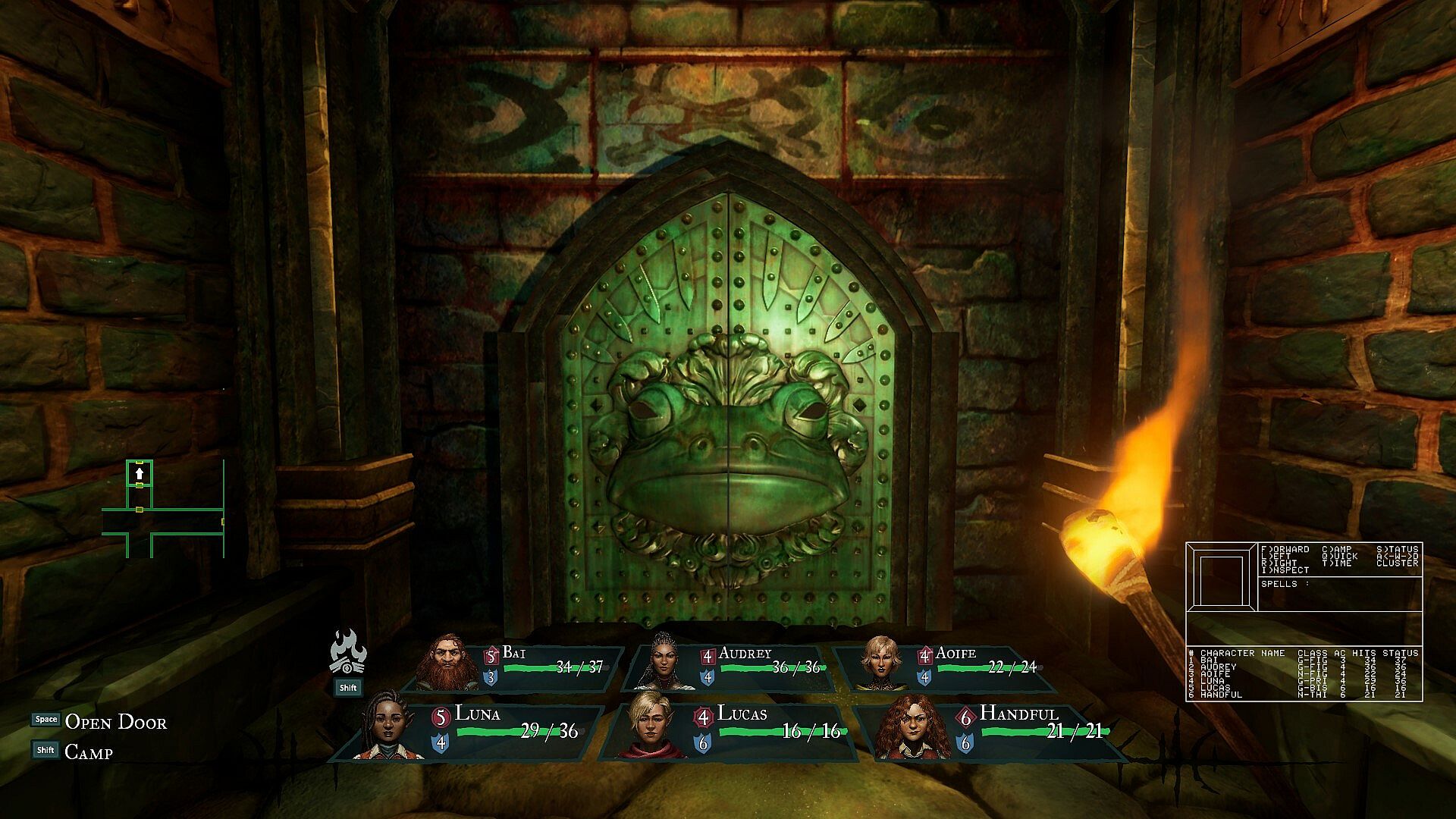
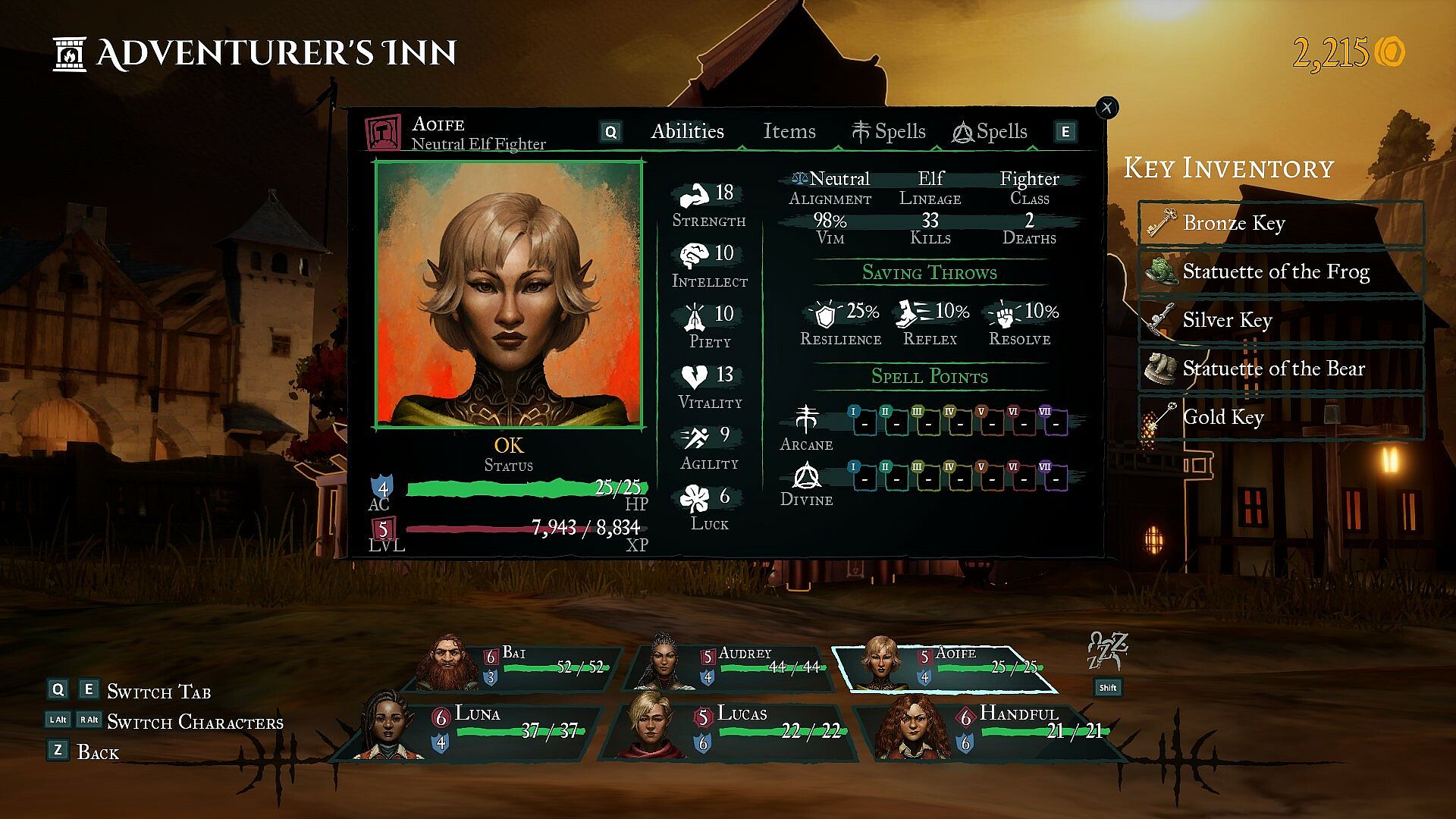
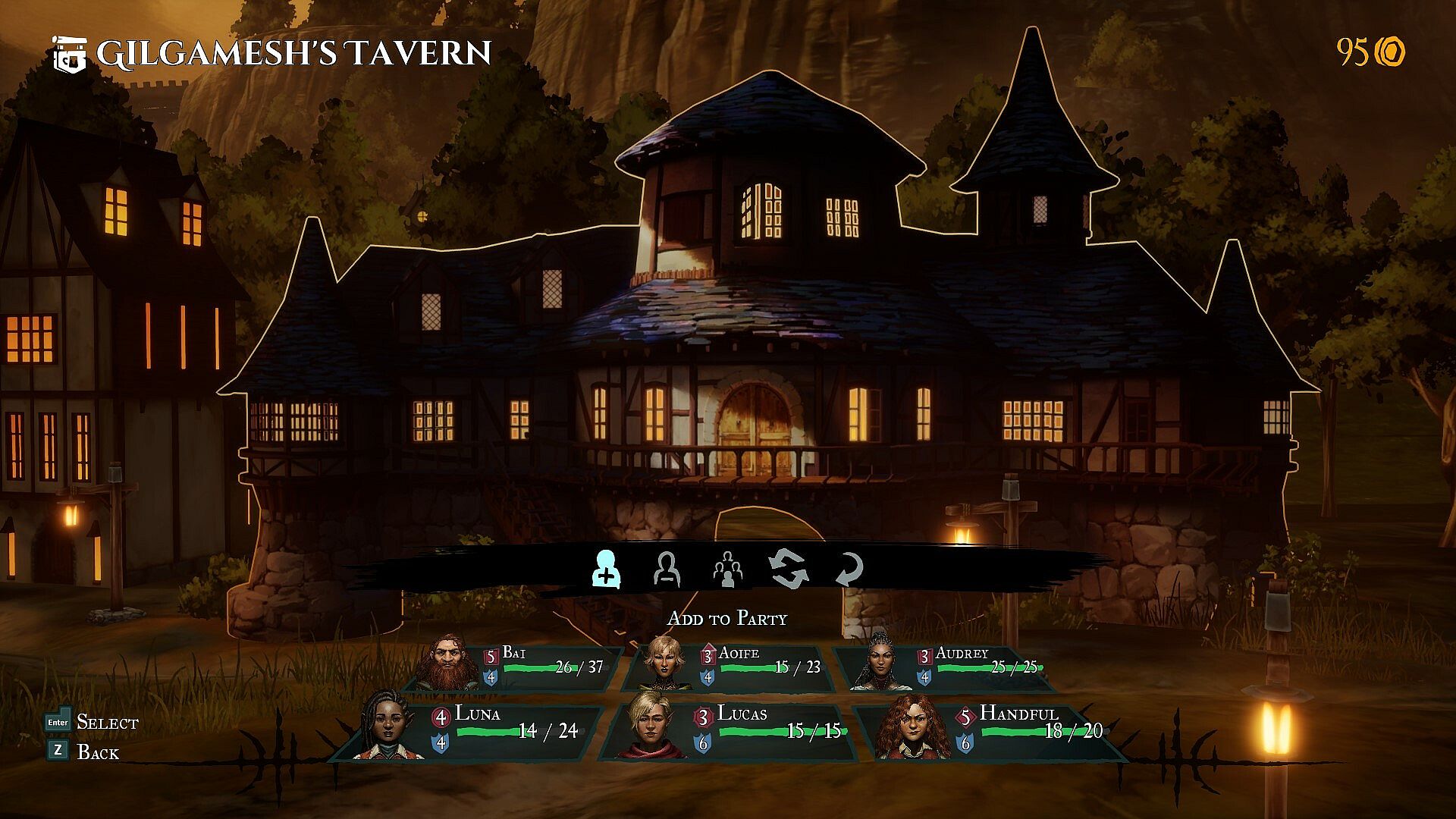
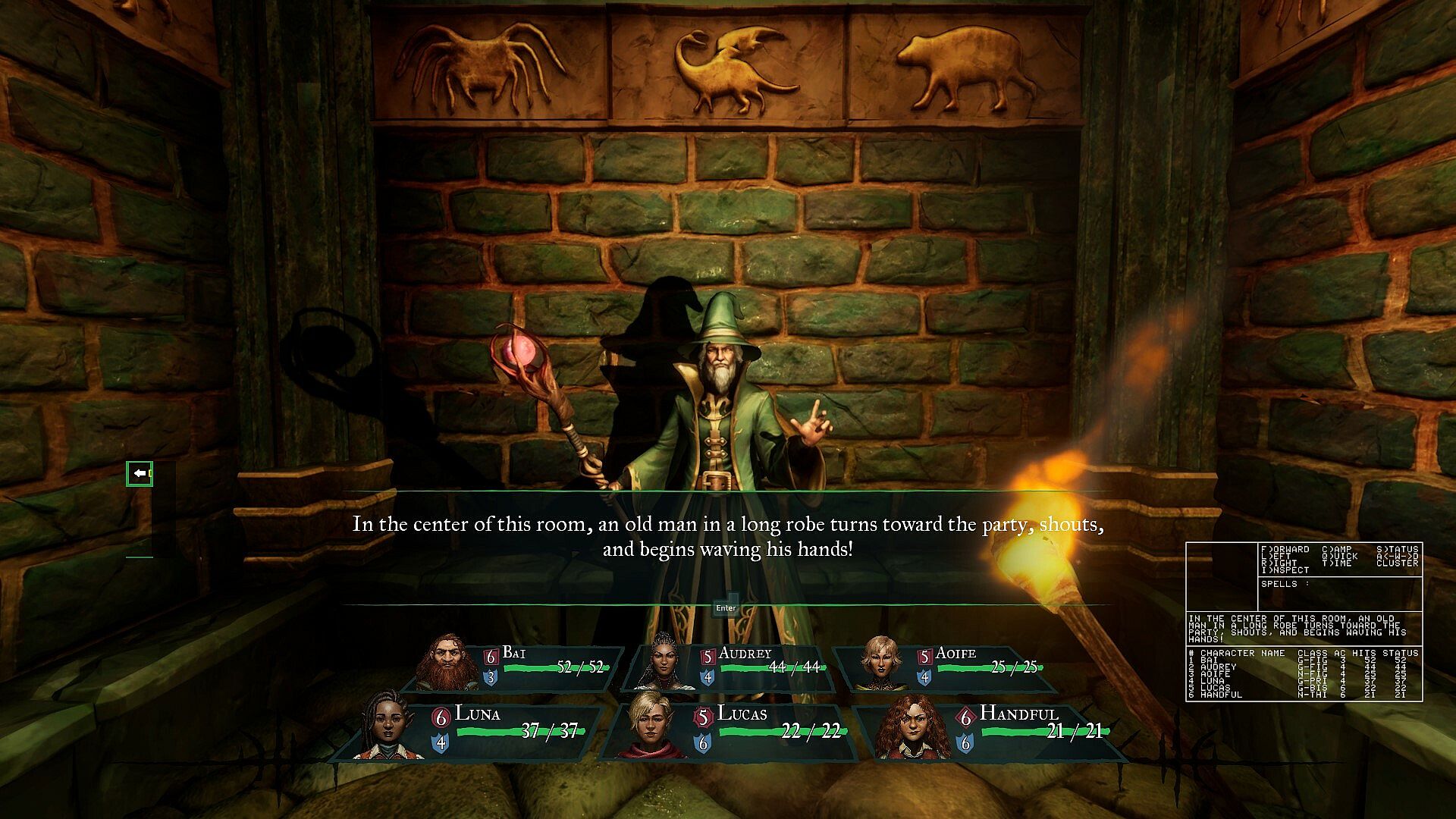
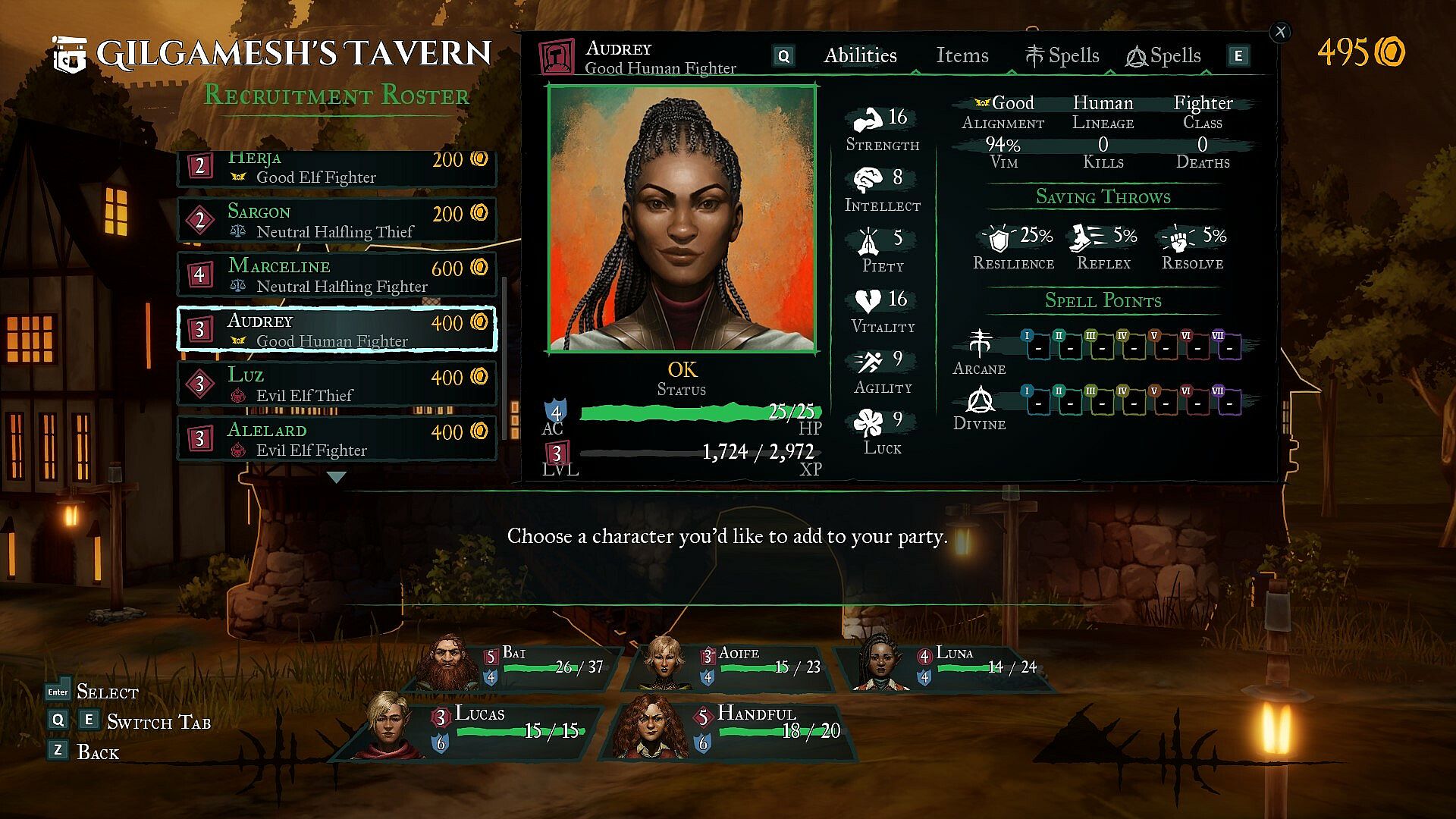
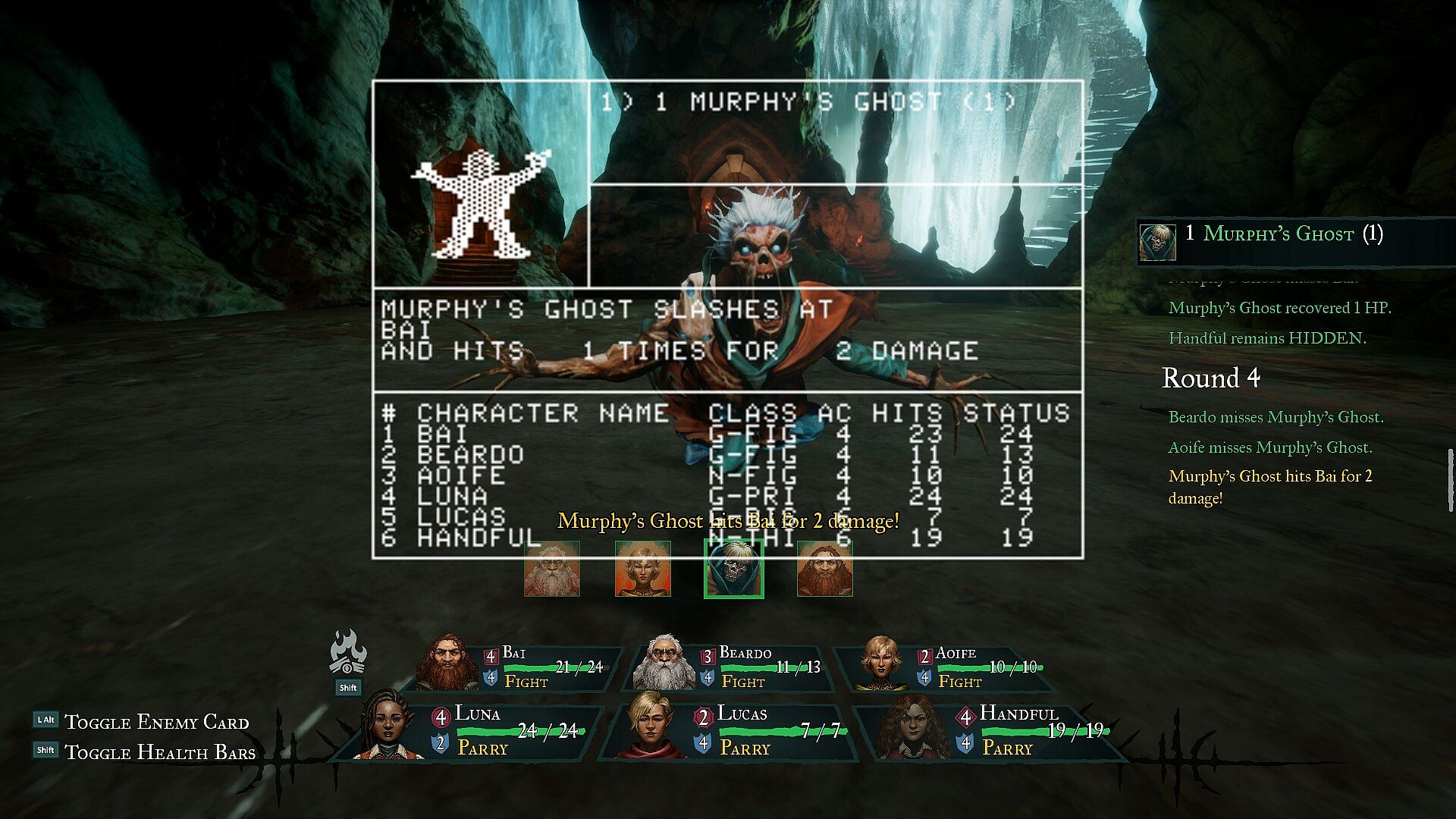
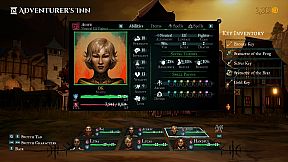
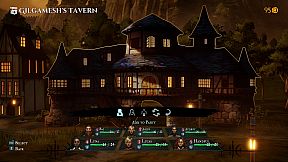
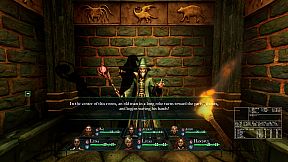
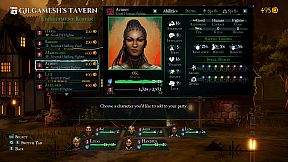
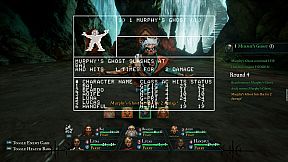
Core gameplay revolves around creating a party of up to six characters, each defined by race, class, and attributes that influence combat effectiveness and survival. Adventurers descend into the dungeon floors, where they encounter groups of enemies, navigate corridors, and contend with hidden traps that can inflict damage or status effects. Movement occurs in first-person perspective through the 3D environments, with options to view the original Apple II interface alongside the modern presentation for reference.
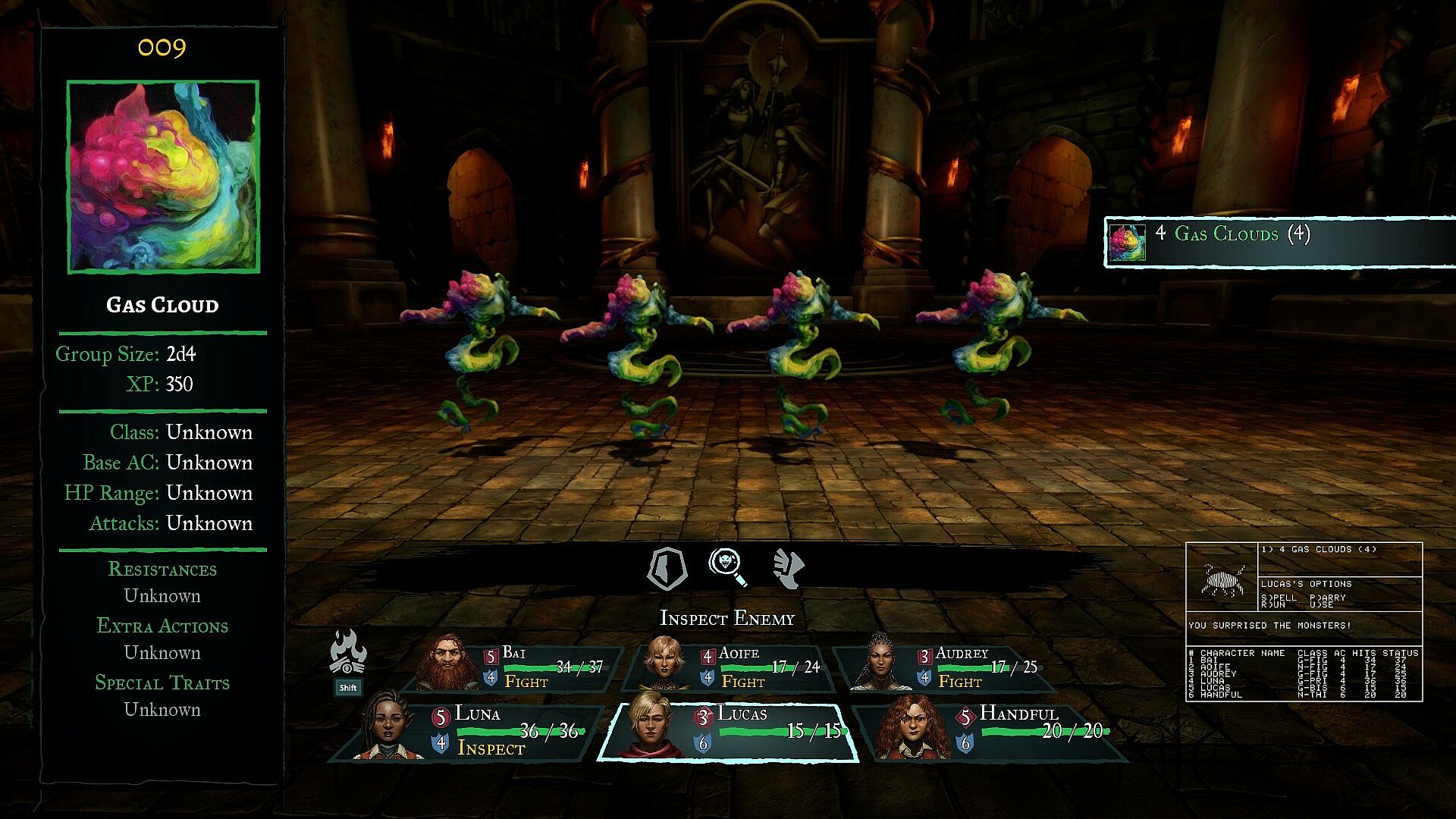
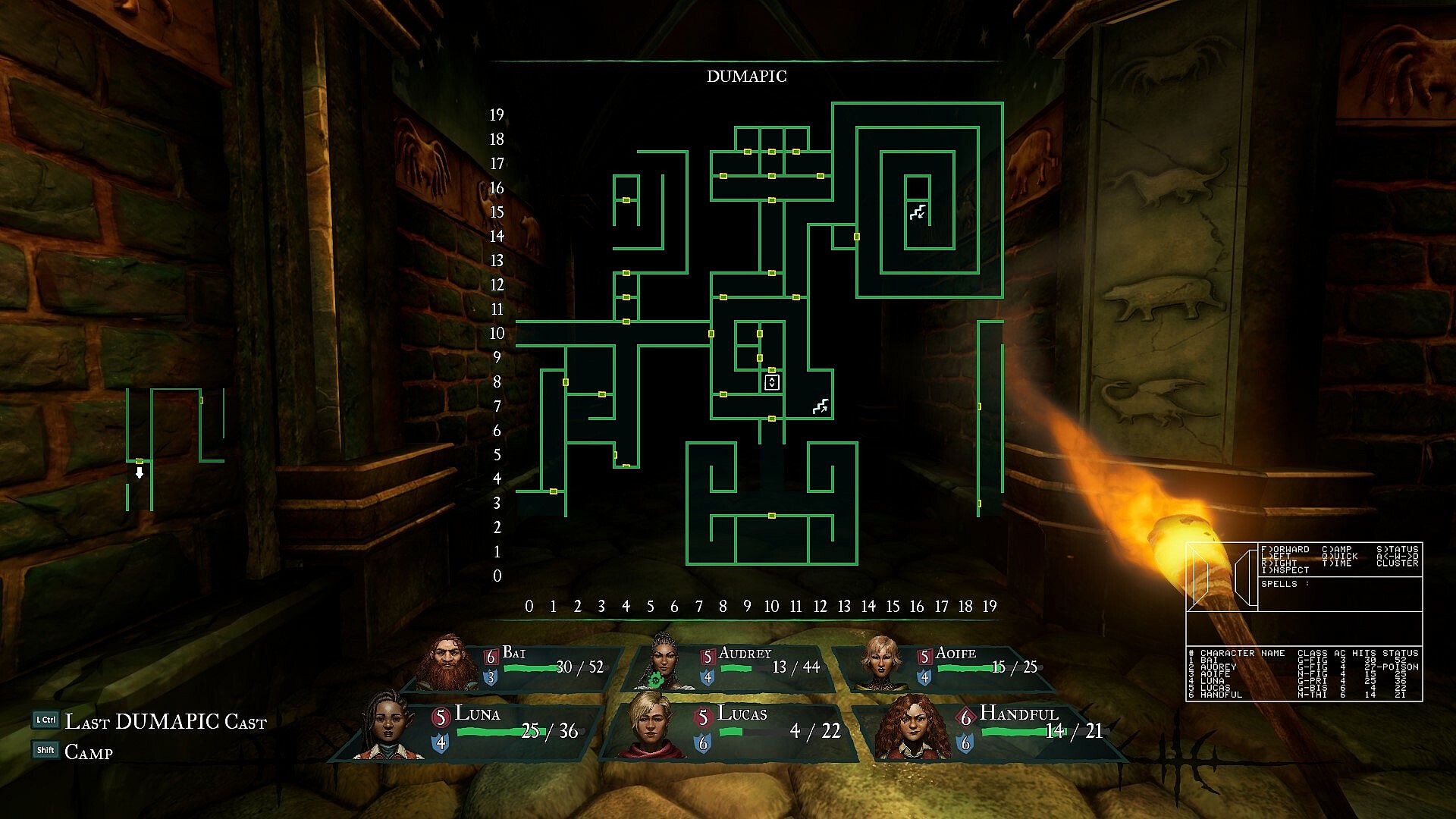
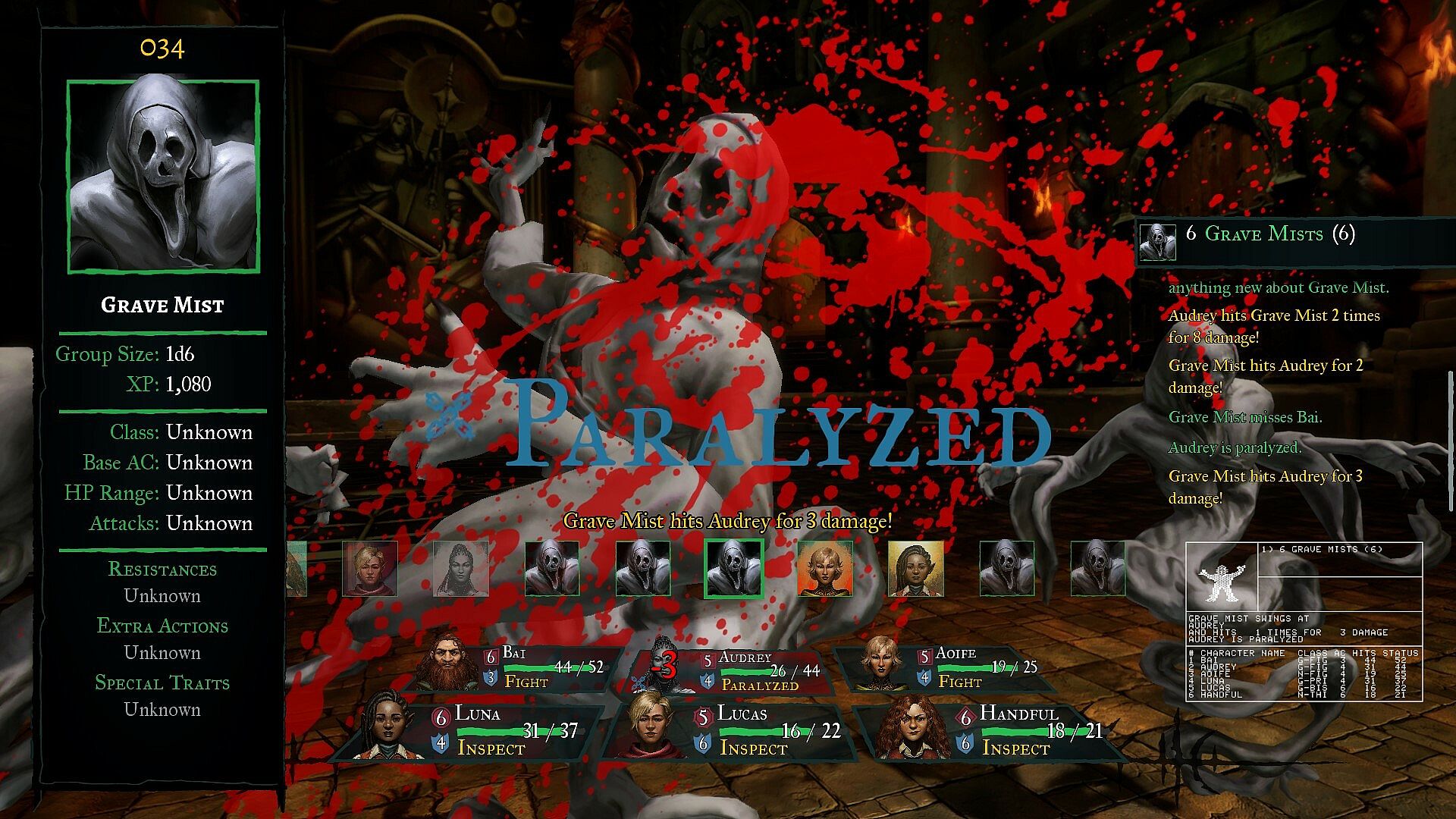
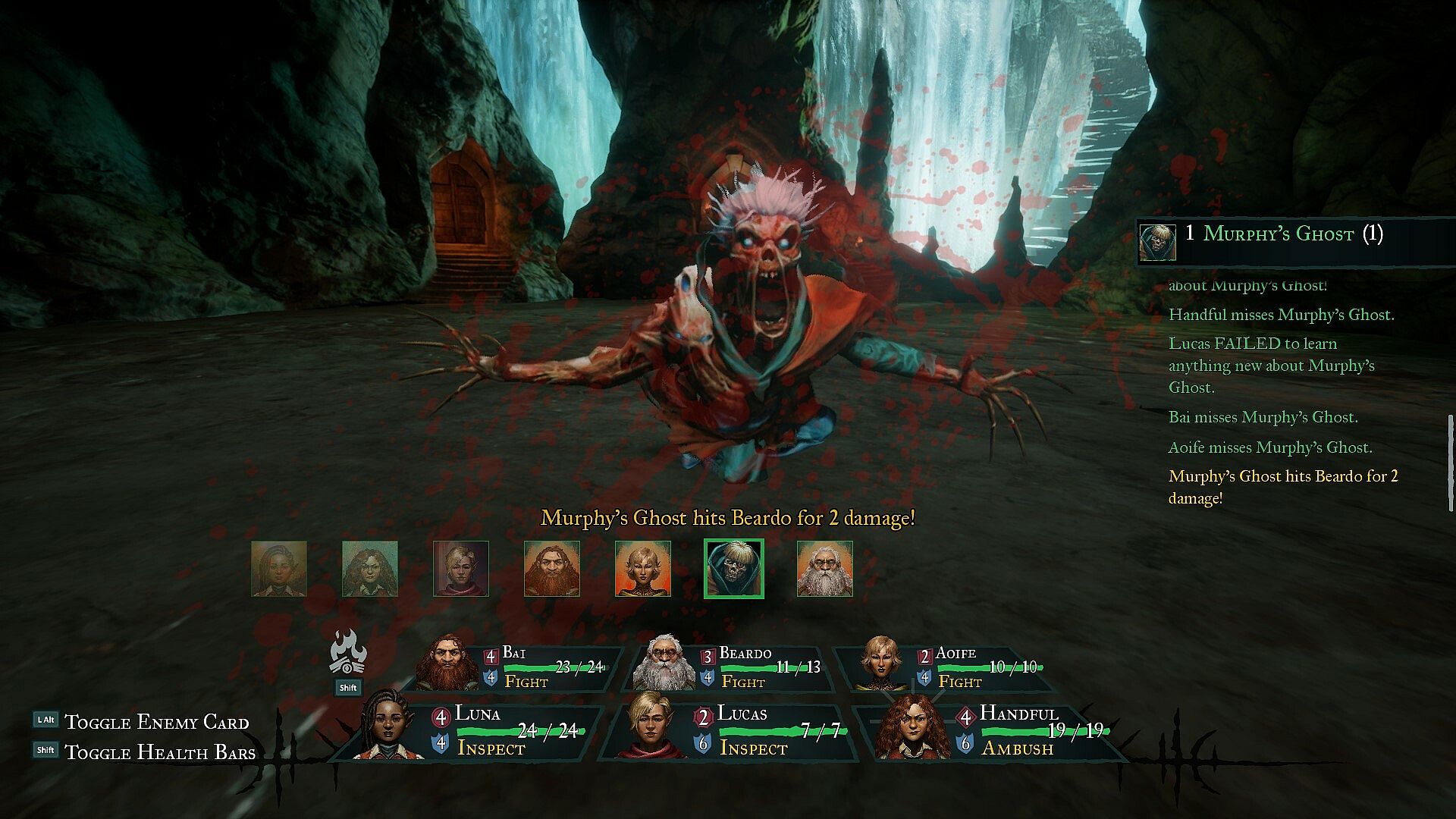
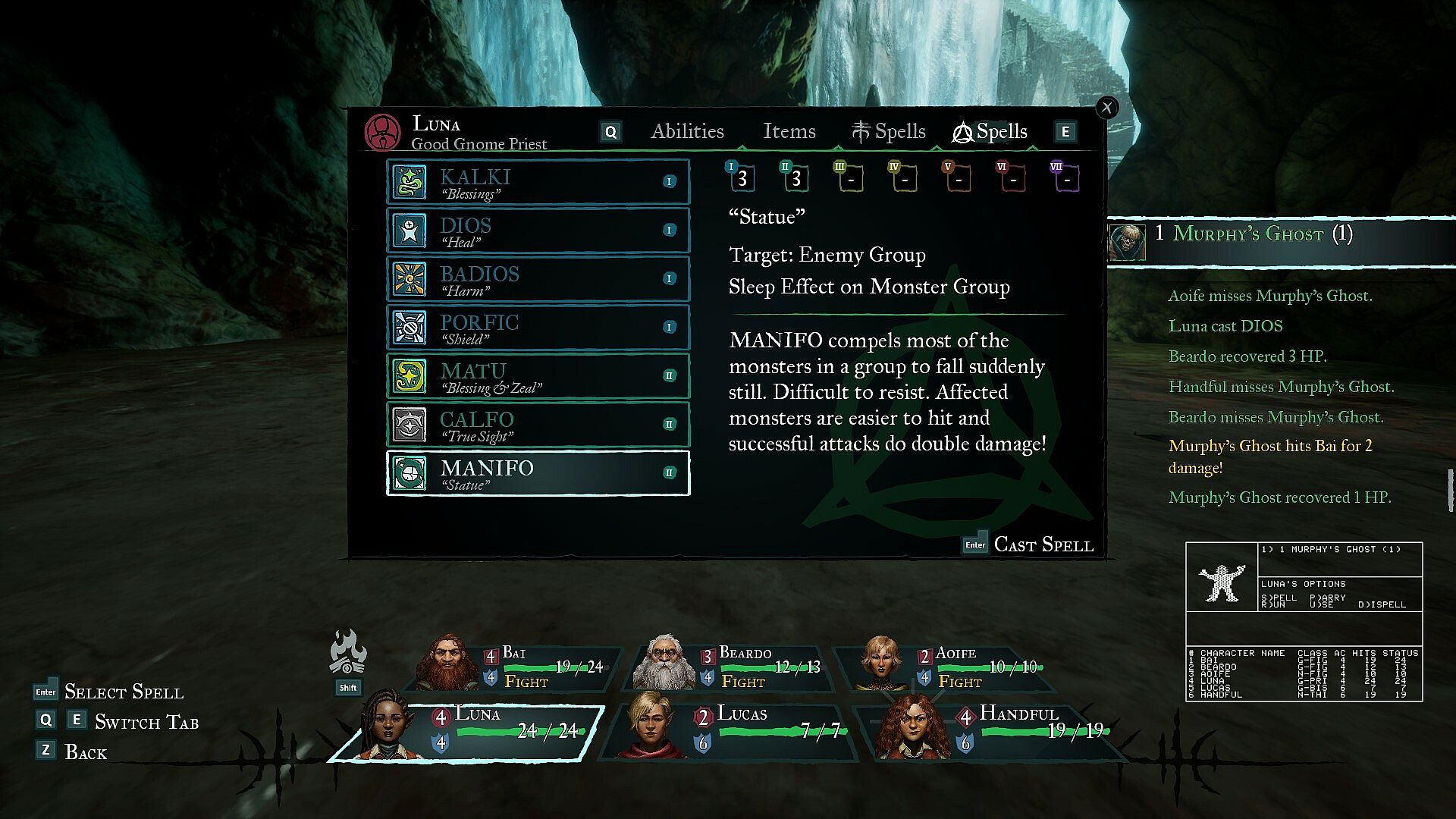
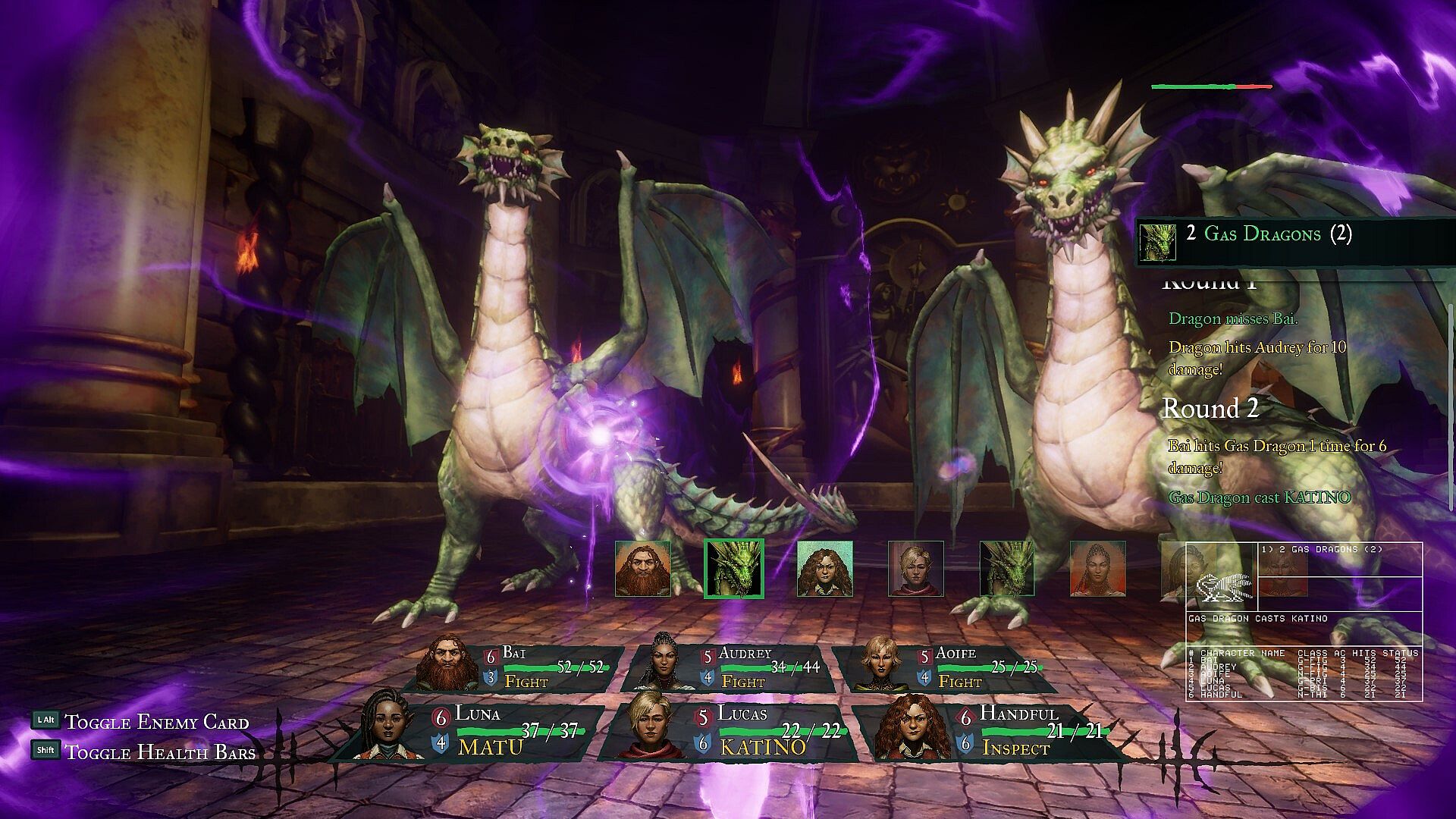
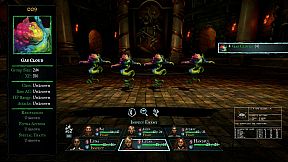
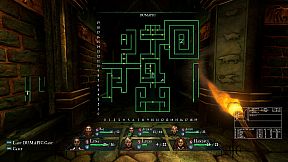
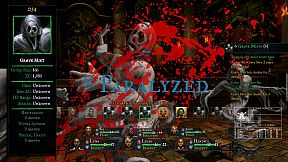
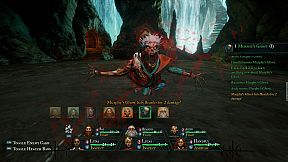
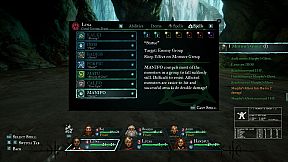
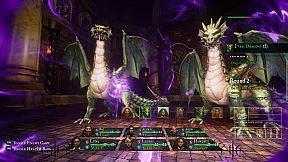
Combat unfolds in turn-based rounds where party members select actions such as attacking, casting spells, or using items. Enemy encounters demand attention to positioning, spell selection, and party composition because certain foes possess resistances or special abilities that punish unprepared groups. Navigation includes mapping tools and spells that reveal layout details, reducing reliance on manual note-taking while preserving the challenge of deeper levels. Quality-of-life features streamline party management, spellcasting sequences, and inventory handling without altering the underlying difficulty of enemy encounters or trap placement.
The soundtrack features a GRAMMY Award-winning score that underscores the tense atmosphere during exploration and battles. Character progression occurs through experience gained from successful encounters, allowing attribute improvements and new abilities upon returning to the surface to rest and resupply.
Game Modes
The game operates as a single continuous campaign without separate multiplayer or competitive modes. All activity centers on the dungeon descent, where players advance floor by floor toward the final confrontation. Party creation and customization serve as the primary preparatory phase before each expedition, and failed runs require starting over with a new or recovered group.
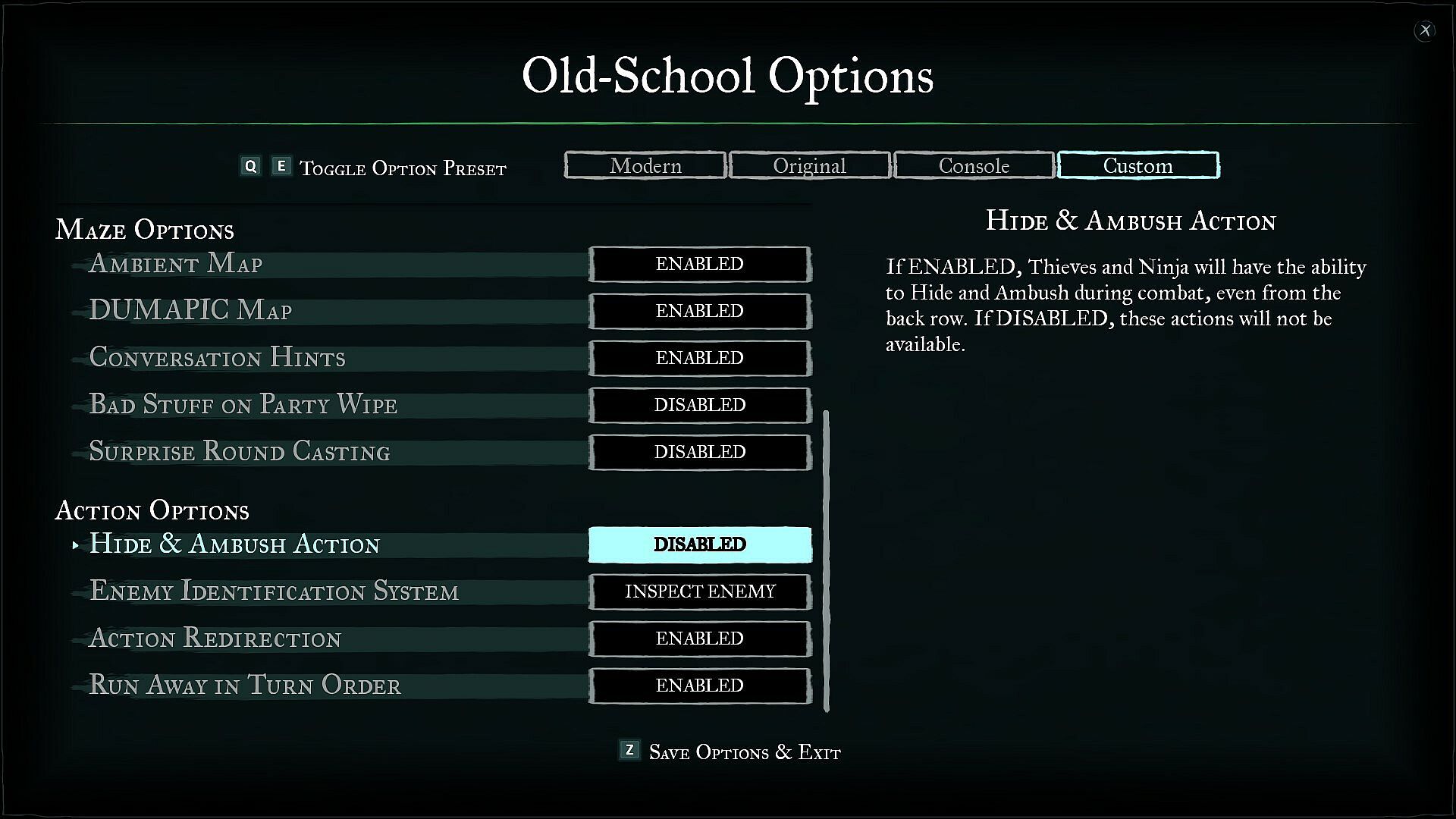
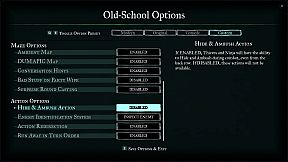
Optional toggles allow players to adjust certain interface and assistance elements while keeping core mechanics intact. These adjustments support different approaches to the same dungeon crawl, from stricter adherence to classic rules to more guided navigation and combat pacing. No additional game modes such as arenas, raids, or alternate story paths exist beyond this focused single-player structure.
Key Mechanics and Features
Authenticity stems from the remake being built directly on the original 1981 code base, ensuring enemy behaviors, trap placements, and progression systems match the classic experience. Modern upgrades appear in the 3D visuals, controls, and menu systems that handle party formation, equipment identification, and map display more efficiently than the source material.
Spellcasting requires precise selection from a list of available magic, with effects ranging from direct damage to utility functions like mapping or detection. Resource management extends to limited spell charges, food supplies, and healing items that must be balanced against the risk of venturing deeper without a safe return path. The structure rewards repeated attempts as players learn enemy patterns and optimal party builds through trial and error.
Is It Worth Playing?
This title suits players who appreciate demanding turn-based dungeon crawlers that prioritize strategic party building and methodical exploration. The quality-of-life improvements reduce friction in navigation and management compared to the 1981 original, yet the combat remains punishing for those who overlook positioning or resource limits. Newcomers to the Wizardry series can use the accessible interface as an entry point, while veterans benefit from the updated presentation and optional original interface view.
Reception highlights the faithful recreation of classic systems alongside the enhancements that make repeated play sessions more tolerable. The game launched in full release during 2024 with no ongoing seasonal content or live-service elements, delivering a complete single-player experience focused on the core dungeon crawl. Those seeking a modernized version of early RPG design will find the balance of challenge and convenience worthwhile, provided they enjoy the deliberate pace and high stakes of party-based adventures.