

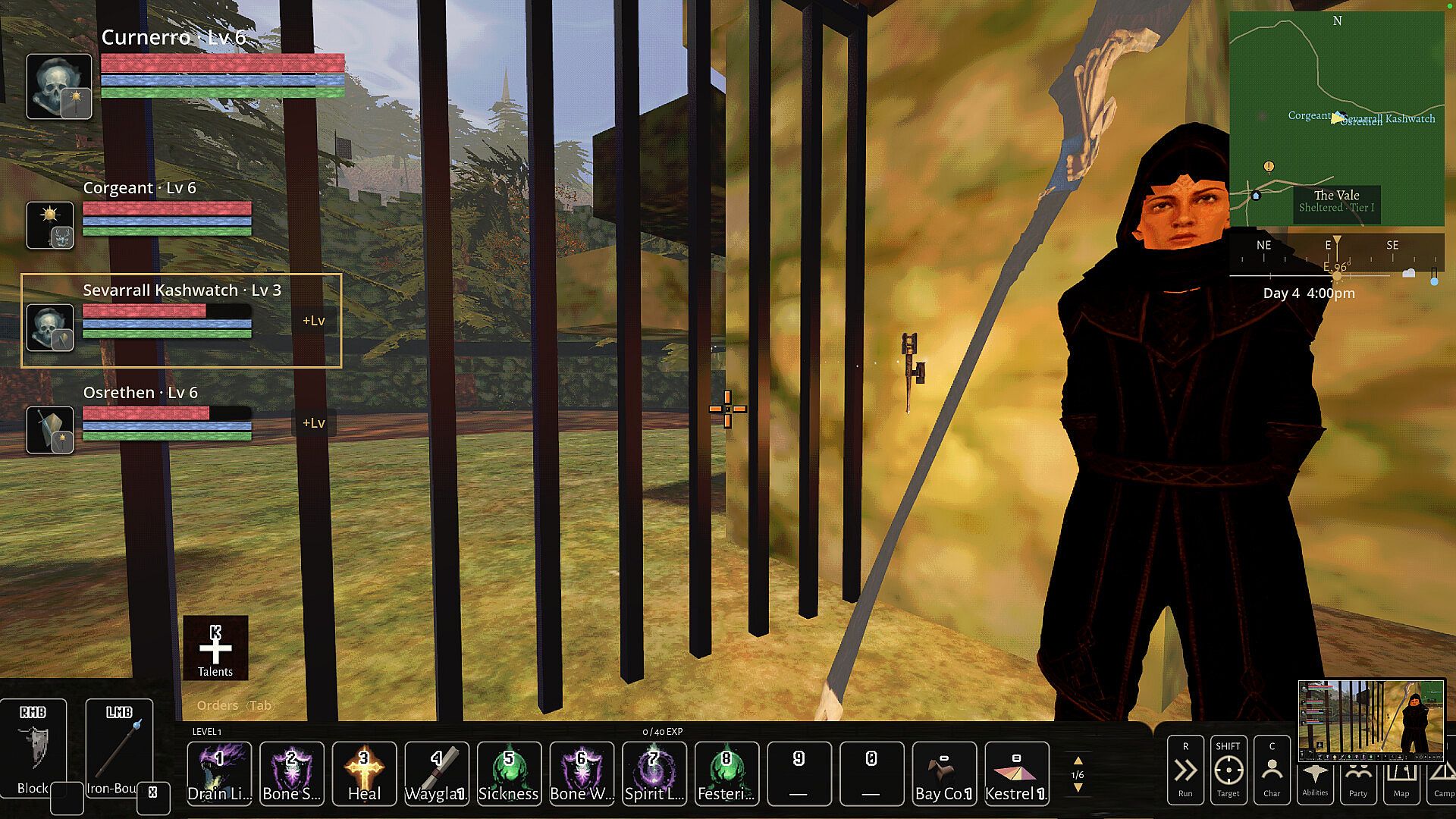
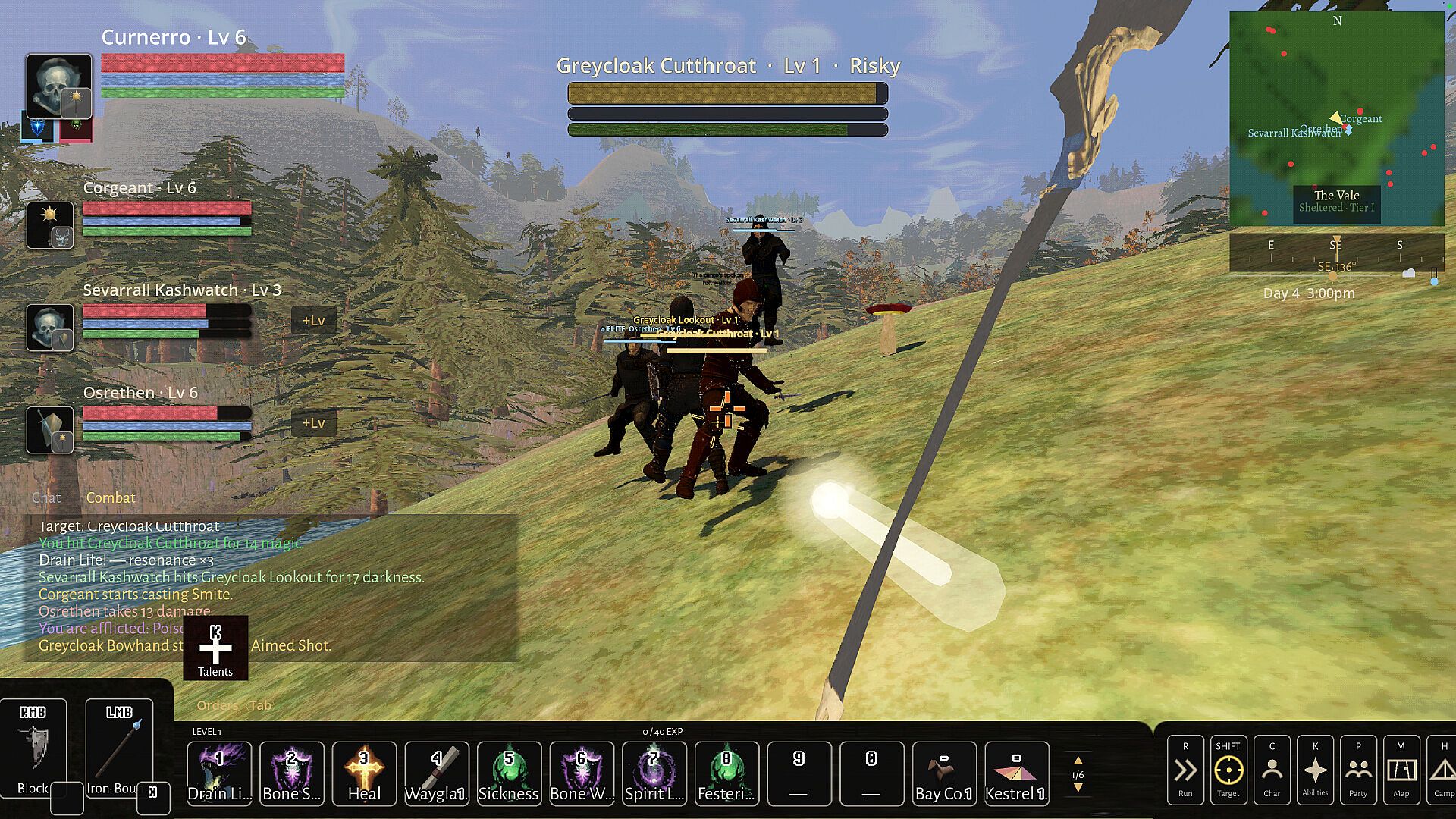
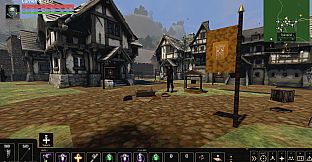
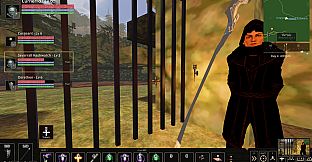
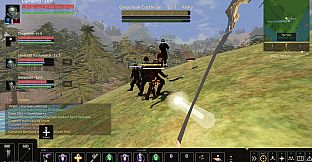
The Lower Worlds I: Valenfeld is a co-op dungeon-raiding action RPG set in a first-person world. Players build and control an entire party rather than a single character, combining elements of classic role-playing games with party management and online cooperation. The game emphasizes exploration across open zones, repeated dungeon runs with regenerating layouts, and loot collection in a system that rewards careful party composition and talent choices.
Gameplay
Core play revolves around assembling a party of up to four members from six available classes: Warrior, Rogue, Wizard, Cleric, Druid, and Necromancer. Each character receives a permanent main class that determines armor progression and a subclass that contributes additional abilities and weapons. This pairing creates distinct builds, such as a Warrior with Cleric elements versus a Cleric with Warrior elements. Abilities unlock automatically through leveling, while talent points are allocated across three specialized paths unique to each class, including Arms, Bulwark, and Warcry for the Warrior or Fire, Ice, and Conjuration for the Wizard.
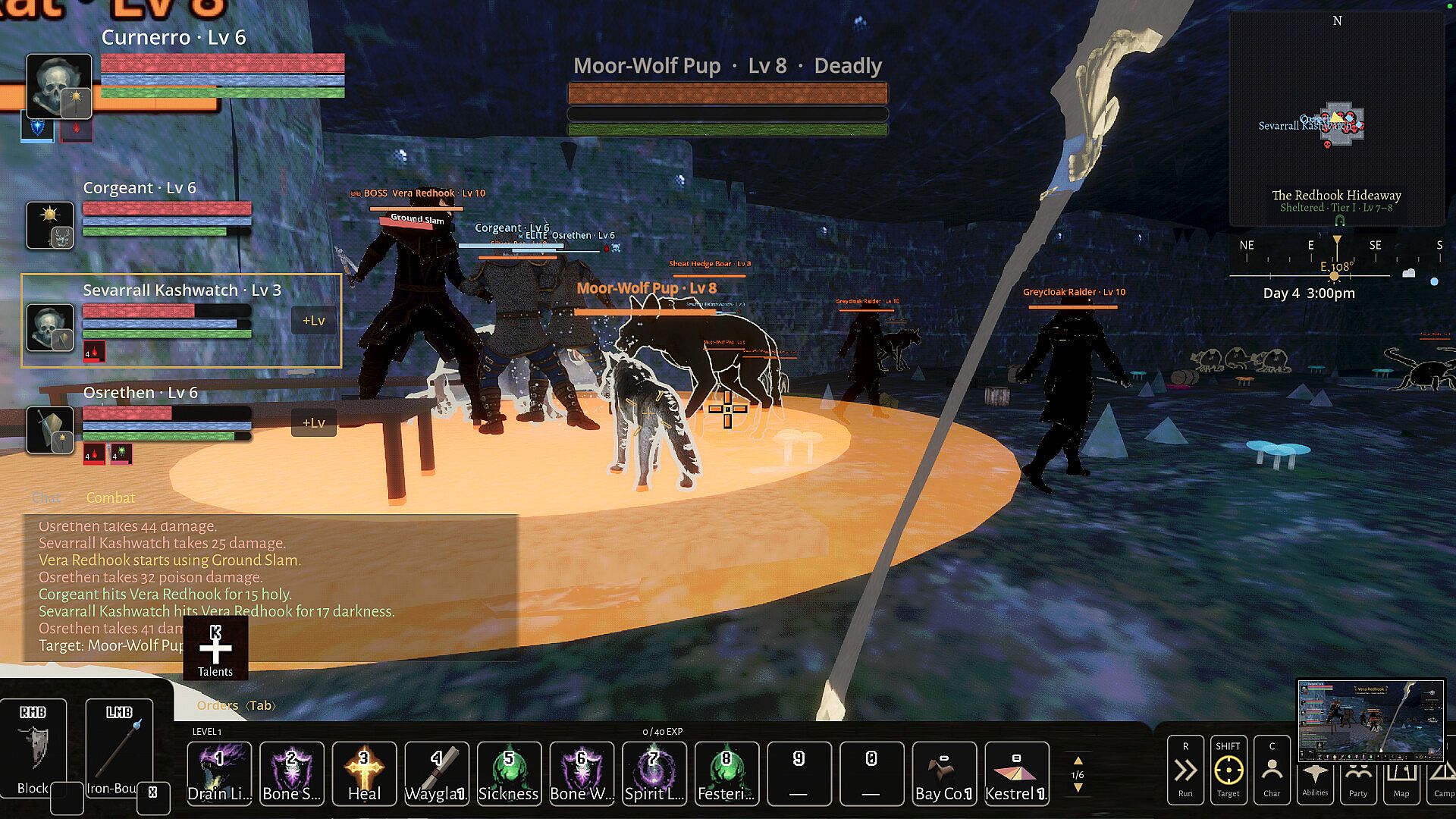
Combat follows a trinity structure of tanking, healing, and damage dealing. Players can switch control between any party member at any time, with configurable AI handling the remainder during solo sessions. Dungeons feature over 100 enemy types that channel spells in the open, summon adds during boss fights, and alter behavior at health thresholds. Interruptions, stuns, and area-attack telegraphs add tactical layers. Loot ranges from Common to Legendary, with Uncommon through Epic items rolling variable affixes that make identical base pieces functionally different. Between runs, players access smithing, alchemy, and enchanting systems.
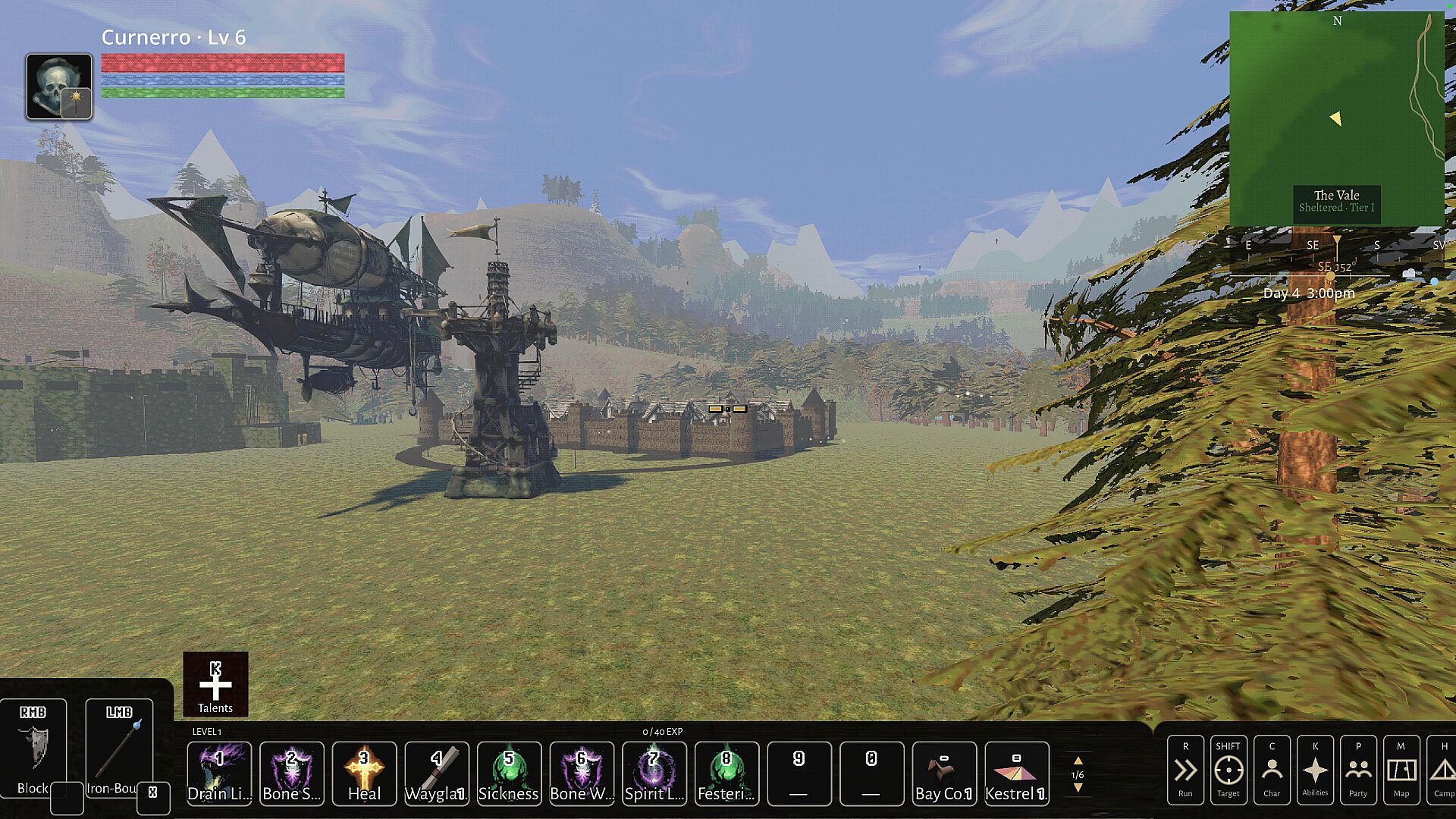
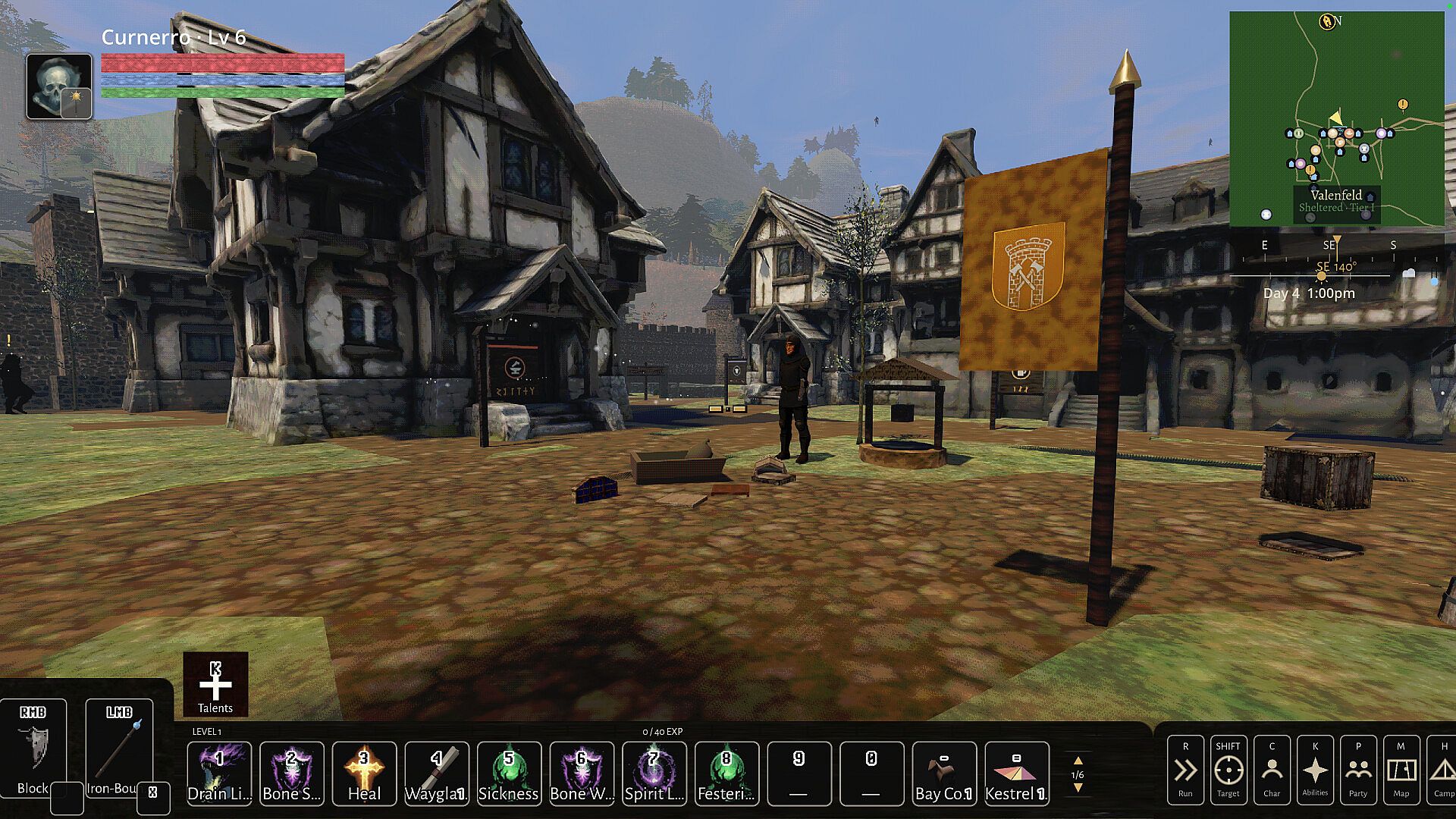
Exploration occurs across three fixed zones on a level ladder: The Vale for levels 1 to 10, The Sered Spur for 11 to 20, and The Mirrenmere for 21 to 30. Nothing scales to the player, so earlier zones become efficient farming routes at higher levels. Thirty artifacts scattered throughout the zones tie into guild quests and the Far Lantern Society, which rewards their recovery. Towns operate on day-night cycles with rotating merchant stock and haggling mechanics, while three political factions and three joinable guilds influence progression.
Game Modes
The game supports online co-op for parties of four, where enemy health and experience scale with group size while damage output remains constant. Loot drops to the ground for first-come collection rather than personal instances. When friends are unavailable, the full roster of player-created characters fills remaining slots, each with individually tuned combat behaviors that maintain the tank-heal-damage balance. Every dungeon run ends at a named boss, and layouts regenerate on each entry to ensure variety across the thirty total dungeons spread across the three zones.
Character Building and Progression
Progression centers on theorycrafting through class combinations, talent paths, and gear affixes. Main classes level fully while subclasses advance at half speed, adding layers of customization before talents or equipment enter the equation. Rerolling new party members forms a significant part of long-term engagement, as different pairings produce noticeably distinct playstyles even within the same primary class. The level cap sits at 30, with zones designed around this structure to reward revisiting earlier areas with stronger parties.
Is It Worth Playing?
Valenfeld targets players who enjoy building and managing parties in dungeon environments, particularly those drawn to first-person action RPGs with co-op elements and regenerating layouts. The single-developer project focuses on core systems like party authorship, interruptible enemy casts, and non-instanced loot without additional layers such as seasons or frequent updates at launch. Release is scheduled for December 24, 2026, on PC. Those seeking a return to party-based dungeon raiding with configurable AI companions and open-zone exploration will find the mechanics align closely with that preference, while players expecting live-service features or large-scale multiplayer may want to evaluate post-release feedback once available.