






















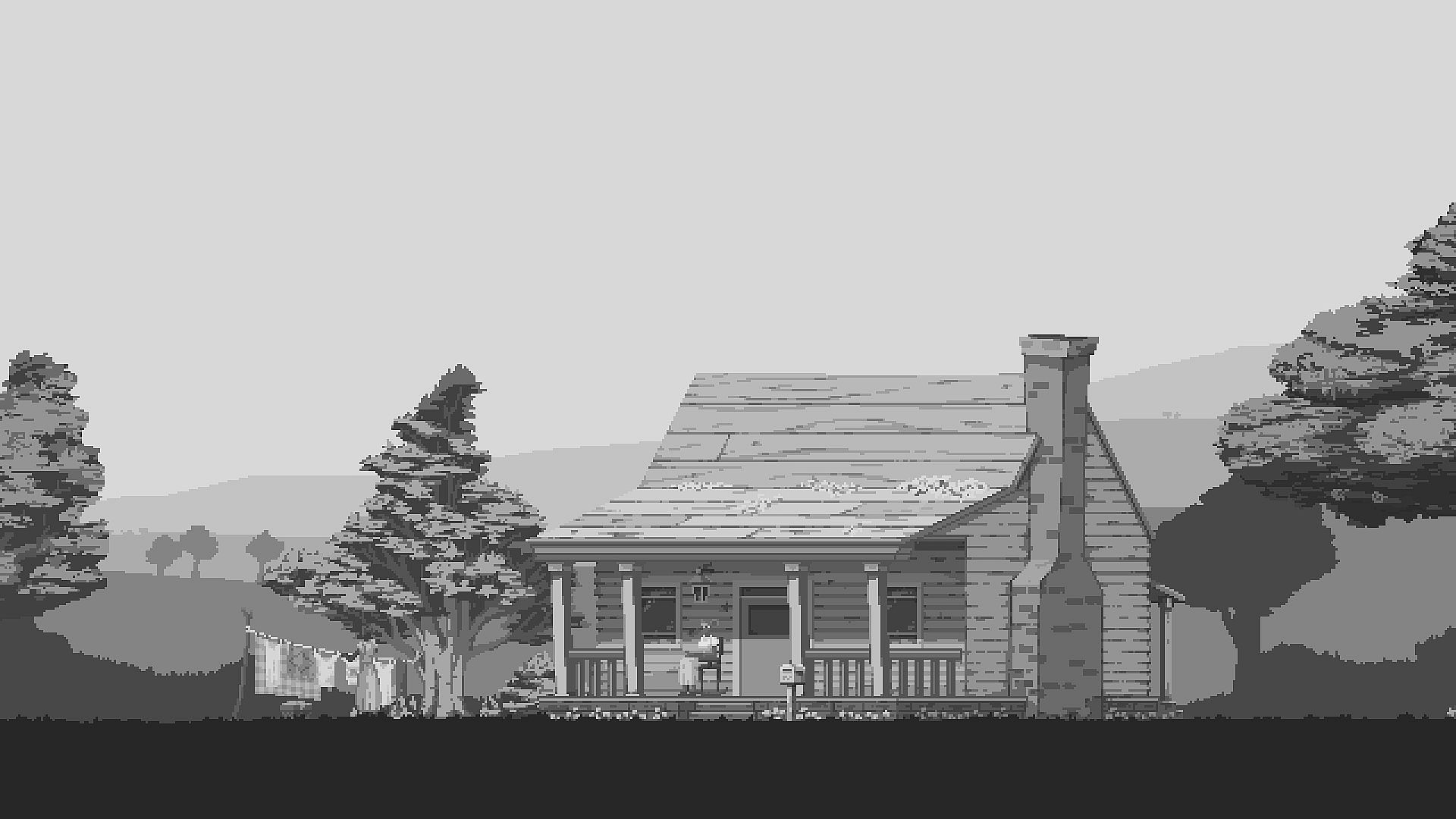
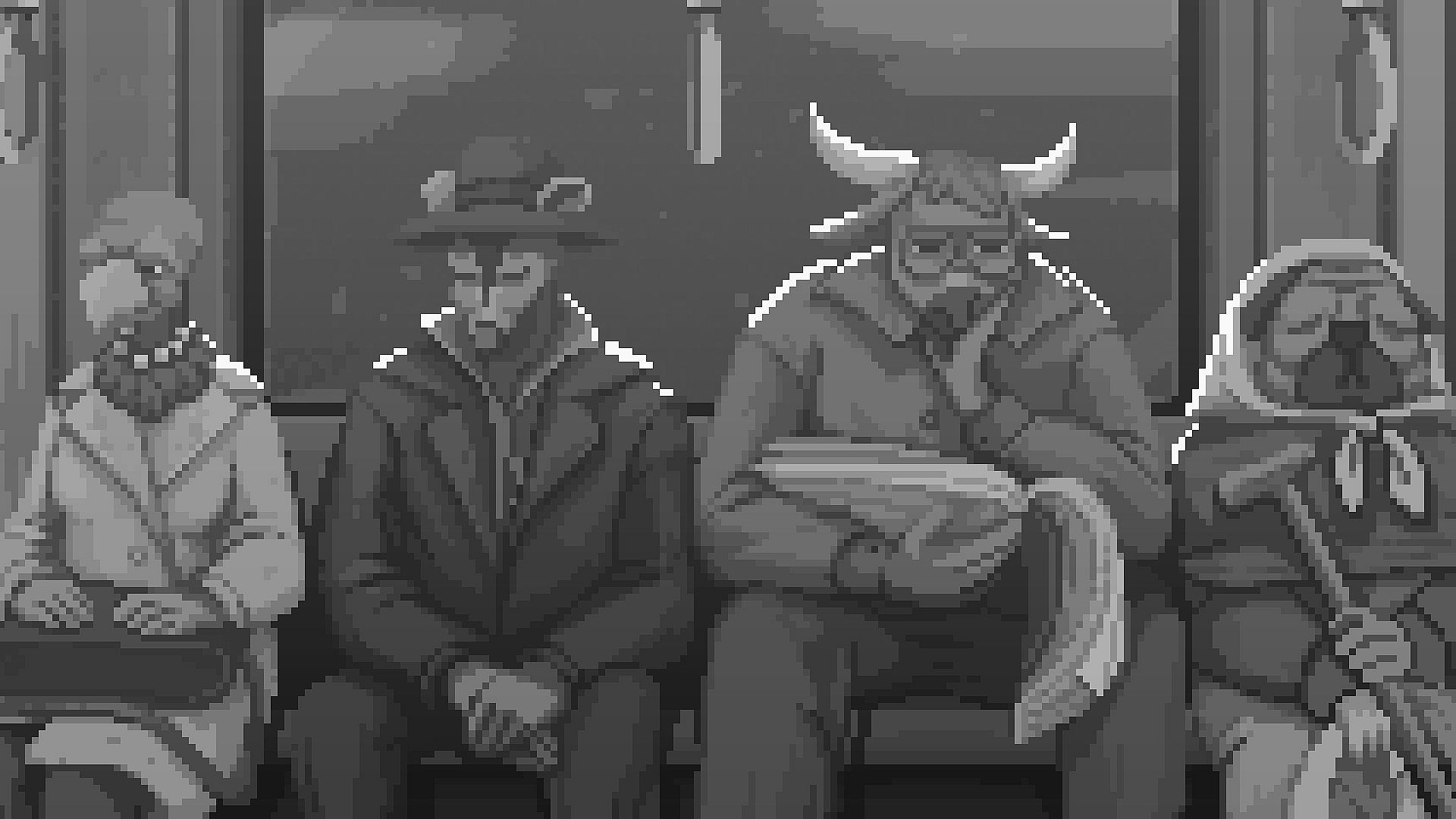
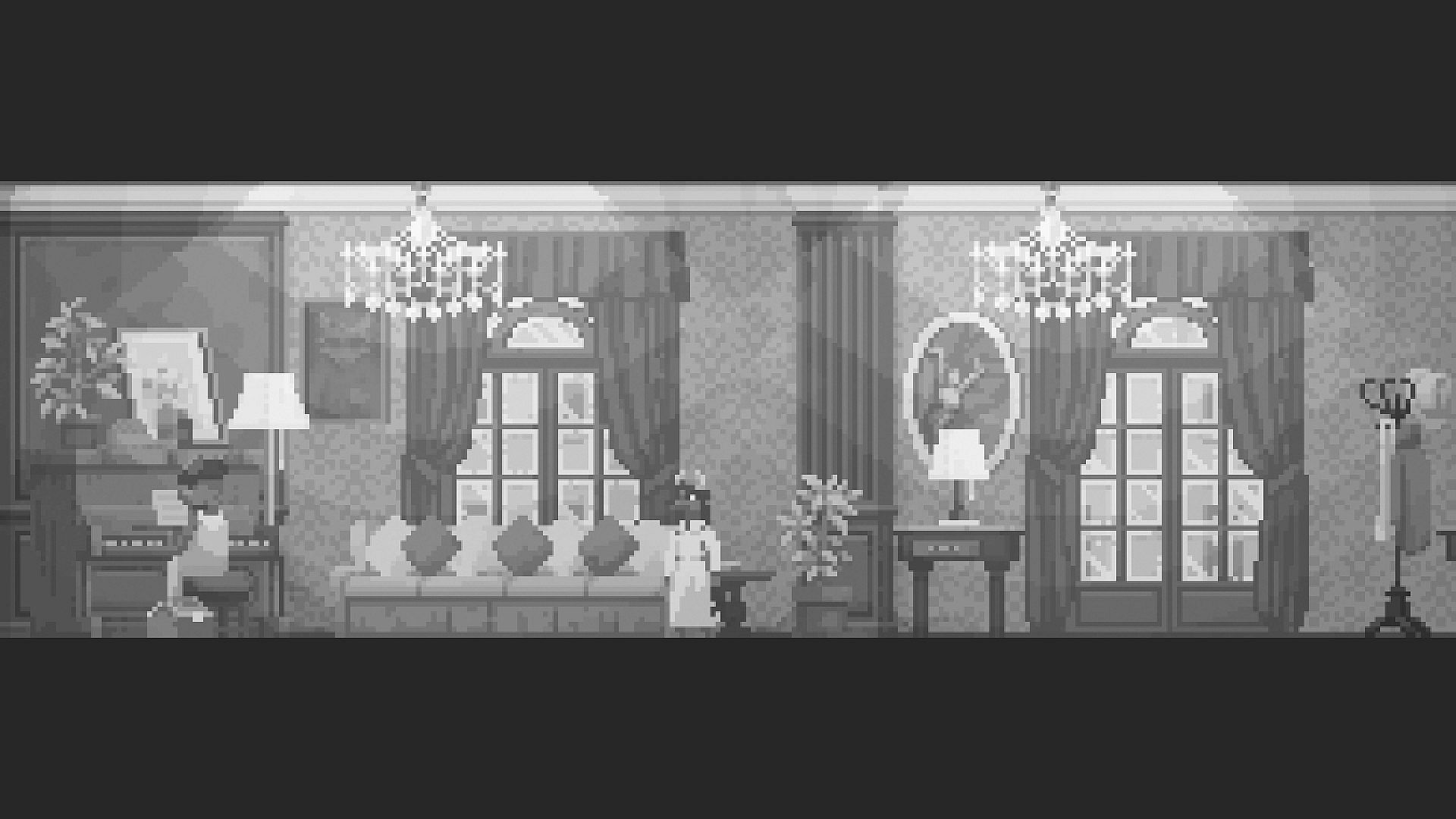
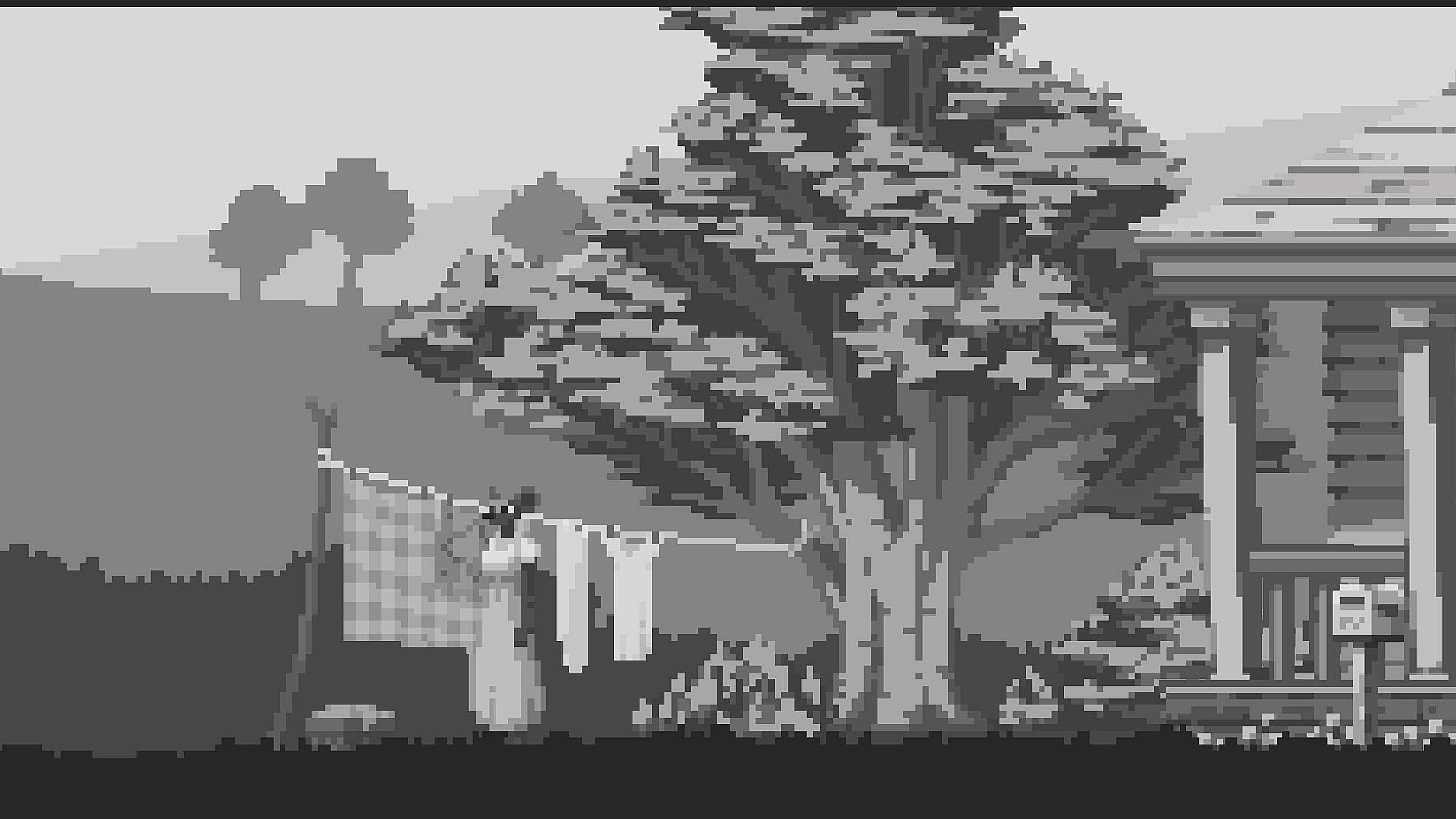
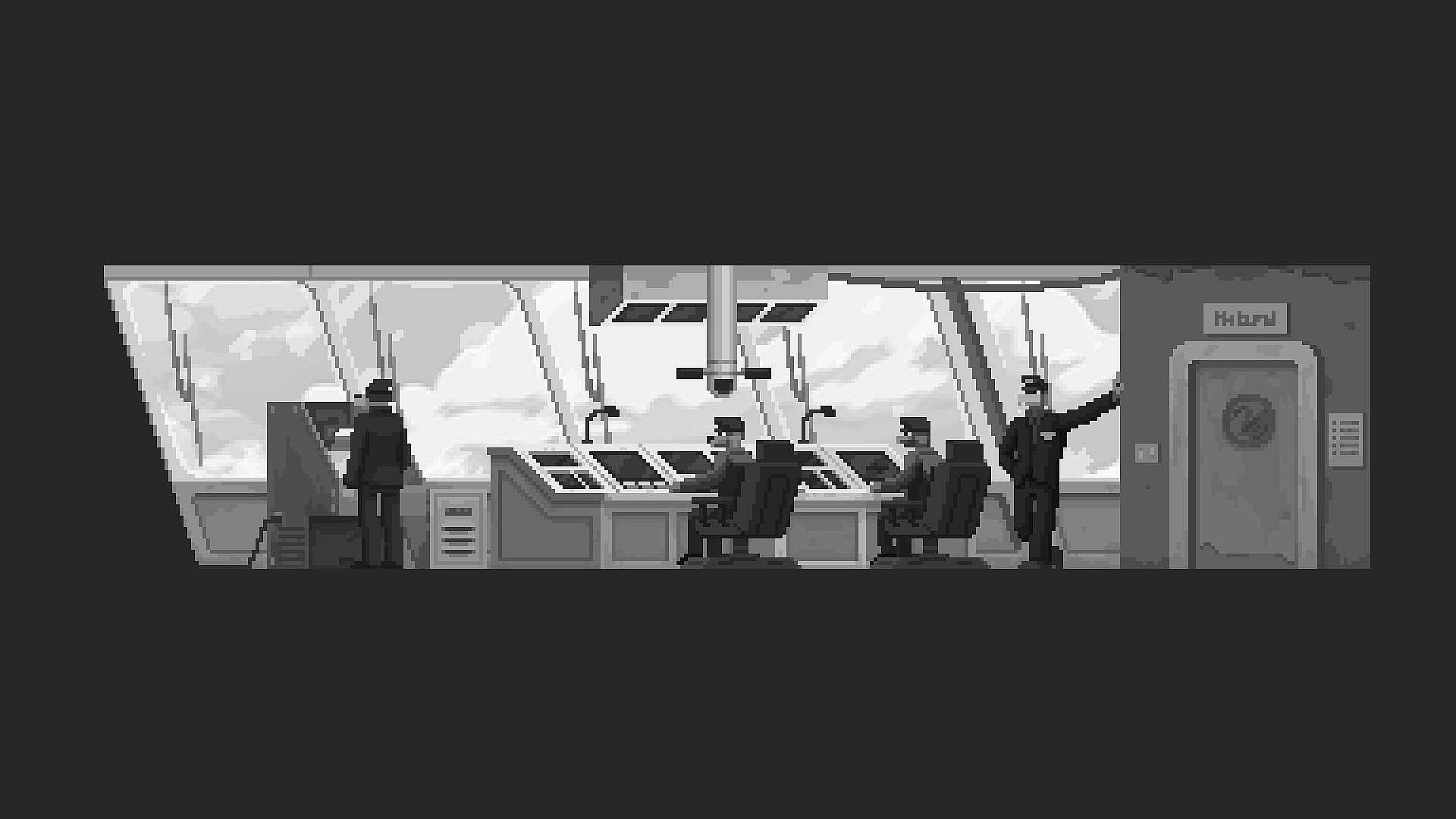

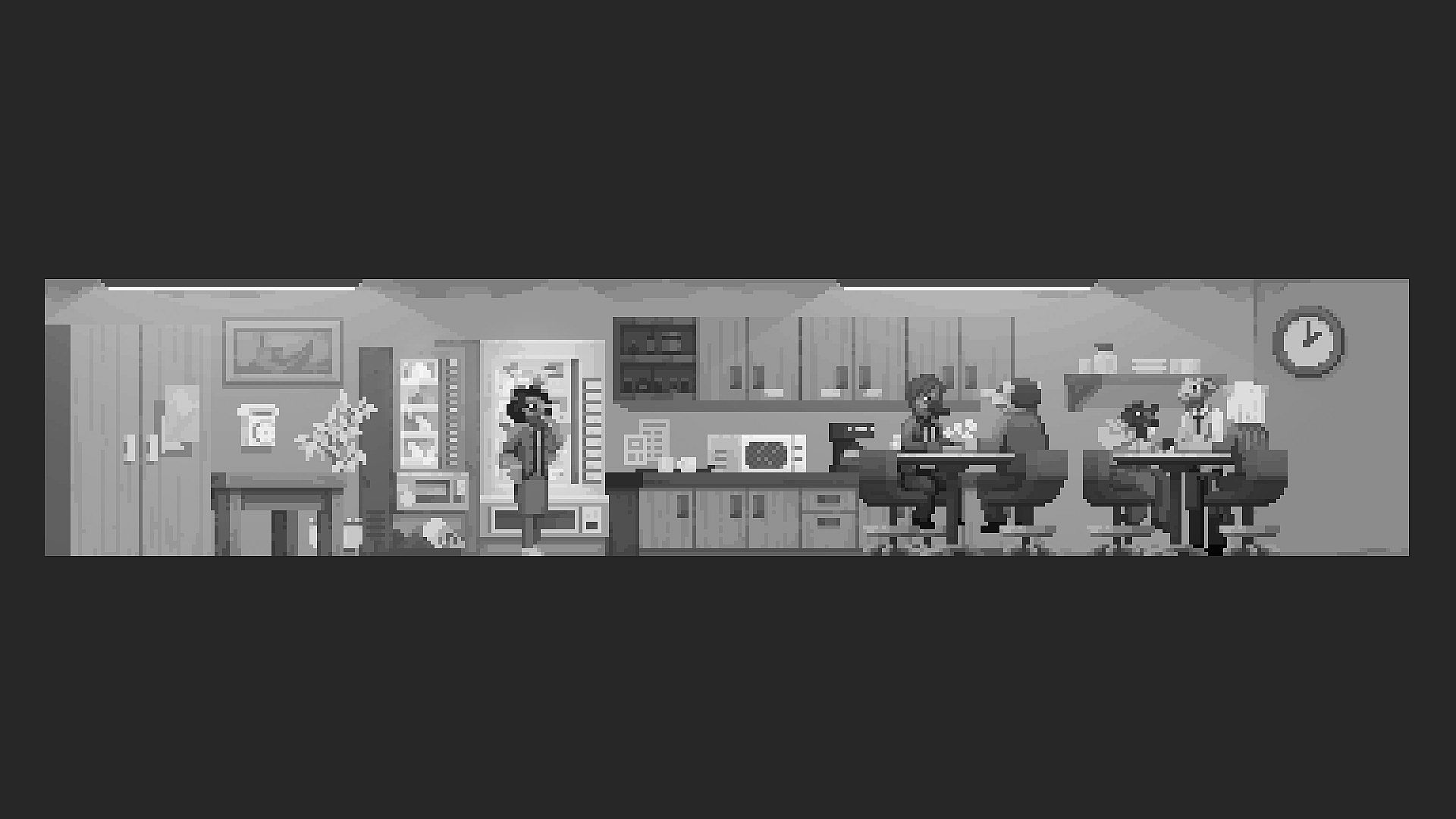

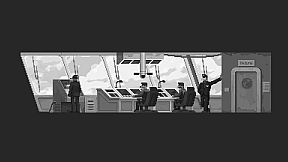


The Longest Road on Earth is an indie casual adventure game set on PC that centers on quiet, personal storytelling. Players move through four short stories without spoken words or on-screen text, guided instead by an original soundtrack of more than twenty-four emotionally charged songs. The entire journey lasts roughly two hours, focusing on everyday moments rather than action or conflict.
Gameplay
Mechanics remain deliberately minimal. Players walk, observe, and interact with simple environmental elements at a relaxed pace. Controls stay straightforward so anyone can participate regardless of experience level or background. No fail states exist, and nothing punishes mistakes or slow progress. The design encourages players to linger on small details such as blowing dandelion seeds, collecting seashells, sledding on the first day of winter, or riding a bike on a summer day.
Each scene plays out to music that carries the emotional weight. Lyrics and melodies replace dialogue, letting feelings and situations emerge through sound alone. The absence of text leaves room for individual interpretation of every character and setting. Players shape their own understanding of the stories rather than following a fixed script.
The pace stays consistent and unhurried. Simple actions connect directly to the soundtrack, creating a loop where movement and music reinforce one another. This approach keeps the focus on atmosphere and personal reflection instead of objectives or timers.
Game Modes
The game structures its content as four separate chapters, each functioning as a self-contained short story. These chapters appear in sequence and share the same stripped-down rules while presenting distinct slices of everyday life. No additional modes or variations appear beyond this core chapter format.
Within each chapter, players advance by moving through scenes set to specific songs. The structure remains linear yet open to personal pacing, since nothing forces a particular speed or order of actions. The four chapters together form the complete experience, with each one inviting fresh interpretation of the characters and their surroundings.
The Soundtrack and Atmosphere
More than twenty-four original songs form the backbone of the presentation. One of the developers performs the vocals, delivering lyrics that explore ordinary emotions, situations, and perceptions. Themes center on serenity and simplicity rather than dramatic events, mirroring the visual focus on mundane yet meaningful moments.
The music plays continuously during play, syncing with on-screen actions to heighten emotional resonance. Nostalgic tones and intimate arrangements support the meditative tone without requiring players to read or listen to spoken narration. This integration turns the soundtrack into an active part of the storytelling process.
Is It Worth Playing?
The game suits players who seek a short, pressure-free narrative experience built around interpretation and atmosphere. Its length of under three hours makes it accessible for a single sitting or spread across multiple sessions. Simple controls and the lack of challenges open it to a wide audience, including those new to games or looking for something calming.
Reception highlights the emotional impact of the soundtrack and the freedom to form personal connections with the stories. The absence of fail states and text supports repeated playthroughs, as different listeners may notice new details or form new readings each time. Those who enjoy reflective, music-driven adventures without complex systems will find the title aligns closely with that preference.
Accessibility stands out as a consistent strength. Players of any age or ability level can engage fully because the design removes traditional barriers such as difficult controls or language requirements. The focus on small joys and quiet moments provides a distinct alternative to more demanding titles in the adventure genre.