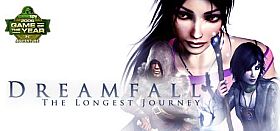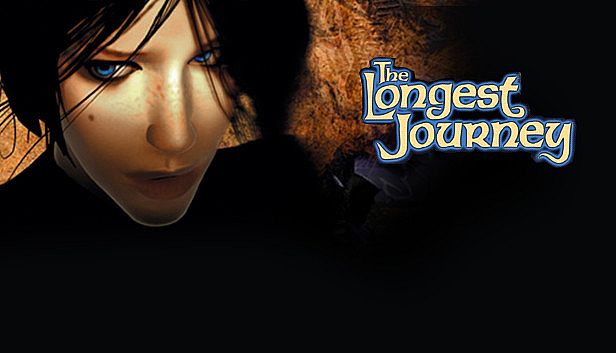























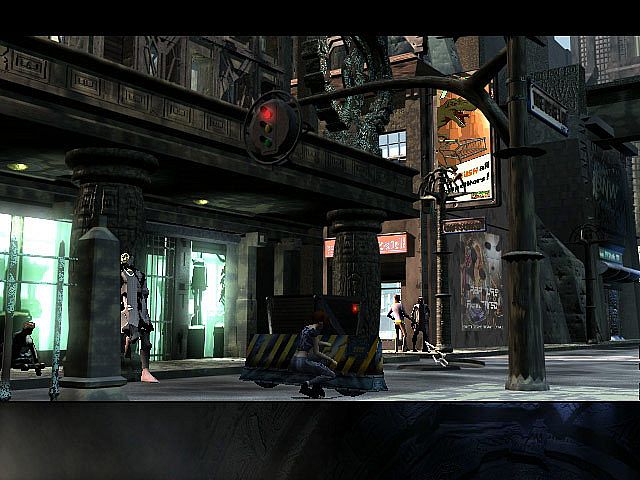
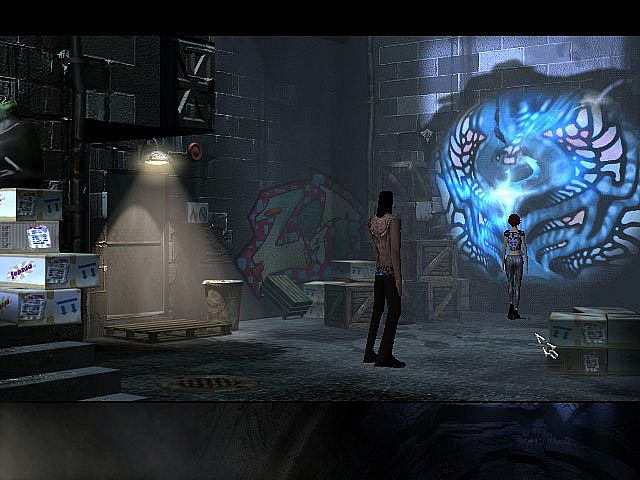
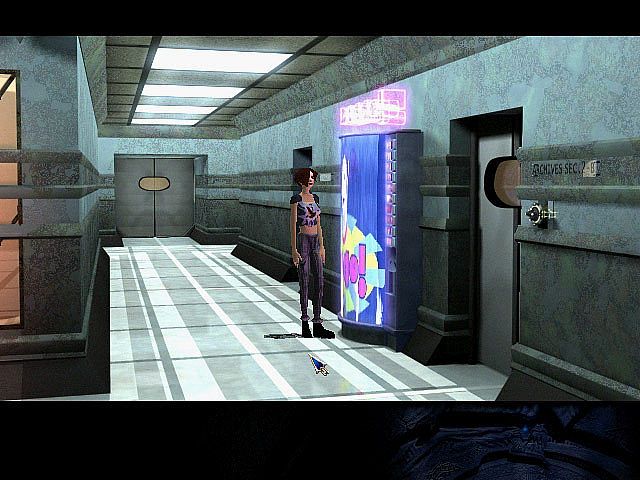
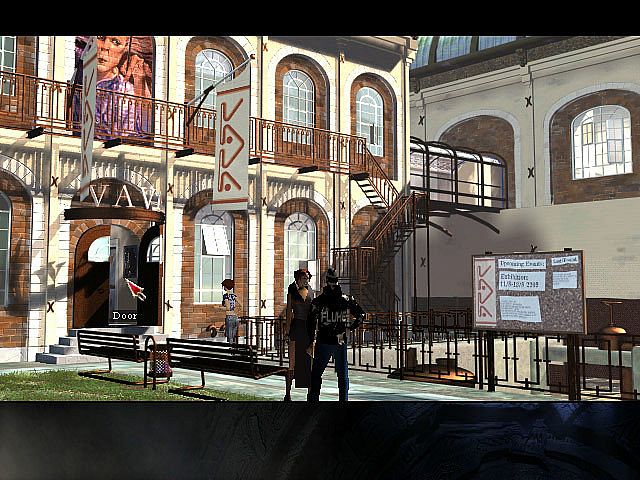

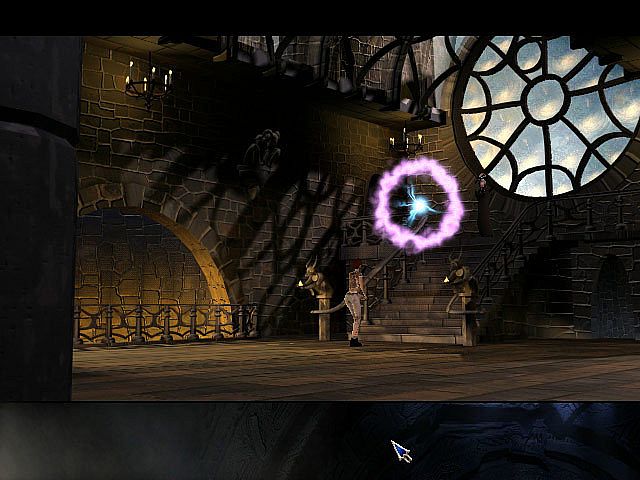
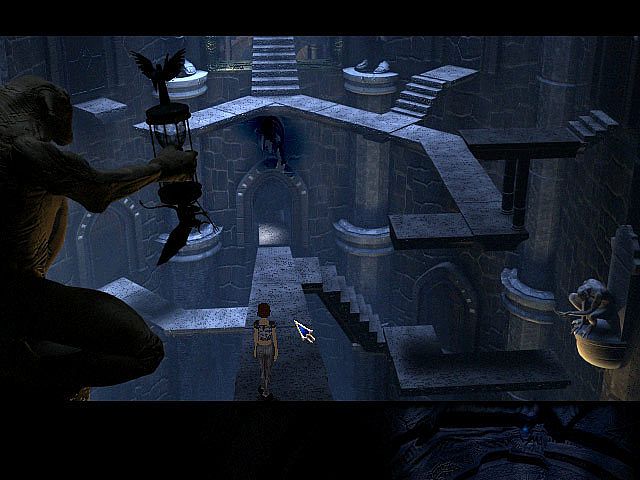
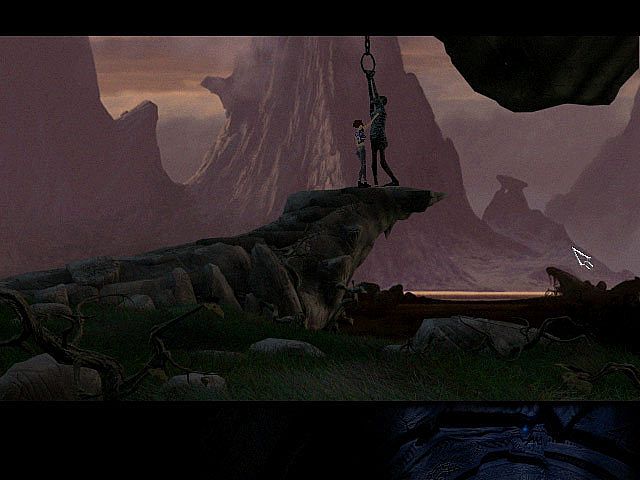
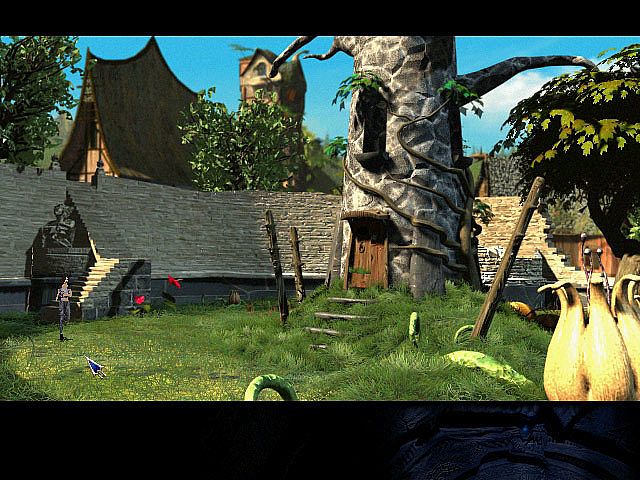
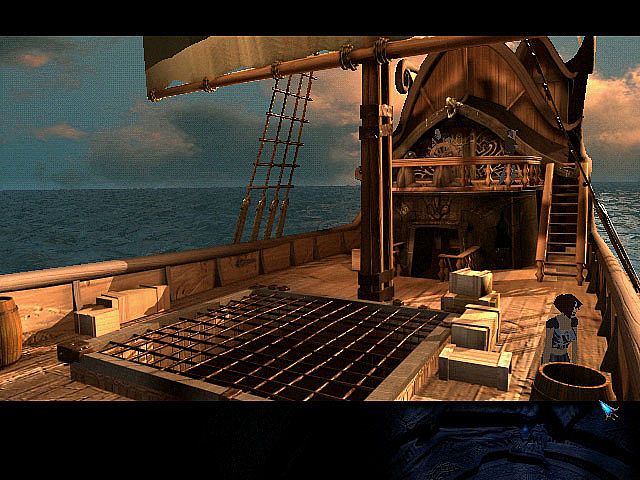
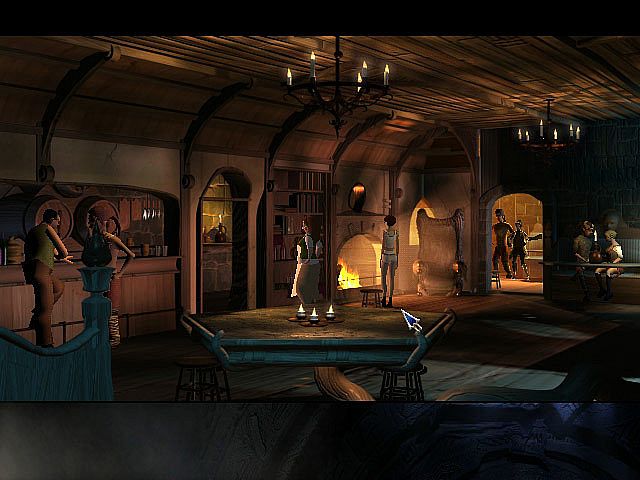
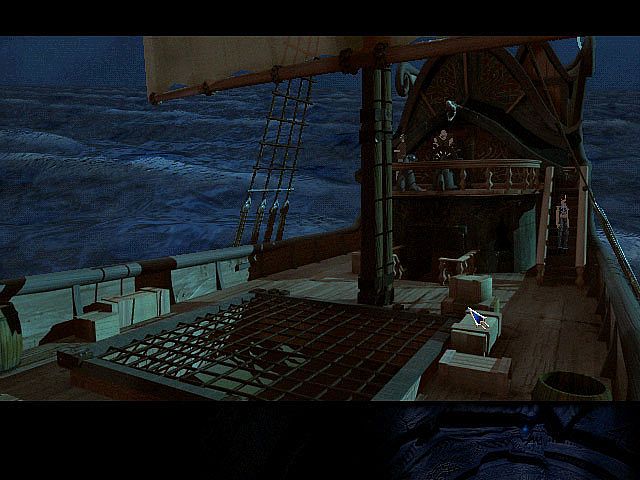
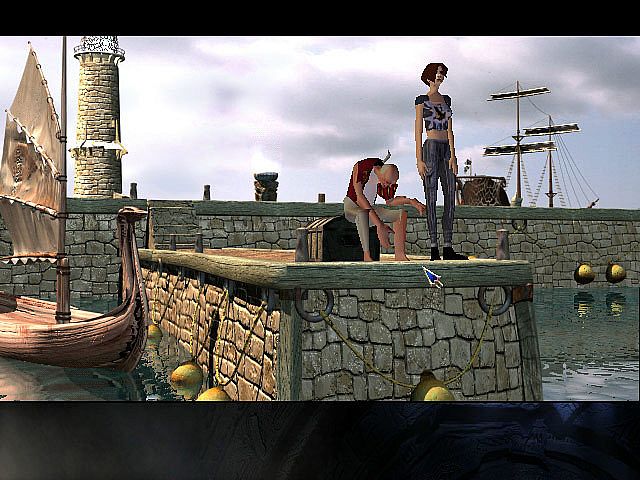
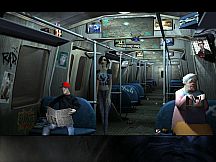
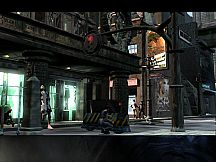
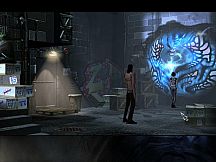
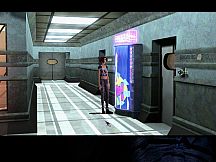
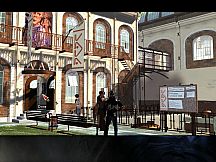
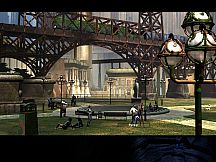
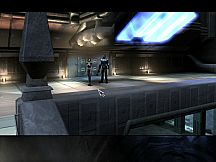
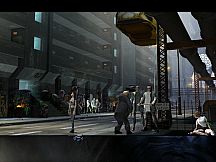
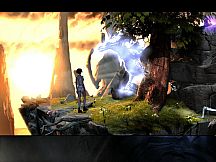
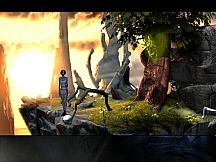
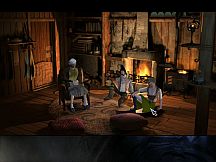
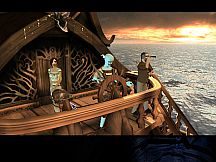
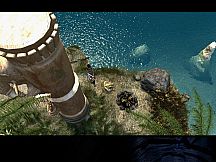
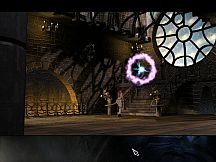
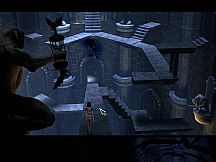
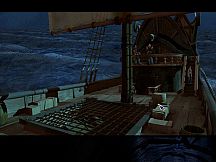
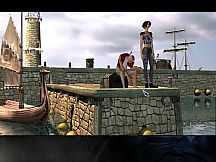
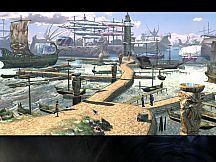
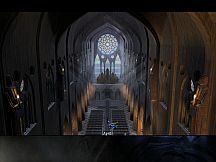
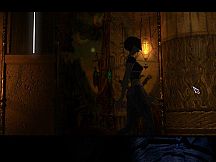
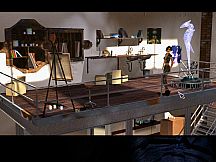
The Longest Journey is a point-and-click adventure game that places players in control of April Ryan as she navigates between two parallel worlds. Developed for PC, it blends exploration, puzzle-solving, and narrative progression across detailed environments that span realistic and fantastical settings. The experience emphasizes discovery through interaction with objects, conversations with characters, and careful observation of surroundings rather than direct combat or fast-paced action.
Gameplay
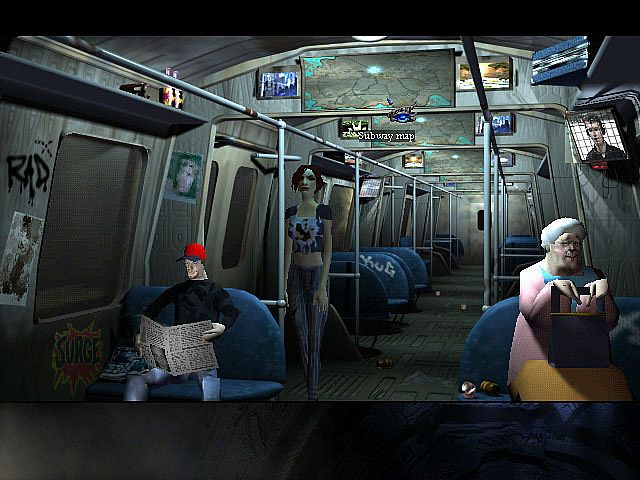
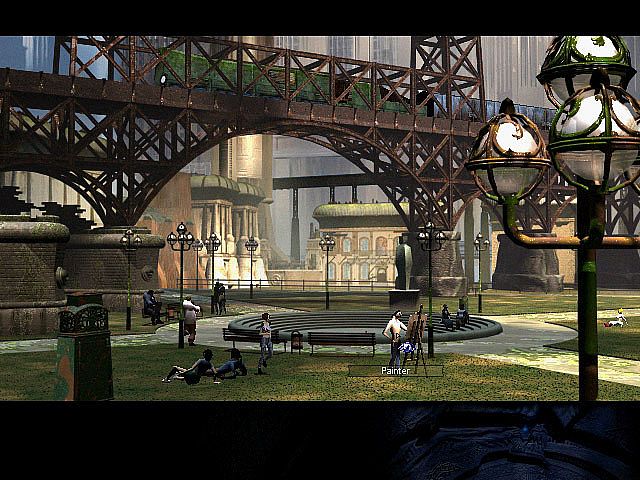
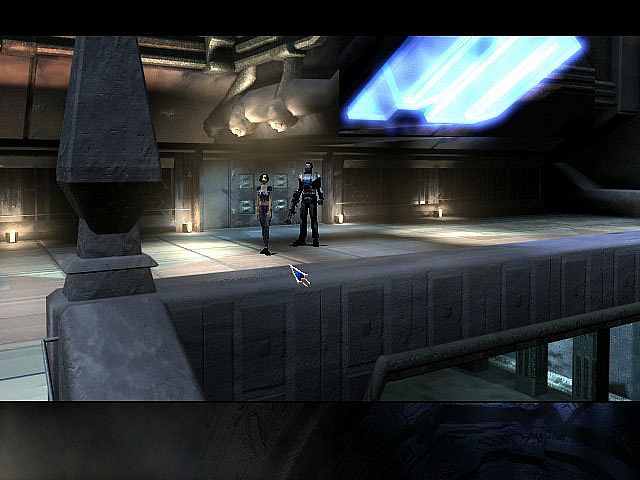
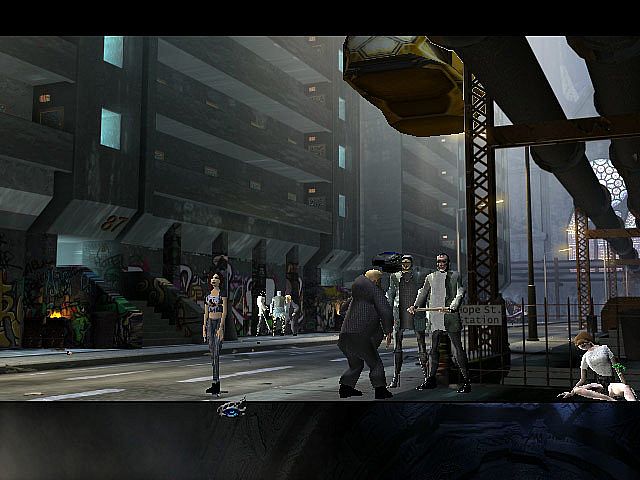
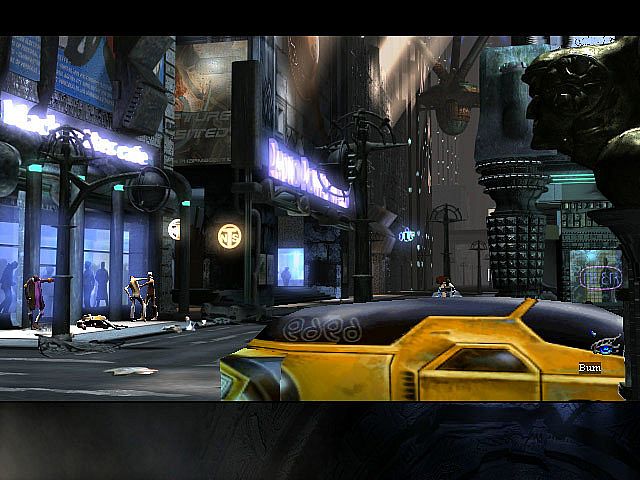
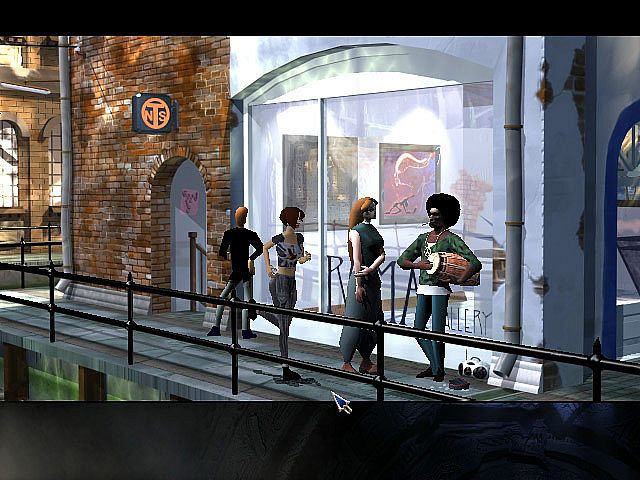
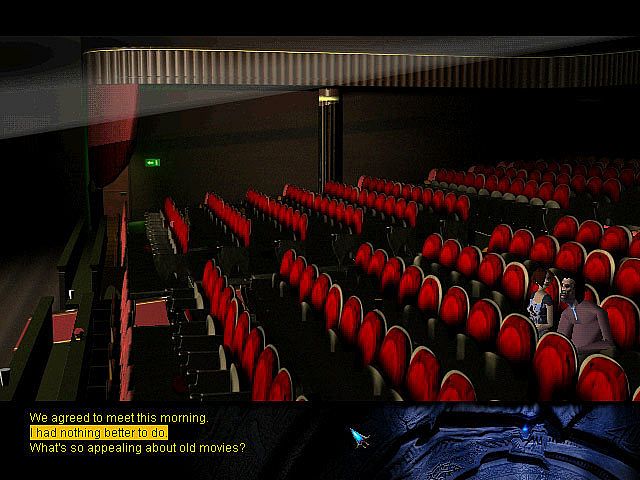
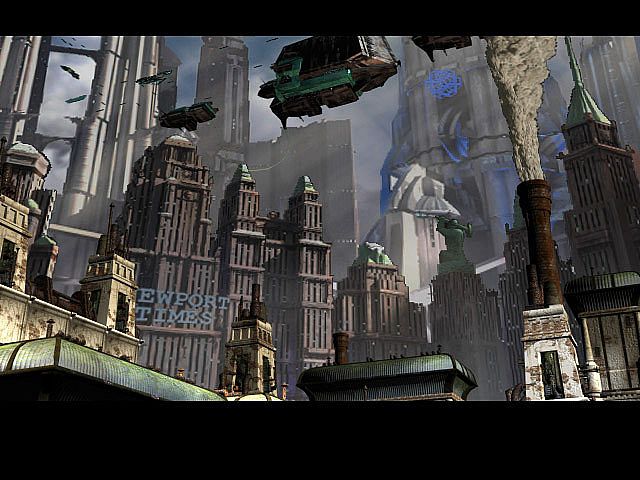
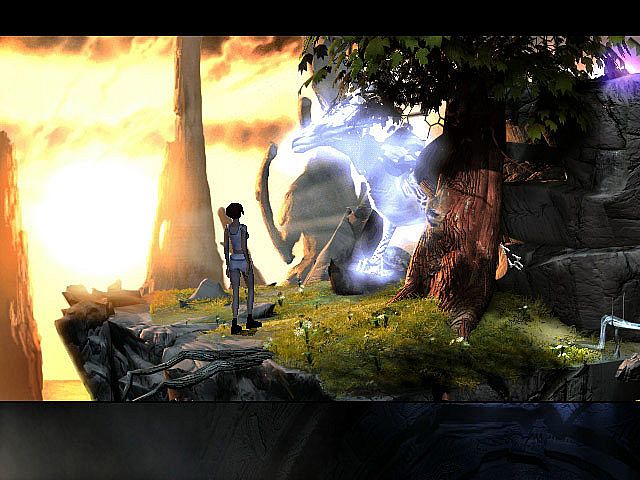
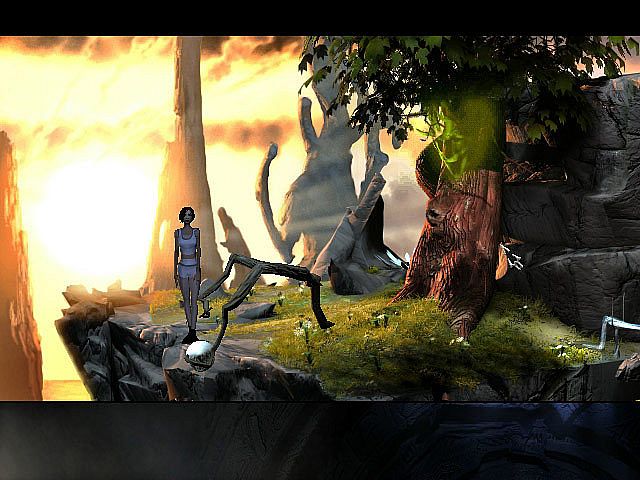
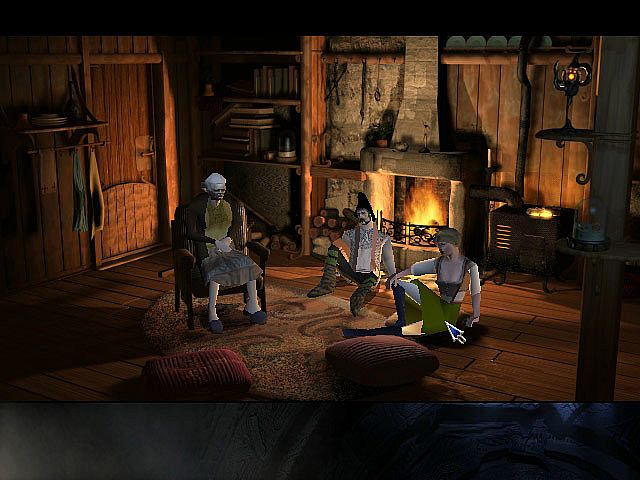
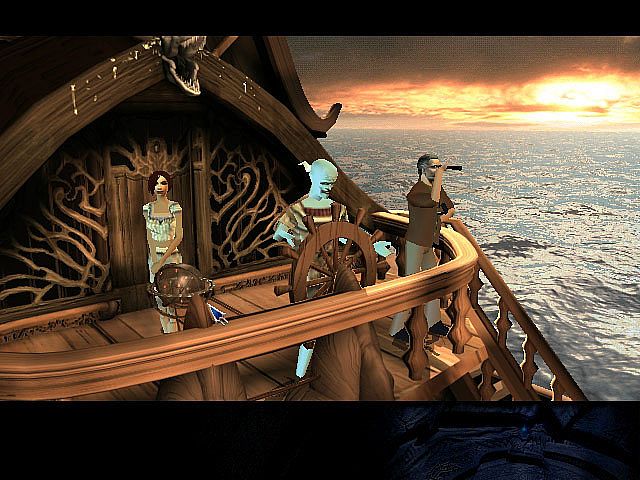
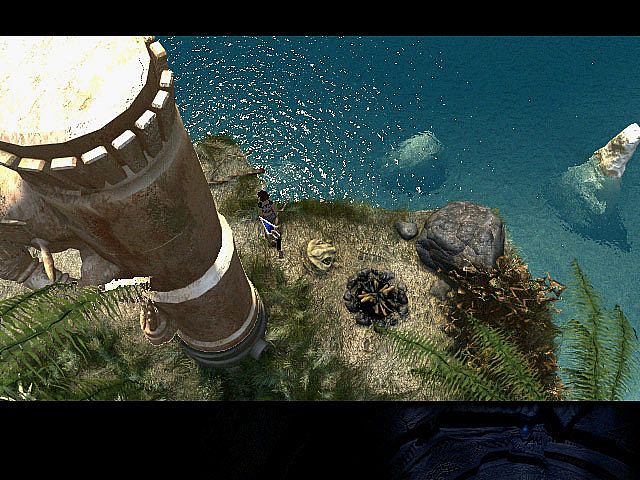
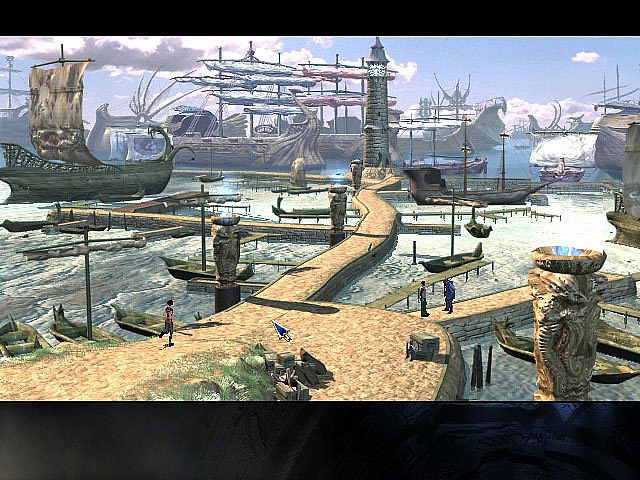
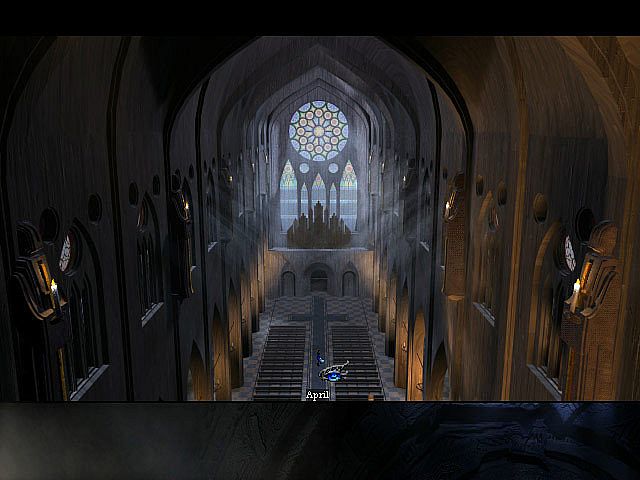
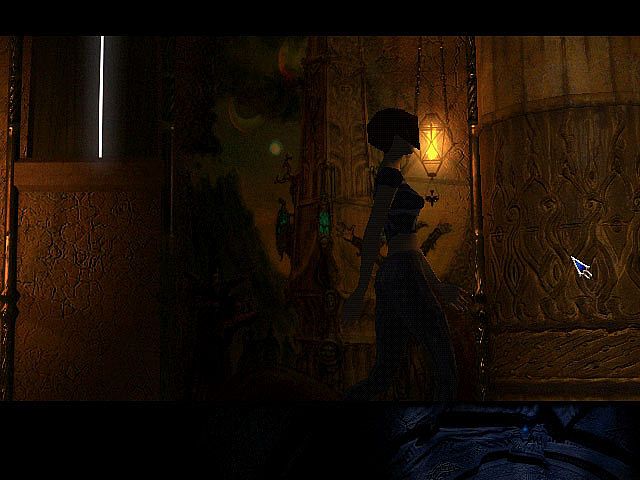
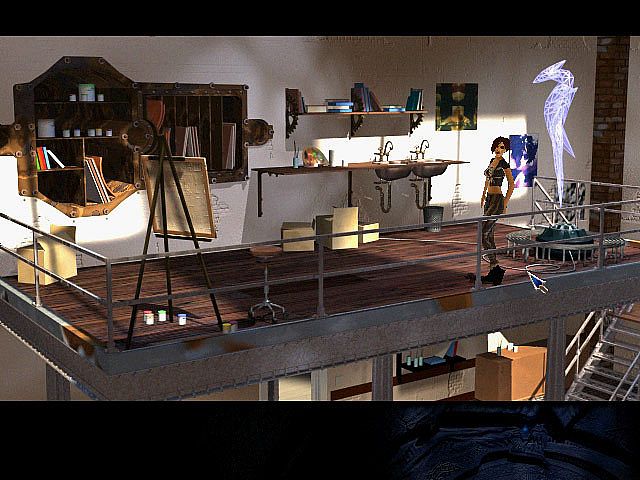
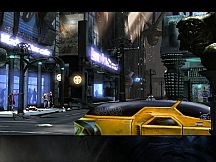
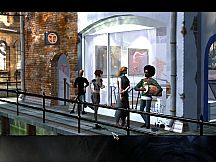
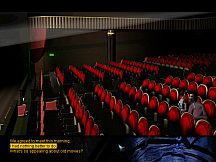
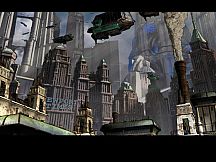
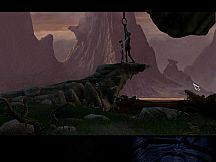
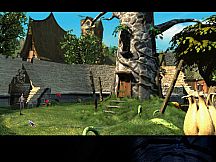
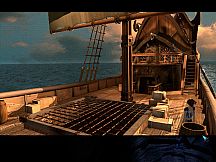
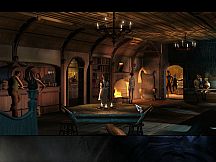
Core mechanics revolve around clicking to move April through scenes, examining items, and combining objects to overcome obstacles. Dialogue trees allow players to gather information from over seventy speaking characters, shaping how the story unfolds based on choices made during conversations. Puzzles range from logical inventory use to environmental interactions that require piecing together clues from the two distinct worlds. Exploration covers more than one hundred fifty locations, each rendered with attention to detail that supports the sense of traveling between a modern urban reality and a realm of magic and myth. The game tracks progress through a mix of story advancement and character growth, where April learns new abilities and gains perspective from her experiences. A cinematic musical score underscores key moments, while pre-rendered video sequences provide visual transitions between major events.
Game Modes
The title operates entirely in single-player format with no separate competitive or cooperative options. The main experience consists of a continuous narrative campaign that players complete at their own pace through sequential chapters. There are no additional modes such as time trials, challenges, or multiplayer variants, keeping the focus on the linear yet branching story path driven by puzzle resolution and dialogue decisions.
Story and Setting
April Ryan serves as the central protagonist whose journey connects two parallel universes, one grounded in everyday technology and the other filled with mythical elements. Players uncover the connections between these realms through encounters with diverse individuals and creatures, gradually revealing larger conflicts that affect both worlds. The narrative unfolds over an estimated forty hours or more, depending on how thoroughly players investigate each area and pursue side conversations. Character interactions and environmental storytelling build the world without relying on extensive exposition, allowing the plot to emerge naturally from exploration and problem-solving.
Technical and Presentation Details
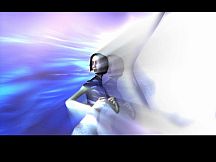
High-resolution pre-rendered footage totaling over twenty minutes integrates into the gameplay to highlight significant story beats. The interface supports classic point-and-click controls optimized for mouse input on PC, with options for inventory management and hotspot highlighting to aid navigation. Sound design includes voice acting for the majority of characters, paired with the original score that adapts to different locations and emotional tones. The game maintains its original structure without modern updates or seasonal additions, preserving the 1999 release experience for new players.
Is It Worth Playing?
Players who enjoy story-focused adventure games with strong emphasis on puzzles and character-driven narratives will find substantial value in the title. Its length and depth of world-building reward careful exploration, and the dual-world premise creates unique puzzle opportunities that differentiate it from shorter experiences. Reception from the era highlighted its production quality and narrative ambition, with aggregate scores reaching the low nineties on major review platforms. The game remains available on PC platforms and suits those seeking a self-contained single-player journey without ongoing content requirements or multiplayer elements. Individuals preferring action-oriented mechanics or frequent updates may find the deliberate pacing less engaging, but it stands as a benchmark for traditional adventure design.