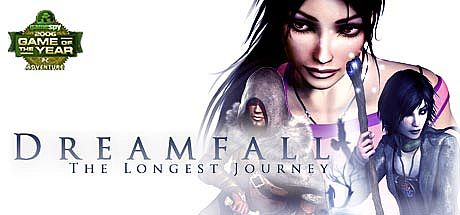

























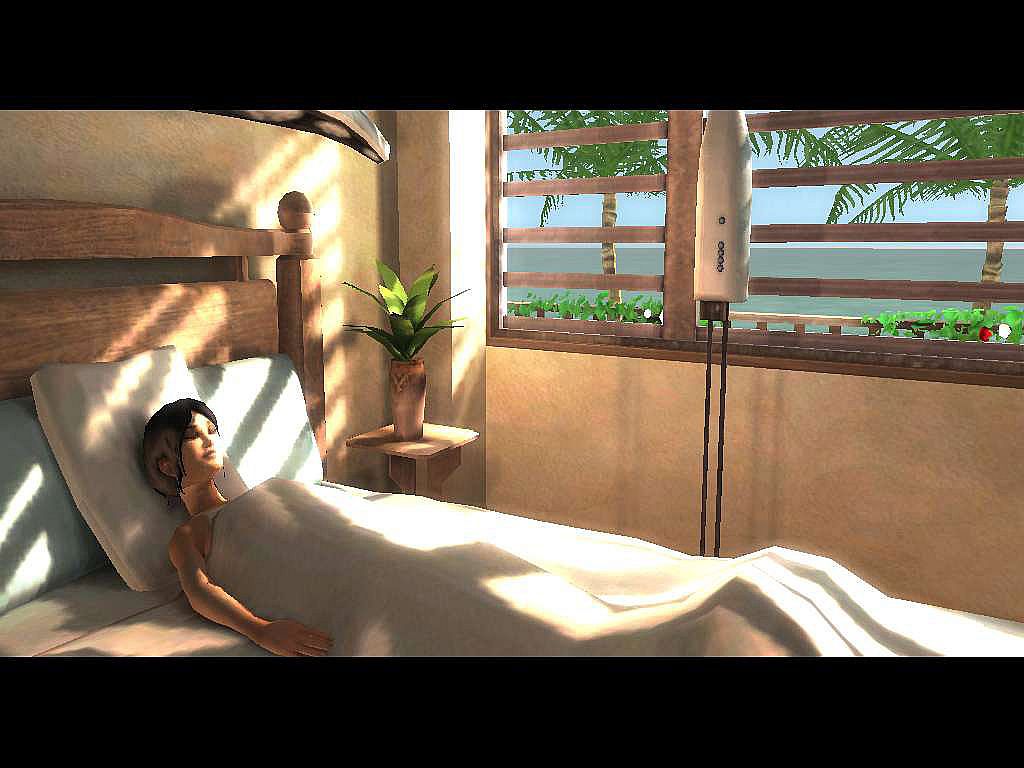
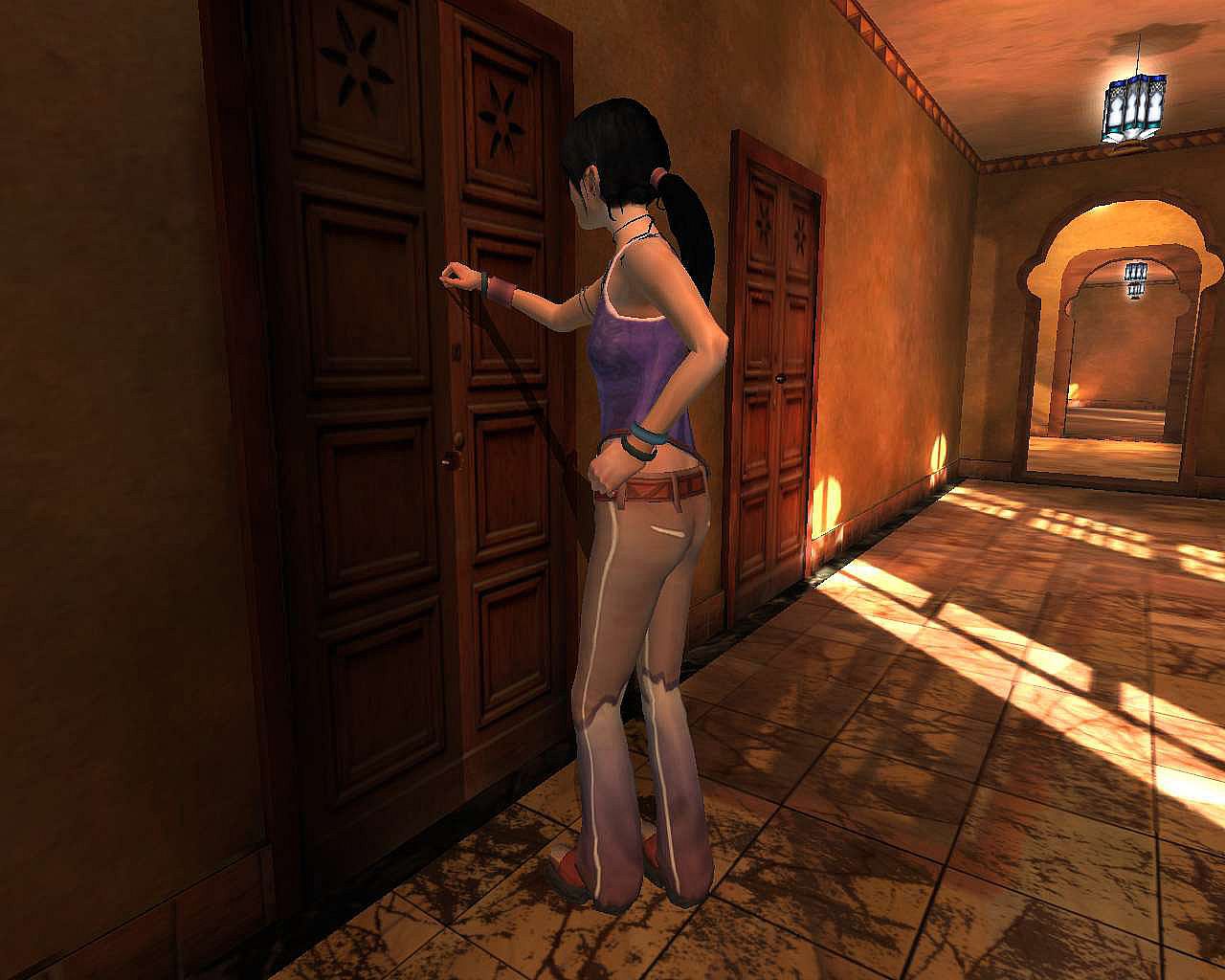
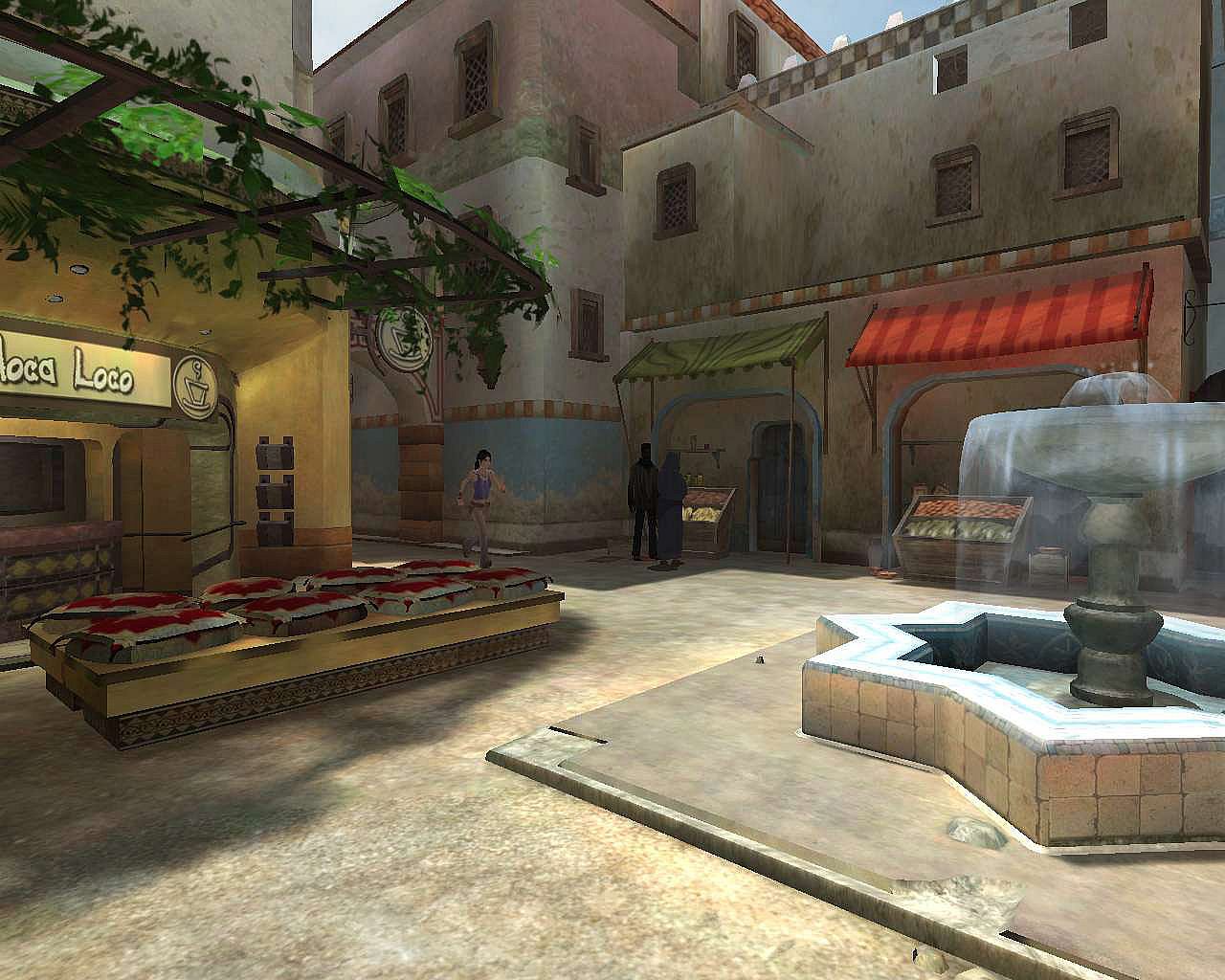
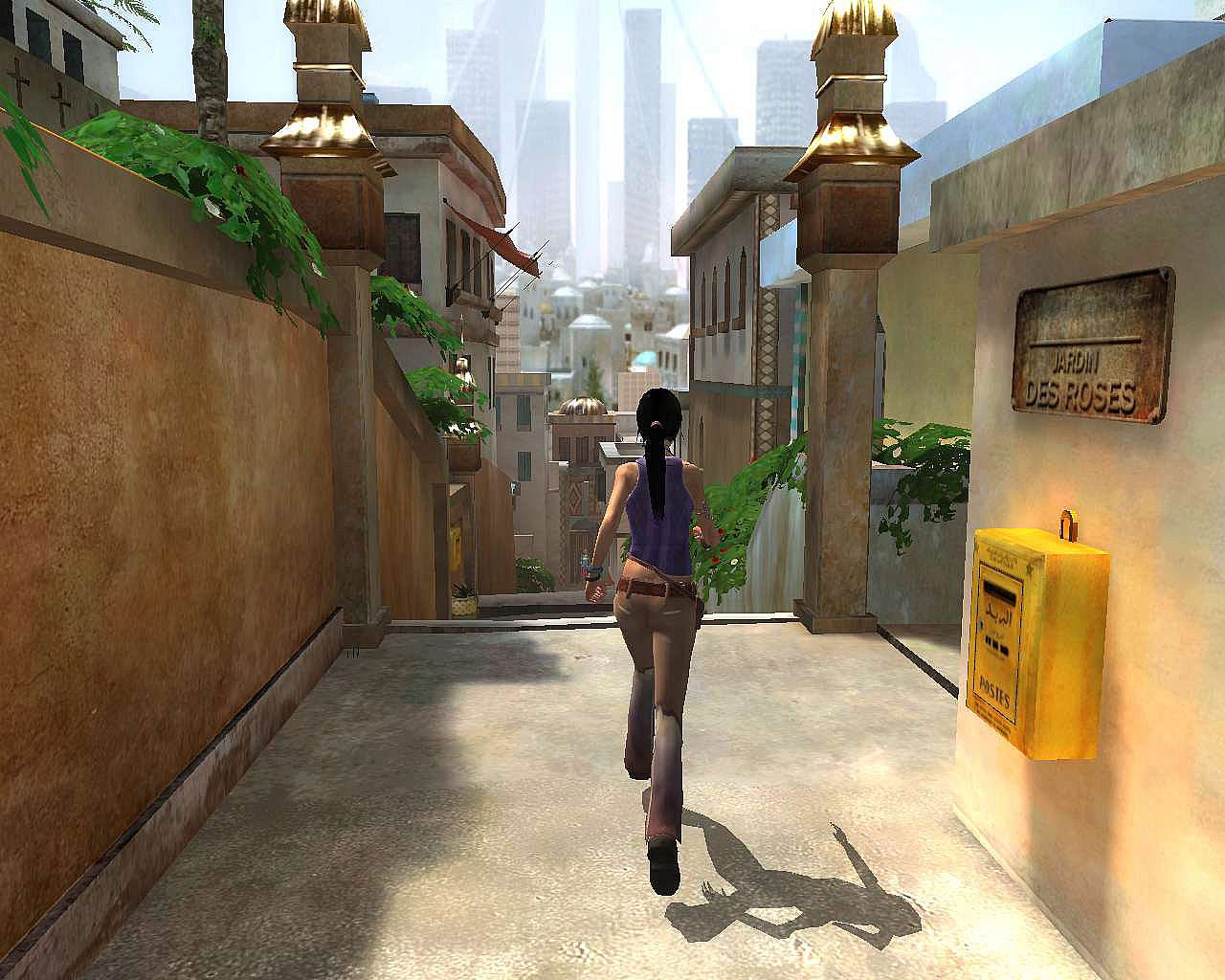
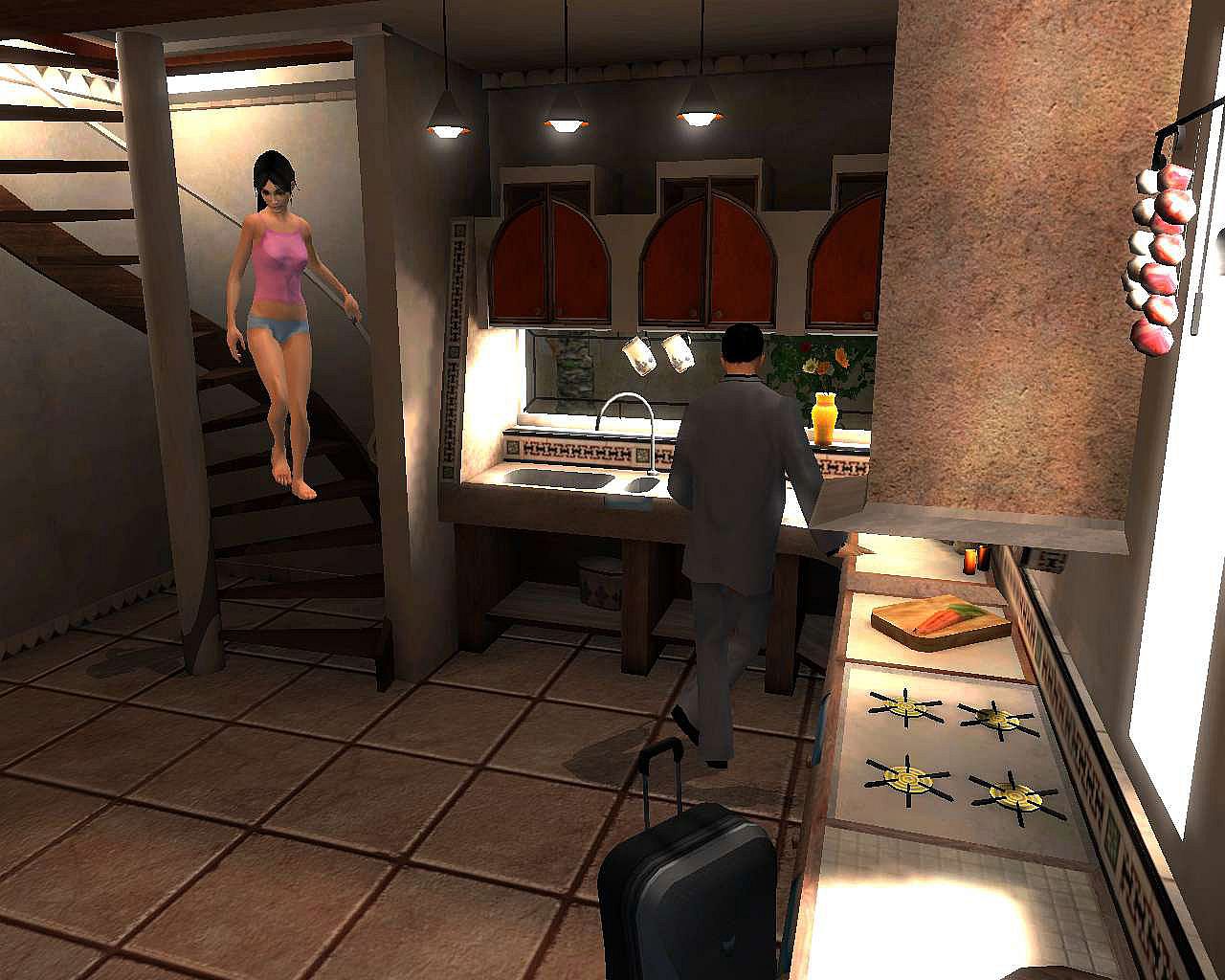
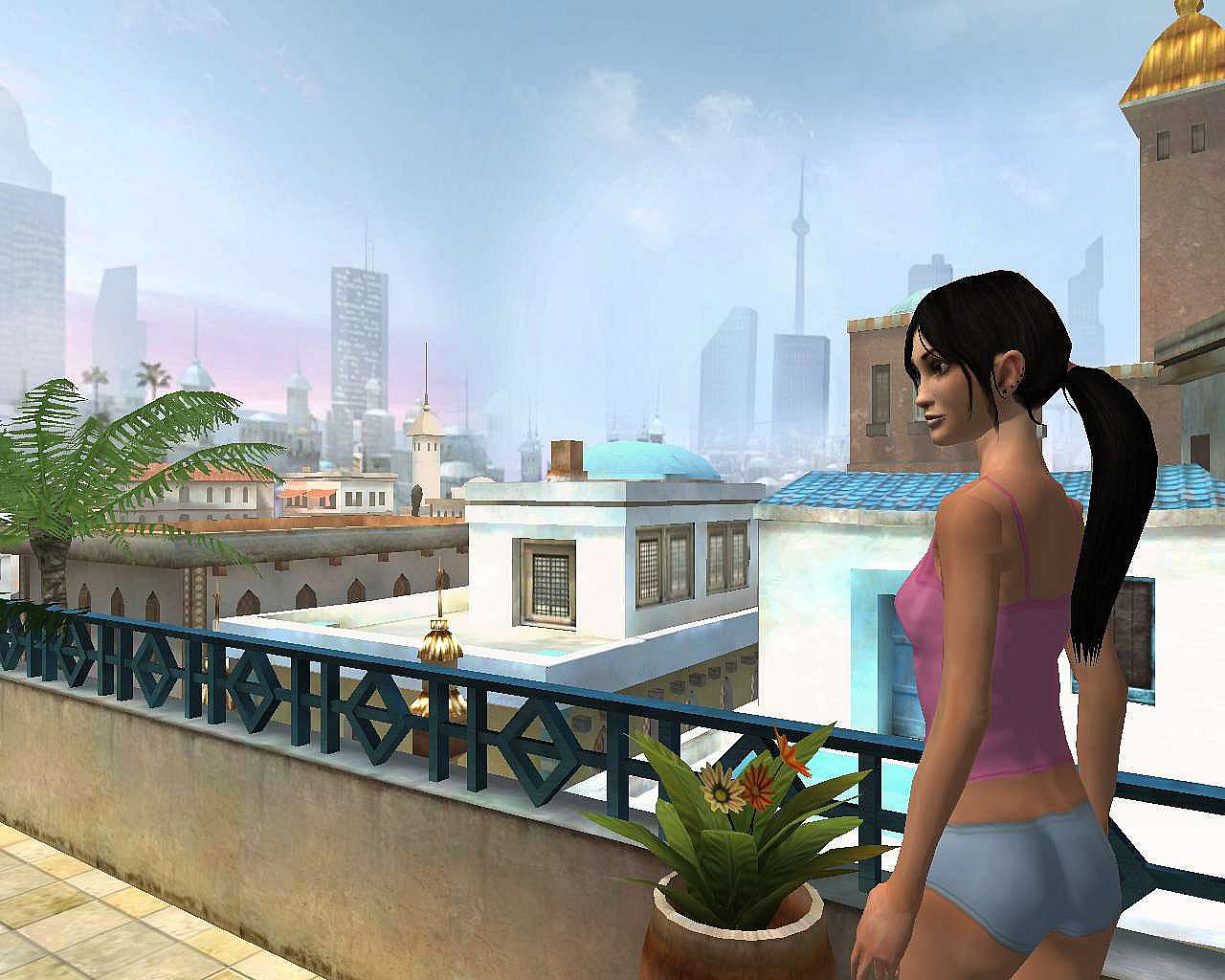
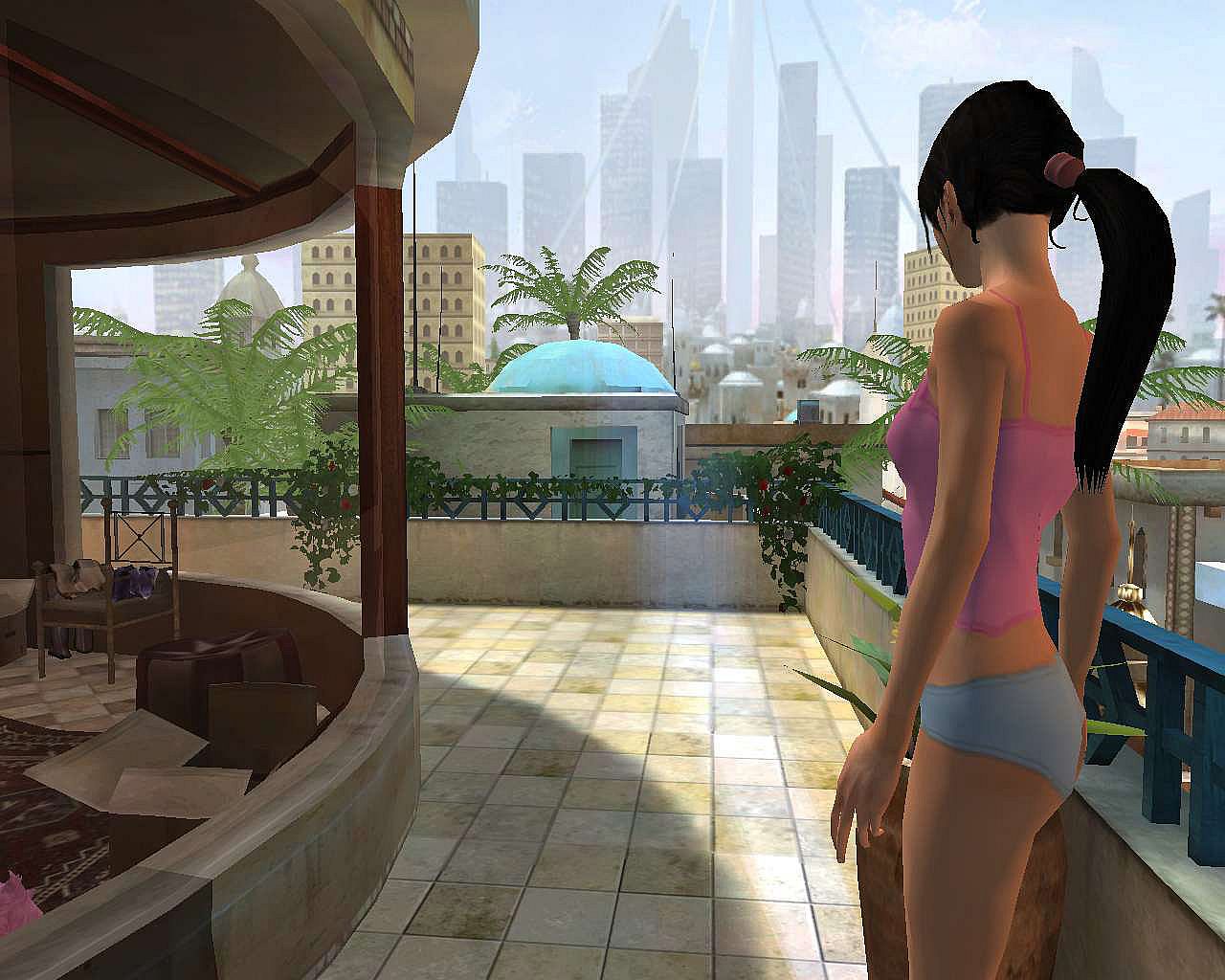
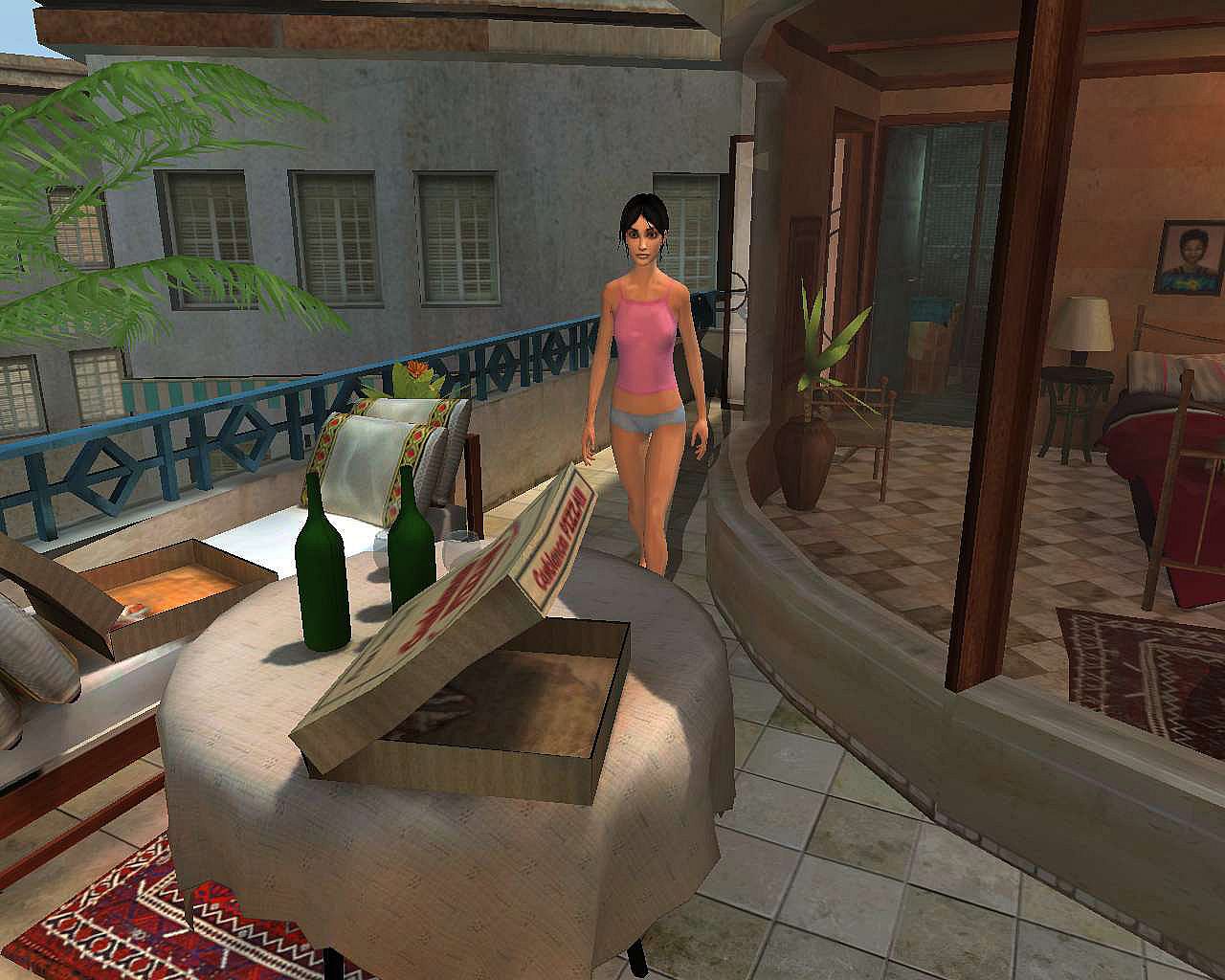
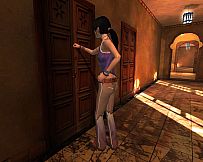
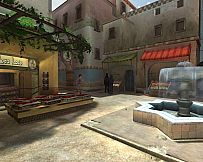
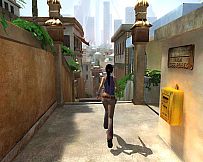
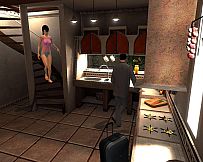
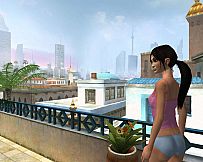
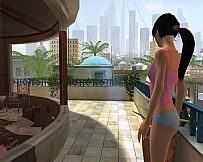
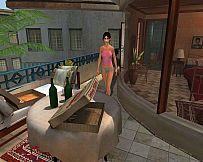
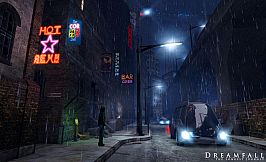
Dreamfall: The Longest Journey stands as a singleplayer adventure game with RPG influences, released for PC in 2006. Players follow a narrative-driven experience that alternates control among three distinct characters across interconnected storylines. The title emphasizes exploration, puzzle resolution, dialogue interactions, and occasional combat or stealth sequences within a third-person perspective.
Gameplay
The core loop centers on navigating detailed environments in three separate worlds while gathering items, solving puzzles, and advancing through conversations. A context-sensitive focus field allows scanning visible surroundings for information on distant objects or remote actions, bridging traditional point-and-click mechanics with direct movement-based interaction. Dialogue trees offer multiple response options that shape immediate outcomes and character relationships without altering the main plot trajectory.
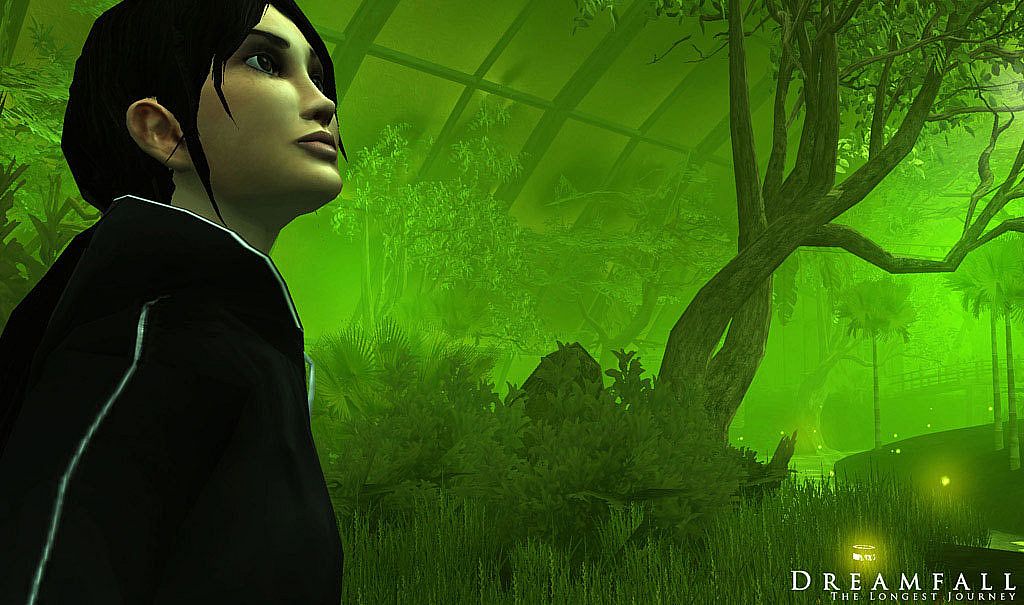
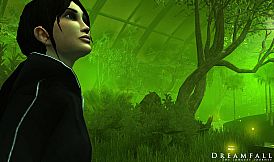
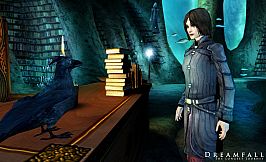
Each of the three playable characters brings unique movement styles and abilities. Zoë Castillo operates primarily in a modern setting with investigative focus. April Ryan returns from prior events with established connections to fantastical elements. Kian Alvane provides a contrasting viewpoint tied to structured authority structures. Switching perspectives reveals overlapping events and motivations that converge in later chapters.
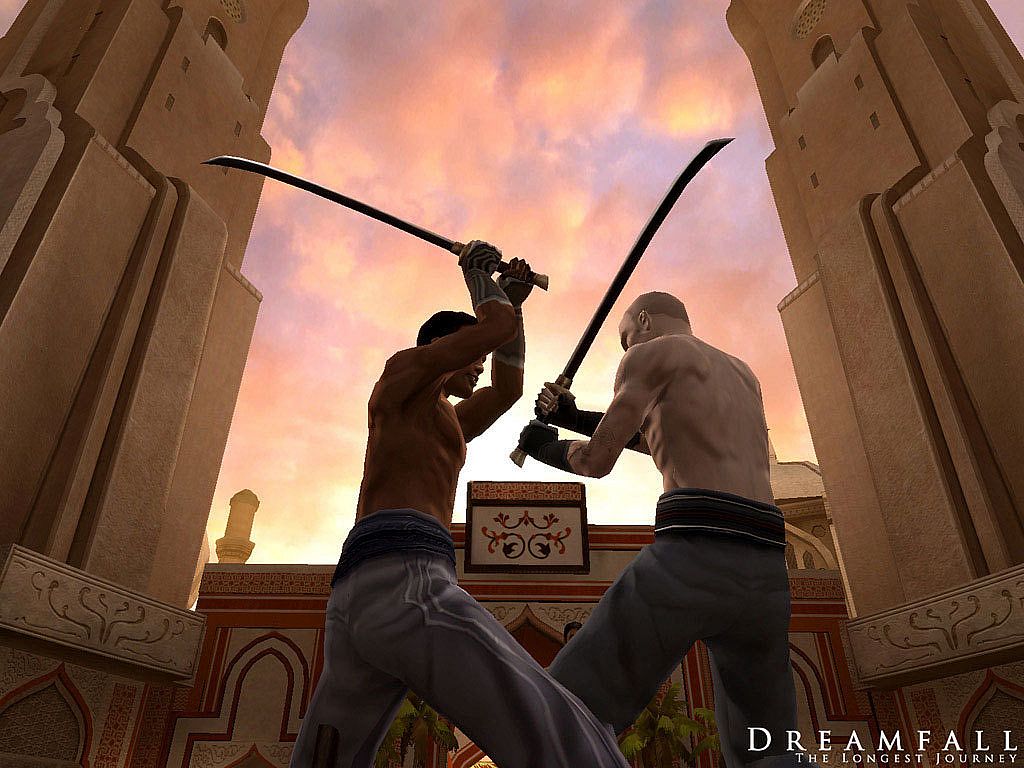
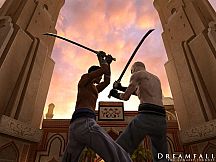
Challenges incorporate a mix of intellectual problem-solving and physical confrontations. Players may choose diplomatic approaches, evasion tactics, or direct engagement depending on the situation and character. Inventory management supports item combination and examination, while sound design and voice performances enhance atmospheric tension during key sequences.
Game Modes
The experience consists entirely of a singleplayer campaign structured across multiple chapters. No separate multiplayer options, competitive modes, or cooperative features exist. Progression follows a linear story path with branching conversation choices that influence local events and character dynamics but lead to a unified conclusion.
Worlds and Characters
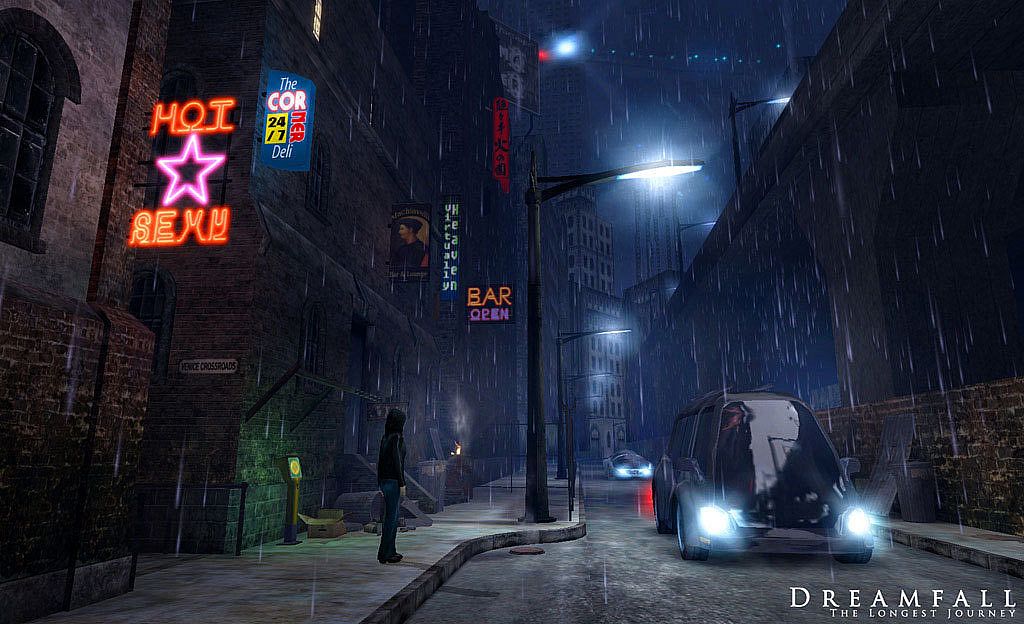
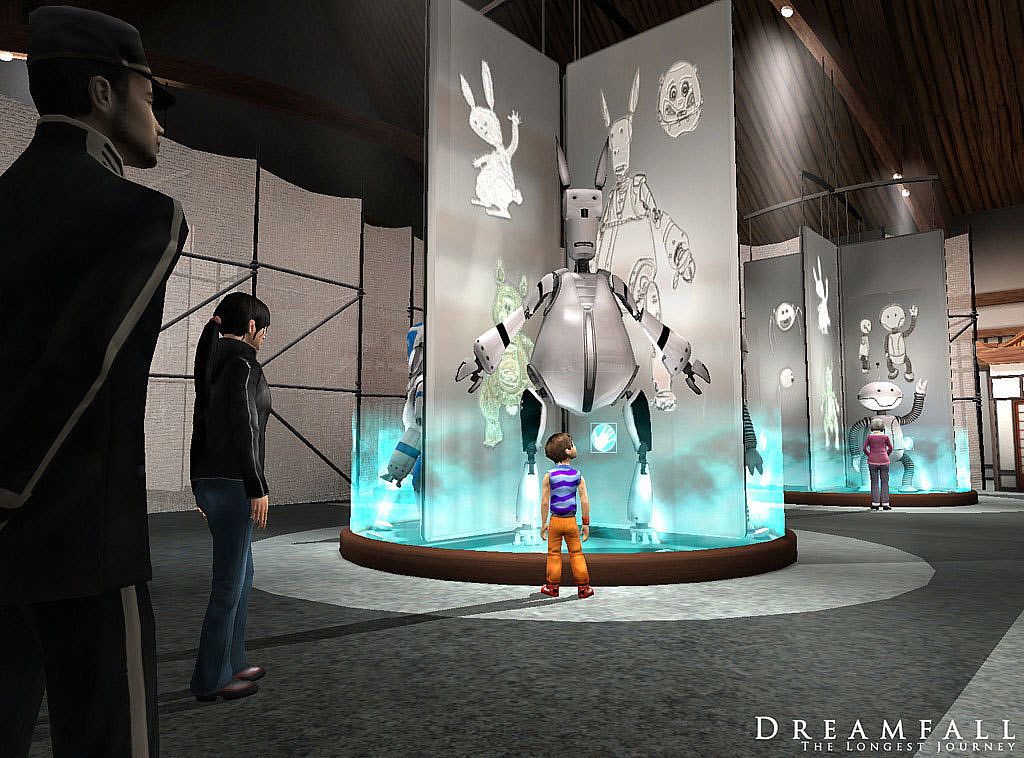
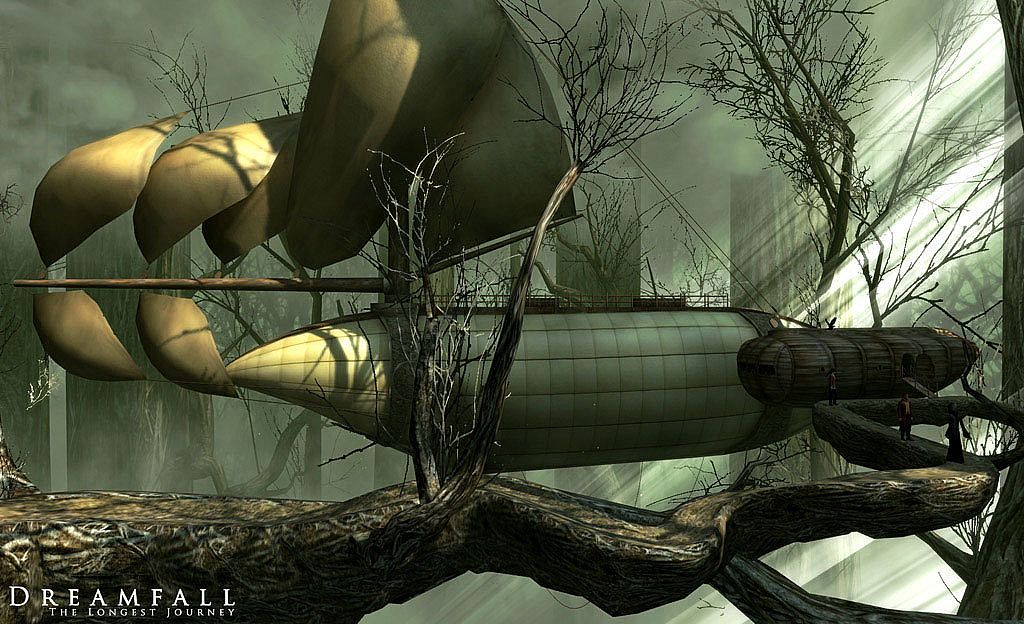
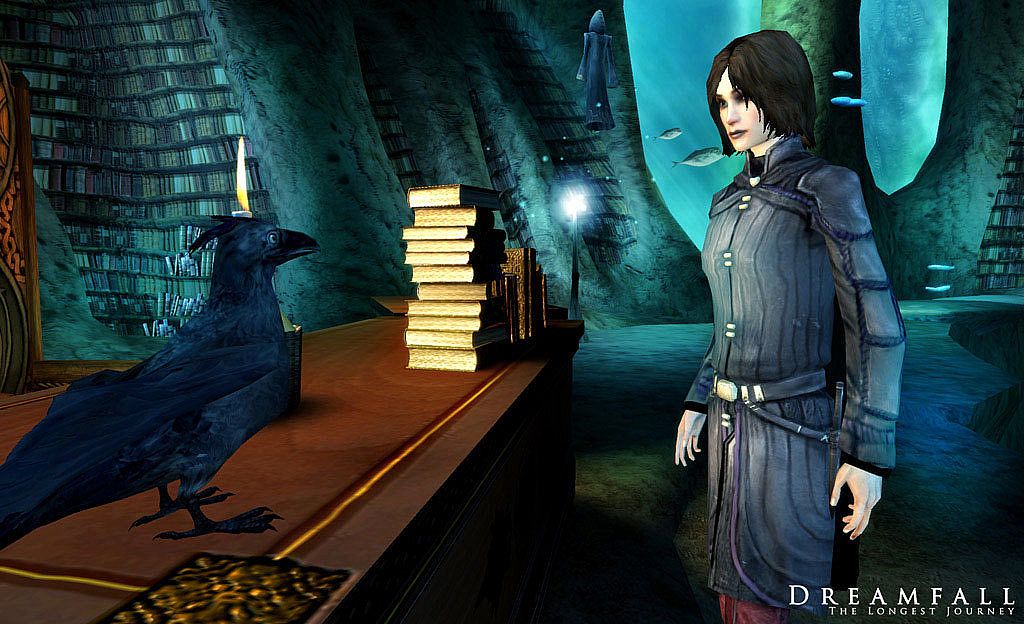
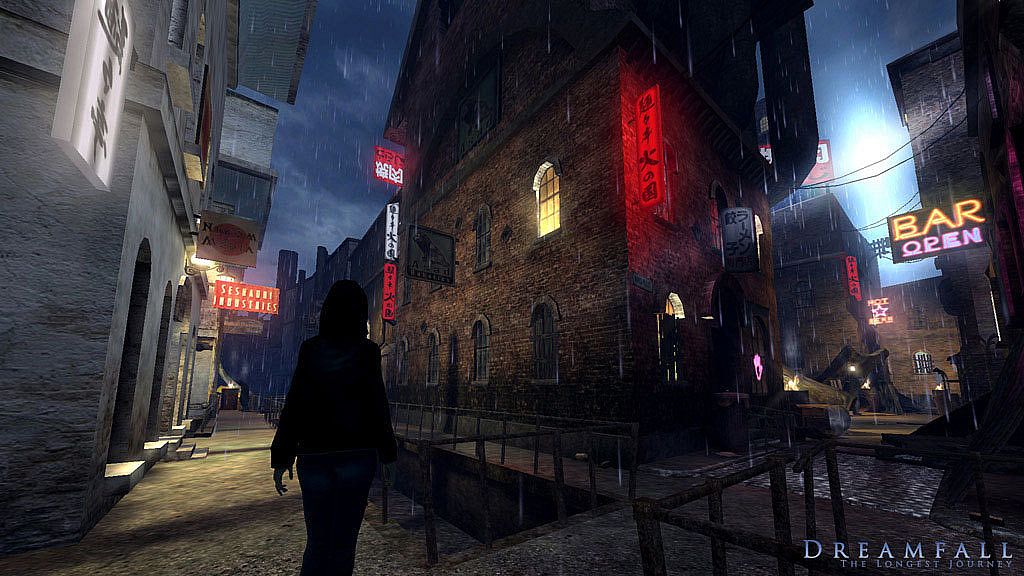
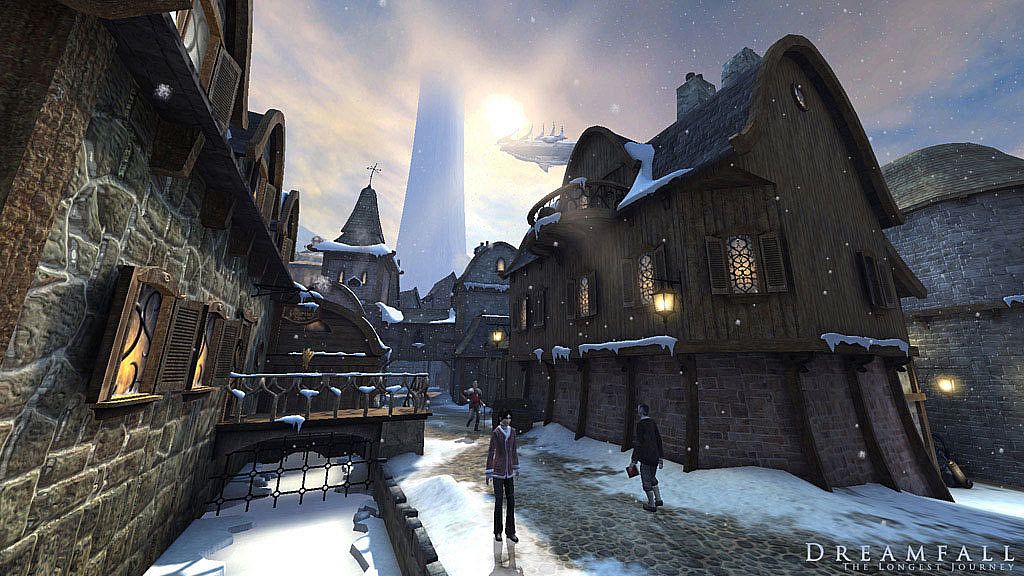
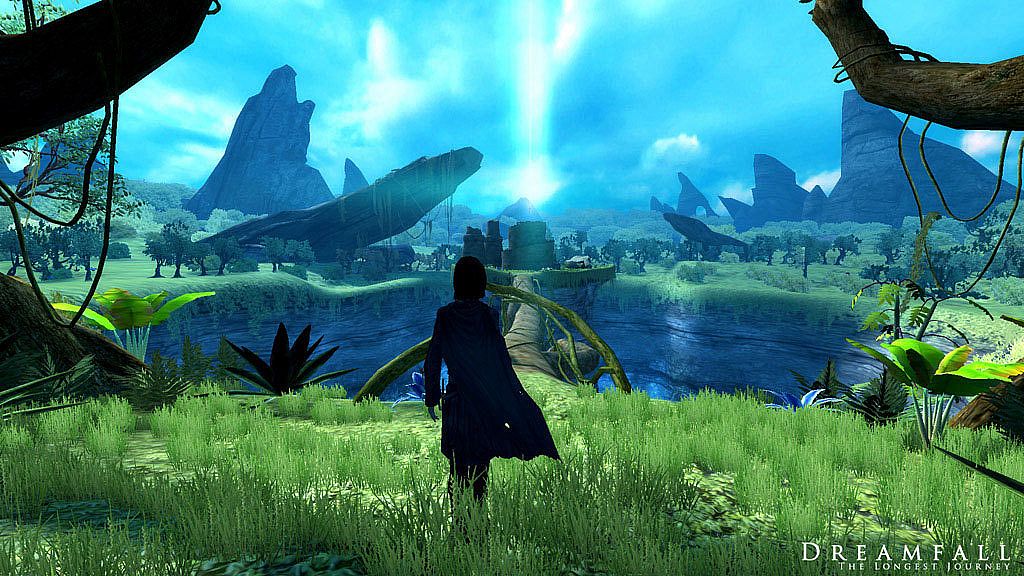
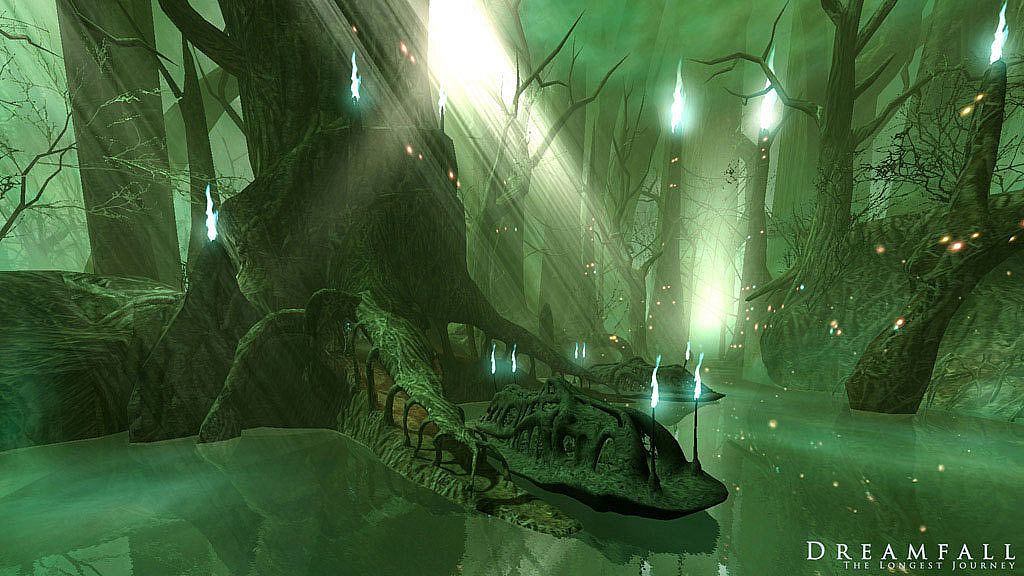
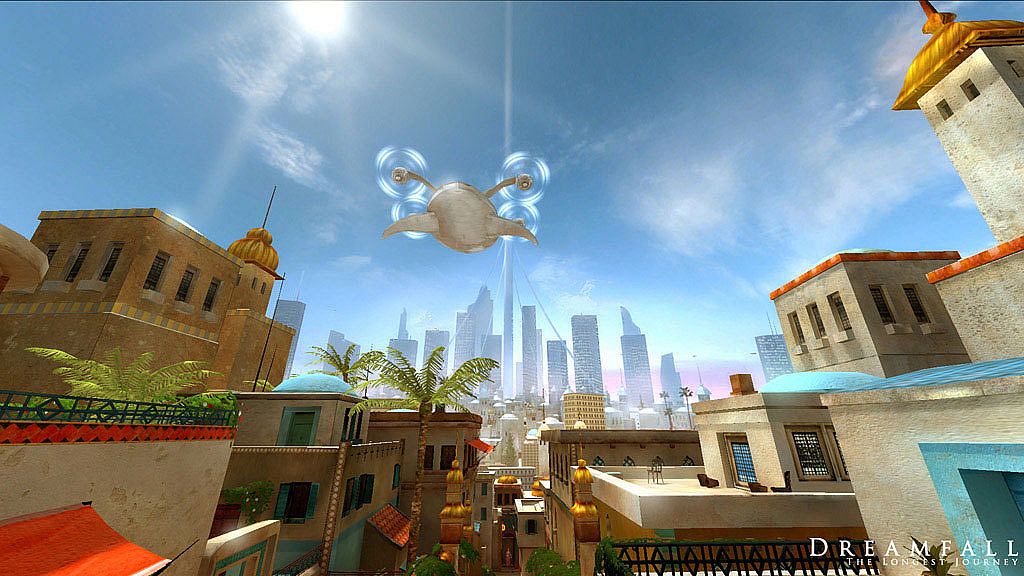
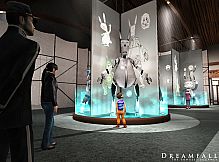
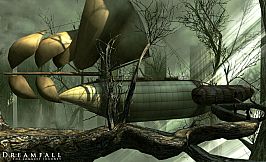
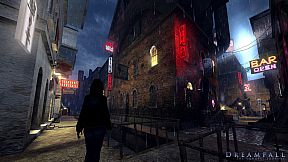
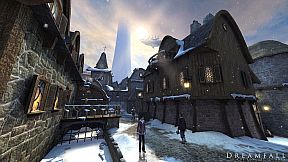
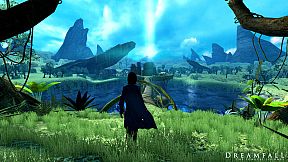
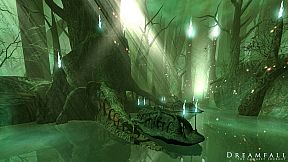
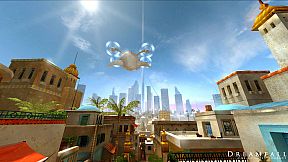
Travel spans a futuristic version of Earth known as Stark, a magical fantasy realm called Arcadia, and the enigmatic Winter domain. Each location features distinct architecture, inhabitants, and environmental details that support varied puzzle types and narrative beats. Locations range from urban interiors to expansive natural or mystical areas, encouraging thorough examination for clues and items.
Character perspectives highlight differing worldviews and skill sets. This structure delivers constant shifts in gameplay rhythm, from stealth-oriented sequences to dialogue-heavy investigations or combat encounters. The narrative weaves themes of conspiracy, personal loss, and larger existential threats through these intertwined journeys.
Audio and Presentation
Voice acting draws from a large cast of professional performers, delivering lines that convey emotional depth across the cast. The soundtrack supports key moments with orchestral and atmospheric tracks designed for surround sound setups. Visuals emphasize detailed character models and environments consistent with the era's capabilities, focusing on cinematic framing during story sequences.
Is It Worth Playing?
Reception highlights strong storytelling and character development as primary strengths, with critics noting the mature tone and integration of multiple perspectives. Aggregate scores reflect generally favorable responses, including a Metascore of 75 from critics and an 8.3 user rating. Some players appreciate the variety in approach options during challenges, while others note dated combat mechanics as a weaker element compared to the adventure and puzzle components.
The game suits those seeking a focused singleplayer narrative with exploration and dialogue emphasis rather than fast-paced action or ongoing content updates. It remains available through digital platforms for PC, offering a complete story experience without additional seasons or expansions required for the core campaign. Individuals drawn to classic adventure structures with modernized interaction systems will find the most alignment with its design.