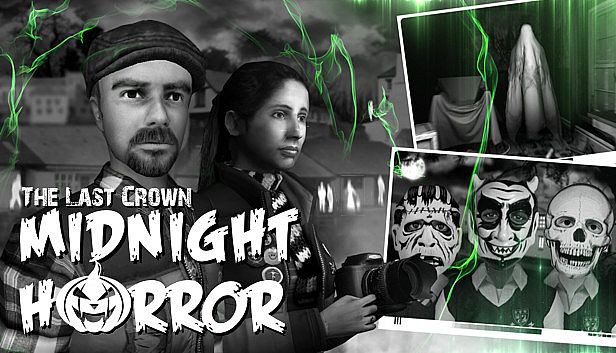



















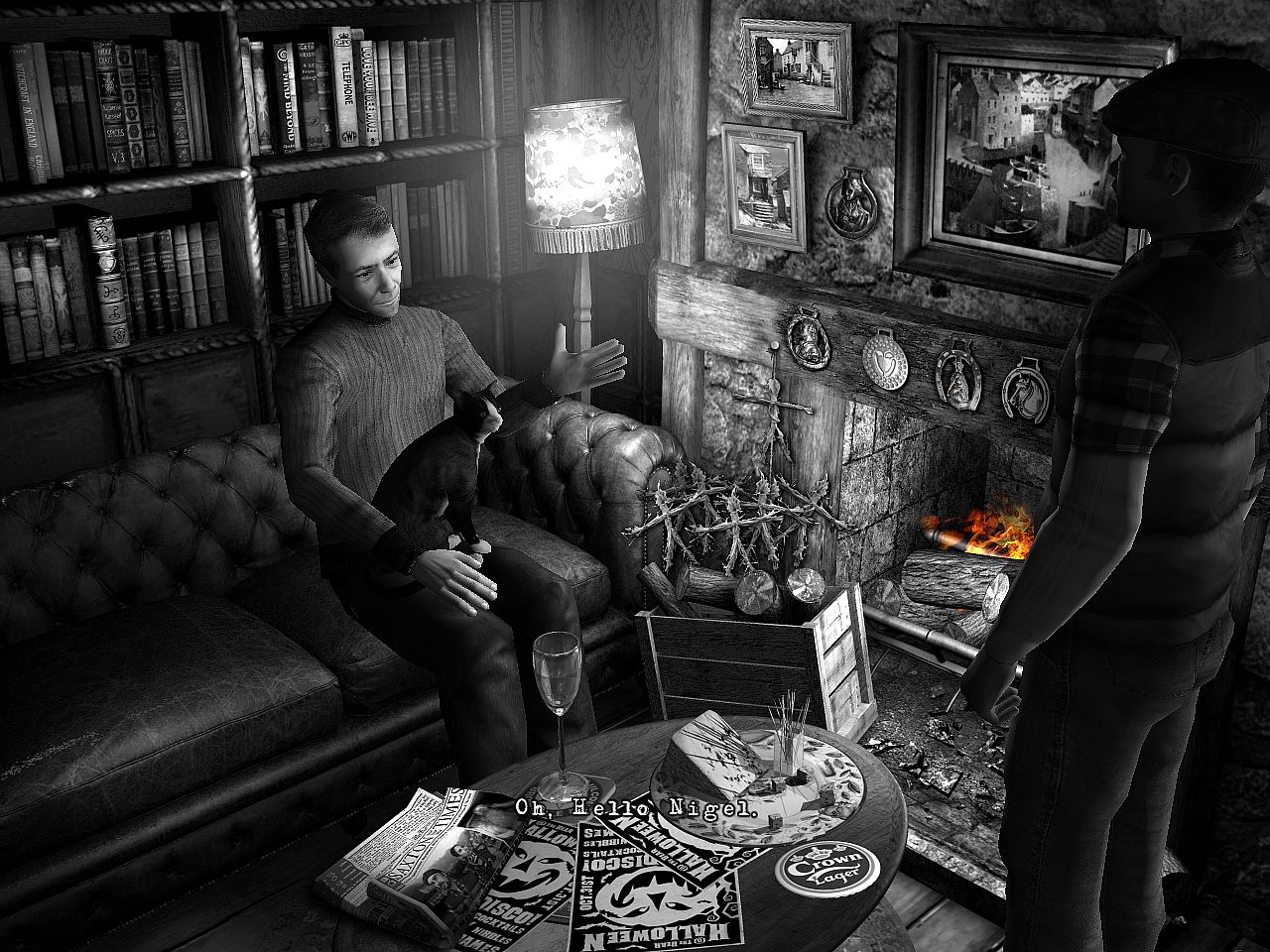
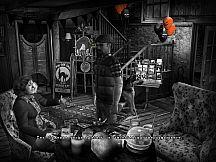
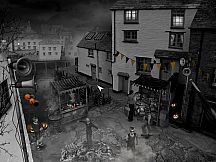

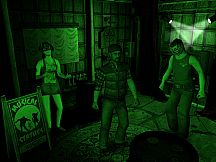
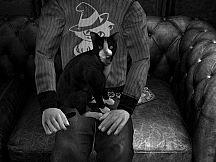
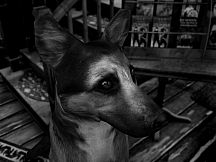
The Last Crown: Midnight Horror stands as an indie point-and-click adventure game centered on paranormal investigation. Players step into the role of Nigel Danvers, a seasoned ghost hunter who spends one Halloween night probing eerie disturbances at a harbor-side pub and along the waterfront in the fictional town of Saxton. The experience unfolds through careful exploration, dialogue with residents, and the application of specialized equipment to capture evidence from the spirit world.
Gameplay
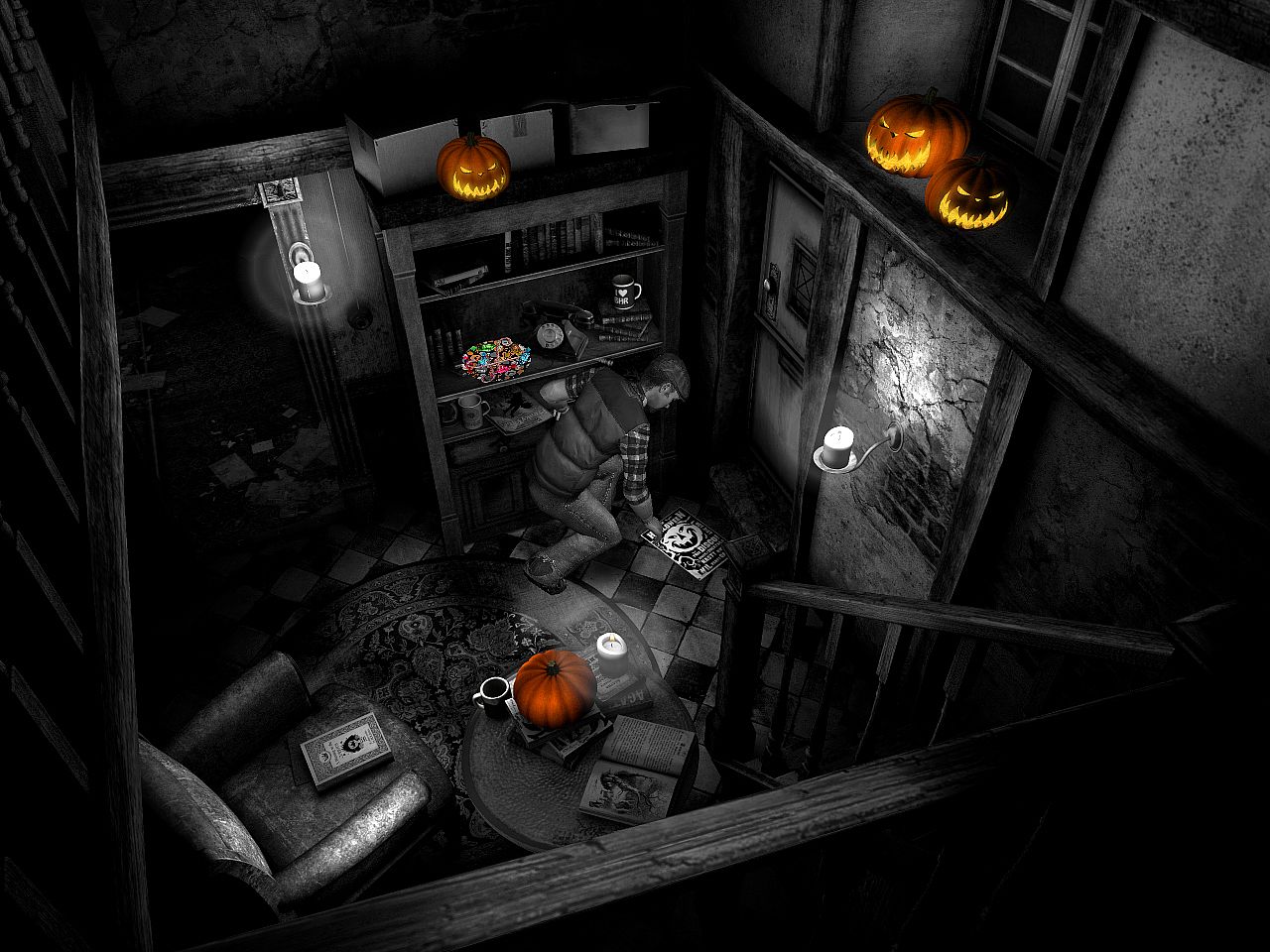
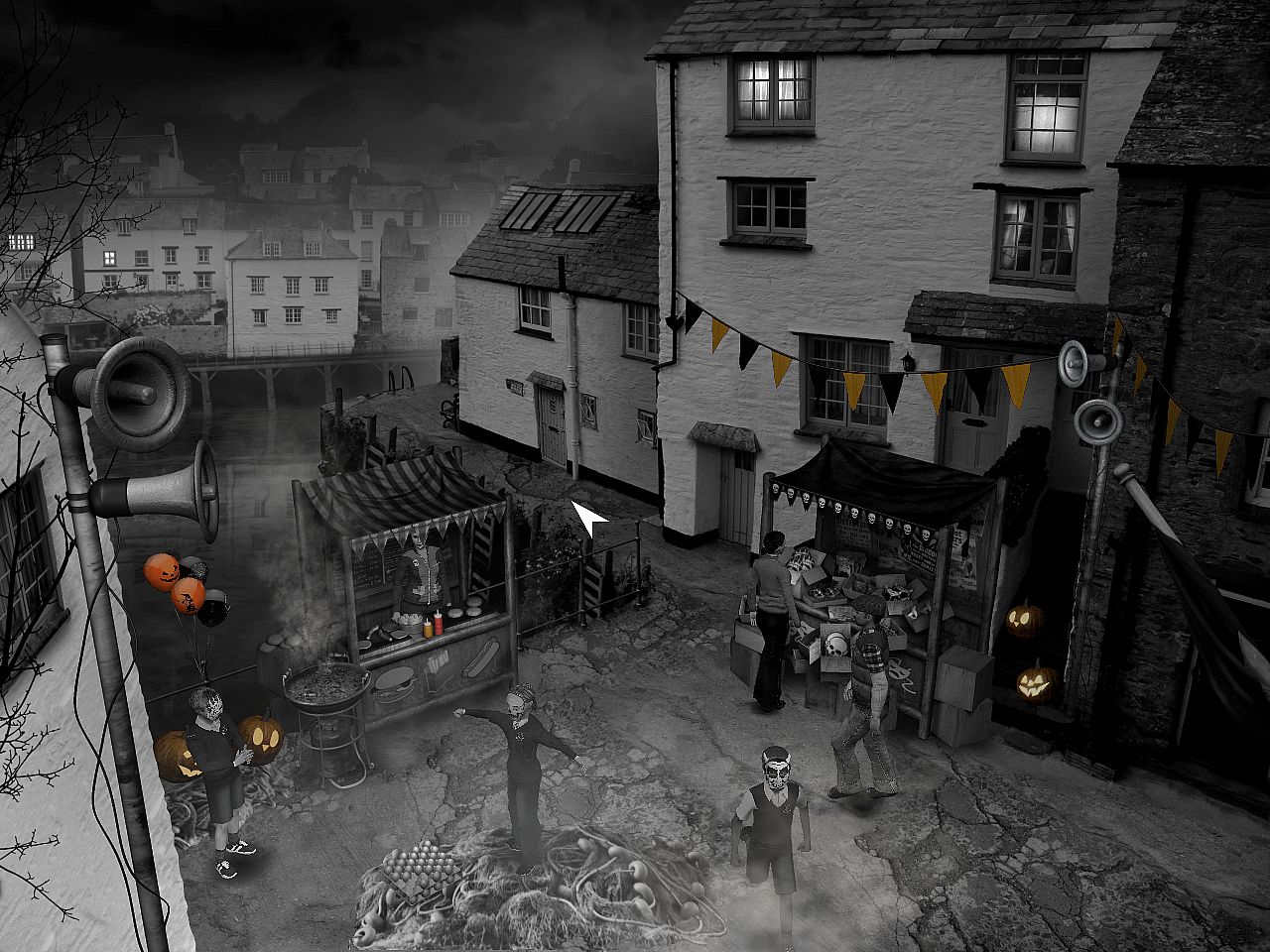
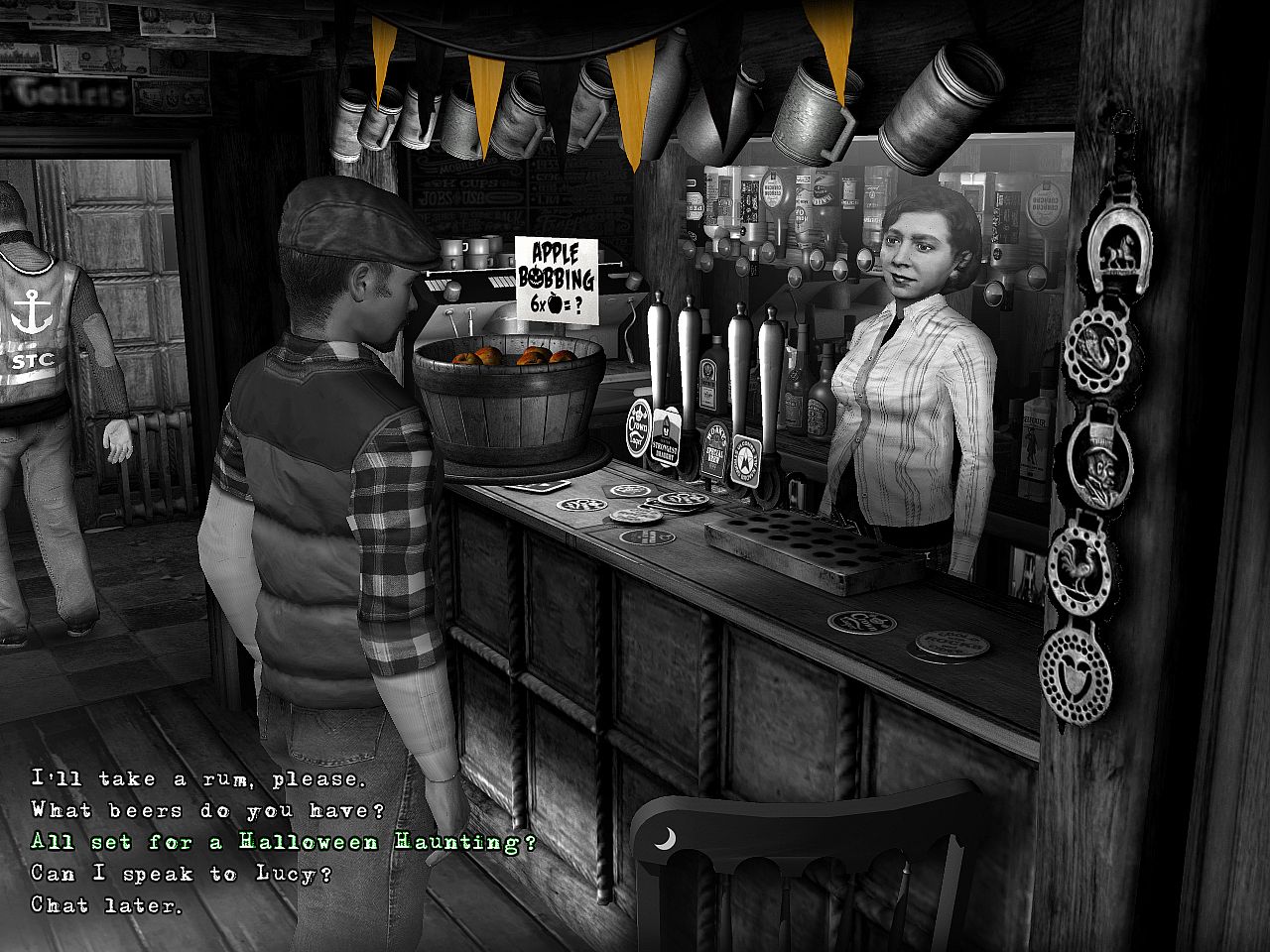
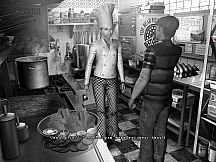
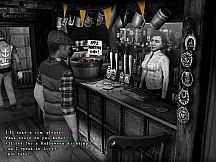
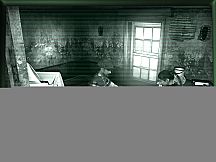
Core mechanics revolve around classic point-and-click interaction on a static or lightly animated scene. The mouse cursor changes to indicate clickable hotspots, allowing examination of objects, collection of items, and conversation with non-player characters. Puzzles arise naturally from the narrative, often requiring players to combine found evidence or apply ghost-hunting tools in logical sequences.
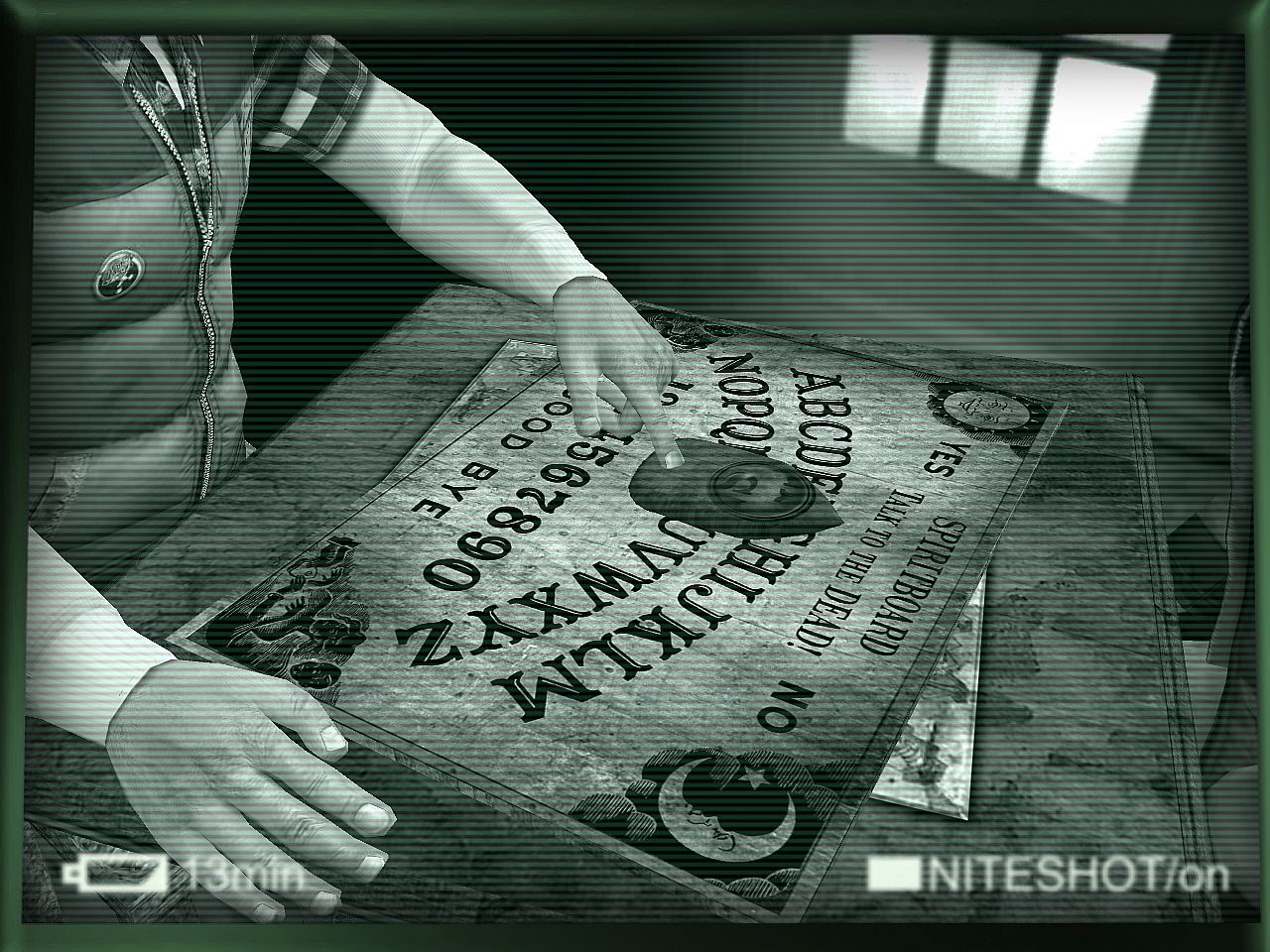
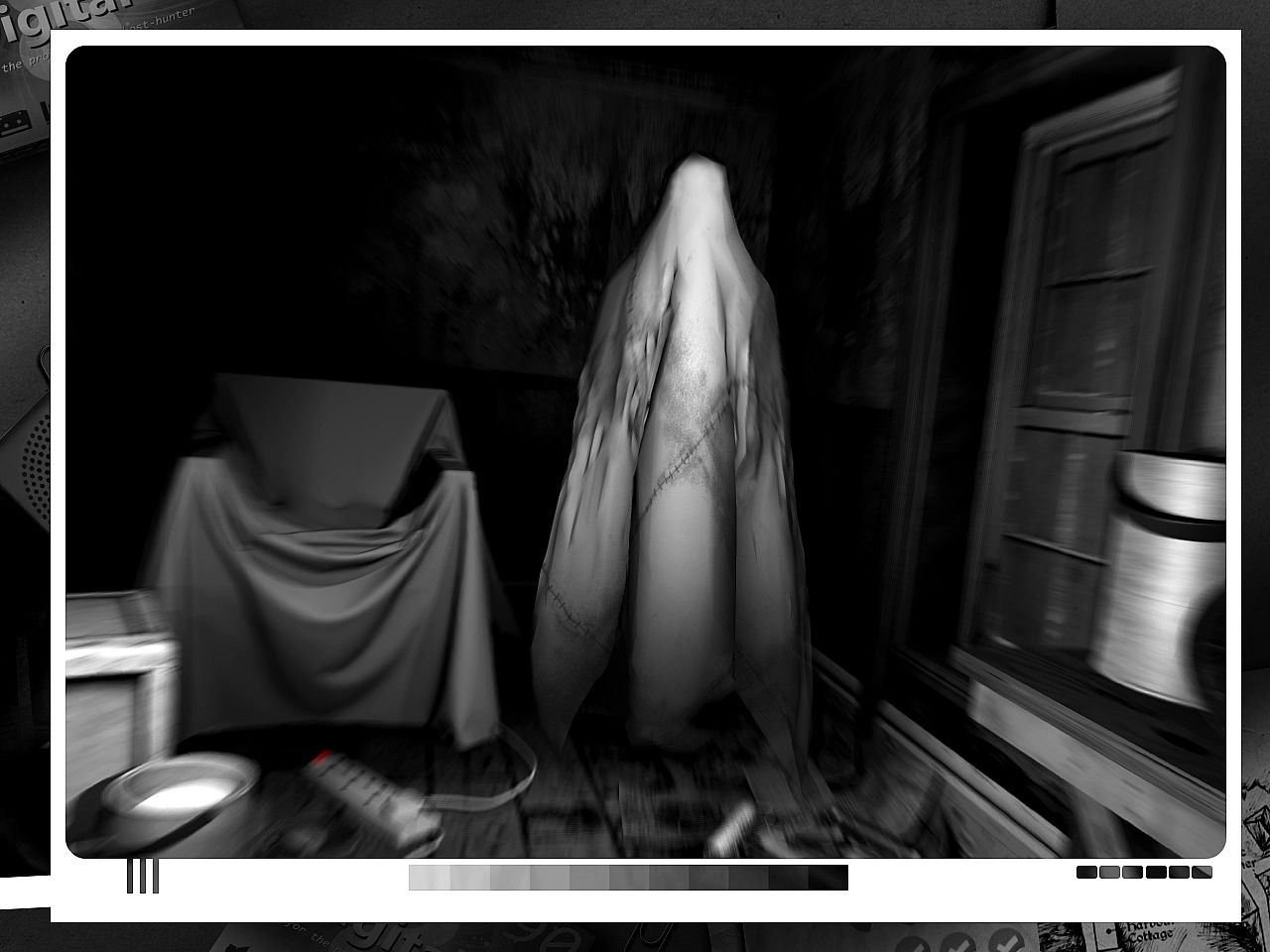
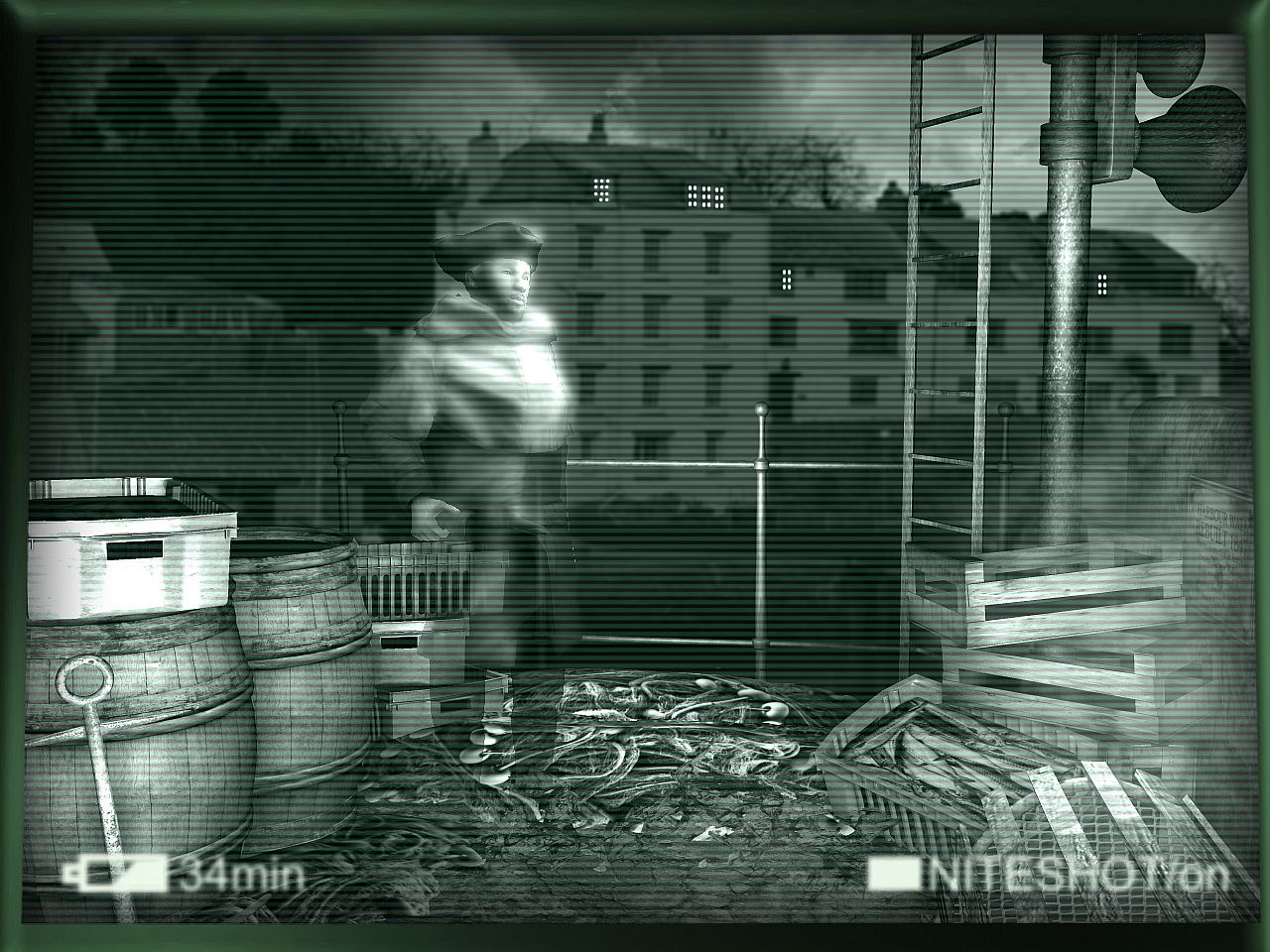
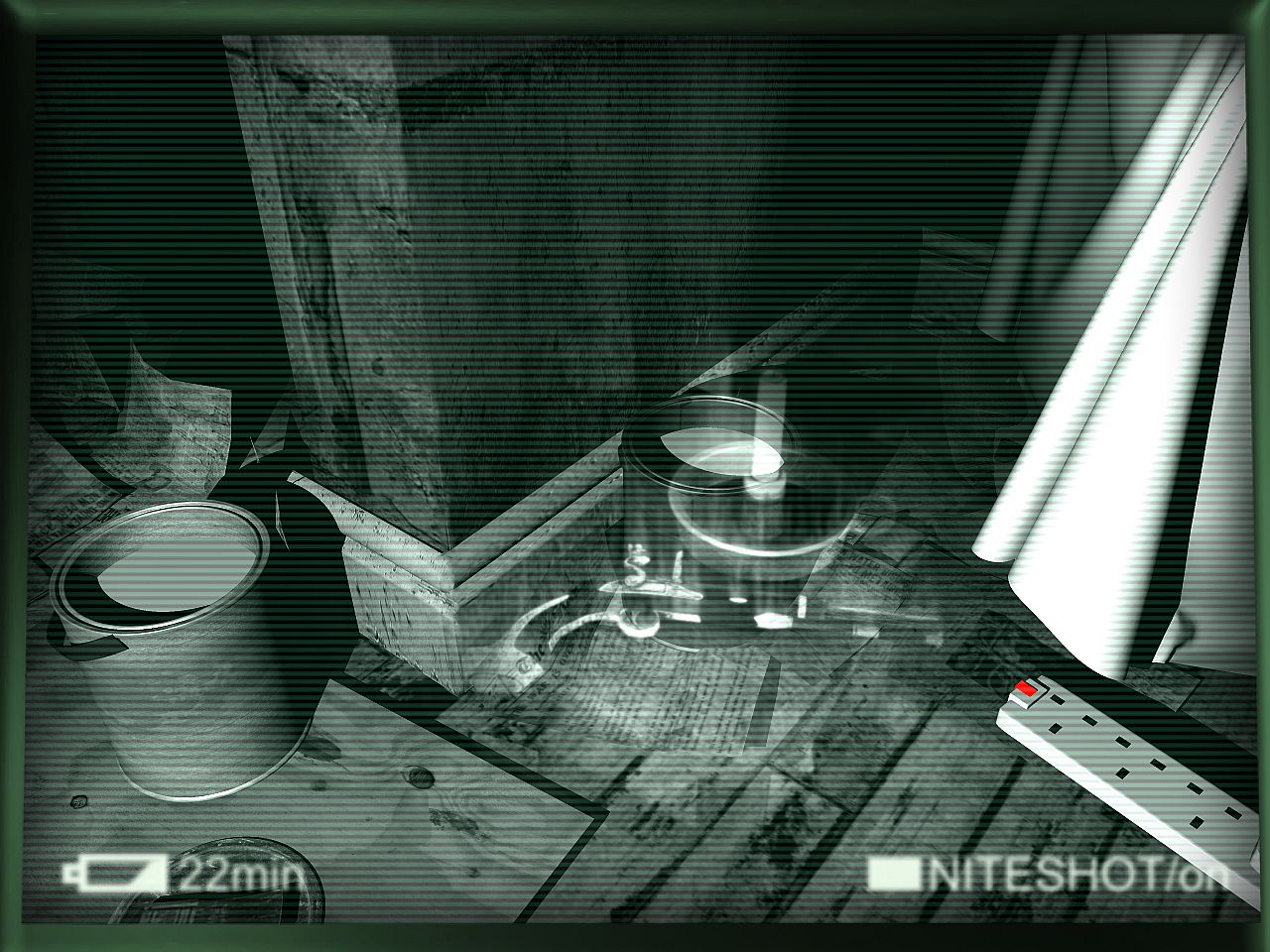
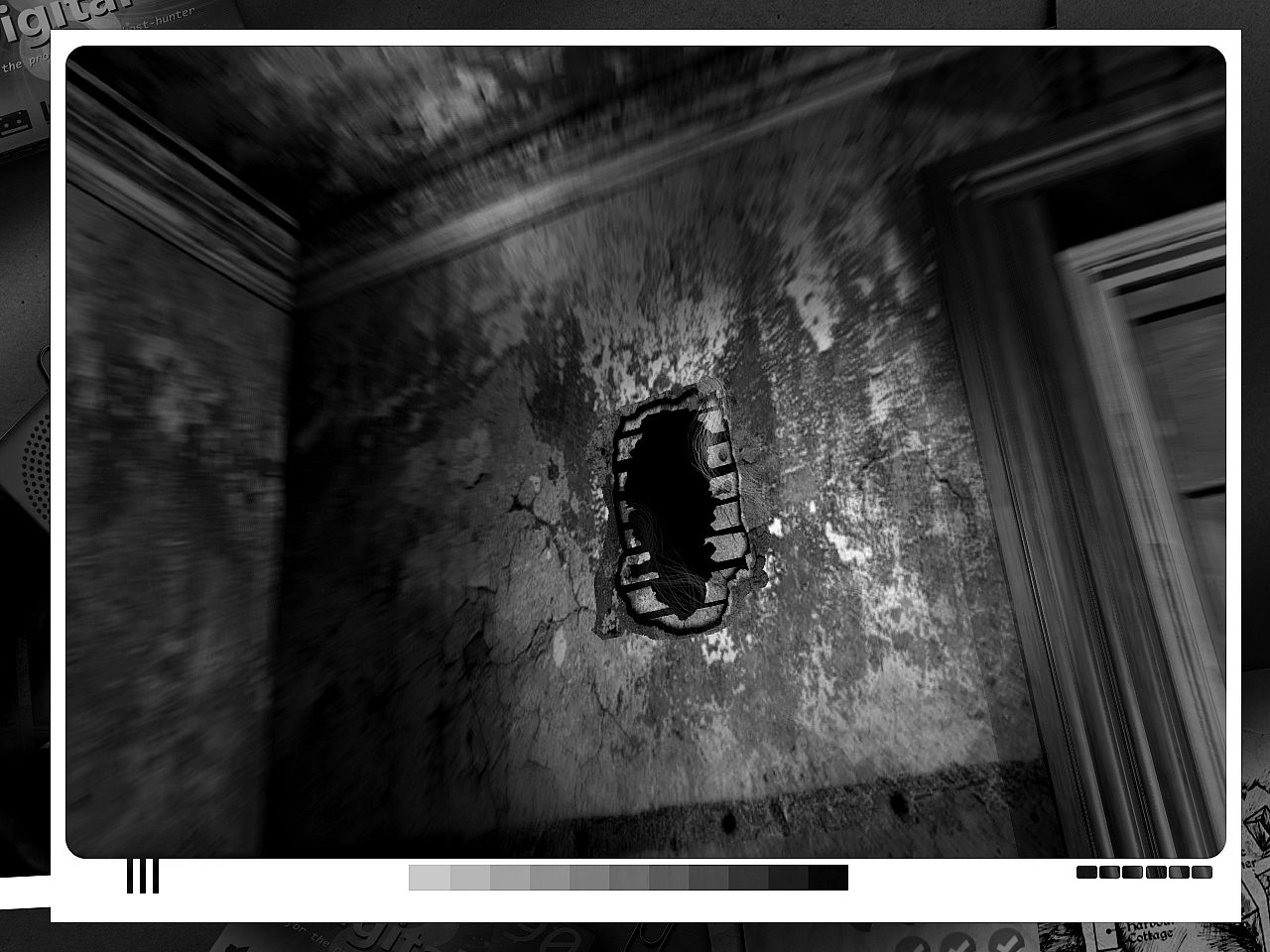
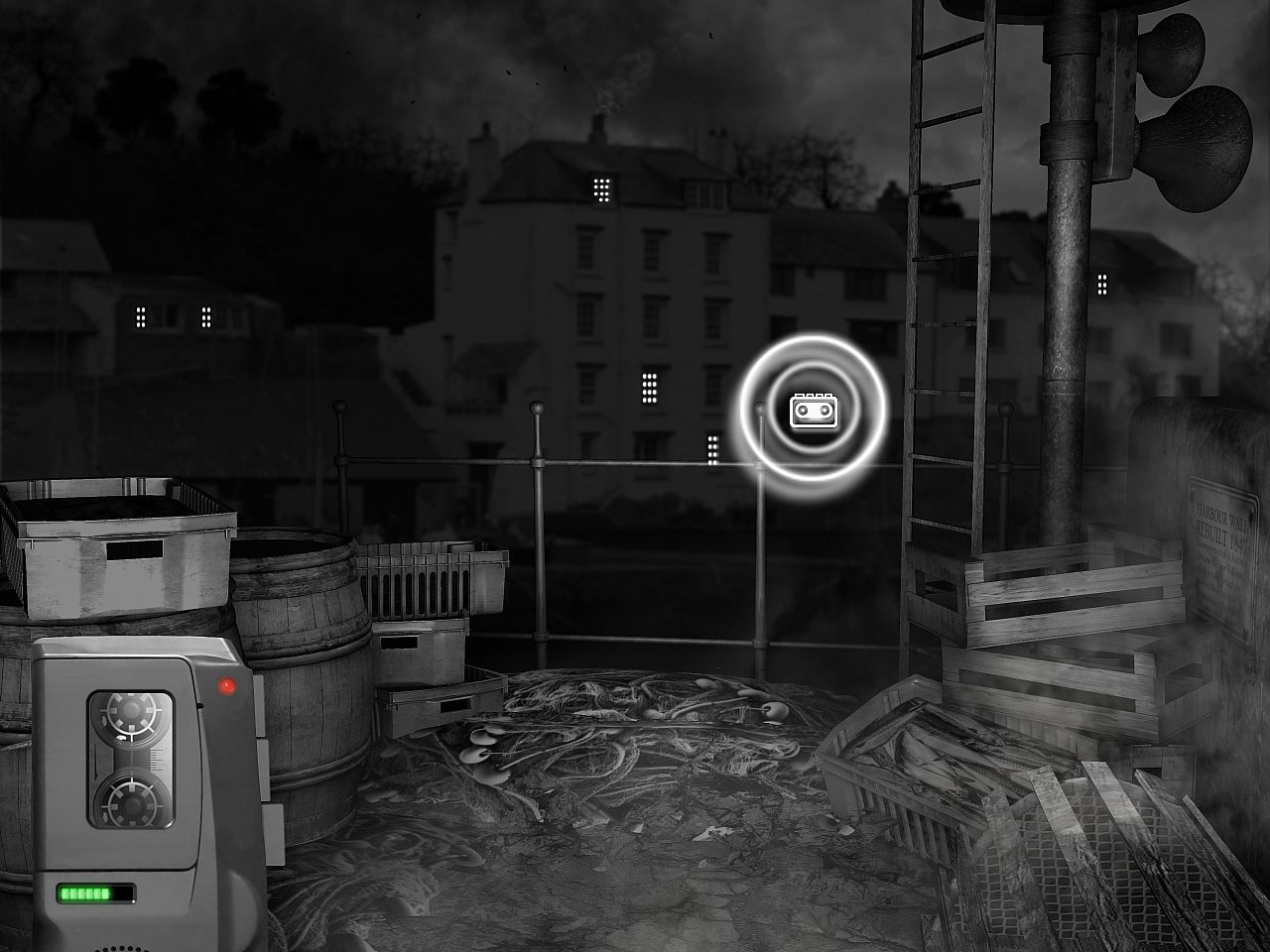
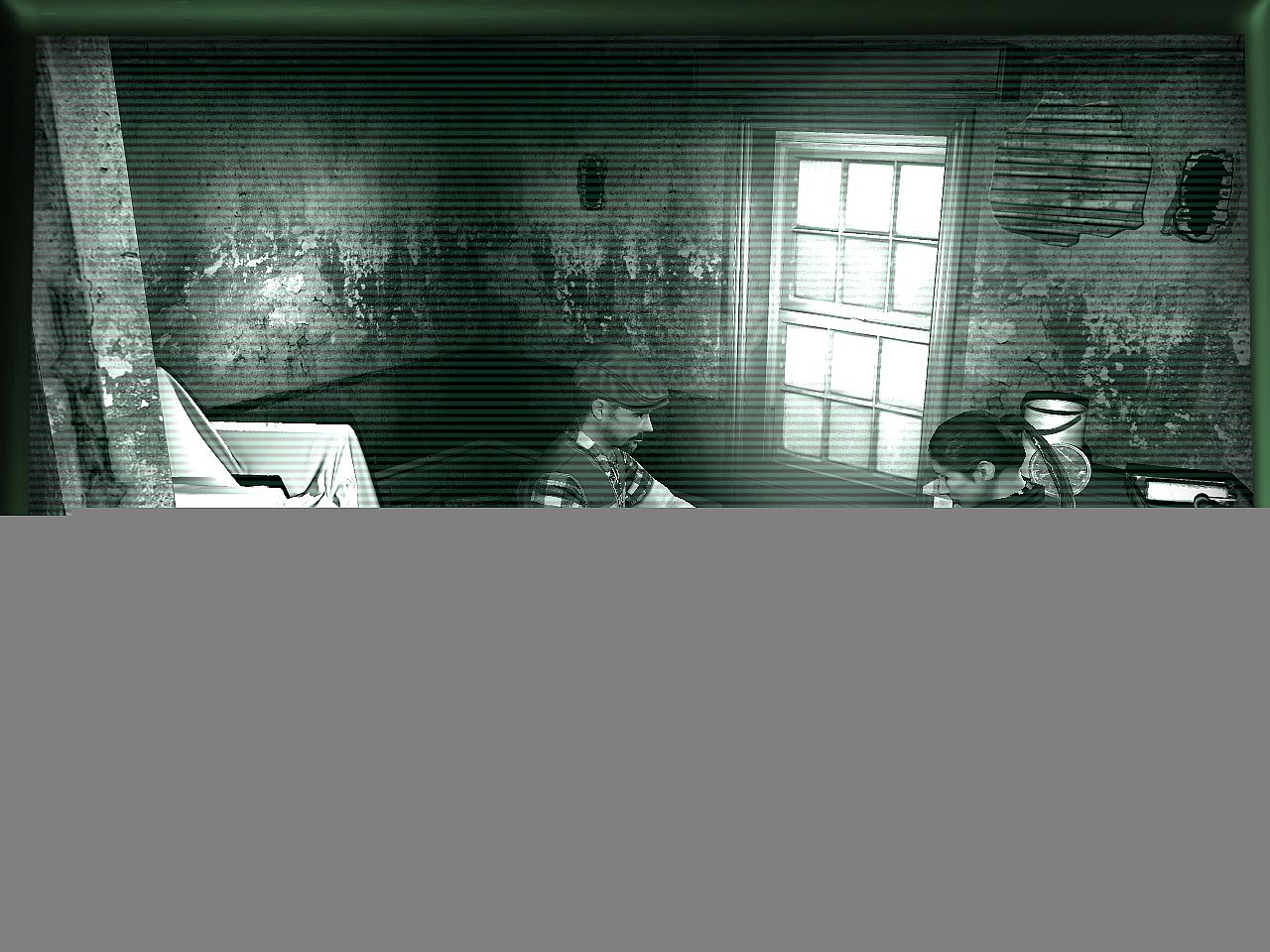
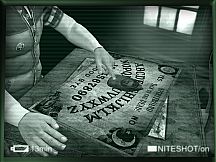
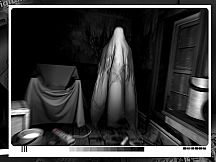
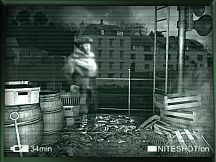
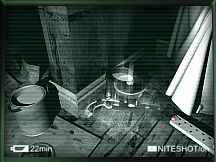
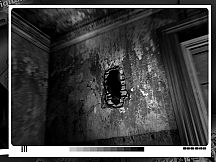
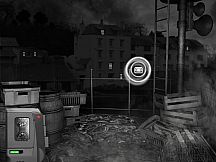
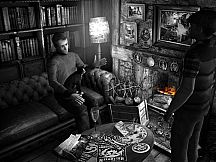
Gadgets form a central system. These devices enable visual and auditory detection of spirits that remain invisible to the naked eye. Players scan environments, record phenomena, and later review the captured data for clues. Psychometry sessions with a local practitioner add another layer, where objects yield impressions that advance the investigation.
Atmospheric audio supports every action. Full voice acting delivers character conversations, while layered sound effects and an original score heighten tension during nighttime sequences. The game runs in either a 4:3 or 16:9 aspect ratio, with options for windowed or fullscreen display that players select in the settings menu.
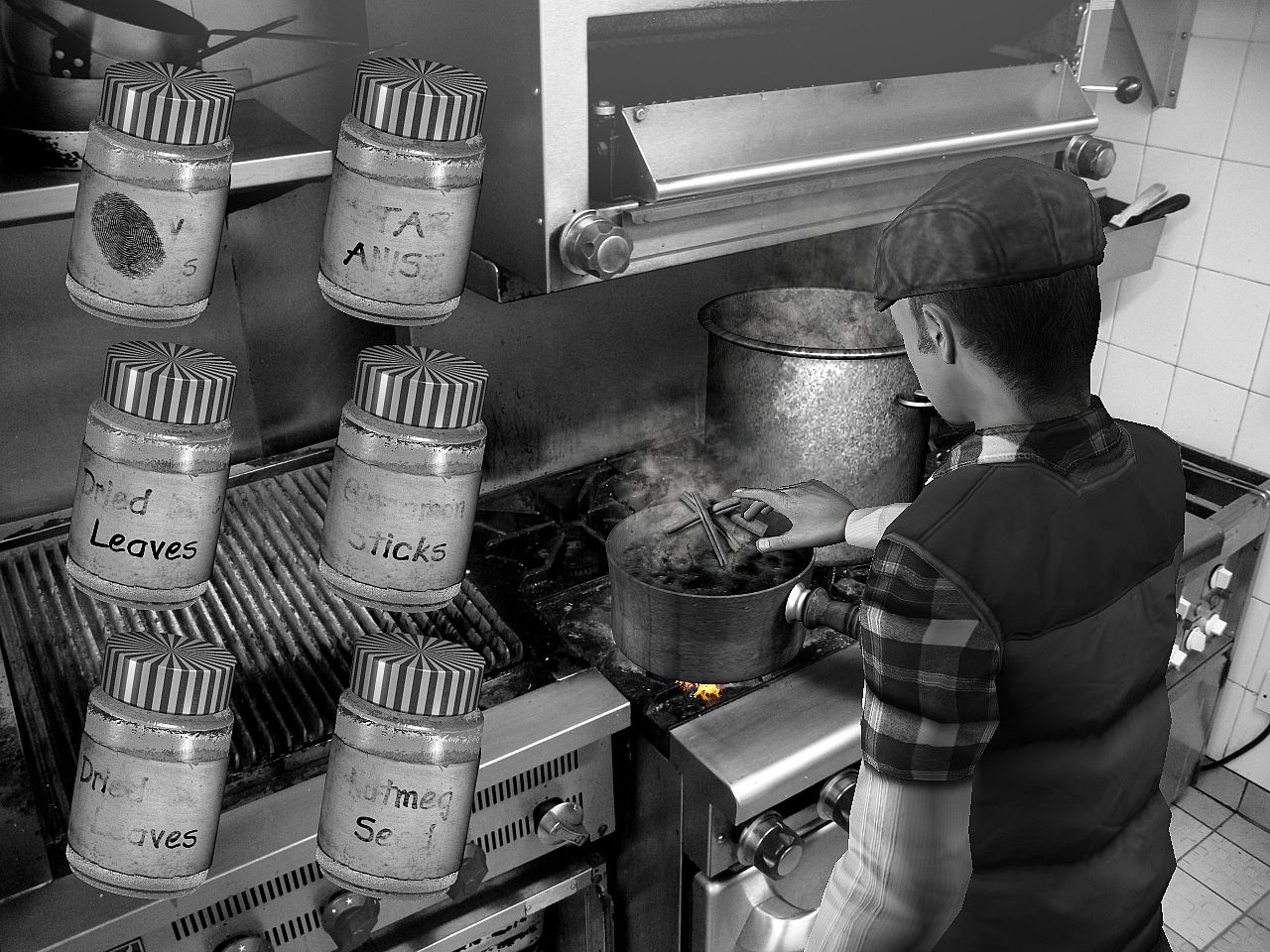
Exploration stays confined to a handful of locations around the pub and harbor wall. Movement between areas occurs through doorways or pathways that become available as the story progresses. Inventory management remains straightforward, with items used directly on the environment or in combination during puzzle sequences.
Game Modes
The title offers a single continuous narrative experience. There are no separate difficulty settings, side campaigns, or alternate play styles. Progress follows the main storyline from the opening of the investigation through its resolution within the single Halloween night timeframe.
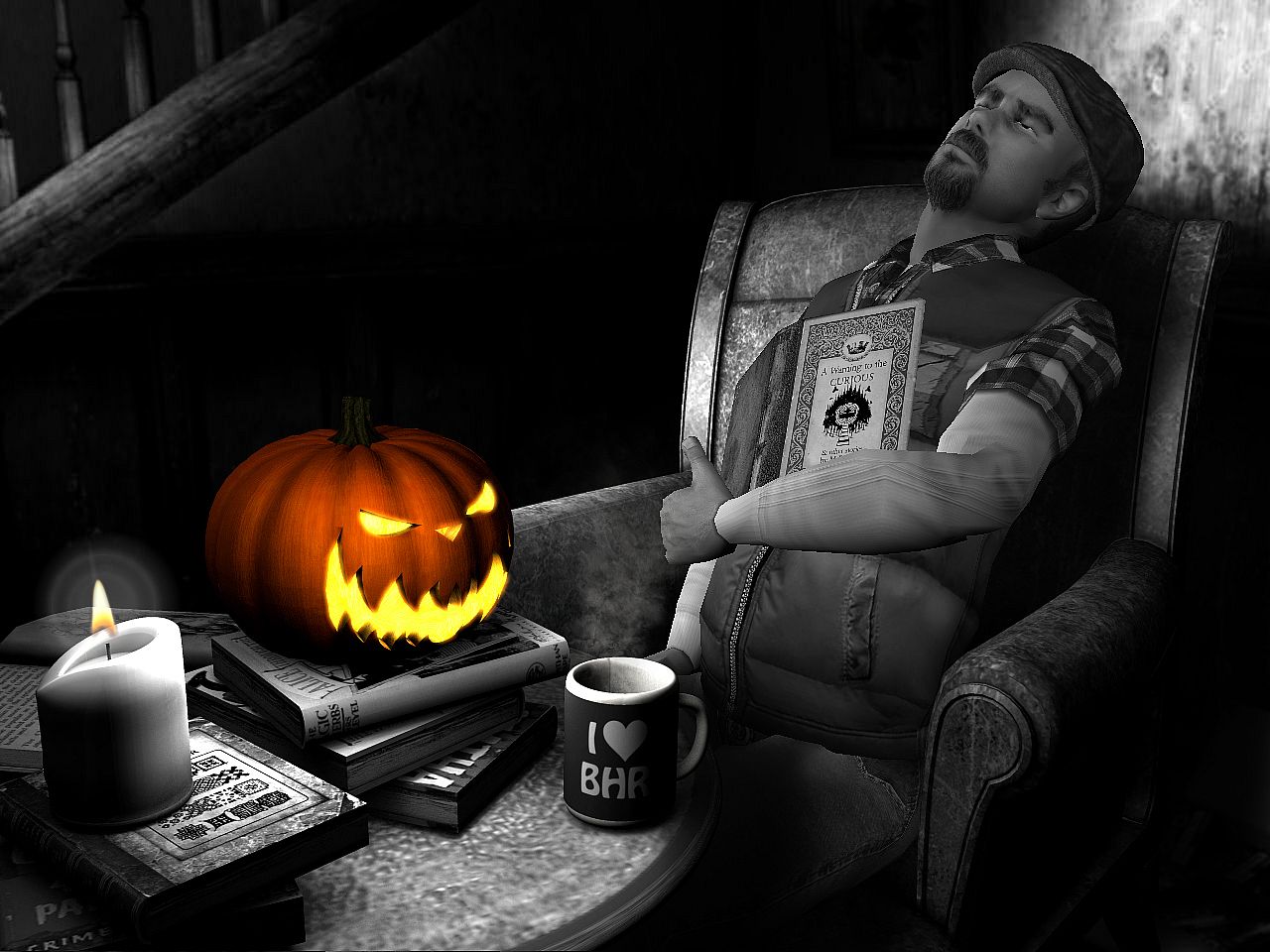
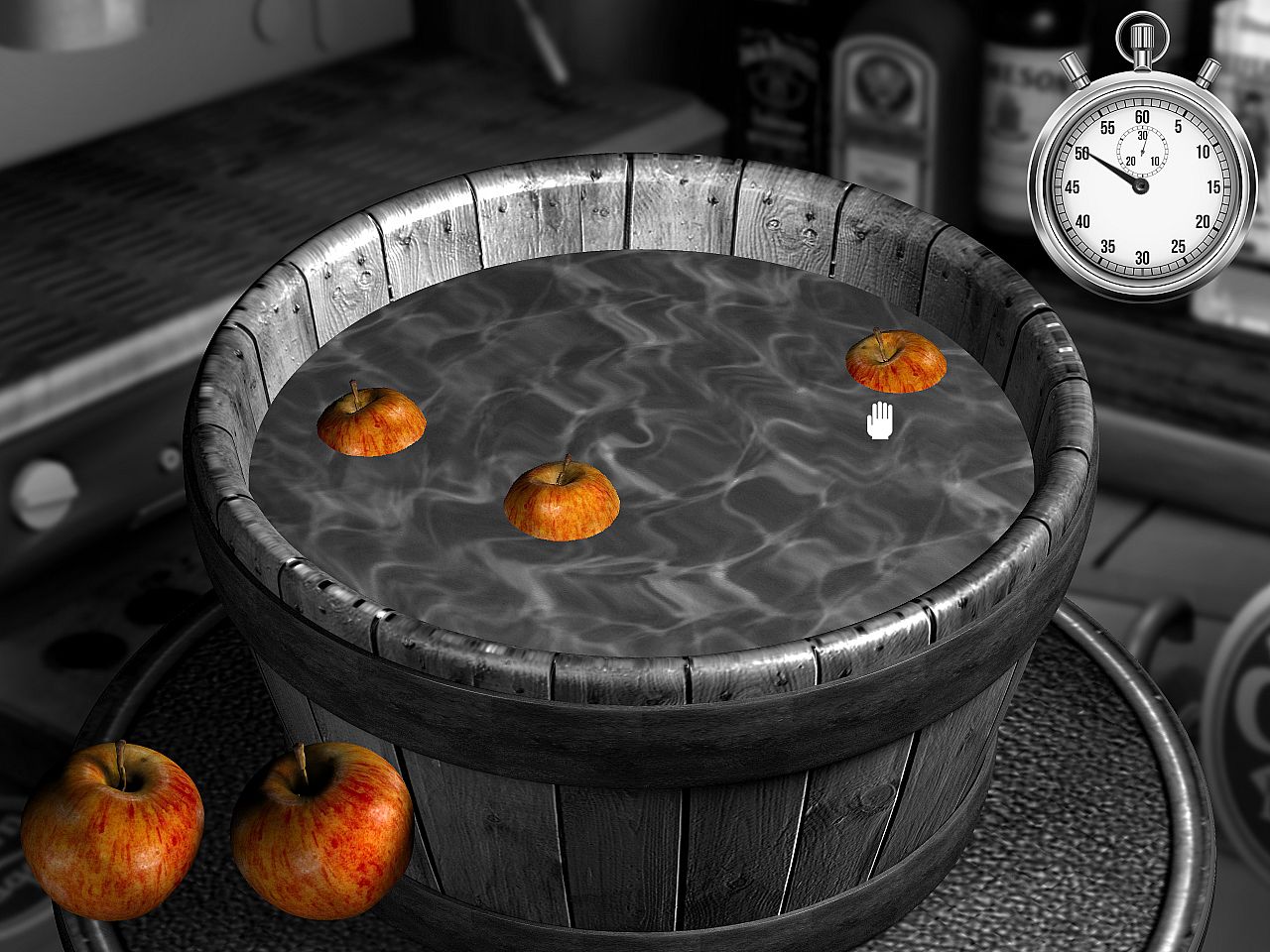
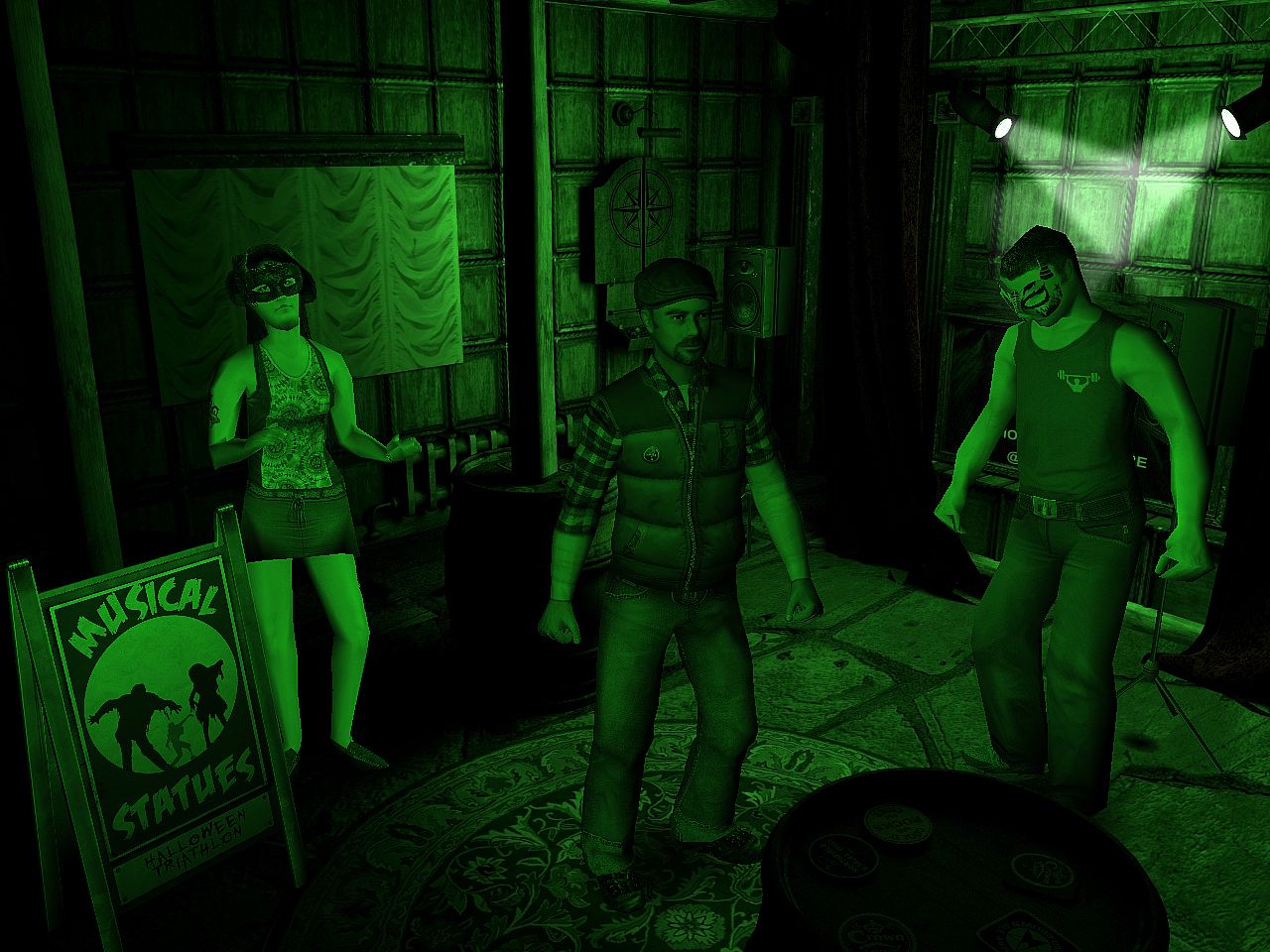
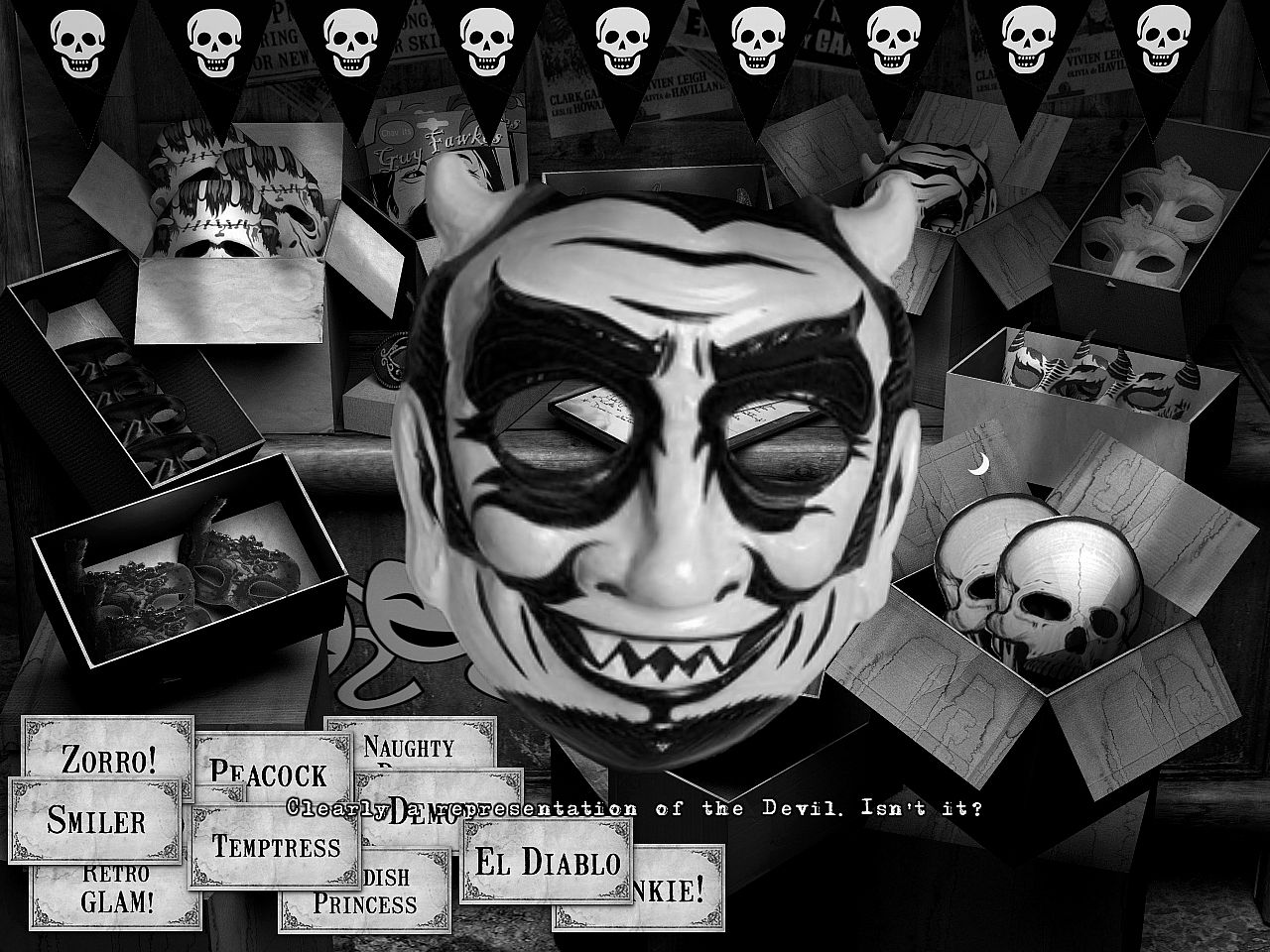
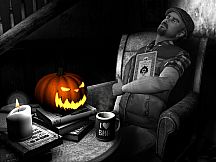
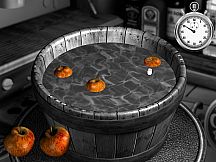
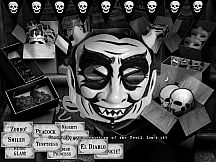
Halloween party activities appear as optional mini-games scattered throughout the evening. These incorporate light supernatural elements but serve primarily as breaks from the central detective work rather than distinct modes. Save functionality allows players to resume from multiple points, though files remain tied to the chosen screen resolution.
Story and Setting
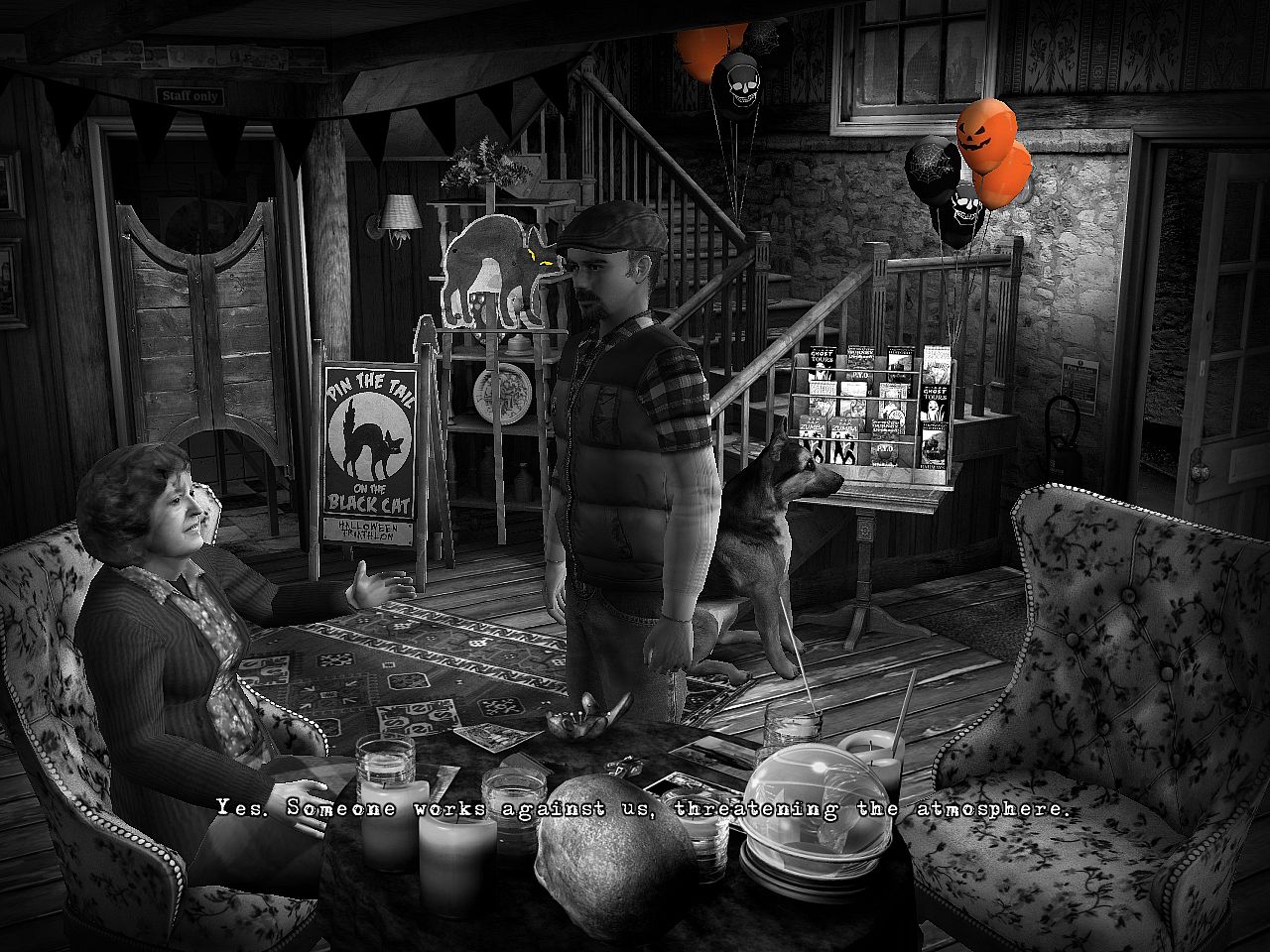
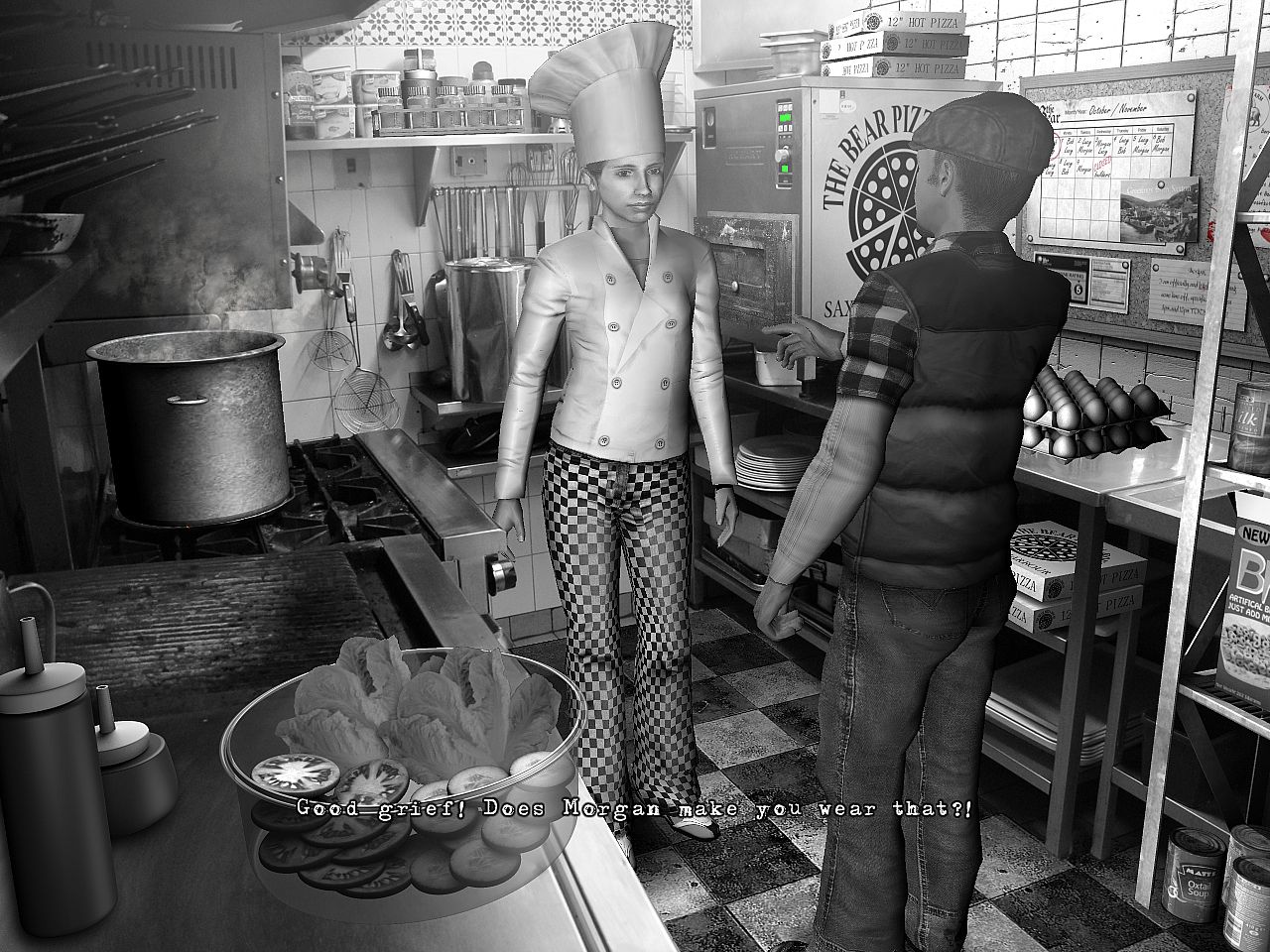
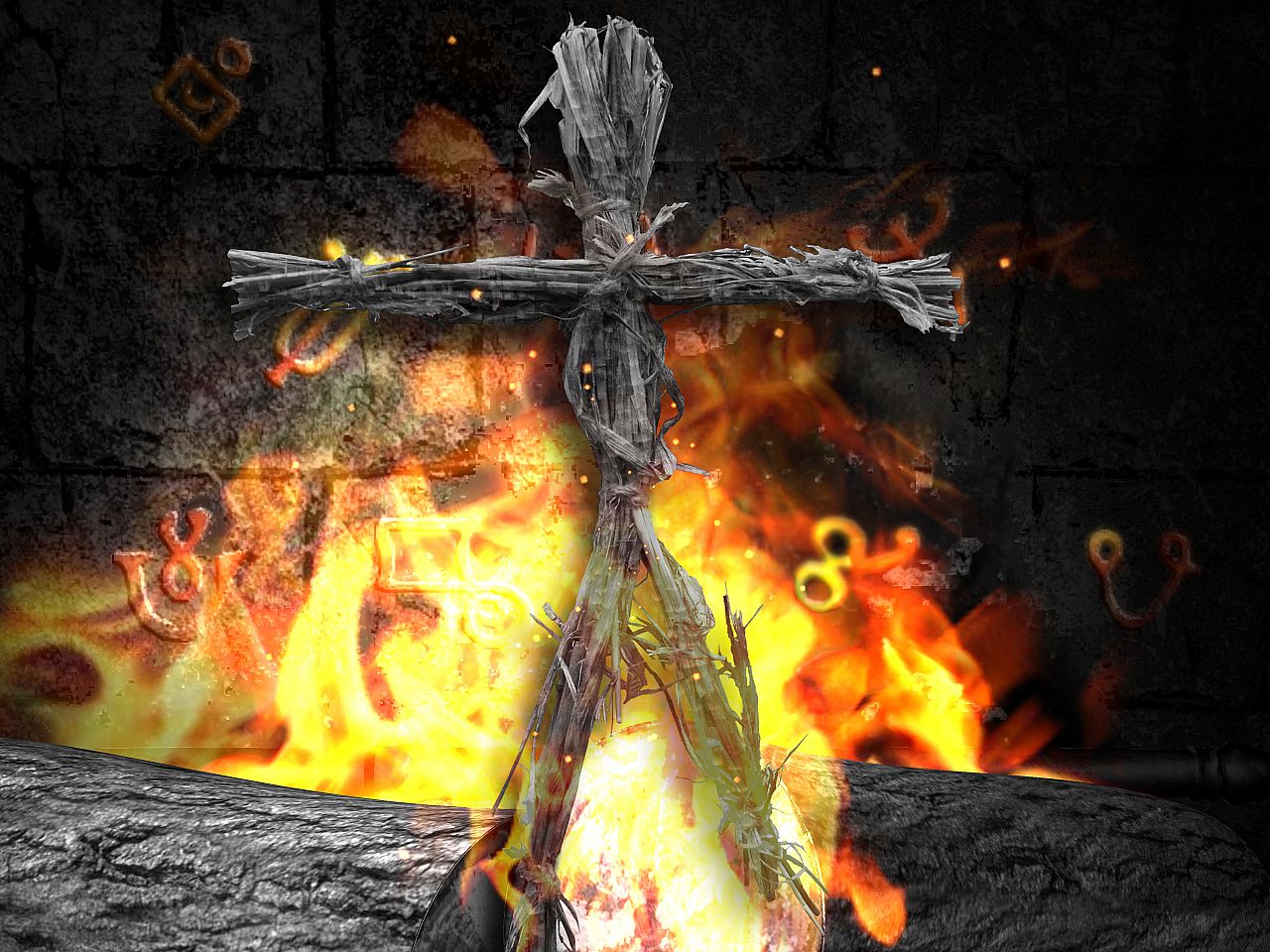
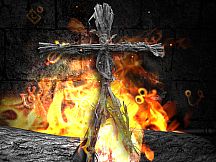
The plot draws on Celtic traditions surrounding Samhain, when the boundary between worlds thins. Nigel arrives expecting routine activity yet encounters escalating phenomena tied to the old inn and the harbor structure. Interactions with Saxton locals provide background information and occasional assistance in navigating the mystery.
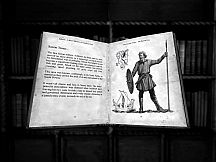
Evidence collection drives forward momentum. Players gather recordings, photographs, and impressions that must be examined to identify patterns and identify the source of the haunting. The narrative maintains a measured pace, emphasizing atmosphere over rapid action.
Is It Worth Playing?
Player feedback on Steam shows Very Positive reception with 81 percent approval from 128 reviews. Reviewers frequently highlight the strong sense of place, consistent voice performances, and integration of puzzles with the unfolding events. The relatively short length suits those seeking a focused evening or weekend session rather than an extended campaign.
This game appeals most to enthusiasts of traditional point-and-click adventures who appreciate deliberate pacing and paranormal themes. Individuals who prefer fast-paced action or open-world freedom may find the linear structure and occasional guidance requirements less engaging. No post-release updates or additional content have appeared since the 2015 launch, leaving the experience exactly as originally released.
Those who enjoy methodical investigation and atmospheric audio design will likely find the title satisfying. The combination of gadget use, local interactions, and evidence analysis creates a cohesive loop that rewards careful observation. Availability remains straightforward through standard digital storefronts at a modest price point.