

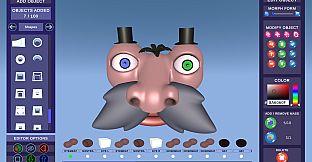
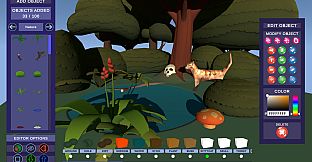
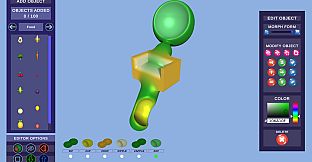
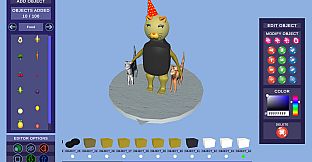
The Joy of Sculpting stands out as a 3D party game in the indie casual genre for PC. Players build and transform sculptures together through a mix of creation, interpretation, and playful sabotage that turns simple prompts into unexpected results over multiple rounds.
Gameplay
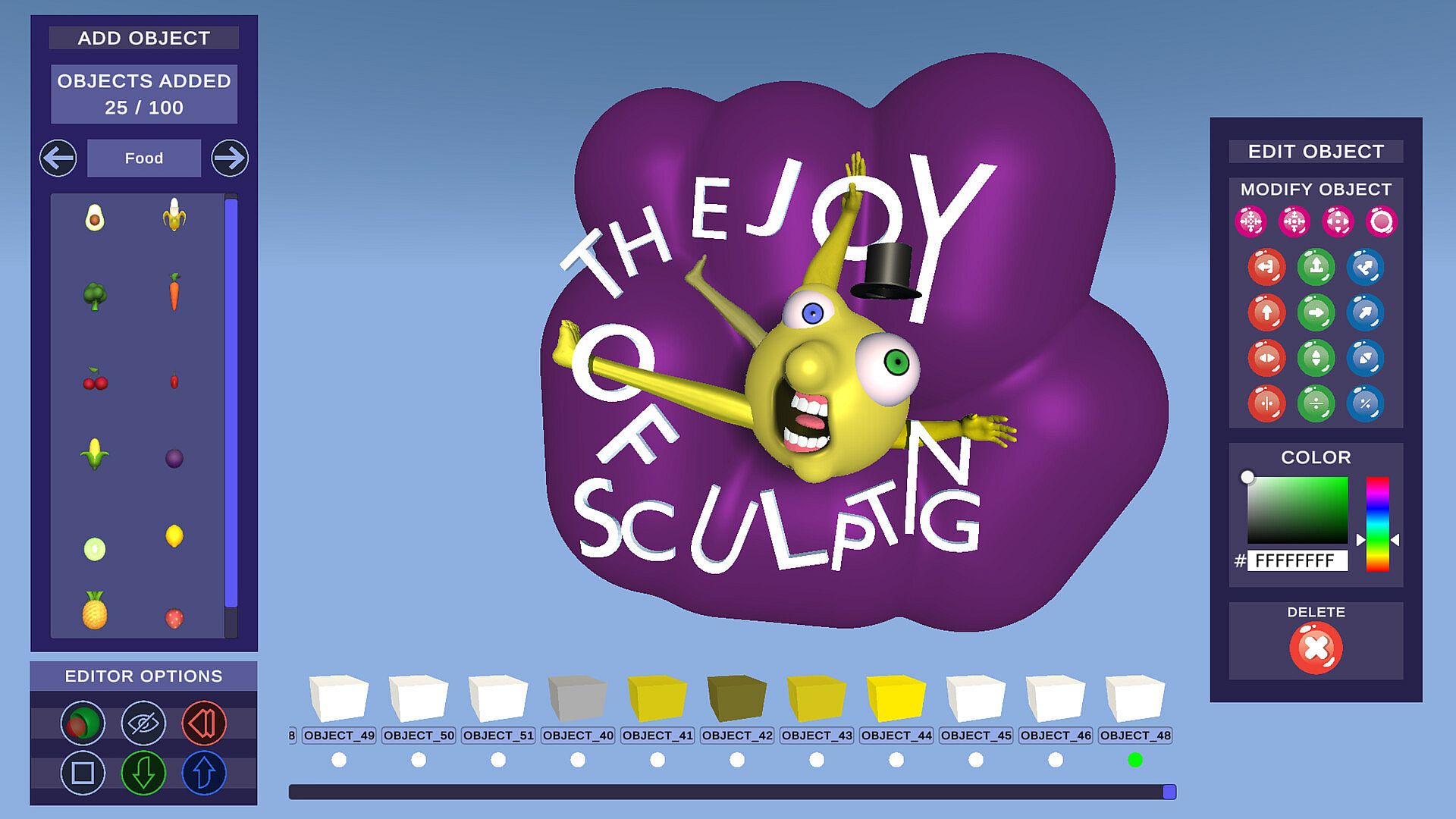
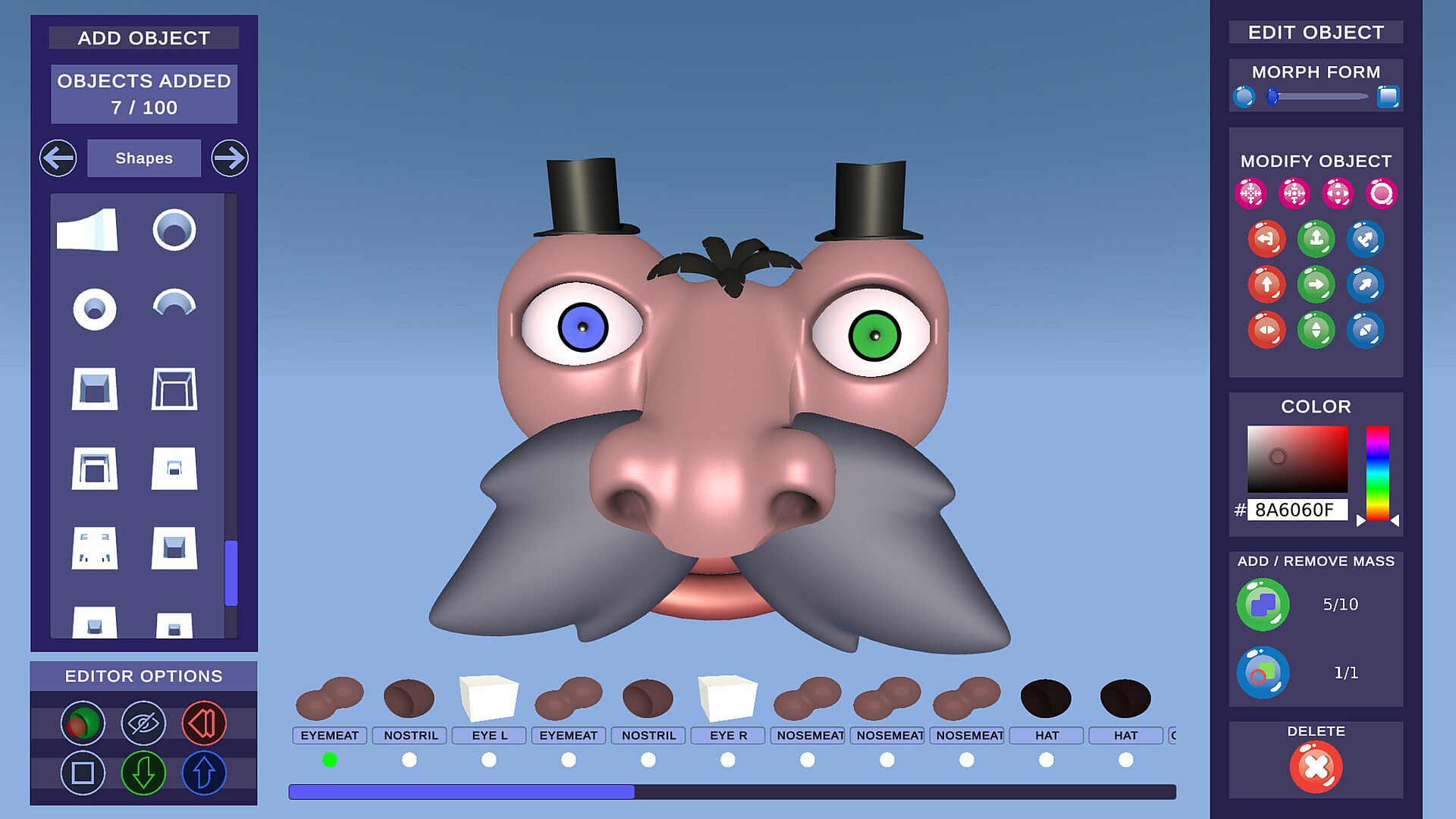
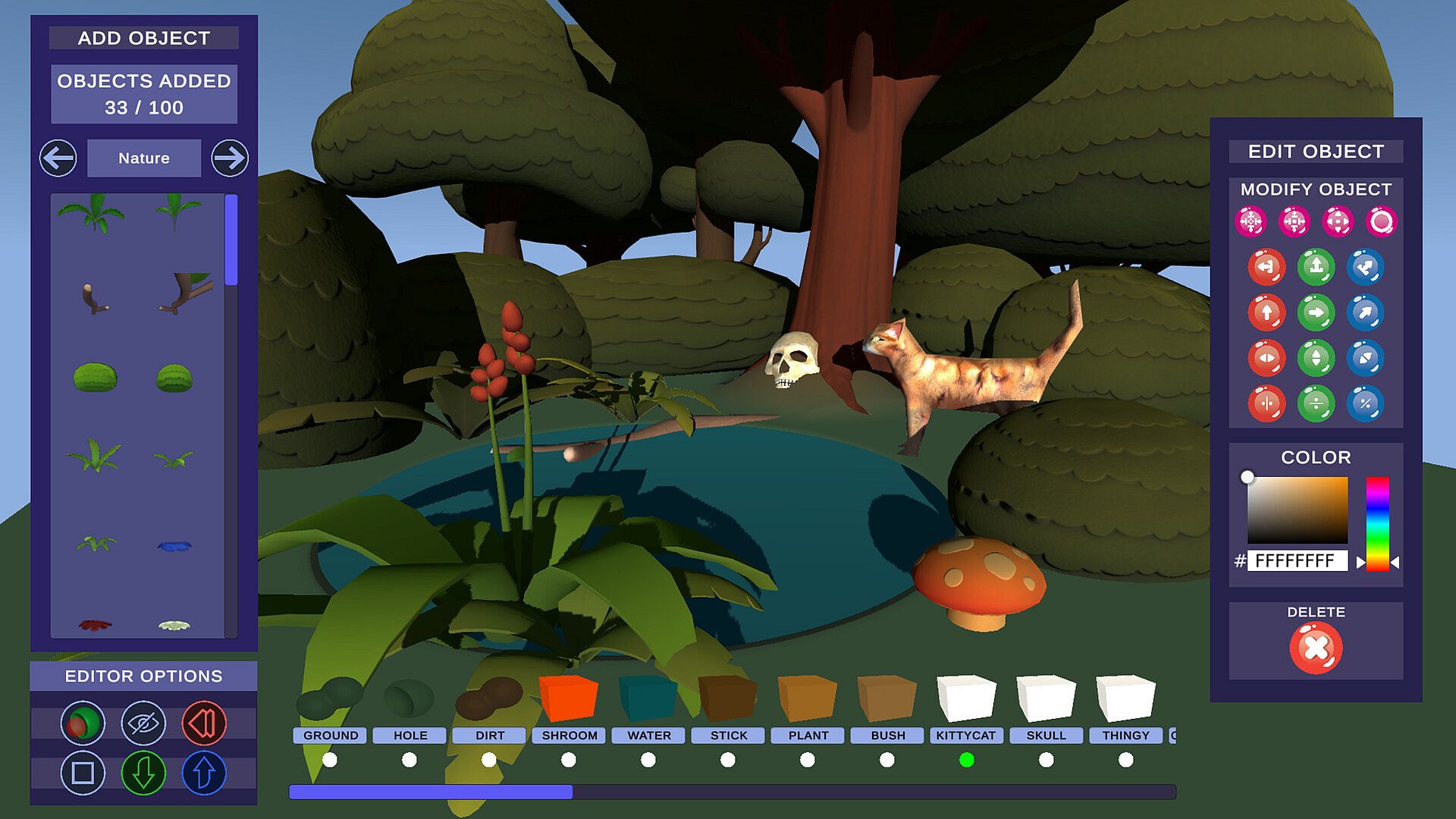
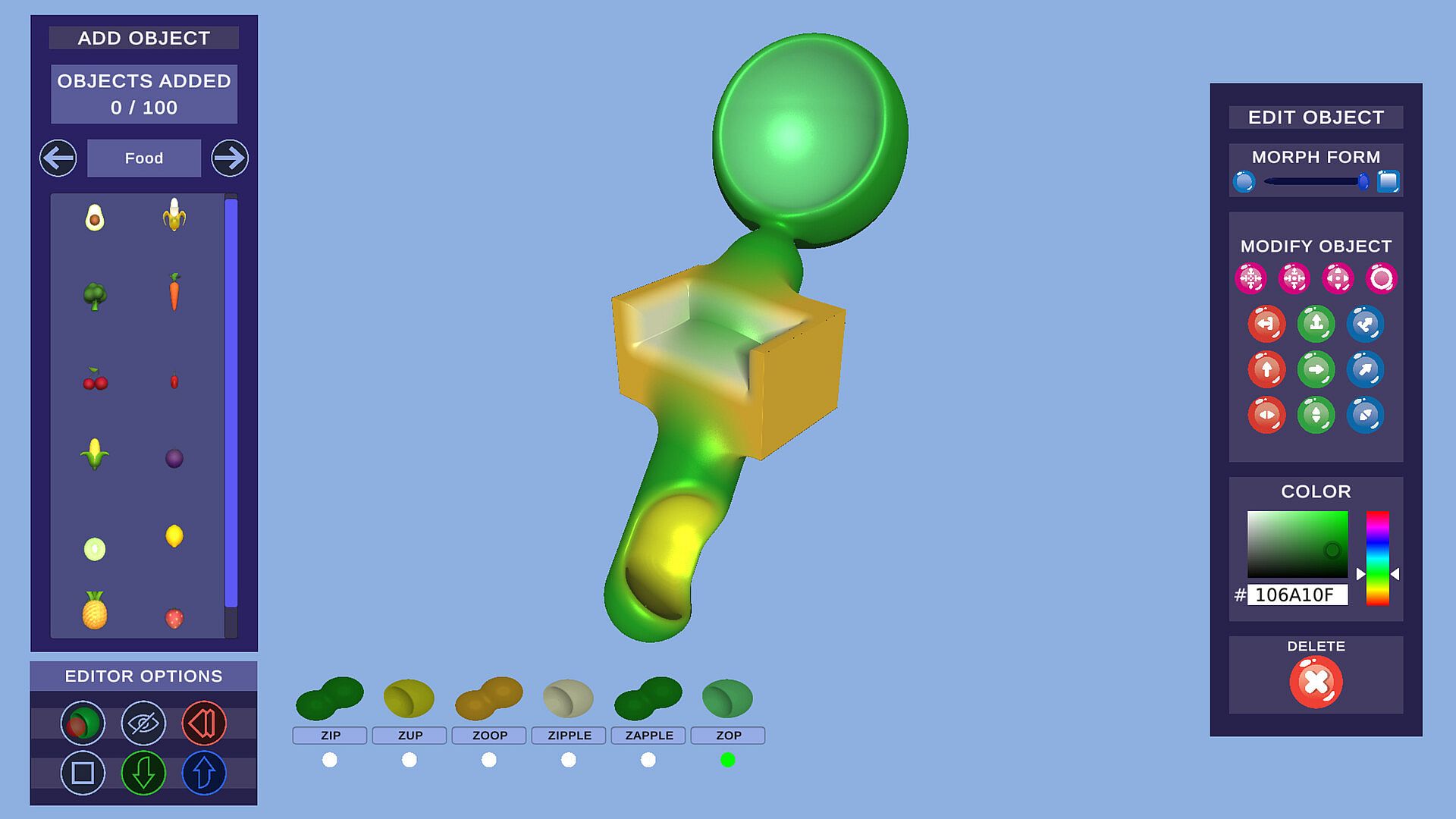
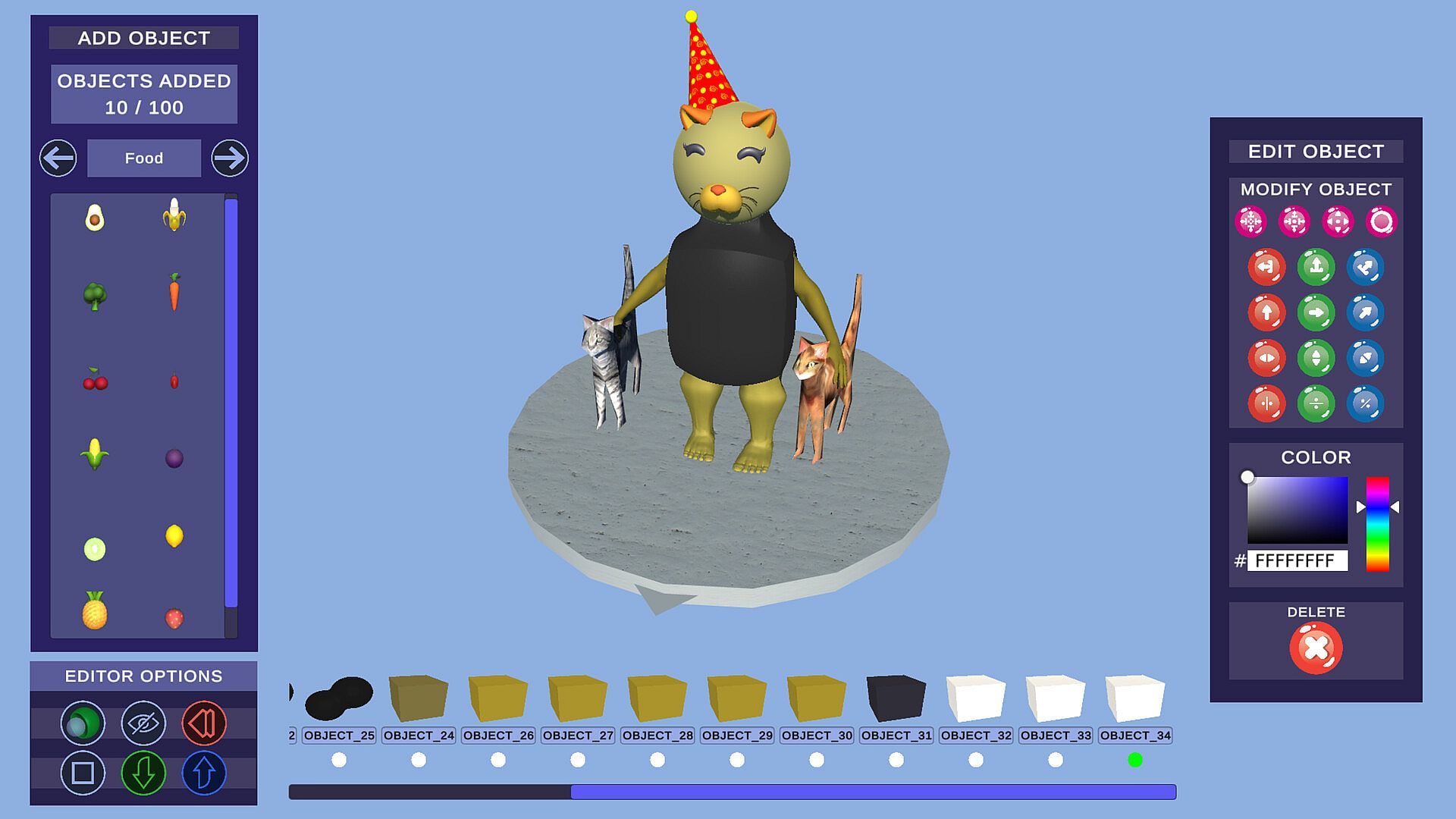
Core mechanics center on real-time manipulation of digital clay using metaballs that blend and carve smoothly. A library of more than 300 objects provides starting points across categories like animals, food, plants, body parts, and faces. Each piece supports full controls for movement, rotation, scaling, mirroring, and coloring via a complete color wheel. The process feels approachable at first yet grows demanding when time limits apply during group sessions. Sculptures evolve through successive handoffs where one person's creation becomes raw material for the next player's changes or descriptions.
Game Modes
Four distinct multiplayer modes drive the social experience alongside a dedicated singleplayer option. Telephone Game begins with a written prompt that one participant sculpts before another describes the result, feeding that description forward as the new prompt in a chain that often produces dramatic shifts from the original idea. Copy Cat challenges players to memorize a displayed sculpture then rebuild it from scratch under time pressure while others work on copies of their own work. Frankenstein shifts focus to collaboration as multiple participants add elements in turns to a shared piece with no restrictions on contributions. Gallery lets groups display and discuss saved sculptures from any mode for feedback or light critique. The singleplayer sandbox removes all timing and social elements so individuals can experiment freely without observers.
Key Features
Object controls extend beyond basic placement to include precise adjustments and color application that support detailed or abstract outcomes. Real-time metaball interactions allow organic blending that mimics physical clay while remaining fully digital. The emphasis on mutation and reinterpretation creates replay value through repeated sessions where the same starting prompt rarely ends the same way twice. Cross-platform multiplayer supports online co-op sessions that suit small groups looking for short or extended play periods.
Is It Worth Playing?
This title targets players who enjoy creative party games that reward quick thinking and tolerance for chaotic results rather than precise execution. With a 2026 release date and no user reviews available yet, expectations rest on the described systems for group entertainment. Those drawn to sculpting mechanics, telephone-style reinterpretation chains, or collaborative building will find direct matches in the verified modes. The singleplayer sandbox provides an accessible entry point for practice or solo enjoyment. Groups seeking light-hearted competition and shared laughter from evolving artwork stand to gain the most from its structure.