






















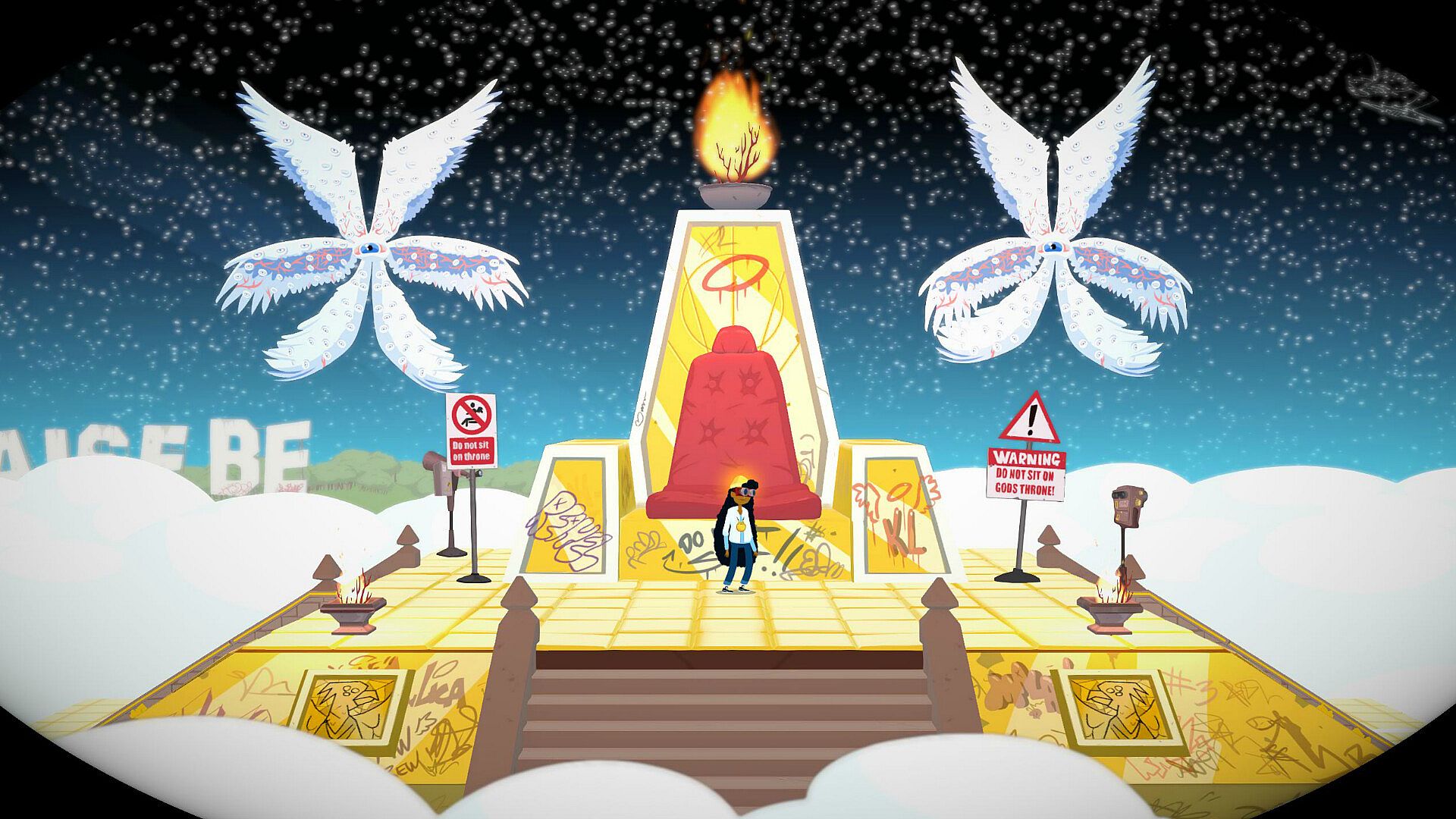
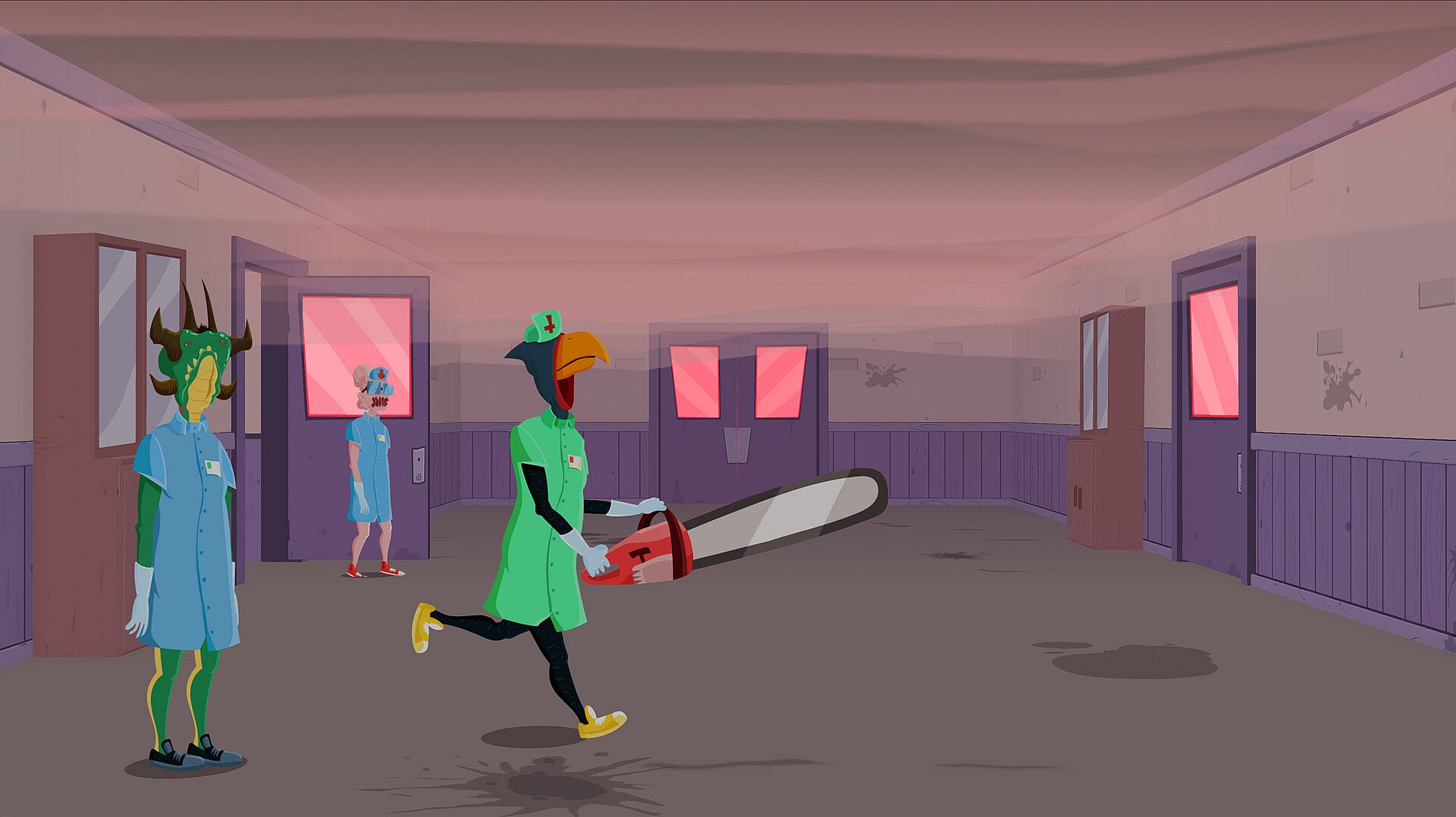
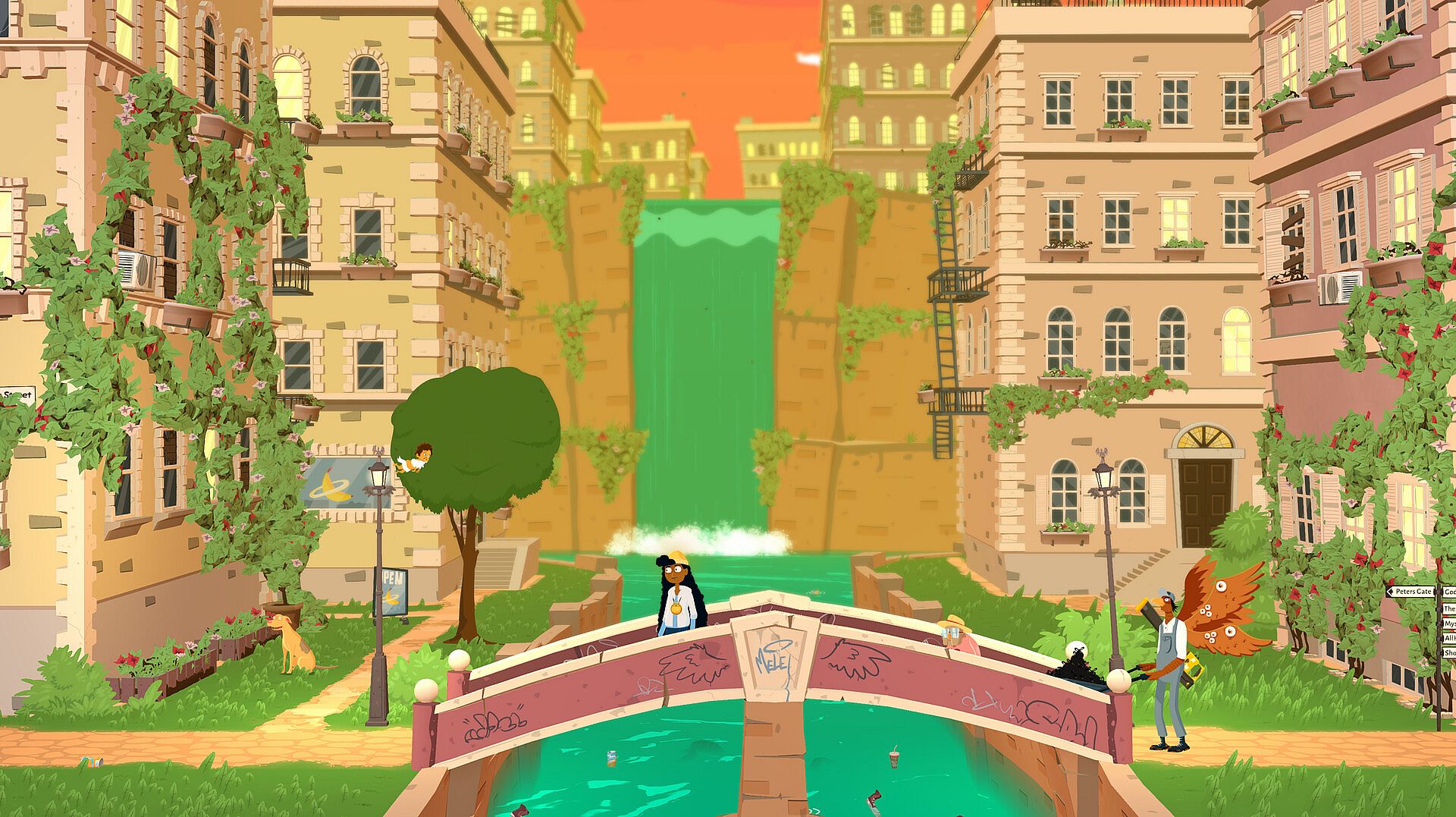
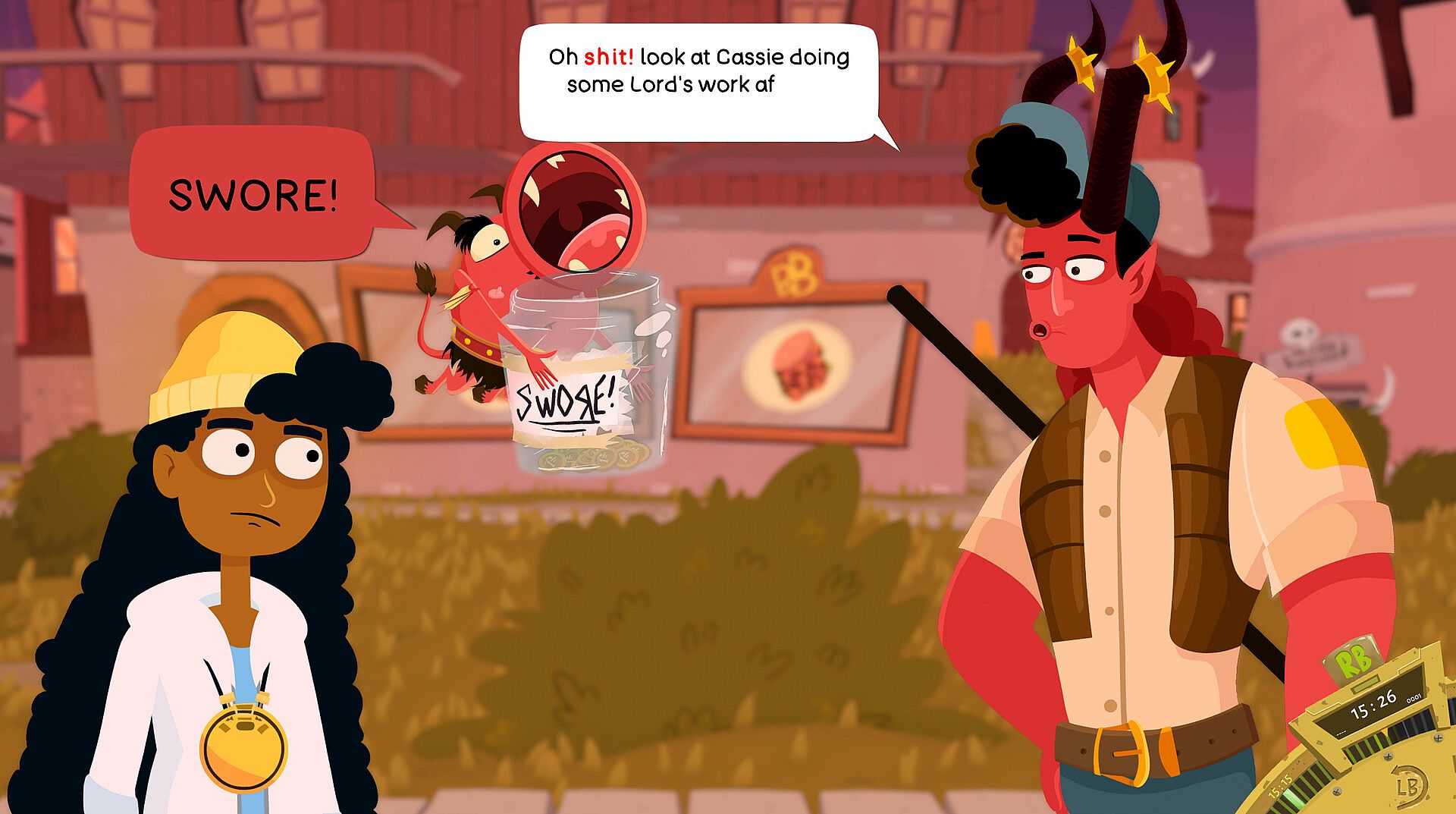
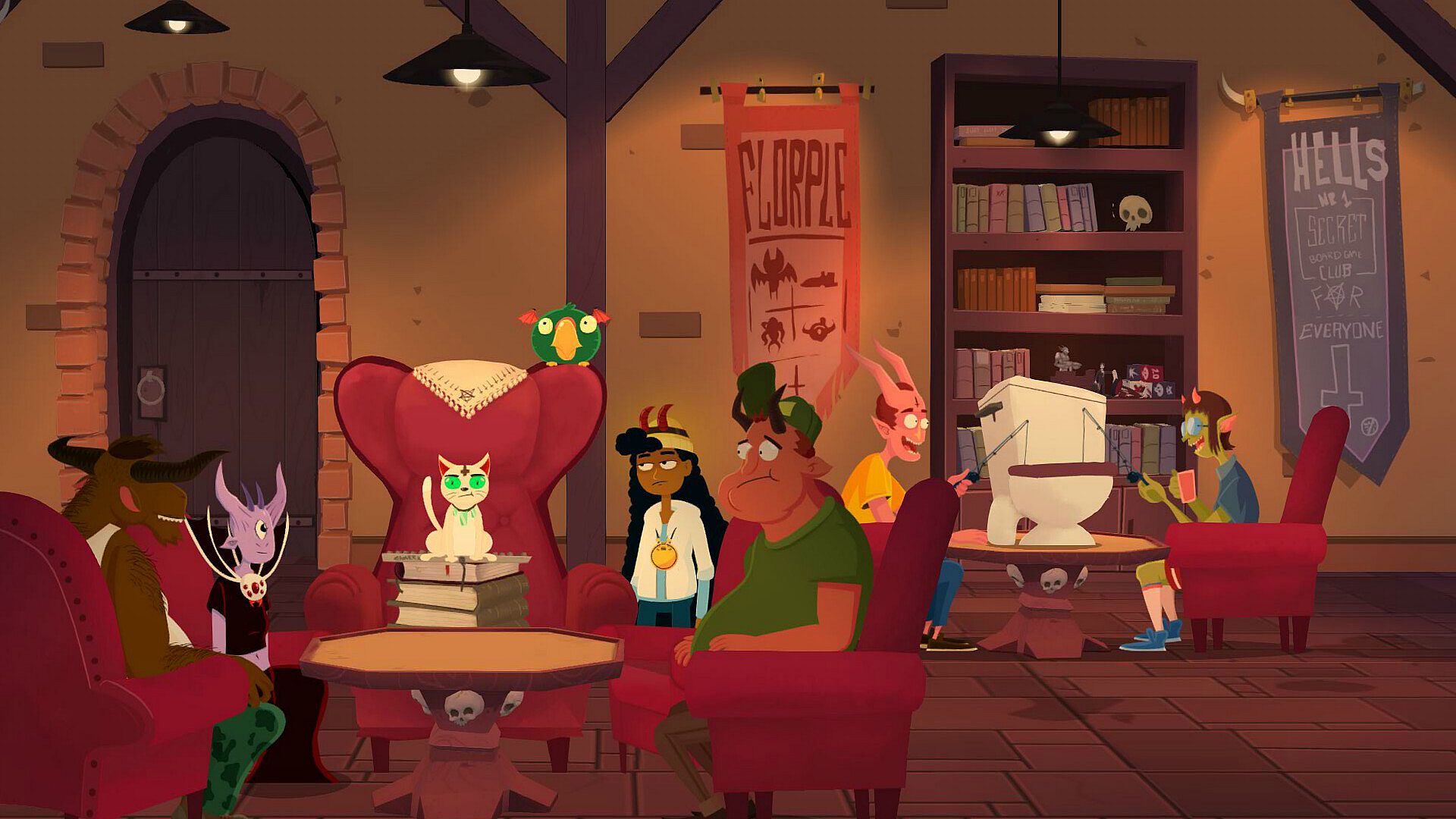
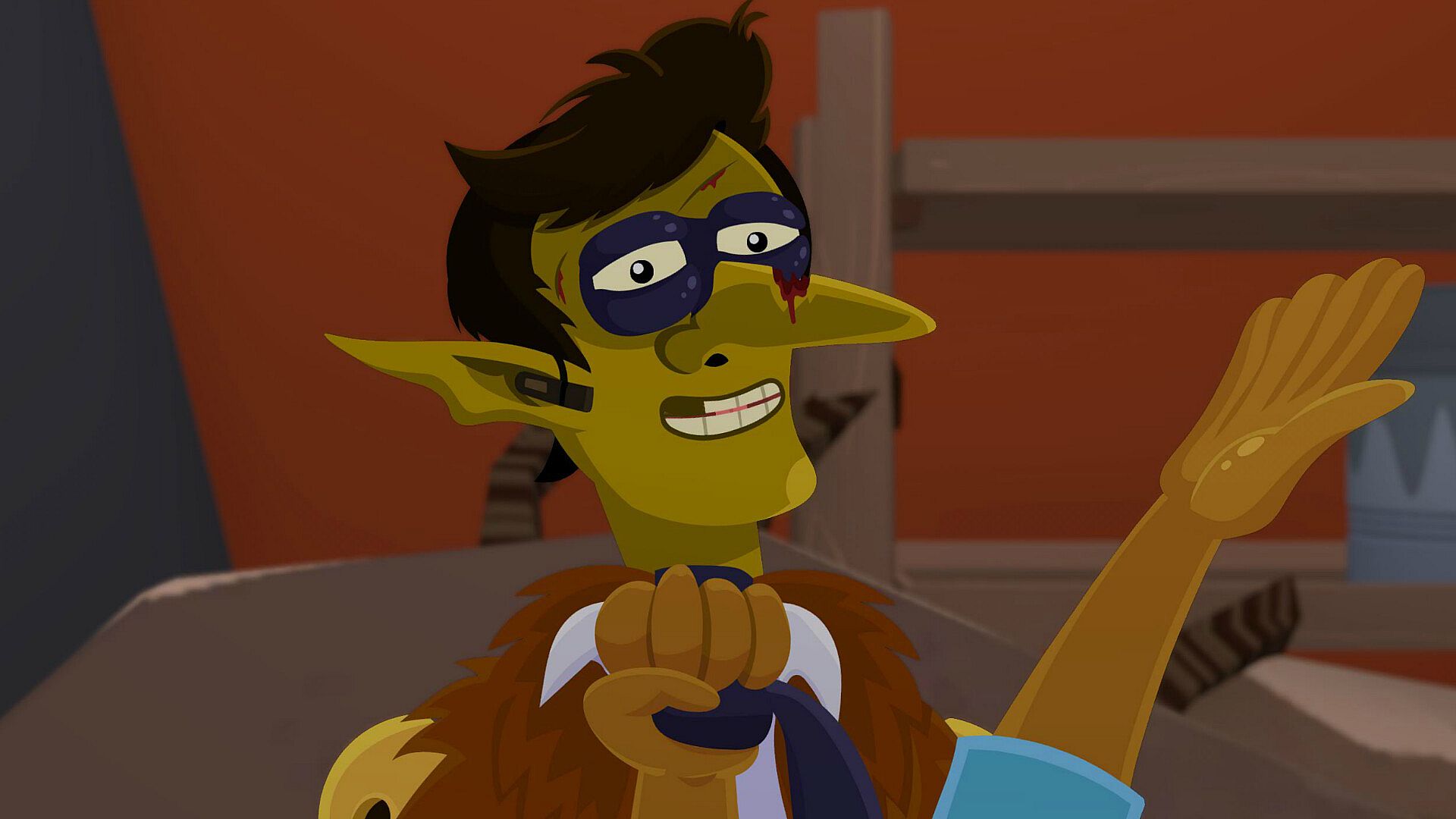
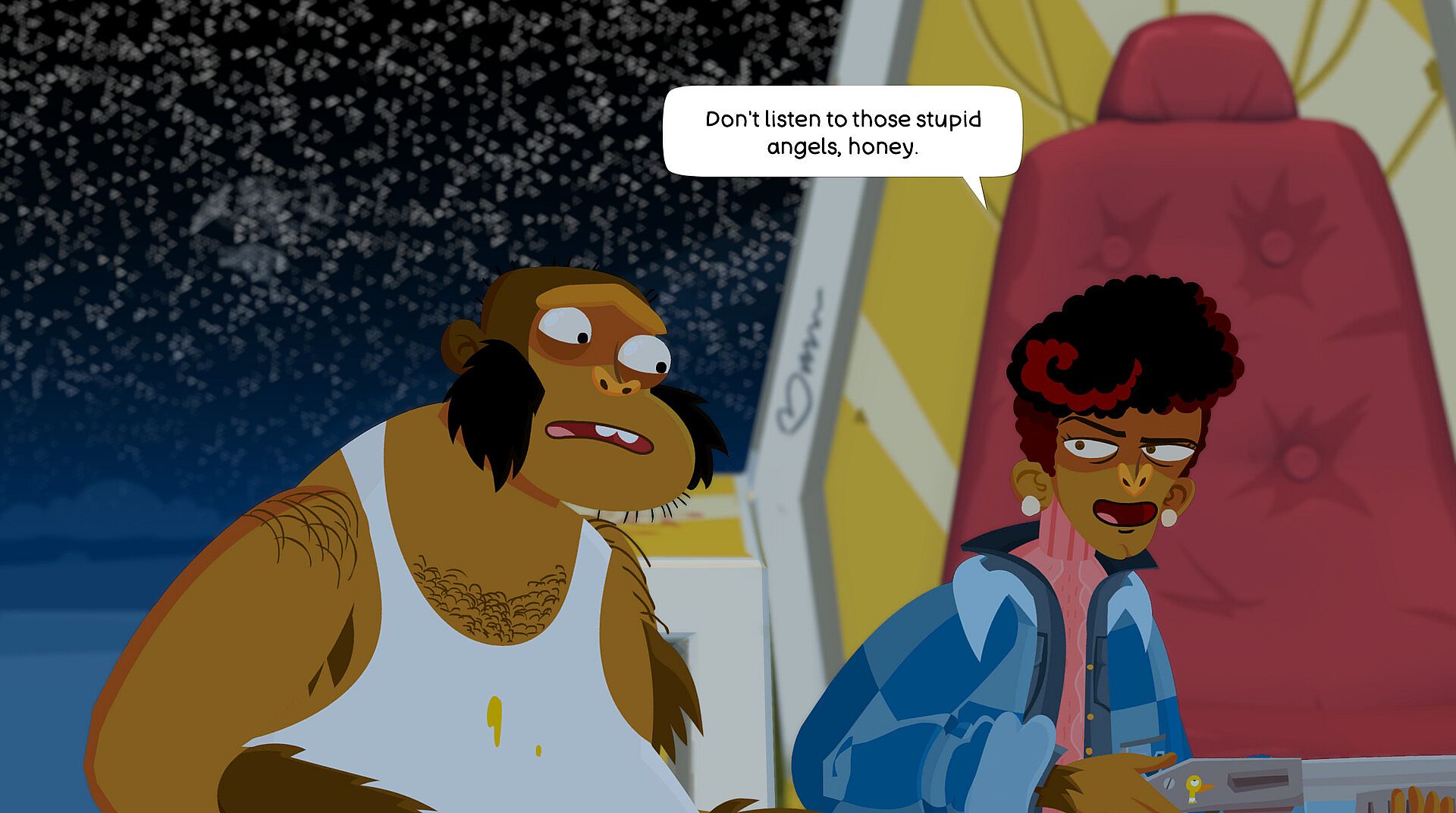

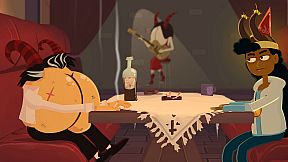

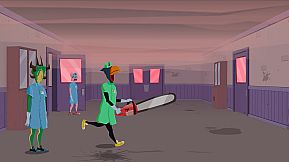

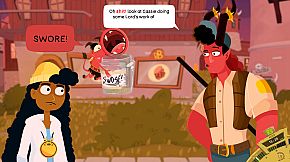
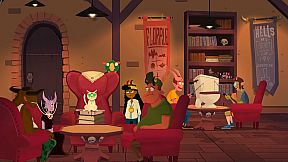

The Holy Gosh Darn is an indie adventure game centered on time travel as its central mechanic. Players take control of the angel Cassiel in a story that unfolds across Heaven, Hell, Earth, and Helheim as she works to prevent the destruction of the afterlife within a strict time limit.
Gameplay
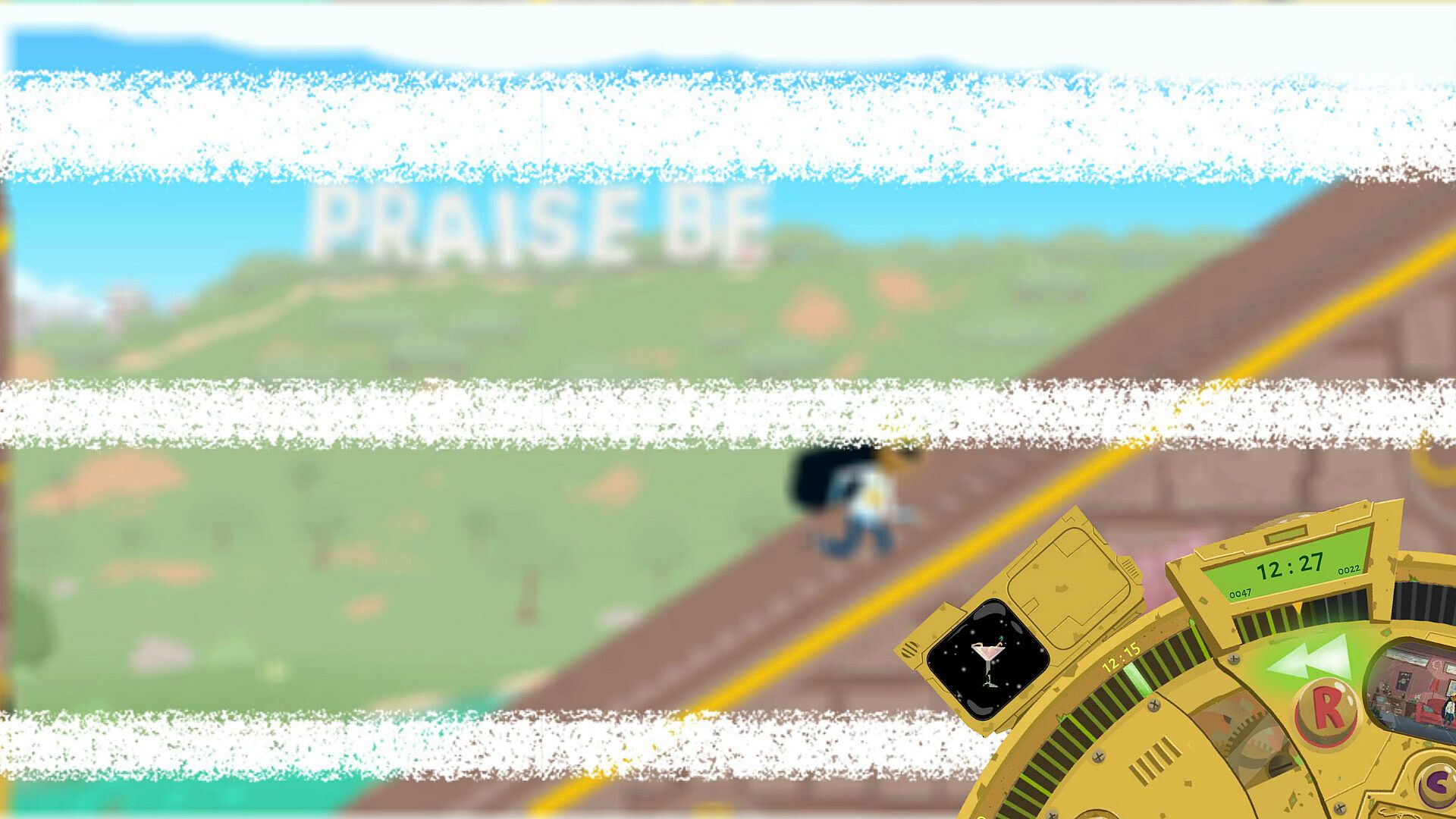
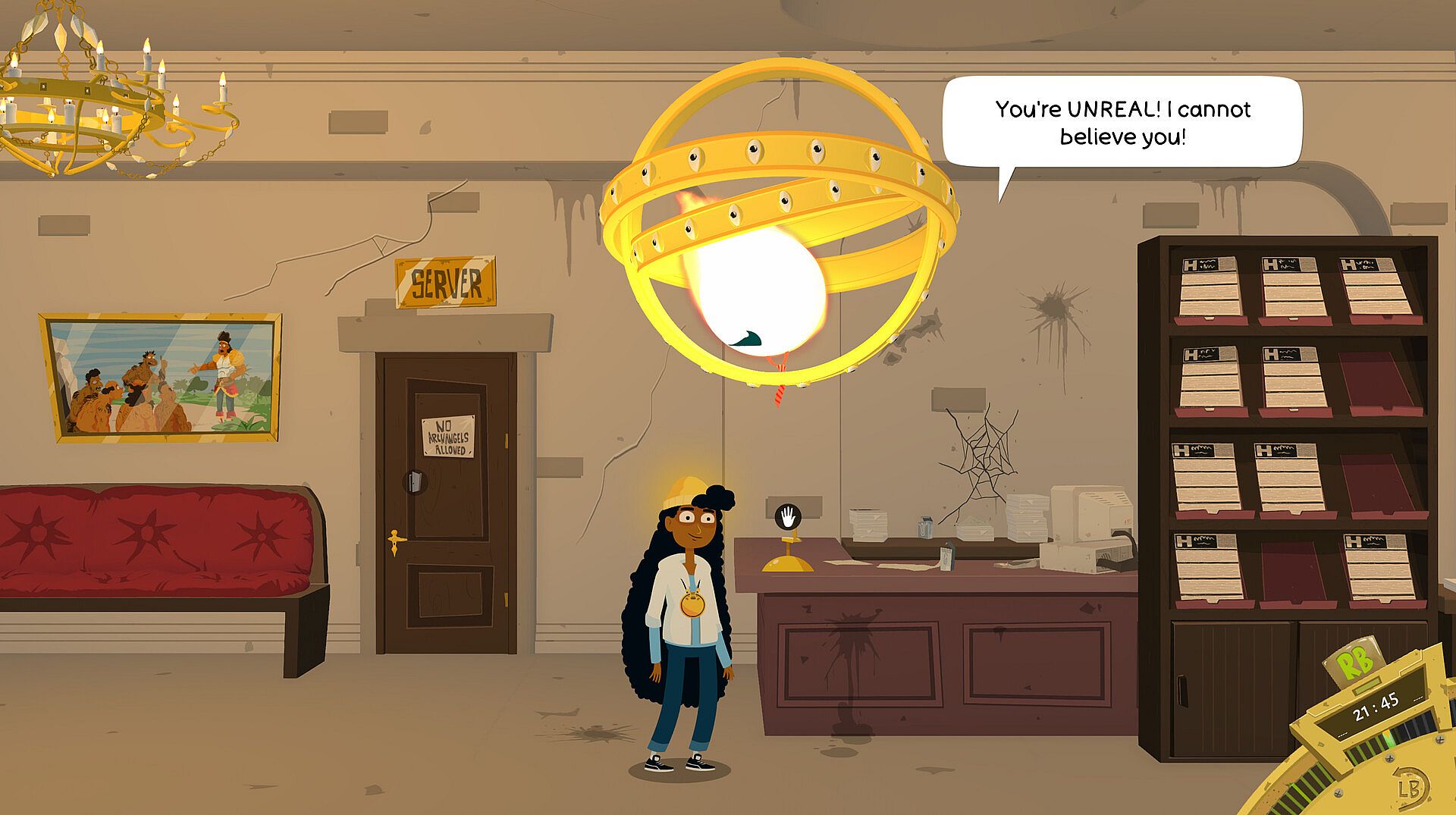
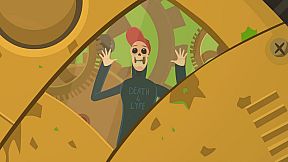
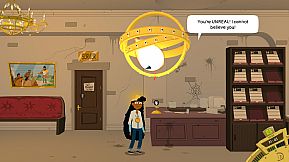
The experience unfolds as a side-scrolling 2D adventure where movement relies on jumping, sprinting, dashing, and later double jumping to navigate environments and reach new areas. The magical clock serves as the primary tool for progression, allowing jumps forward or backward in 15-minute increments of in-game time. This system ties directly into puzzle solving and story advancement, as events and conversations trigger based on the clock and player actions in different timelines.
Information carries over between time jumps while inventory items reset, which encourages careful planning around when and where to gather clues or complete tasks. Platforming sections combine with environmental interactions and timed narrative elements that require hurrying characters along or sequencing actions across multiple visits to the same locations. The design supports exploration of shifting spaces while the clock runs, creating a loop that rewards logical connections between past and future states.
Game Modes
The Holy Gosh Darn operates entirely as a single-player narrative adventure with no additional modes or multiplayer components. All content centers on the core time-travel loop and story progression through the fixed six-hour window, with no separate difficulty settings, challenge variants, or alternative play styles confirmed in available details.
Narrative and Exploration
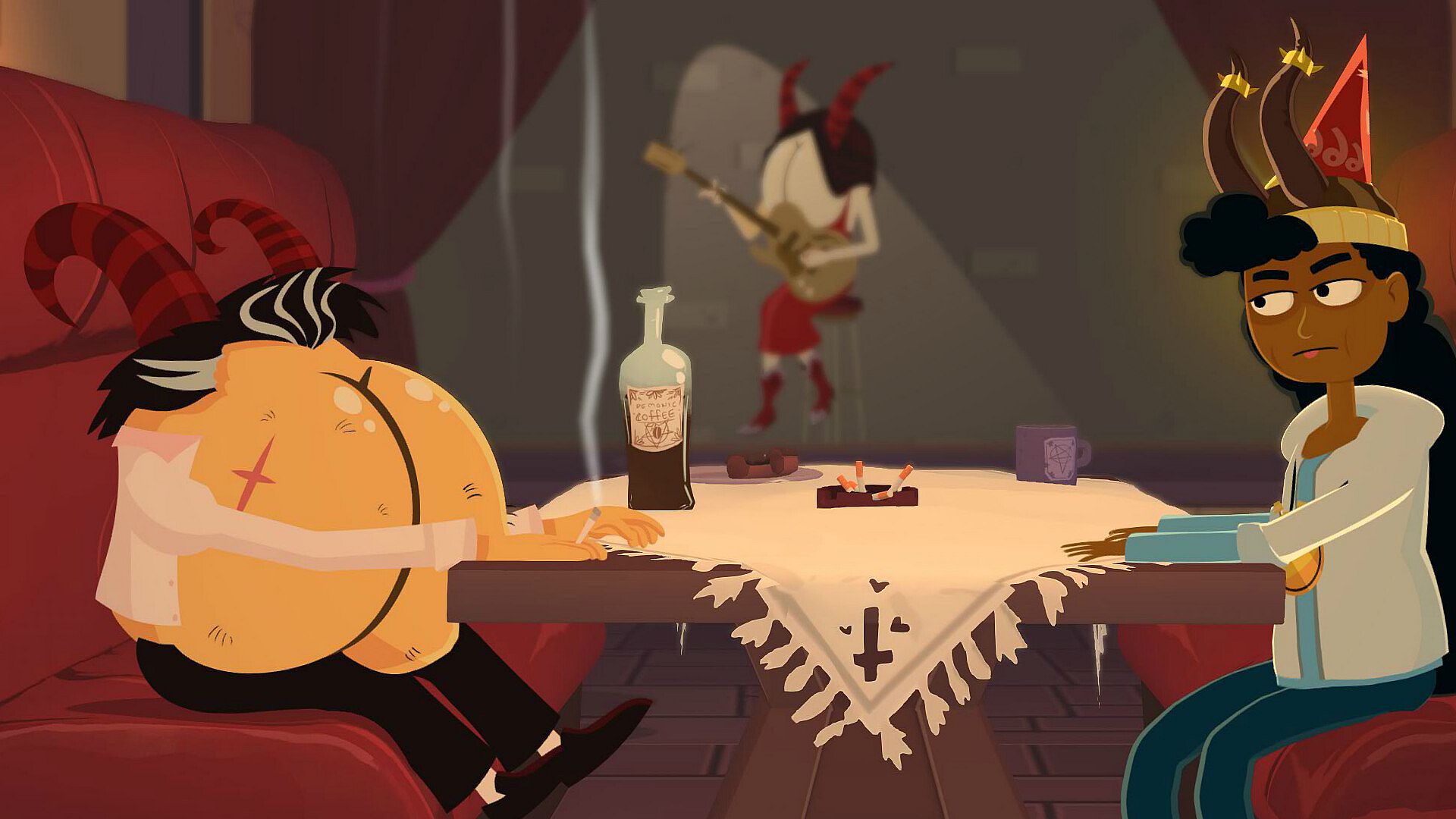
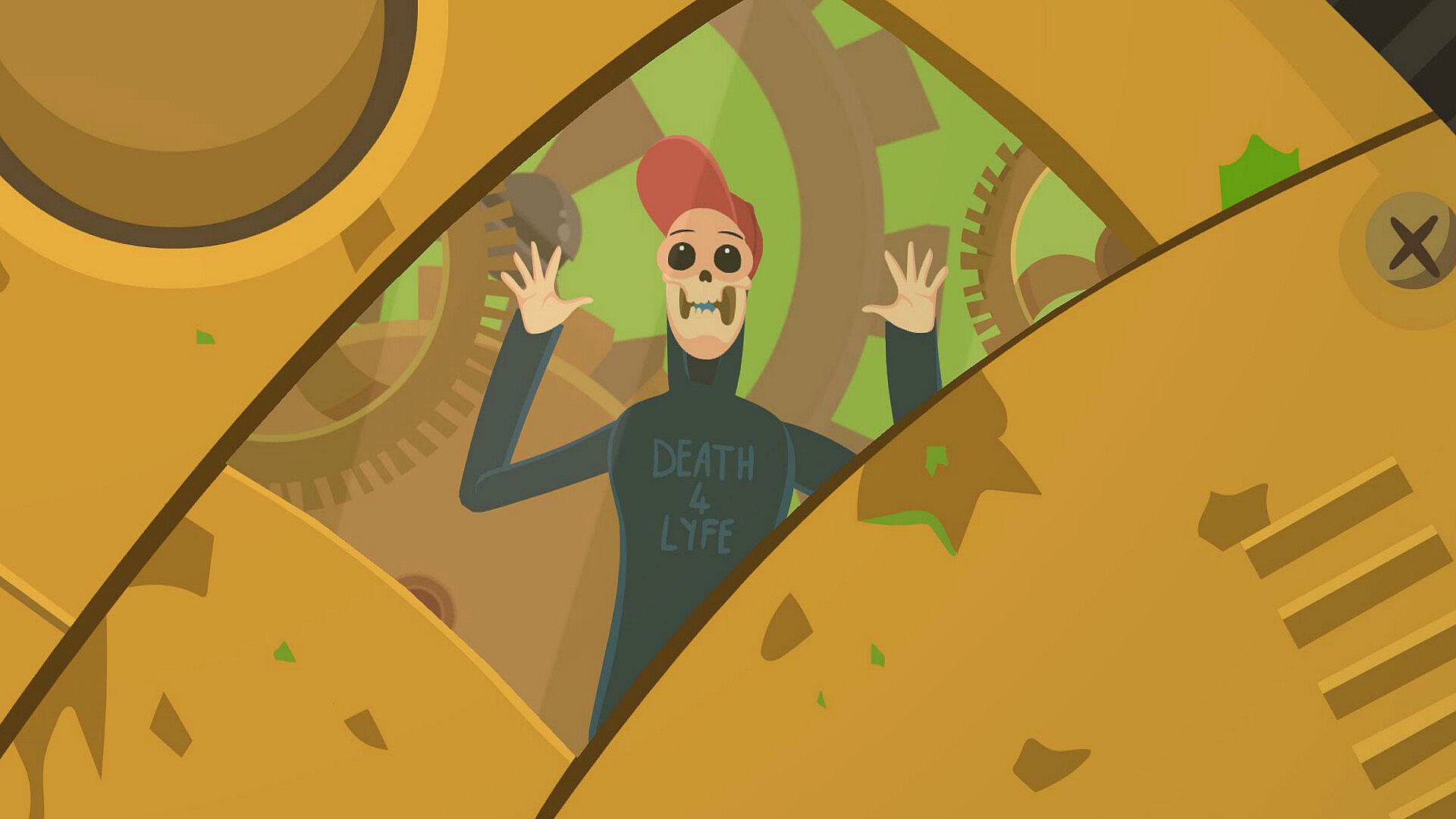
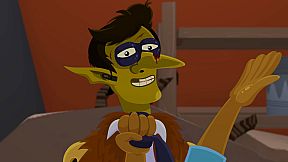
The story follows Cassiel as she receives the time-travel device from Death and uncovers the purpose of a mysterious artifact tied to the threat of phantom spirits overrunning Heaven. Dialogue is fully voiced and features a cast of characters across the four realms, with humor arising from the angel's personality and the absurd situations created by repeated timeline shifts. Progression unlocks new narrative strands based on time, location, and prior discoveries, while optional interactions include insulting a set number of Heavenly Elders during visits.
Locations change based on the time of day and player choices, encouraging repeated trips to gather insights that alter events elsewhere. A dedicated option exists to skip dialogue entirely for players focused on the time pressure rather than extended conversations.
Is It Worth Playing?
Reviews describe the game as a strong fit for players who enjoy narrative-driven adventures with inventive time manipulation and light platforming. The combination of puzzle logic, humorous writing, and consistent voice acting receives consistent praise, with individual scores reaching as high as 9.7 out of 10 and 10 out of 10 in several outlets. The length suits a focused playthrough without excessive padding, and the mechanics avoid common frustrations associated with time-travel games through clear feedback on the clock and retained knowledge.
Those seeking a self-contained single-player experience with clever progression and comedic tone will find the verified elements align well with that preference. The game remains available on PC with no reported changes to its core structure since release.