

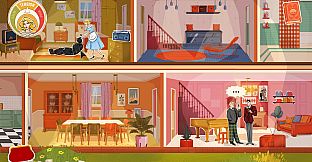




The Great Wife's Guide is a single-player narrative adventure game with puzzle elements set in a stylized 1950s America. Players take on the role of Dolores, a housewife whose seemingly ideal suburban existence begins to fracture under the strain of a toxic marriage and rigid social expectations. The experience blends point-and-click interactions with story choices that shape how events unfold across short, focused levels.
Gameplay
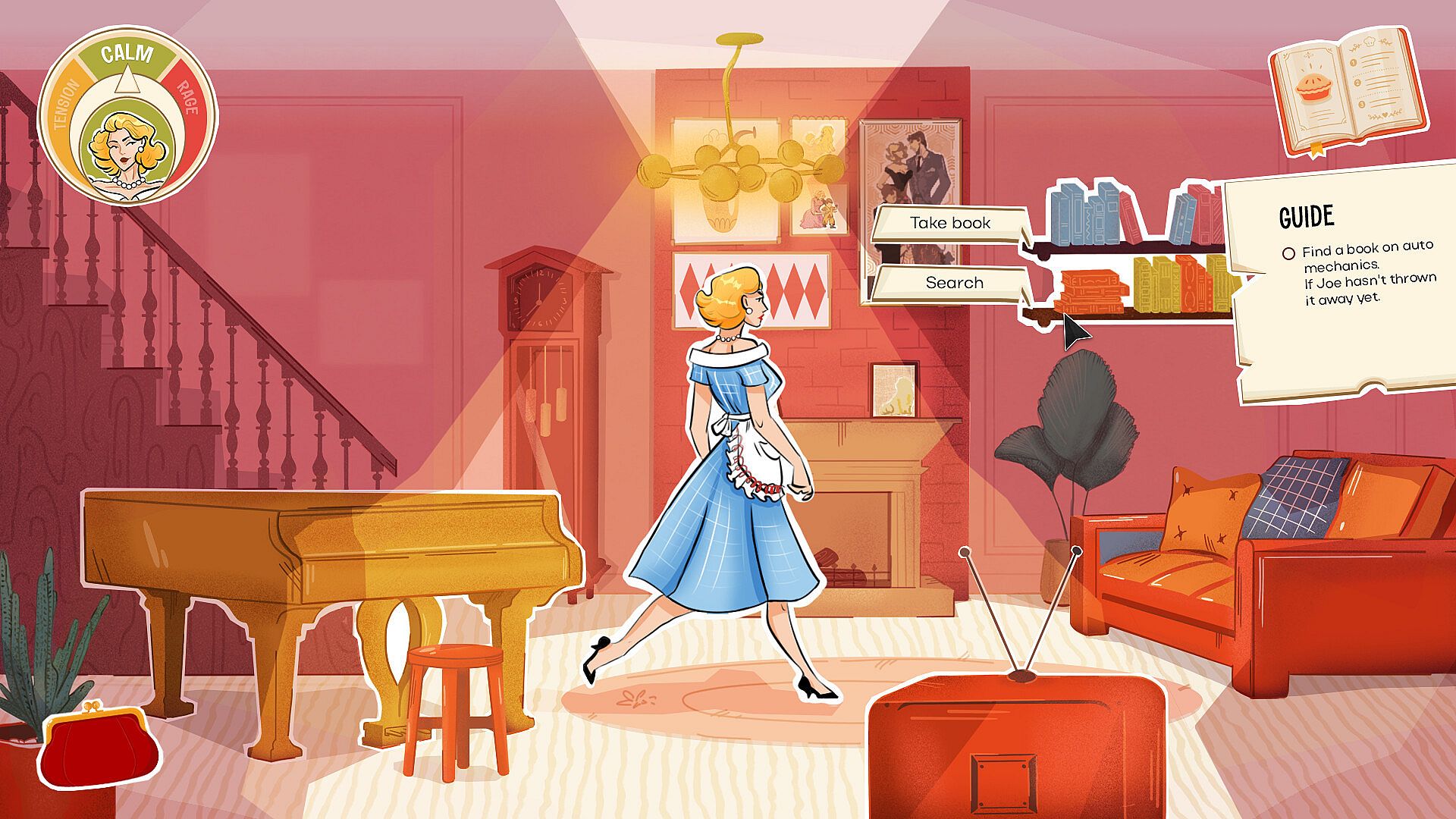
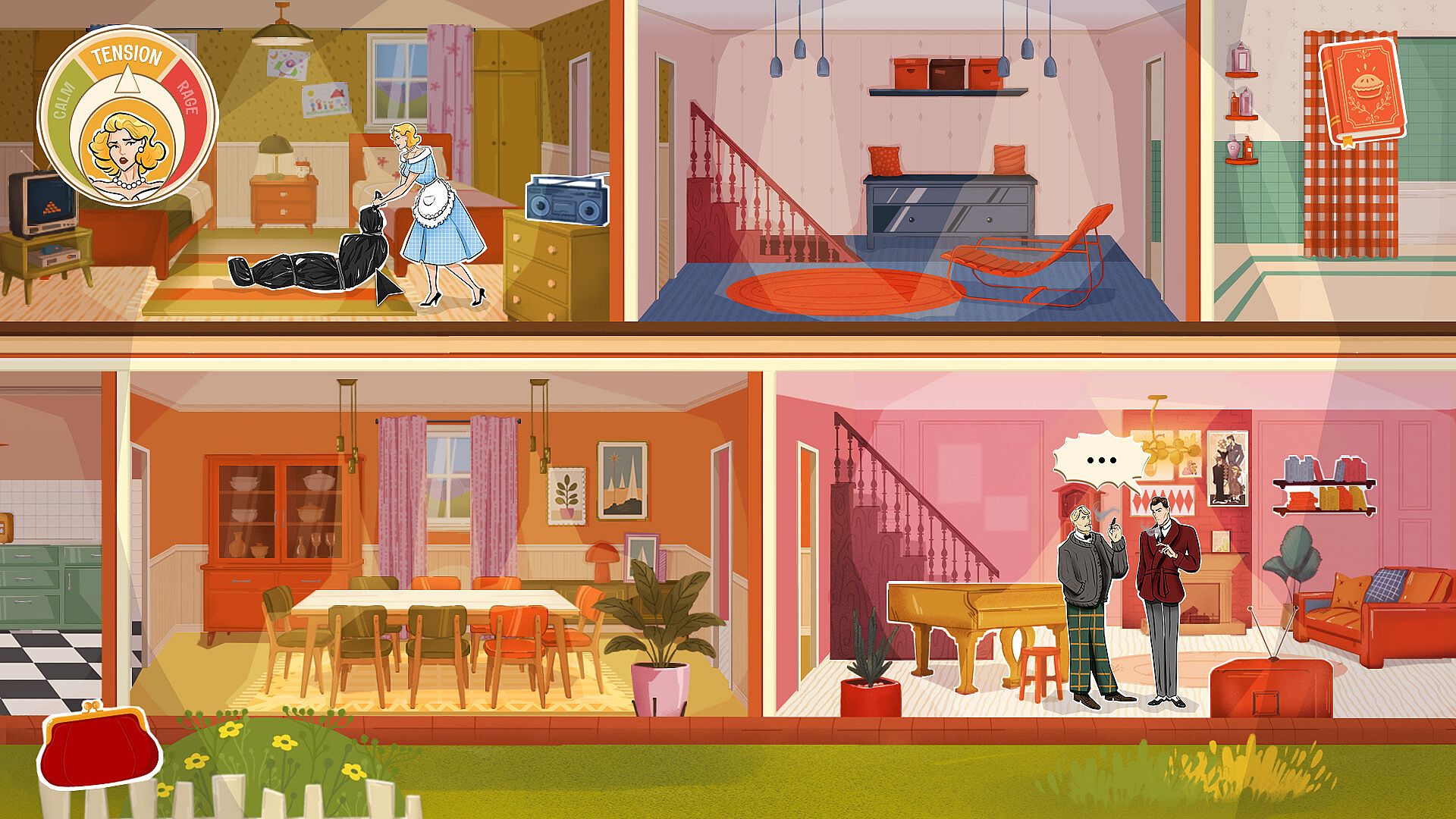
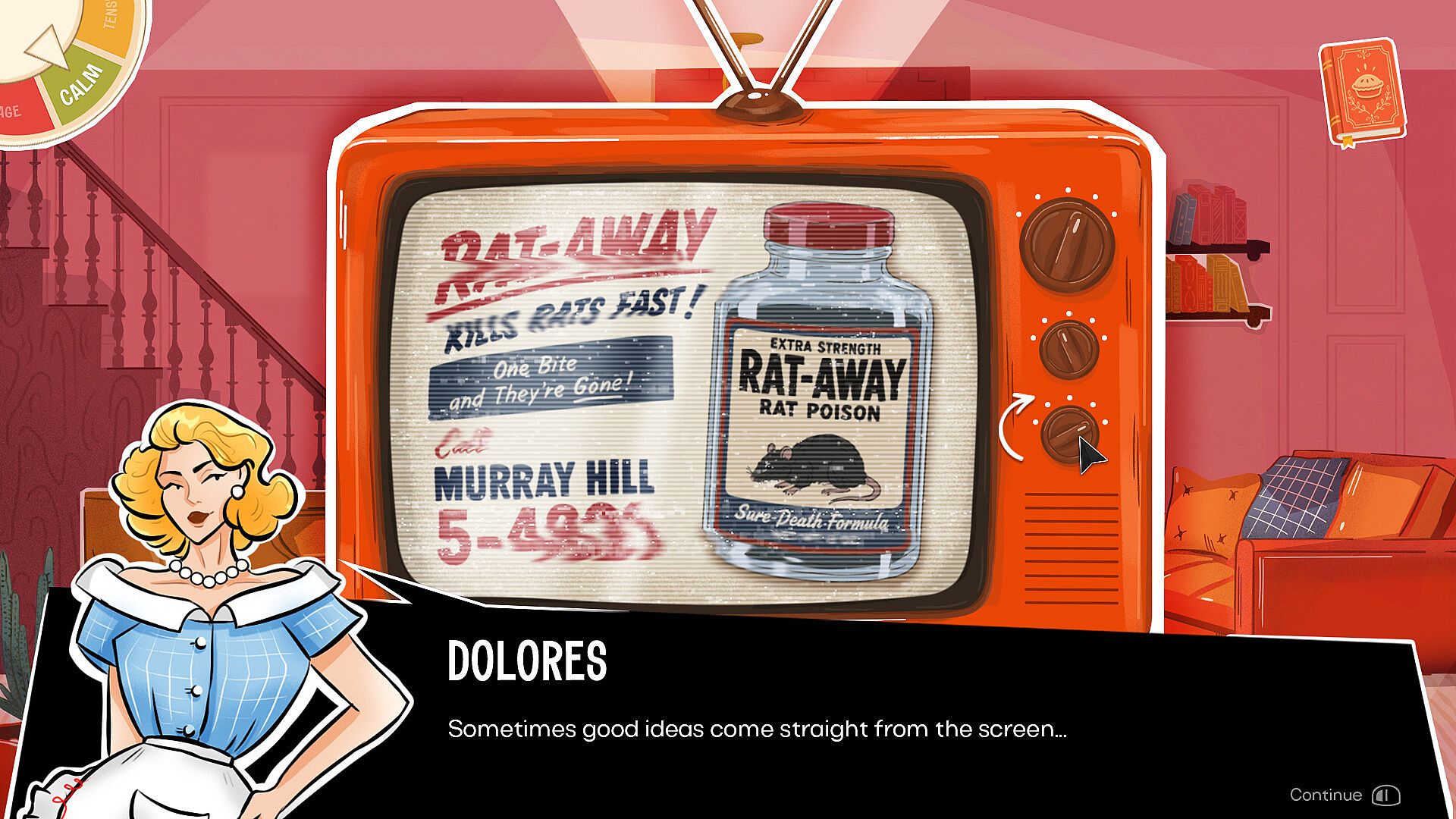
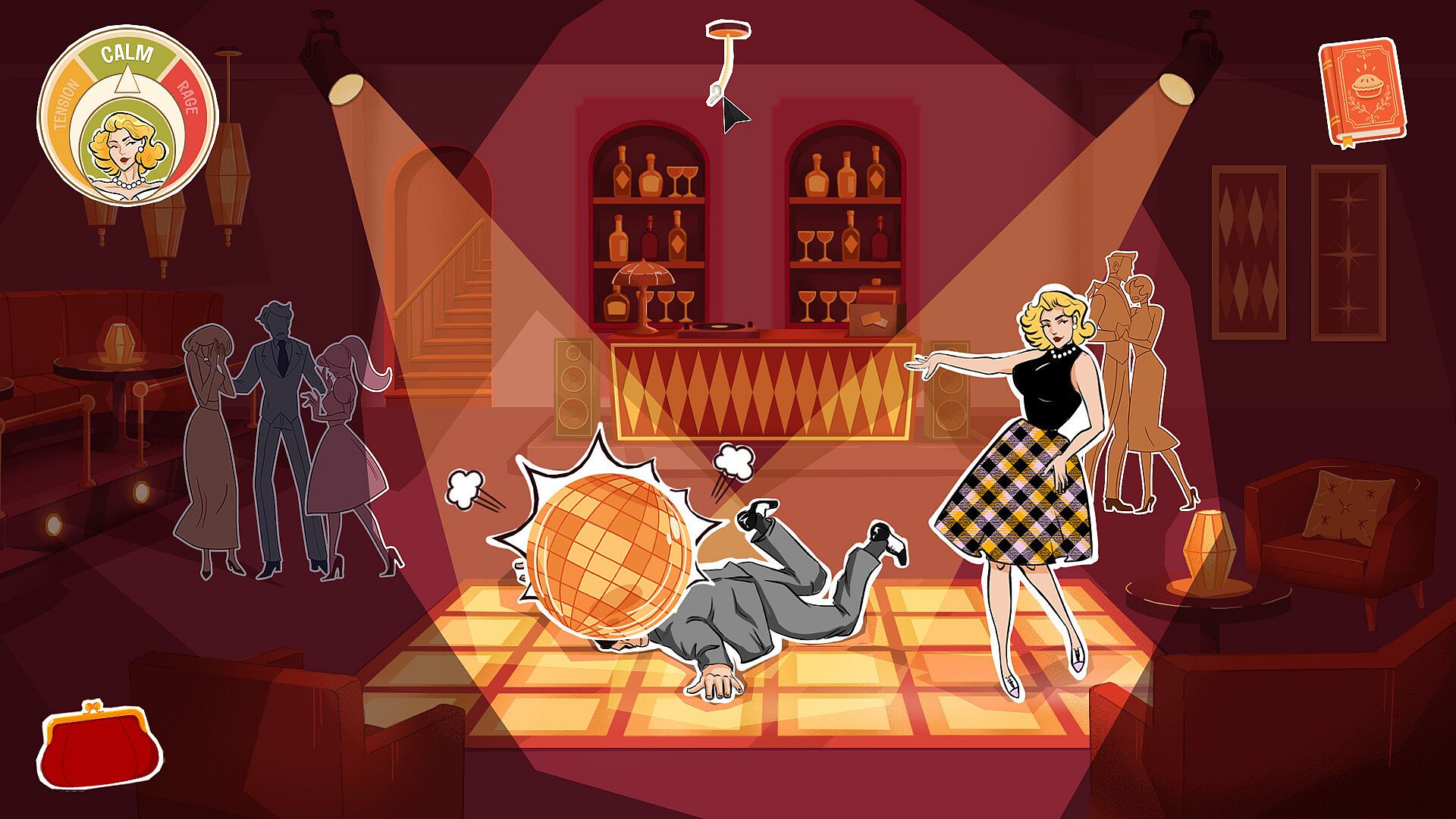
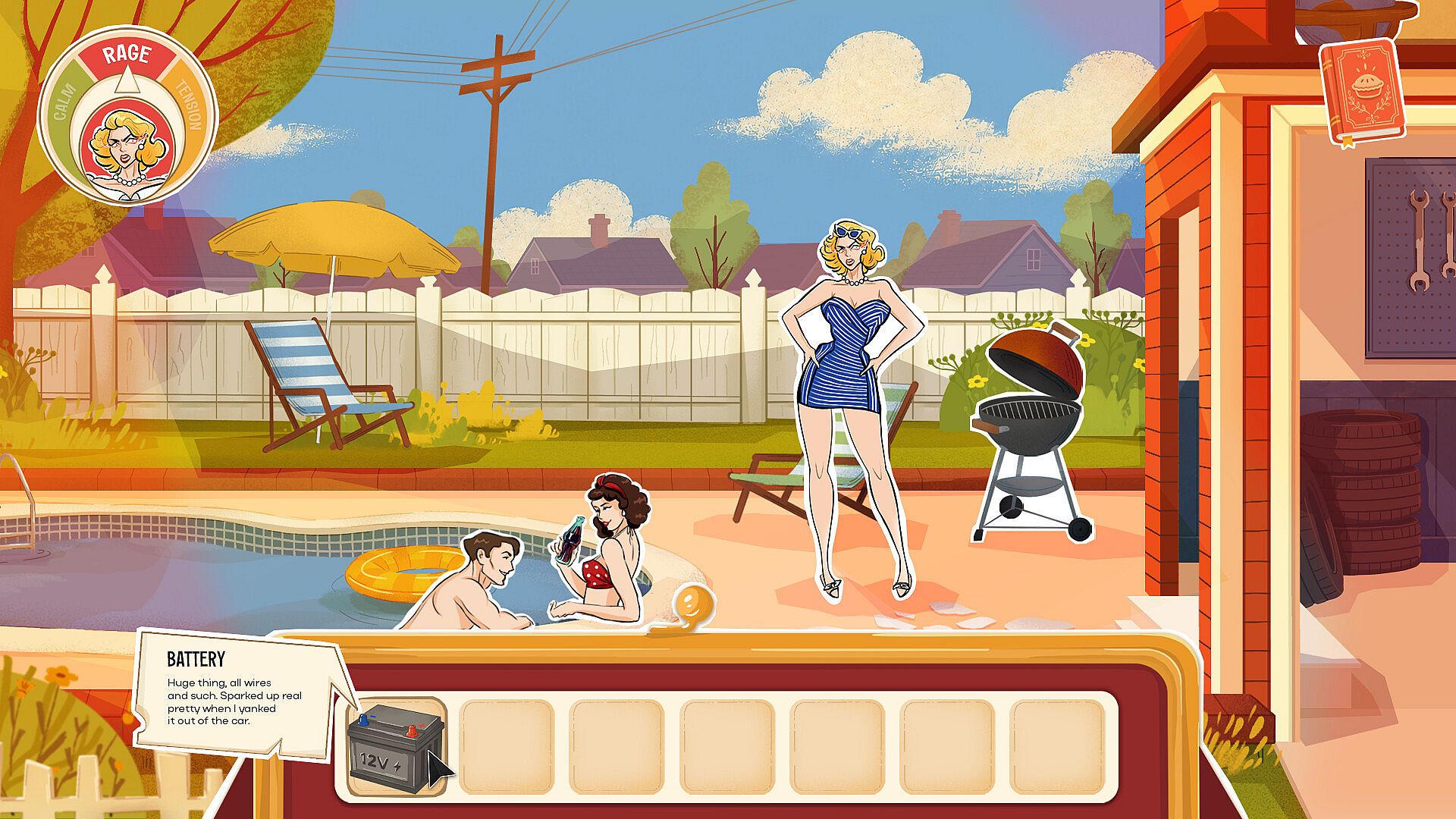
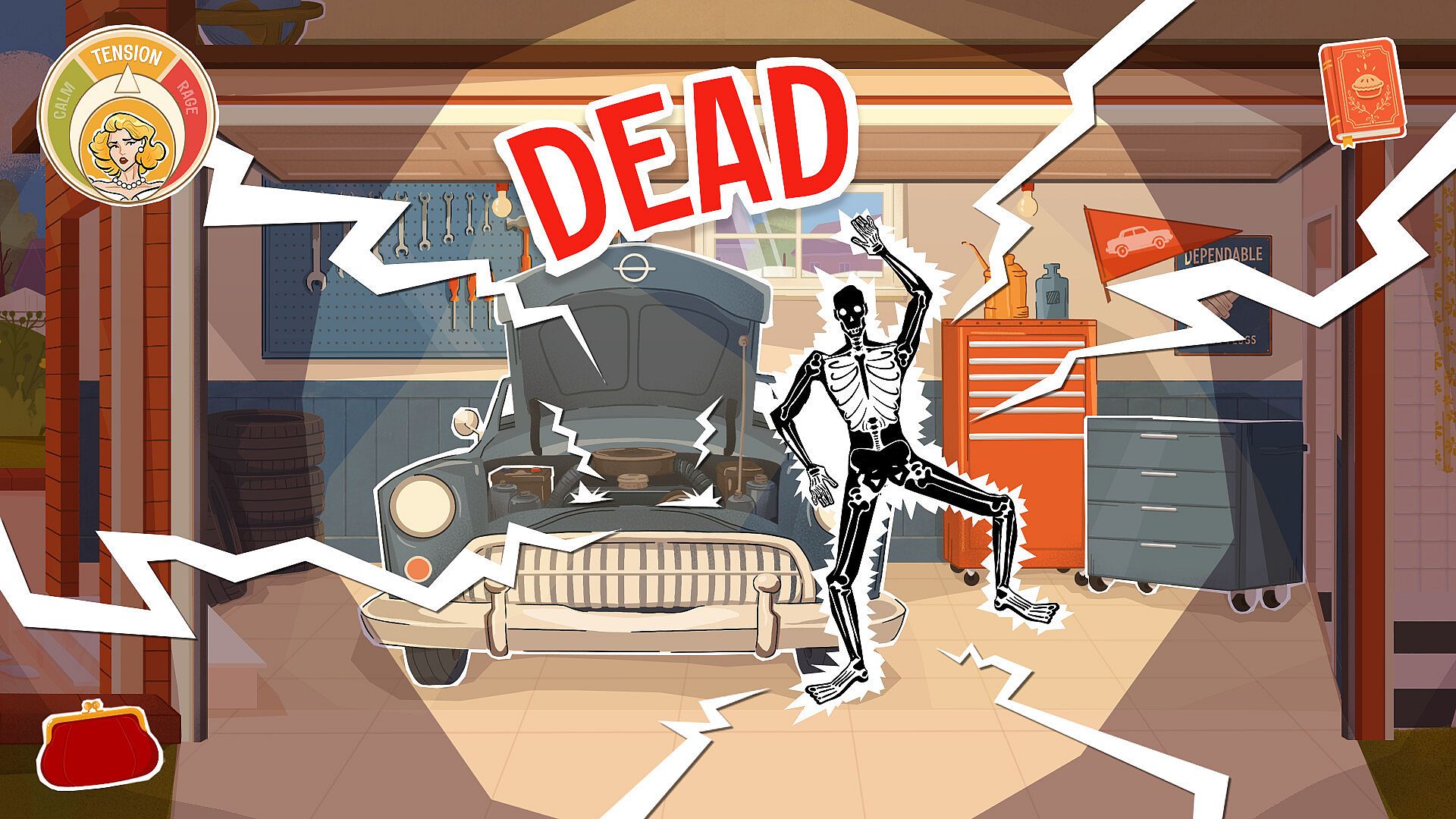
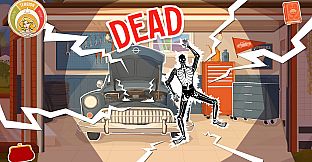
Core play revolves around exploring detailed retro cartoon dollhouse environments and arranging calculated acts of sabotage. Each level presents a picture-perfect scene filled with interactive objects that can be manipulated to create mishaps for Dolores's husband. These setups must appear innocent on the surface while advancing the underlying goal of disruption. Point-and-click mechanics guide the process of selecting and combining elements in precise sequences.
A rage meter tracks Dolores's emotional state and directly influences available options. As the meter rises through narrative decisions and accumulated frustrations, new sabotage possibilities emerge alongside more unpredictable reactions from characters and the environment. This system adds layers of chaos to the puzzle solving, where higher rage can open creative paths but also steer the story toward riskier outcomes. Exploration reveals hidden details within each location, encouraging players to examine every corner before committing to an action.
Locations shift with story progression to represent different social gatherings in 1950s settings. A cozy living room prepared for guests, a neon-lit diner serving milkshakes, and a neighbor's wedding each introduce unique objects and constraints that demand fresh approaches to sabotage. The visual style maintains a consistent dollhouse aesthetic that contrasts the domestic perfection with the growing tension underneath.
Game Modes
The game operates entirely as a single-player experience without separate multiplayer or competitive modes. Progression follows a linear narrative structure punctuated by puzzle levels that incorporate branching outcomes based on choices. There are no distinct game modes such as survival, endless, or co-op variants; instead, the focus remains on sequential story advancement through sabotage planning and emotional state management.
Replay value stems from experimenting with different rage levels and decision paths within the same levels rather than from mode switching. Each playthrough can yield variations in how mishaps resolve and how the overall tale develops, but the core loop stays consistent across the campaign.
Story and Setting
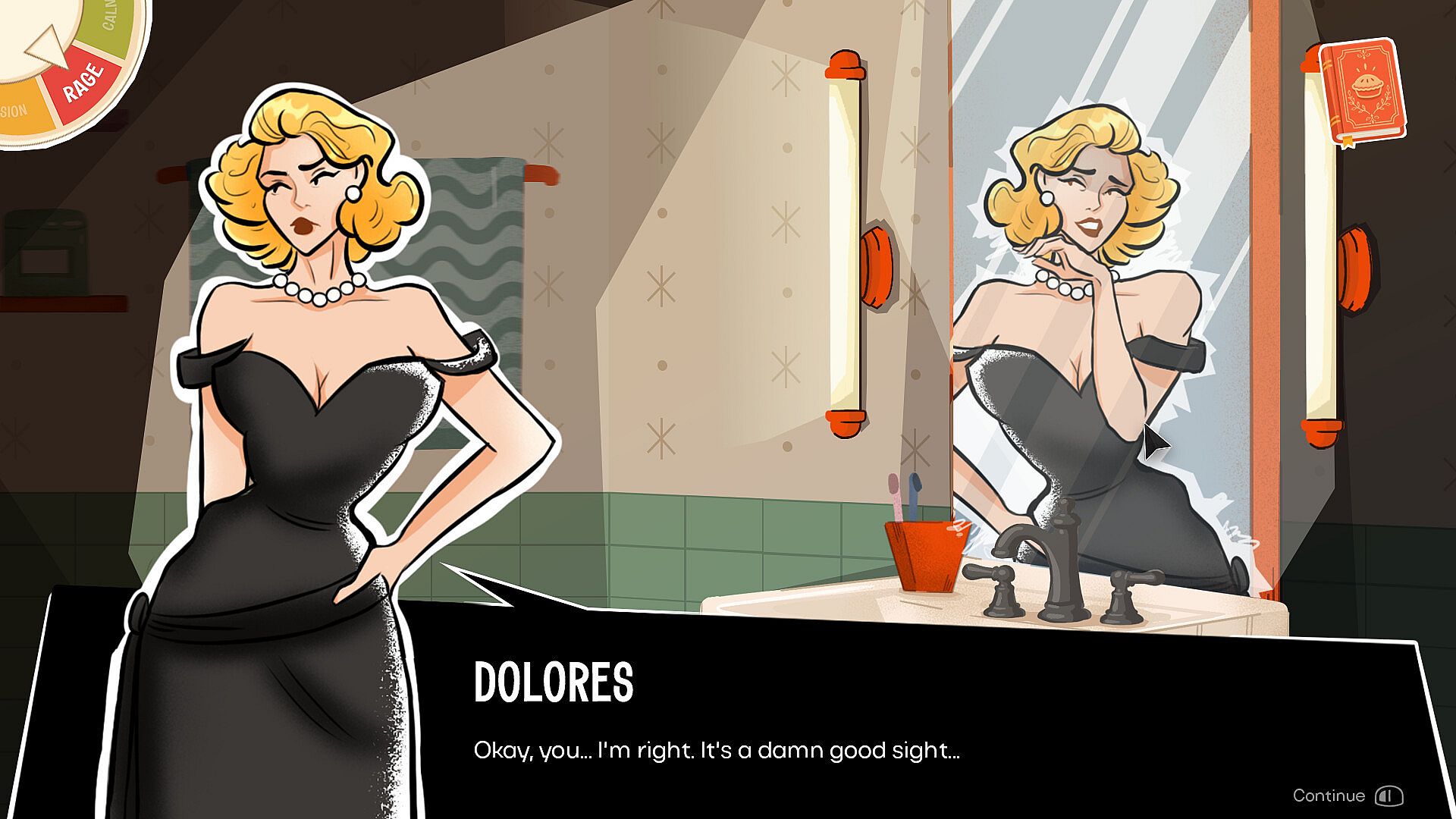
The narrative centers on Dolores's gradual realization that the role of the perfect housewife represents only one option among several she might pursue. As sabotage plans escalate and secrets surface behind the polished facades of suburban life, the story examines the pressures of maintaining appearances in a 1950s context. Narrative choices feed directly into the rage system, creating a feedback loop where emotional escalation alters both puzzle solutions and story direction.
Party settings serve as the primary backdrops, each one packed with period-appropriate details that double as tools for disruption. The contrast between outward charm and inner turmoil drives the tone, with sabotage actions serving as the main vehicle for player expression within the constraints of appearing blameless.
Is It Worth Playing?
The Great Wife's Guide targets players who enjoy narrative-driven point-and-click adventures that combine puzzle logic with character-focused storytelling. Its single-player structure and emphasis on choice-driven escalation suit those interested in short, self-contained levels that build toward larger revelations about the protagonist's situation. Since the title remains in wishlist and pre-release stages with a planned demo arriving later, actual player reception data is not yet available.
Those drawn to mechanics involving emotional meters, sabotage planning, and 1950s domestic satire will find the verified systems align closely with that preference. The absence of additional modes keeps the experience streamlined around its core loop of exploration, interaction, and consequence. Availability is currently limited to following updates on the official Steam page for future release information.