



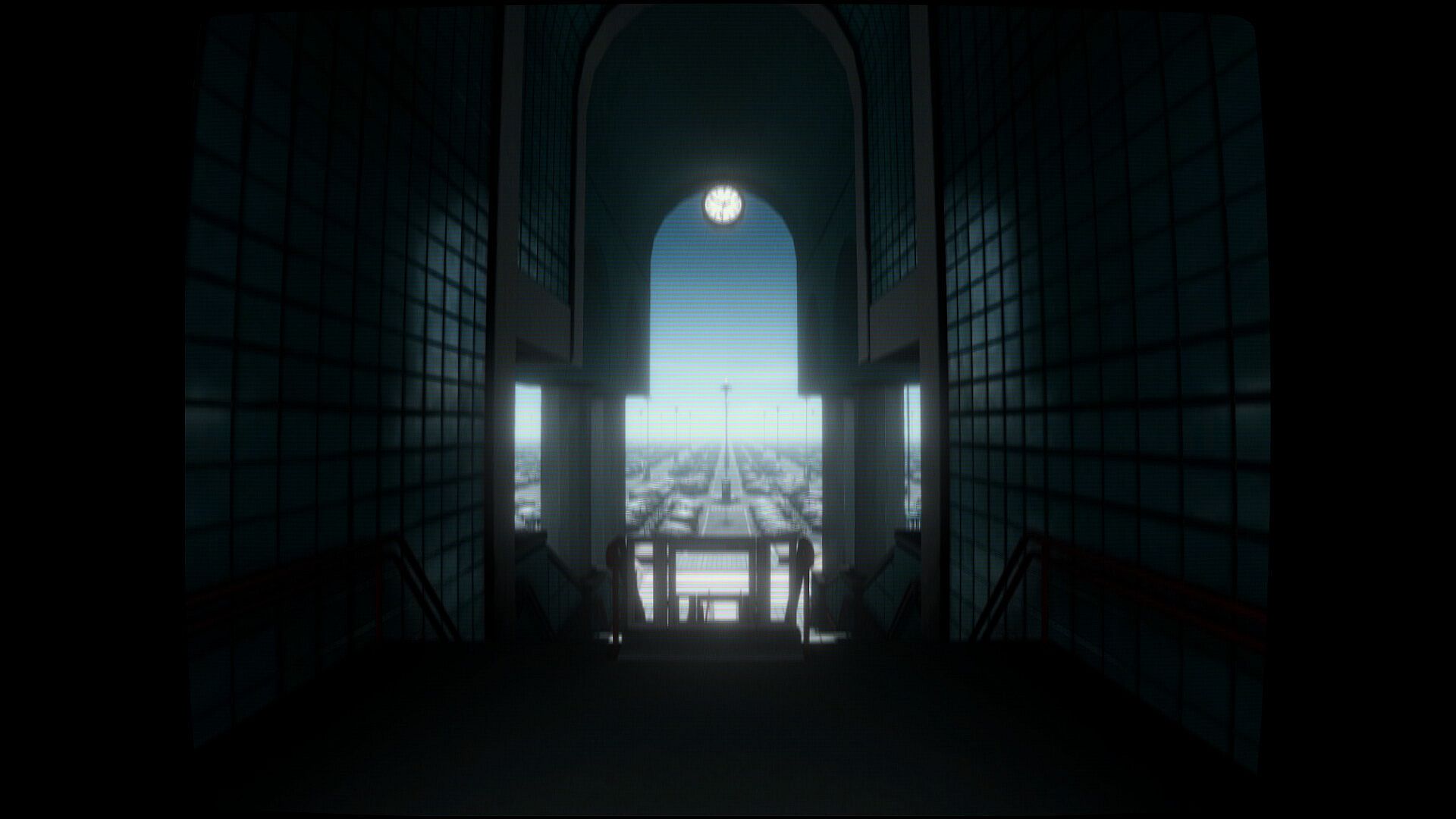



The Great Orator is an indie adventure simulation game set in a non-linear story world built for PC and PC VR. Visitors enter a shifting environment shaped by memories, follower stories, and a live connection to real-world events. The experience centers on free exploration rather than objectives or progression systems, allowing repeated visits to uncover evolving narratives through simple interactions.
Gameplay
Core play involves moving through liminal spaces and pointing at objects to trigger orations. Any item, from household items to environmental details, can reveal memories or stories when selected. Pointing at the floor teleports the visitor, while pointing at doors opens pathways. These actions generate different responses on repeat interactions, drawing from pre-written poetic texts that adapt dynamically.
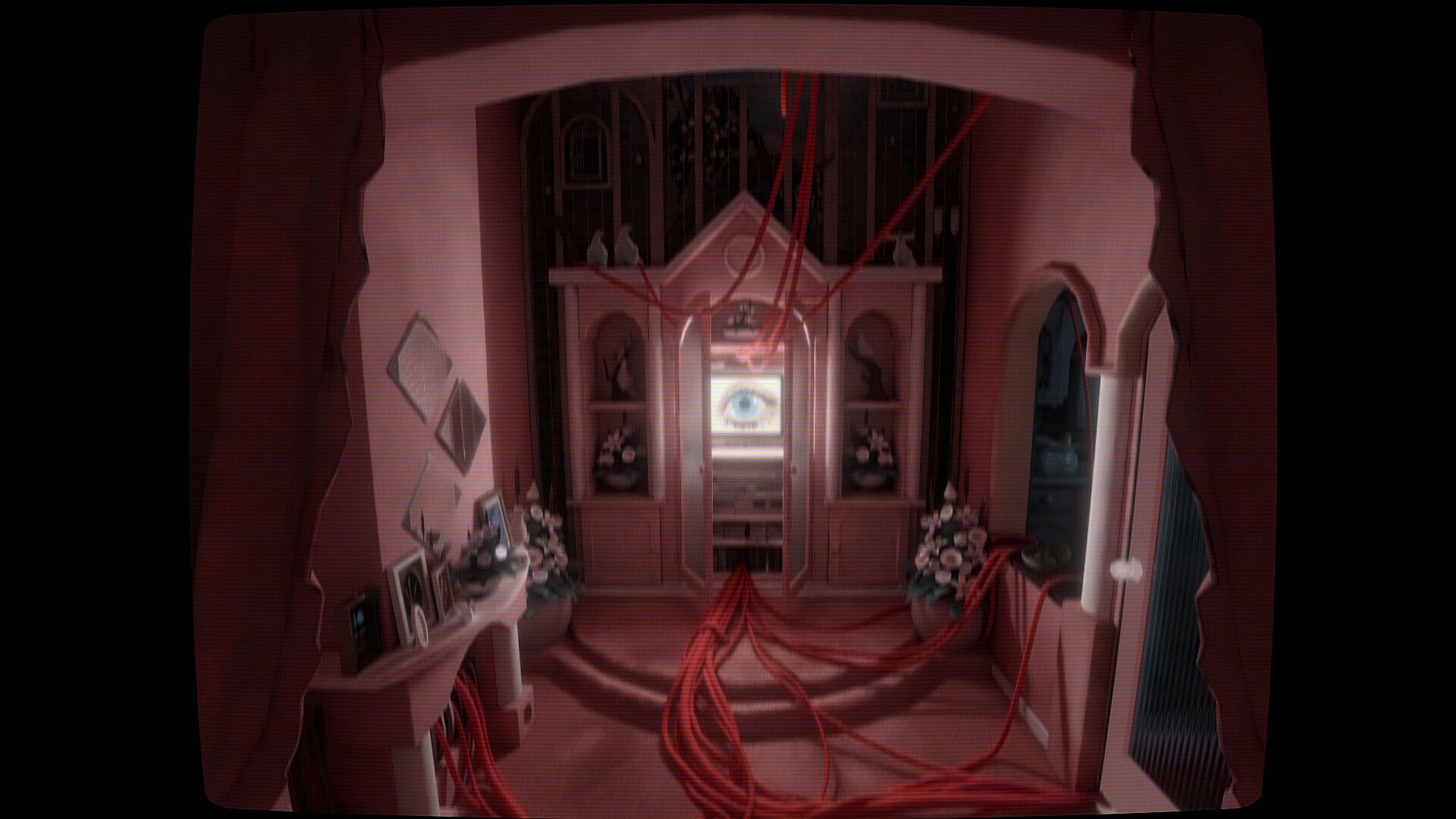
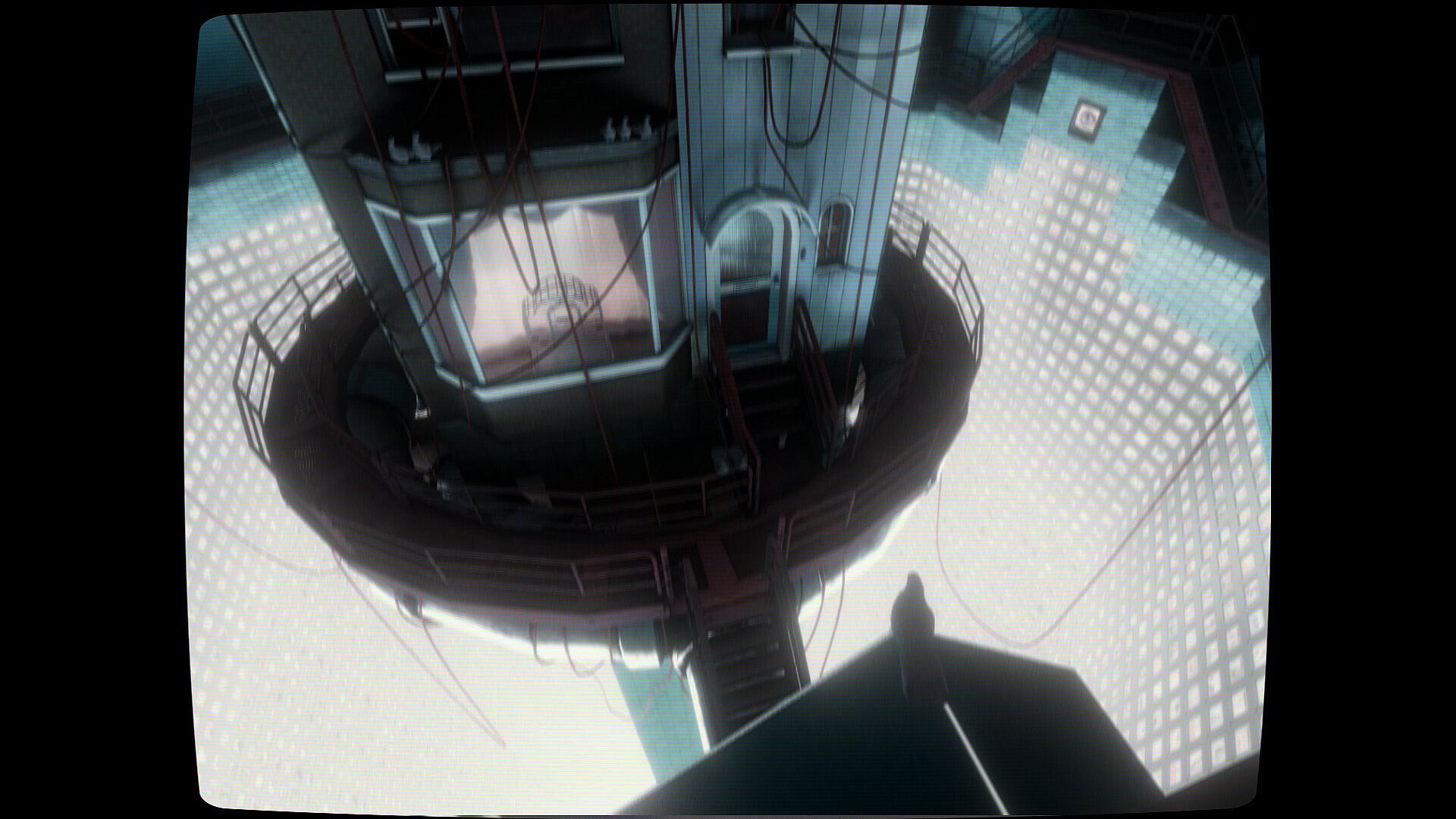
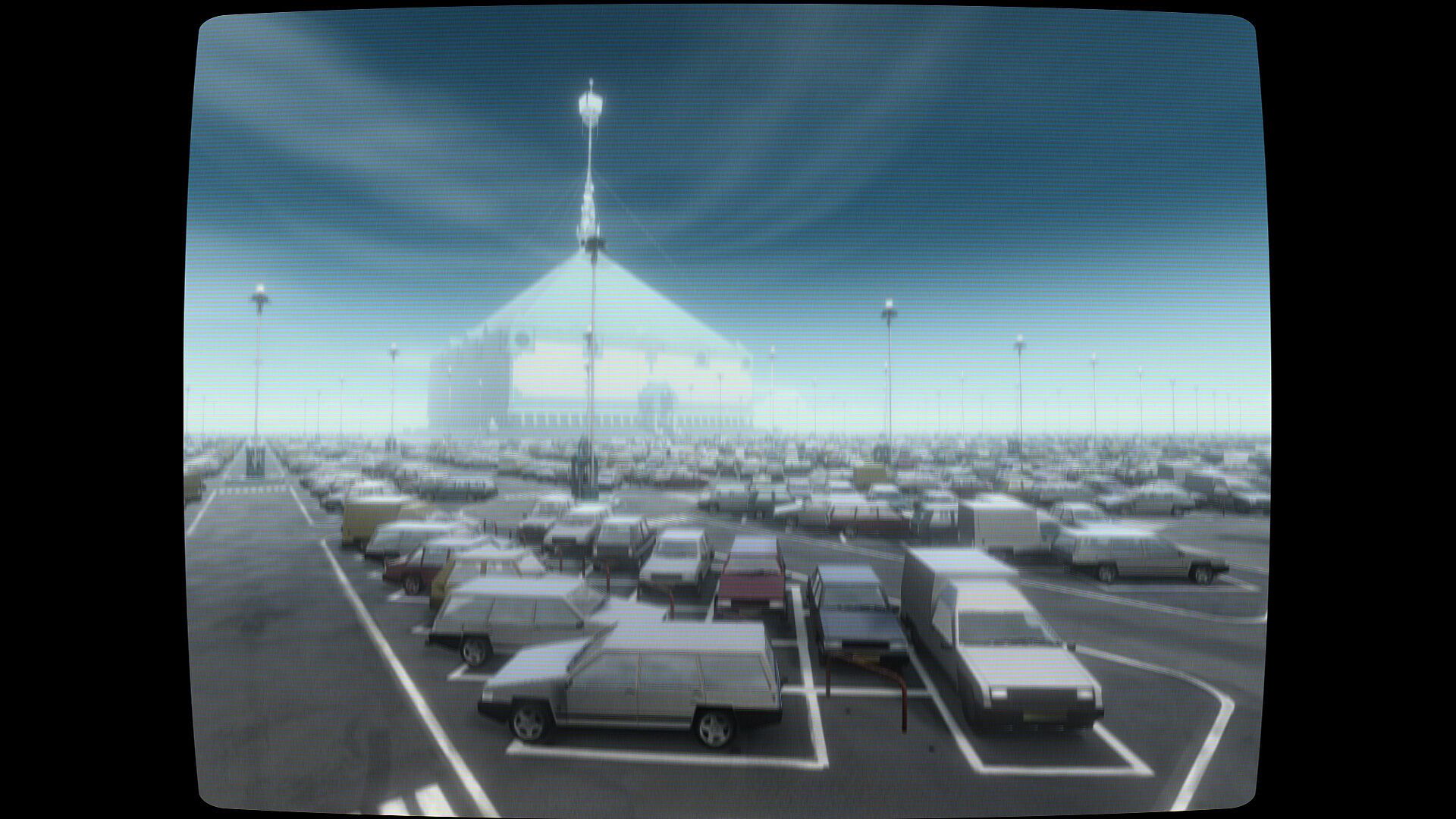
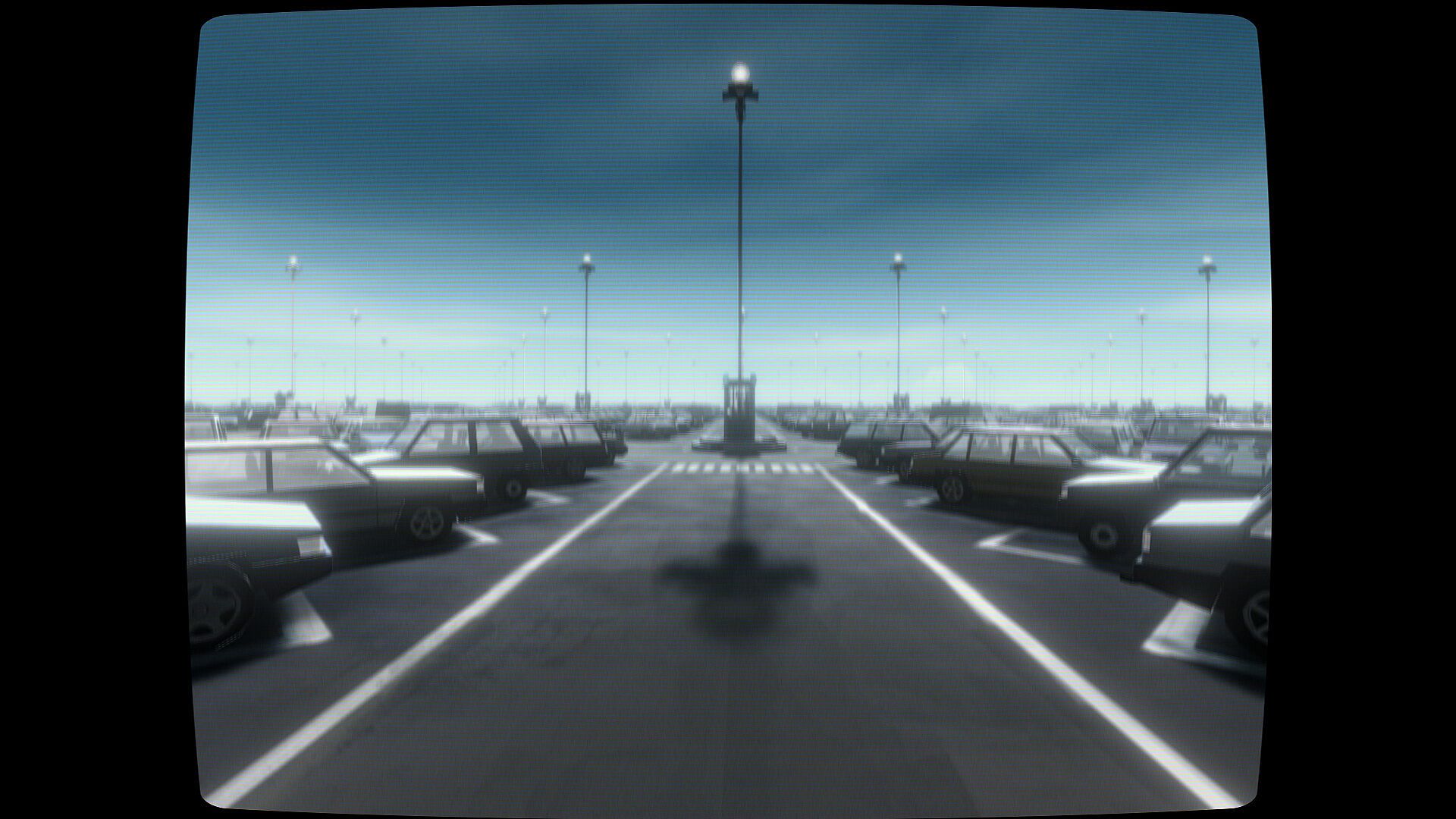
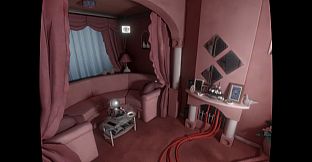
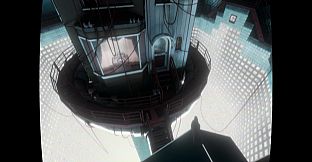
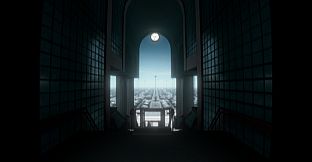
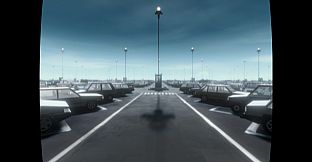
The world incorporates several distinct locations. The Preserved House holds remnants of the central figure's former life, with objects tied to personal memories. The Mainframe stores accounts of followers integrated into a shared consciousness. The Endless Lot features rows of cars, each linked to an individual follower's background and motivations. Additional areas include the Blank Space for session reflections and others that expand the overall narrative.
Orations fall into categories such as object-based recollections, reactions to current news events, follower perspectives, and future-oriented predictions via a crystal ball. Scheduled continuous orations cover broad themes across a 24/7 cycle. All content originates from human-written poetry that receives AI-assisted updates tied to external news feeds and player choices, creating variation without replacing the original creative foundation.
Game Modes
No traditional game modes exist. The experience operates as a single continuous exploration session without quests, levels, or competitive elements. Visitors freely navigate the available spaces, choosing where to point and listen at their own pace. Sessions can be revisited at any time, with the environment reflecting changes from news cycles and prior interactions to encourage multiple returns.
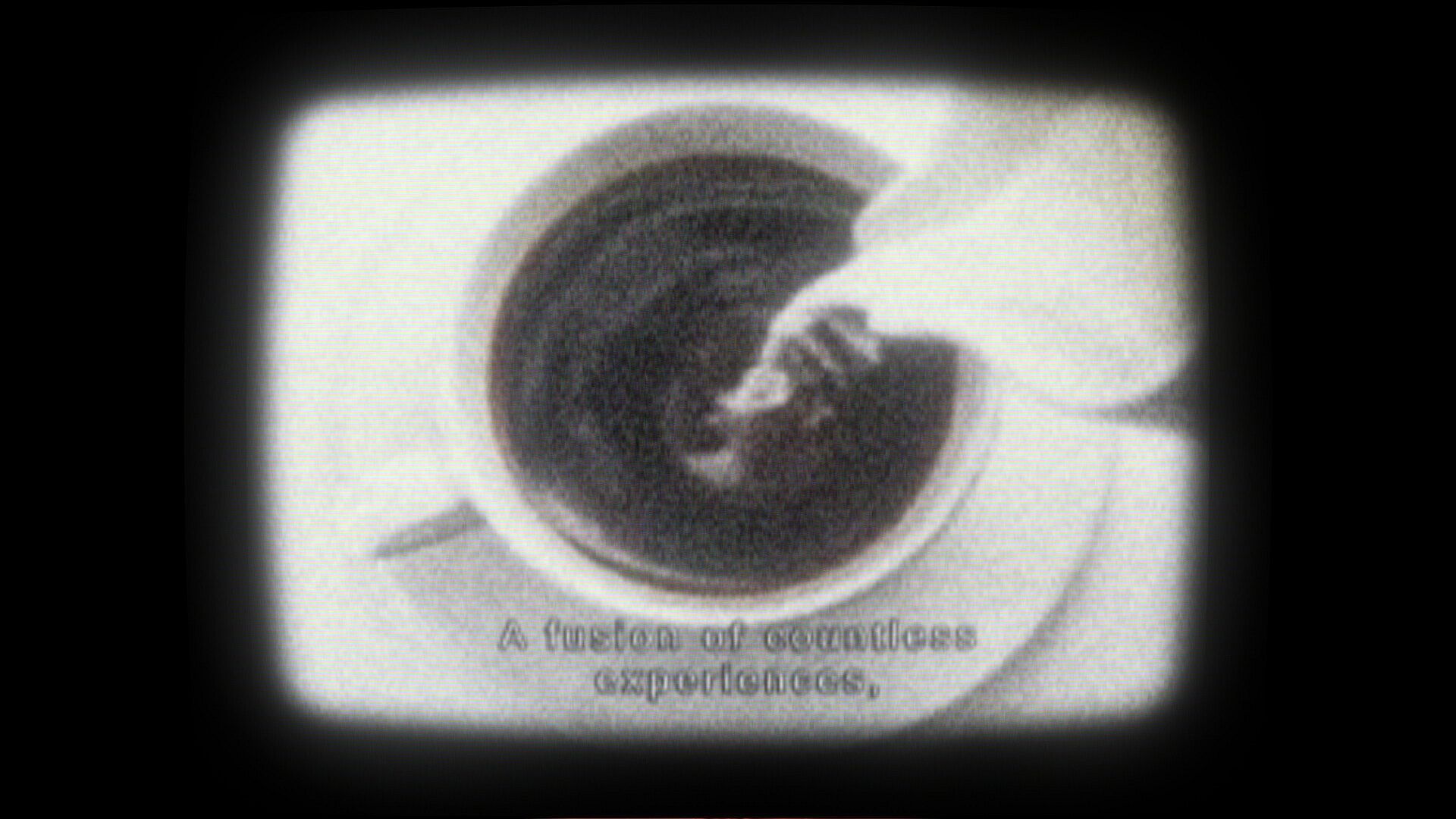
Special presentation options include a version optimized for CRT displays, supporting analog recording methods like VHS for those interested in alternative capture techniques. The design treats participants as visitors rather than characters, with direct address by name in some orations to reinforce personal presence in the world.
World and Narrative
The setting revolves around a former television medium whose consciousness persists as an AI medium between realities. This entity draws from follower memories and external news to generate content. Exploration reveals layers of her history, the circumstances of her death, and the inner lives of those who joined her shared consciousness. Doves appear as recurring motifs throughout the spaces.
Stories adapt based on real-time news influences, such as differing interpretations of symbols during periods of peace versus crisis. The absence of a fixed quest line leaves players to assemble lore through accumulated orations. Infinity in this context feels isolating without visitor input, emphasizing the role of repeated engagement in unlocking new details.
Is It Worth Playing?
The Great Orator suits players drawn to experimental narrative experiences and ambient exploration in a simulation-adventure format. Its strength lies in the poetic foundation and adaptive storytelling that responds to external events, offering fresh content on return visits without reliance on traditional mechanics. Those seeking structured goals or action may find the freeform approach less engaging, while fans of non-linear worlds and object-driven discovery will appreciate the focus on listening and interpretation.
As an upcoming title with festival exposure, it currently lacks widespread player data or post-release updates. Interest depends on preference for contemplative, poetry-infused environments over conventional gameplay loops. The human-led creative process, supported by targeted AI tools for dynamism, positions it as a distinctive entry in the indie space for repeated, personal sessions.