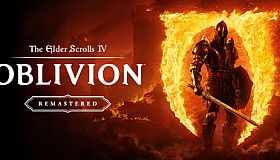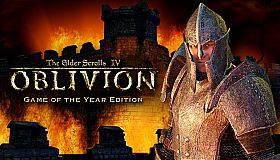












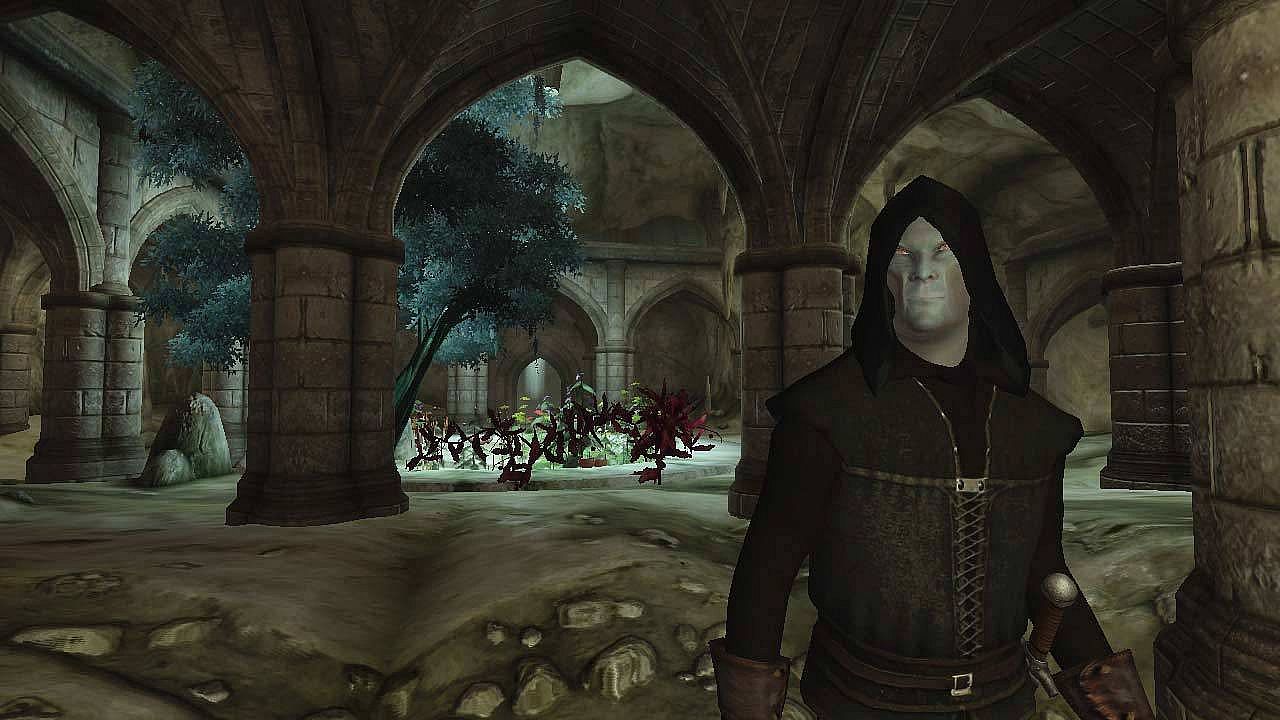
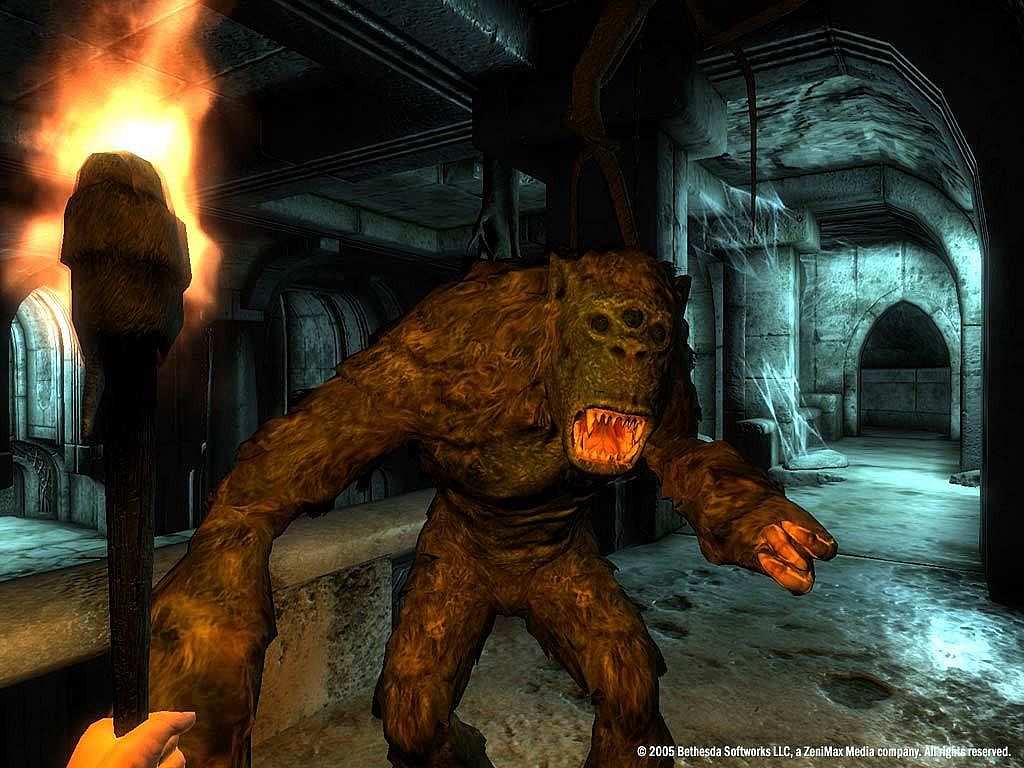
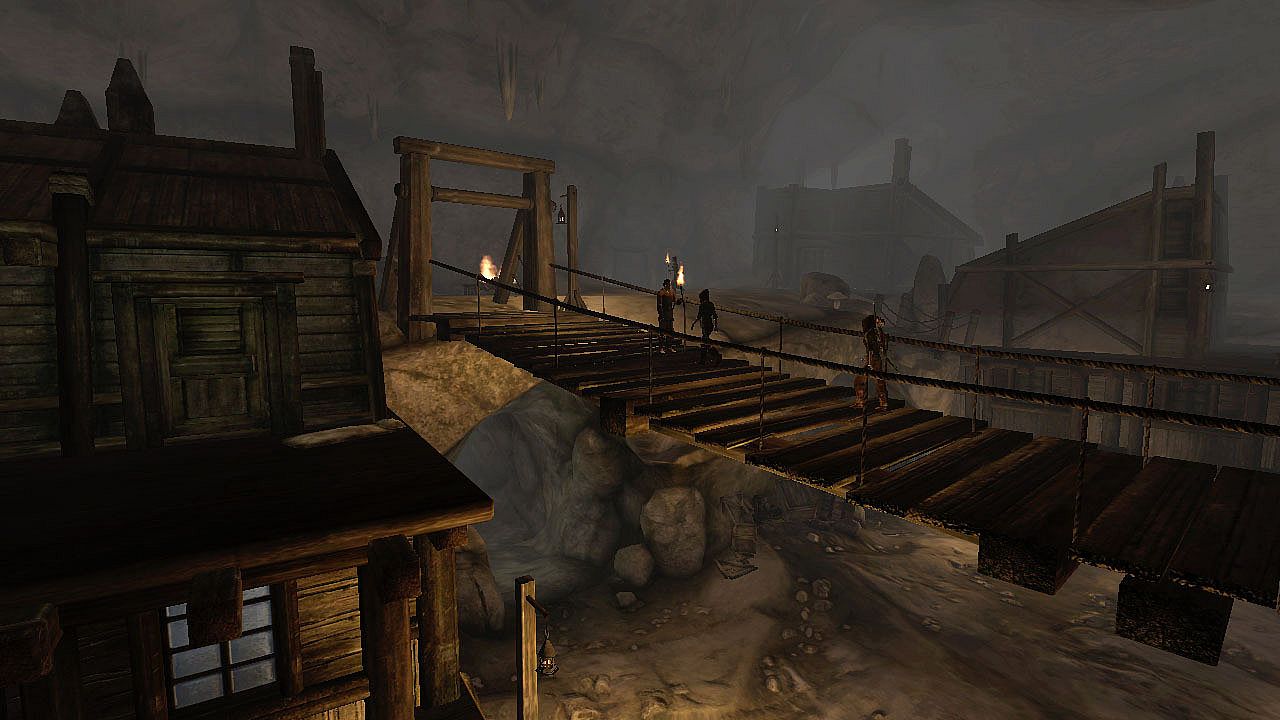
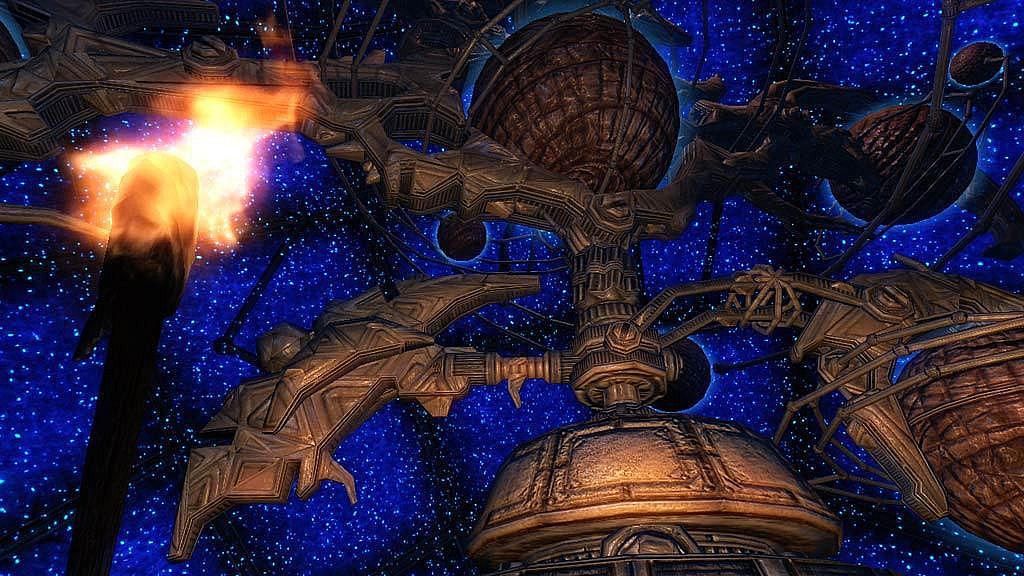
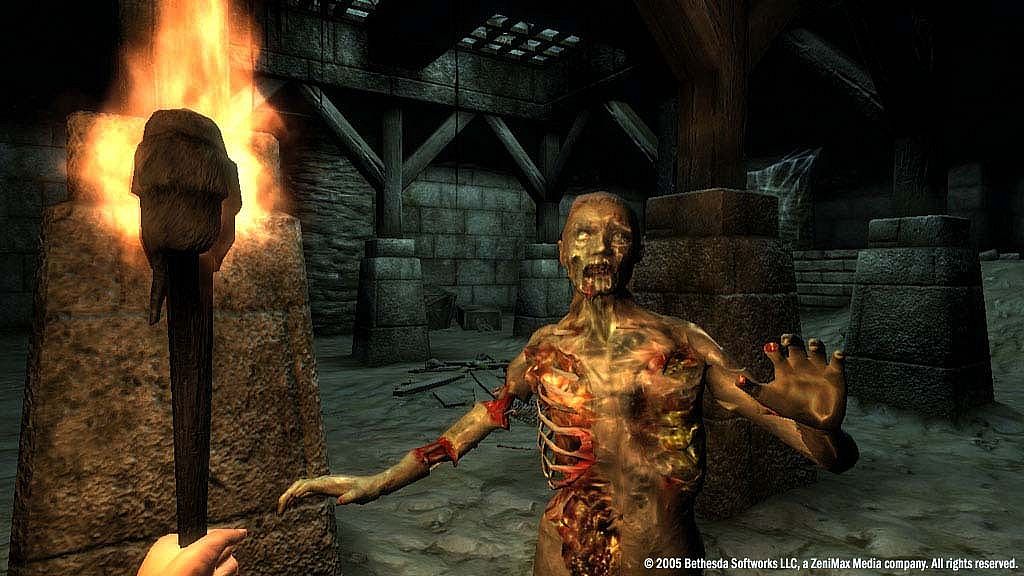
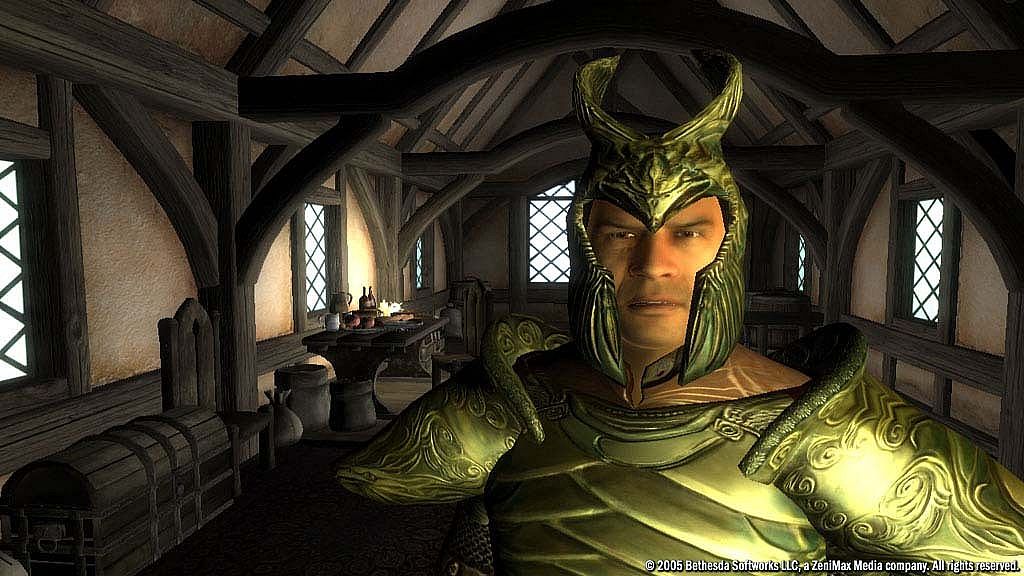
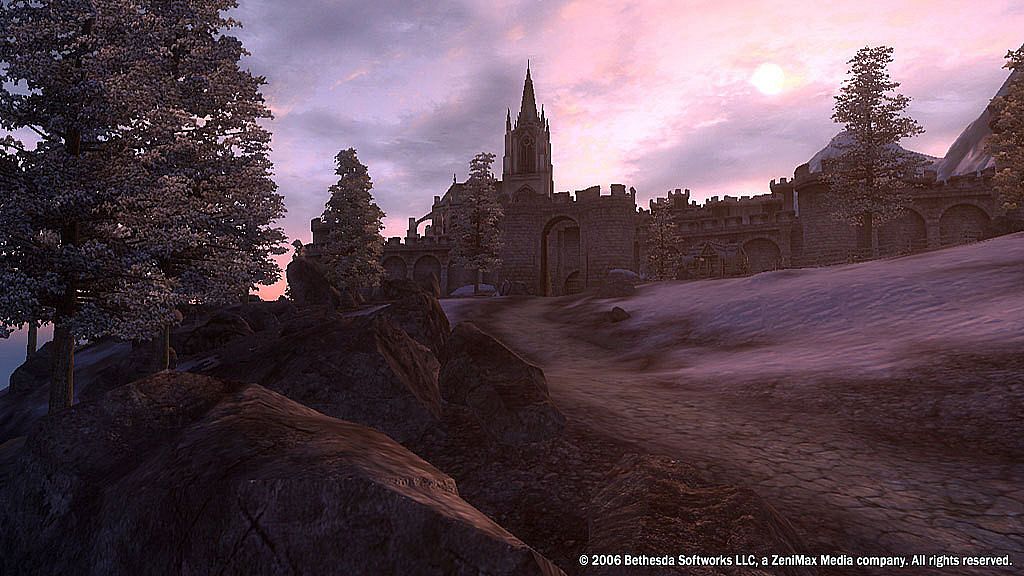
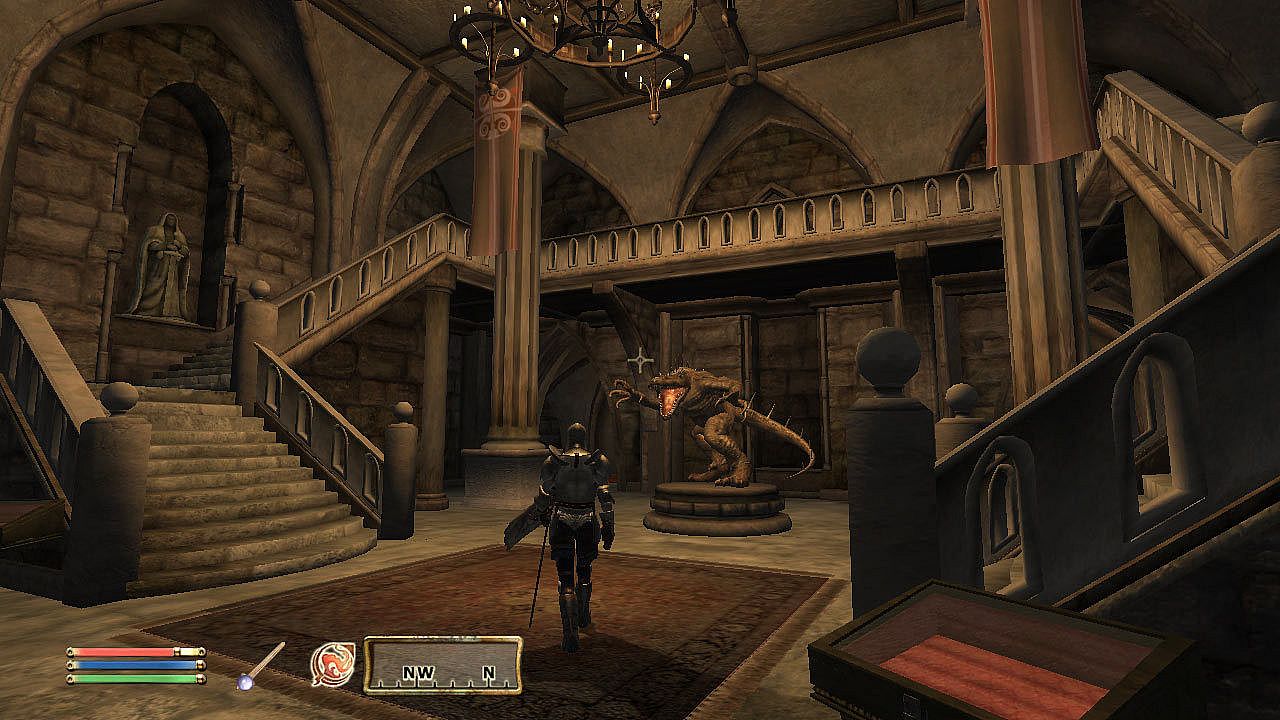
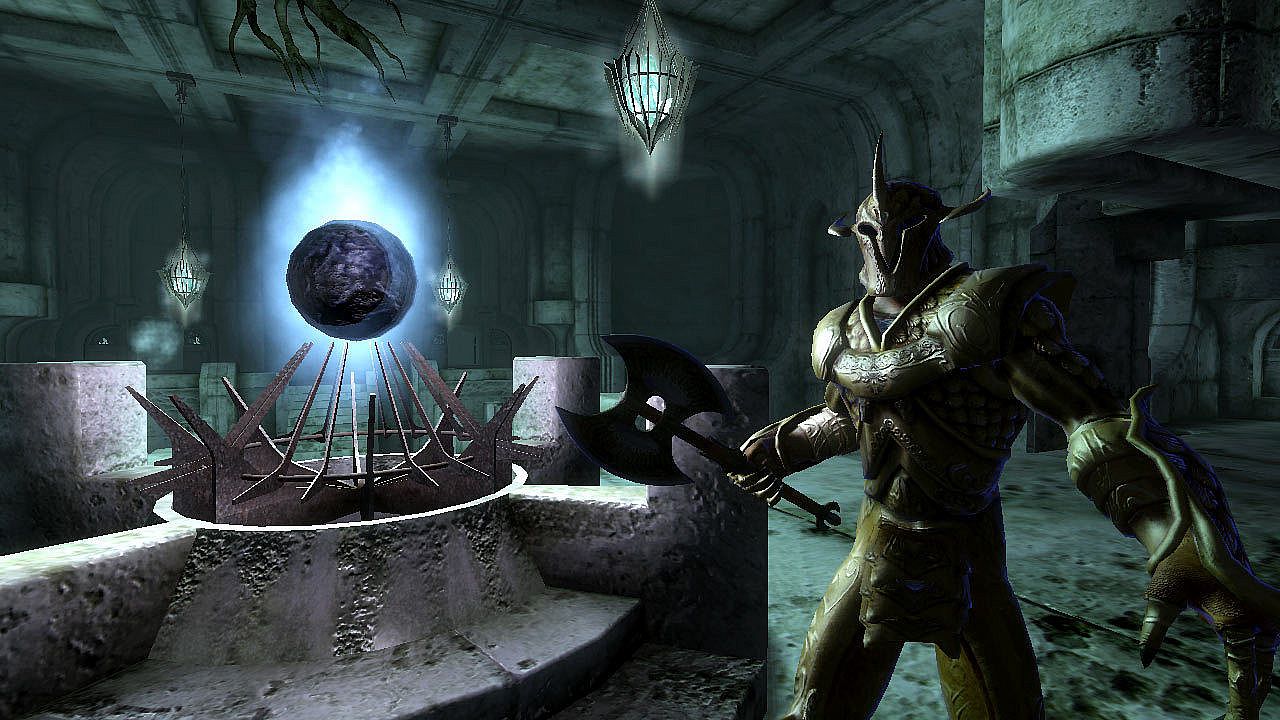
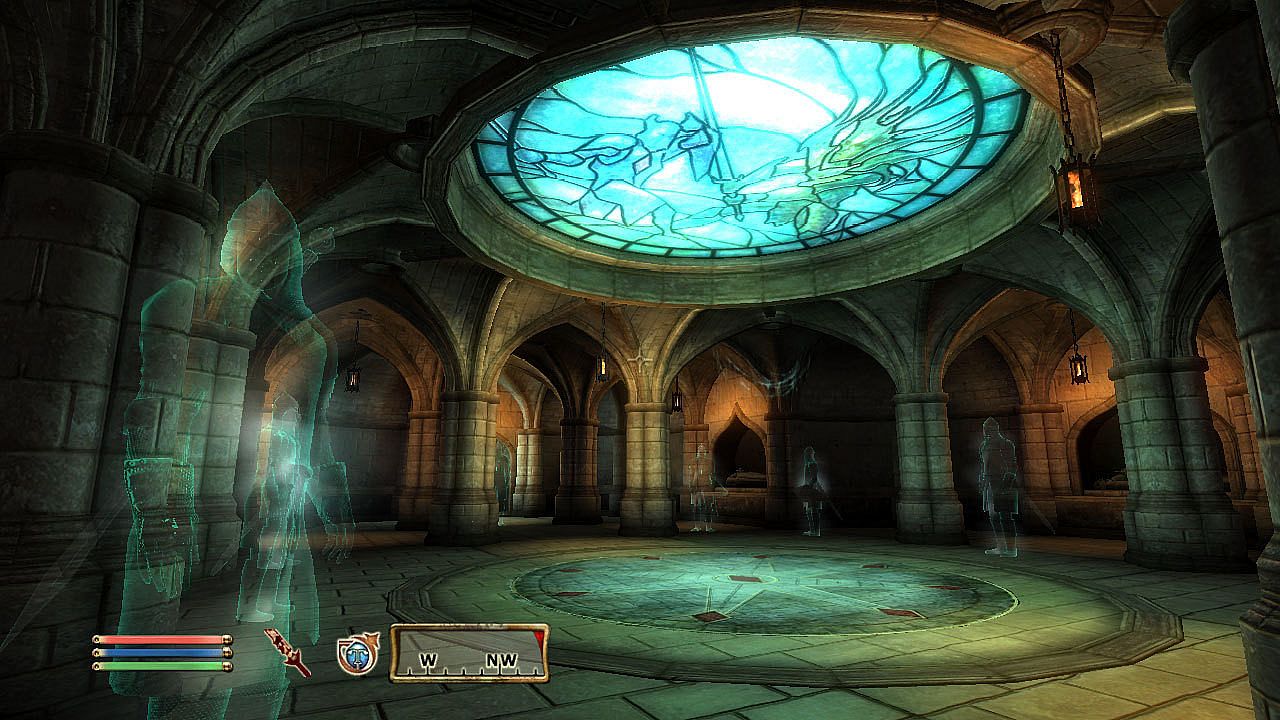
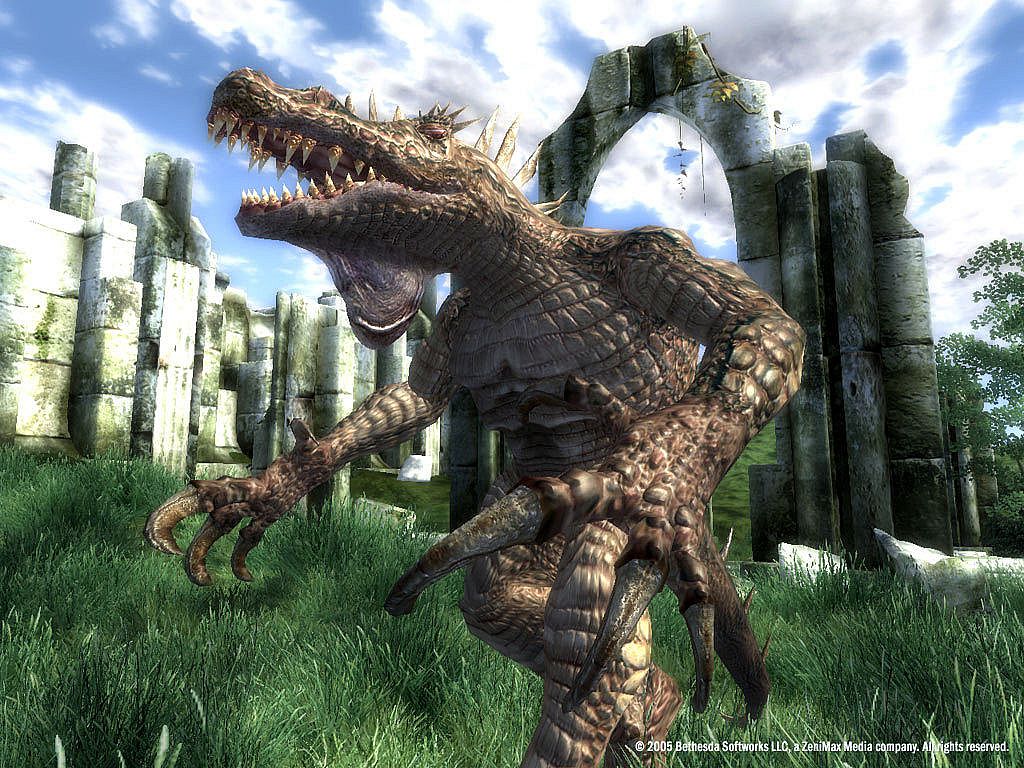
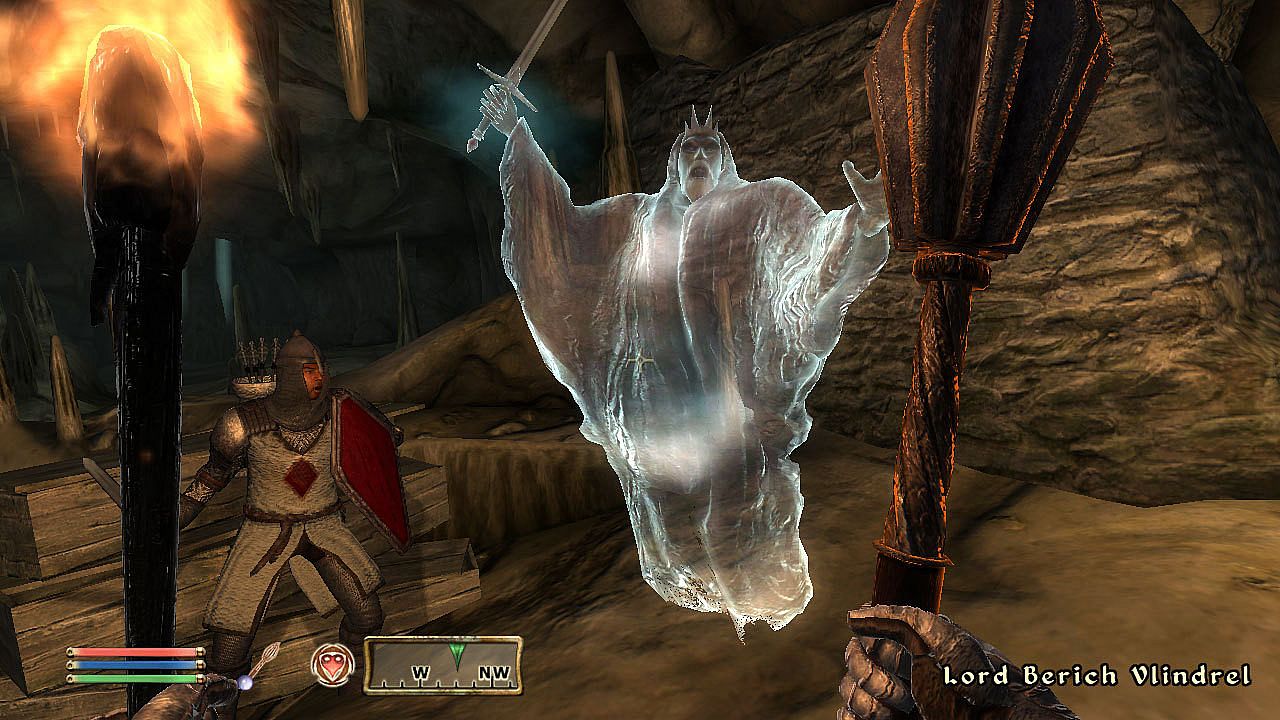
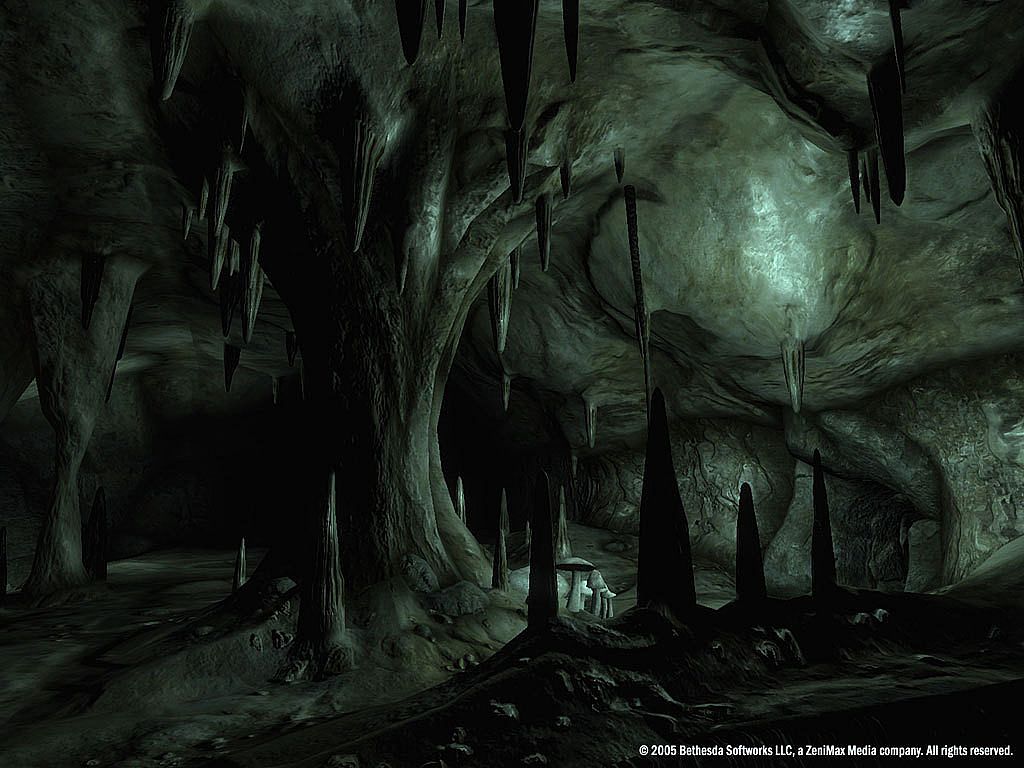
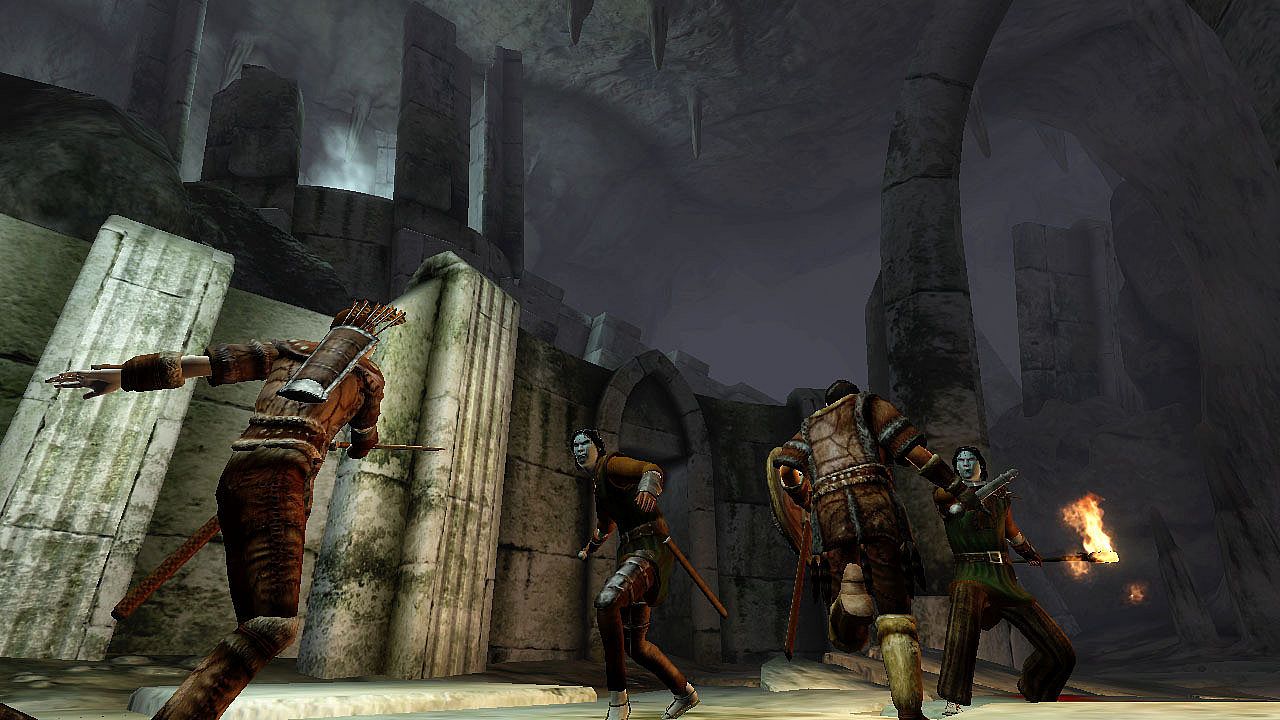
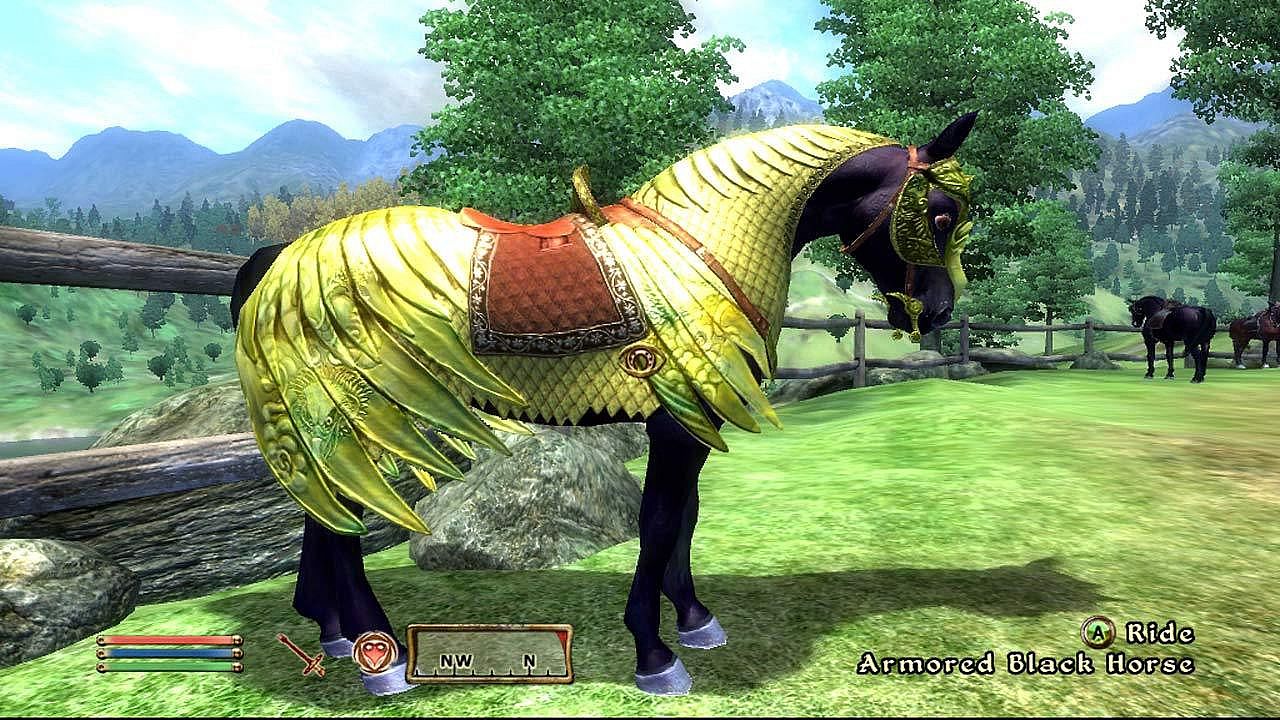
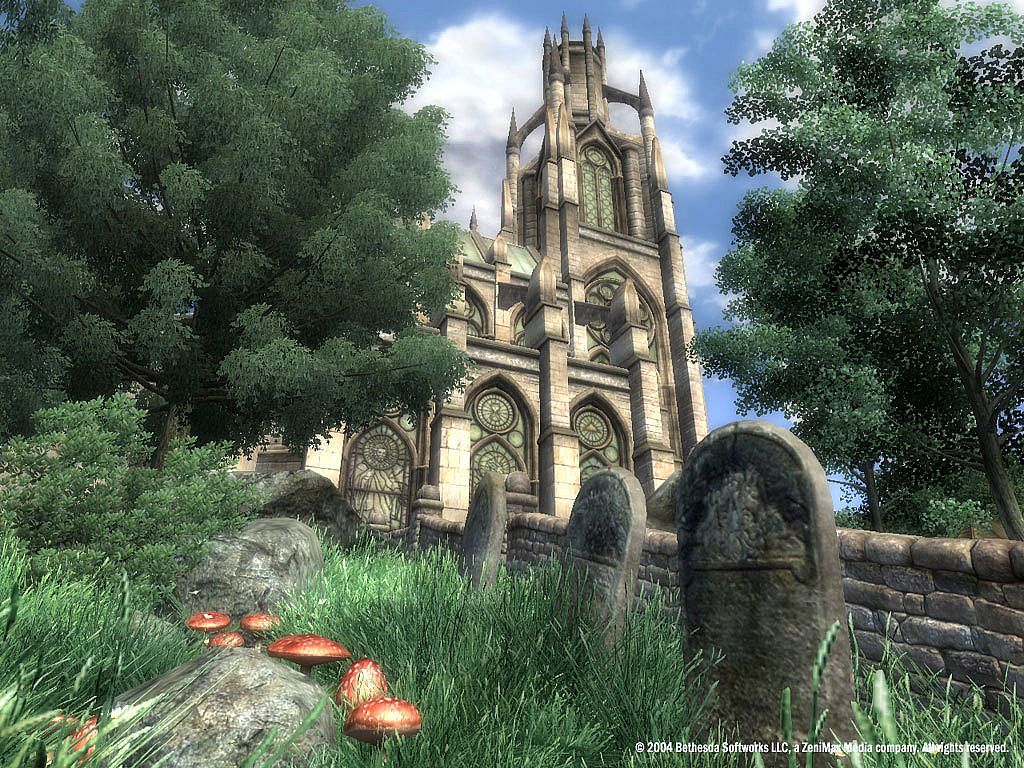
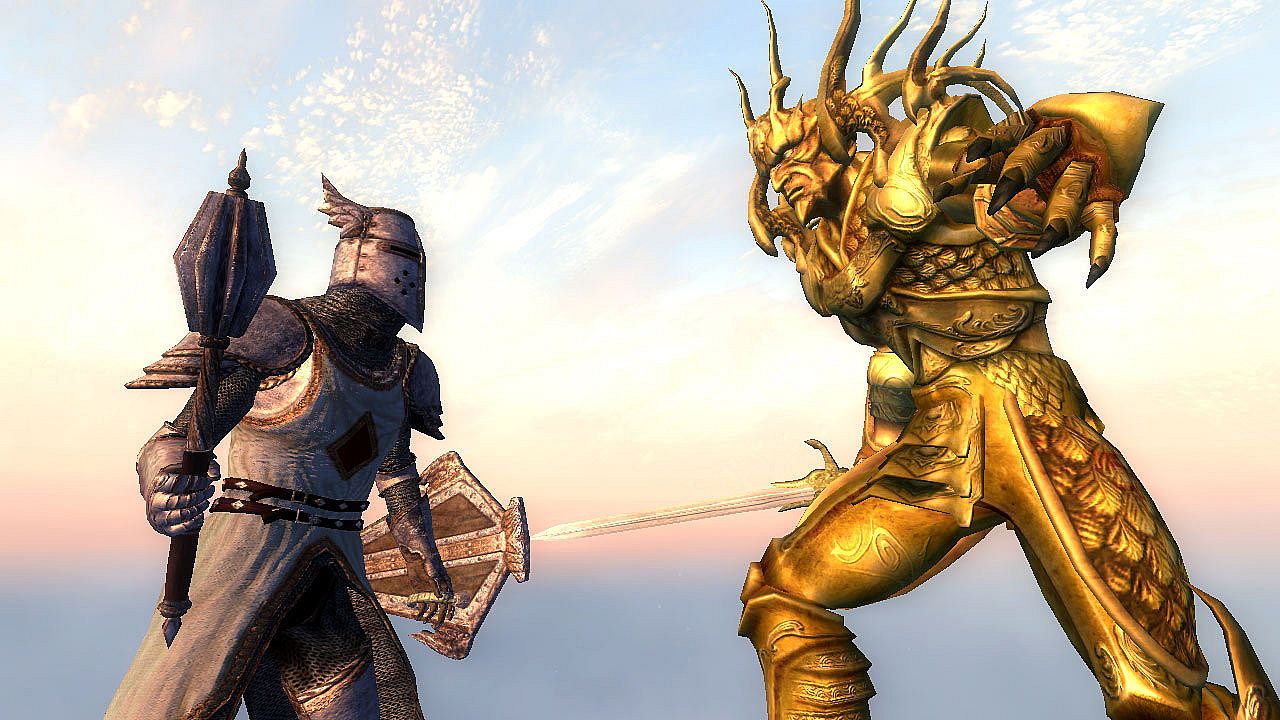
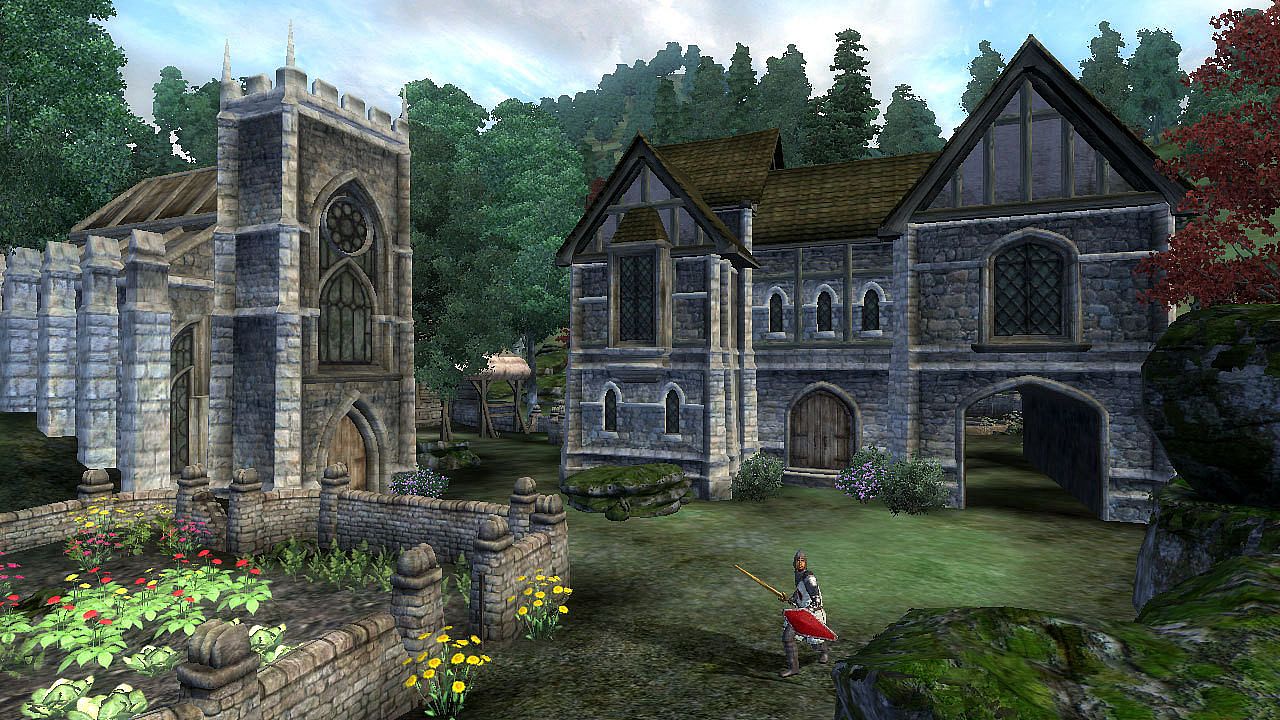
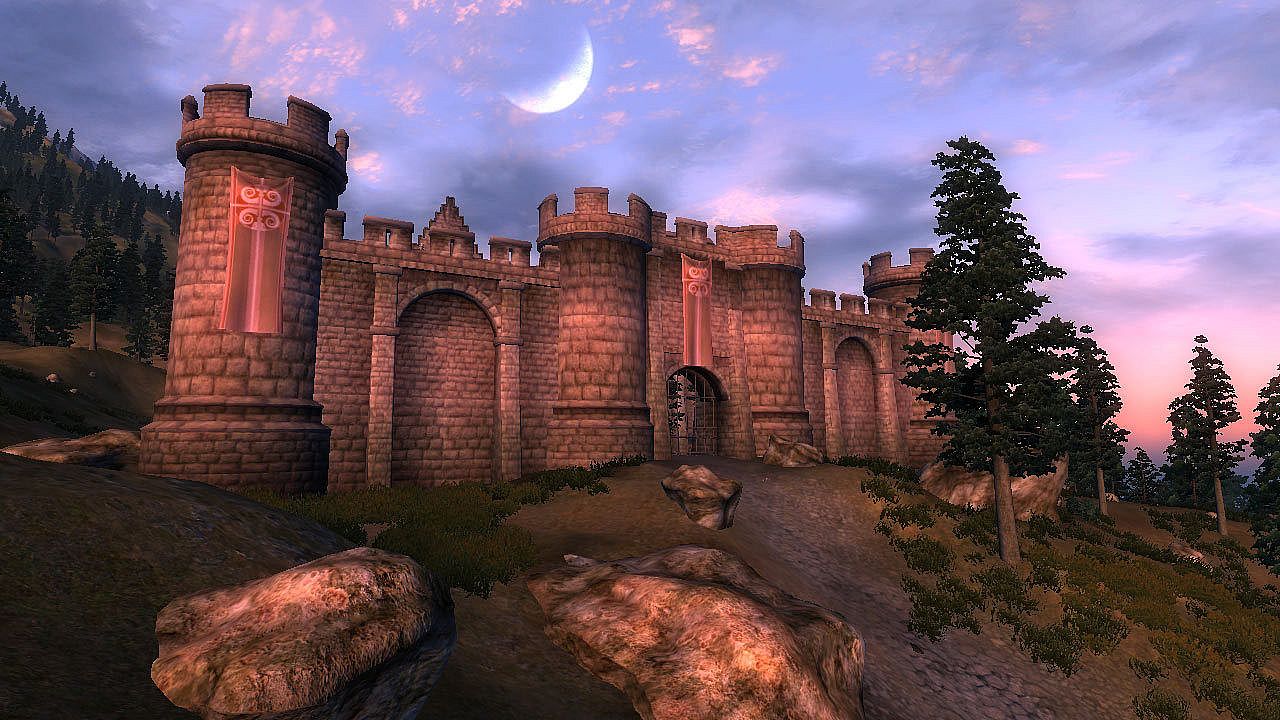
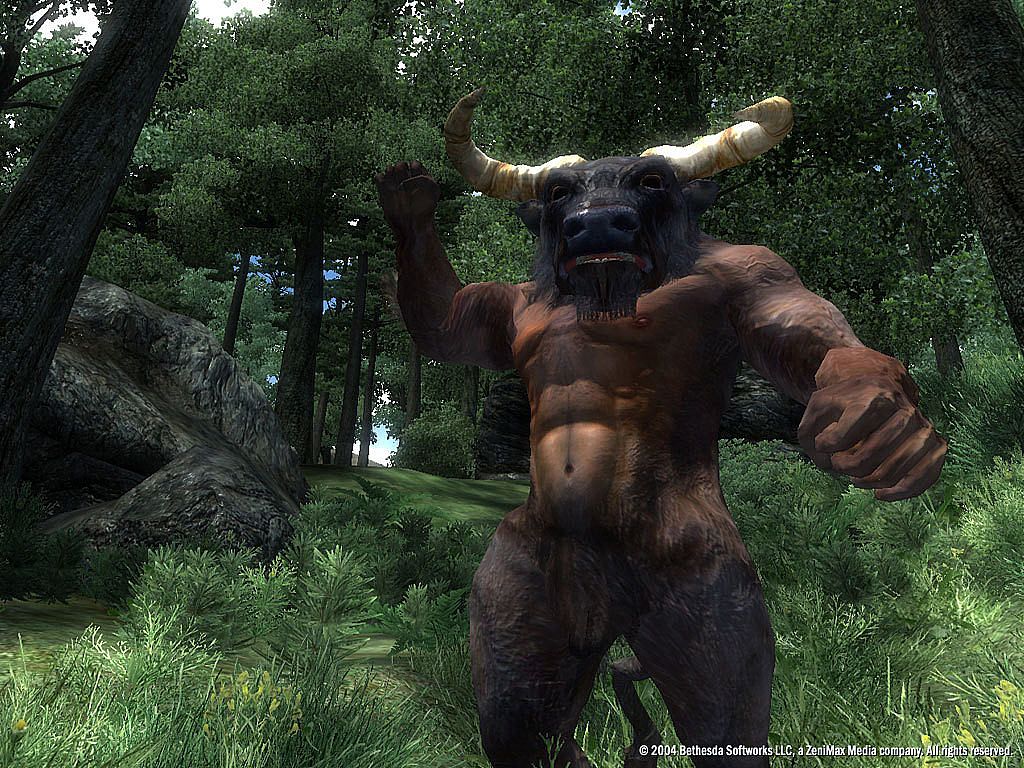
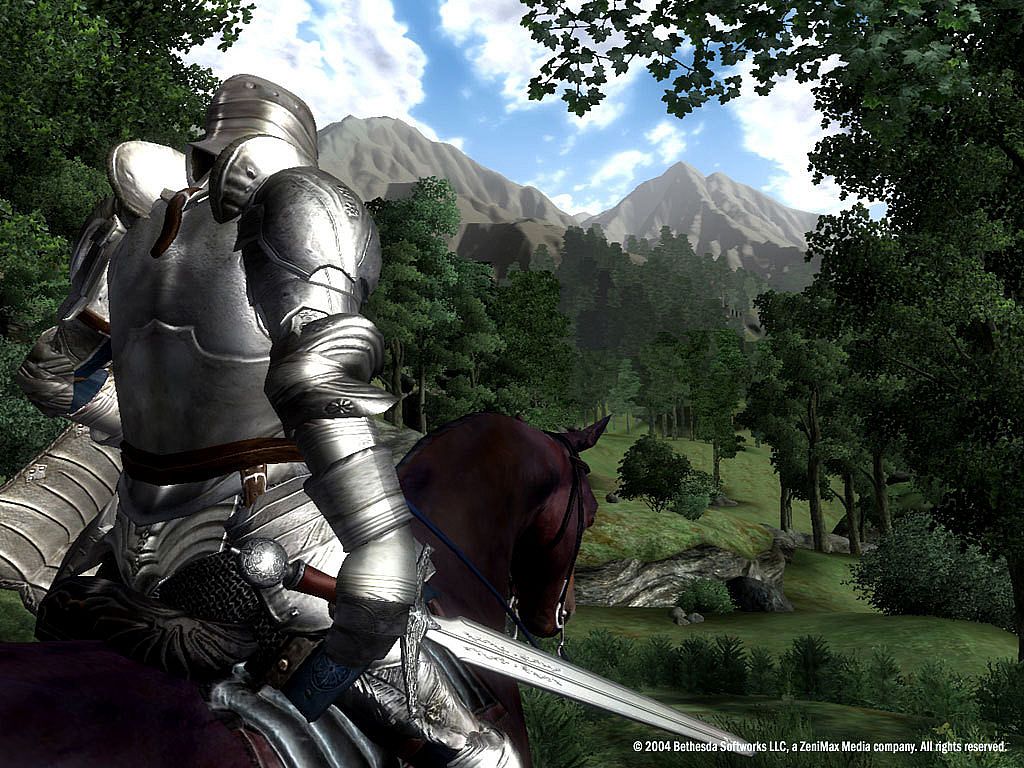
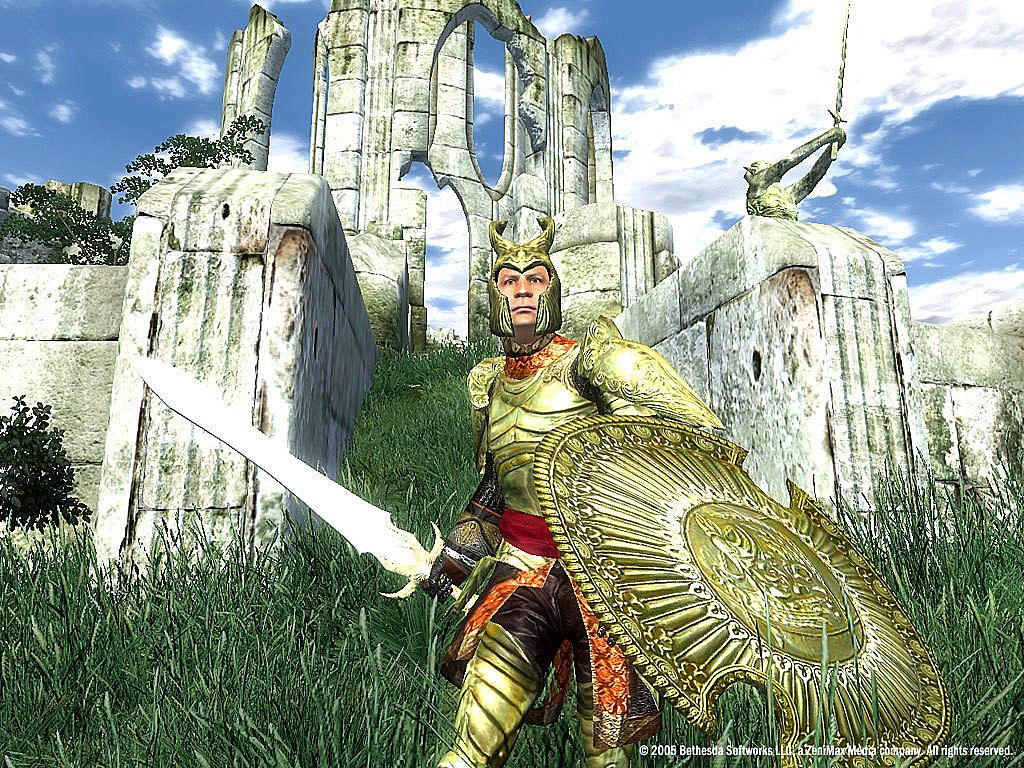
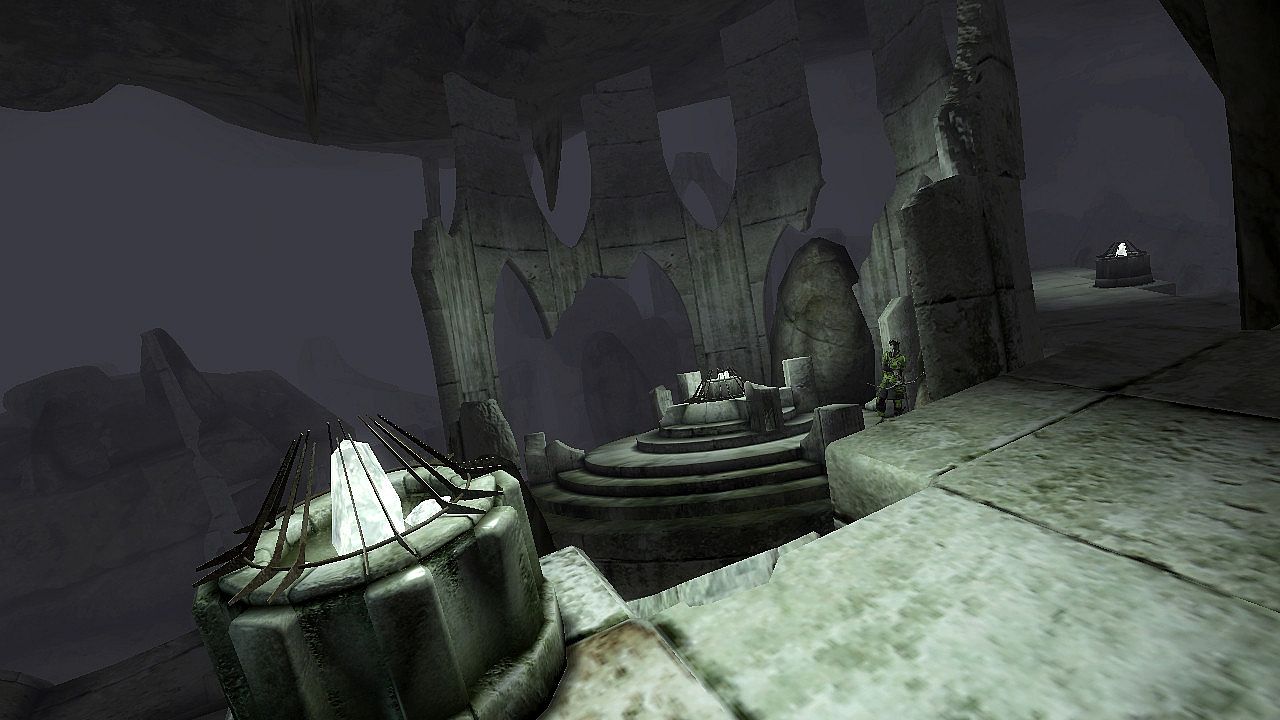
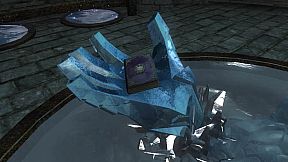
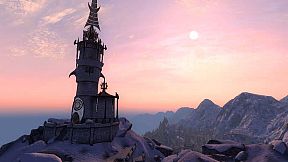
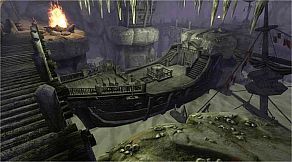
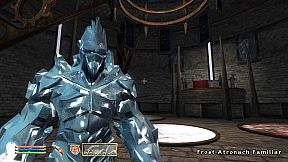
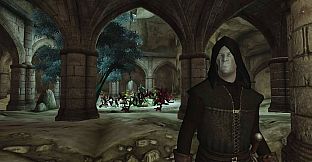
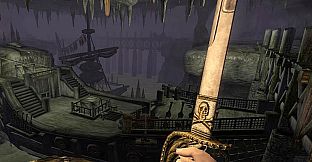
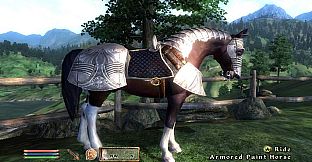
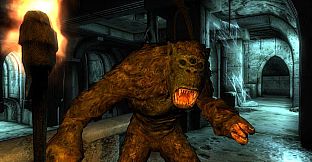
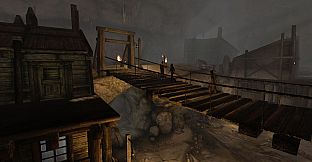
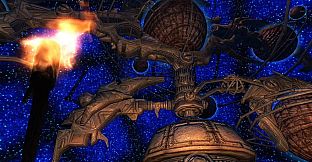
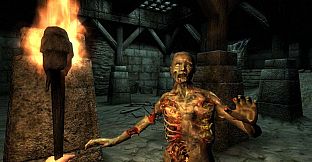
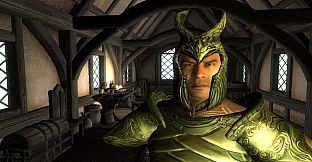
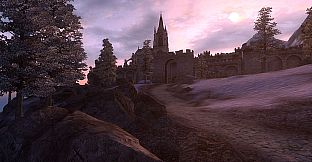
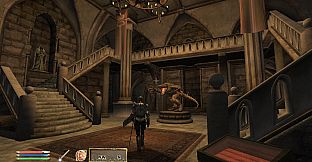
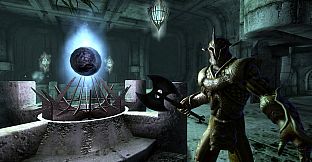

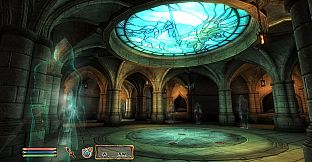
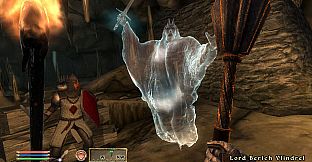
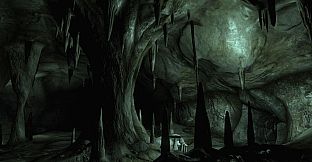
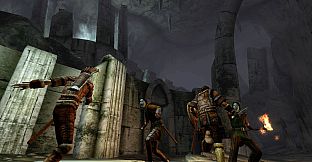
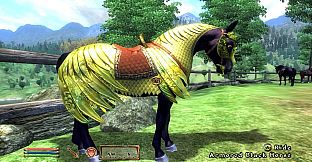
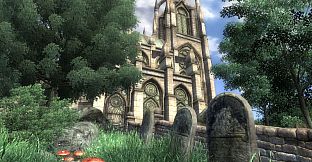
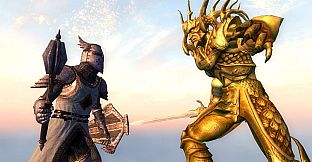
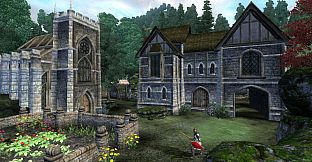
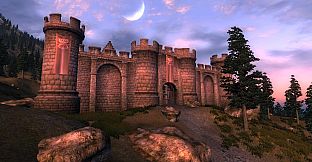
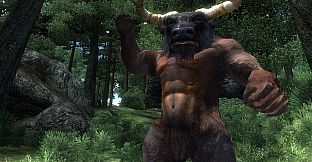
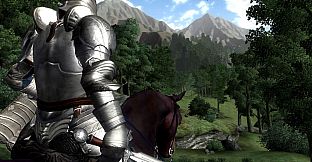
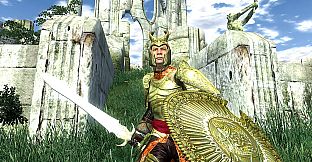
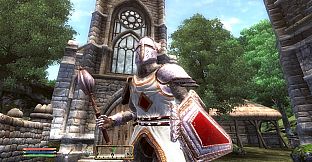
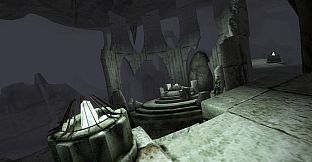
The Elder Scrolls IV: Oblivion Game of the Year Edition Deluxe stands as a landmark open-world RPG released in 2009 for PC, bundling the original 2006 game with major expansions and extra content. Set in the fantasy province of Cyrodiil, it tasks players with uncovering a hidden heir to prevent a demonic invasion, all while offering freedom to explore a vast landscape filled with quests and secrets.
Gameplay
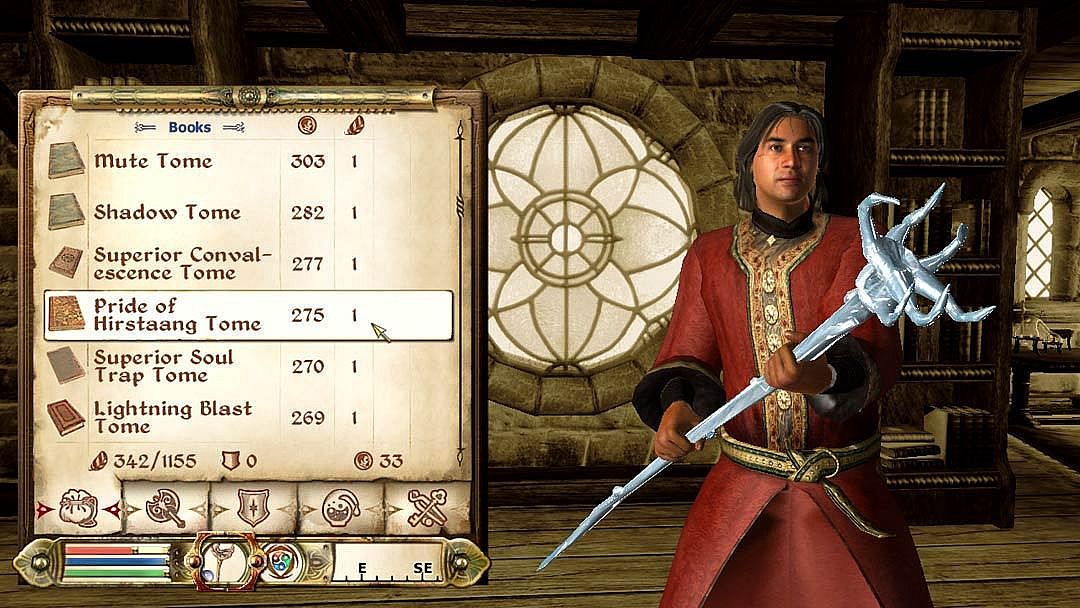
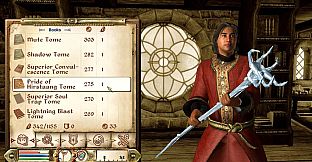
In this action role-playing game, combat blends melee weapons, bows, and magic spells in first-person or third-person views. Players build characters by selecting from 10 races, each with unique abilities, and focusing on 21 skills divided into combat, magic, and stealth categories. Skills improve through use, such as swinging a blade or casting spells, leading to level-ups that boost attributes like strength or intelligence. The Radiant AI system lets non-player characters follow daily schedules, making decisions based on needs like eating or sleeping, which adds realism to interactions.
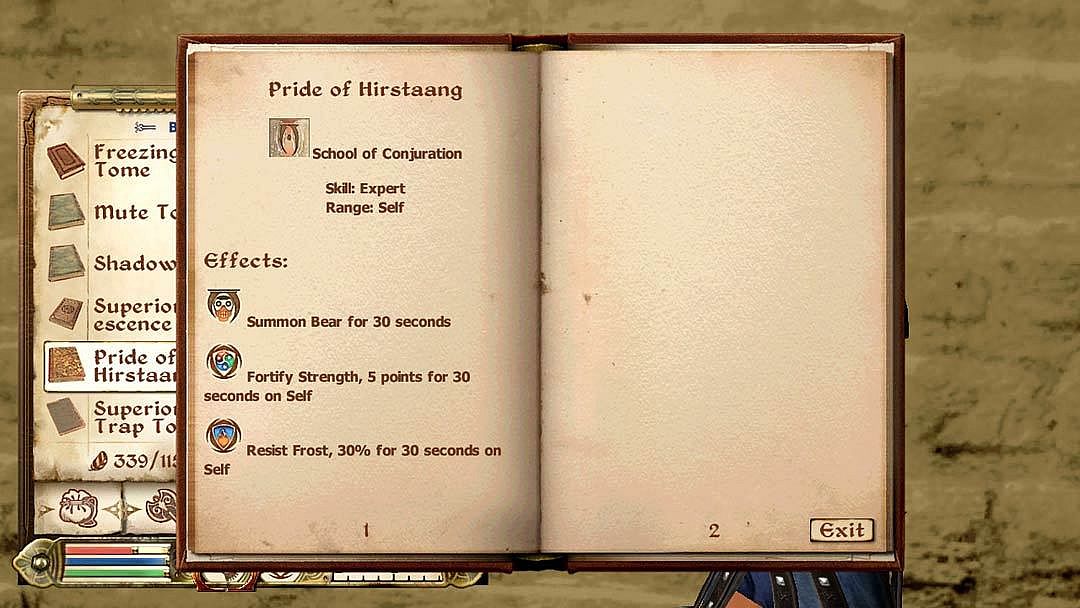
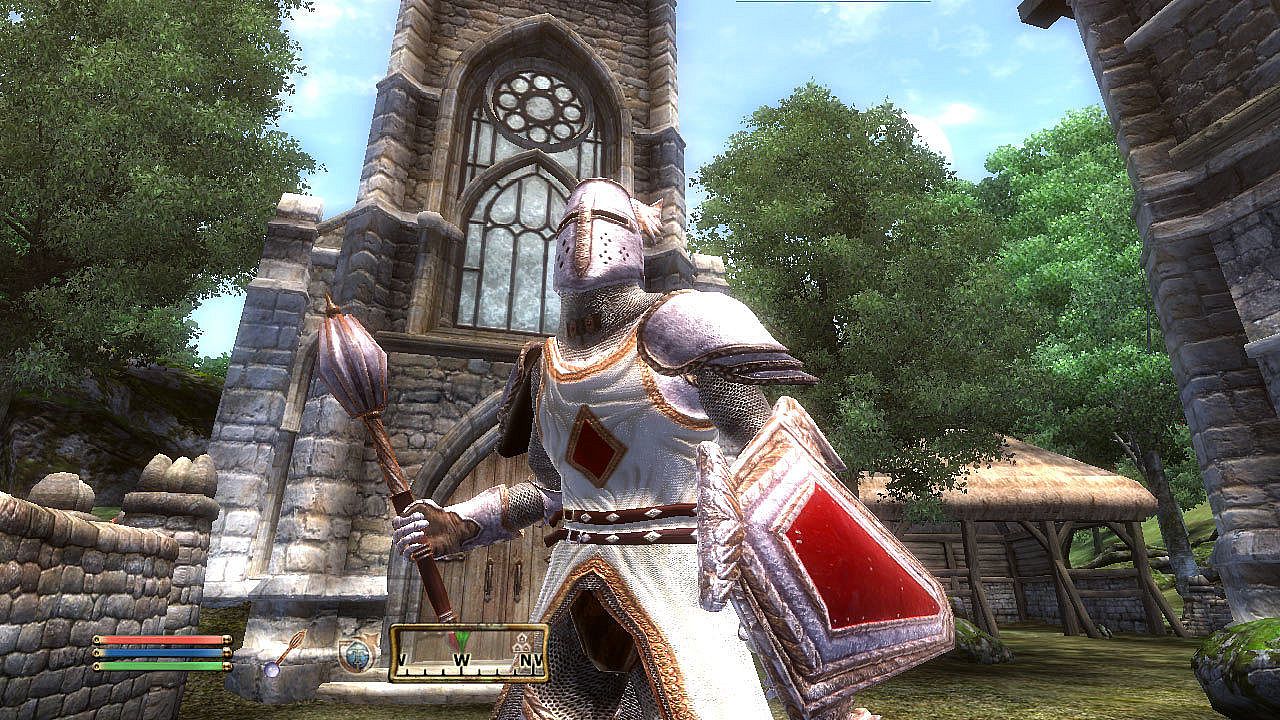
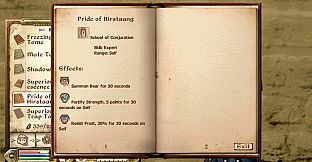
Exploration involves navigating a detailed world with dynamic weather and physics, where enemies and loot scale to the player's level. Magic users can summon creatures or alter environments, while stealth-focused characters pick locks or sneak for advantages. Health, magicka, and fatigue meters require management through potions, rest, or spells, and the adjustable difficulty slider affects enemy toughness and action success rates.
Game Modes
Oblivion operates as a single-player experience without traditional multiplayer components. The core mode revolves around the main questline, where players close Oblivion gates and battle the Mythic Dawn cult to thwart an invasion by Mehrunes Dagon. Side activities include joining guilds for structured quest chains, such as the Fighters Guild for combat missions or the Mages Guild for spell-related tasks.
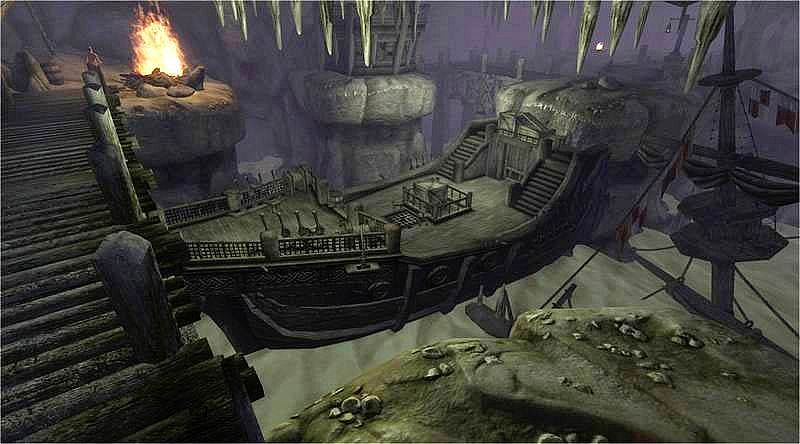
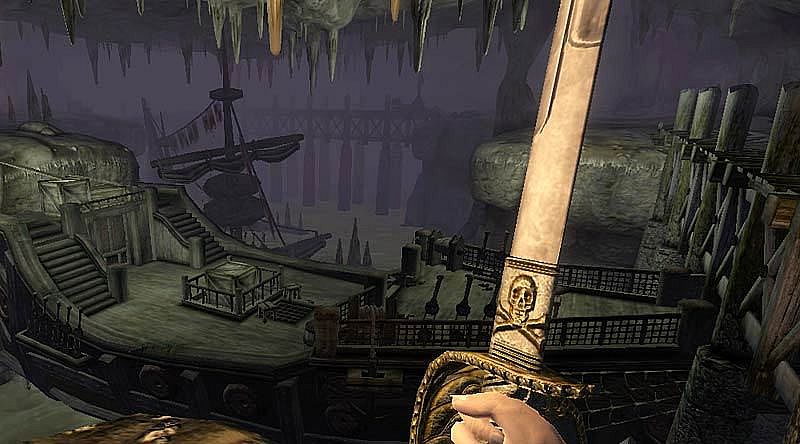
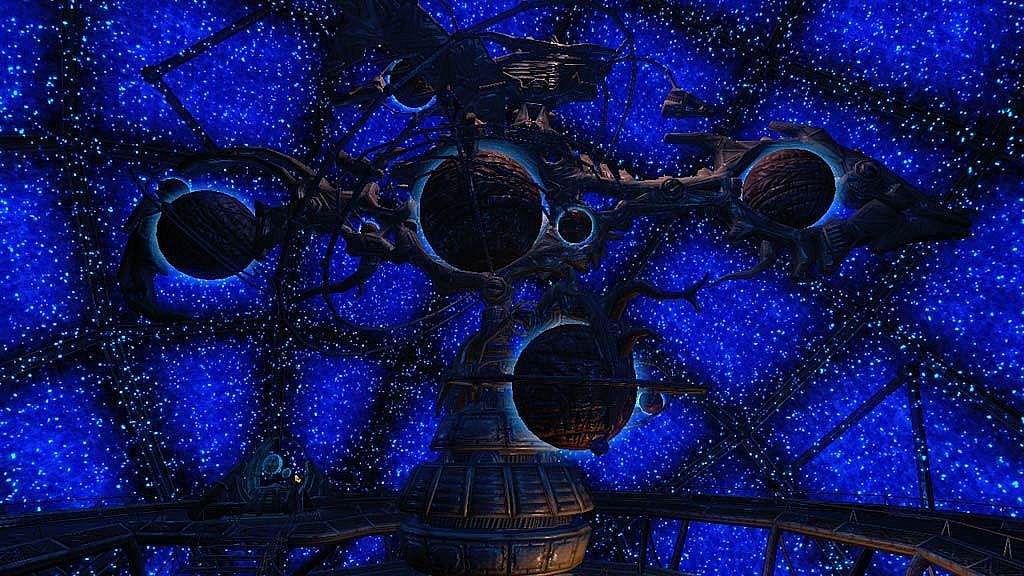
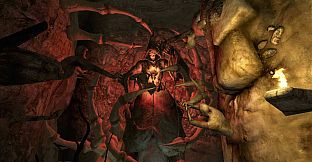
Freeform exploration allows indefinite postponement of the main story, with options to engage in arena battles, dungeon crawling, or random encounters. The Game of the Year Edition adds modes through expansions, like the Knights of the Nine questline for reclaiming crusader relics and the Shivering Isles for adventuring in a madness-themed realm divided into Mania and Dementia areas.
Expansions and Content
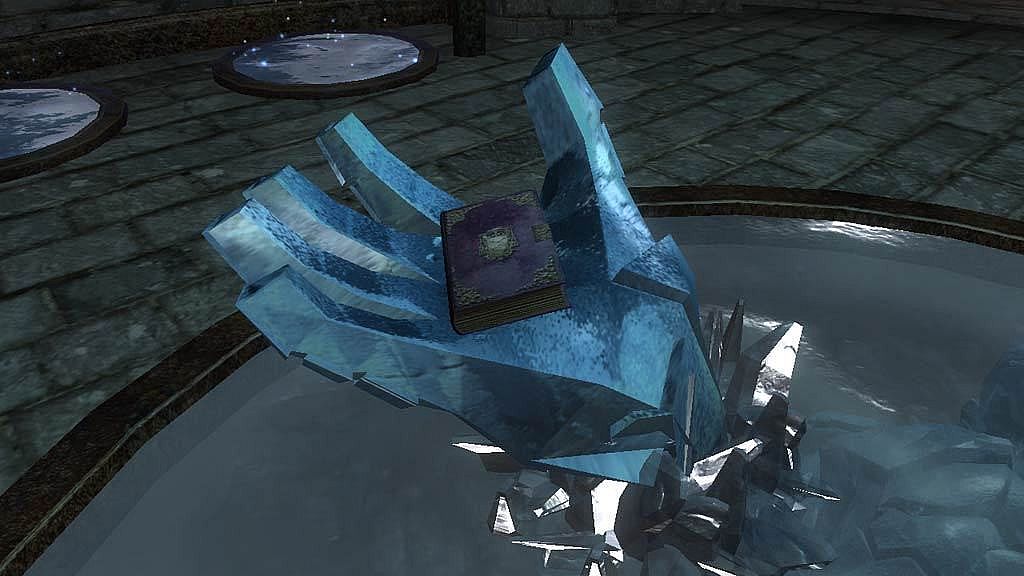
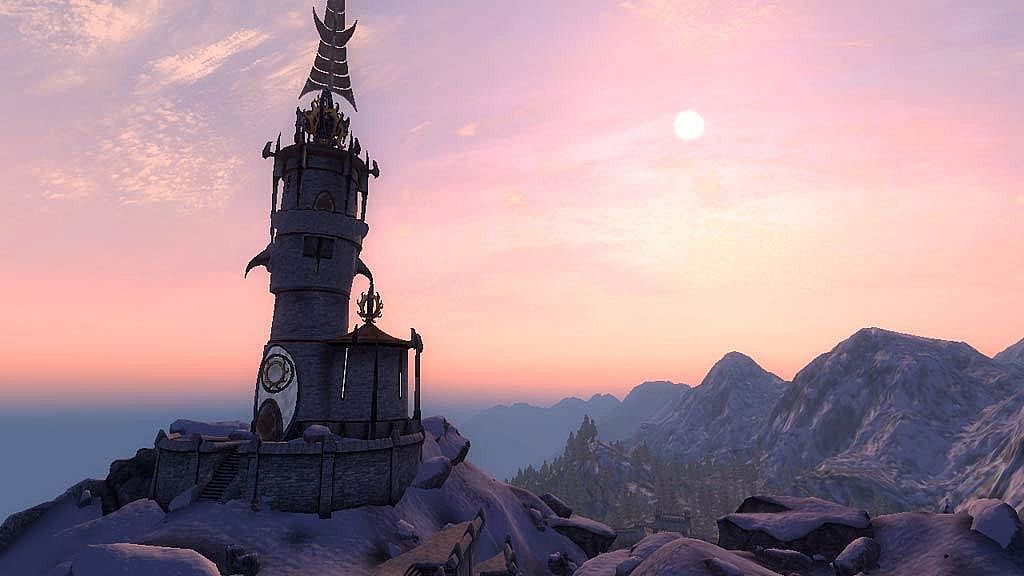
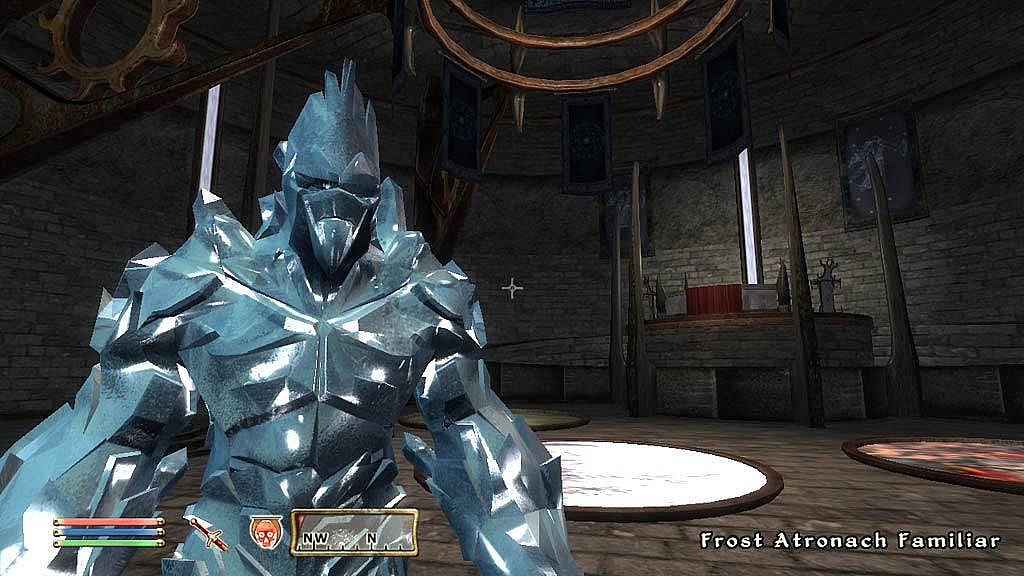
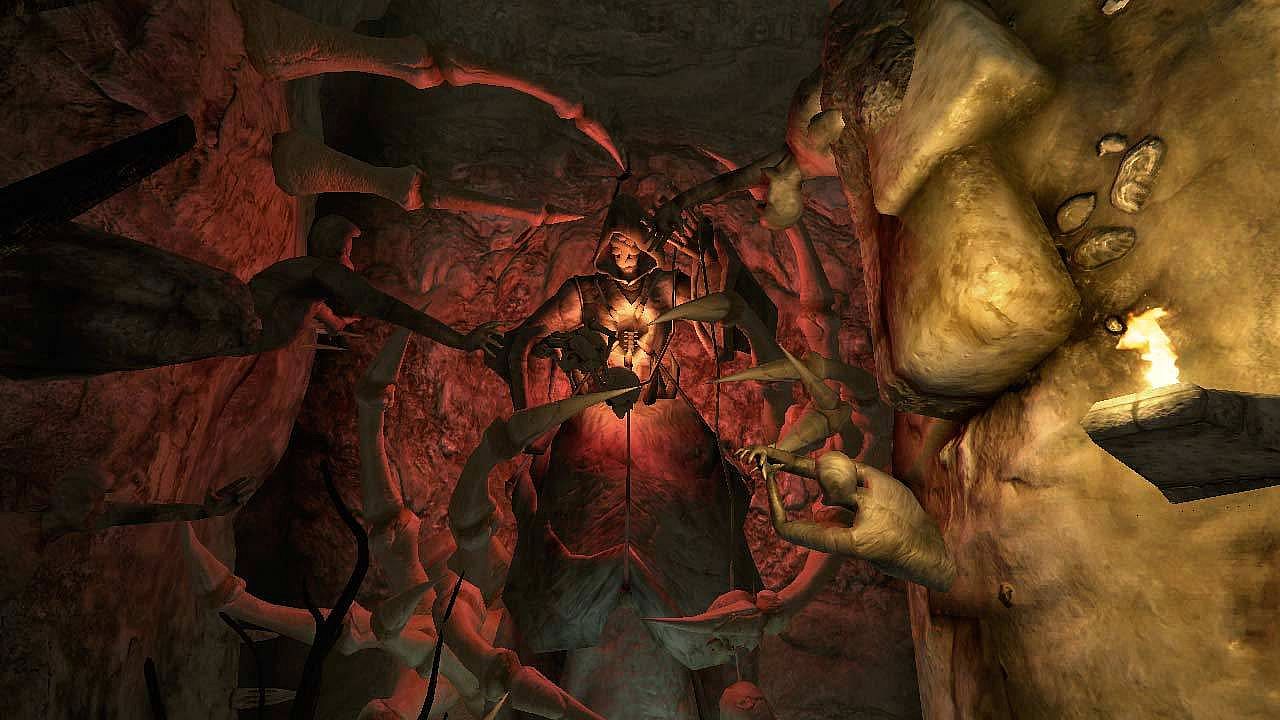
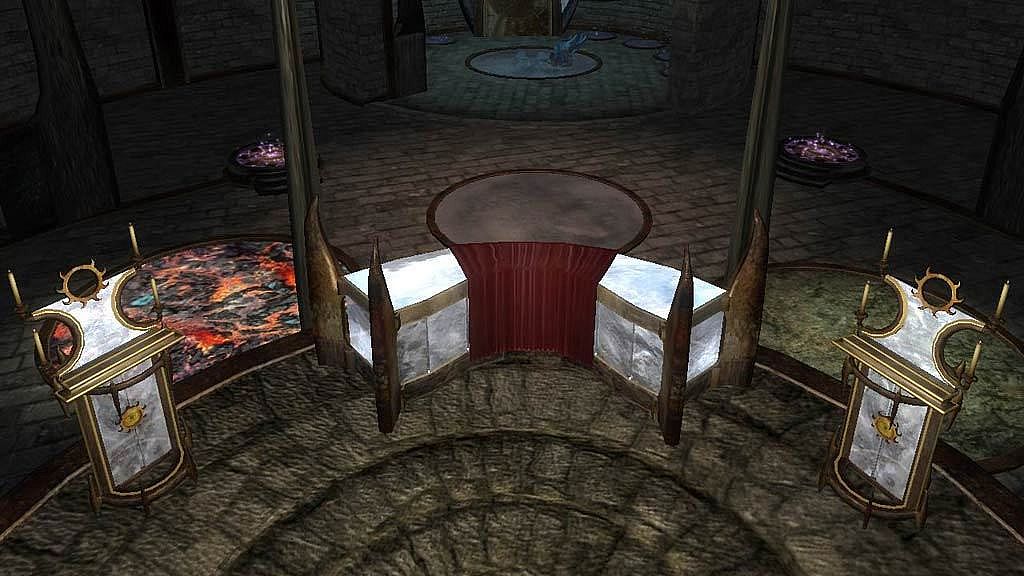
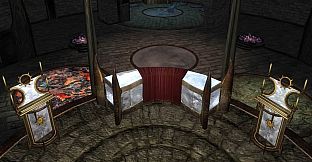
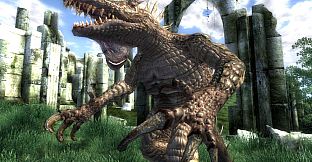
This deluxe edition includes the Shivering Isles expansion, introducing new lands under Sheogorath's rule with unique foes like Flesh Atronachs and Grummites. Knights of the Nine brings an epic quest to rebuild a disbanded order and defeat an ancient evil. Additional DLC packs offer specialized content, such as the Wizard's Tower for magic users, the Thieves Den for stealth characters, and Mehrunes Razor for challenging dungeon runs.
These additions expand the base game with new quests, items, and locations, enhancing replayability without altering core mechanics.
Is It Worth Playing?
With a Metacritic score of 94 out of 100 for the PC version and Steam user reviews at 95% positive from over 31,000 ratings, Oblivion maintains strong player reception even in 2026. Recent Steam feedback shows 91% positive in the last 30 days, praising its immersive world and quest depth despite dated graphics.
The game receives no ongoing updates or seasons, as development ended years ago, but it remains fully playable on modern PCs. It suits fans of open-world RPGs who enjoy character customization and nonlinear storytelling, though those seeking polished modern visuals might prefer newer titles. If you value freedom in a fantasy setting, it holds up well for both newcomers and returning players.