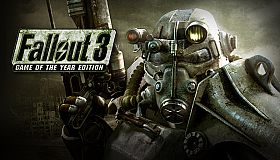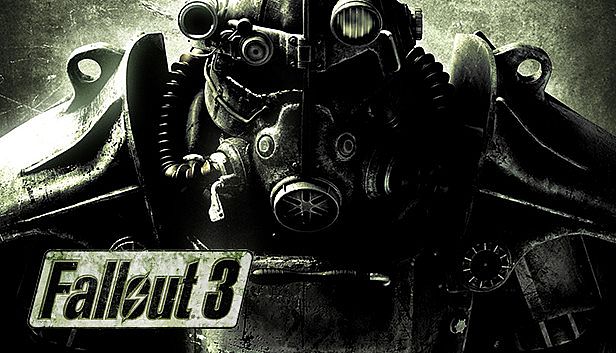




















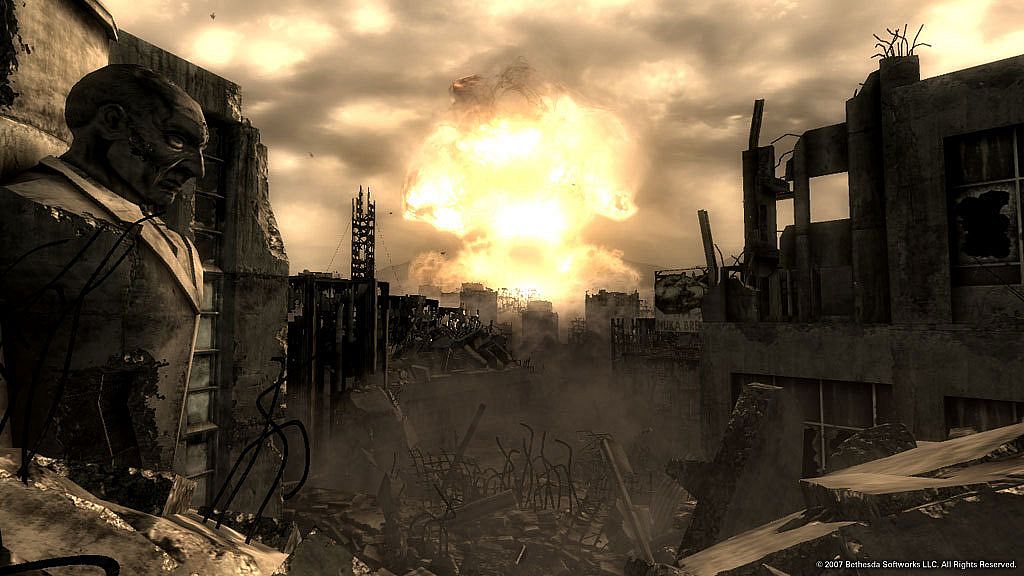

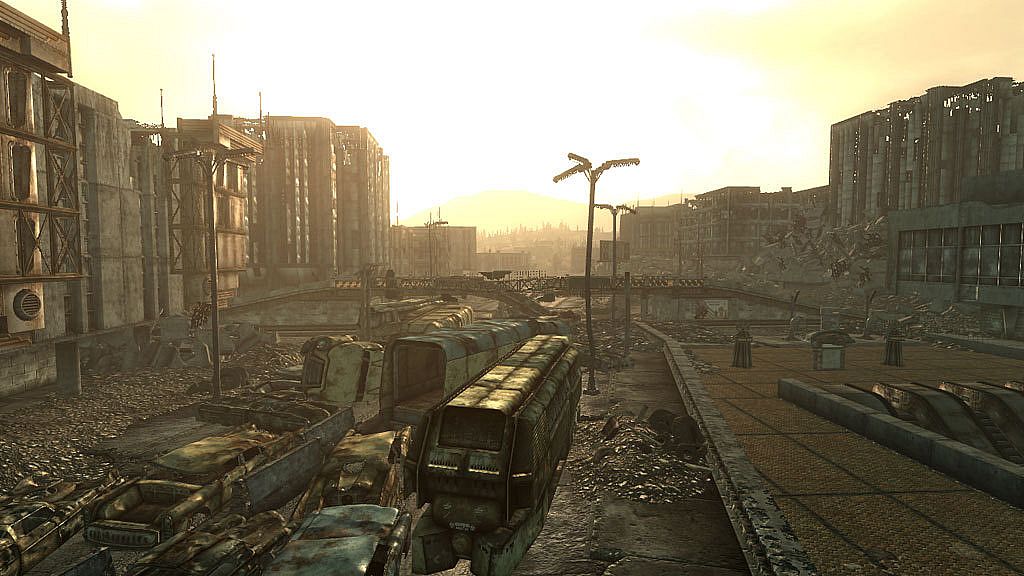

Fallout 3 is a single-player role-playing game that places players in the ruins of Washington D.C. after a nuclear war. The experience centers on survival, exploration, and shaping a personal story through decisions that affect the surrounding wasteland and its inhabitants.
Gameplay
The core loop revolves around venturing into the Capital Wasteland to scavenge resources, complete objectives, and manage radiation exposure through a dedicated meter. Character development uses the S.P.E.C.I.A.L. system, which distributes points across seven attributes to define strengths in areas such as strength, perception, and intelligence. Dozens of skills and perks build on this foundation, each altering combat effectiveness, dialogue options, or environmental interactions in distinct ways.
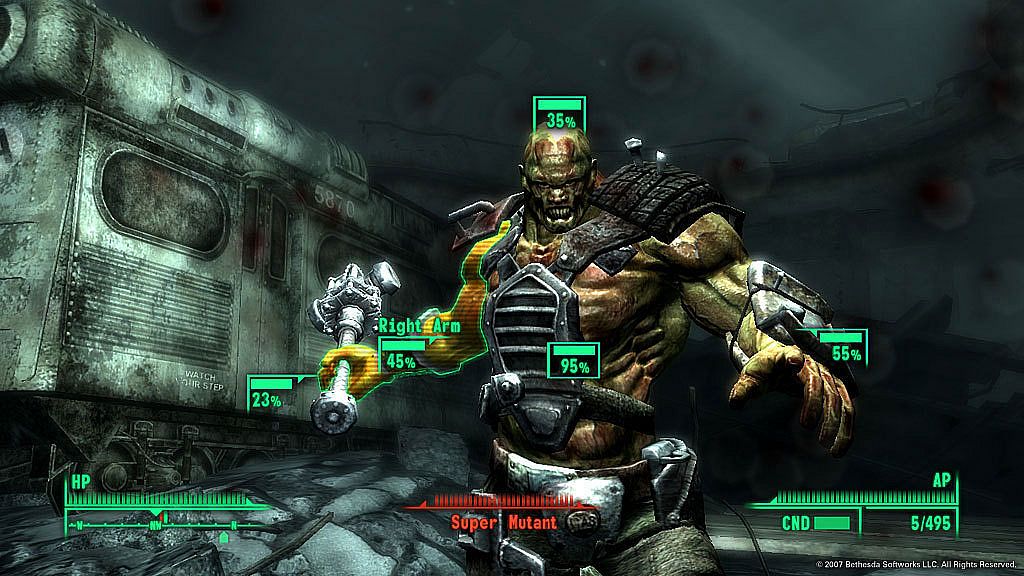
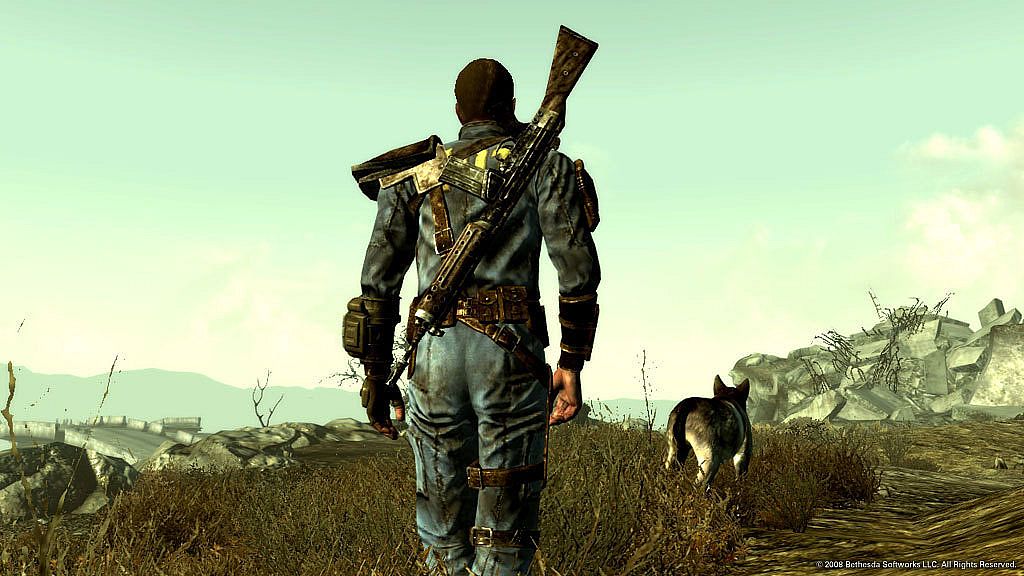
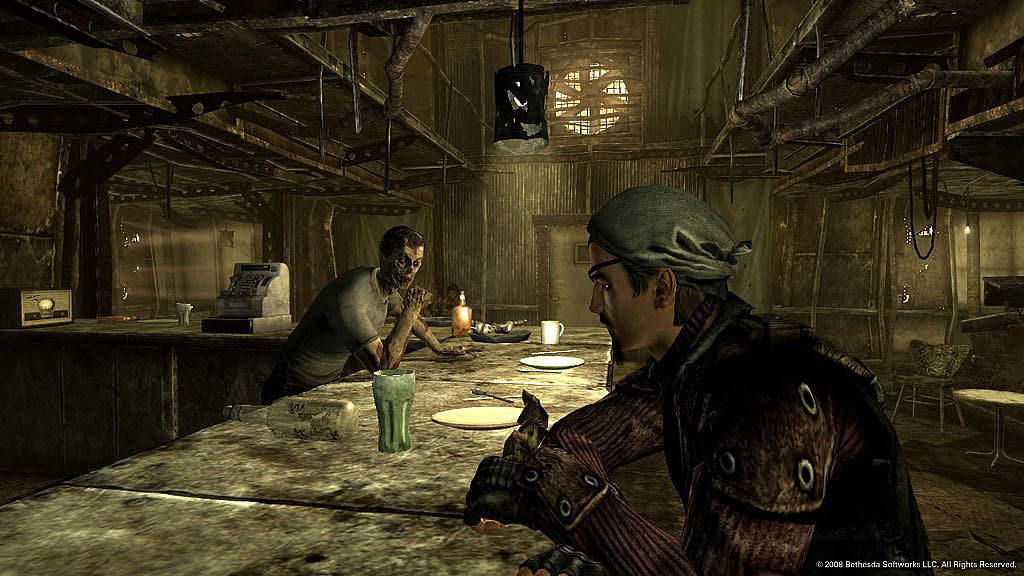
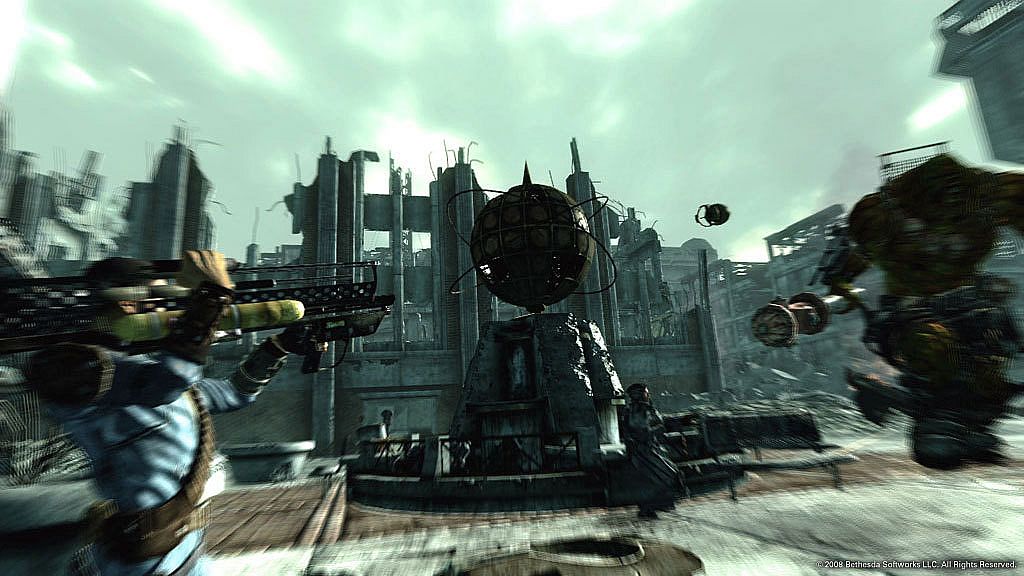
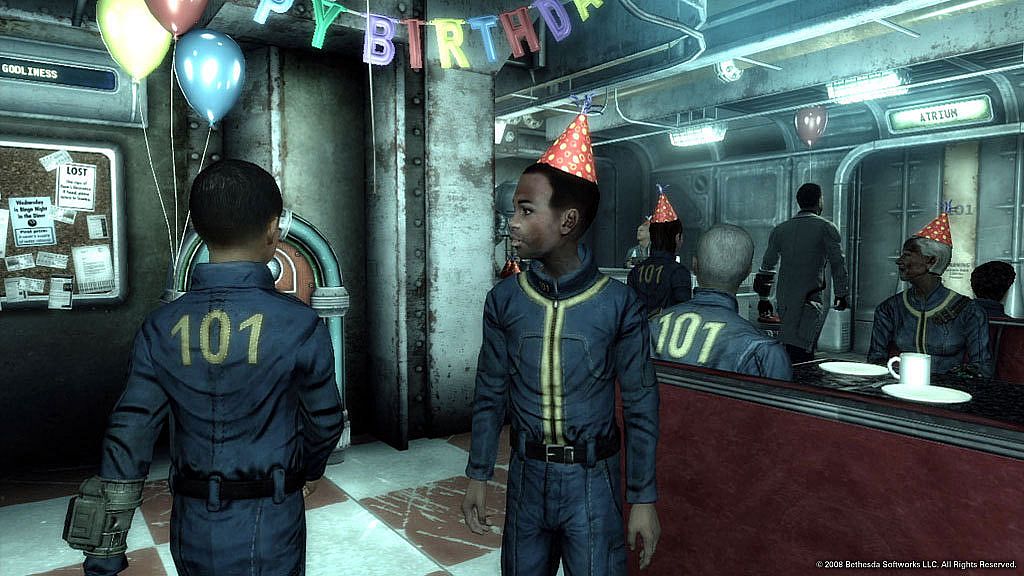
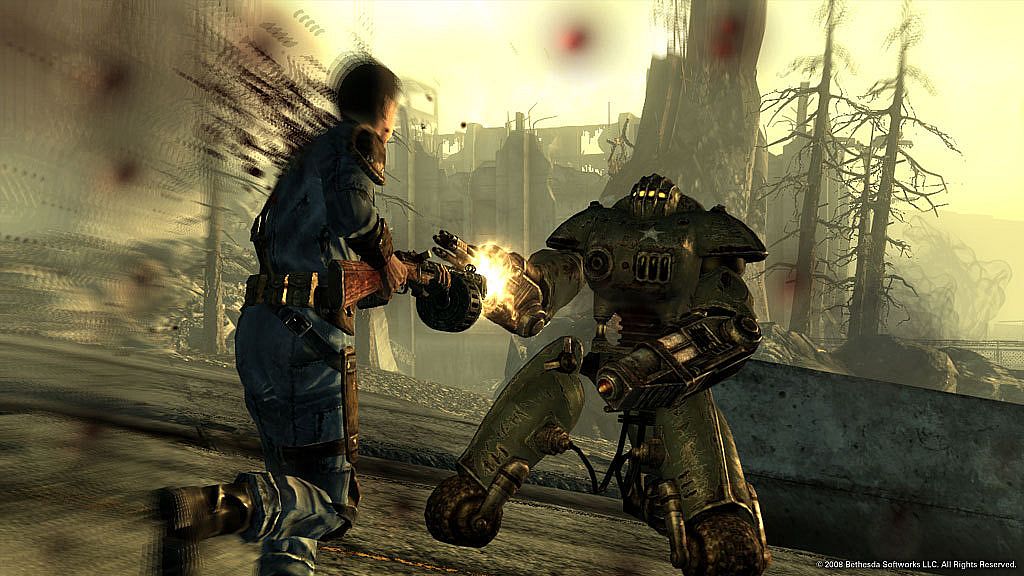
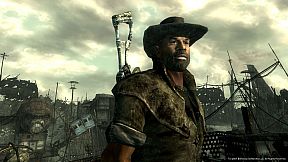
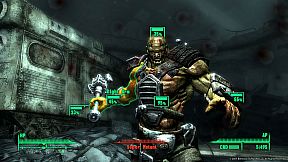
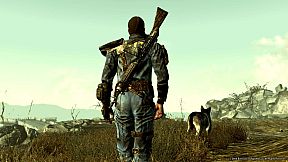
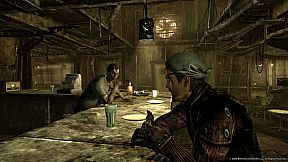
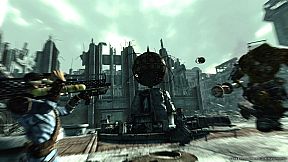
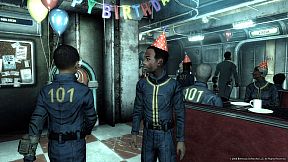
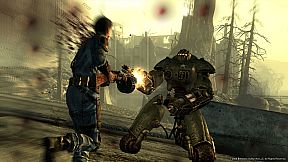
Combat incorporates the Vault-Tec Assisted Targeting System, known as V.A.T.S., which pauses action to allow selection of specific body parts on enemies before queuing shots. This mechanic shifts encounters toward tactical planning rather than pure reflexes. Players switch freely between first-person and third-person views to suit different situations, from precise shooting to broader navigation. Artificial intelligence governs non-player characters with varied facial expressions, gestures, and responses that reflect individual behaviors and relationships.
Game Modes
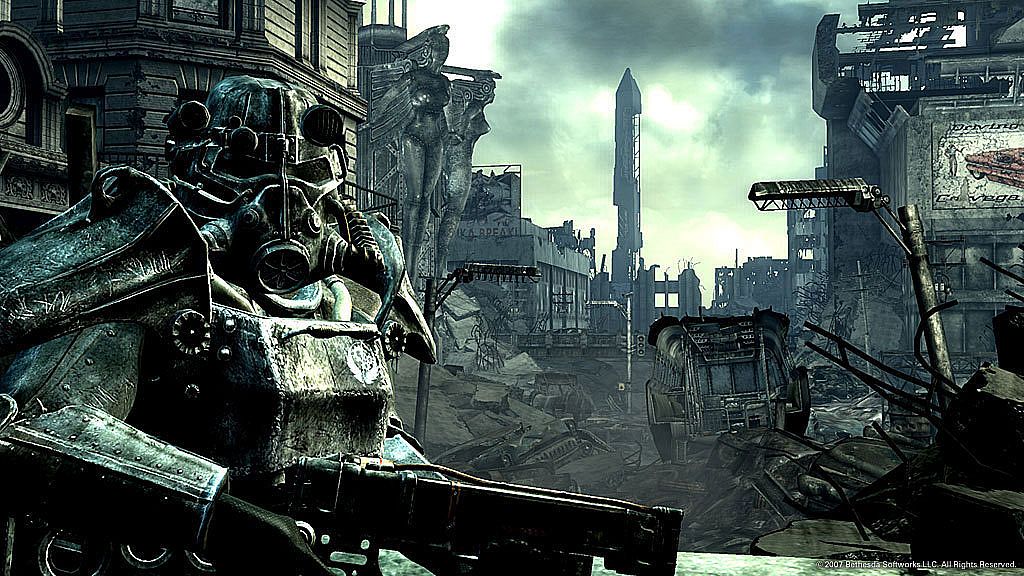
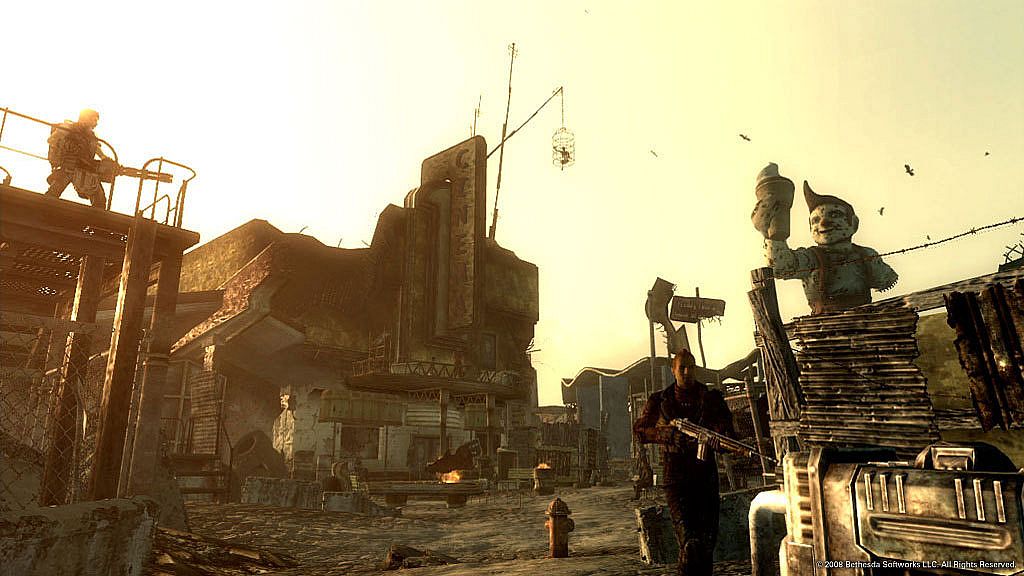
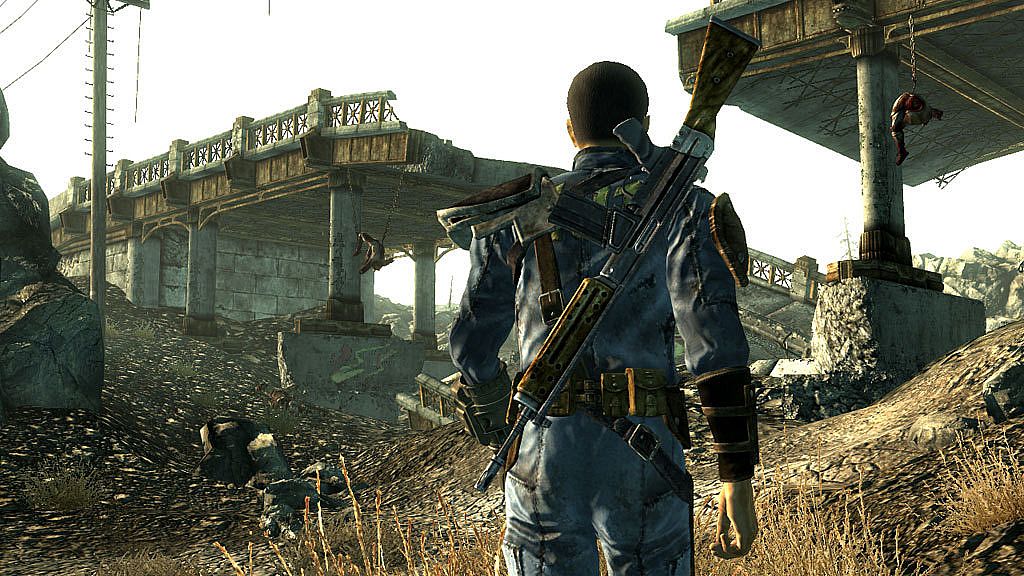
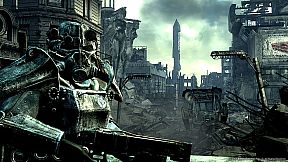
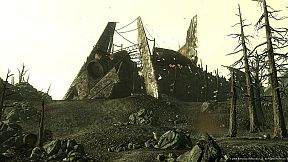
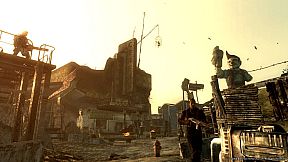
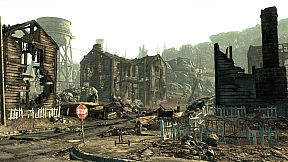
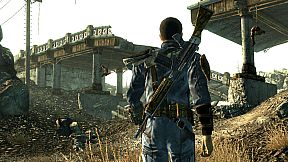
Fallout 3 operates entirely as a single-player title with no official multiplayer components. The primary experience unfolds through an open campaign that encourages repeated playthroughs by supporting multiple paths through the same situations. Players decide whether to resolve conflicts through conversation, stealth, or direct confrontation, and these choices influence outcomes for quests and the broader world state. Exploration forms a central activity, with the wasteland presenting ruins, tunnels, and monuments as backdrops for discovery and resource gathering.
Character Progression and Choices
Progression ties directly to the S.P.E.C.I.A.L. framework and the perk system, allowing customization that rewards different play styles. A villainous approach might emphasize combat perks and aggressive dialogue trees, while a more neutral or helpful path unlocks skills focused on repair, medicine, or persuasion. The game tracks these decisions without forcing alignment to extremes, enabling players to adapt tactics moment to moment. Radiation management adds a persistent survival layer, as exposure from the environment or certain areas requires careful planning around supplies and shelter.
Visuals and Atmosphere
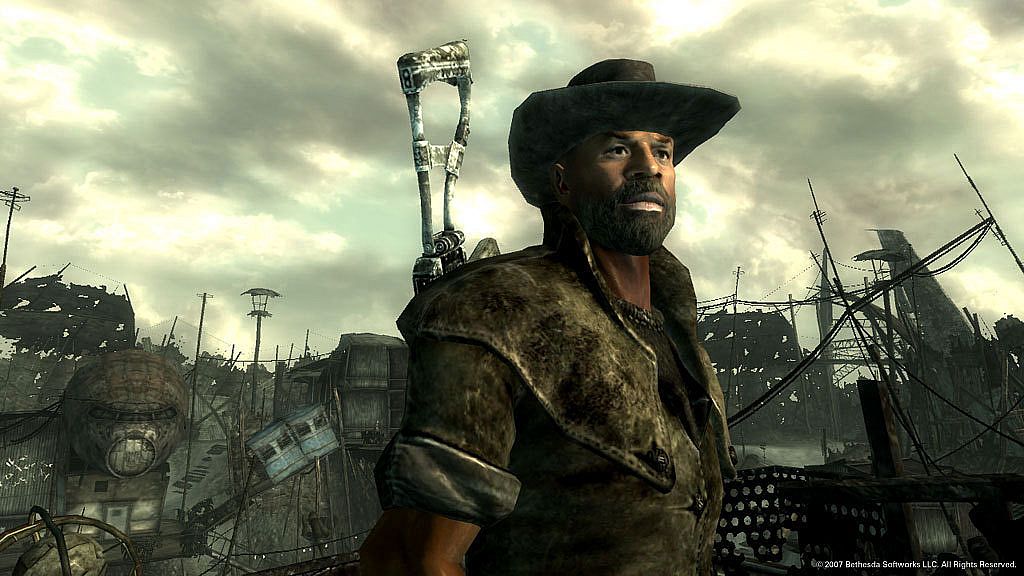
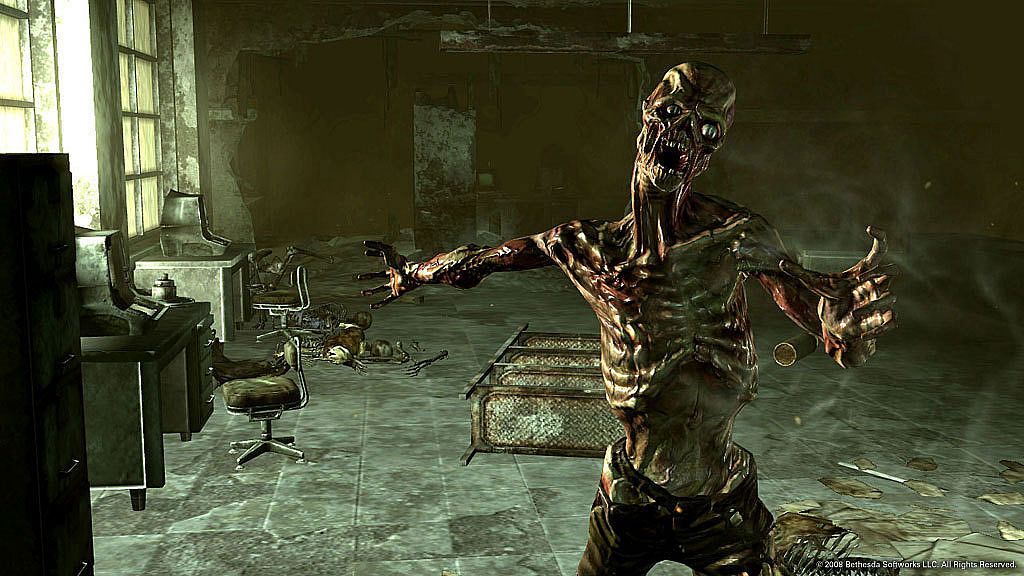
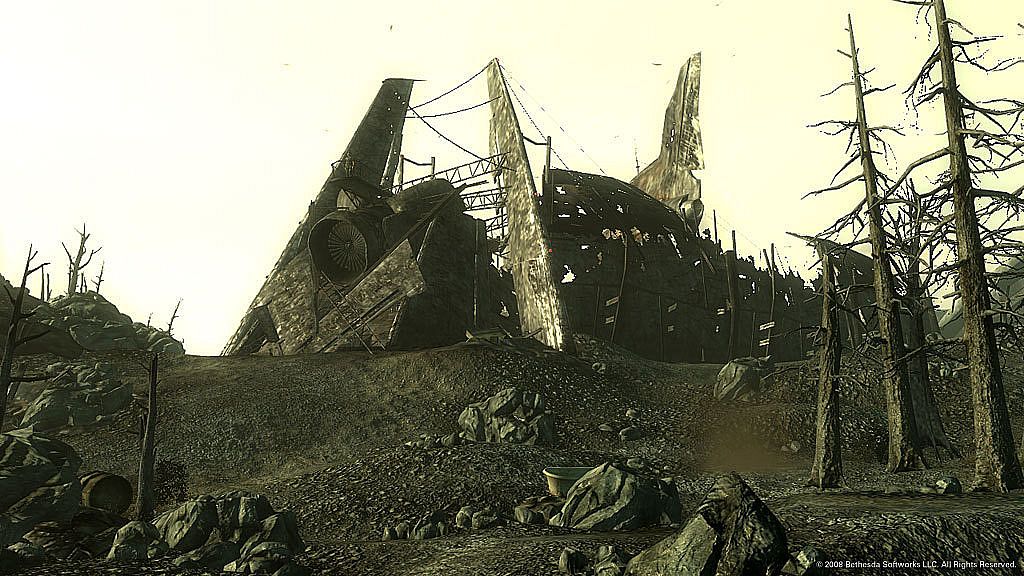
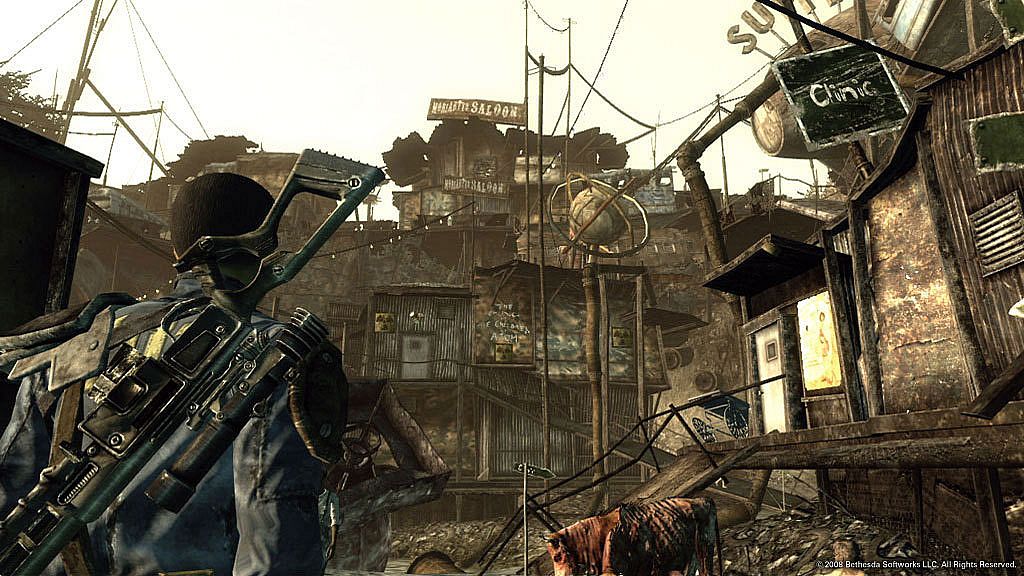
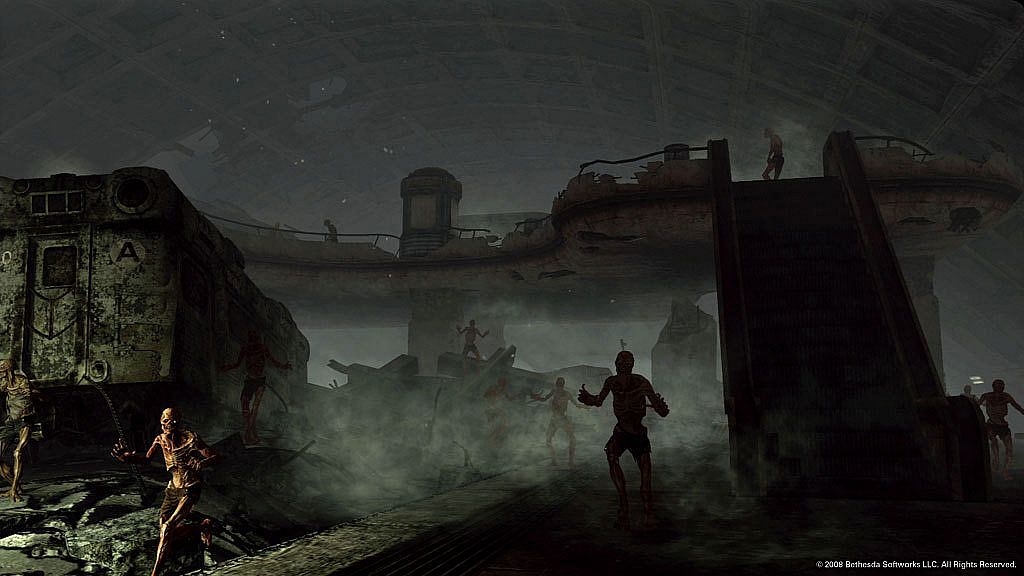
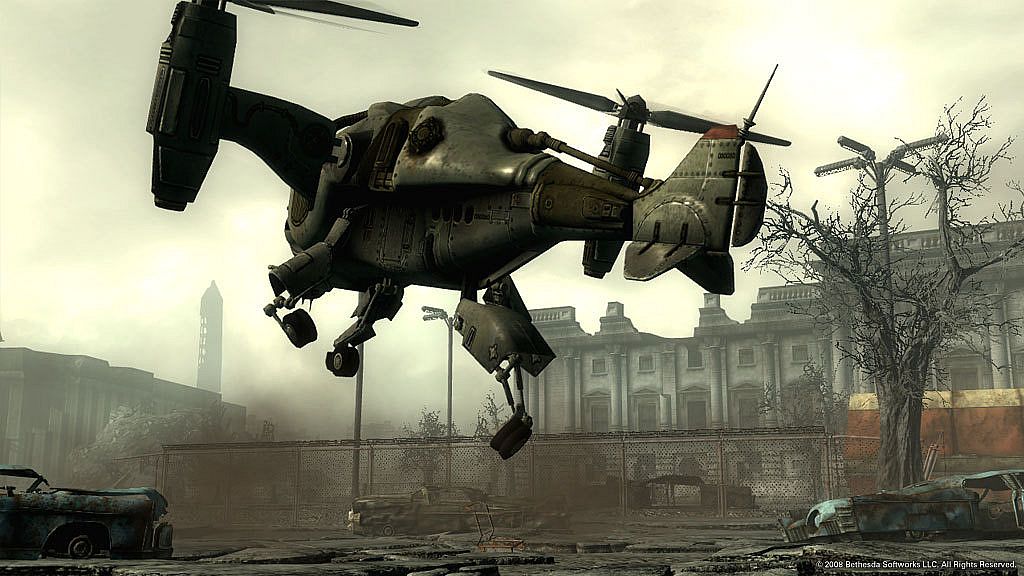
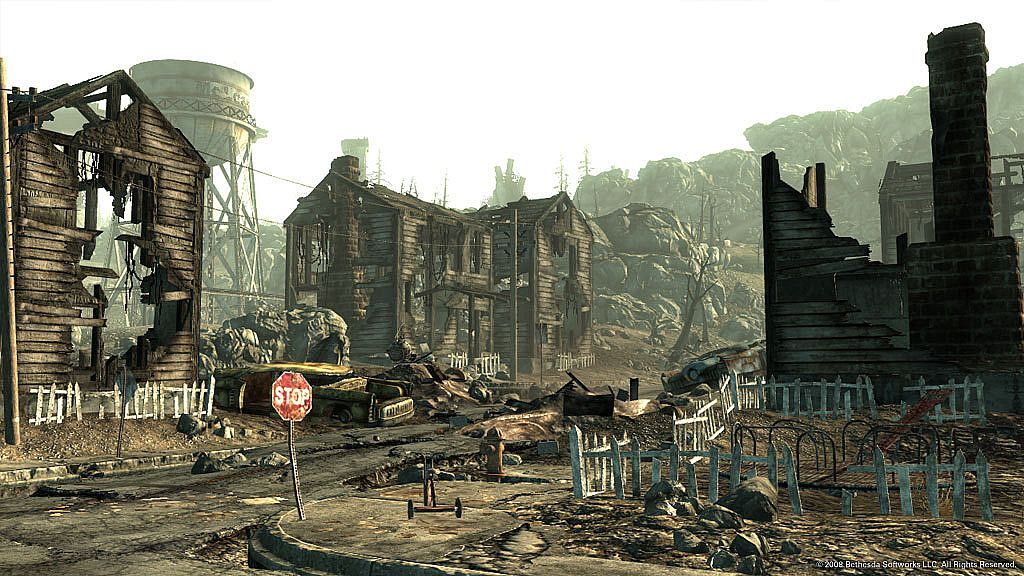
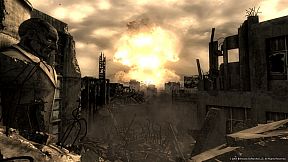
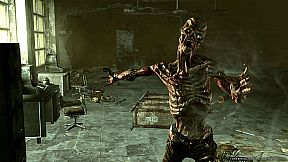
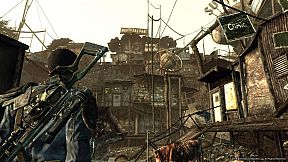
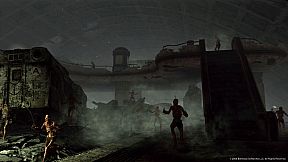
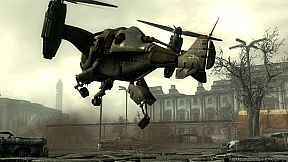
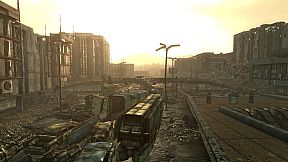
The presentation renders the post-nuclear setting with detailed environments that range from open barren landscapes to confined metro tunnels and office interiors. Character models display varied expressions and animations that support the reactive AI behaviors. The overall style emphasizes the harsh conditions of the wasteland, including mutated creatures and structural decay, while supporting both close-up and distant perspectives during movement and combat.
Is It Worth Playing?
Fallout 3 received a Metacritic score of 91 out of 100 on PC at launch and earned multiple Game of the Year awards for its open-ended structure and character system. It remains available on PC with ongoing community interest and occasional patches that address compatibility. The title suits players who enjoy single-player RPGs built around exploration, meaningful choices, and a mix of shooting and role-playing mechanics. Those seeking modern multiplayer features or frequent content updates will find the experience unchanged since its original release, while fans of narrative-driven wasteland survival continue to return for its atmosphere and replay value through different character builds.