






















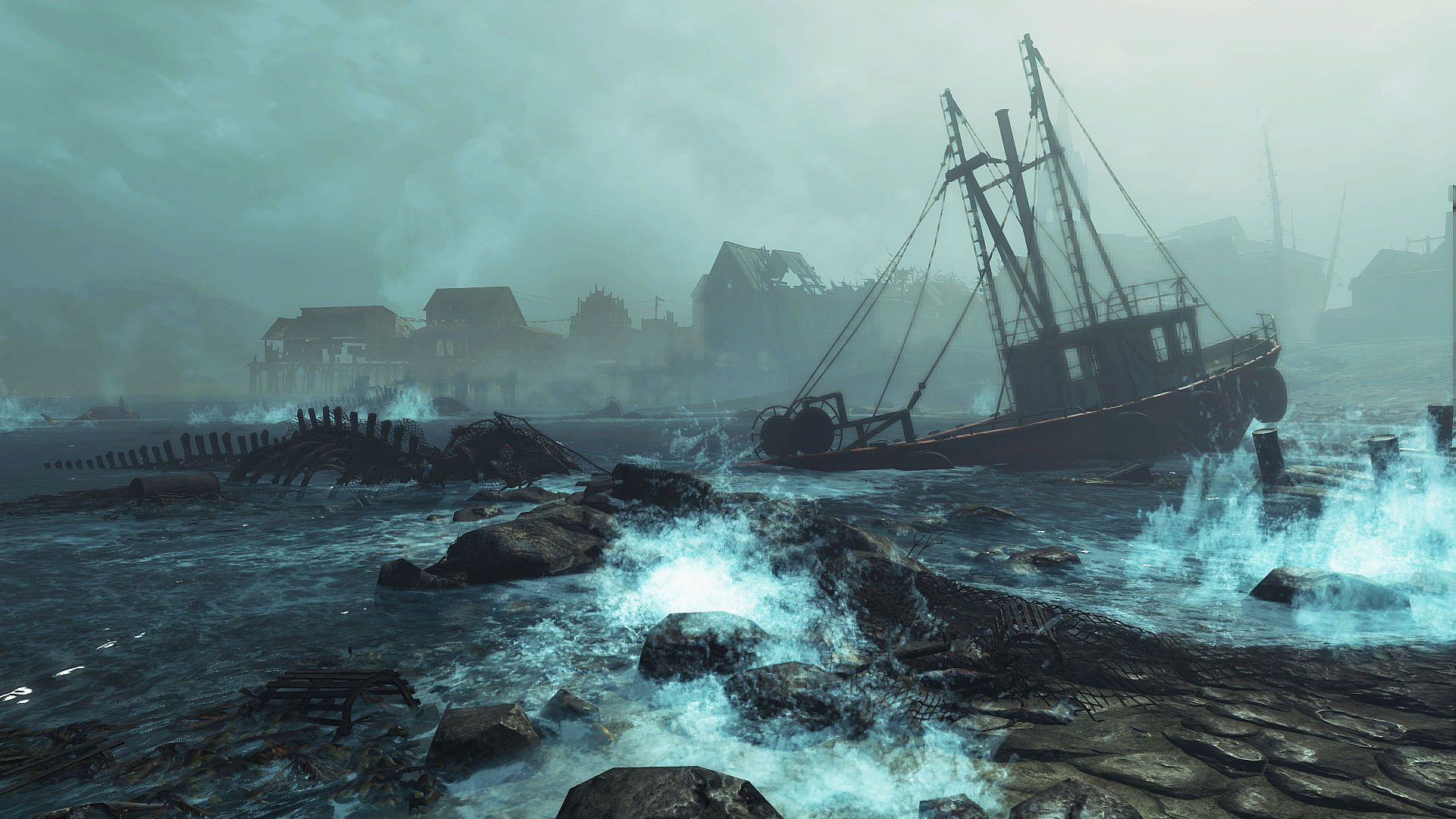
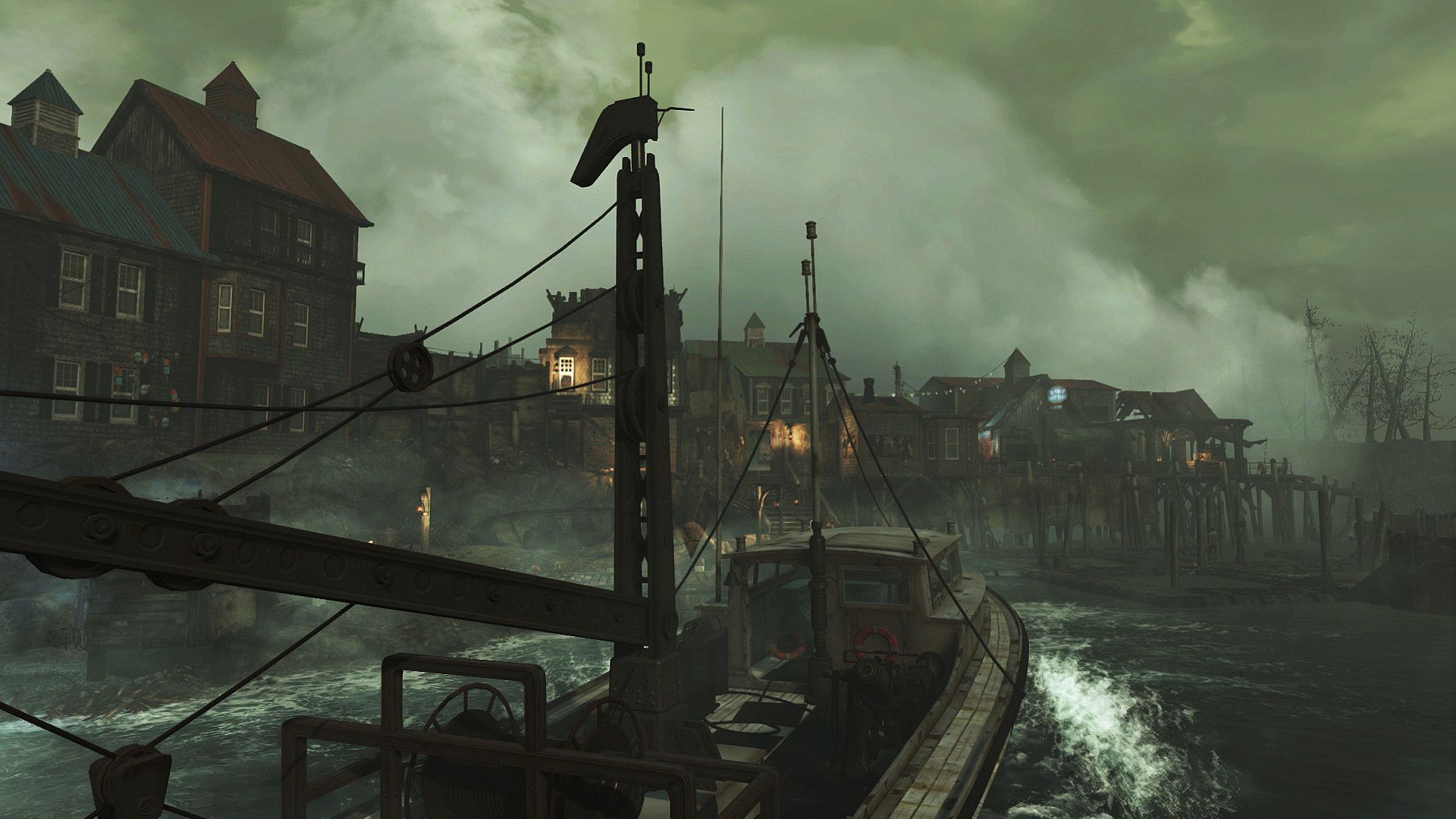
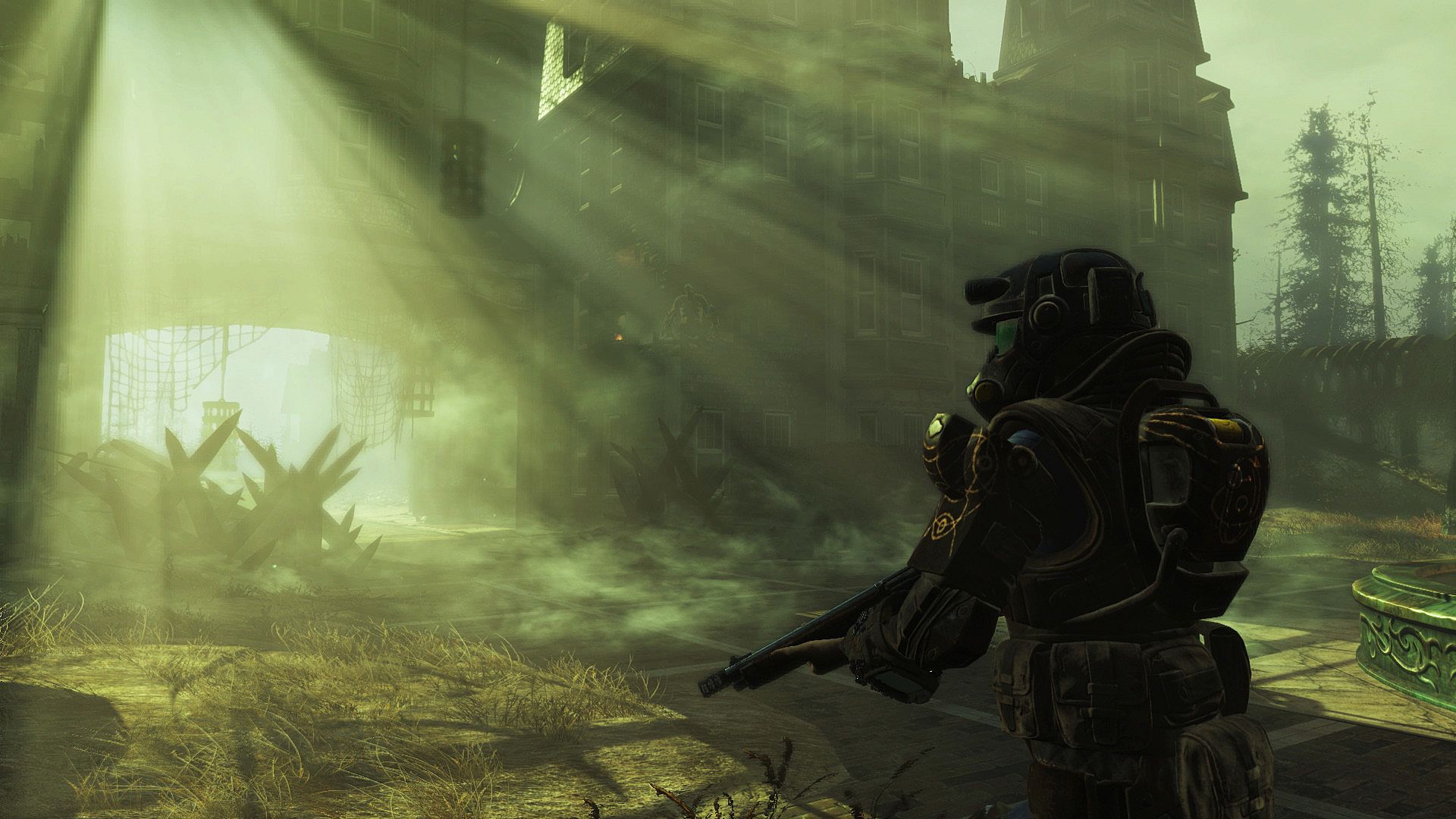
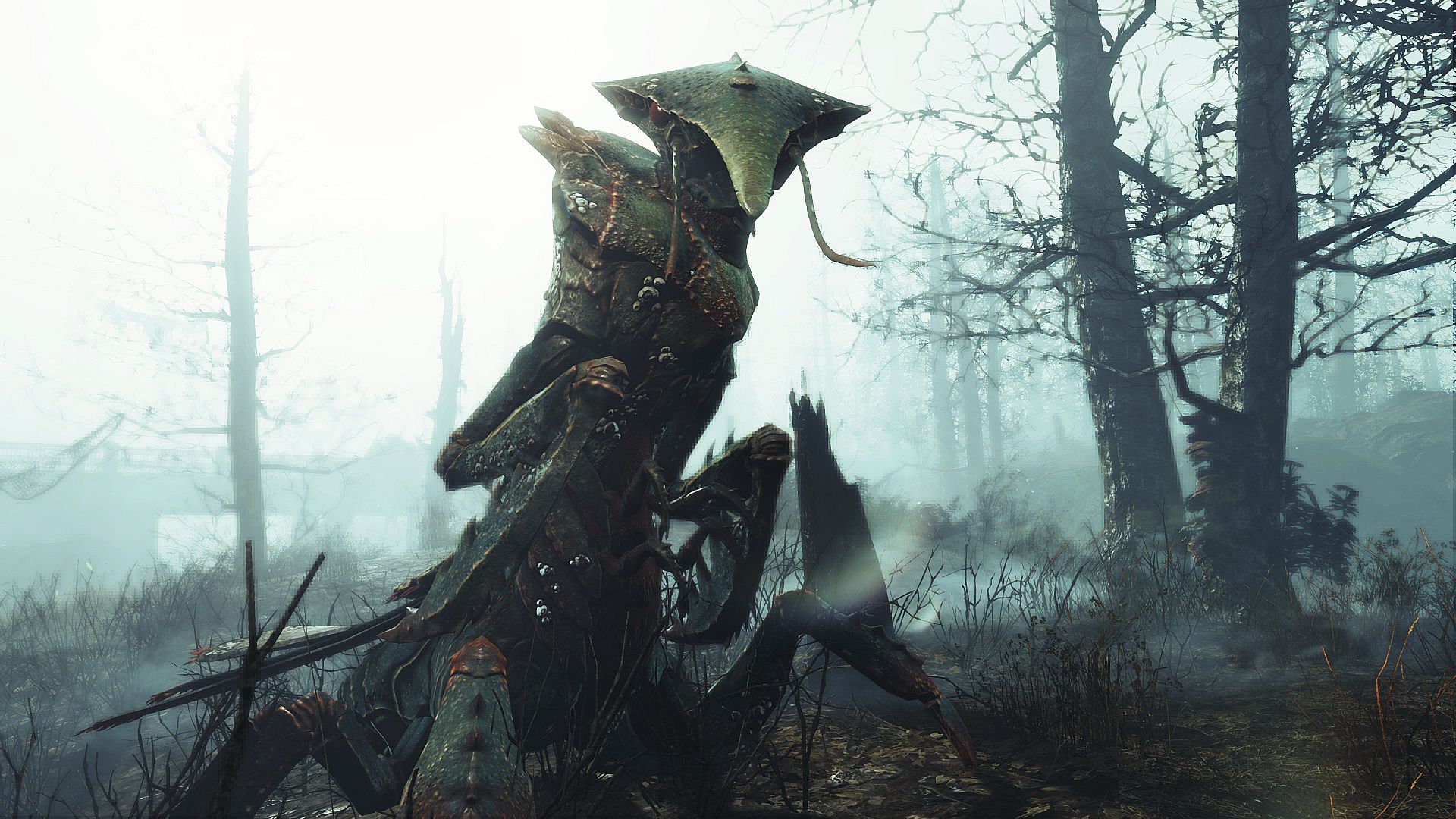
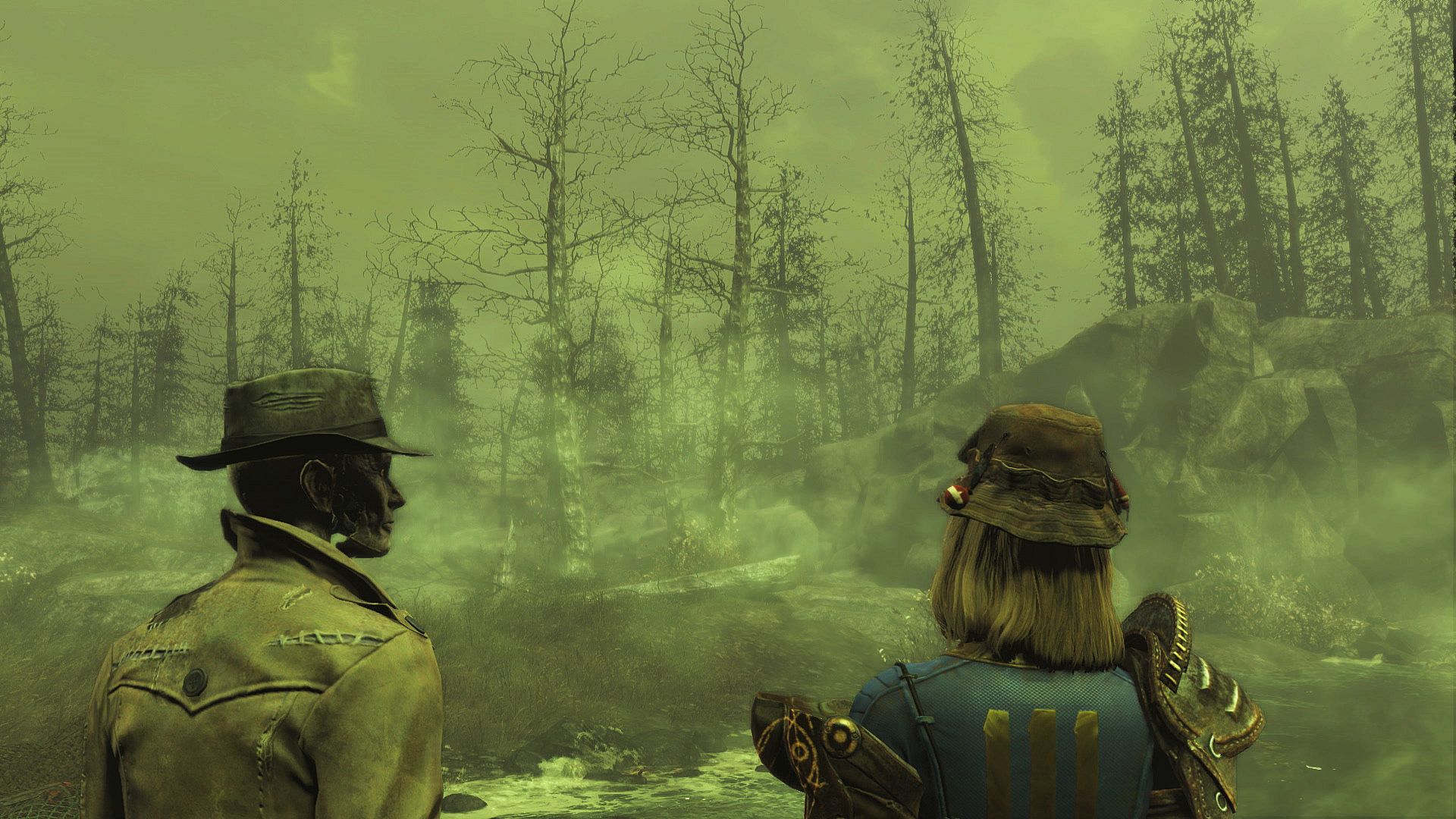
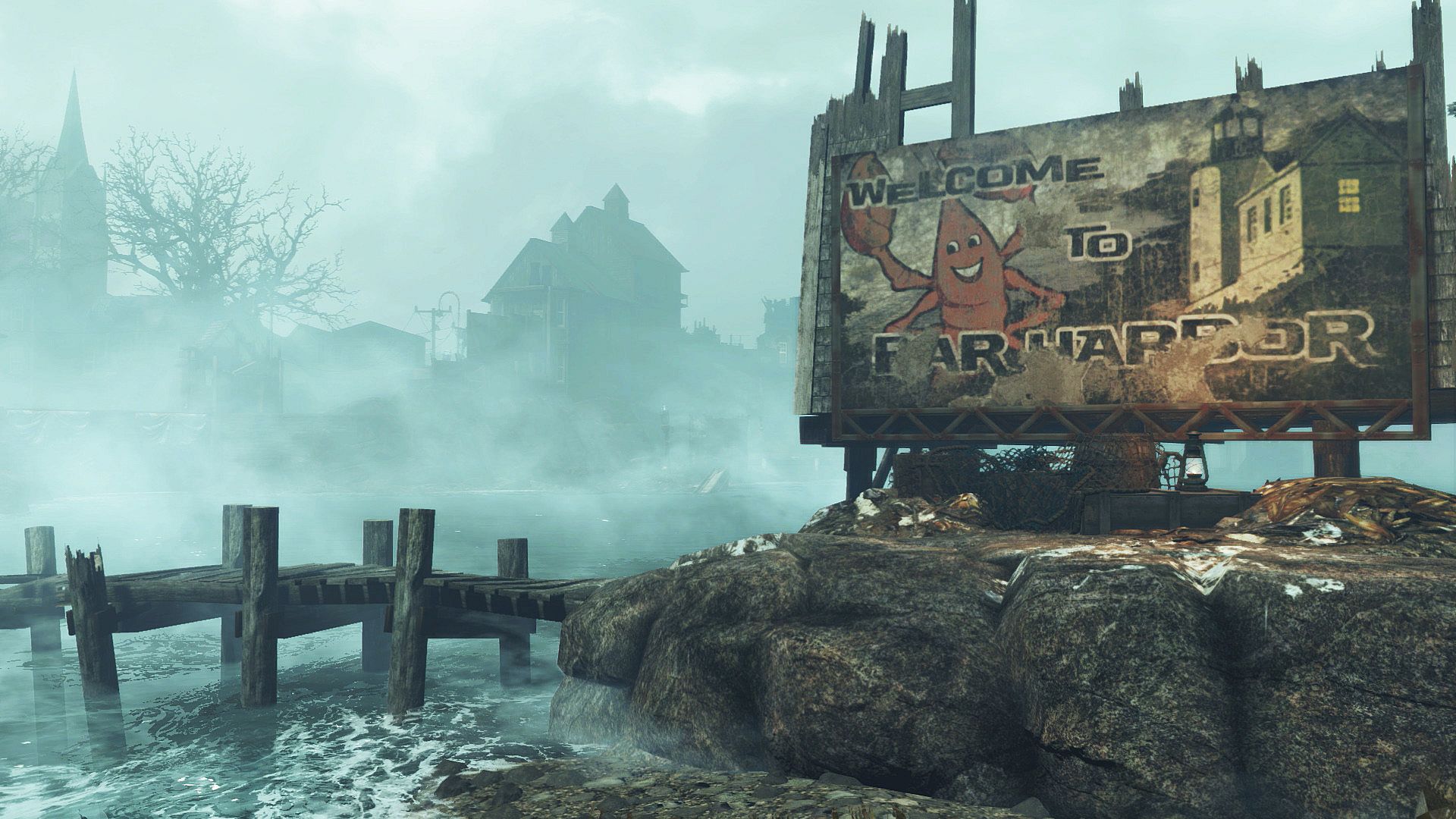
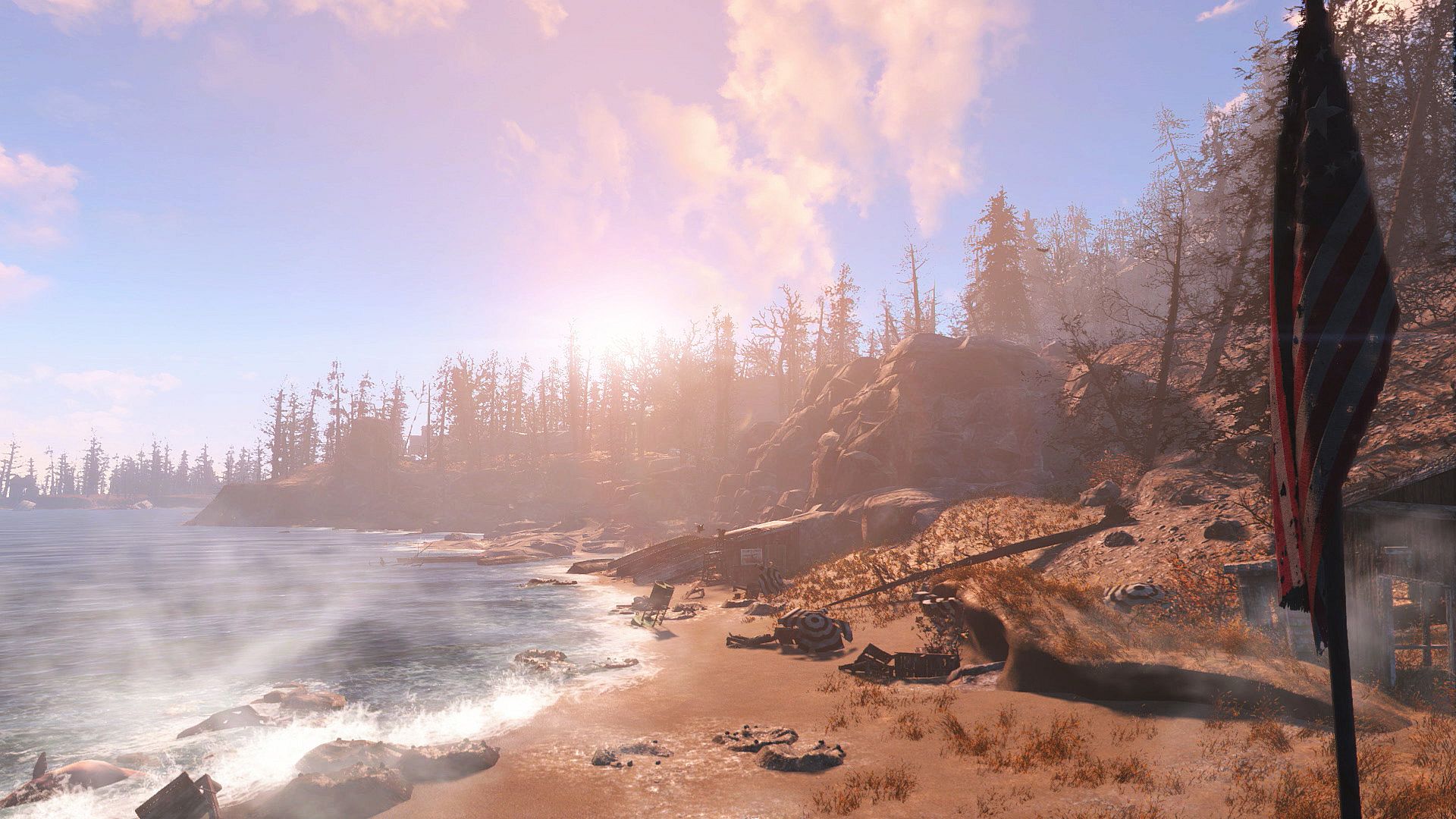

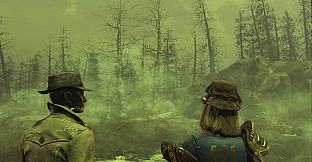
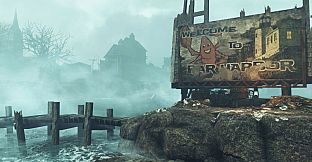
Fallout 4 Far Harbor is a single-player RPG expansion set in the post-apocalyptic world of Fallout 4. Players travel to an island off the coast of Maine where elevated radiation levels have produced a harsher environment filled with aggressive wildlife and new threats. The story begins with a case from Valentine's Detective Agency that leads to the search for a missing woman and the discovery of a hidden synth settlement. Decisions made during the main questline determine outcomes for multiple groups on the island, with consequences that can range from negotiated peace to outright conflict.
Gameplay
The core loop combines first-person exploration, turn-based targeting combat through the V.A.T.S. system, and dialogue-driven quests. Players navigate dense fog, radioactive zones, and ruined structures while managing resources and inventory through the Pip-Boy interface. Combat incorporates new enemy types adapted to the island's conditions, and higher-level weapons and armor provide meaningful upgrades for characters progressing beyond the base game's level range. Settlement building returns with opportunities to establish outposts that support local populations and provide strategic advantages during faction-related events.
Quest design emphasizes investigation and moral choices. Several story segments incorporate environmental puzzles that require precise aiming at laser targets or rearranging blocks to redirect energy beams. One extended sequence places the player inside a virtual simulation where settlement construction tools are repurposed for defensive setups against digital threats. These sections integrate directly with the settlement mechanics already present in the base game, rewarding careful planning over brute force.
Game Modes
Far Harbor operates entirely as a single-player experience with no multiplayer components. The primary structure revolves around a linear main quest that branches based on alliances formed with the island's inhabitants. Side content includes optional investigations, retrieval missions, and settlement management tasks that run parallel to the central narrative. Exploration functions as an open-ended activity, allowing players to uncover hidden locations, collect unique gear, and engage with lethal creatures at their own pace. Faction quests form distinct narrative paths that can be pursued independently or in combination, leading to different endings for the island's conflicts.
Factions and Conflicts
Three primary groups shape the island's tensions. The Harbormen represent the local townspeople struggling to survive in the harsh conditions. The Children of Atom follow a religious devotion to radiation and occupy a submerged vessel. Acadia serves as a refuge for synths seeking independence from external control. Players interact with representatives from each group through dedicated quest chains that reveal backstories and force choices about loyalty, intervention, or neutrality. Optional ties to organizations from the base game, such as the Brotherhood of Steel, can influence certain encounters but remain secondary to the island-specific story.
Exploration and New Content
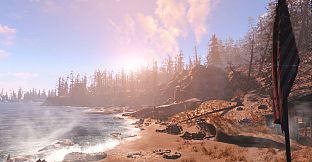
The expansion introduces the largest contiguous land area of any Fallout 4 add-on, featuring varied terrain from foggy coastlines to inland ruins. New dungeons emphasize vertical navigation and environmental hazards tied to radiation. Additional armor sets and weapons scale for higher-level play, while a new companion joins the roster with distinct dialogue and combat style. Settlement sites allow players to expand infrastructure and attract residents, tying directly into the faction resolution options. These elements expand the base game's systems without requiring completion of the main Fallout 4 storyline first, though higher character levels improve the experience.
Is It Worth Playing?
Far Harbor stands out for its self-contained story, atmospheric setting, and emphasis on player-driven outcomes among the island factions. The expansion delivers substantial new quests, explorable space, and mechanical additions that integrate cleanly with existing Fallout 4 systems. Player feedback consistently highlights the quality of the writing, the tension of the central conflict, and the satisfaction of resolving the situation through investigation rather than constant combat. It remains available as part of the Fallout 4 package and continues to receive compatibility support through general game updates. Those who enjoy choice-heavy RPG narratives, settlement building, and methodical exploration will find the content rewarding, particularly when approached at mid-to-high character levels. The expansion suits players seeking a focused side story rather than a complete overhaul of the base experience.