























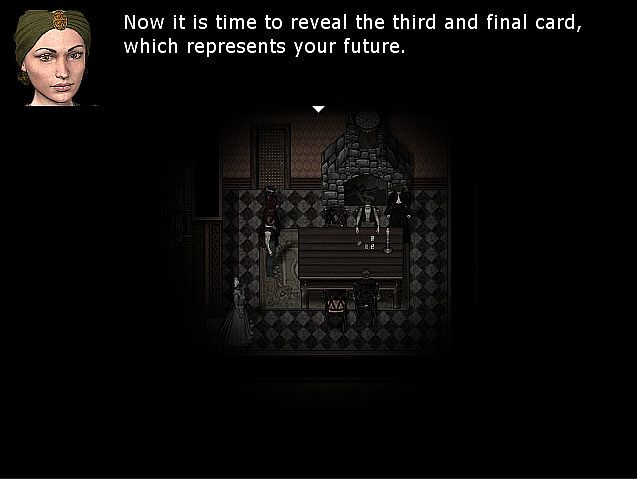

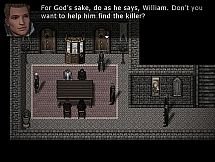
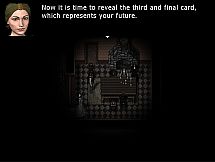
The Deed: Dynasty is an indie RPG adventure game for PC centered on a singleplayer experience of committing murder and then manipulating conversations, evidence, and suspicions to avoid punishment. Players step into the shoes of a Bruce family member across three separate historical scenarios, each requiring precise decisions to frame another character while steering clear of conviction.
Gameplay
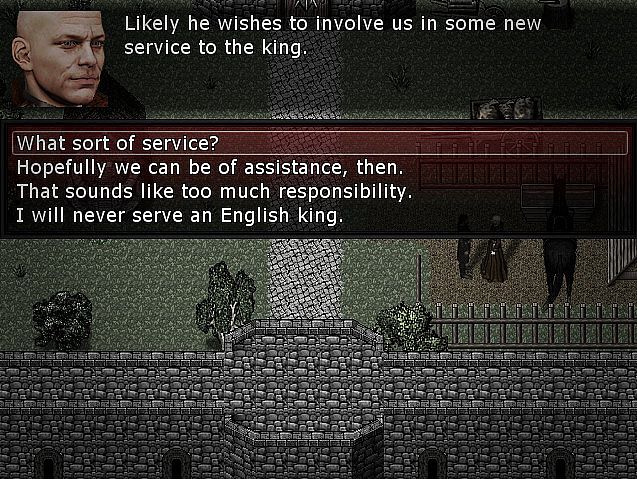
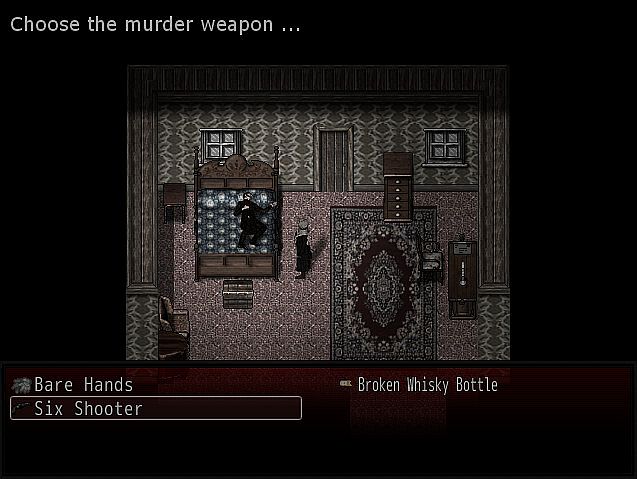
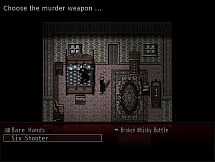
Core gameplay revolves around planning and executing a murder using period-appropriate weapons, followed by strategic placement of evidence and dialogue choices to shift blame. Every action influences the authorities' conclusions, with branching conversation options that allow greater player control over how suspicions develop. The system rewards careful observation of each character's background and relationships, as items can be planted in ways that point toward specific suspects rather than the player.
Multiple endings emerge from these choices, and the number of possible outcomes exceeds those in the original concept. Players must weigh which weapon fits the era and which evidence piece best implicates another person without backfiring. Interrogations and interactions carry higher stakes because a misstep can lead to the player's own conviction and a severe historical punishment.
Game Modes
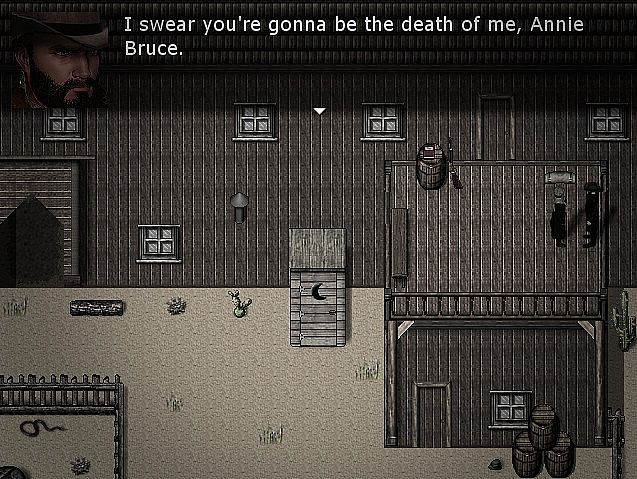
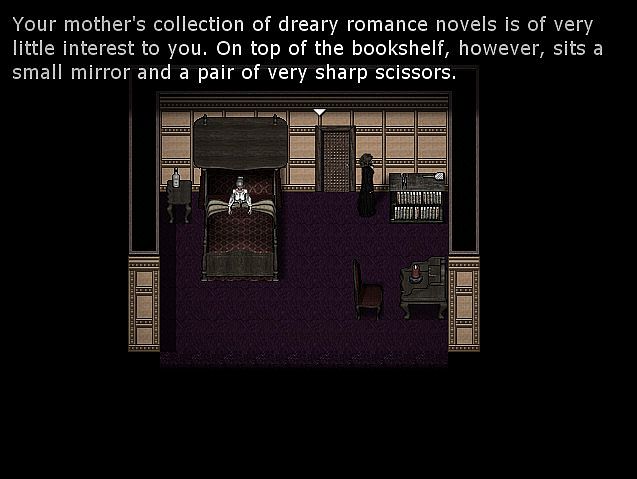
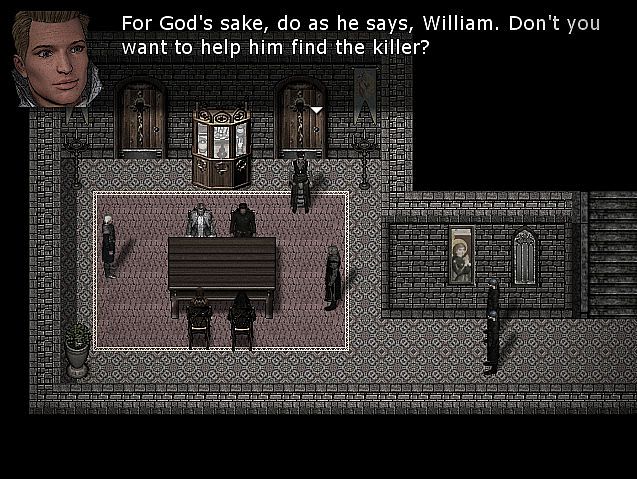
The game structures its content around three distinct scenarios that span different time periods and locations. One takes place in a fifteenth-century English castle during the reign of Henry IV. Another unfolds in a violent frontier saloon in the Old West. The final scenario returns to Dunshiel House in the Victorian era, set fifty years before the events of the base game.
Each scenario operates as a self-contained narrative challenge with its own set of non-player characters, many of whom can be framed. Some characters draw from real historical figures, adding layers to the framing mechanics. The scenarios share the same core systems of murder, evidence planting, and conversation branching but adapt weapons and environments to their respective eras.
Characters and Evidence Systems
Non-player characters populate each scenario and serve as potential targets for framing. The improved conversation system provides more branching paths and direct control during talks, letting players steer suspicions in targeted directions. Evidence items function flexibly, as the same piece can raise suspicion on different characters depending on where and how it is used.
Players explore richer historical settings that reflect the chosen era, from medieval stone halls to a rough saloon and a grand Victorian estate. These environments support the central loop of selecting a murder method, planting clues, and navigating authority responses without introducing unrelated systems.
Is It Worth Playing?
The Deed: Dynasty delivers a focused, choice-driven singleplayer experience for those interested in narrative puzzles built around guilt and deception. Its Very Positive reception on Steam, with 86 percent approval from 529 reviews, highlights the satisfaction players find in crafting successful frames and uncovering varied endings. The three scenarios provide replay value through different eras and character sets without requiring additional purchases or ongoing updates.
This title suits players who enjoy short, deliberate sessions where every decision carries weight and multiple outcomes reward experimentation. Those seeking action or expansive open worlds may find the scope limited, but the game remains a solid option for anyone drawn to historical crime narratives and branching dialogue systems. It continues to appear in occasional promotions, making it accessible for new players testing its mechanics.