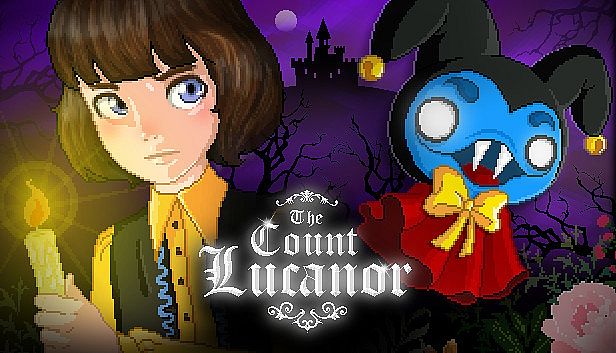










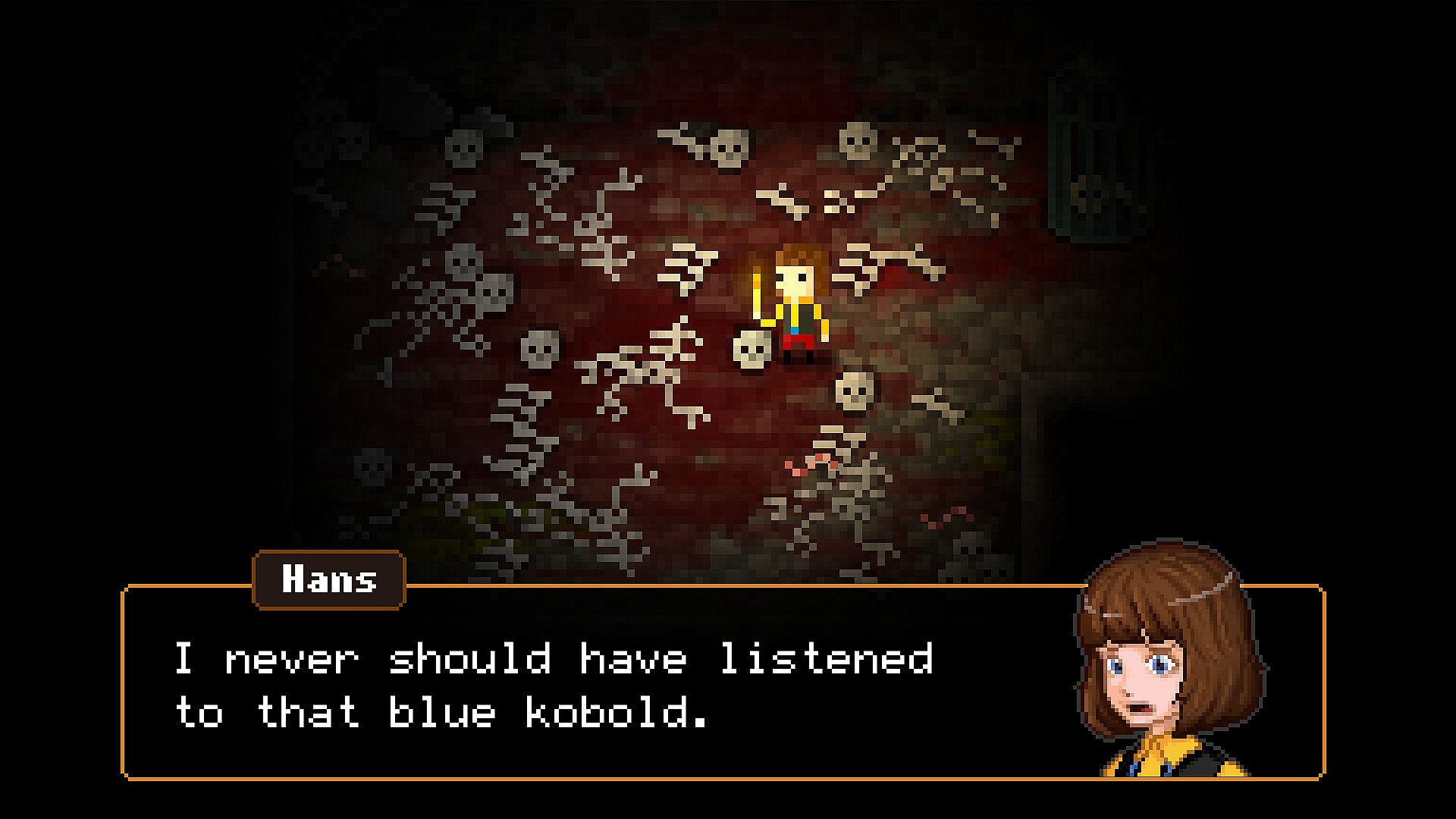
The Count Lucanor stands as a compact indie RPG adventure that blends puzzle solving, exploration, and choice-driven storytelling in a pixel-art horror setting. Players take on the role of young Hans, who ventures into a mysterious castle filled with secrets, traps, and unsettling encounters. The experience emphasizes careful navigation and decision making over combat, creating a focused single-player journey through a fairytale world that hides darker elements beneath its surface.
Gameplay
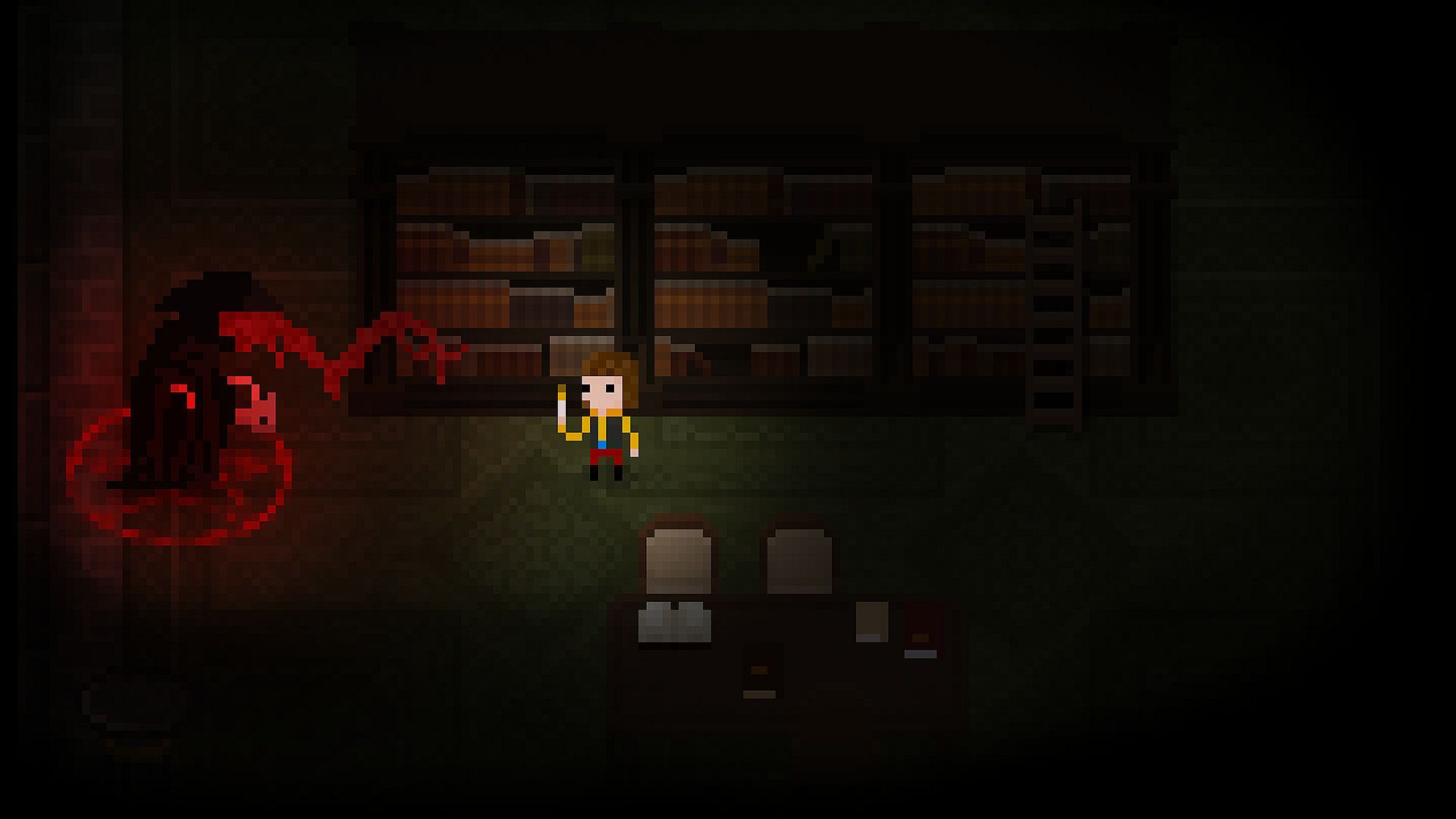
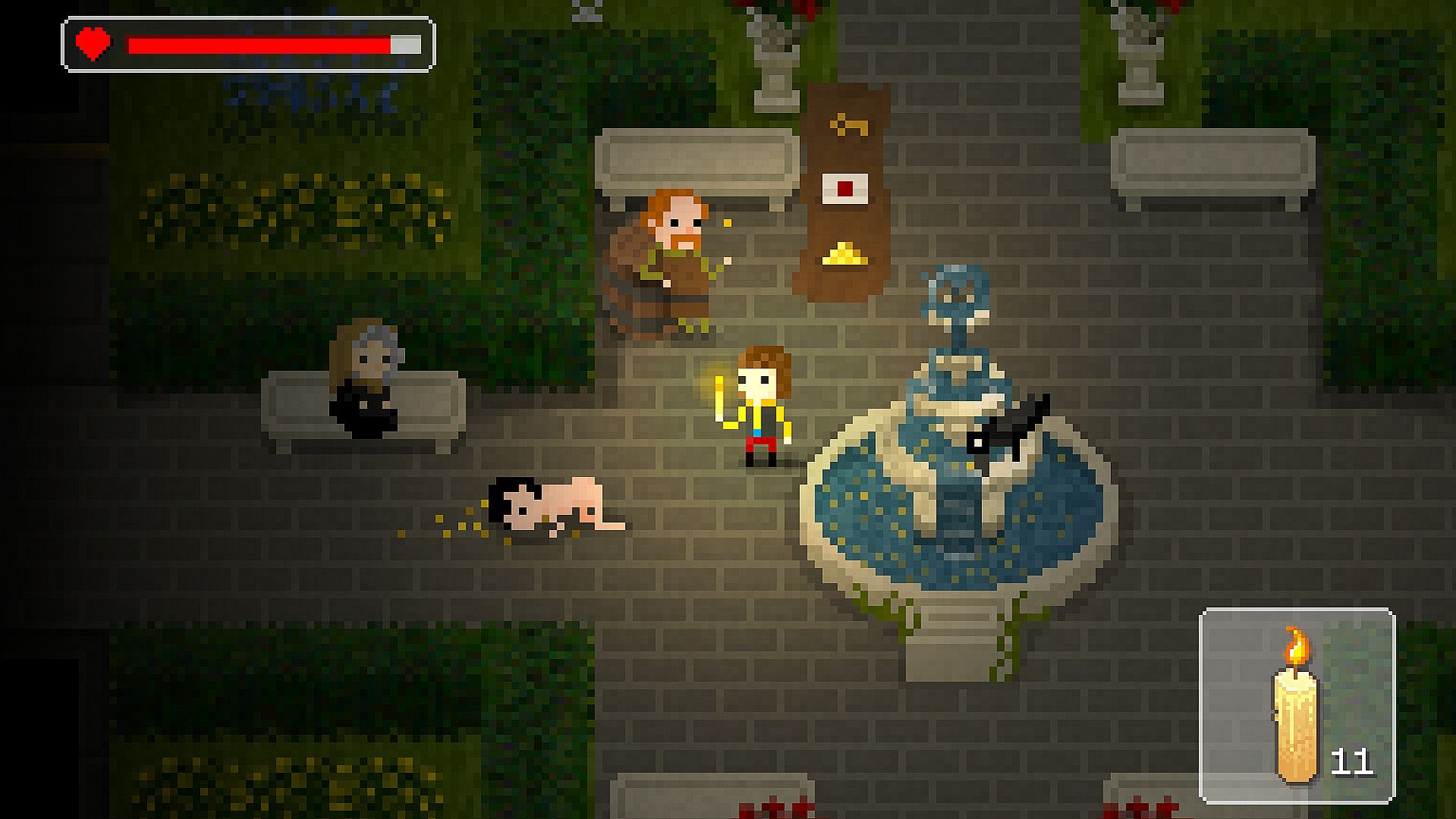
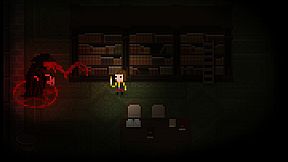
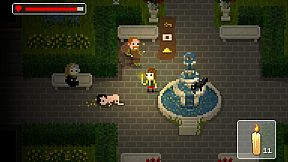
Core gameplay revolves around navigating the dimly lit halls and rooms of Tenebre Castle. Hans carries a limited light source, and players must place candles strategically on the ground to illuminate paths and reveal hidden details or dangers. This light management mechanic adds tension to movement, as darkness conceals both opportunities and threats.
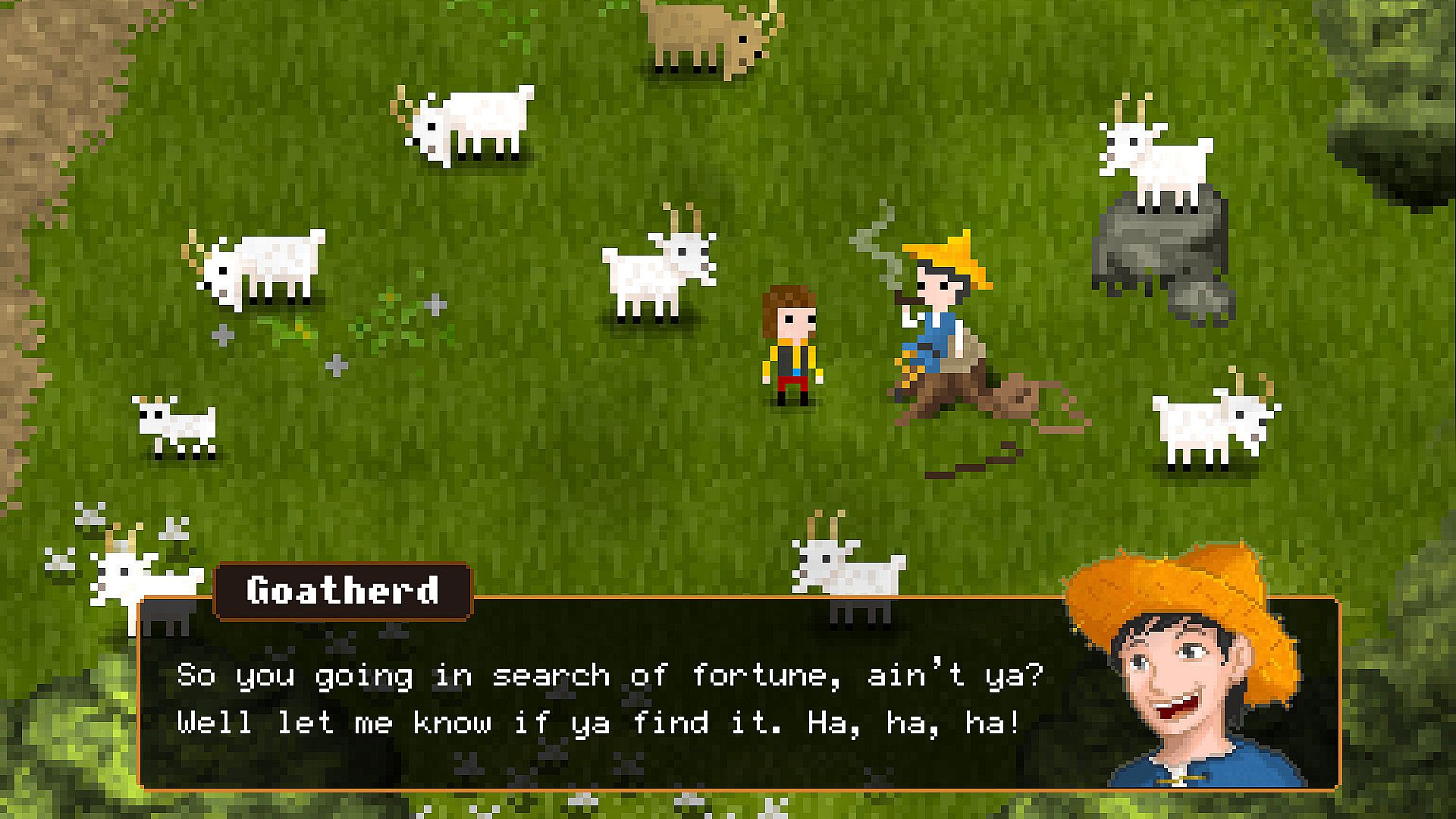
Interaction with non-player characters provides essential clues and advances the central mystery. Conversations reveal information about the castle's history and the trial Hans must complete. Items collected throughout the environment serve multiple purposes, from restoring health with food to unlocking new areas or progressing through puzzles that require logical item use and environmental manipulation.
Stealth plays a key role when avoiding detection. Hans can hide under tables or behind curtains to evade enemies and traps. Success depends on timing, observation, and anticipation rather than direct confrontation. The game includes several subplots that branch based on actions taken, leading to five distinct endings that reflect different paths through the narrative.
Additional systems include coin collection for potential merchant transactions or save opportunities, and a retro visual style that mixes 8-bit and 16-bit aesthetics. The chiptune soundtrack draws from classical compositions reinterpreted for the game's atmosphere.
Game Modes
The Count Lucanor offers a single-player adventure structured around exploration and narrative choices. There are no separate competitive, cooperative, or multiplayer modes. Instead, the experience centers on one continuous campaign where player decisions influence story progression and outcomes. Multiple playthroughs allow discovery of alternative endings and subplots, encouraging experimentation with different approaches to puzzles and interactions.
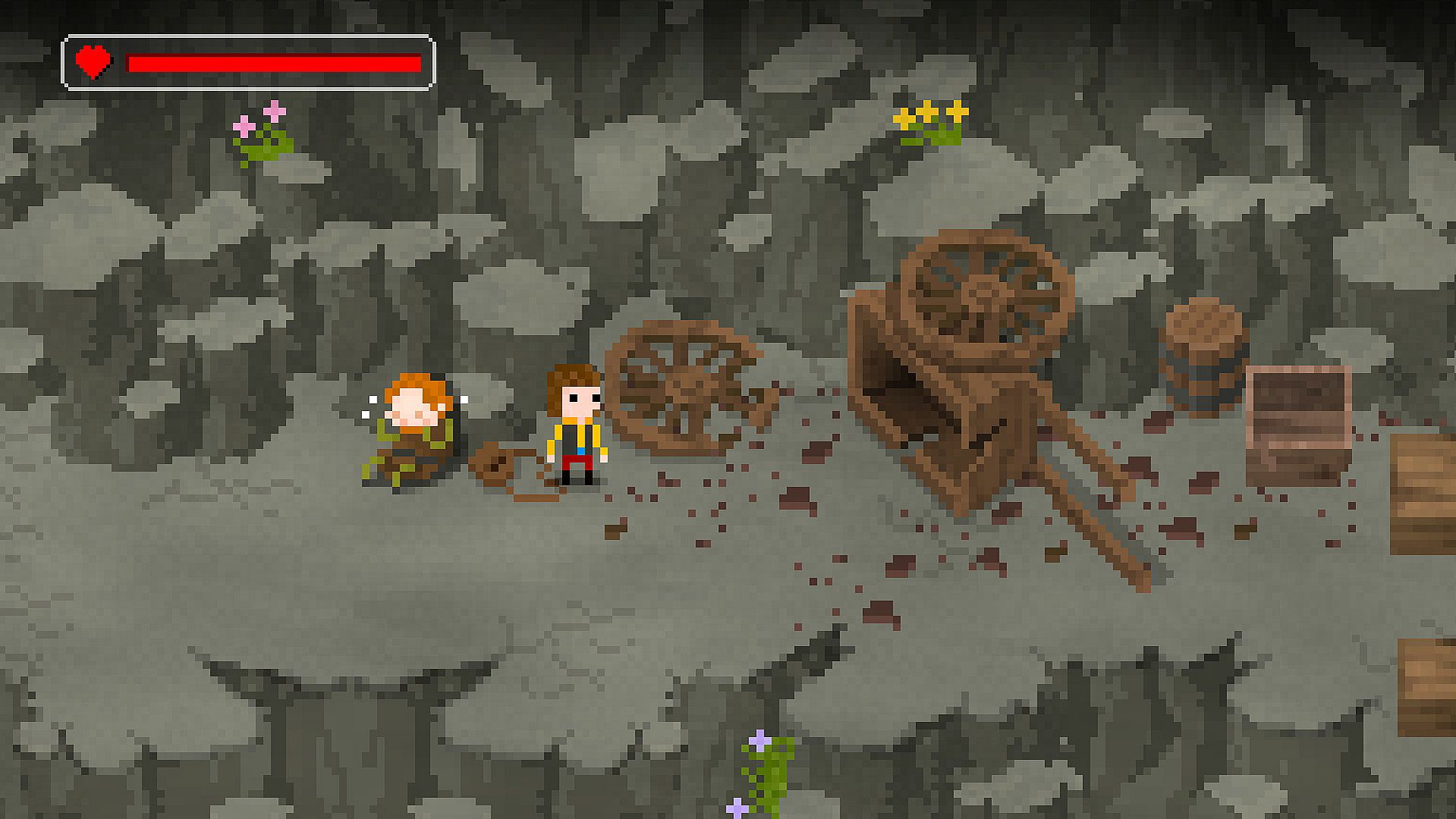
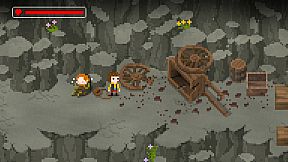
Progression follows a room-based structure with interconnected areas. Each section presents unique challenges such as mazes, switches, pushable objects, and avoidance sequences. The design supports varied solutions to many obstacles, rewarding observation and creative use of found items.
Story and Setting
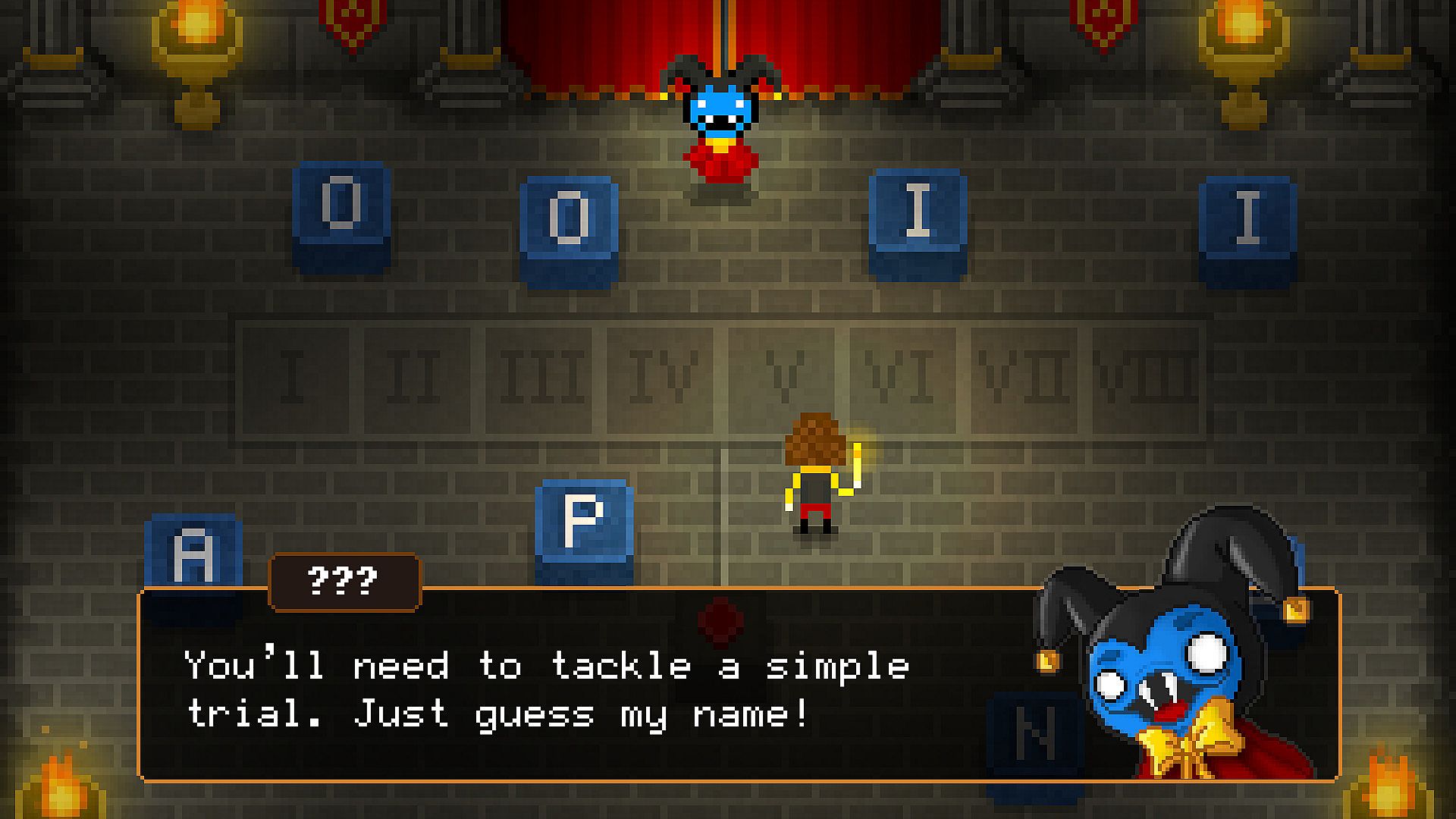
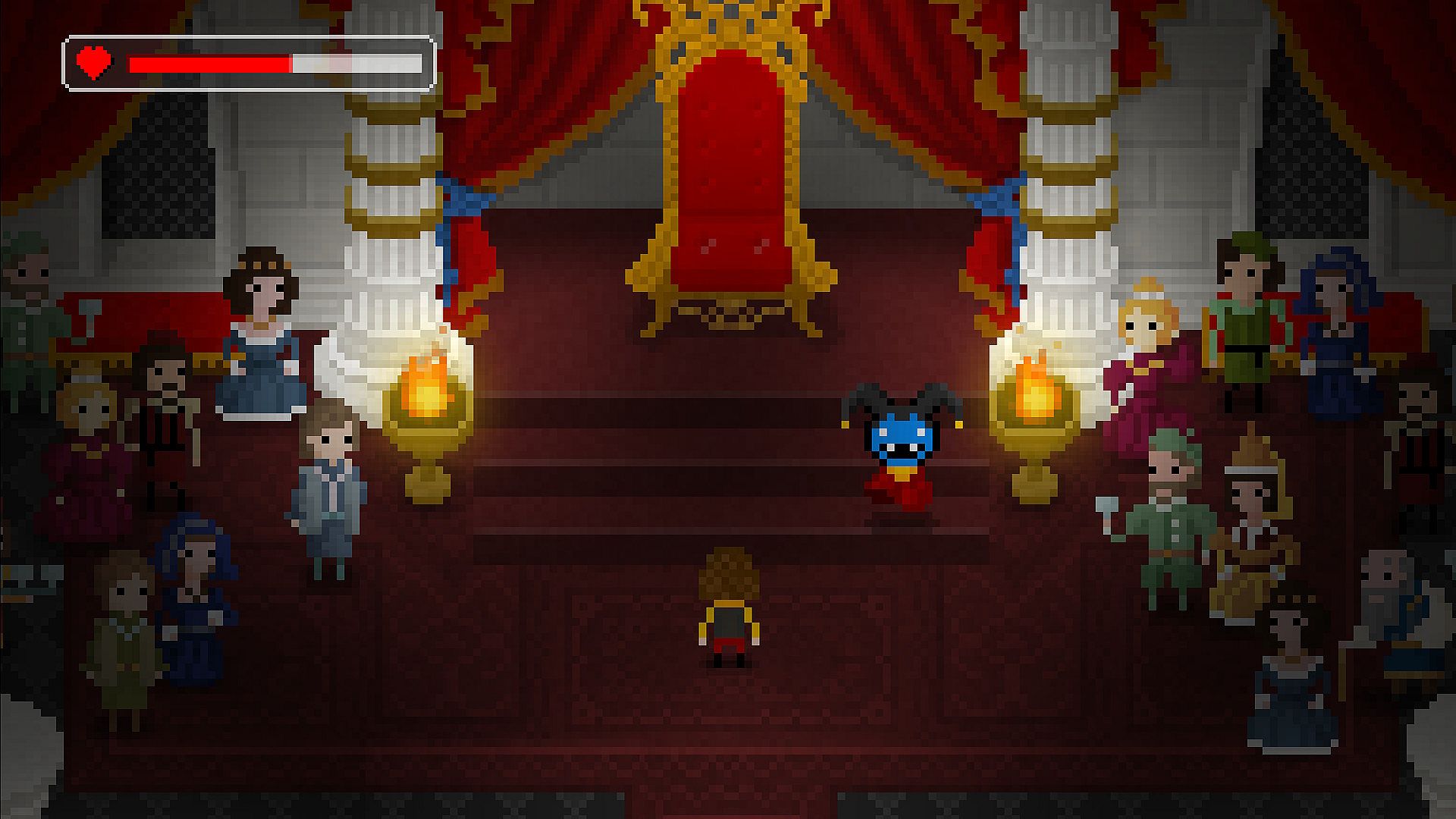
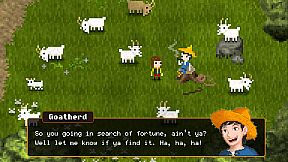
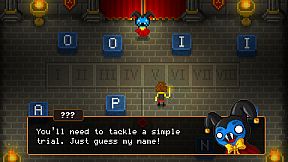
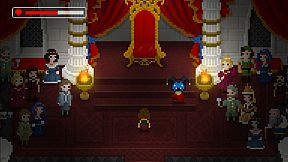
The narrative begins with Hans, a poor boy who leaves home after a disappointing birthday and follows a kobold into the castle. There he faces a trial involving guessing a name to claim great wealth, only to become entangled in the castle's sordid history and the legacy of Count Lucanor. The tale unfolds through environmental storytelling, character dialogues, and the consequences of choices made along the way.
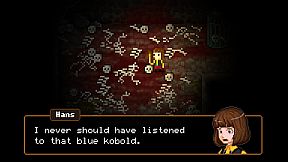
The setting mixes whimsical fairytale elements with psychological horror. Pixel-art visuals depict a compact castle environment where horror emerges from shadows, unexpected encounters, and the weight of decisions. Violence appears in pixel form against the protagonist, consistent with the game's mature content description.
Is It Worth Playing?
This title suits players who appreciate short, atmospheric adventures with strong emphasis on puzzles, stealth, and branching narratives. Its focused scope delivers a complete experience in a few hours, with replay value stemming from the five endings and hidden elements. The combination of light management, item-based puzzles, and consequence-driven choices creates a distinctive loop that rewards patience and attention to detail.
Player feedback highlights the engaging story, variety of endings, and effective use of retro aesthetics alongside horror tension. Some note occasional frustration with specific puzzle sections or controls, yet the overall reception remains positive for those drawn to indie horror adventures inspired by classic exploration games. The game remains available as a standalone purchase with no ongoing seasonal content or expansions required for the core experience.
- Strong focus on single-player choice and consequence
- Pixel-art presentation with chiptune audio
- Emphasis on stealth, puzzles, and exploration over action