


























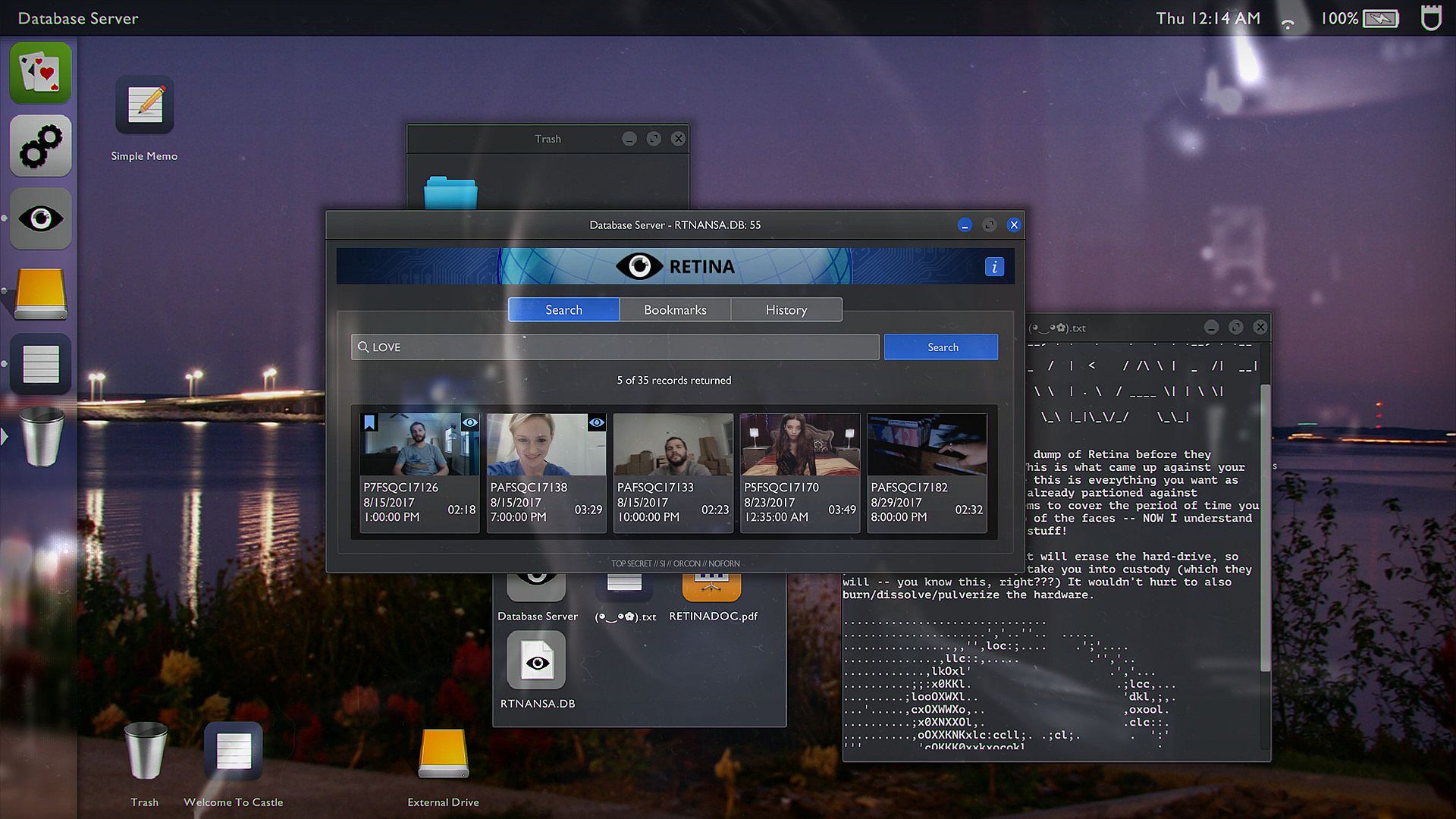










Telling Lies is an indie simulation and adventure game centered on investigative storytelling. Players explore a collection of secretly recorded video conversations to uncover connections between four individuals linked by a significant event. Developed by Sam Barlow, the title emphasizes deduction and non-linear narrative progression through keyword-based searches in a digital database.
Gameplay
The core loop involves accessing an anonymous laptop interface that contains footage spanning two years. Users enter search terms to locate relevant video clips where specific words appear in dialogue. Watching these segments reveals personal details, relationships, and events that gradually form a coherent picture of the underlying incident.
Progress depends on careful observation and logical connections between clips. Each conversation provides context that can lead to new search terms, expanding the available footage. The system rewards persistence in cross-referencing information across multiple characters and time periods.
Mechanics focus on database navigation rather than traditional controls or combat. Players manage their own pace, deciding which leads to pursue next based on emerging clues. This creates an intimate experience where interpretation of spoken words drives advancement.
Game Modes
Telling Lies operates exclusively as a single-player experience with no multiplayer components or separate modes. The entire narrative unfolds through the central database search system, allowing players to approach the material in any order they choose.
There are no branching campaigns, competitive elements, or cooperative features. The structure remains consistent across playthroughs, though individual discoveries vary depending on the sequence of searches performed.
Story and Characters
Four main figures appear throughout the footage, their lives intersecting around one pivotal occurrence. Performances from Logan Marshall-Green, Alexandra Shipp, Kerry Bishé, and Angela Sarafyan deliver the conversations in a realistic style that highlights emotional nuances and contradictions.
The narrative builds through accumulated context rather than linear scenes. Players piece together motivations, secrets, and timelines by revisiting clips with fresh search terms informed by prior viewings. This method emphasizes the fragmented nature of private communications.
Is It Worth Playing?
Player feedback describes the title as engaging for those who enjoy piecing together stories from dialogue and visual cues. Reception highlights strong performances and the satisfaction of connecting disparate pieces of information. Some note that the pace can feel deliberate, requiring sustained attention to the conversations.
The game suits individuals interested in narrative-driven adventures that prioritize deduction over action or resource management. Its focused design delivers a complete experience without ongoing content additions or seasonal updates.
Those who appreciate titles built around searching archives and forming conclusions from limited sources will find the approach distinctive. Availability on PC supports straightforward access for players seeking this style of investigative simulation.