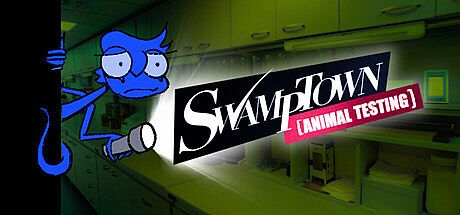


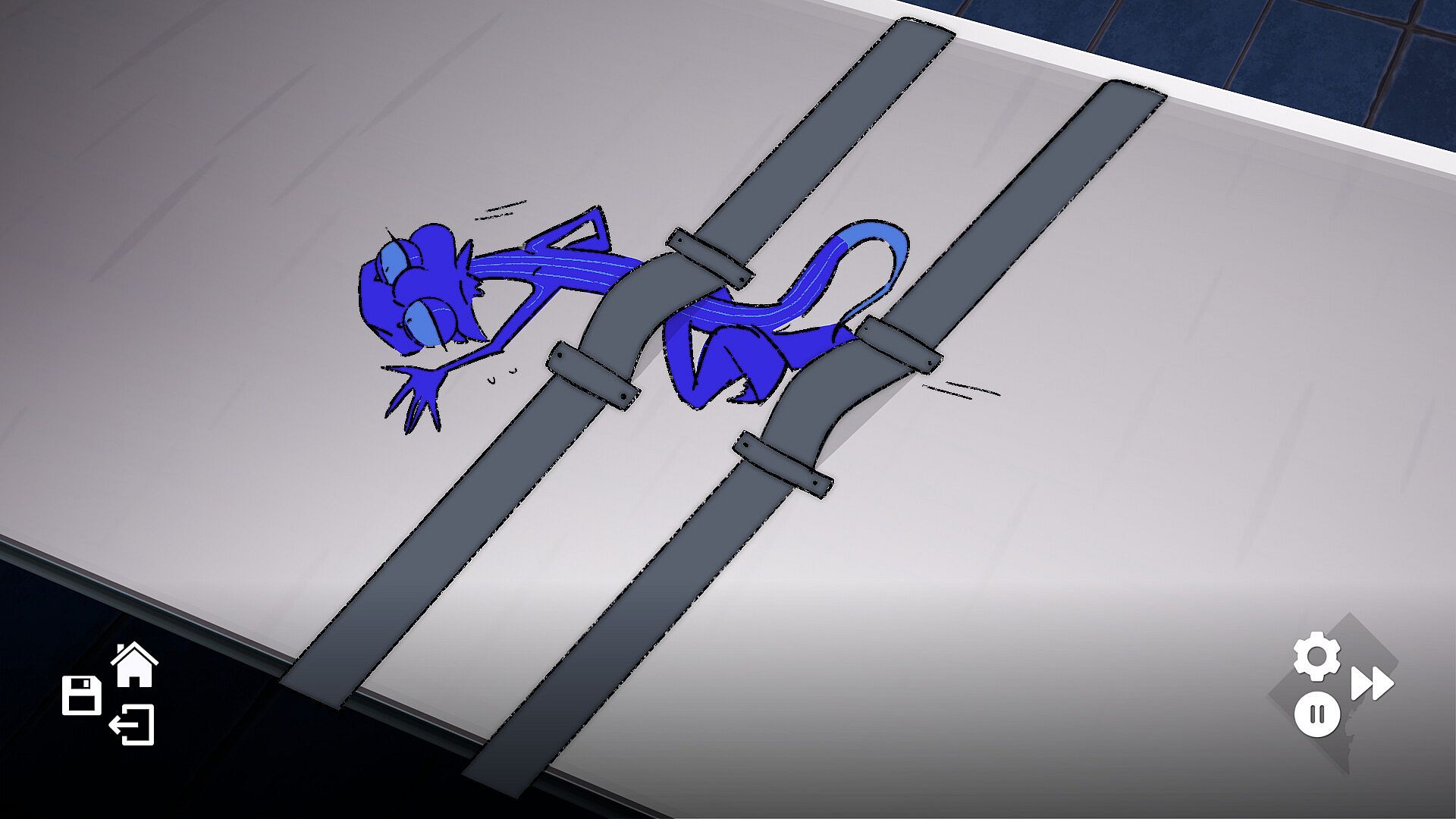
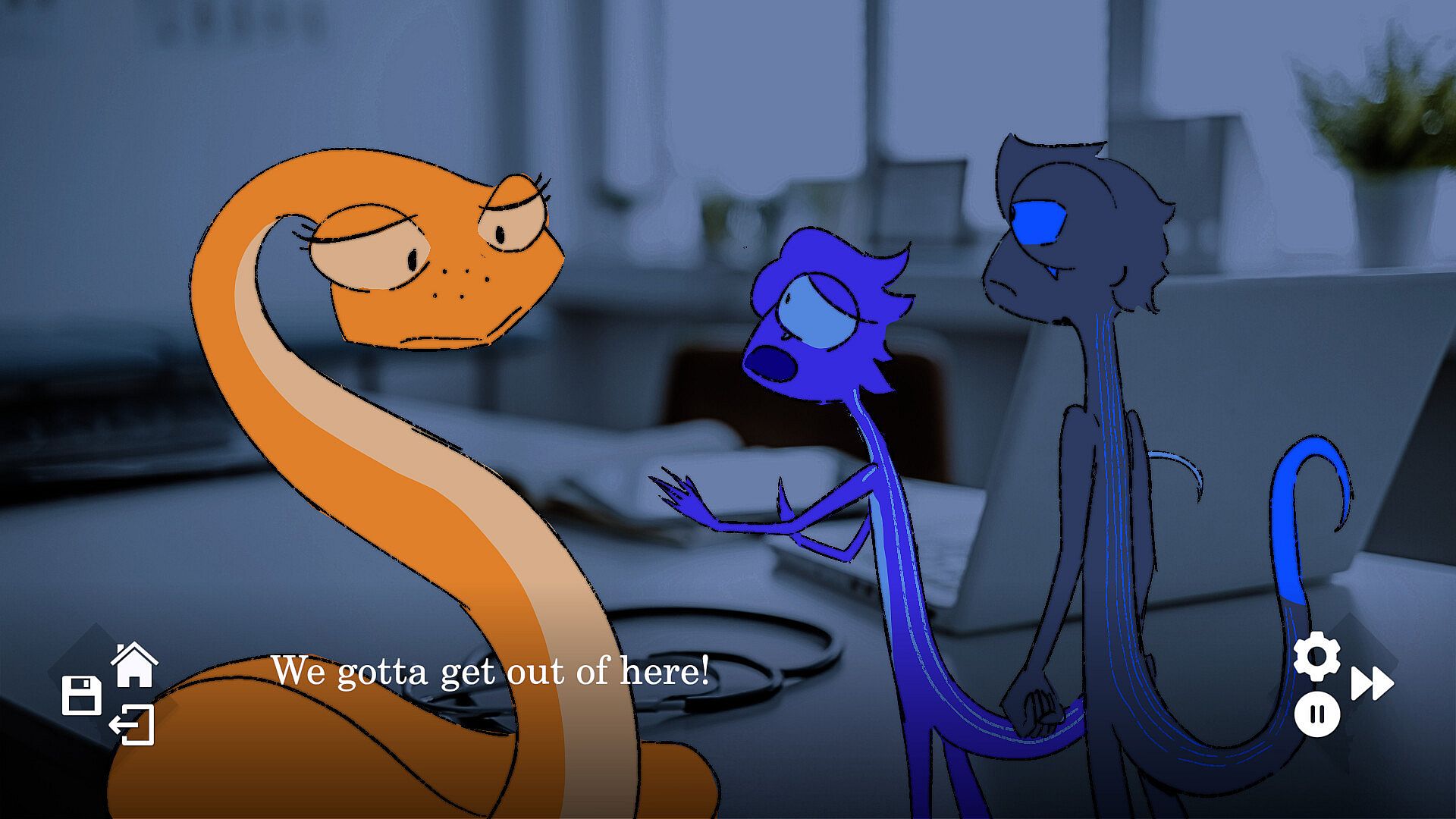
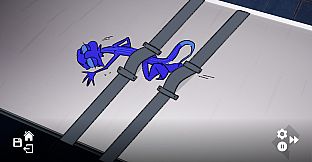
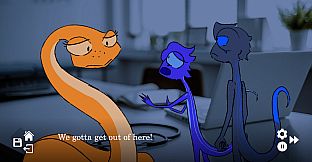
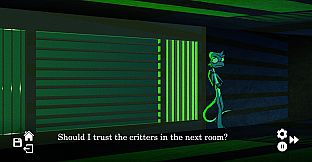
Swamptown: Animal Testing is an indie RPG adventure presented as a visual novel. In a city where humans and animals coexist, small residents face constant risks from larger beings. The story centers on Swamptown, a neighborhood in Washington D.C. built by and for the smallest inhabitants. Sasha, a five-lined skink who owns a nightclub, lives there with her close friends Zoey, a writer, and Farrah, a realtor. Developers and mobsters threaten the area, but the real crisis begins when the three are kidnapped and taken to a human animal testing facility.
Gameplay
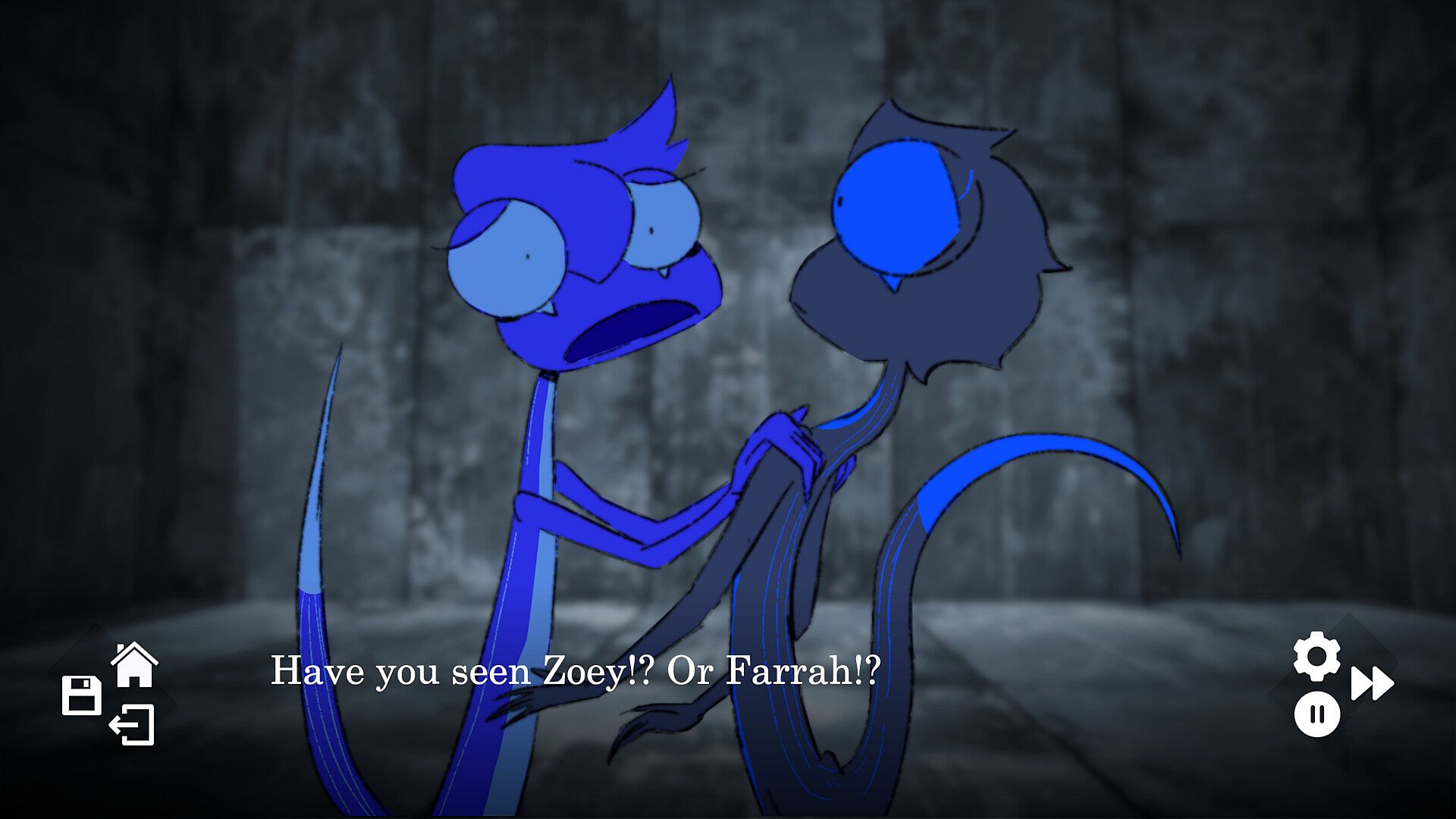
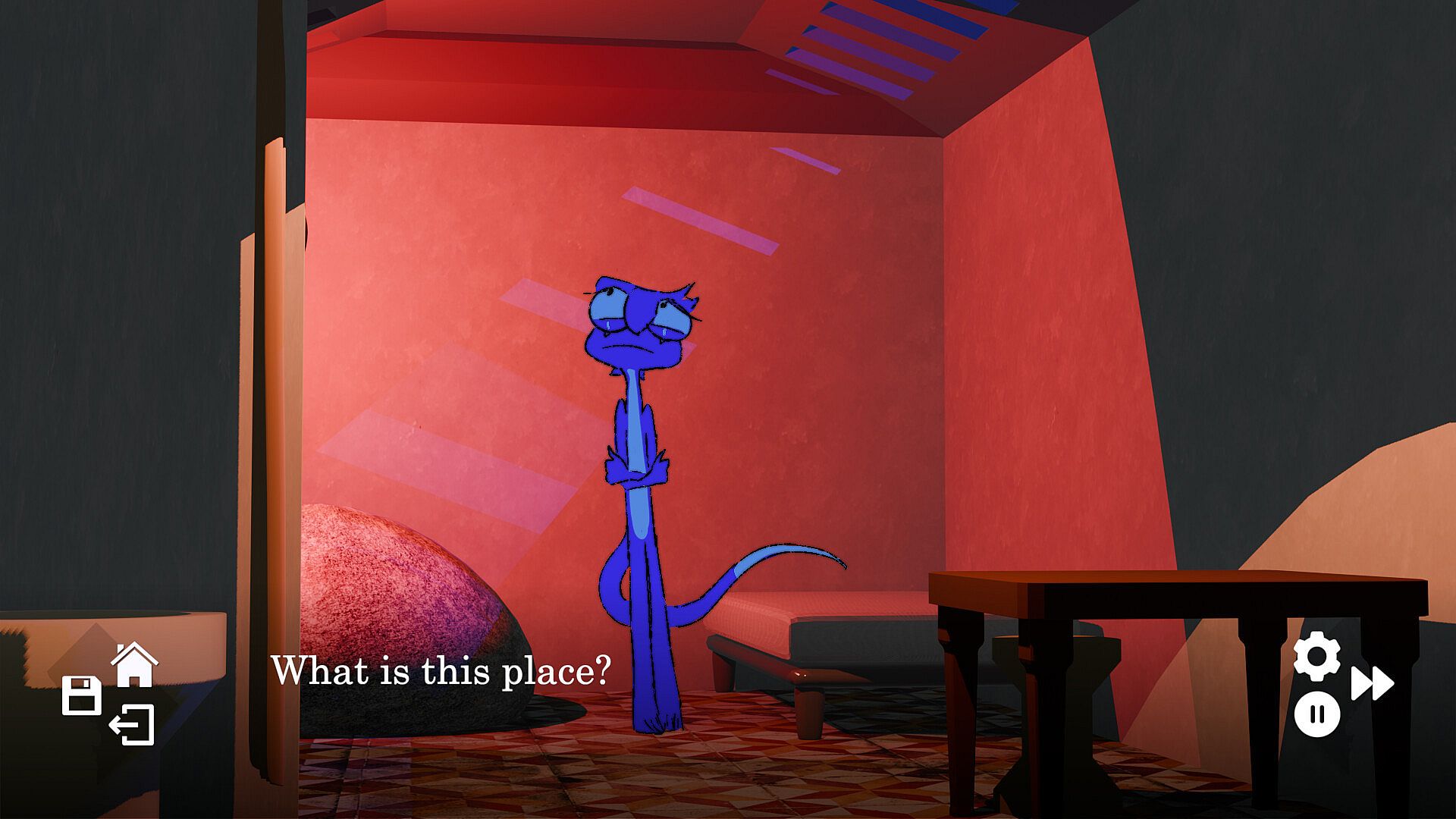
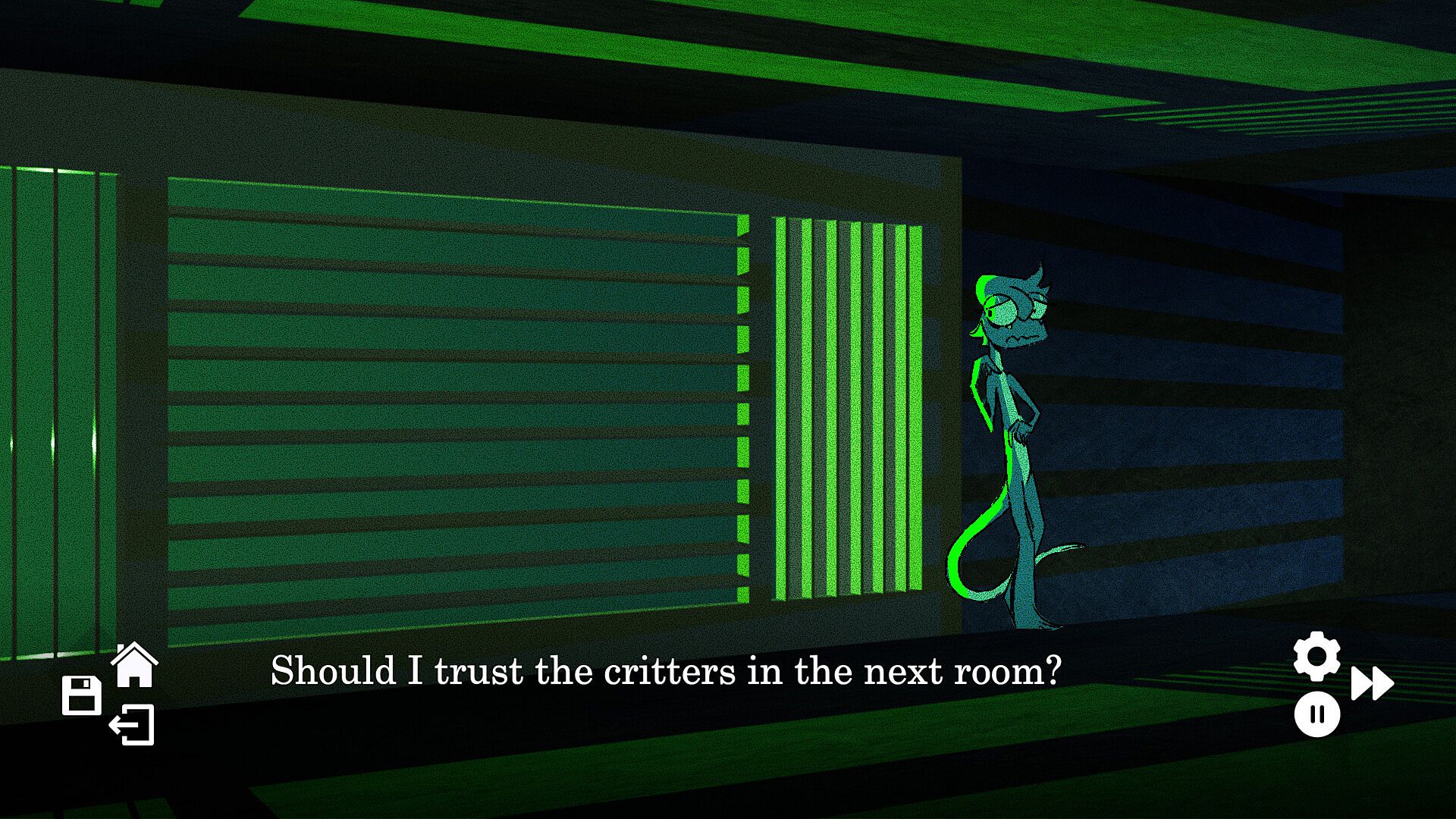
The core loop revolves around guiding Sasha and her friends through an escape from the facility. Players make choices that shape conversations, decisions, and interactions with other critters encountered along the way. These decisions influence relationships and determine how events unfold. The narrative emphasizes maintaining the group's friendship amid pressure from a ruthless doctor and various obstacles. Hand-drawn digital art depicts the characters while Blender-created CGI backgrounds establish the environments. Full voice acting brings the dialogue to life across more than 150 unique scenes.
Progression follows a branching structure where early choices can lead to different outcomes. The experience focuses on story and character moments rather than traditional combat or resource management. Players explore the consequences of their actions as the group navigates shady figures and dangerous situations inside the lab. The RPG elements appear through character development tied to decisions that affect trust and cooperation among the friends.
Game Modes
Swamptown: Animal Testing operates as a single-player visual novel with no separate multiplayer components. The primary structure is a linear story interrupted by player choices that create multiple paths. These paths result in more than 15 unique endings, some reached early through specific decisions and others that require completing larger portions of the narrative. The design encourages replaying sections to see alternate conclusions and how friendship dynamics shift based on prior selections.
Each playthrough presents the same core events but varies in tone and resolution depending on how the group handles conflicts. No additional modes such as competitive or cooperative options exist. The focus remains on narrative exploration through repeated play sessions that reveal new scenes and character reactions.
Story and Setting
The world blends everyday struggles of small animals with the sudden horror of captivity. Swamptown serves as a sanctuary that comes under threat, forcing the main characters into survival mode. Themes of loyalty and resilience surface as Sasha leads efforts to break free while protecting her companions. Encounters with other residents of the facility add layers to the escape plan, revealing motives and alliances that change with player input.
Background details establish the contrast between the vibrant neighborhood life and the sterile, threatening lab environment. The story avoids broad exposition in favor of character-driven moments that highlight individual personalities. Zoey's writing background and Farrah's business sense contribute to problem-solving approaches during the escape.
Is It Worth Playing?
Swamptown: Animal Testing suits players who prefer narrative-focused adventures with meaningful choices and multiple conclusions. The combination of voice acting, detailed artwork, and a branching story offers replay value for those interested in exploring different friendship outcomes and escape routes. The indie RPG adventure elements center on decision-making rather than action sequences, making it appropriate for fans of visual novels that prioritize character interactions and consequences.
With its emphasis on a contained story about three friends facing extreme circumstances, the game delivers a focused experience without extraneous systems. Those who enjoy seeing how small decisions accumulate into varied endings will find the structure engaging. The title remains in development, so final reception will depend on how the completed scenes and voice work come together upon release.