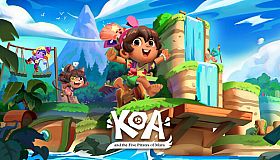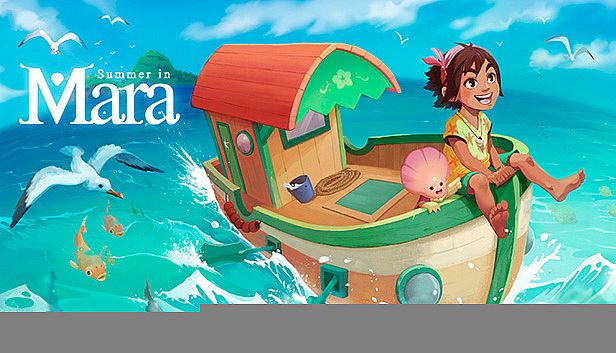














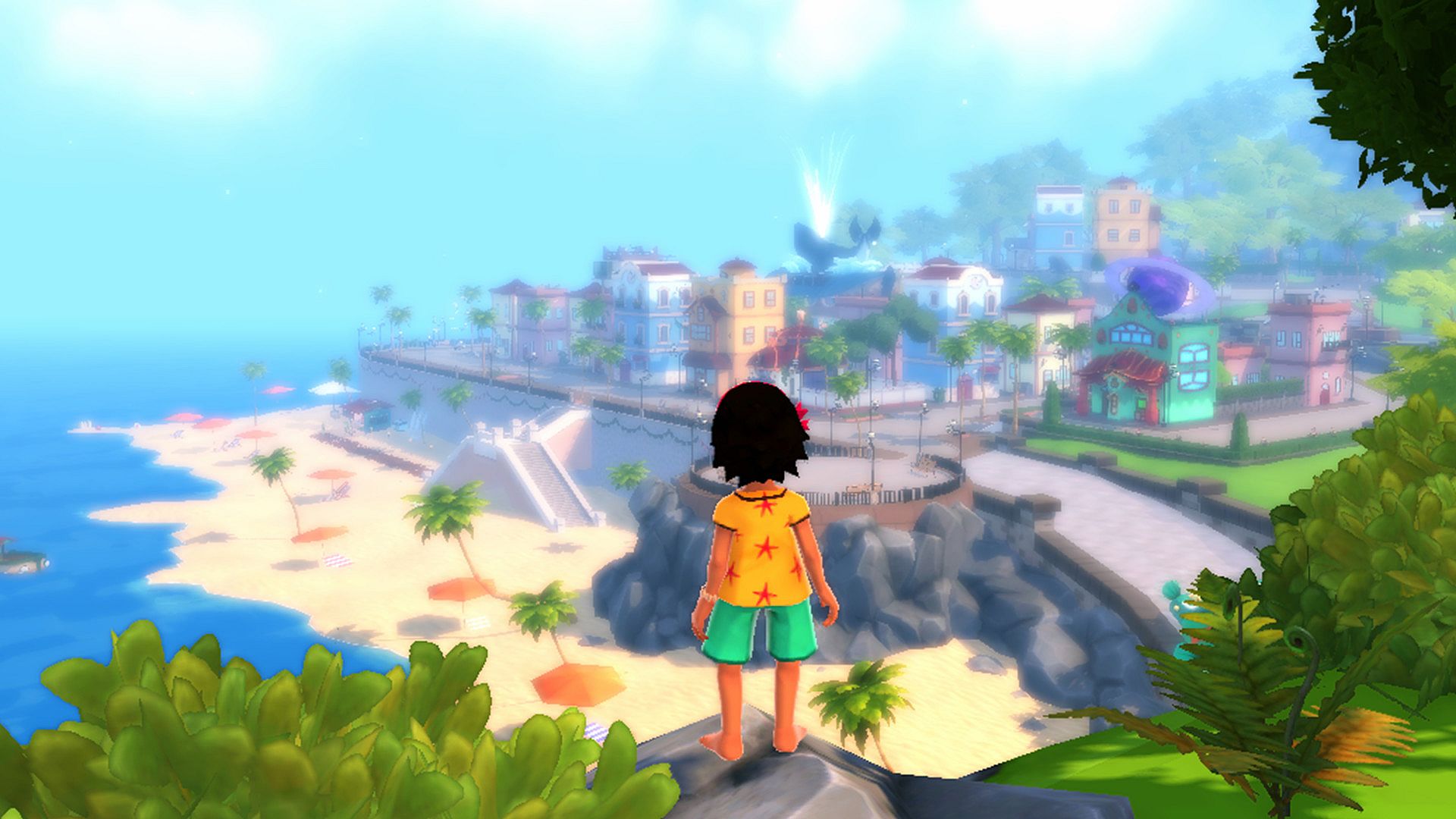
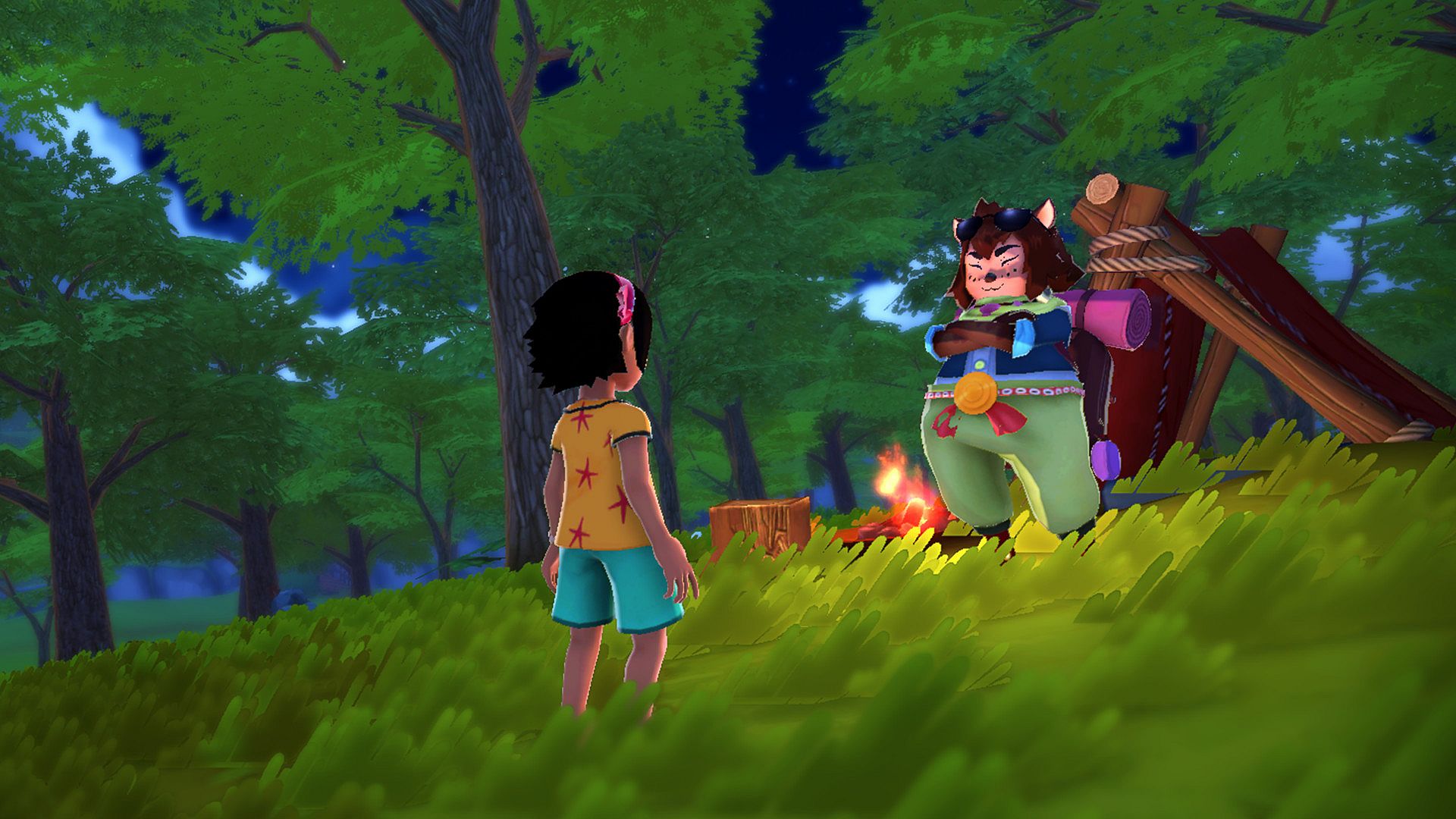
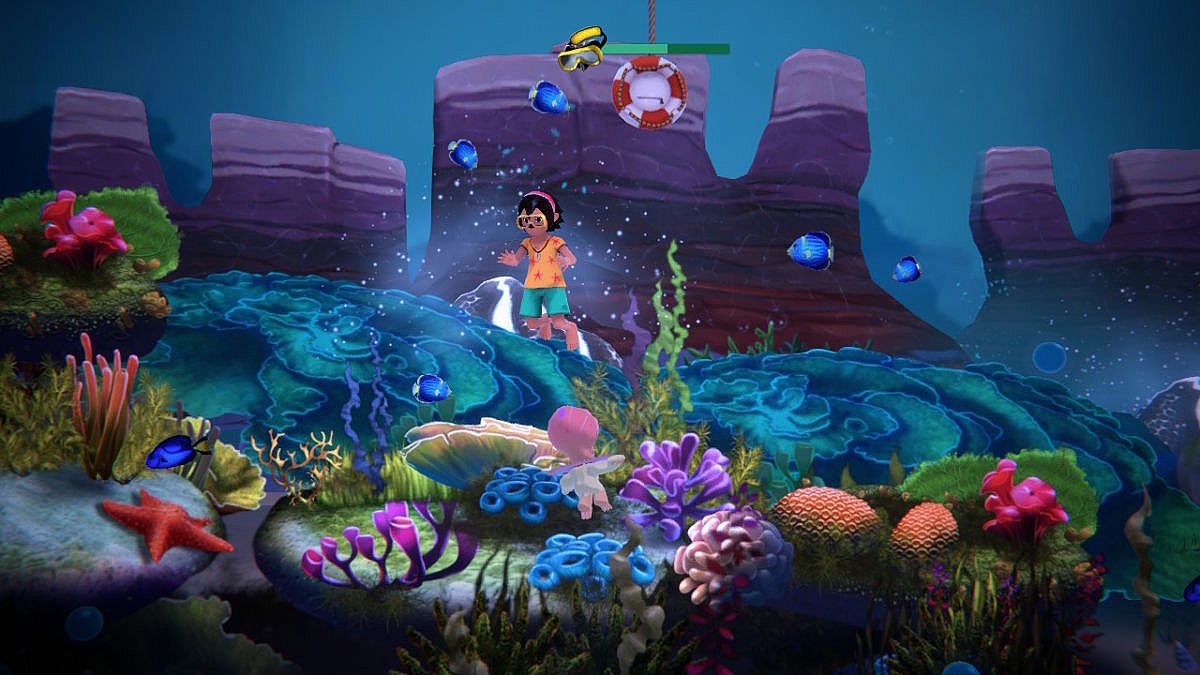
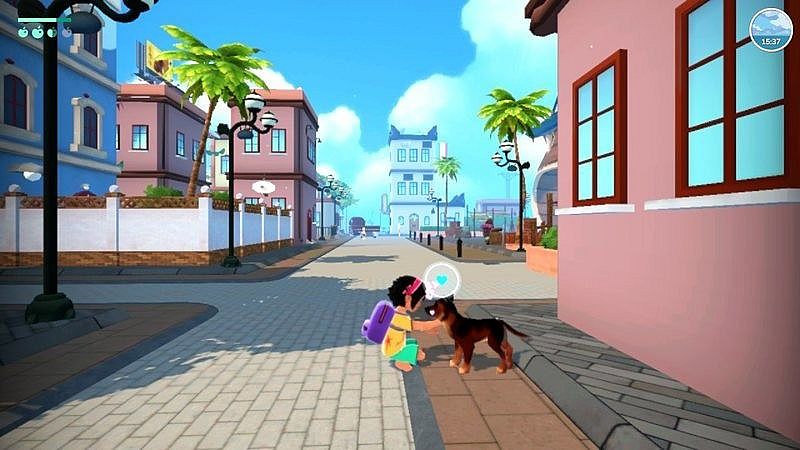
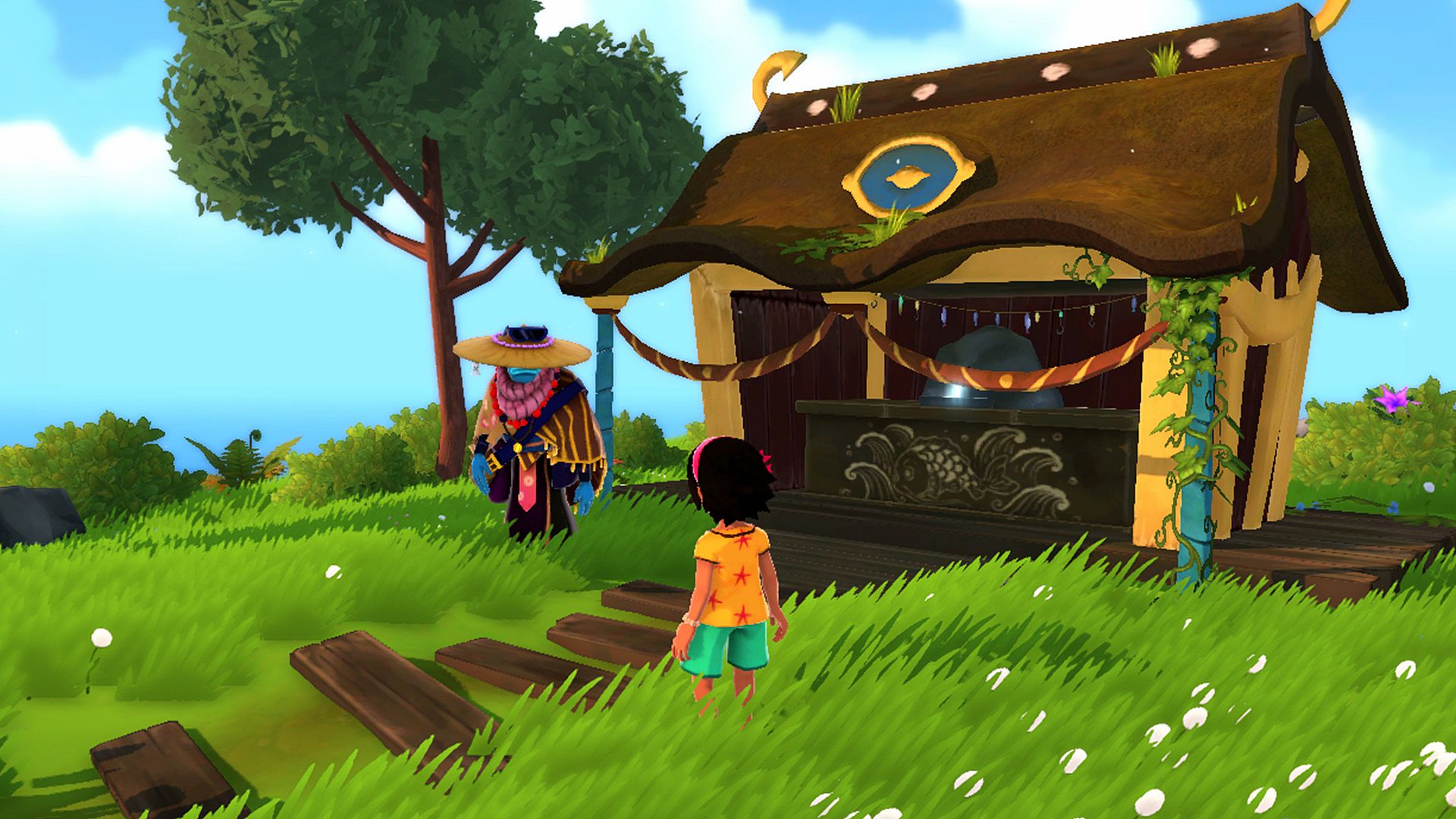
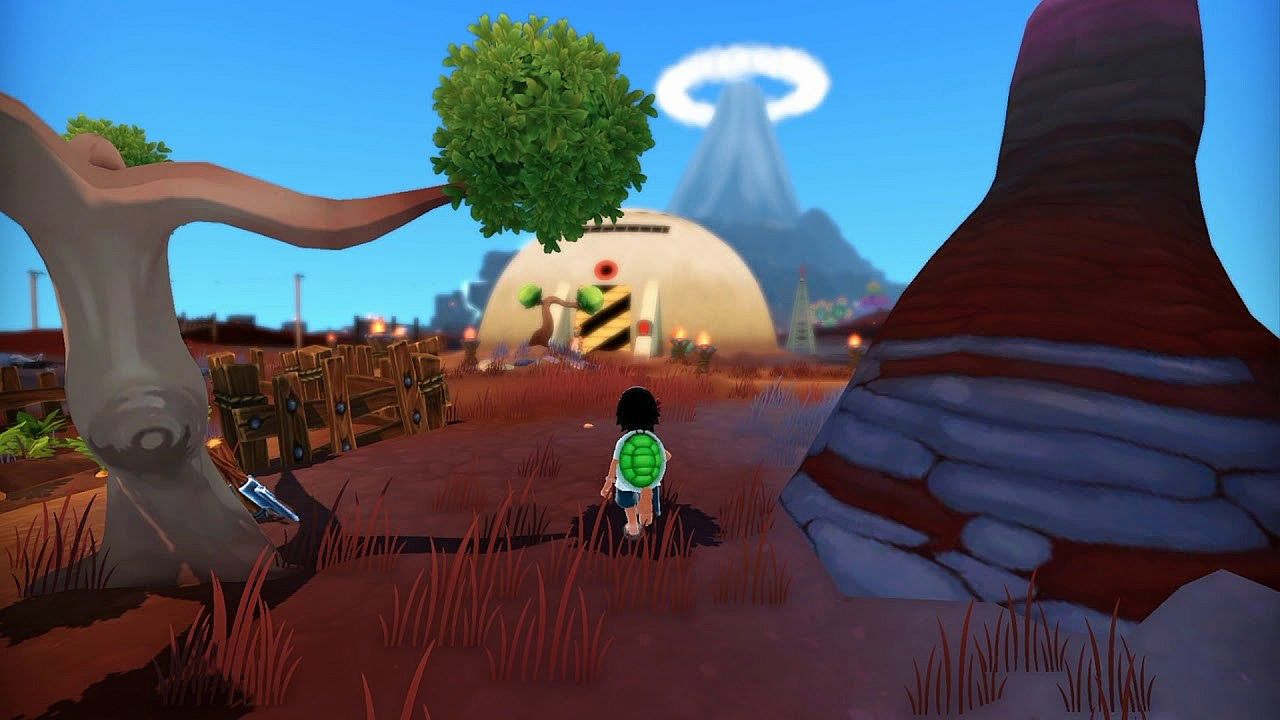
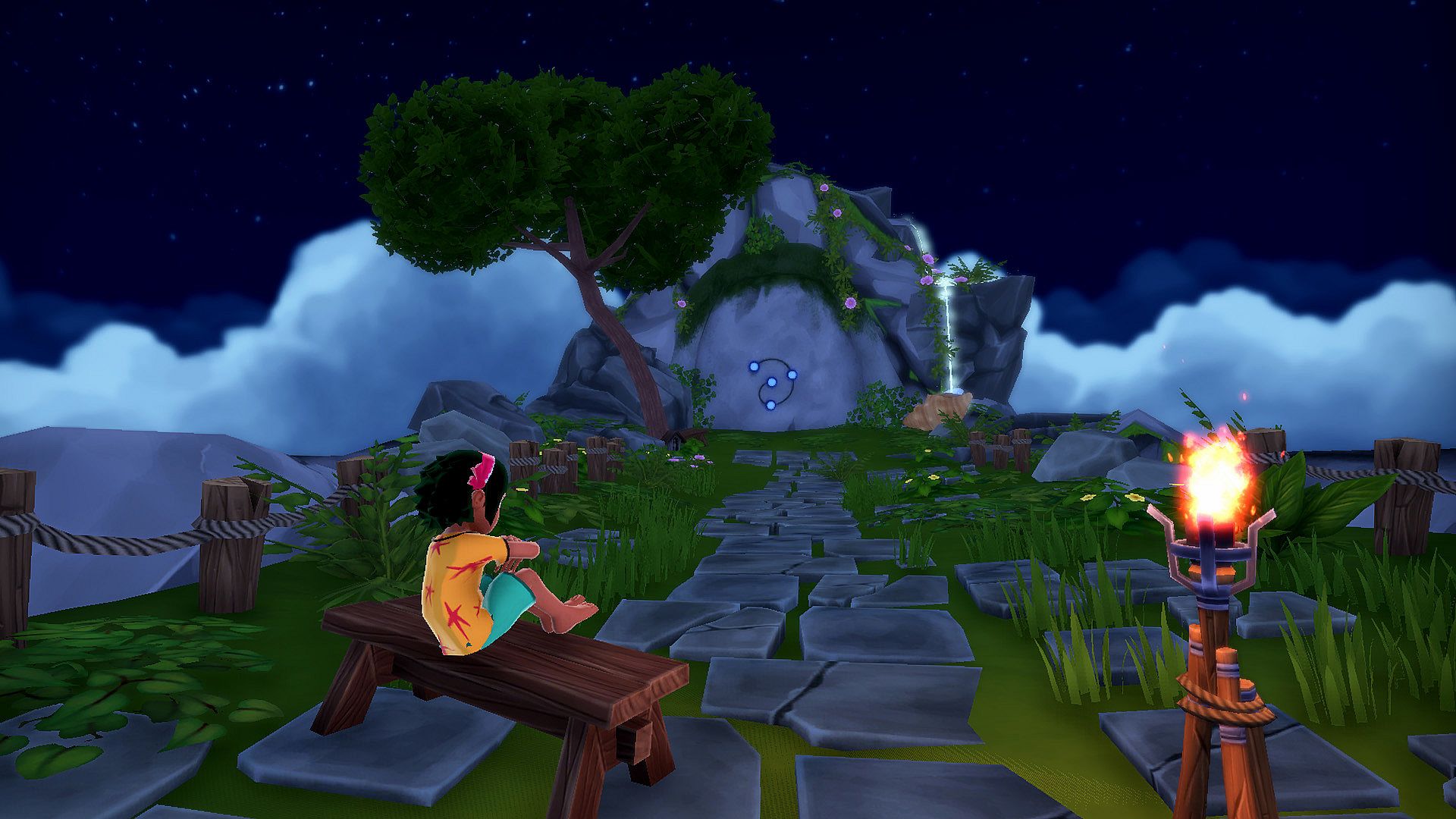
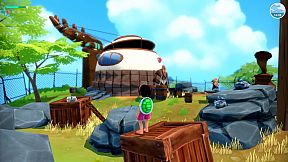
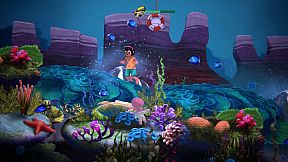
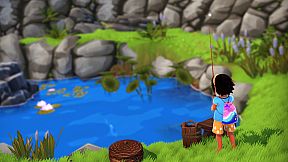
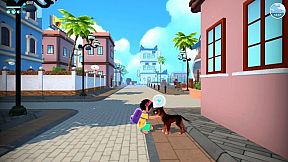
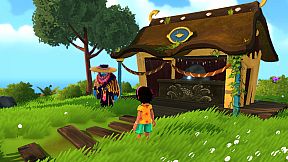
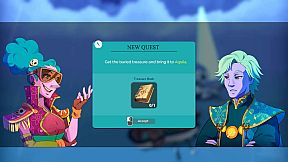
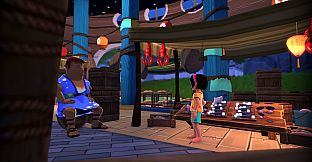
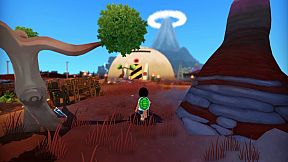
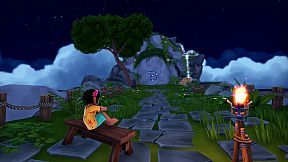
Summer in Mara is an indie RPG, casual simulation, and adventure game centered on relaxed island life and ocean exploration. Players take on the role of Koa, a young girl eager to discover her surroundings in a tropical archipelago. The experience blends farming, crafting, and sailing into a cohesive single-player loop that emphasizes steady progress and personal connection with the world.
Gameplay
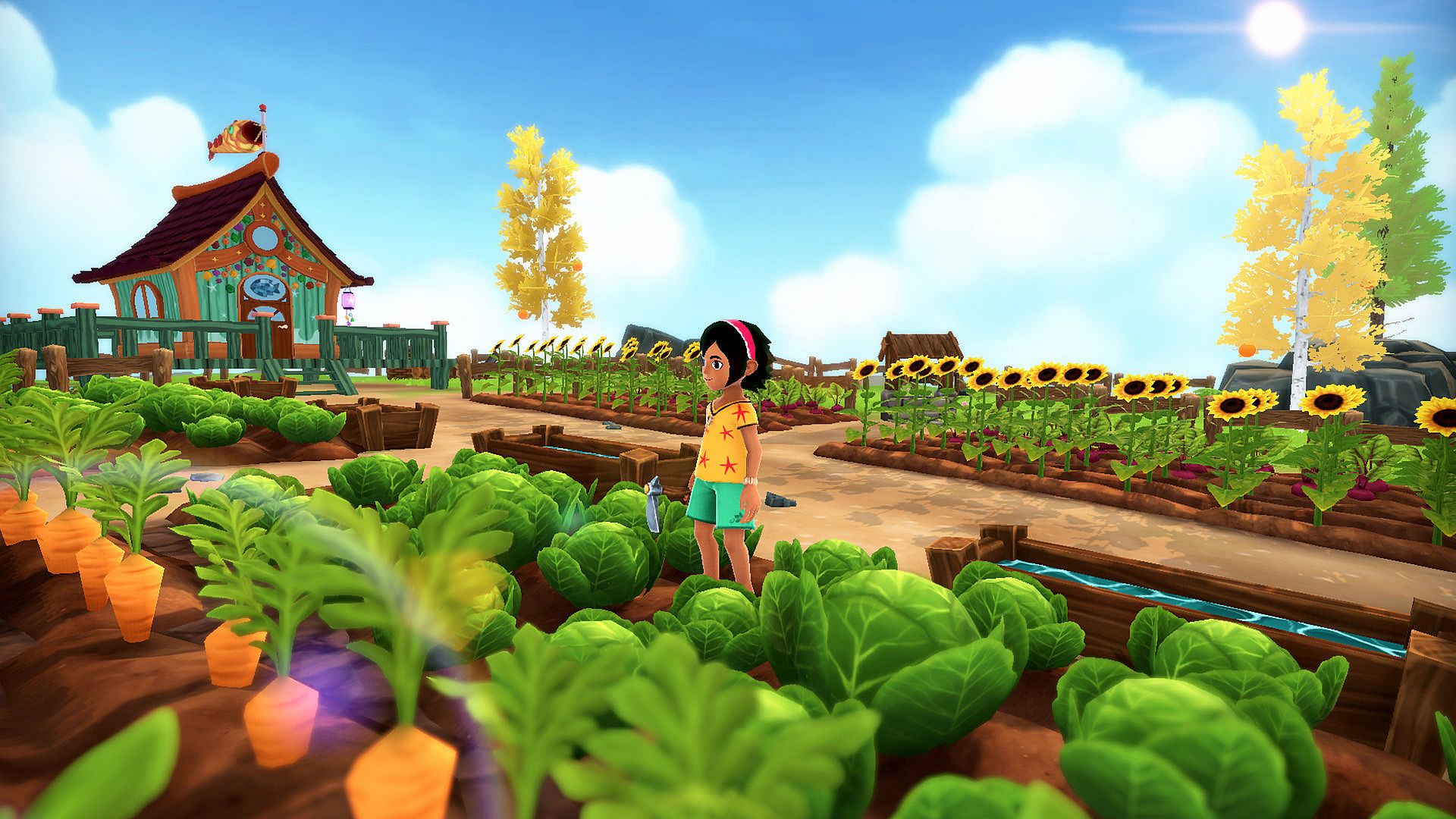
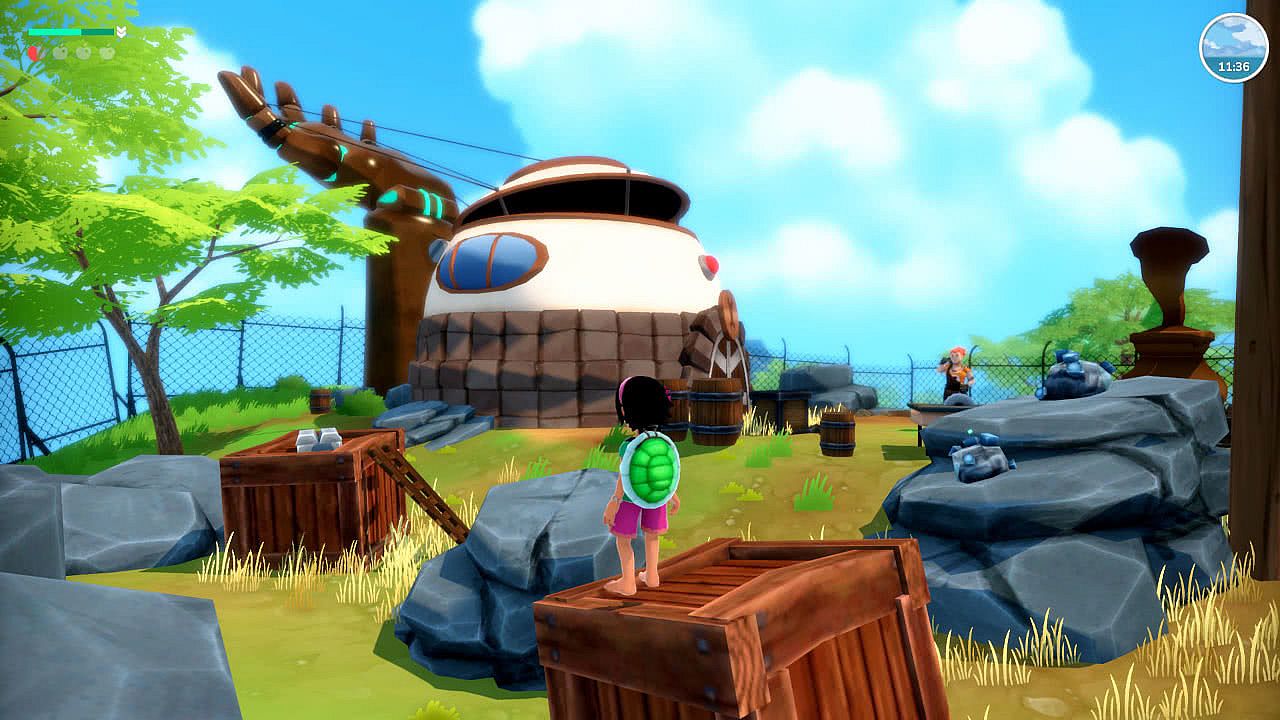
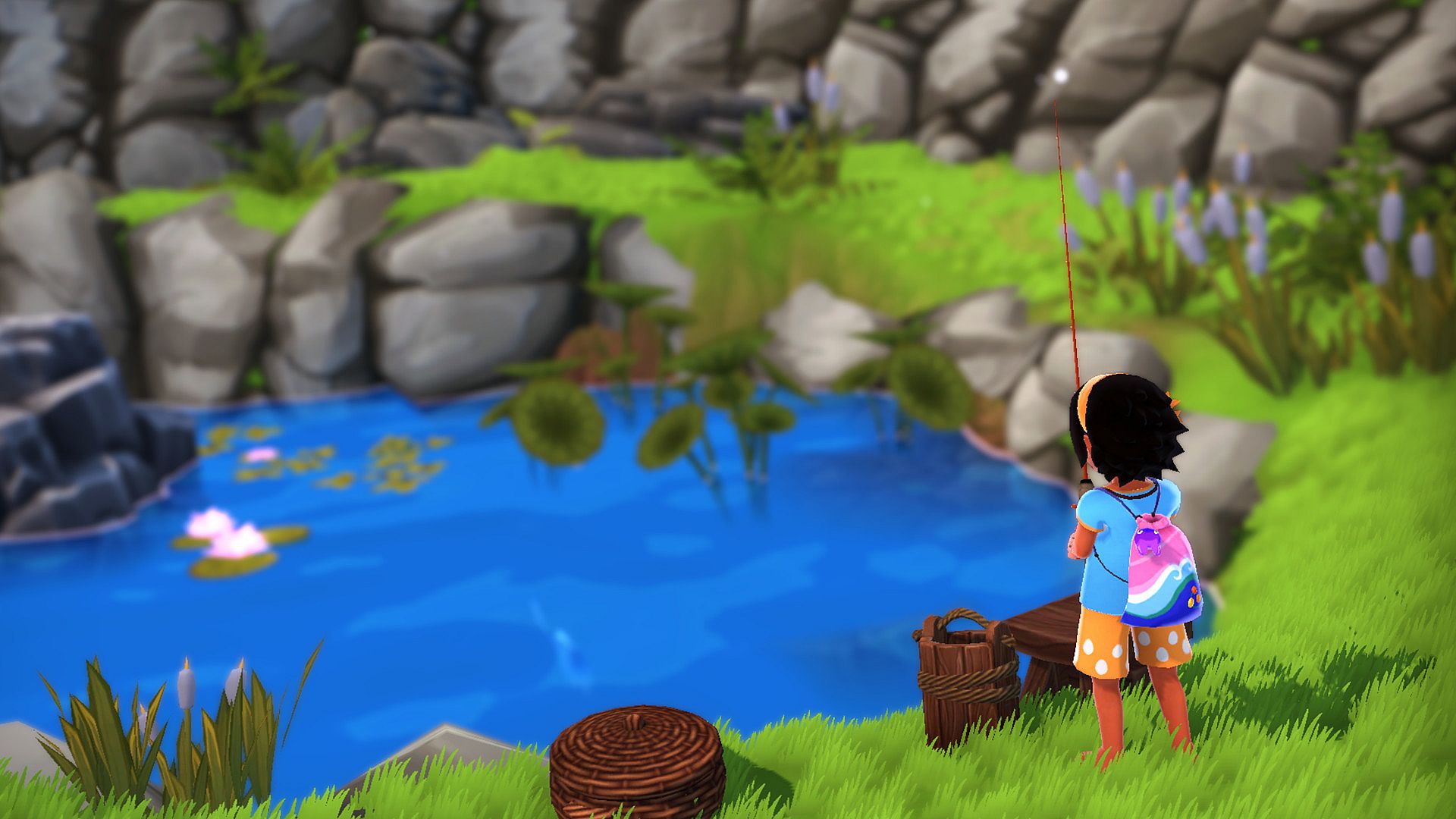
The core loop revolves around managing a personal island while venturing outward. Players plant trees for wood, prepare fields for vegetables, and tend to farm animals such as chickens and pigs. Tools like the hatchet, hammer, hoe, and fishing rod support these activities, with materials gathered on land or at sea used to craft new items and structures. Island customization allows for buildings, crop layouts, and animal pens that expand over time.
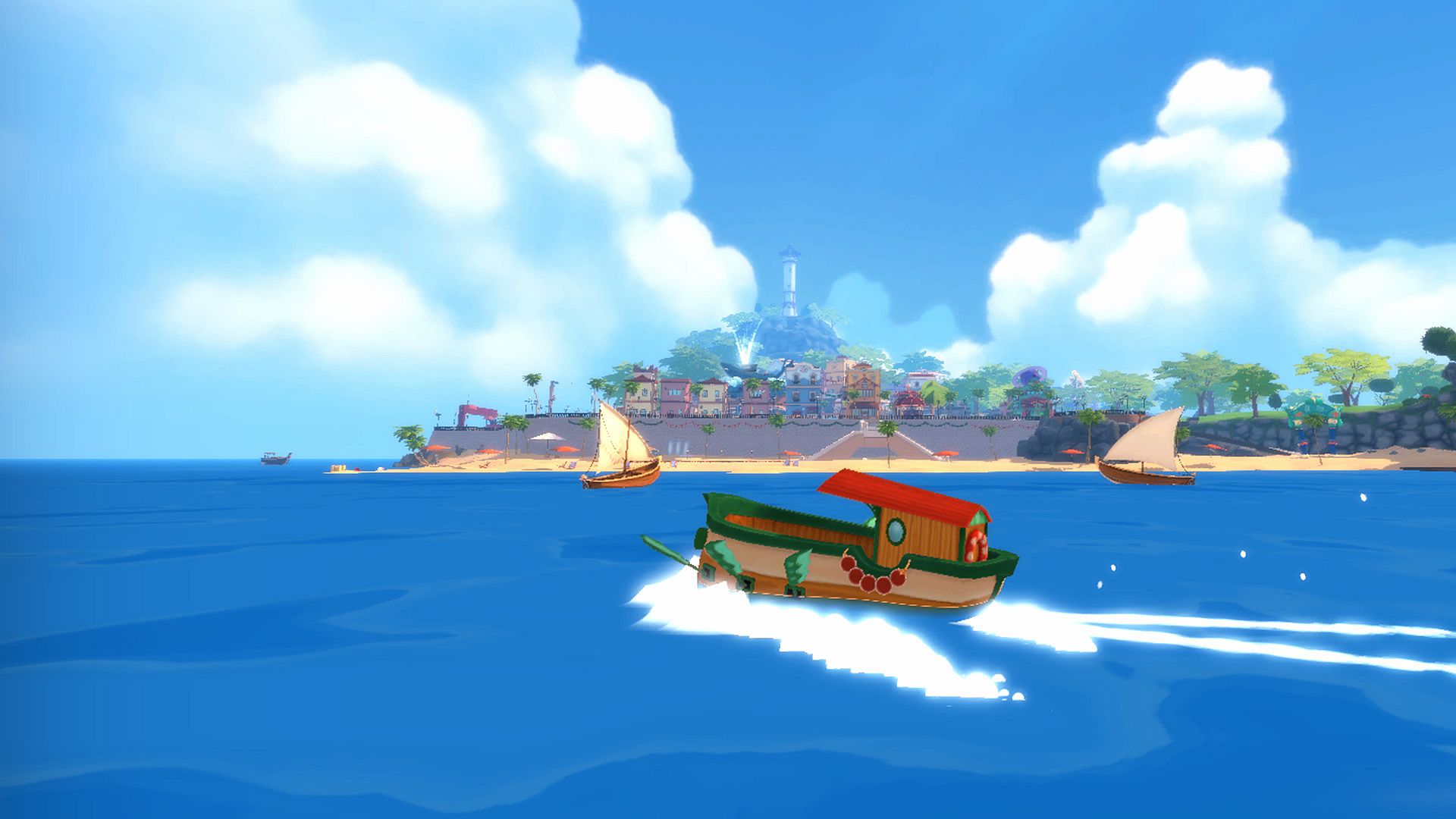
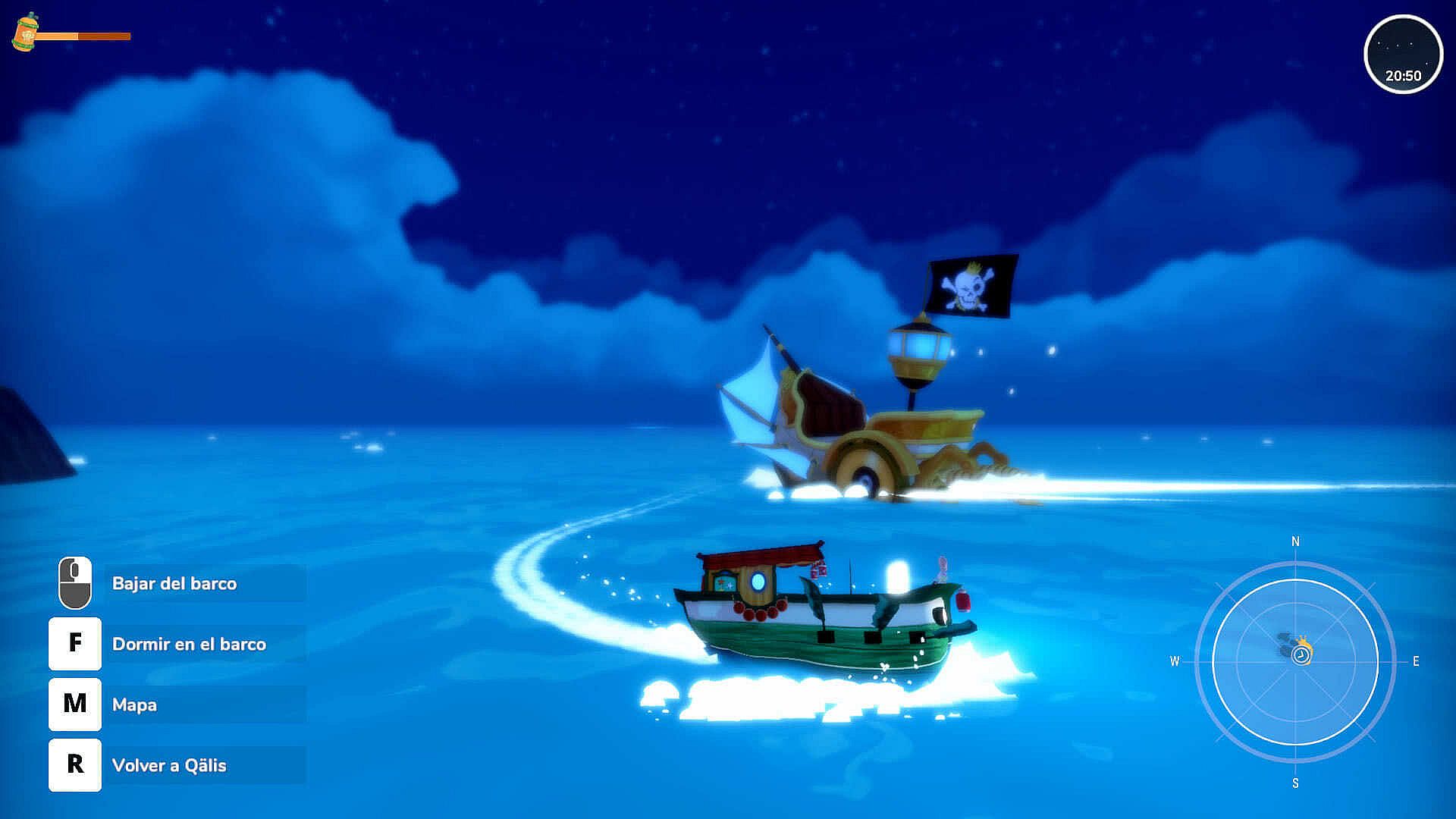
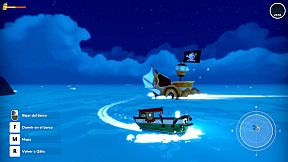
Sailing forms a major pillar. The boat serves as the primary means of travel across an open ocean dotted with islands. Upgrades improve its capabilities, enabling access to farther locations where resources, secrets, and new opportunities await. Fishing occurs both in ponds and open waters, adding variety to daily routines. A day and night cycle influences activities, and climatic events can alter conditions on the islands and sea.
Skill growth occurs naturally through repeated actions. Koa starts with basic abilities and gains new ones by interacting with the environment and completing tasks. This progression ties directly into story advancement and island development, creating a sense of gradual mastery without complex menus or combat systems.
Game Modes
Summer in Mara offers a single-player experience with no separate multiplayer or competitive modes. All content unfolds in one continuous campaign that combines farming management, crafting sessions, quest completion, and exploration. The structure encourages players to alternate between island upkeep and boat trips without switching between distinct game types or difficulty settings.
Progression remains linear in its narrative thread yet open in daily choices. Players decide how much time to allocate to crops versus sailing or character interactions. This unified approach keeps the focus on personal pacing rather than separate modes for story, survival, or free play.
Story and Characters
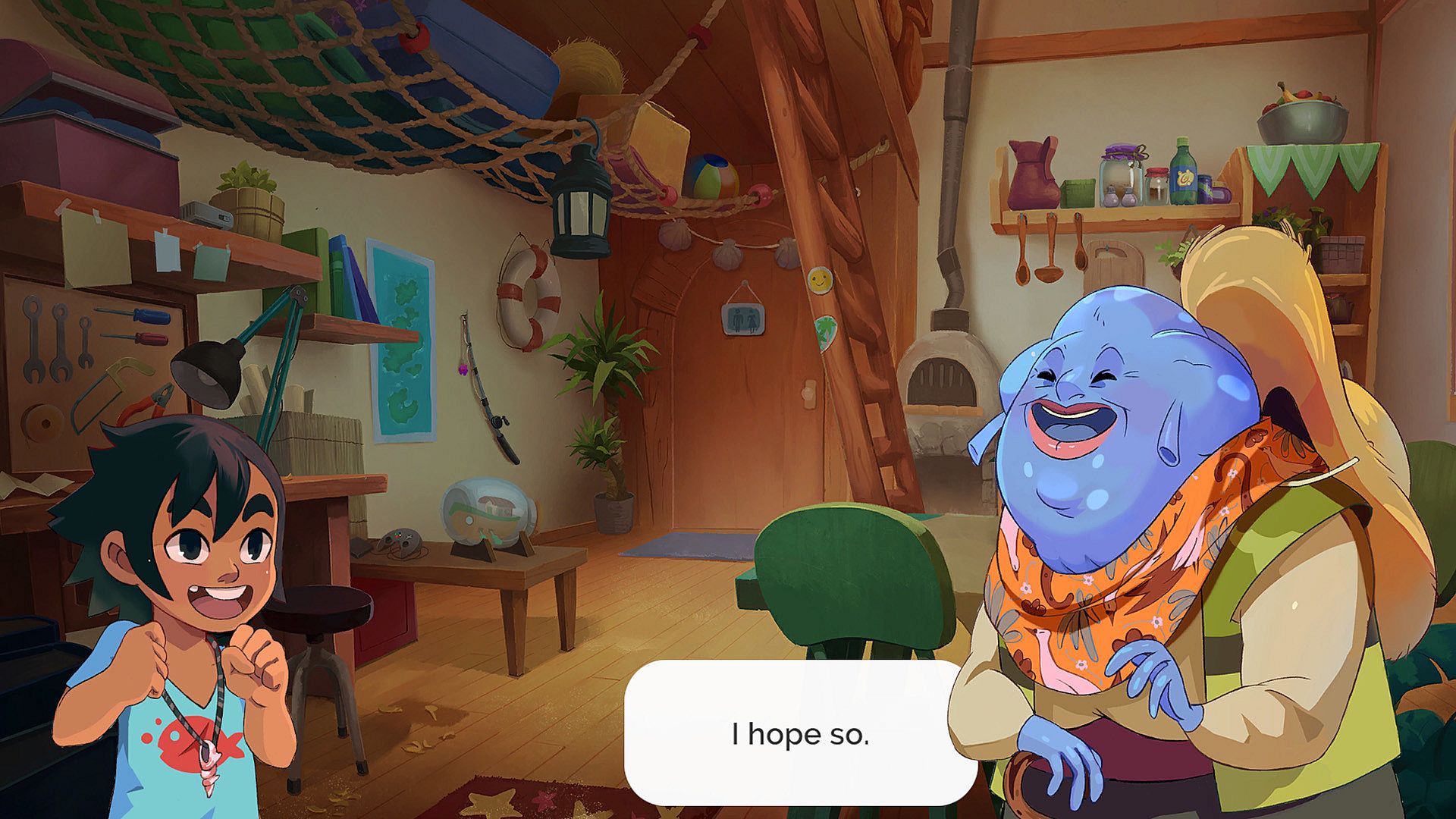
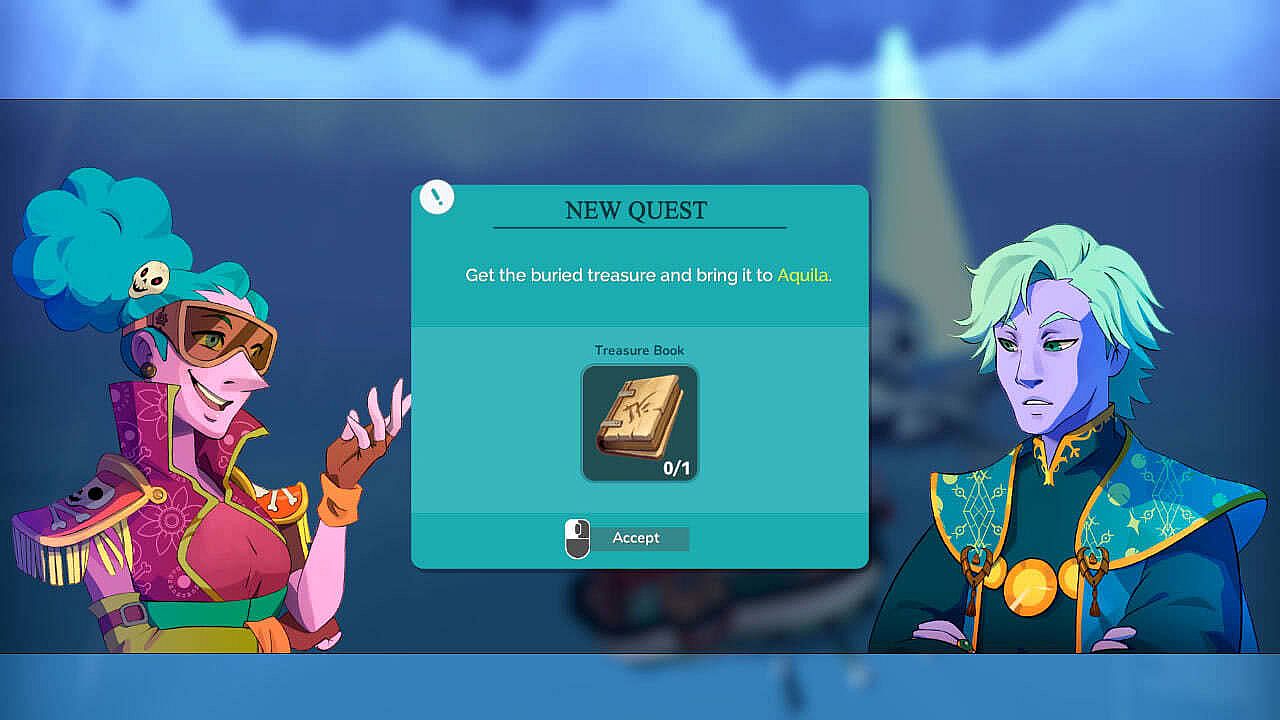
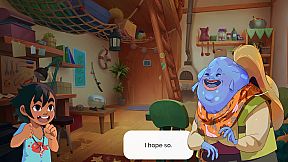
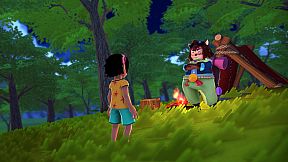
A narrative thread runs through the archipelago involving an antagonistic corporation named Elit that seeks to exploit the ocean. Koa encounters Napopo, a creature affected by these plans, and becomes involved in efforts to protect the islands. Over twenty-five characters populate the world, each with individual stories, dialogue, and requests that players can pursue through more than three hundred quests.
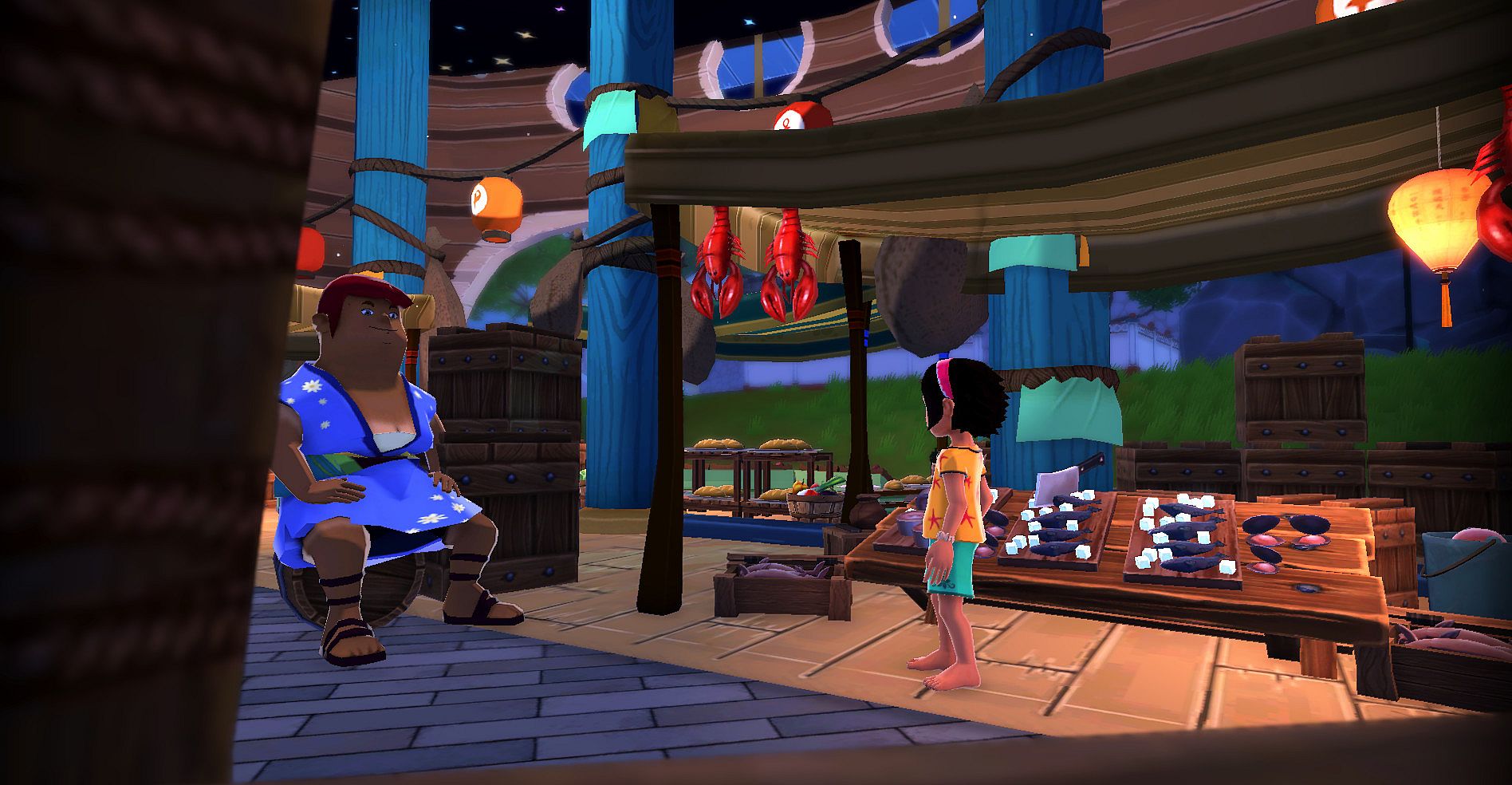
Interactions with residents drive much of the engagement. Trading, conversations, and favor completion reveal background details and unlock further opportunities. The handmade art style and calm tone support a gentle unfolding of events rather than high-stakes conflict.
Is It Worth Playing?
Summer in Mara suits players who enjoy cozy single-player games that combine light management with exploration and character-driven quests. The absence of combat or time pressure makes it accessible for short or extended sessions focused on steady island improvement and ocean travel.
Reception on its primary platform stands at mostly positive, with 75 percent approval from over 1,400 user reviews. Some players note repetitive elements in farming tasks, while others appreciate the consistent atmosphere and narrative payoff. The game launched in 2020 and remains available as a complete title without ongoing seasonal content or major post-release expansions.
Those seeking a relaxing alternative to faster-paced adventures will find value in its straightforward systems and emphasis on growth alongside Koa. The combination of verified mechanics like boat upgrades, crop cycles, and extensive questing delivers a self-contained experience tailored to fans of simulation and adventure genres.