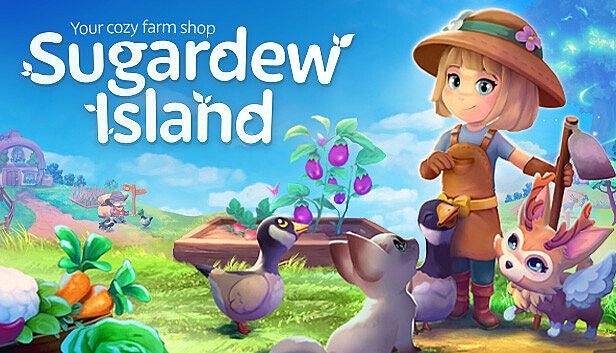






















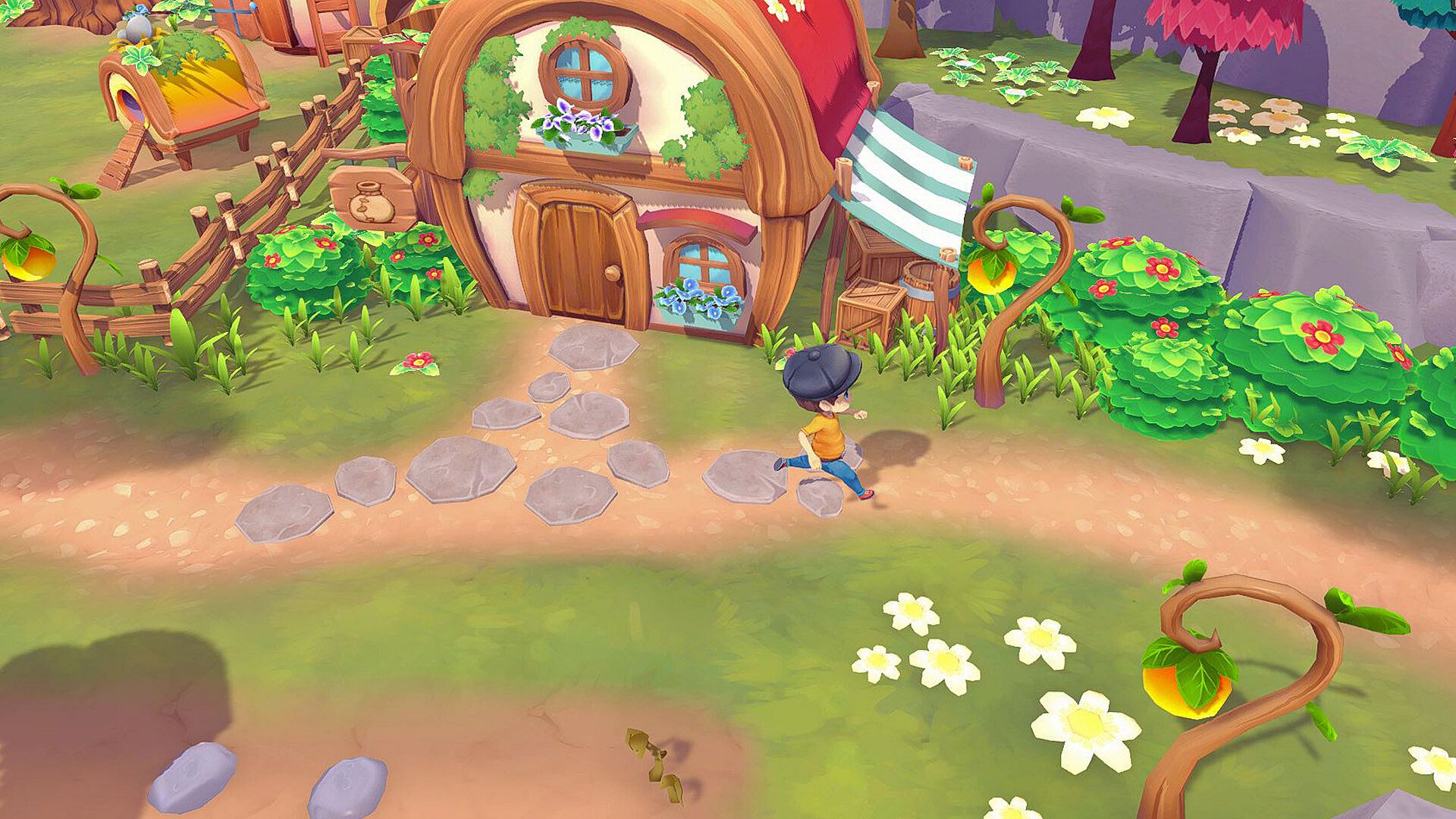

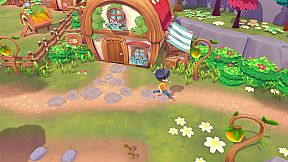
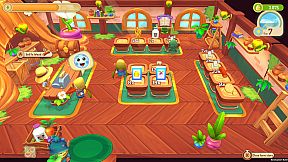
Sugardew Island is a cozy farm shop simulation game developed by a small indie team for PC. Players take on the role of a shipwreck survivor who awakens on a quiet island and works to restore it through steady farm work and shop management. The experience draws direct inspiration from classic Harvest Moon titles on the Nintendo DS, emphasizing relaxed pacing without timers or pressure.
Gameplay
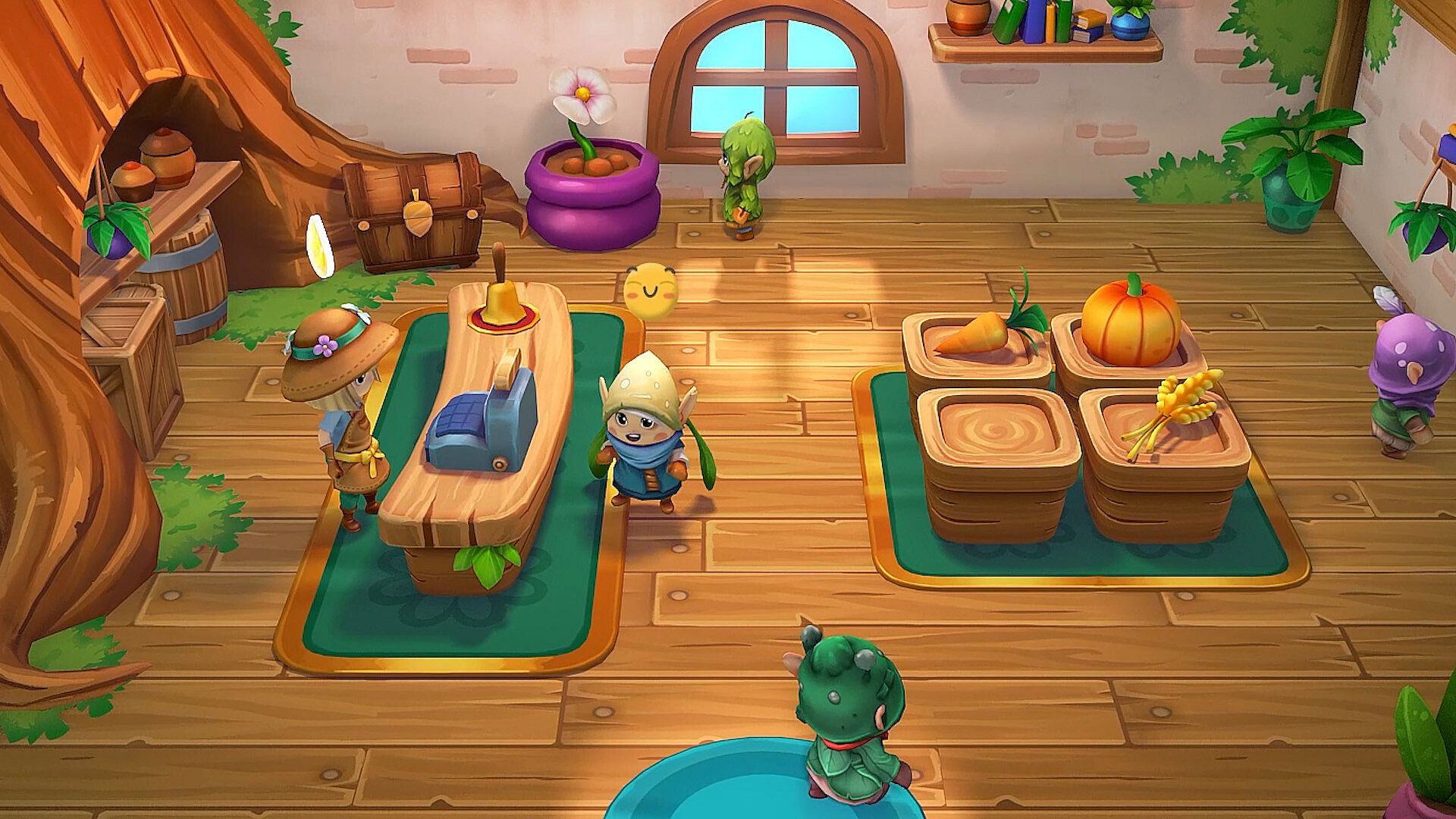
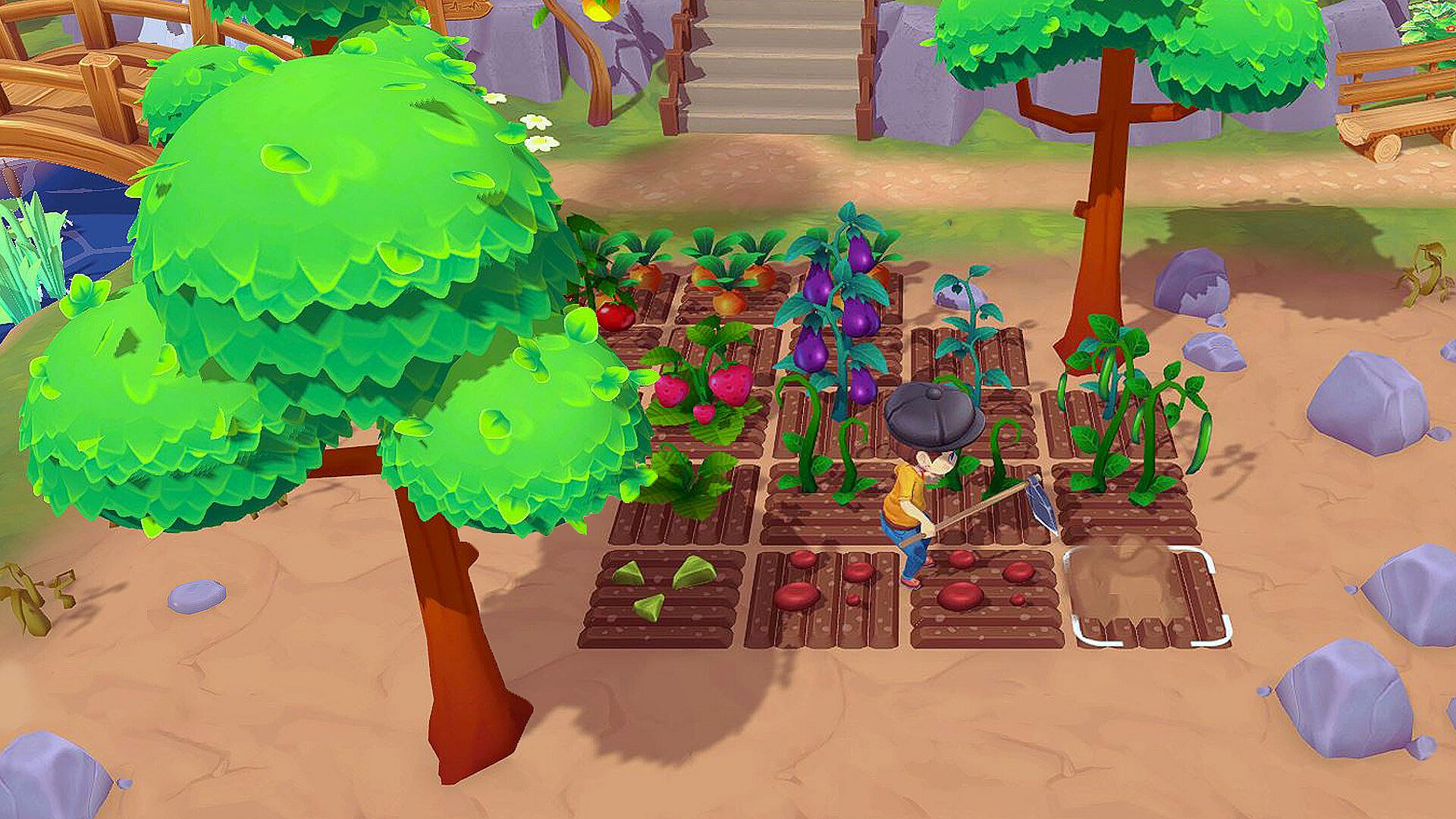
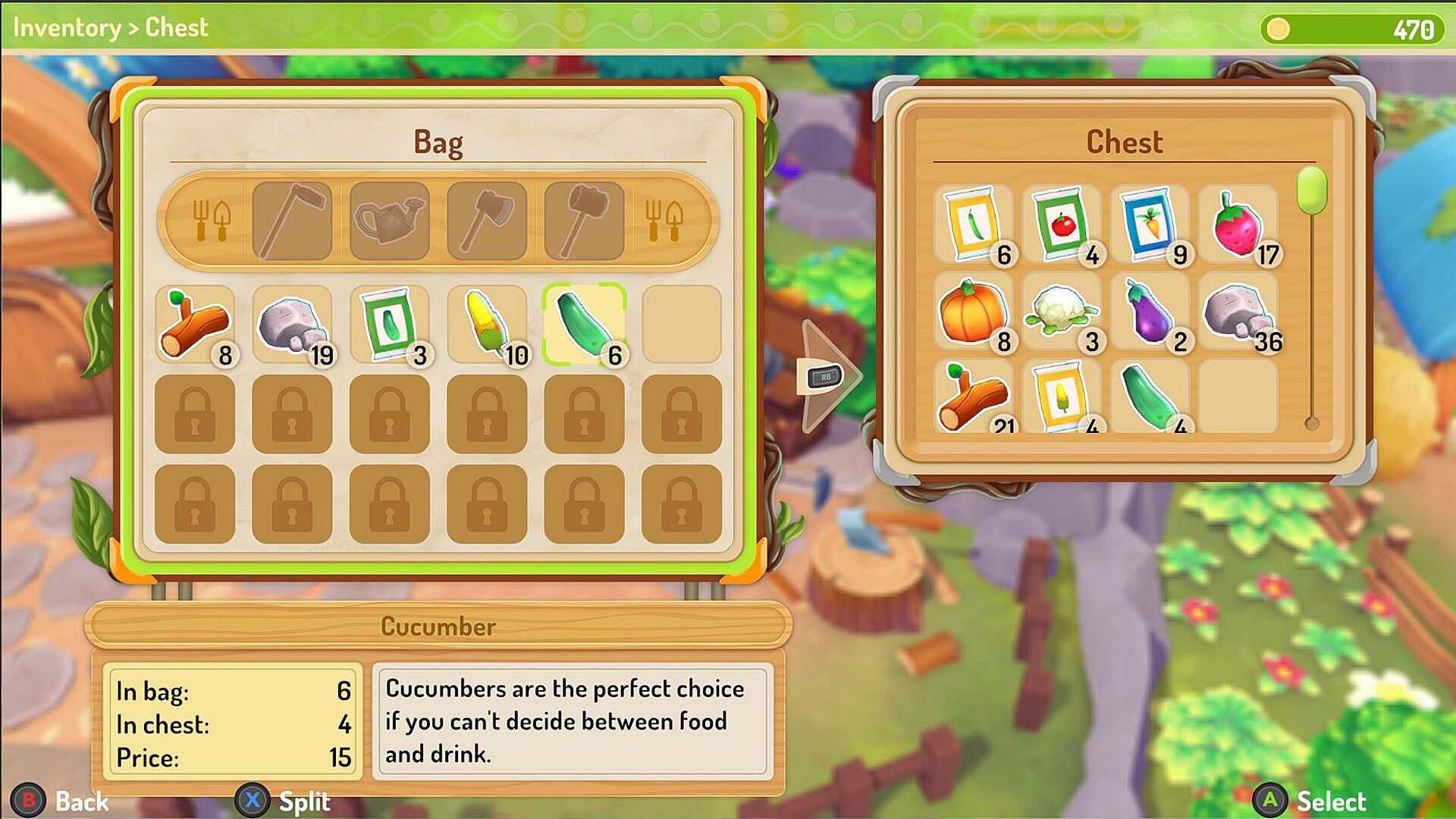
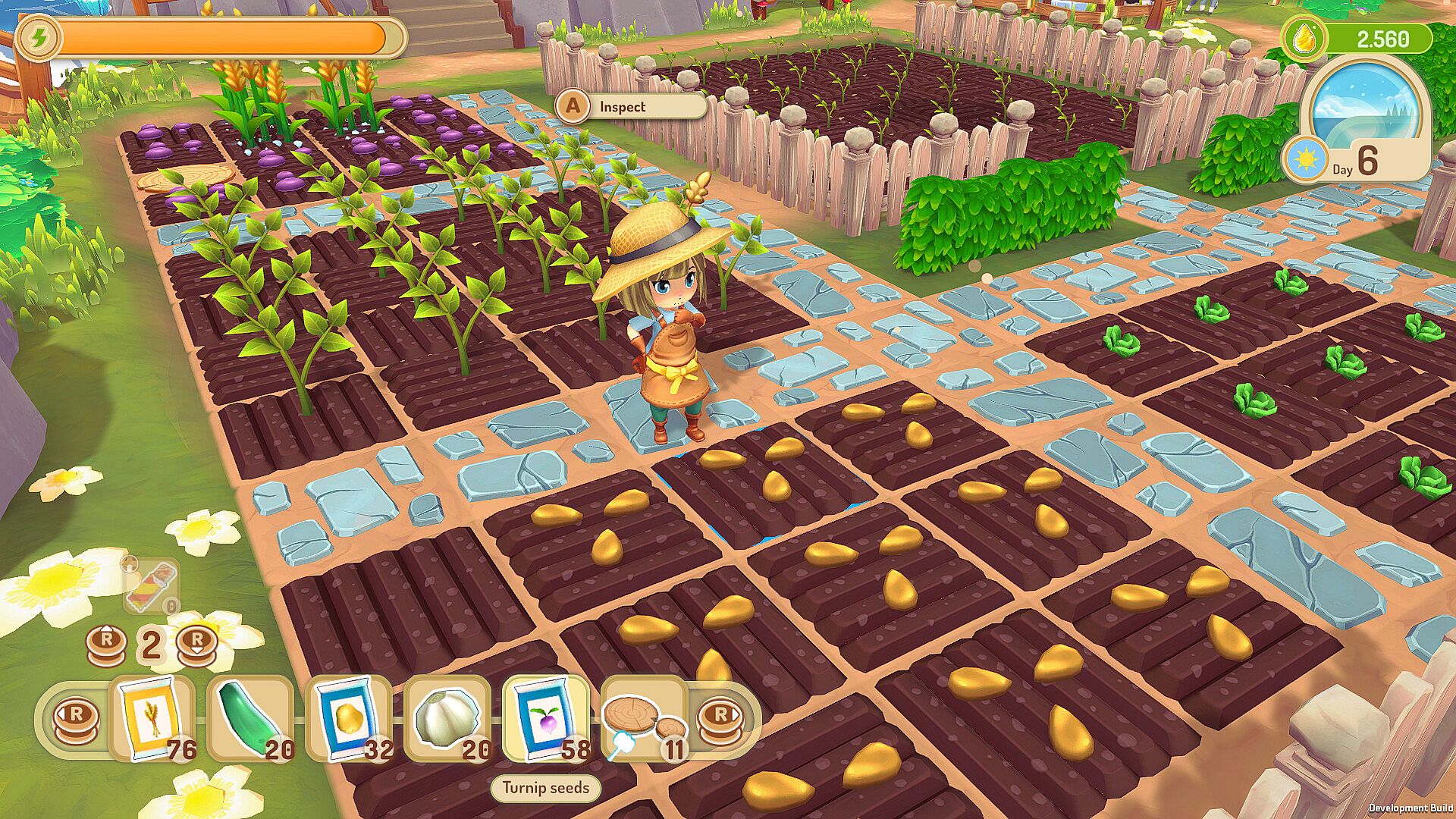
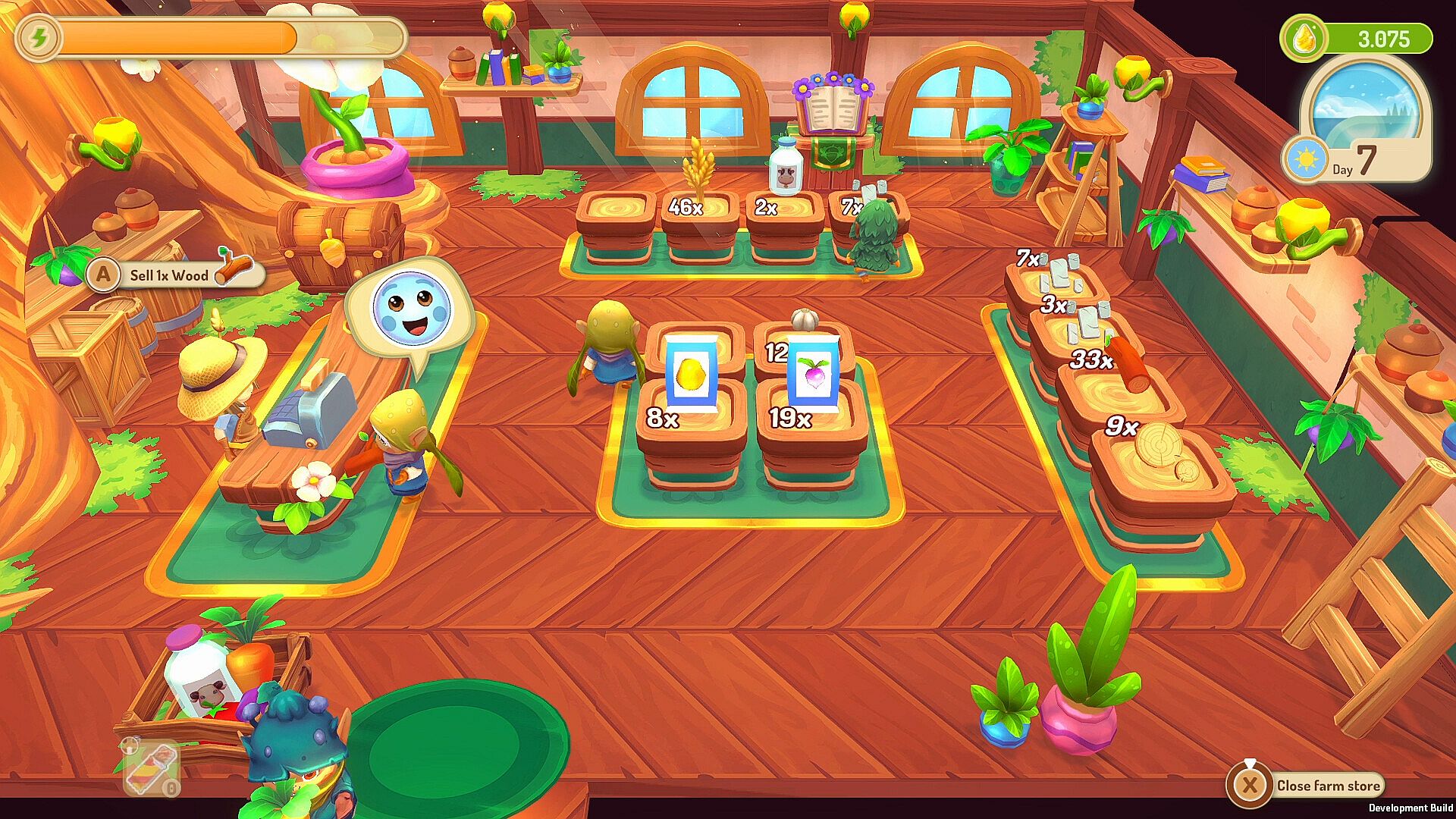
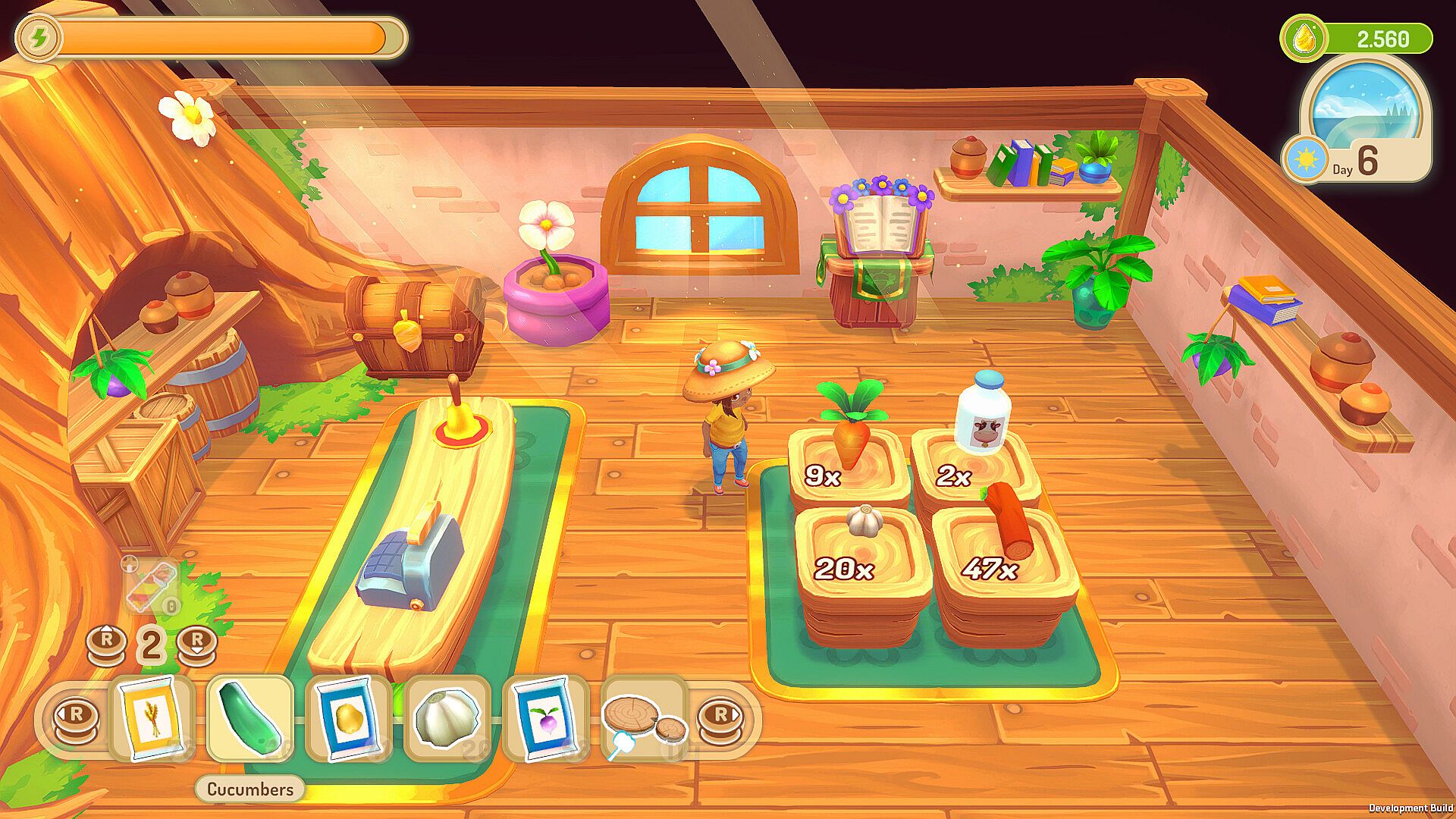
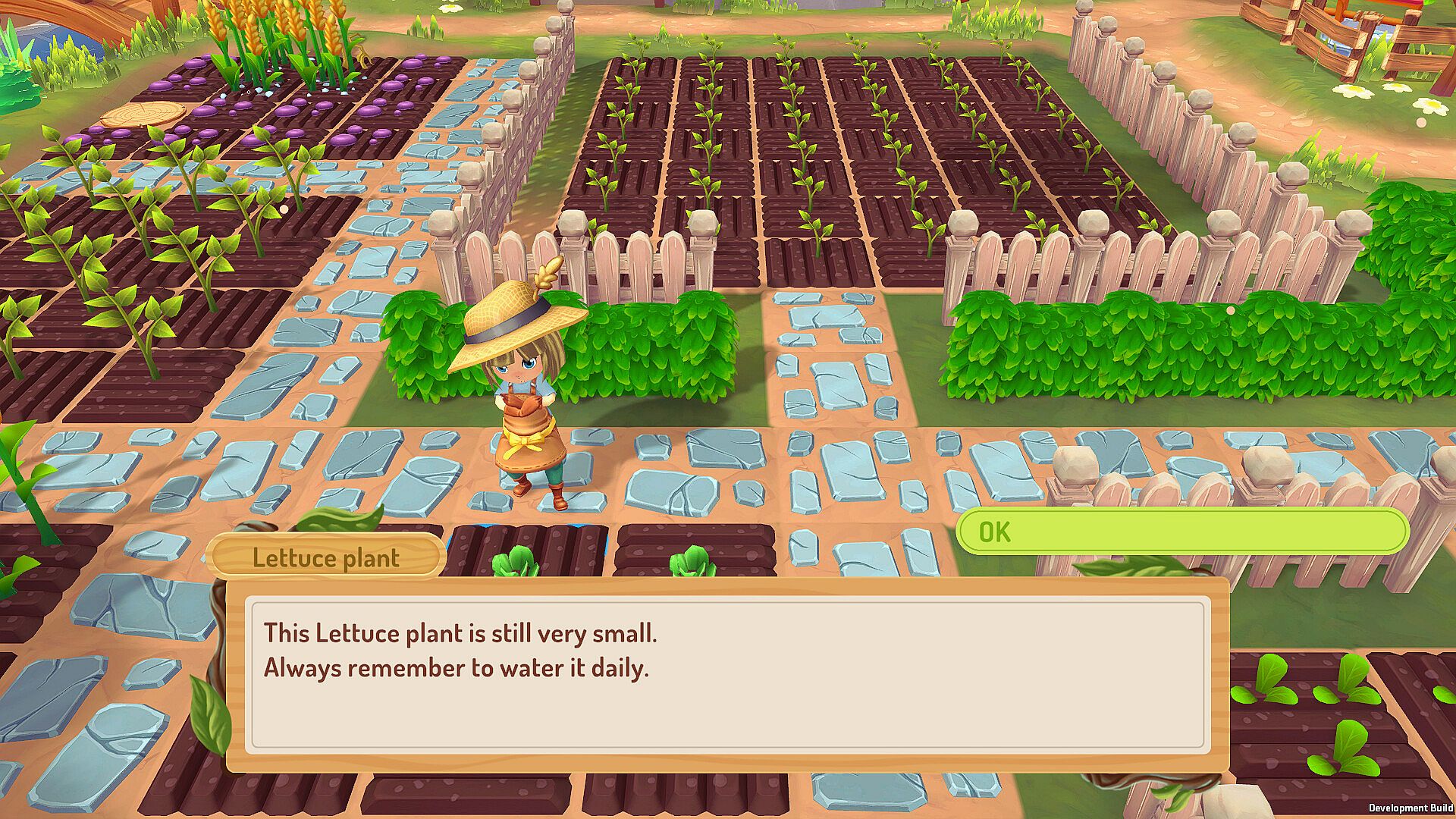
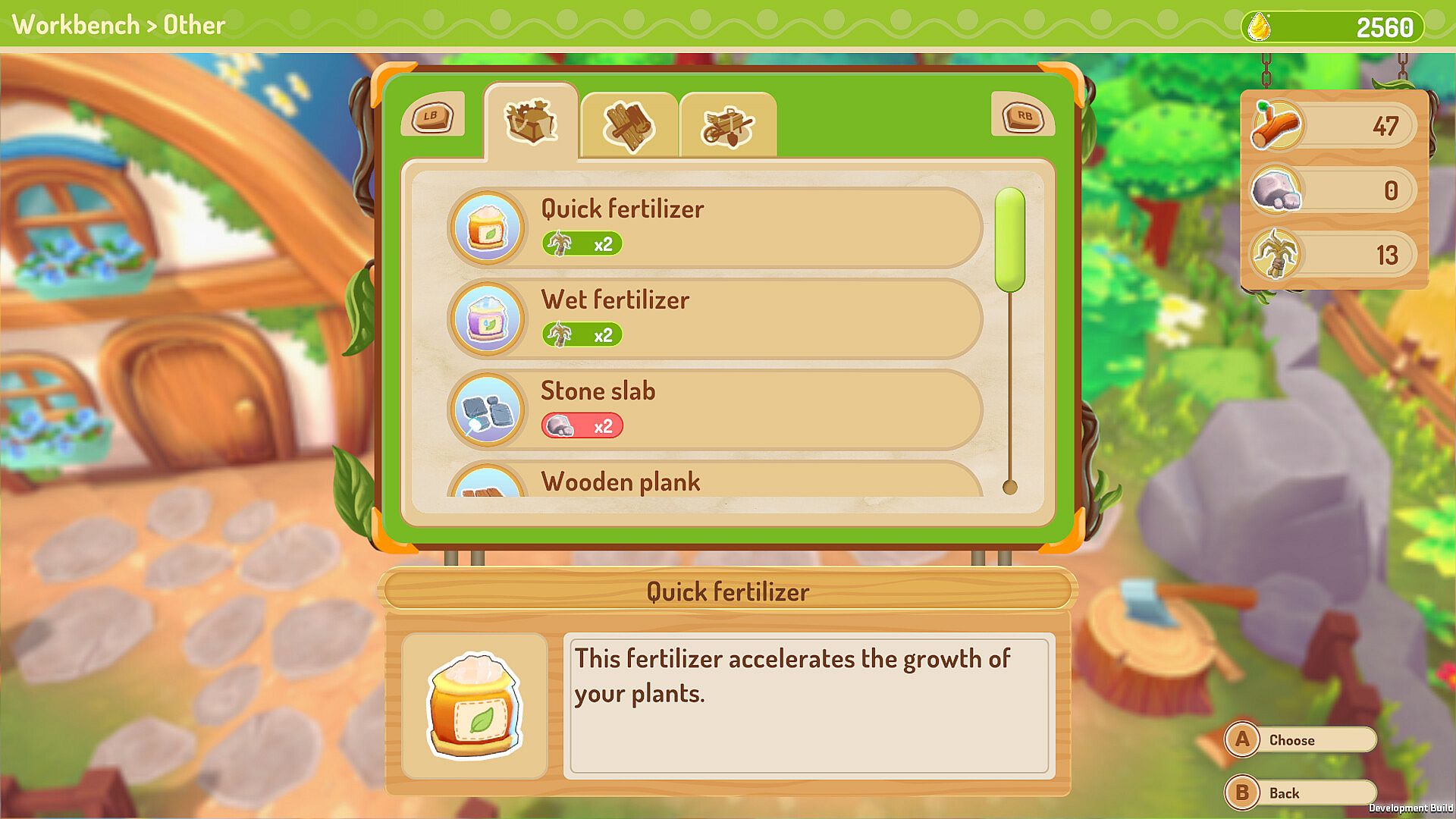
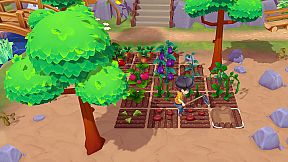
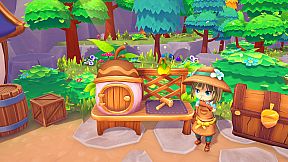
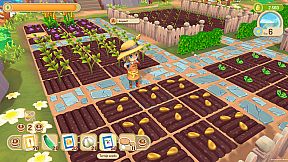
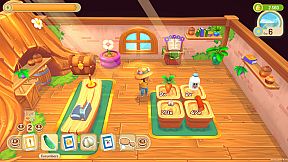
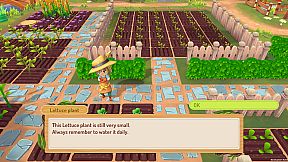
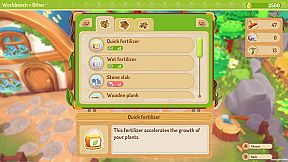
The core loop centers on daily farm routines and shop operations. Players plant and tend crops, produce fertilizer, and harvest goods to stock the farm shop. Sales involve direct interaction with the Forest Folk, where negotiation helps set prices for items like produce, eggs, and milk. Resource gathering supports upgrades, with wood, stones, and weeds collected to improve the house, barn, and tools for better efficiency over time.
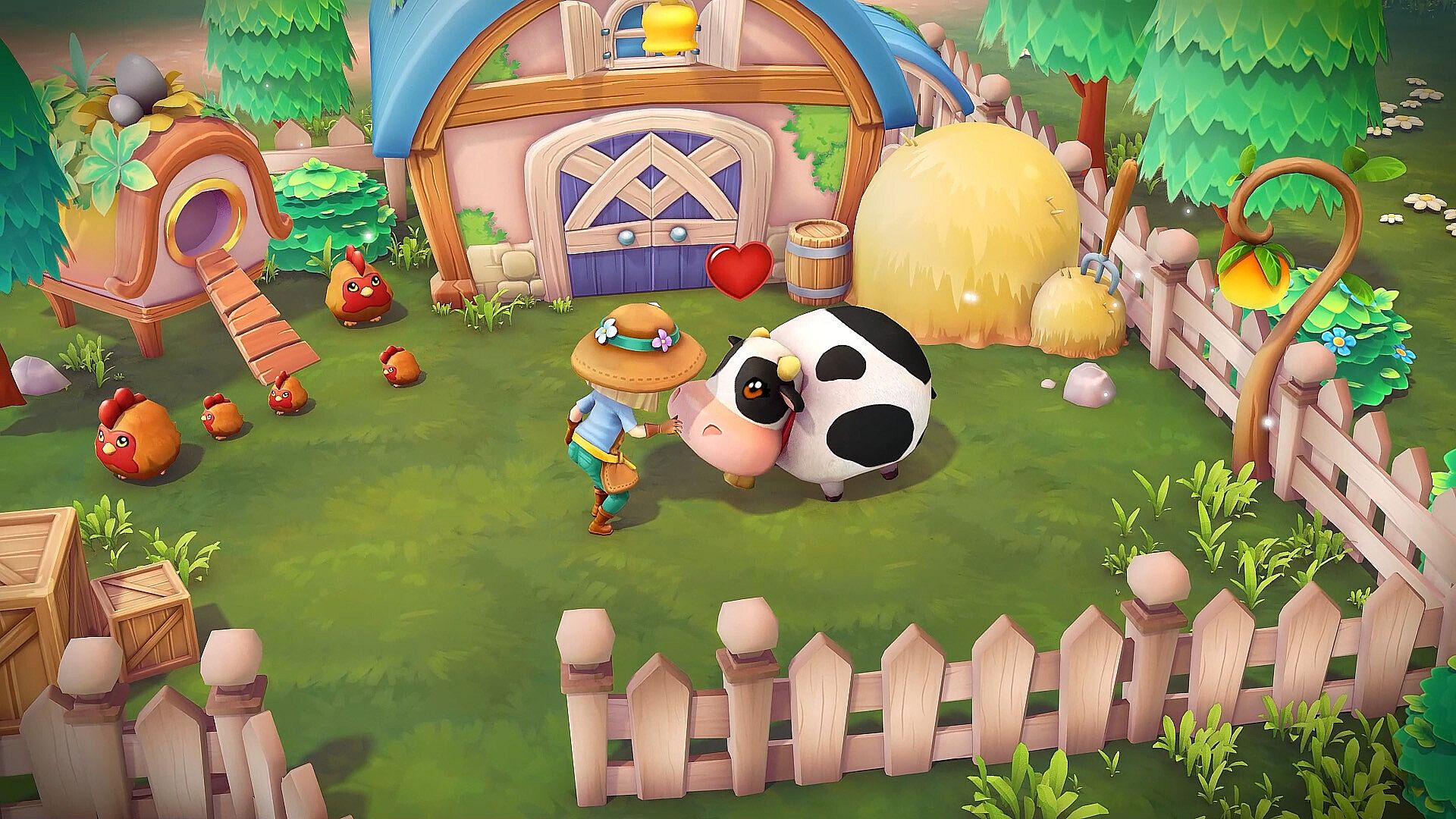
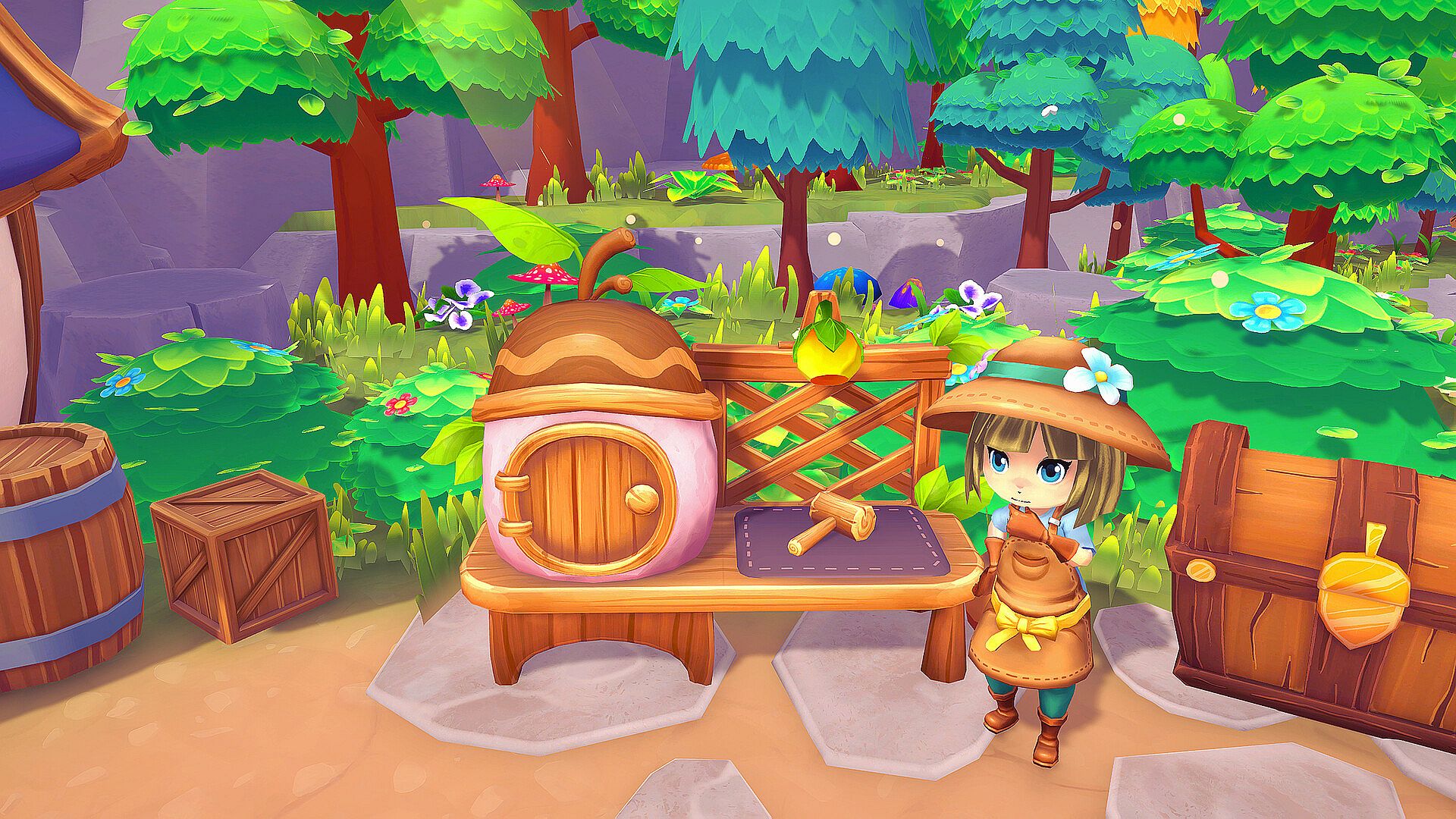
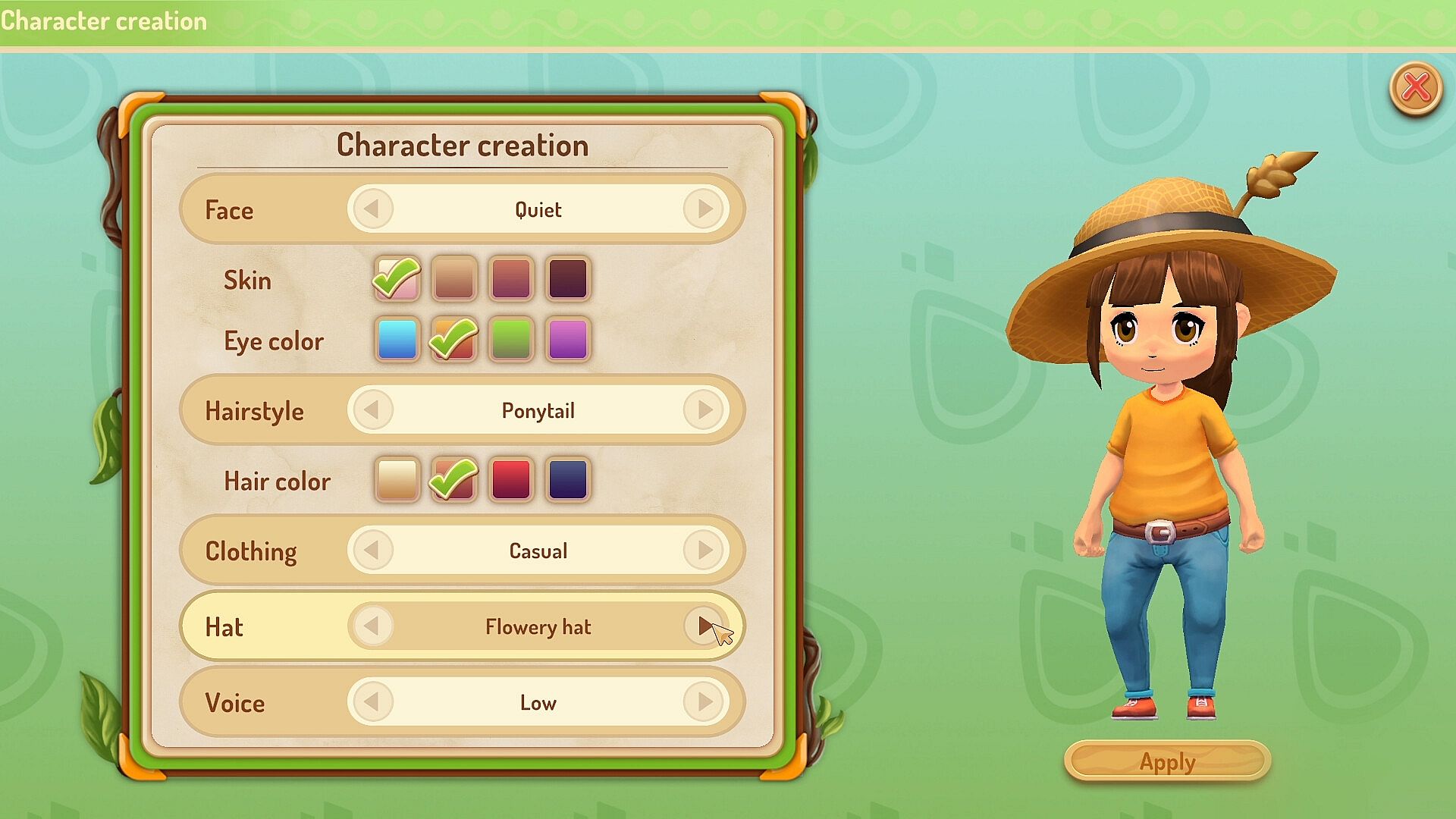
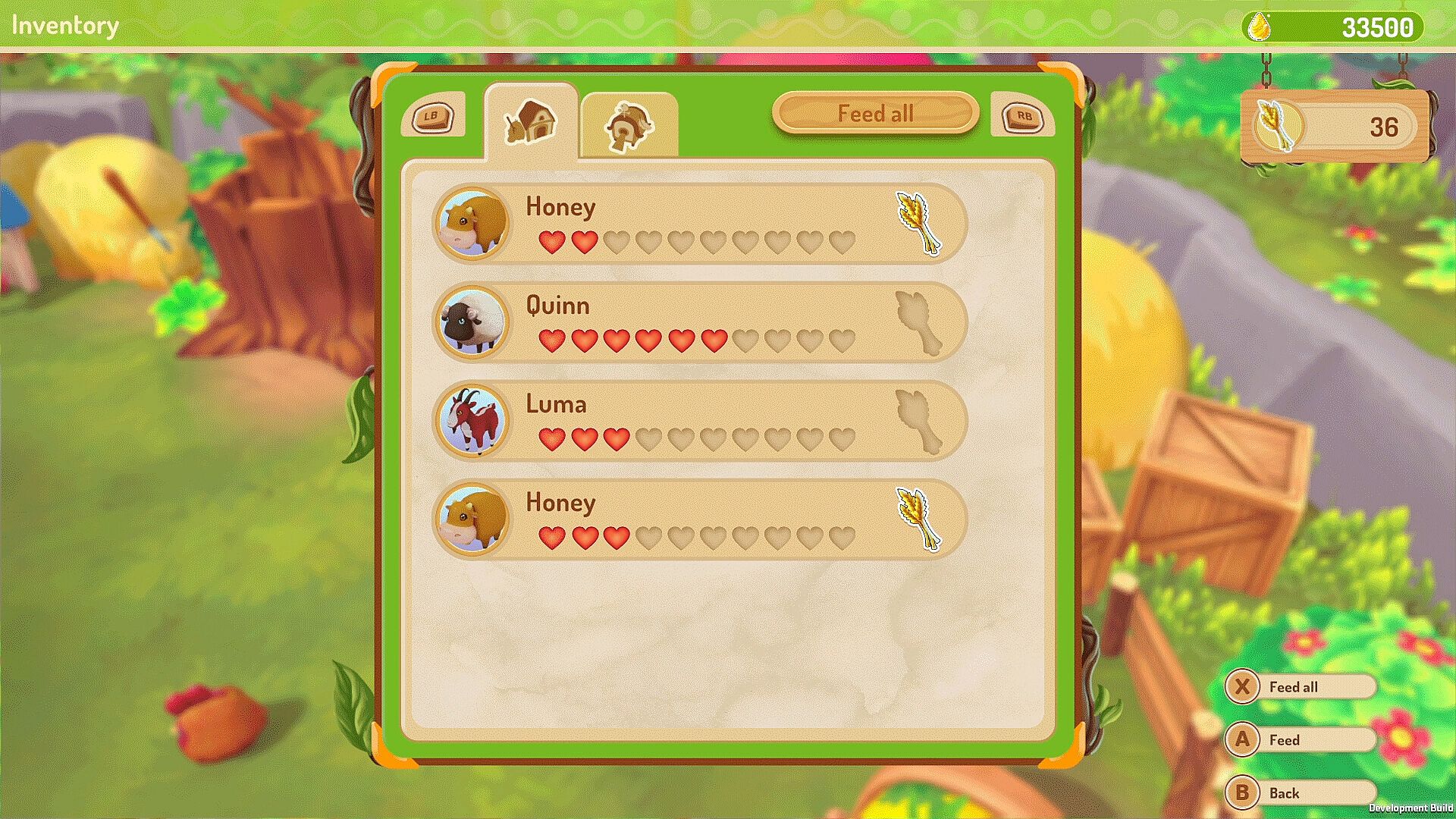
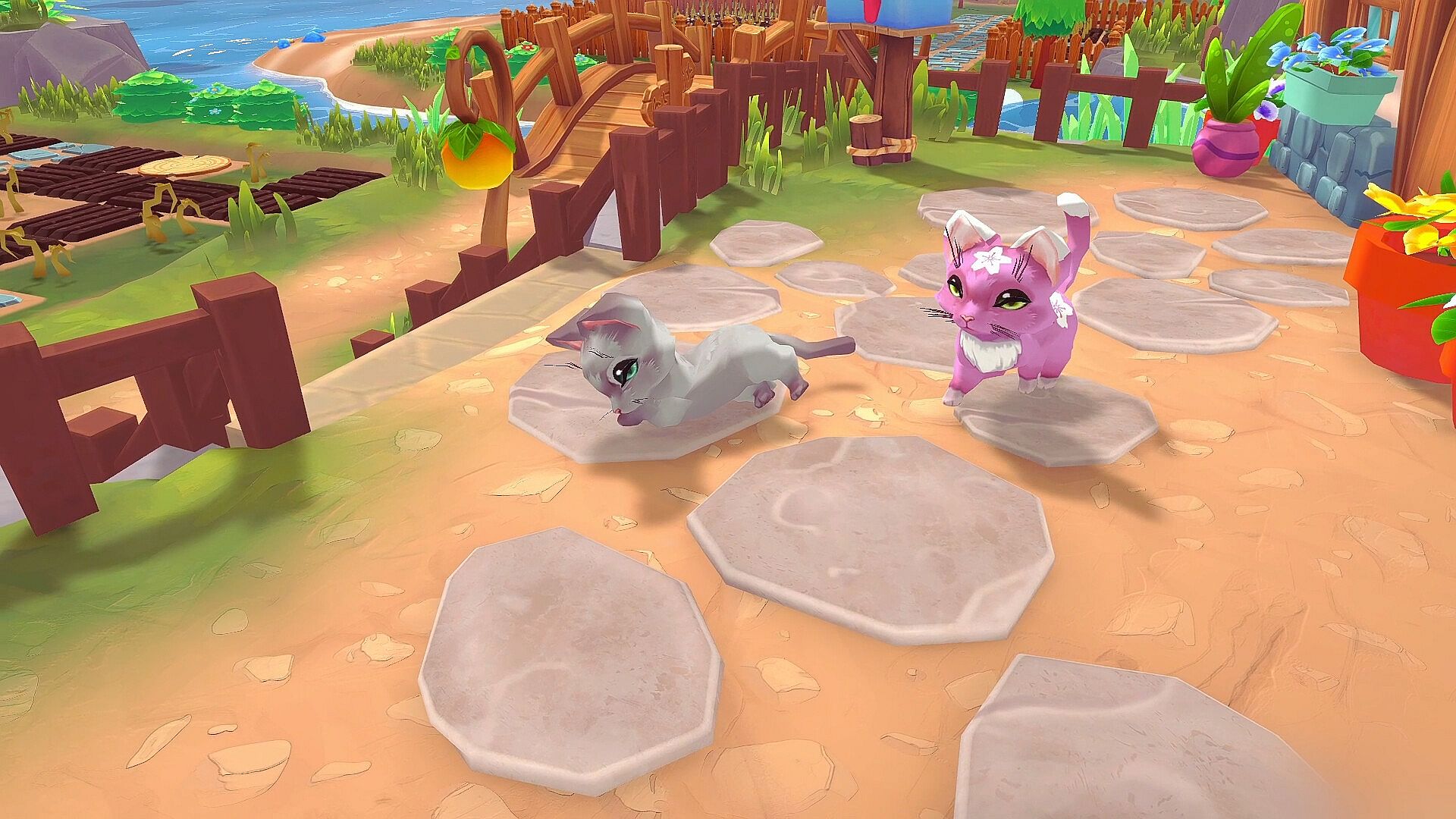
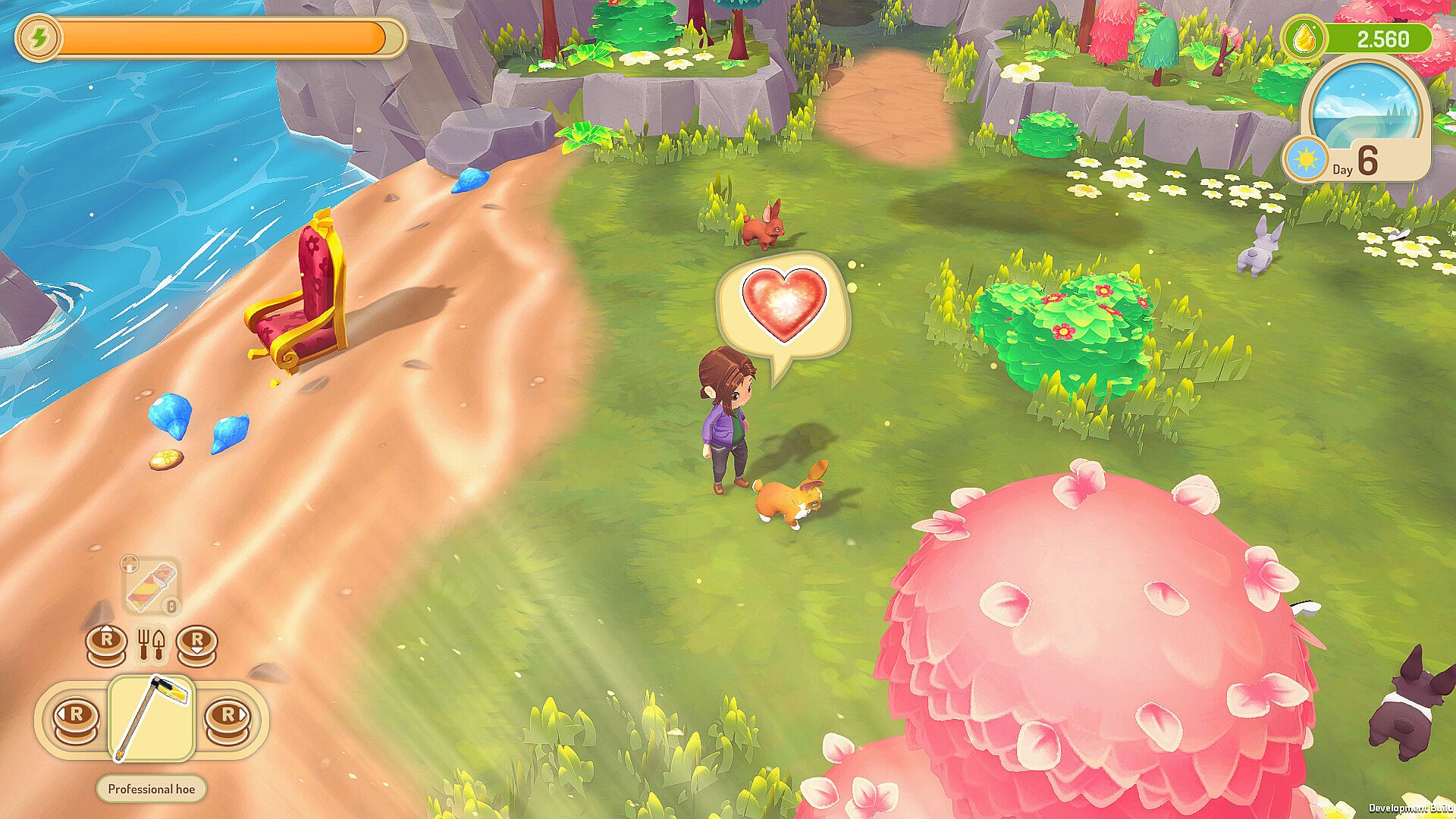
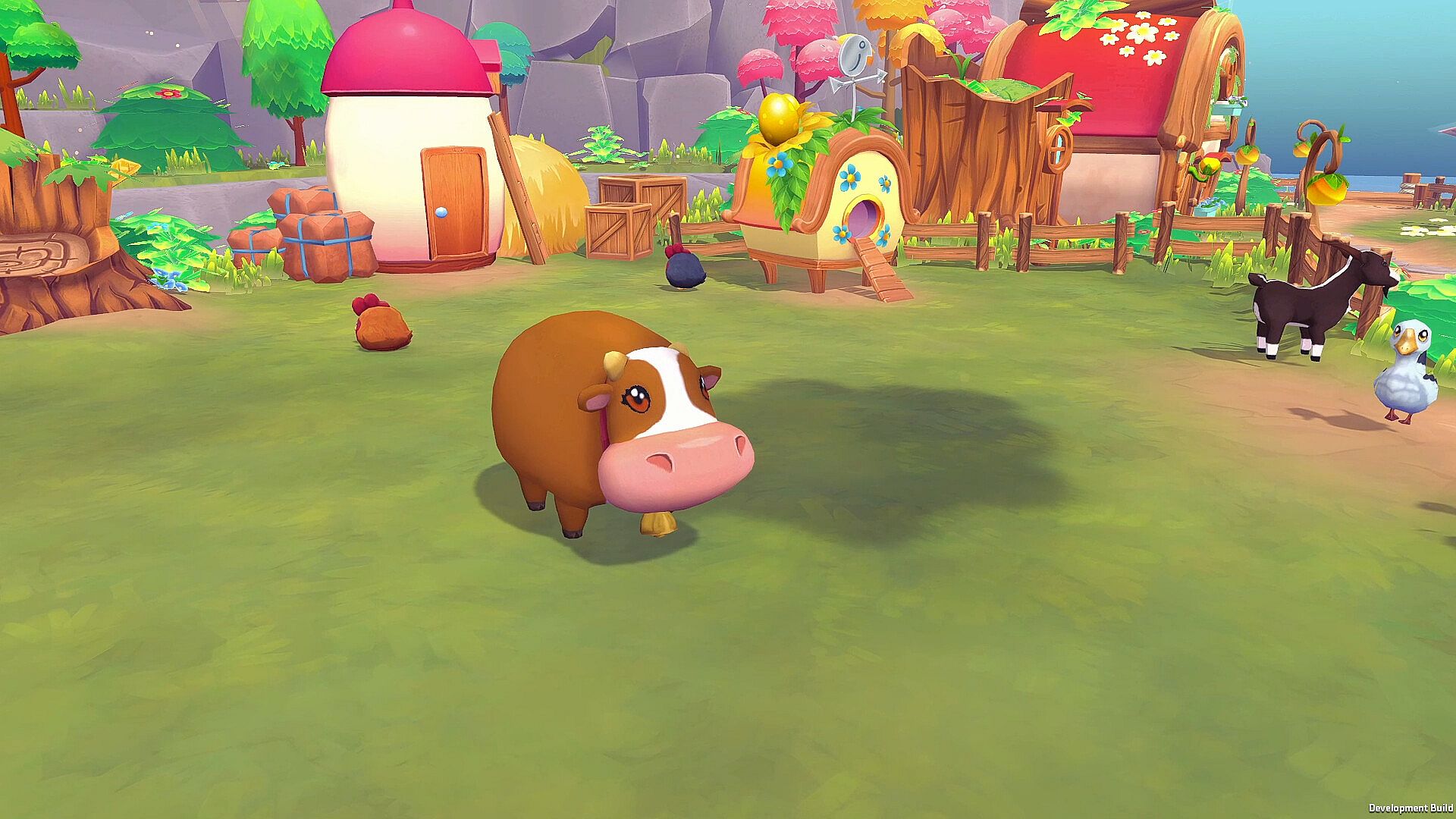
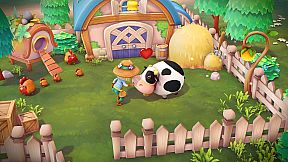
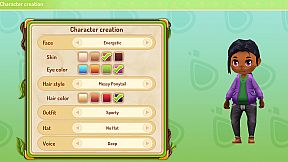
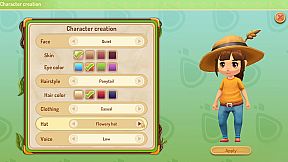
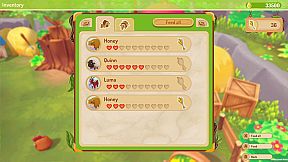
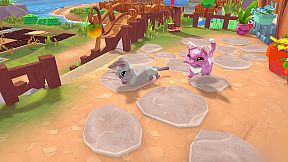
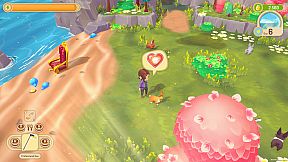
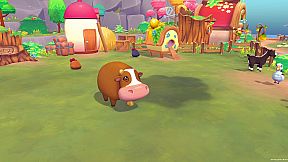
Animal care forms another key pillar. Players feed livestock, build bonds through regular interaction, and collect products such as eggs and milk. Pet companions add a layer of companionship, allowing players to name them, interact frequently, and have them follow along during island exploration. A character editor lets players customize appearance at the start to match personal preferences.
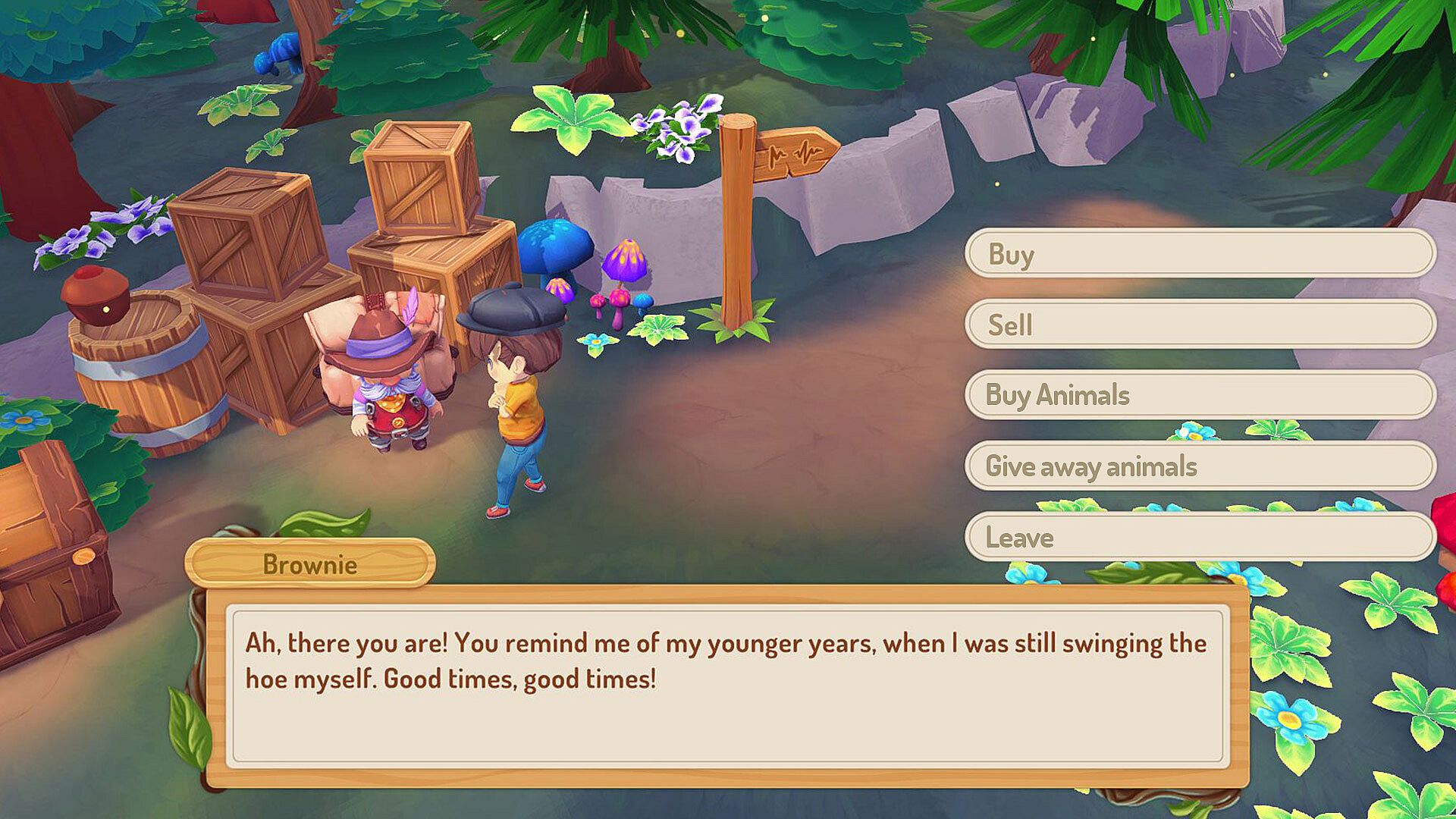
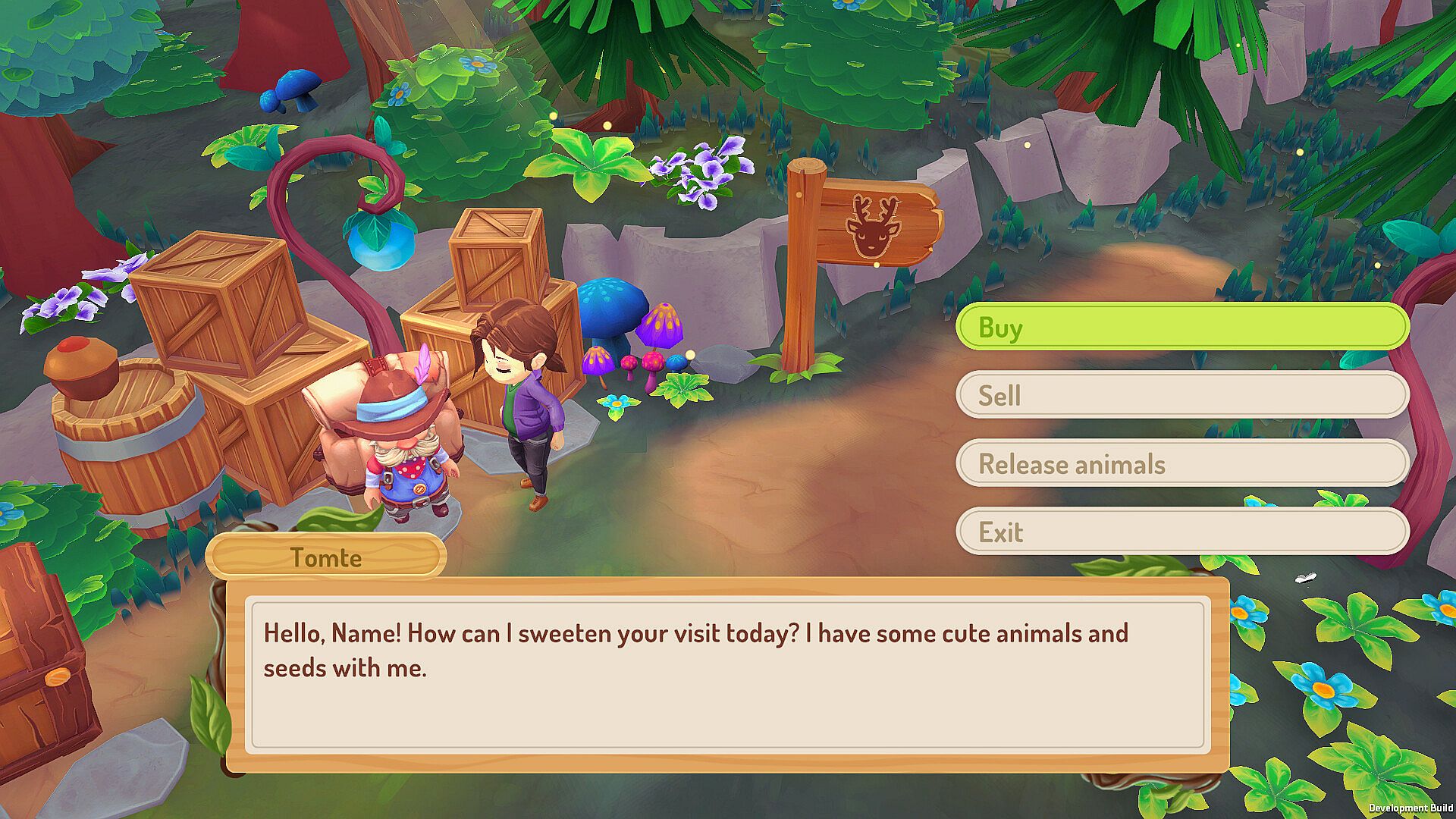
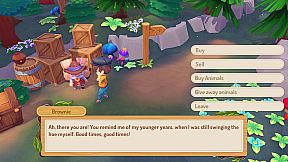
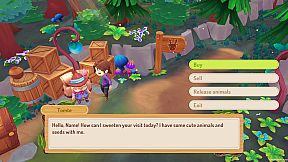
Progress ties into the Harmony Tree system. Completing small orders from the tree generates harmony that gradually revives the island and clears obstacles. Trader Tomte offers seeds, animals, and supplies for purchase, while relationships with local residents develop through conversations and gifts, opening options for friendship or deeper connections. All activities remain optional and free of deadlines, supporting short play sessions or longer relaxed sessions alike.
Game Modes
Sugardew Island offers a single continuous single-player experience with no separate competitive or multiplayer modes. The entire game unfolds as one cohesive campaign focused on island restoration through farming, trading, and quest completion. Players advance at their own pace across an estimated fifteen hours of content, with the option to focus on any combination of farming, shop management, or exploration without structured divisions or alternate scenarios.
Key Features and Systems
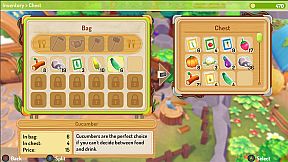
Upgrades provide tangible improvements to daily tasks, such as better tools that speed up gathering or expanded storage that supports larger shop inventories. The shop itself serves as the central hub where players display goods and engage in light haggling with customers. Quests from the Harmony Tree act as gentle progression markers, each one contributing to visible changes across the island as life returns to previously barren areas.
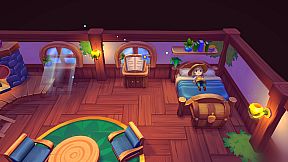
Exploration remains low-key, limited to the small island setting where players gather materials and interact with residents. The absence of combat or high-stakes elements keeps the focus squarely on nurturing routines and gradual growth. Customization extends beyond the initial character editor through ongoing animal interactions and home improvements that reflect personal choices.
Is It Worth Playing?
Sugardew Island suits players seeking an uncomplicated farming simulation with shop management elements. The pressure-free design, short-session support, and emphasis on animal care plus light social interactions make it a fit for fans of the genre who prefer steady, low-stress progression over complex systems or time constraints. The game launched in March 2025 with a demo available beforehand that highlighted its cozy atmosphere, and it continues to receive attention in communities centered on relaxed simulation titles. Those who enjoy building routines around crops, sales, and island restoration without external demands will find the full package aligns closely with that preference.