

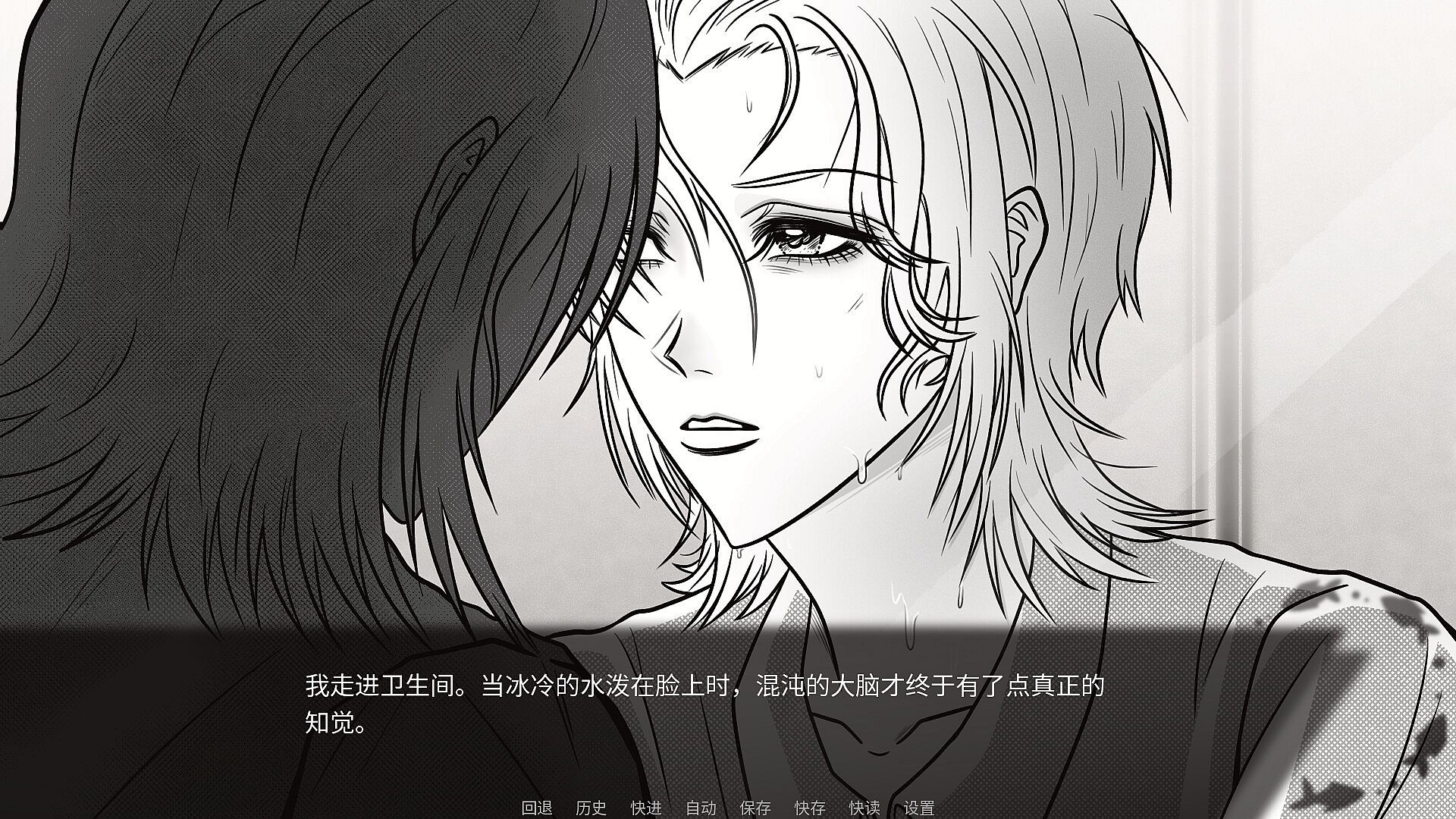
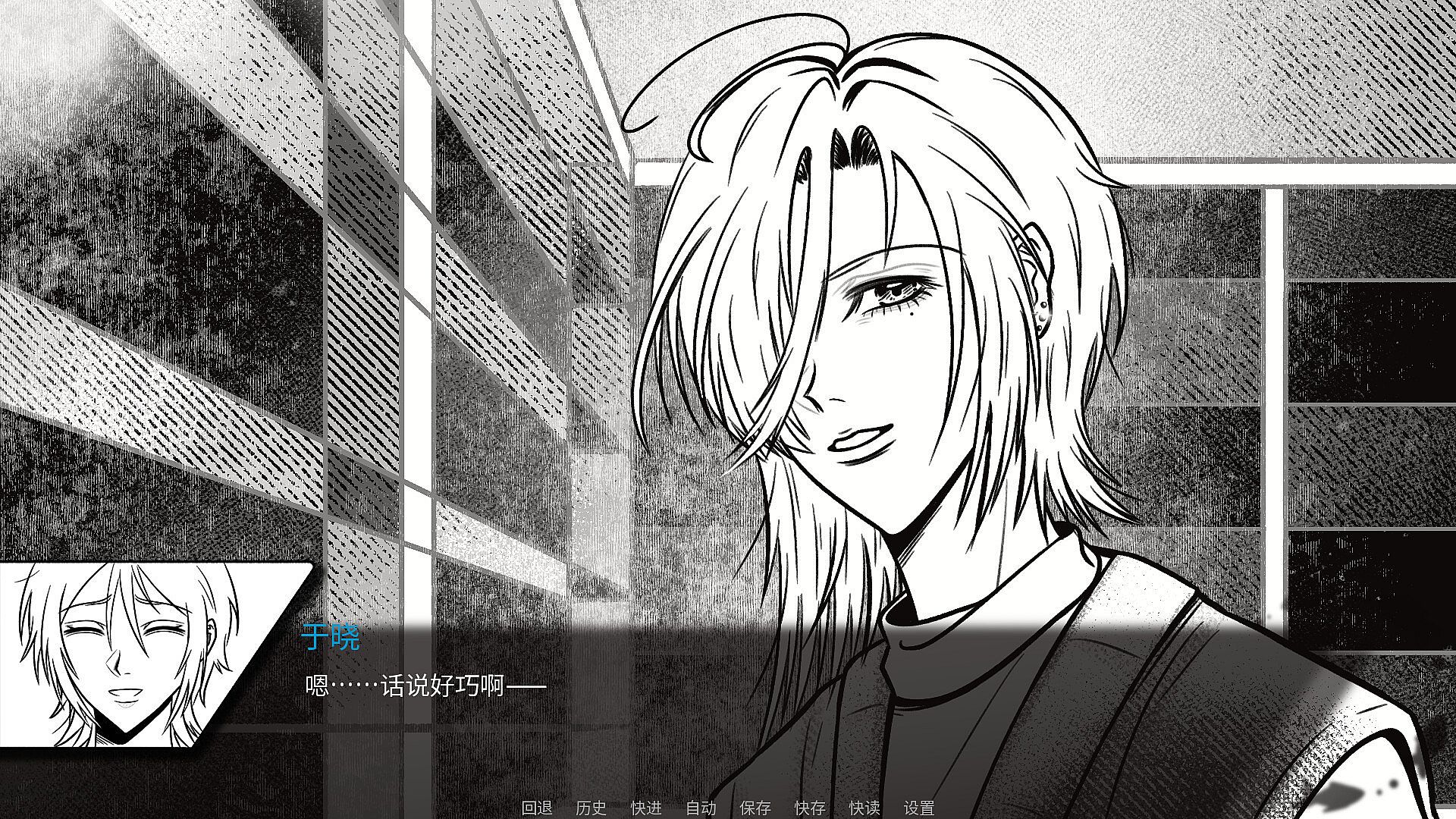
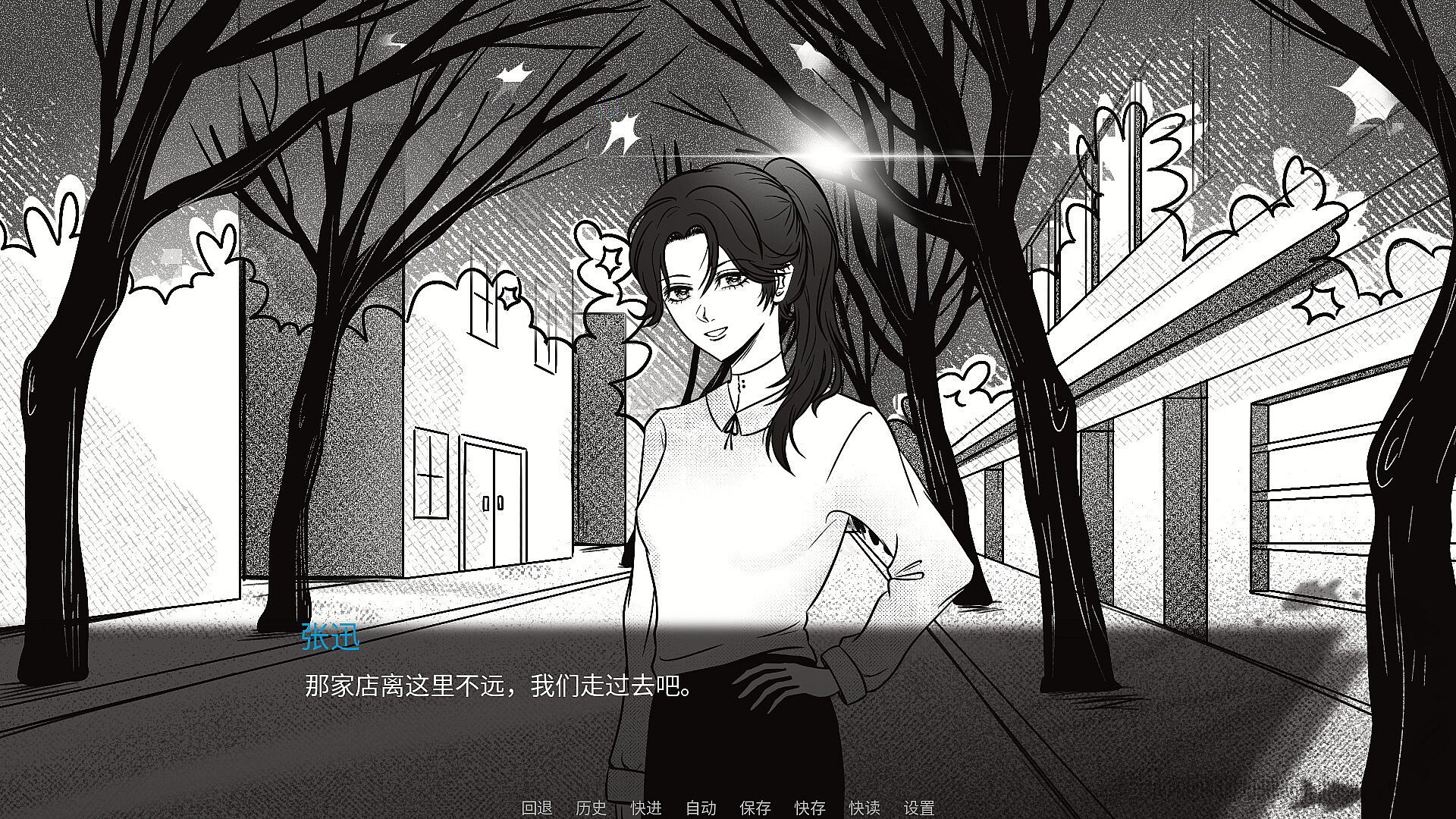
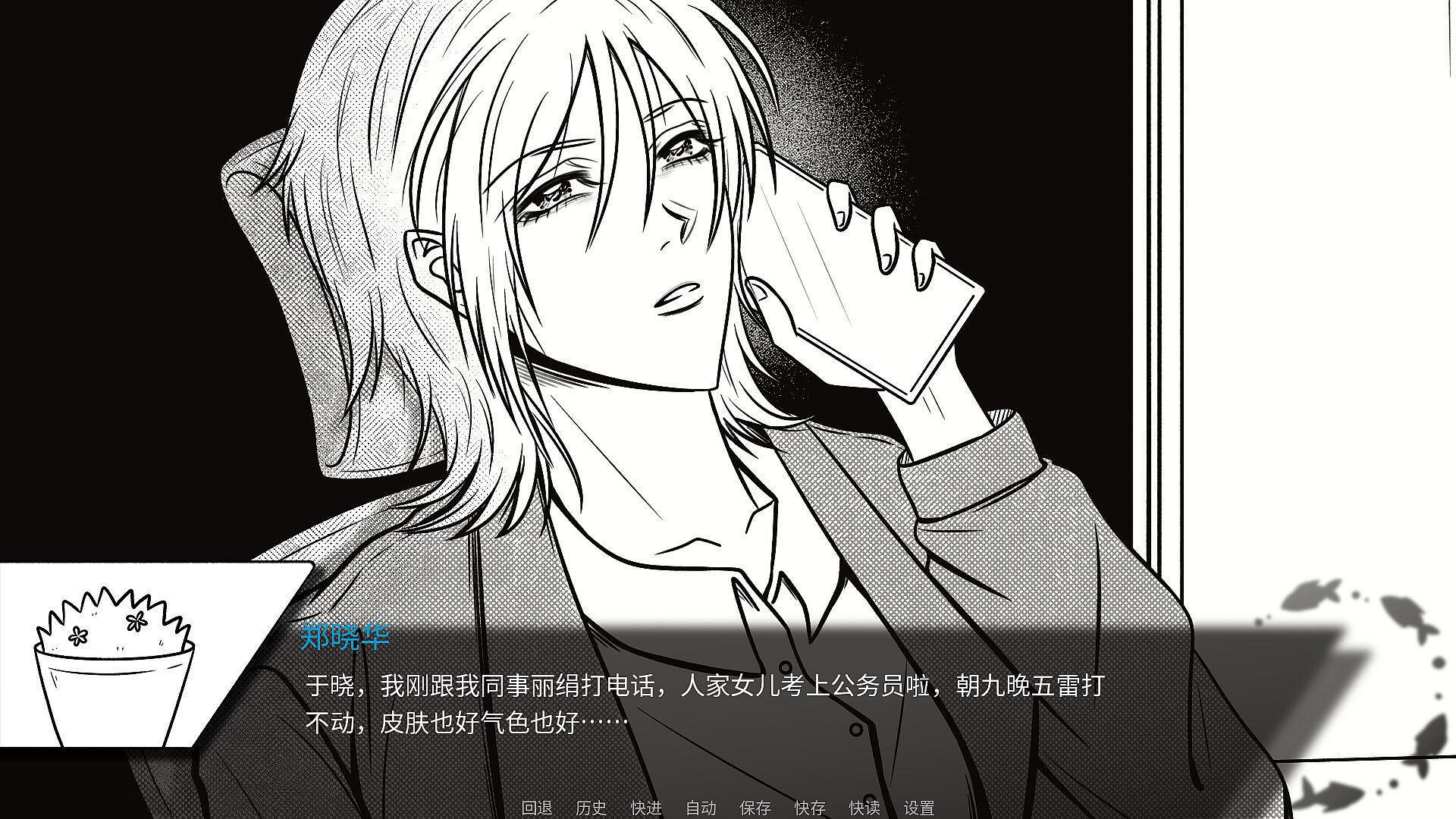


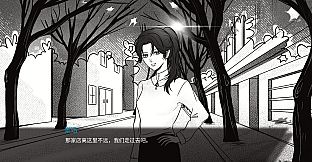


Stranding is a narrative-driven indie RPG with casual elements that places players in the role of Yu Xiao, a freelance artist navigating personal and professional challenges on PC. The experience centers on realistic emotional struggles, family dynamics, and interpersonal connections rather than combat or resource management typical of many role-playing titles.
Gameplay
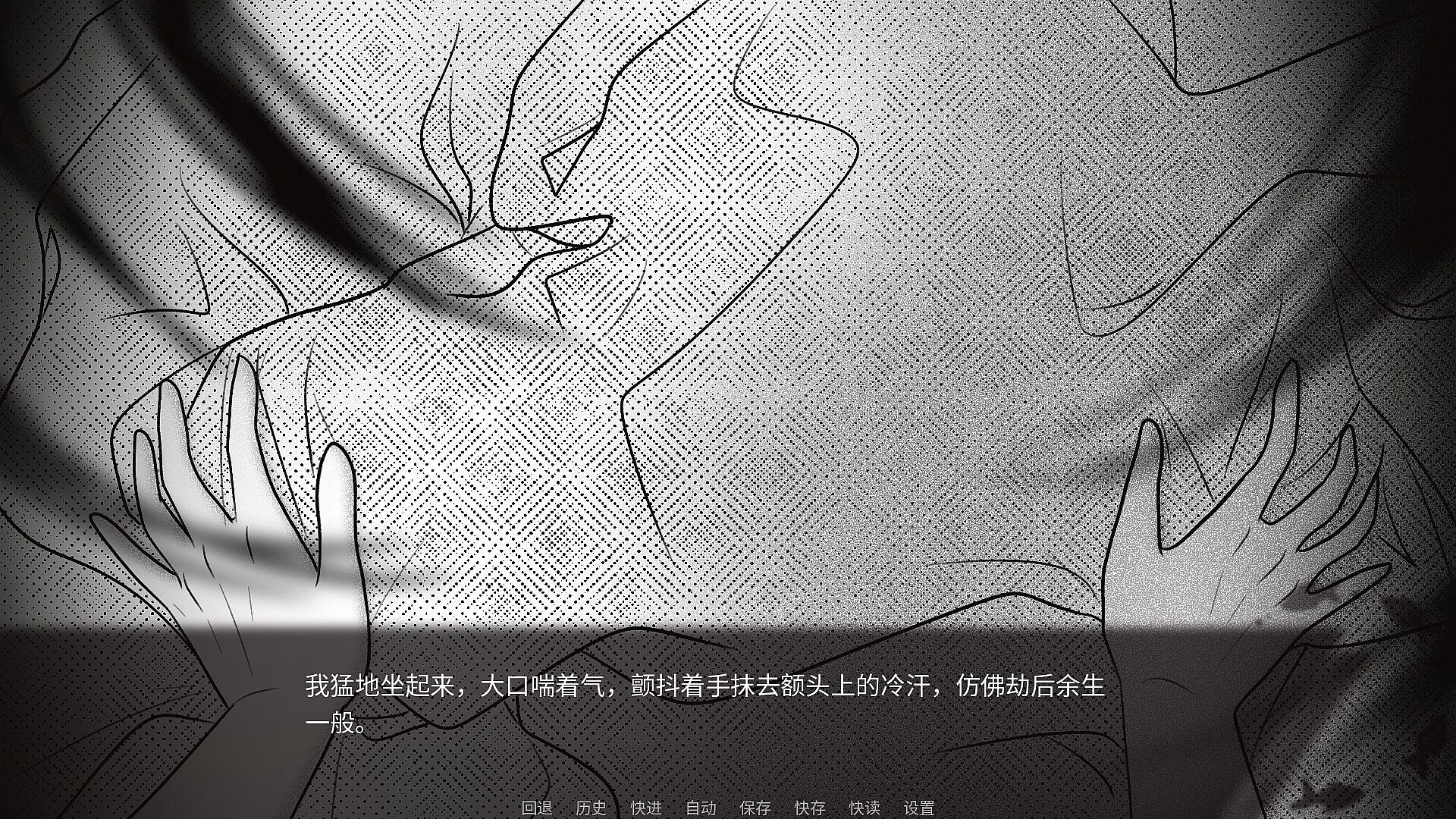
Players control Yu Xiao through daily routines filled with client revisions, family interactions, and internal reflections. Late-night sessions reveal an internal voice that comments on the character's circumstances and prompts deeper self-examination. Choices influence relationships with several characters, including a high school classmate named Su Yu who offers attentive support, an online artist known as Awfg who brings energetic presence, a video editor called Mao De Chuan who provides steady guidance, and a longtime friend Zhang Xun who offers direct advice. These interactions shape closeness levels and can lead toward romantic developments. Mental state mechanics track deterioration through spiraling thoughts tied to childhood family trauma and CPTSD themes, affecting available options and story progression. Art assets and CG illustrations accompany key moments to enhance the visual storytelling.
Game Modes
Stranding operates as a single-player experience focused on branching narrative paths determined by player decisions. There are no separate multiplayer modes or competitive systems. The structure emphasizes sequential story advancement through dialogue choices and relationship management, with multiple endings planned for the full release though not present in the current demo version. Progression relies on exploring emotional and interpersonal scenarios rather than distinct gameplay variants or seasonal content.
Story and Characters
The narrative explores themes of isolation, self-doubt, and the search for external anchors amid professional instability and habitual family criticism. Yu Xiao's background as a struggling artist sets the stage for encounters that reveal past connections and new influences. Each character brings distinct personality traits and histories that intersect with the protagonist's mental health journey. Differences in perspectives emerge as relationships deepen, complicating decisions and highlighting realistic emotional conflicts. The story maintains a grounded tone centered on psychological exploration without fantastical elements.
Is It Worth Playing?
Stranding suits players interested in psychological narrative games and realistic storytelling that address childhood family trauma, emotional breakdowns, and personal growth. The solo indie development approach delivers focused character interactions and rich art assets within a casual framework. Those seeking choice-driven stories with potential romantic branches will find the decision mechanics central to the experience. Content involving CPTSD and mental health themes requires a level of emotional resilience, as noted in the game's own guidance. The demo provides an introduction to the core loop, while the full version aims to expand on multiple endings and deeper narrative outcomes. Players who value introspective indie RPGs over action-oriented mechanics will likely appreciate the deliberate pacing and emphasis on internal and relational dynamics.