




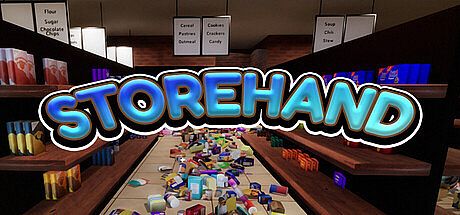



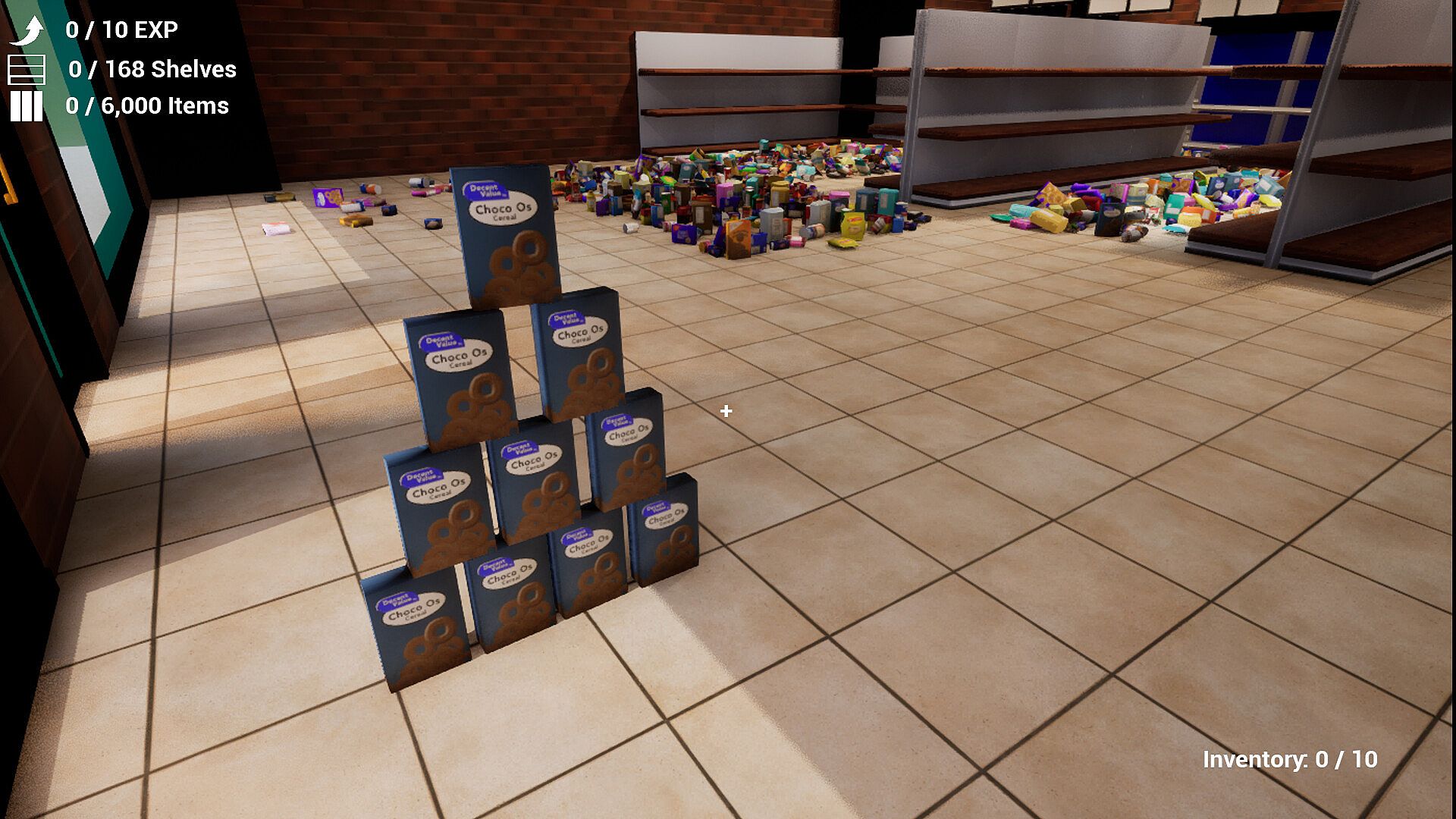
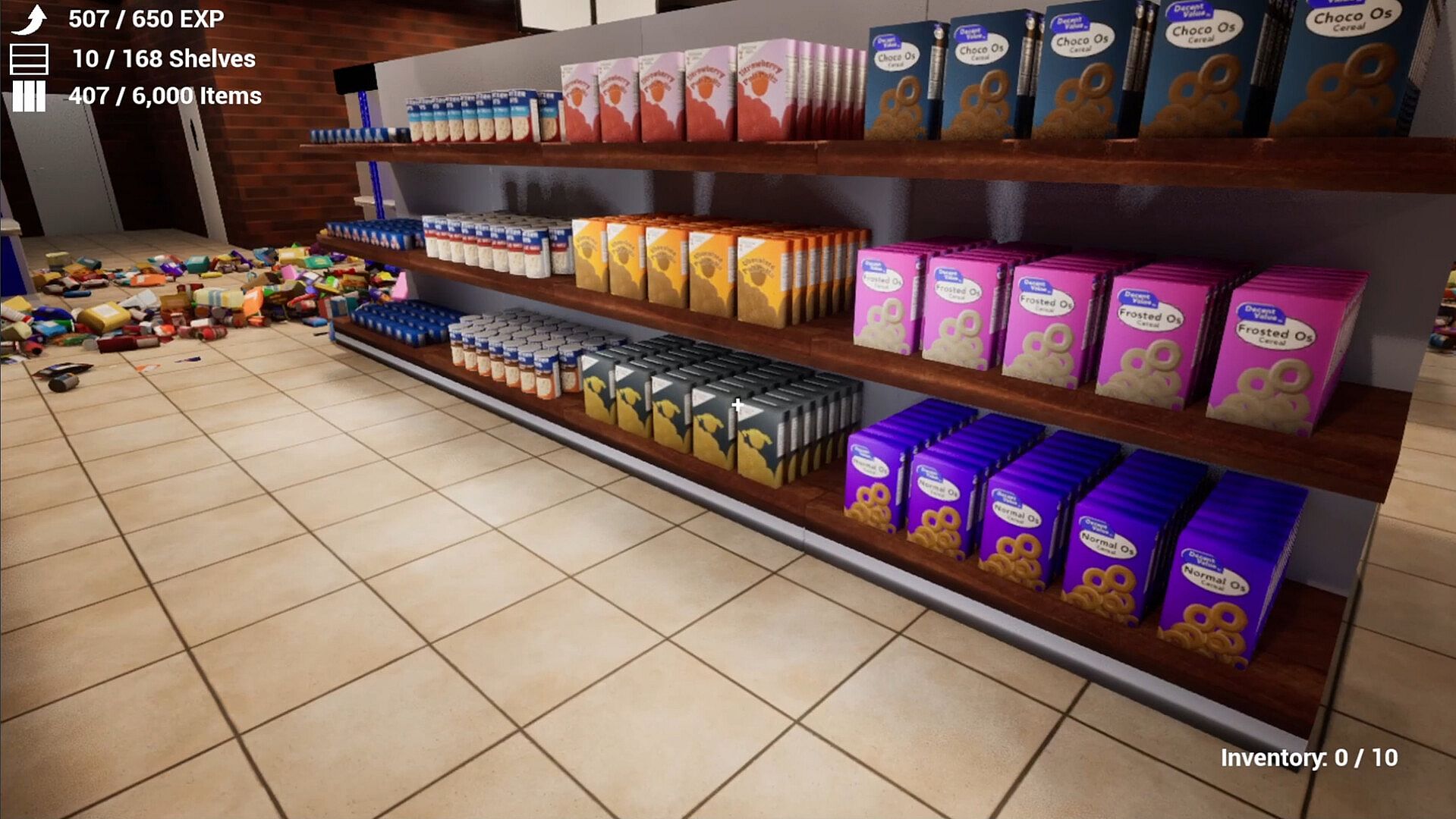
Storehand is an indie casual simulation game centered on retail organization and shelf stocking. Players step into a store overwhelmed by scattered inventory and work methodically to restore order through careful sorting and placement. The experience emphasizes relaxation over pressure, allowing time to arrange items at a personal pace while listening to preferred music in the background.
Gameplay
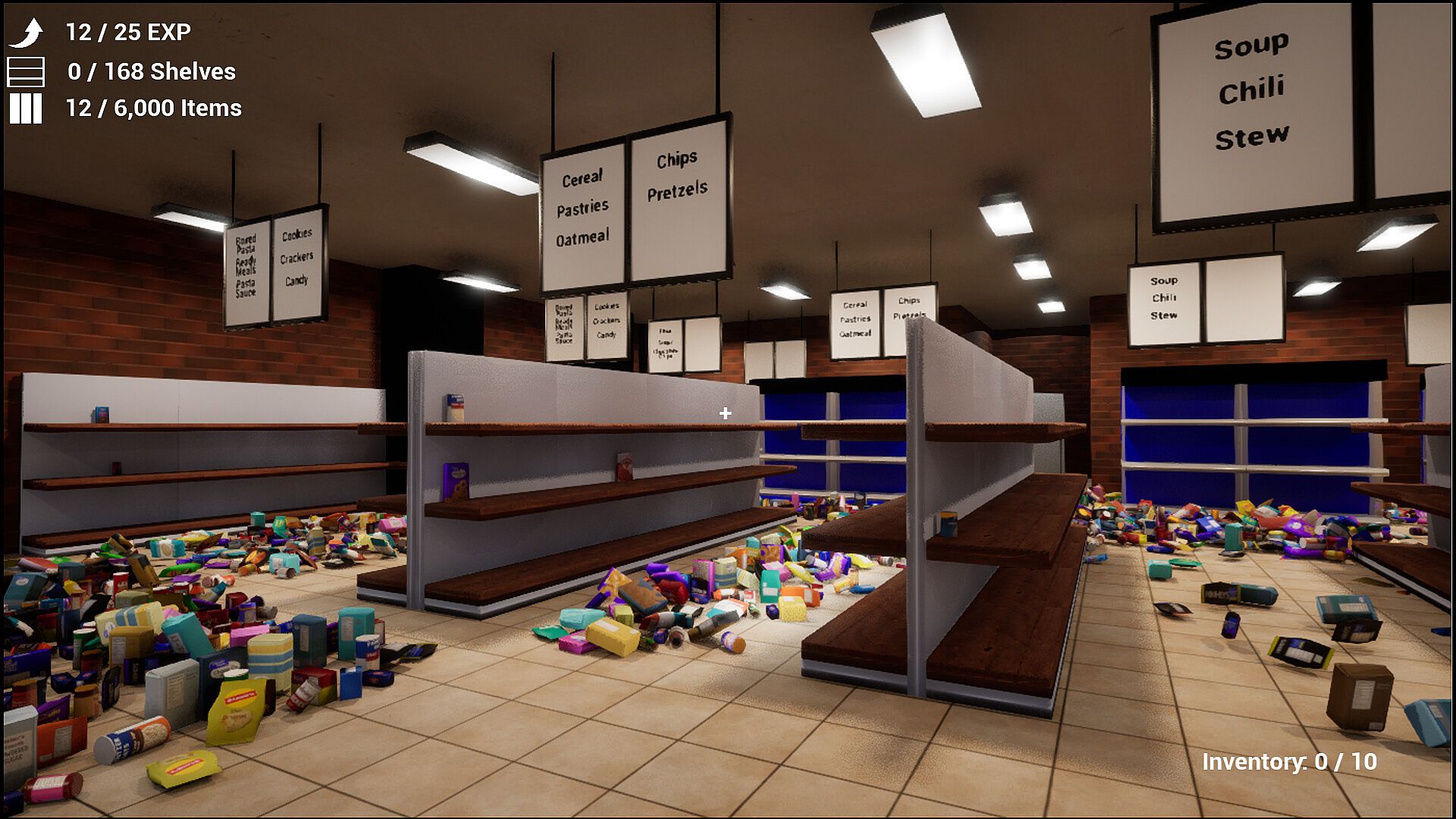
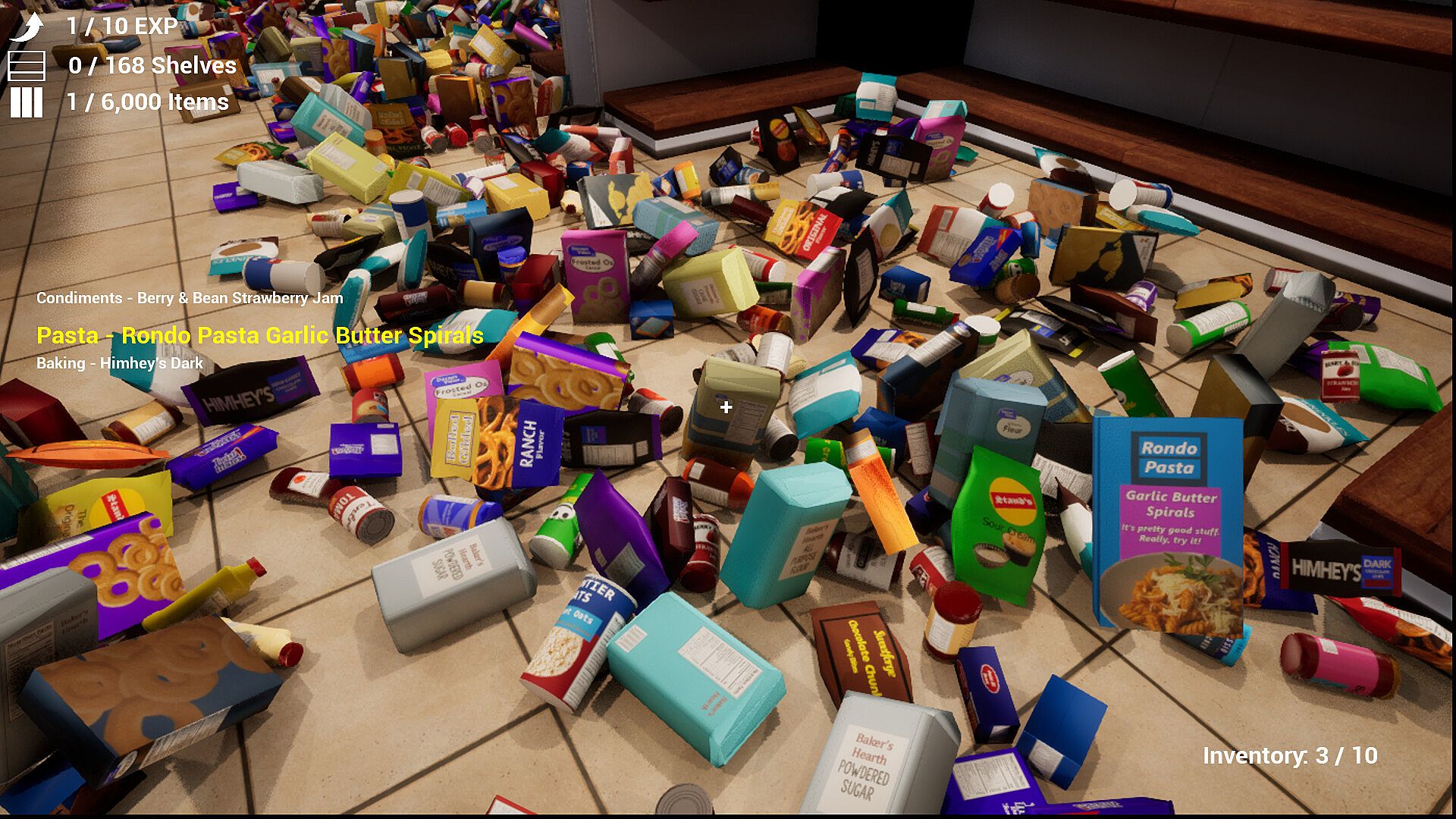
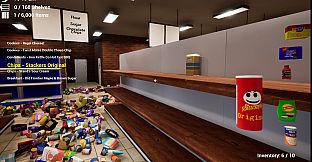
The core loop revolves around clearing massive piles of grocery products that have spilled across the floor. Thousands of individual items, ranging from snack packages to boxed goods, require sorting into appropriate spots on shelves. Each piece finds its designated location through direct interaction, with options to flip or rotate objects for optimal fit.
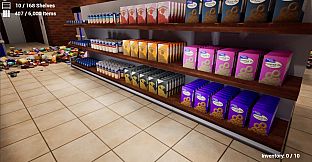
Store layout develops organically as categories emerge from initial placements. Aisles form based on decisions about grouping, such as positioning chips near cereal or separating candy from pasta sections. This freedom supports repeated adjustments to refine the overall flow of the space.
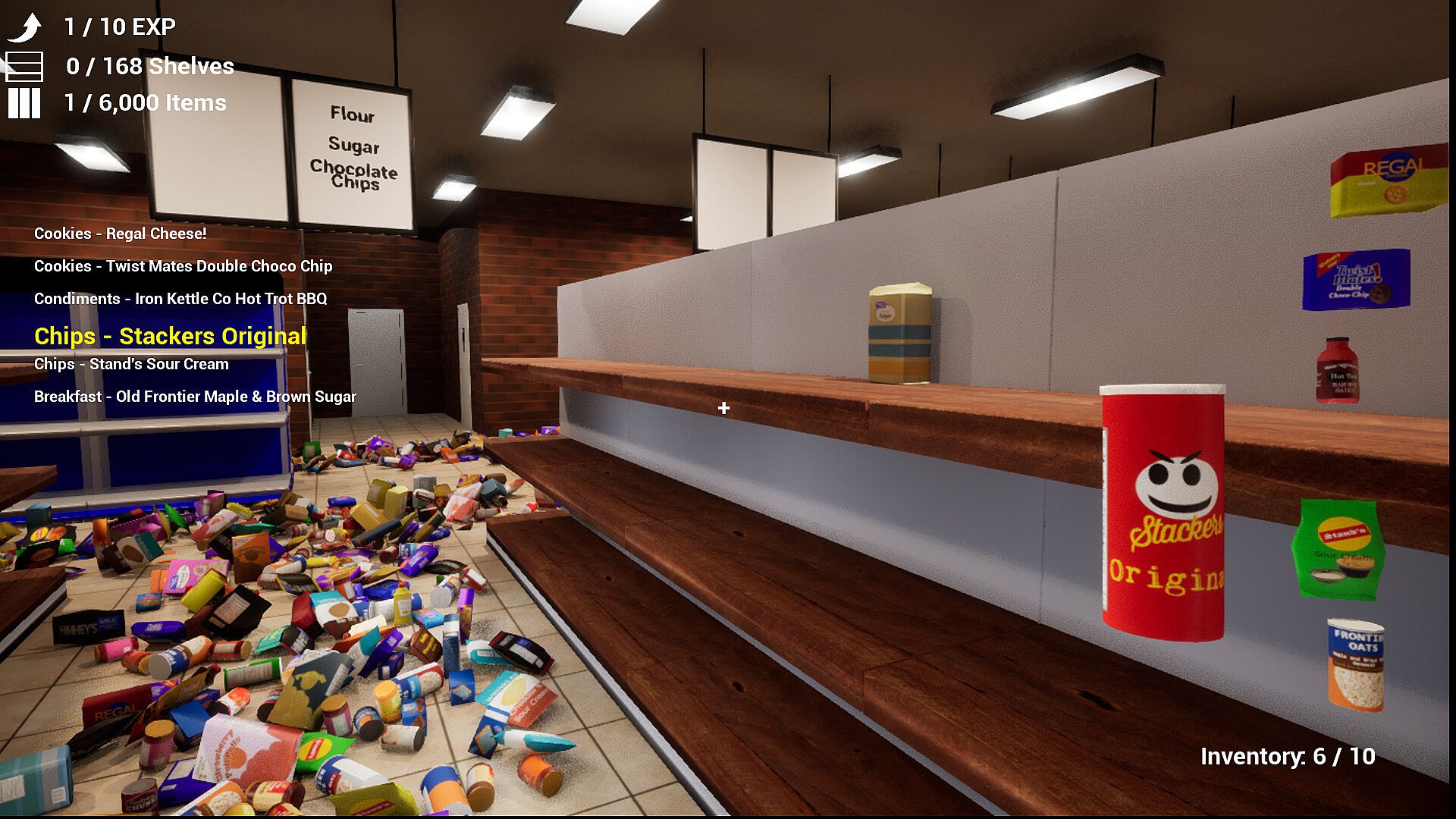
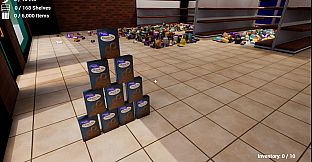
Placement mechanics include precise grid alignment that automatically snaps items into neat rows and stacks. The system rewards clean facing and stacking for visual satisfaction. A separate free-placement option permits items to rest anywhere, opening possibilities for creative or unstructured arrangements during the process.
Abilities become available through continued play and assist with efficiency. These include pulling specific needed items from clutter, shifting obstacles to create room, highlighting similar products storewide, and indicating exact target positions for held objects. The tools integrate into the workflow to reduce repetition while maintaining focus on the tidying task.
Game Modes
Storehand operates as a single-player simulation without competitive or multiplayer elements. The primary experience centers on progressive cleanup across the retail space, building toward a fully organized store through repeated sessions.
Within this framework, two placement approaches stand out. Standard grid snapping enforces structured alignment for consistent shelf presentation. Free-placement mode removes those constraints, supporting experimental positioning that can range from orderly experiments to more playful item interactions.
Progression ties directly to ability unlocks that enhance both modes. These features encourage experimentation with different strategies for handling the same inventory challenges across multiple playthroughs.
Store Customization and Progression
Customization extends beyond initial aisle setup into ongoing refinements. Players decide item groupings and shelf configurations as the store takes shape, creating a personalized retail environment that reflects individual preferences for organization.
Ability progression adds layers of strategy without altering the relaxed pace. Early unlocks focus on basic retrieval and highlighting, while later ones support broader store awareness and precise placement guidance. This system rewards consistent engagement by making larger messes more manageable over time.
The overall design supports extended sessions where the goal remains restoring order rather than racing against limits. Visual feedback from aligned shelves and cleared floors provides steady motivation throughout the process.
Is It Worth Playing?
Storehand suits players who enjoy methodical, low-stakes organization tasks in a retail setting. The combination of item sorting, layout freedom, and supportive abilities creates a focused yet calming loop that rewards patience and attention to detail.
Those drawn to casual simulation experiences will find the grid-based snapping and free-placement options provide variety within the single-player structure. The absence of time pressure or external conflicts keeps attention on the satisfying act of tidying.
With a planned release on August 12, 2026, and emphasis on accessibility features like family sharing, the game positions itself as an approachable entry for fans of cozy management titles. Individuals seeking a straightforward stocking sim without additional layers of complexity stand to gain the most from its core systems.












