

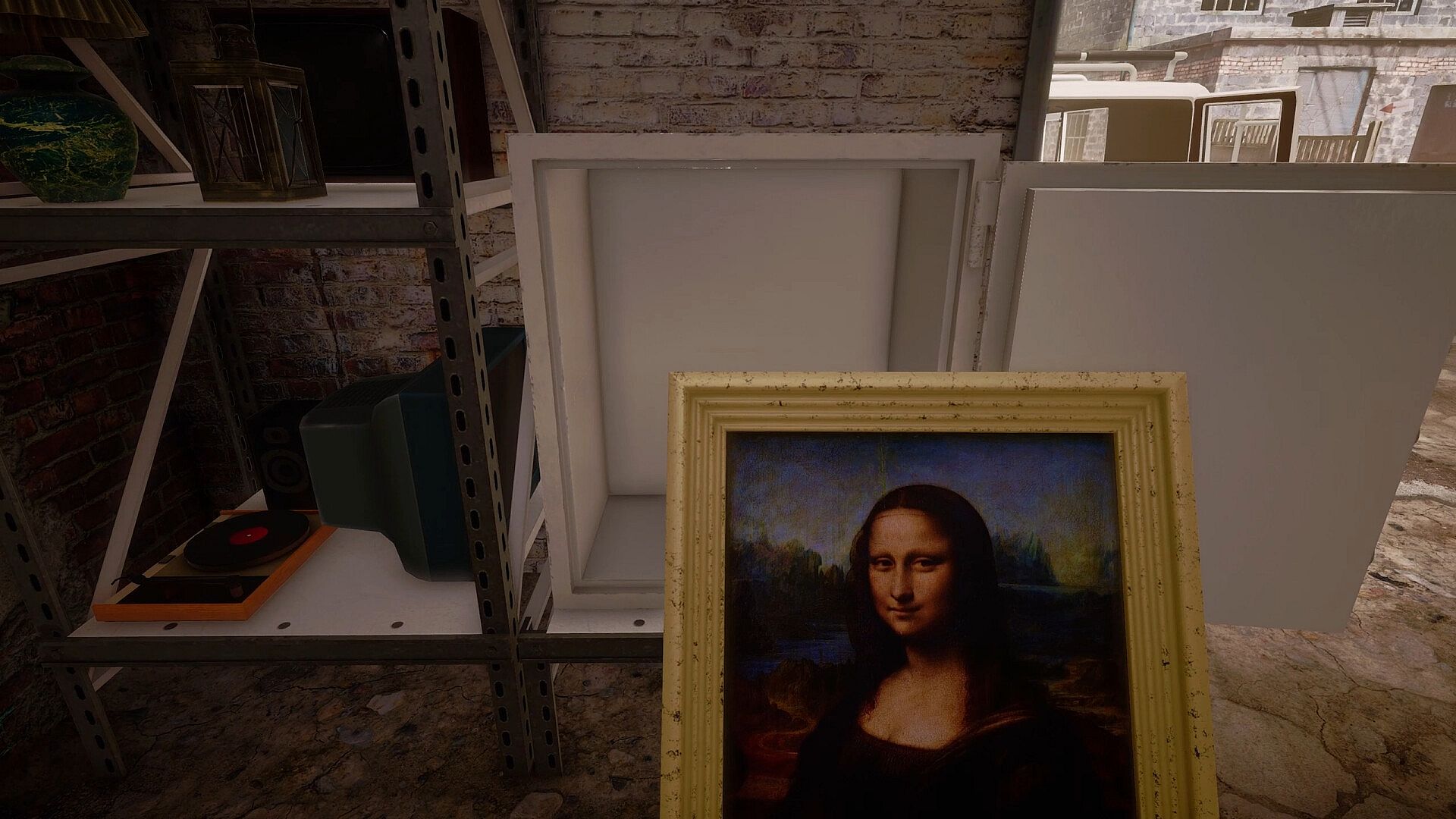


Steal & Sell Simulator is an indie simulation game for PC that blends stealth theft mechanics with shop management. Players alternate between nighttime heists to acquire goods and daytime operations running a retail business that turns those goods into profit. The title emphasizes careful planning, risk management, and incremental business growth within a single-player experience.
Gameplay
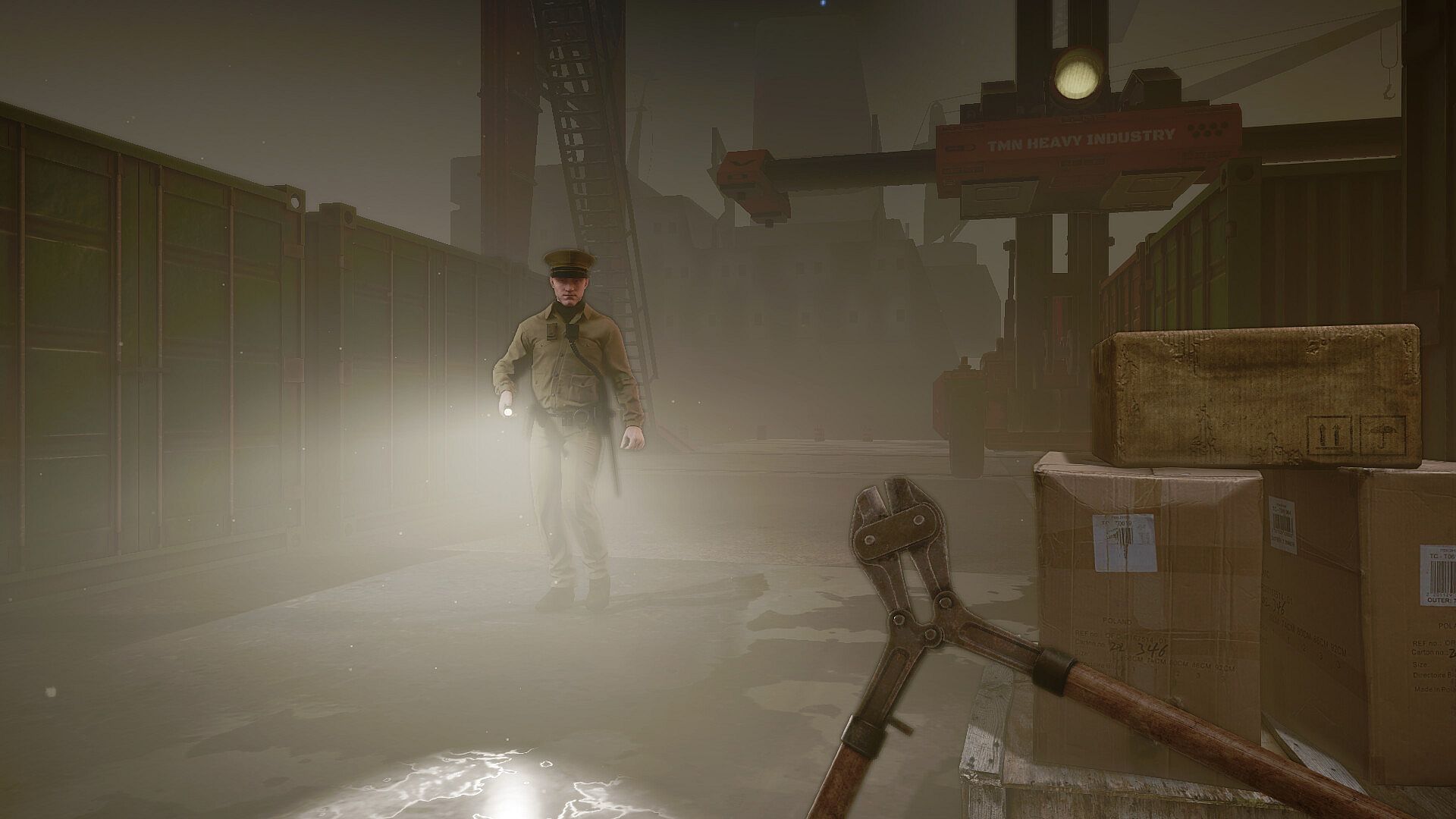
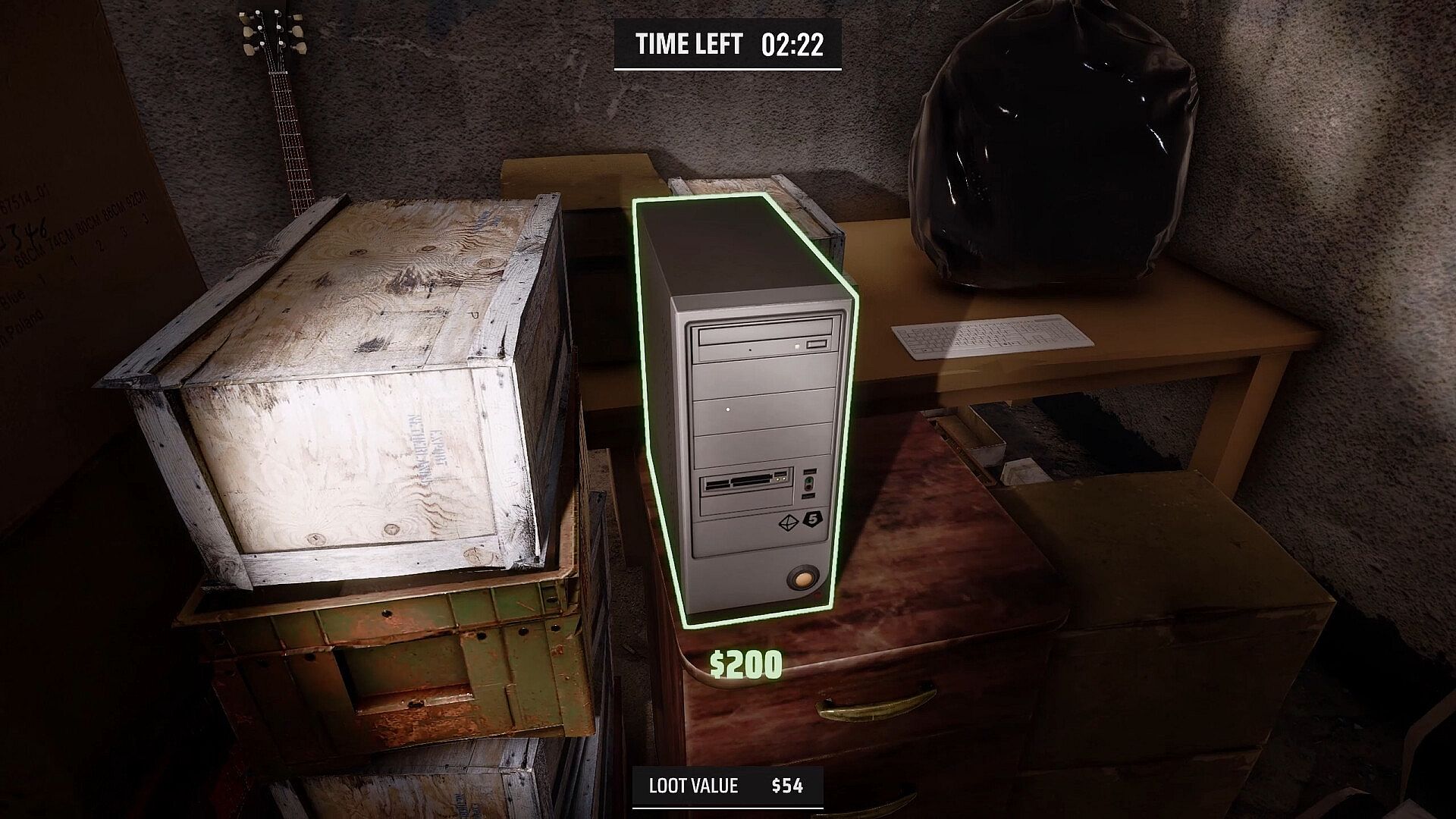
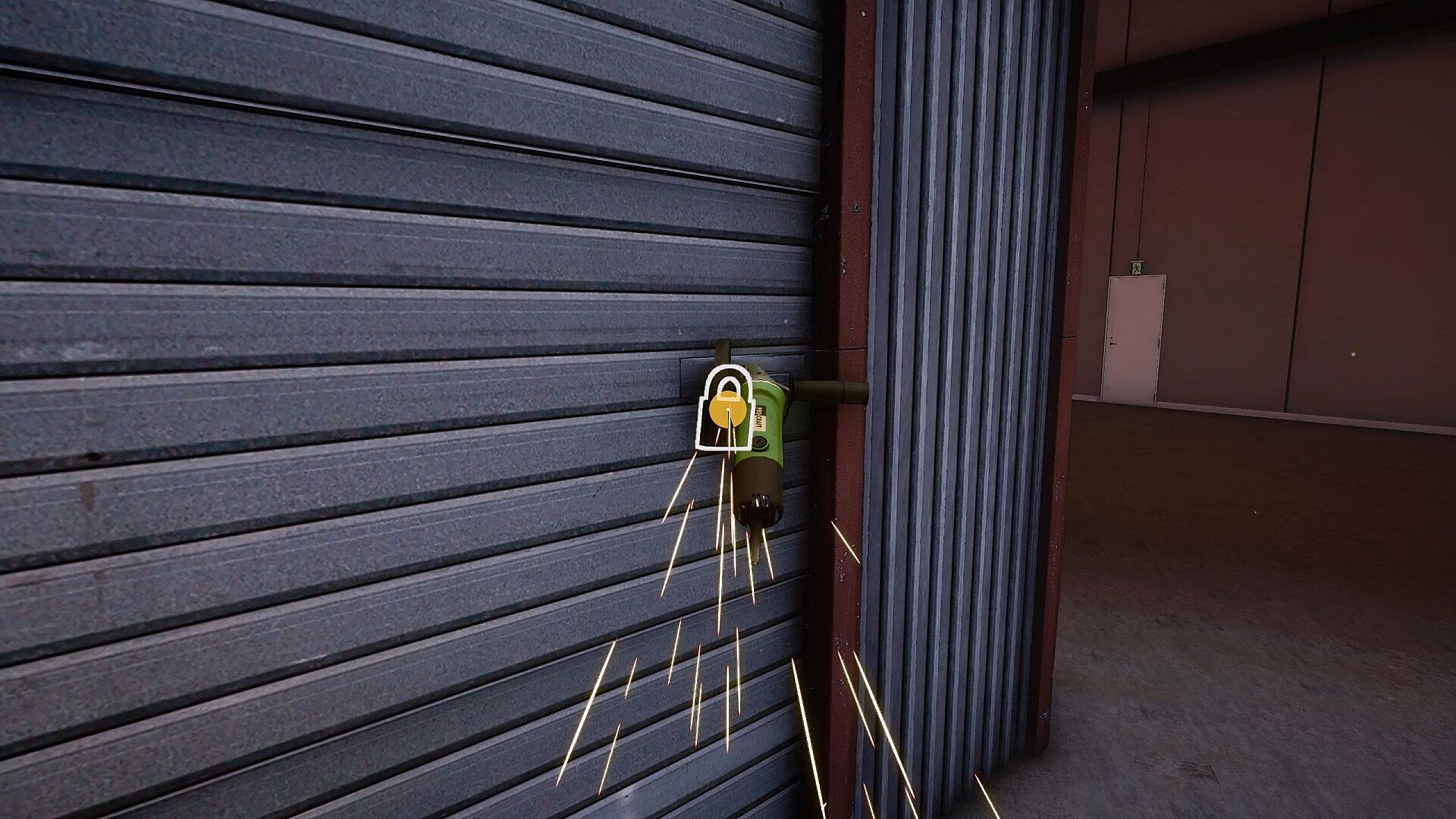
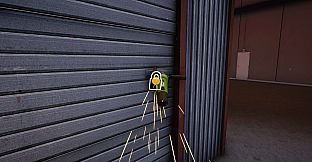
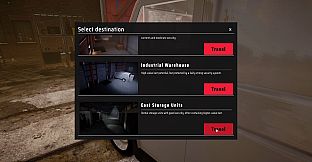
The core loop splits the day into distinct phases. At night, players enter warehouses and other secured sites to locate and collect valuable items. Limited inventory space forces decisions about which pieces of loot offer the highest return relative to their size and risk. Lockpicking, safe cracking, and security bypass form the main stealth tools, while time limits add pressure to complete each run efficiently.
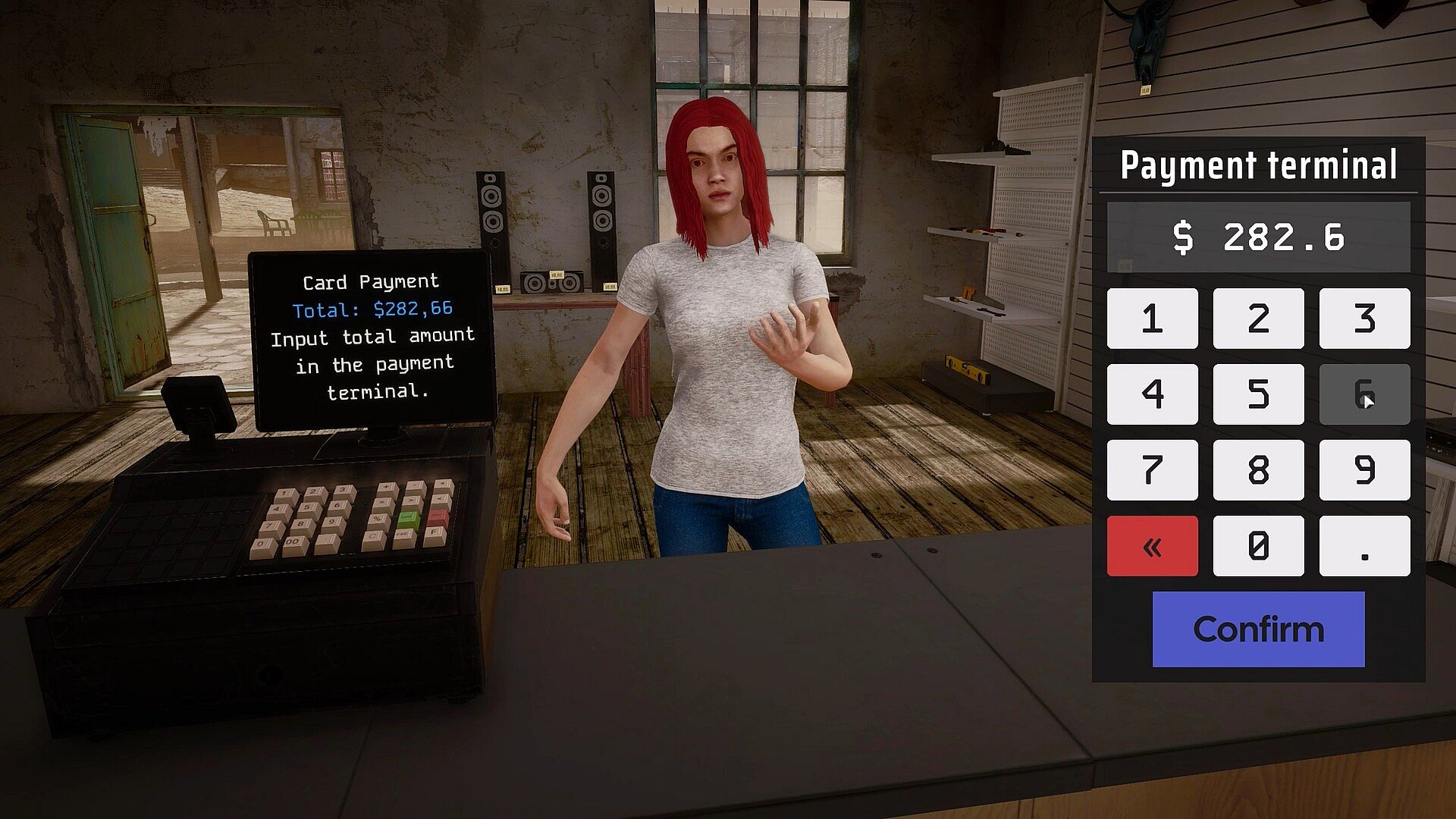
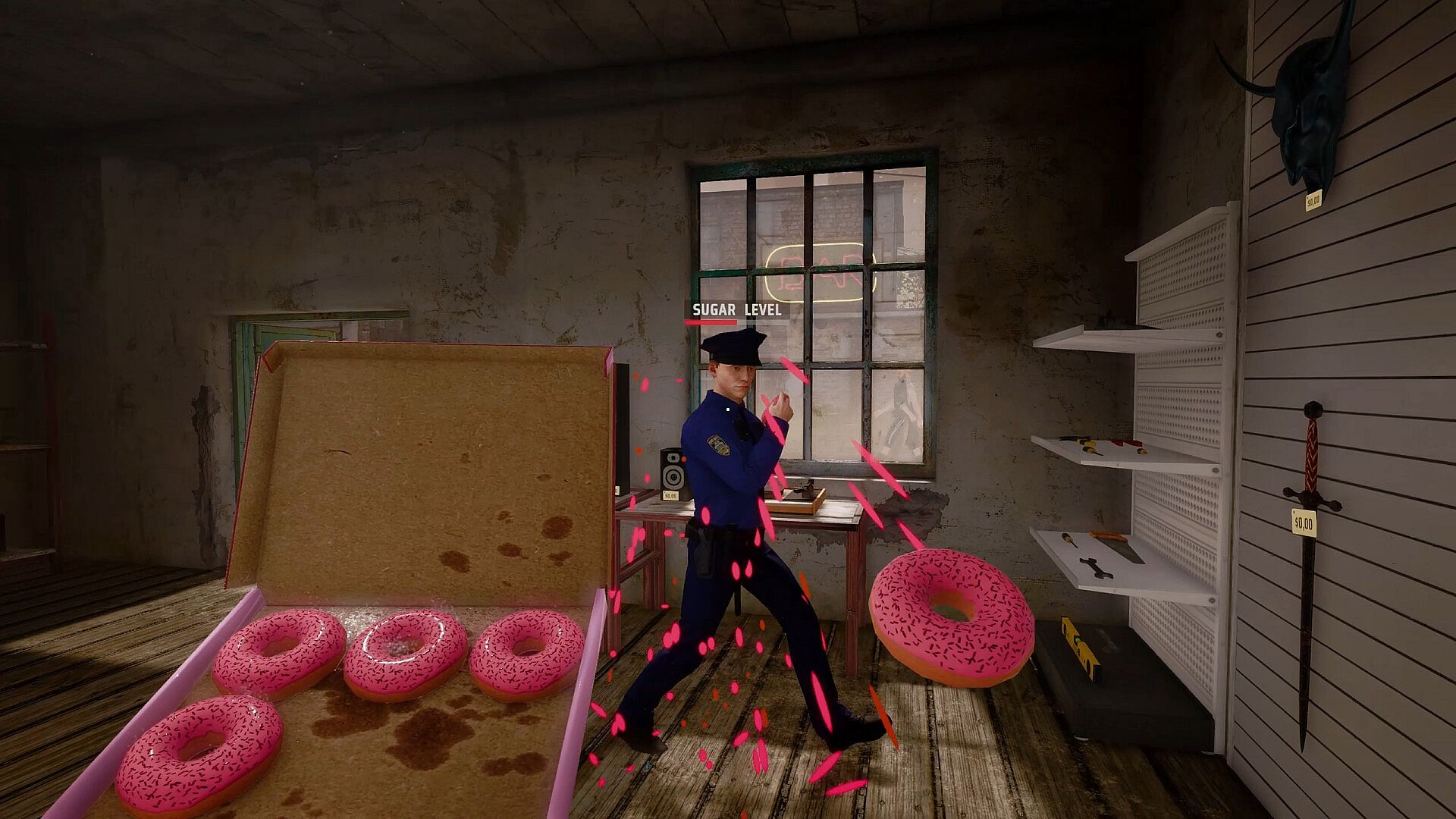
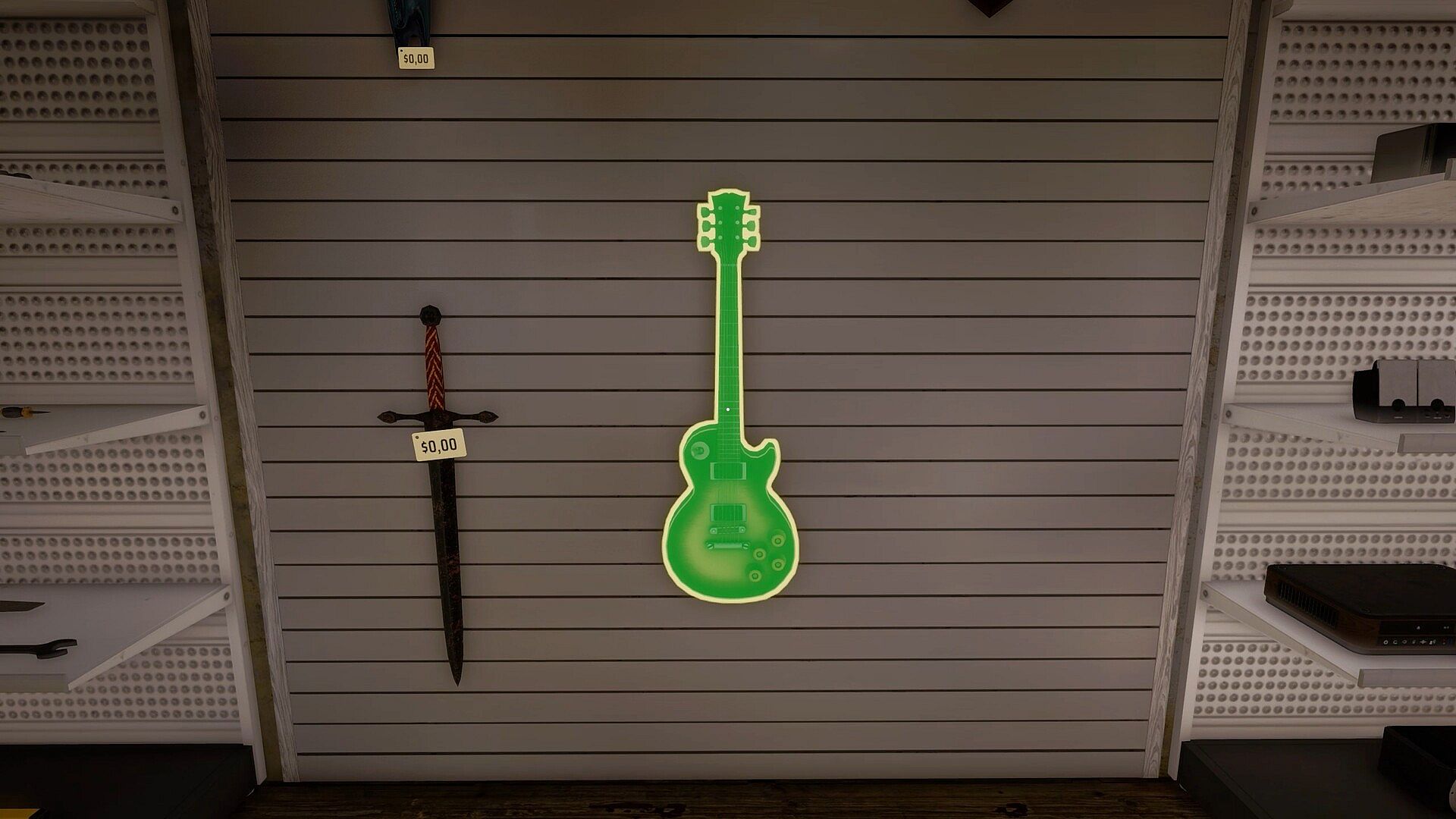
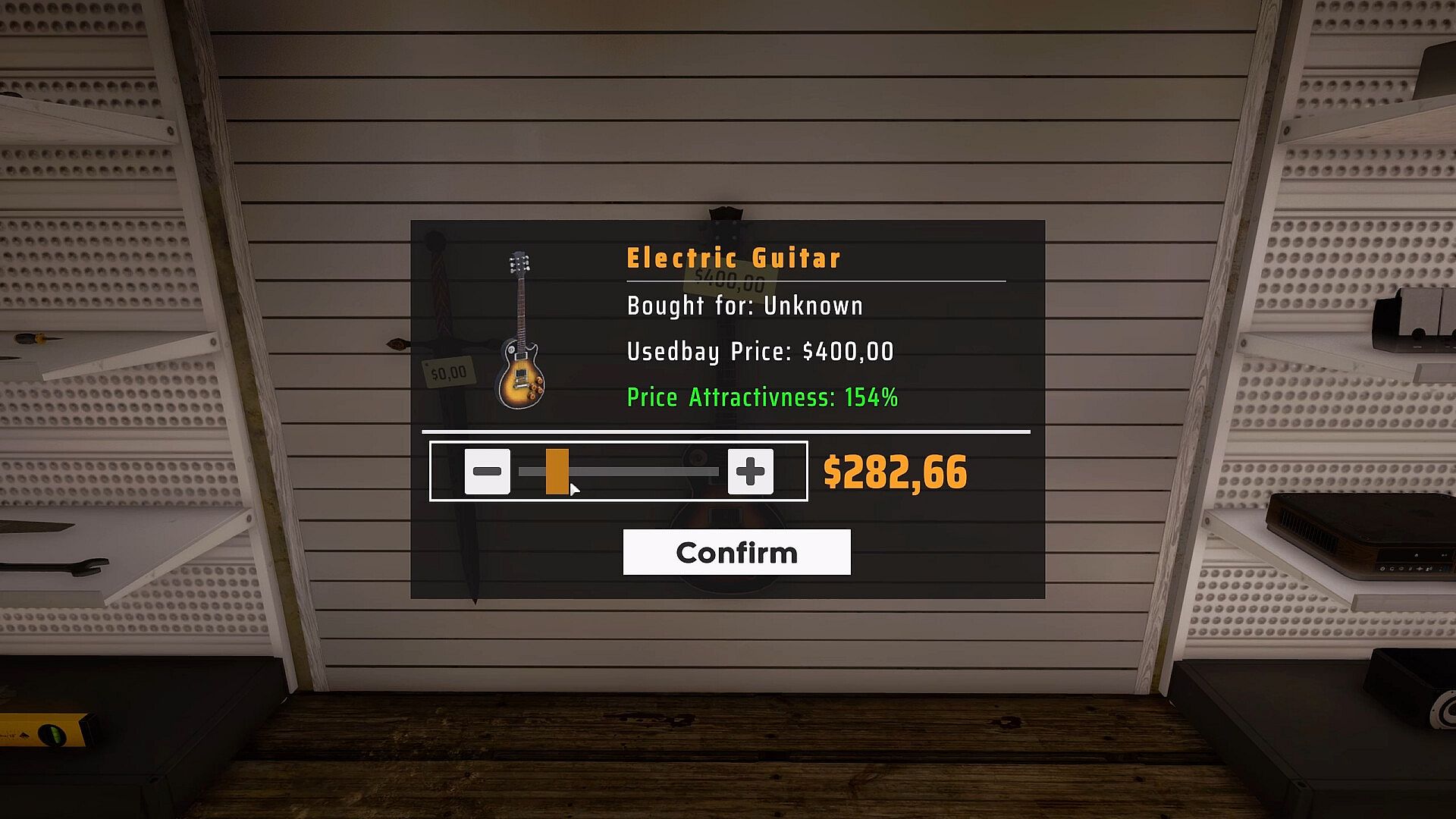
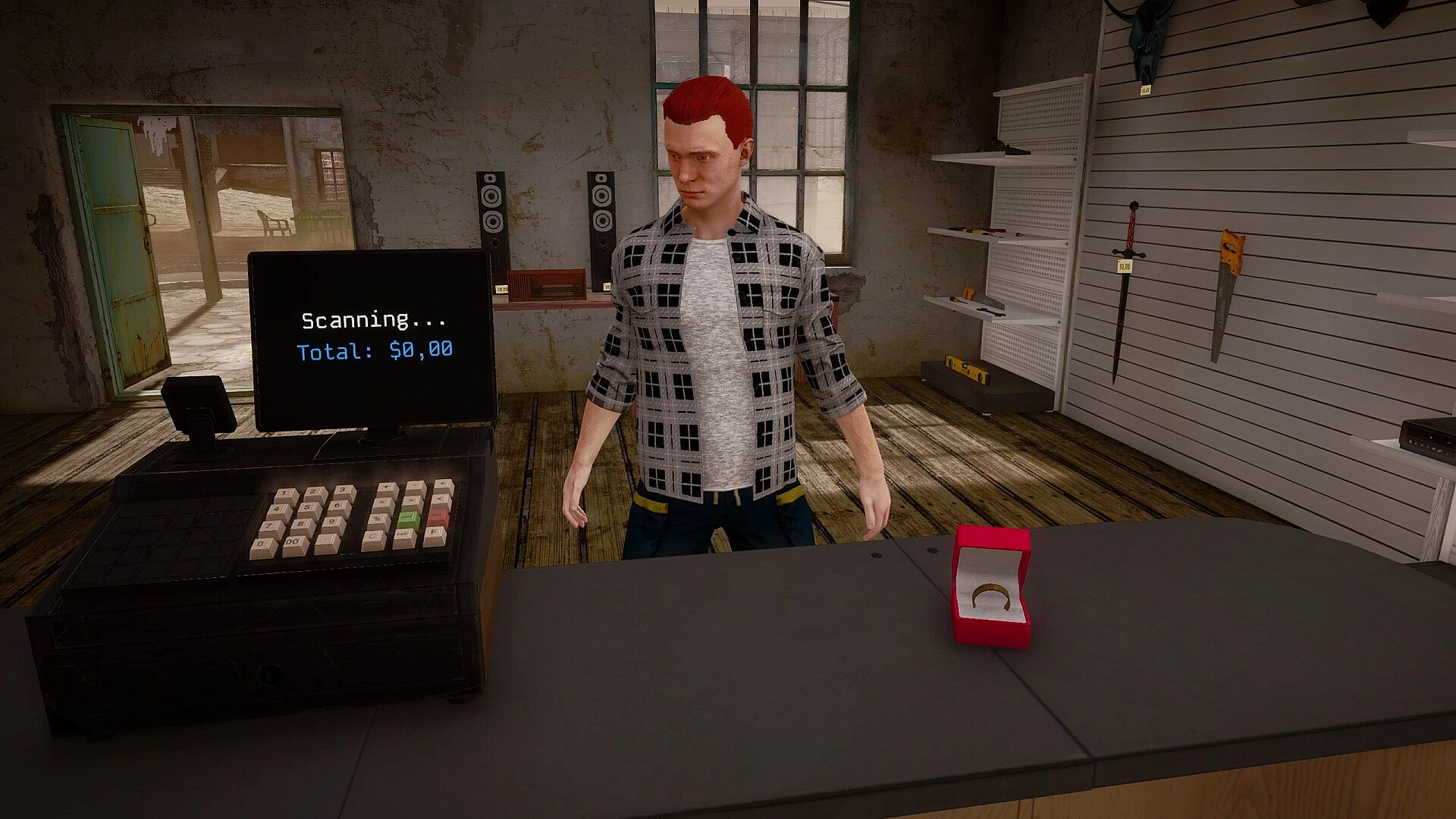
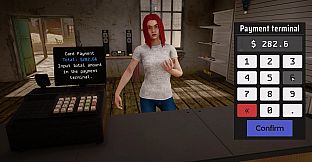
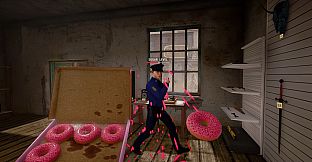
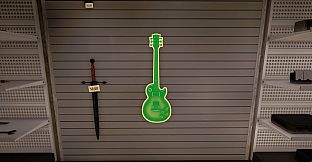
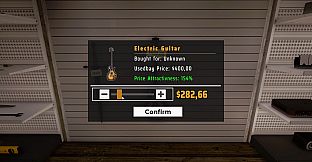
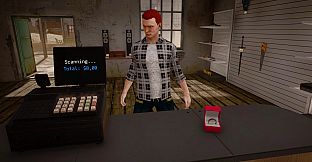
Mistakes carry immediate consequences. Triggering alarms or drawing guard attention can force a rapid exit, potentially losing collected items or ending the attempt. Once back at the shop, every acquired piece goes on display for sale. Earnings fund upgrades that improve storage capacity, operational efficiency, and access to new theft targets. Shop interactions include handling customers and using simple distractions to maintain cover.
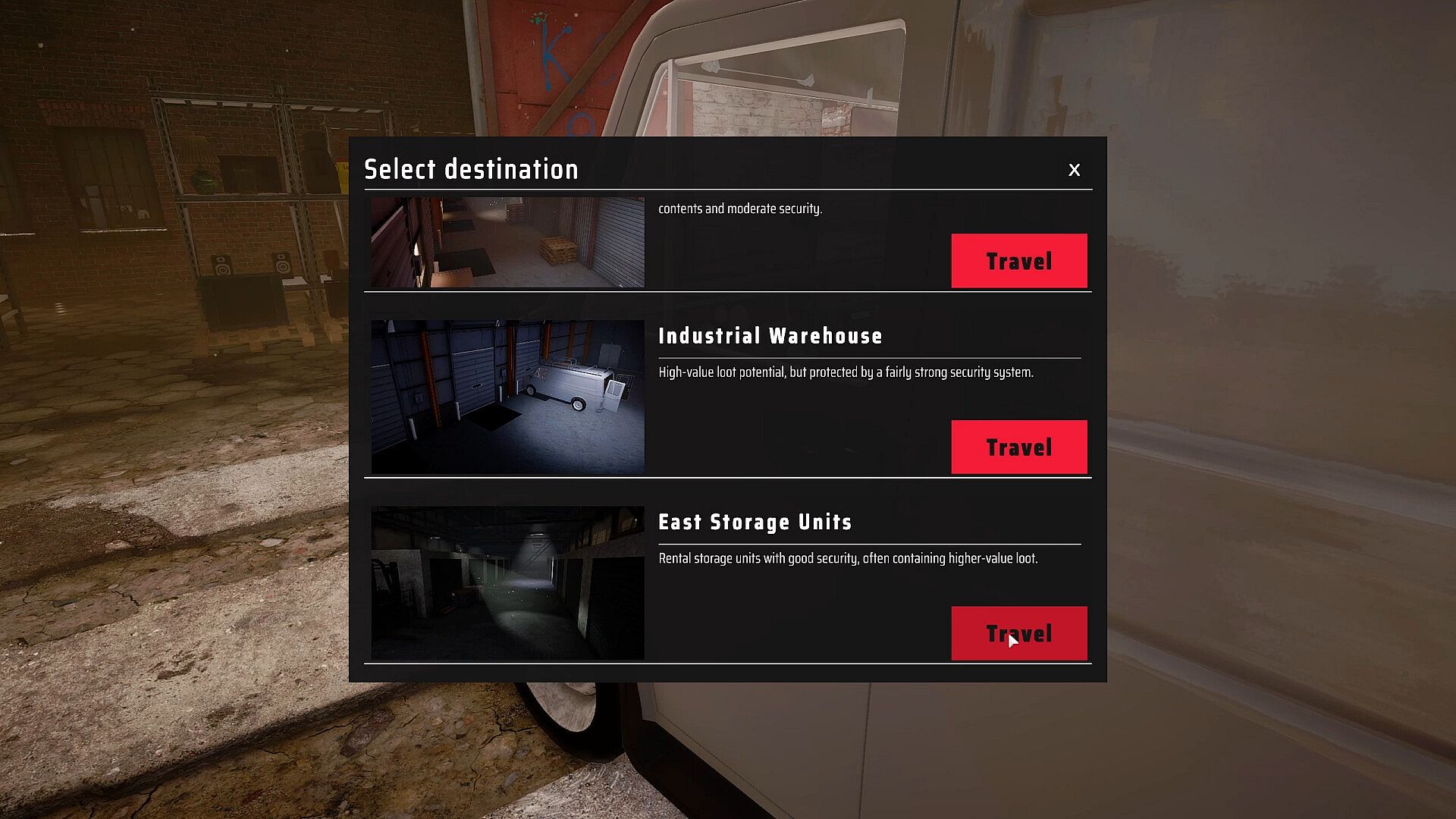
Progression expands the available districts and introduces higher-stakes locations. Reinvestment also opens options to recruit additional thieves who can be sent on independent jobs. The system rewards steady expansion while maintaining the constant need to balance theft success rates against shop profitability.
Game Modes
Steal & Sell Simulator presents its content through one integrated experience built around the repeating day-night cycle. There are no separate competitive or cooperative modes. All activity occurs in the same persistent world where theft runs feed directly into shop operations and long-term business development. The structure encourages repeated play sessions focused on optimizing routes, inventory choices, and upgrade paths rather than branching into distinct rule sets.
Progression and Business Systems
Early sessions center on basic thefts and modest shop sales. As capital accumulates, players unlock larger districts that contain more valuable but better-protected targets. Shop upgrades increase shelf space, reduce customer suspicion, and improve daily revenue streams. Hiring additional thieves allows parallel operations that multiply income without requiring the player to handle every job personally. Contact networks provide occasional tips that highlight high-value opportunities or warn of increased security in certain areas.
Inventory management remains central throughout. Each theft run requires weighing item value against carry capacity and escape feasibility. Successful runs build the stock that keeps the shop profitable, creating a direct link between stealth skill and commercial success.
Is It Worth Playing?
Steal & Sell Simulator targets players who enjoy simulation titles that combine resource gathering with management layers. The day-night structure creates a clear rhythm that alternates tension during theft sequences with calmer shop-keeping periods. Those who appreciate incremental upgrades and risk-reward decisions in stealth contexts will find the described systems align with that preference.
The game remains in development with a demo planned for autumn and full release scheduled for later in 2026. At this stage, interest depends on how well the final implementation delivers on the theft and retail loop outlined in available materials. Fans of similar indie simulations may wish to follow updates and try the demo when it arrives to evaluate the execution firsthand.