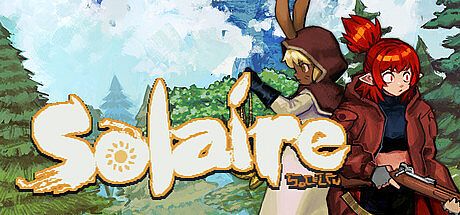


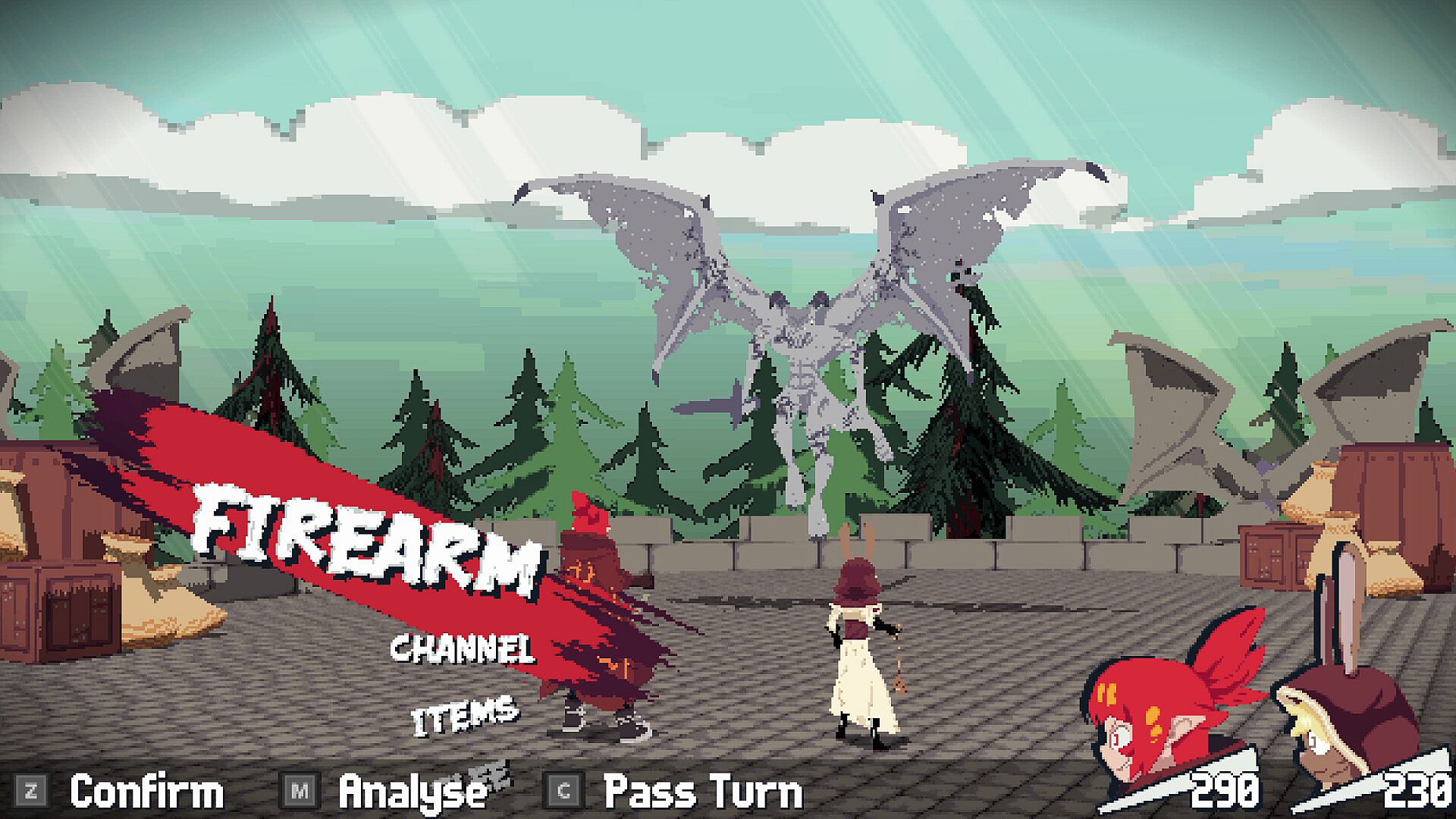
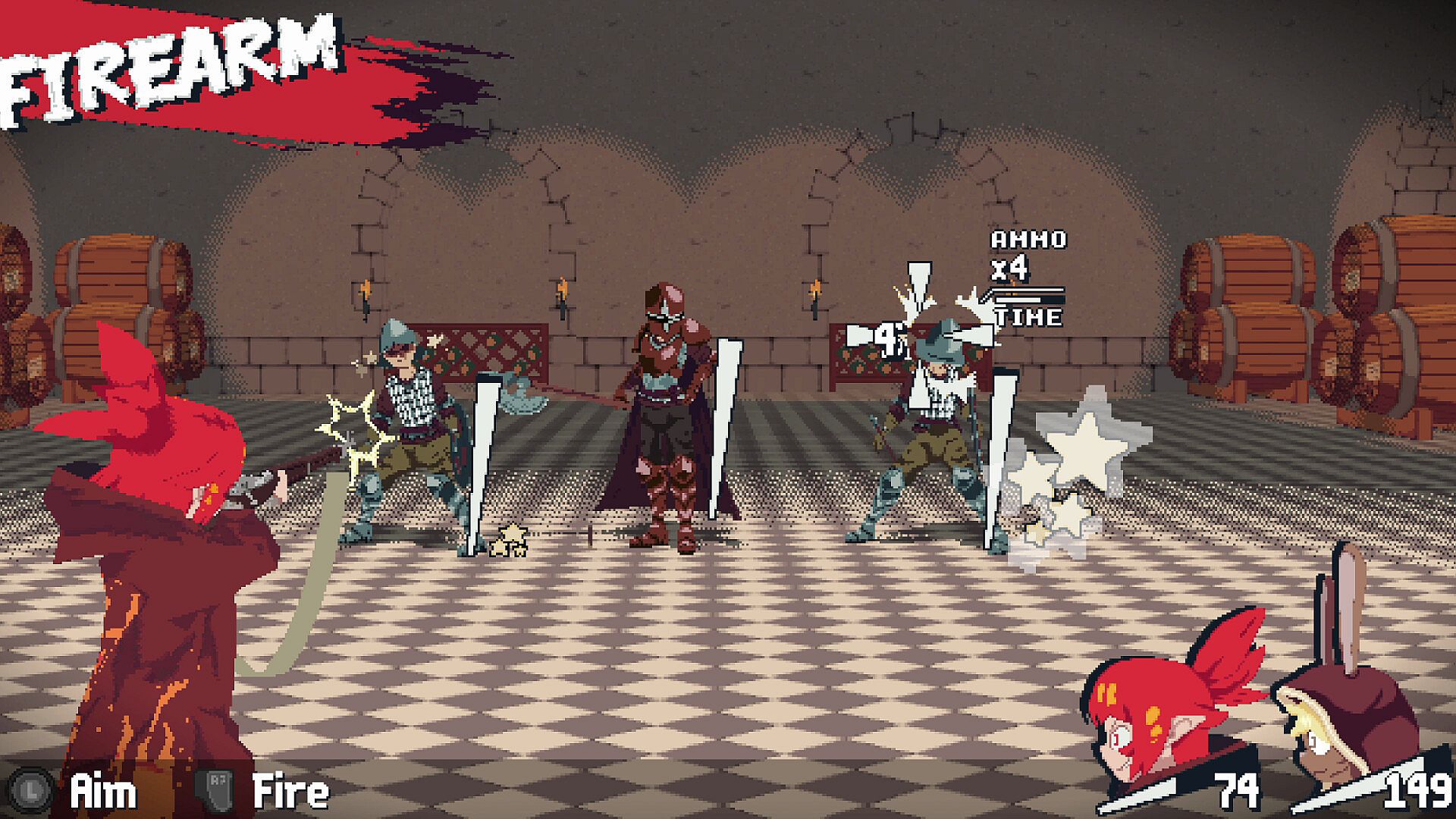
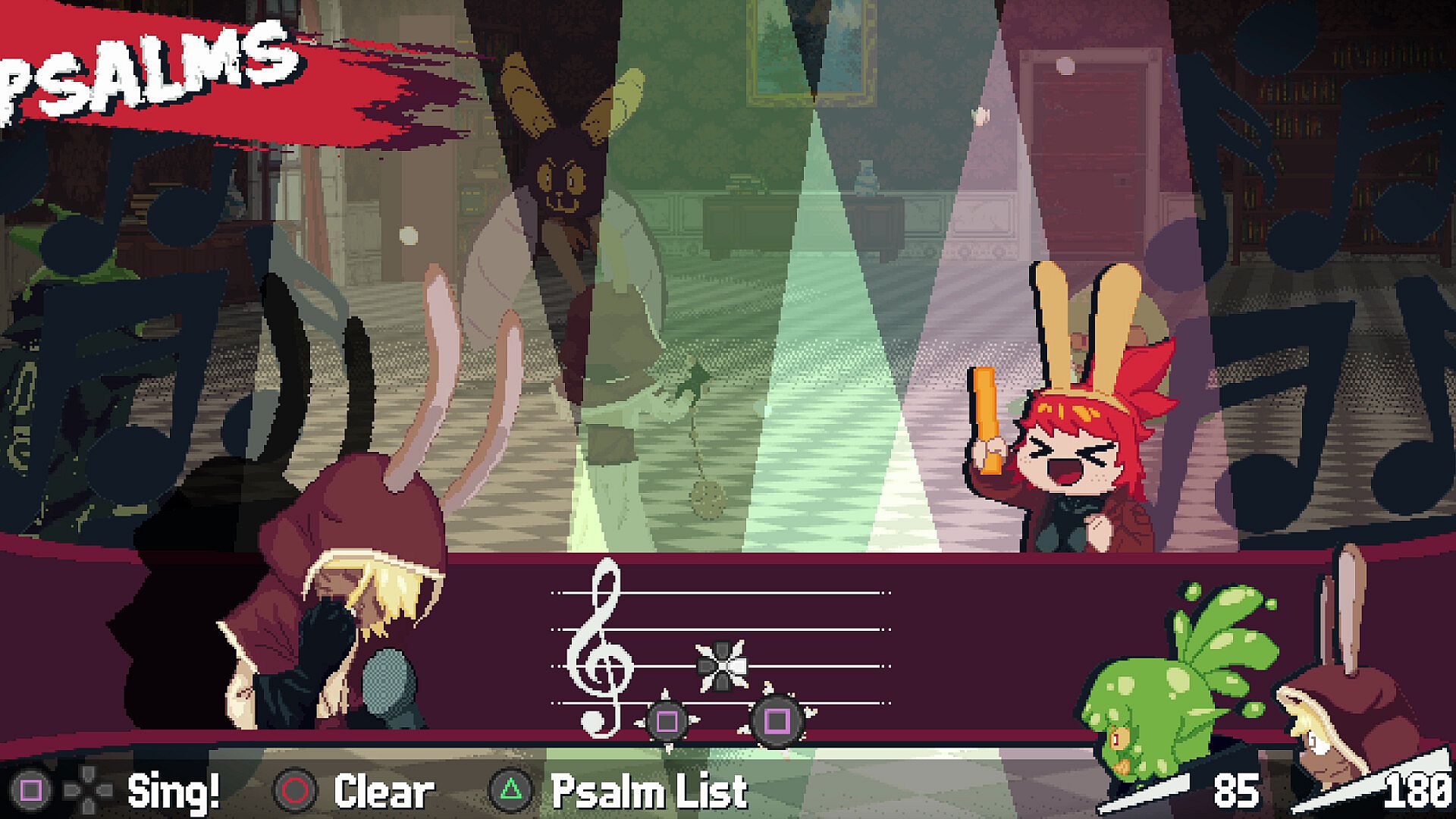
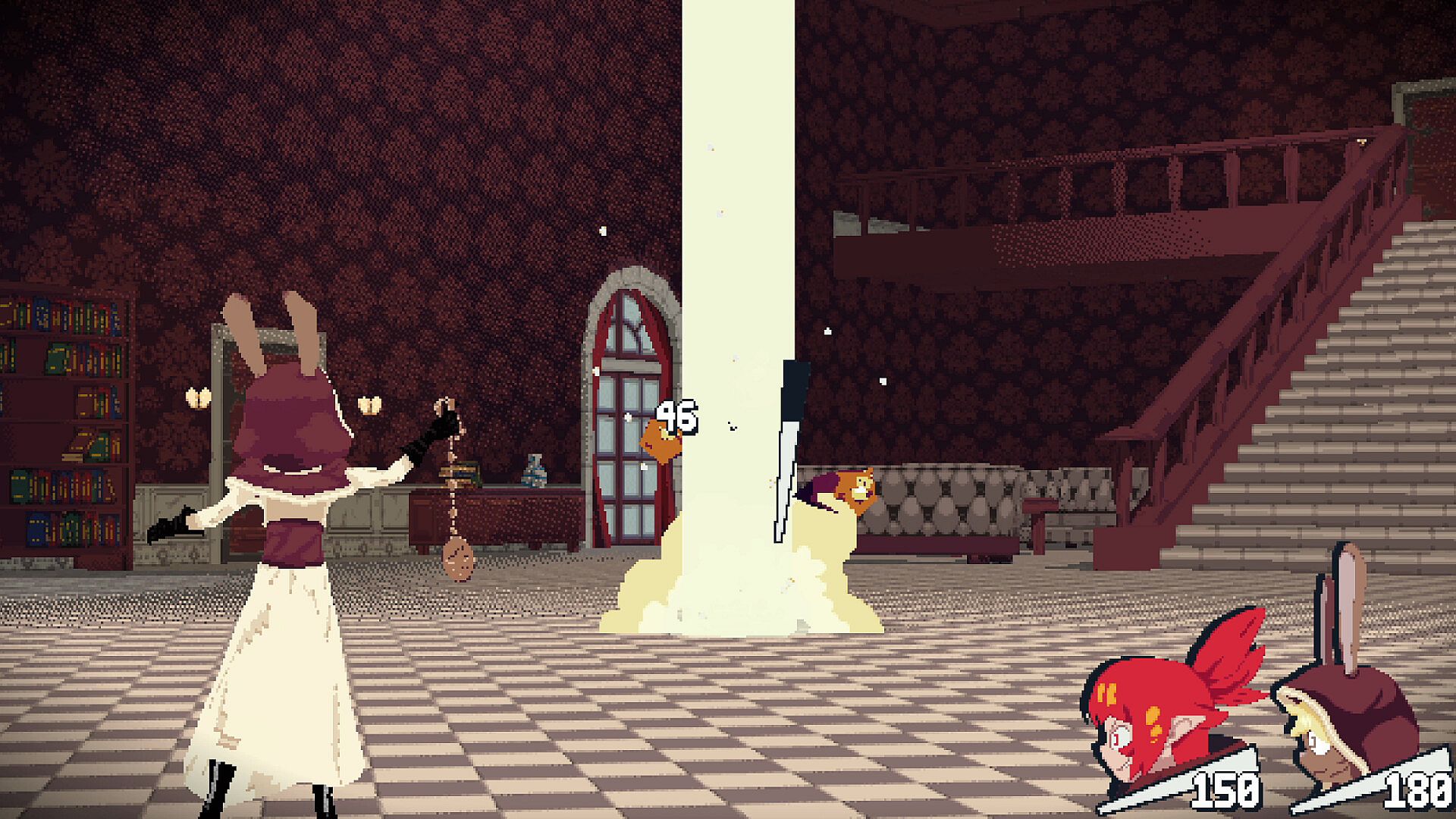
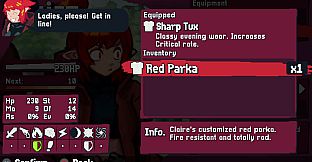
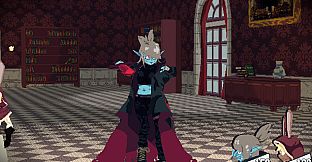
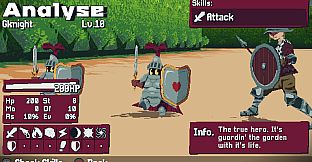
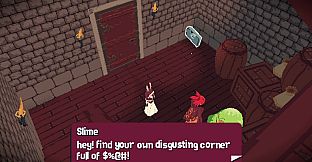
Solaire is an indie RPG developed for PC that centers on turn-based combat with distinctive mechanics for each party member. Players take control of Claire, a mercenary arriving in a small town seeking work, and follow her encounters with allies and adversaries while revealing a larger threat to the world. The game emphasizes character-specific abilities that alter standard combat encounters, such as targeting vulnerabilities or providing support through song.
Gameplay
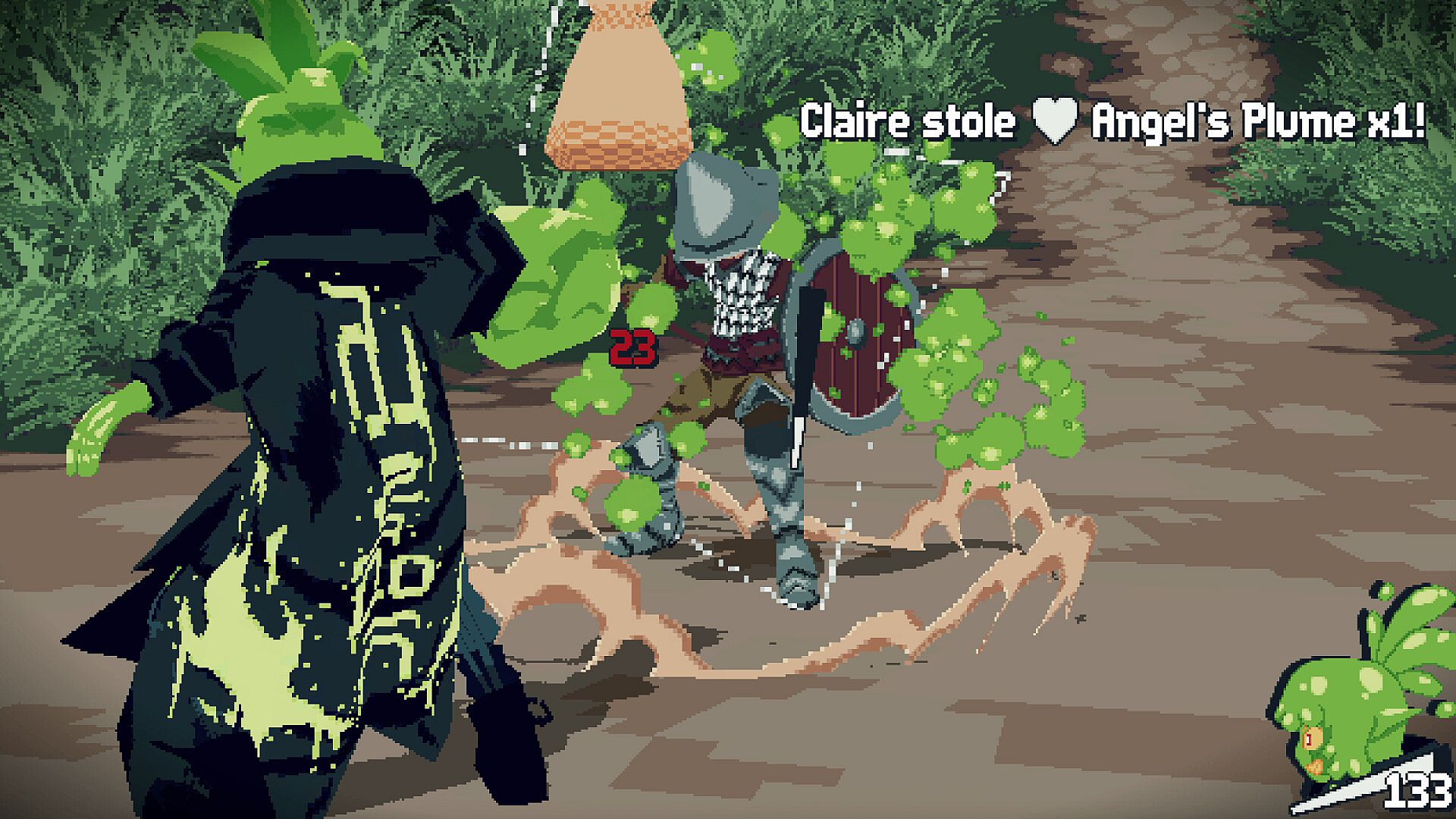
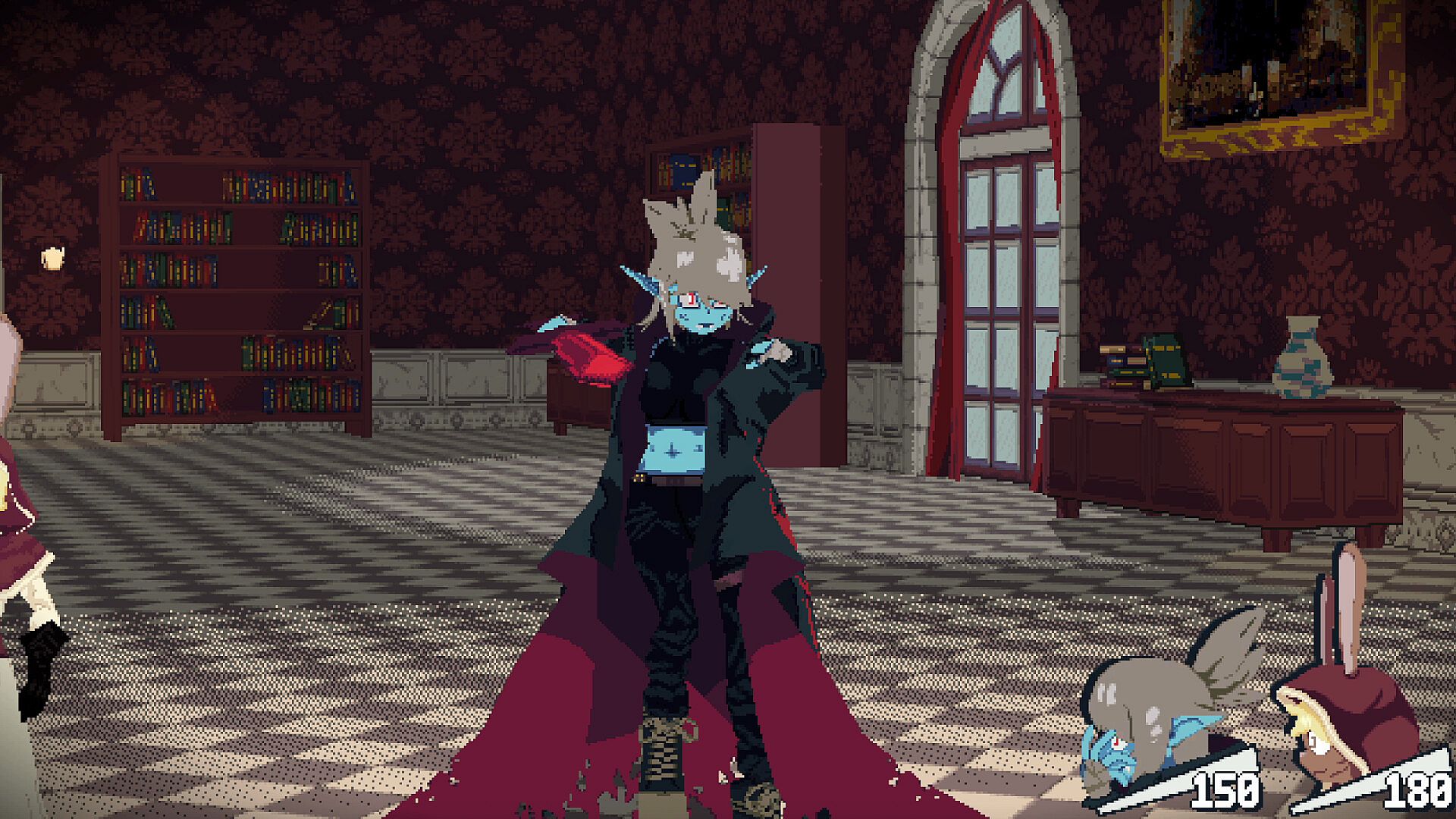
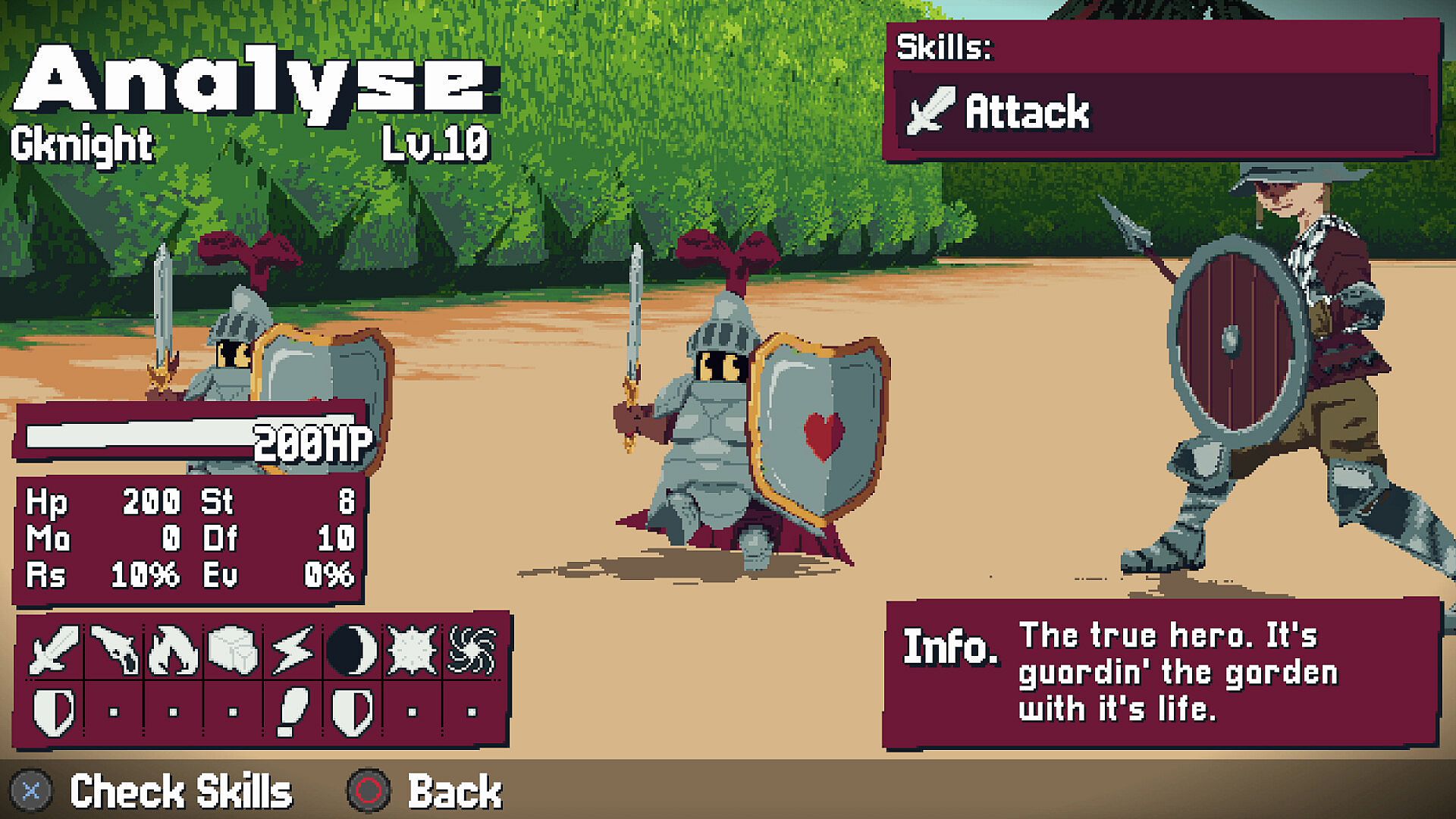
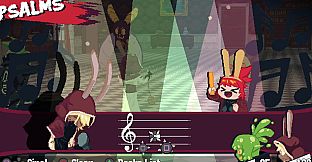
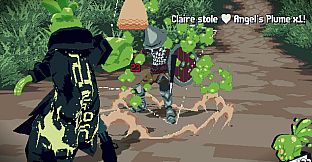
The core loop revolves around assembling a party and engaging in battles where every member brings a personal modification to the turn-based system. One character might focus fire on exposed enemy spots for greater damage, while another delivers restorative effects via musical performance. Claire stands apart with her capacity to draw abilities from defeated opponents, allowing her to shift forms and unleash borrowed magic in combat. This absorption mechanic adds layers to strategy, as players decide when and how to integrate new powers into ongoing fights.
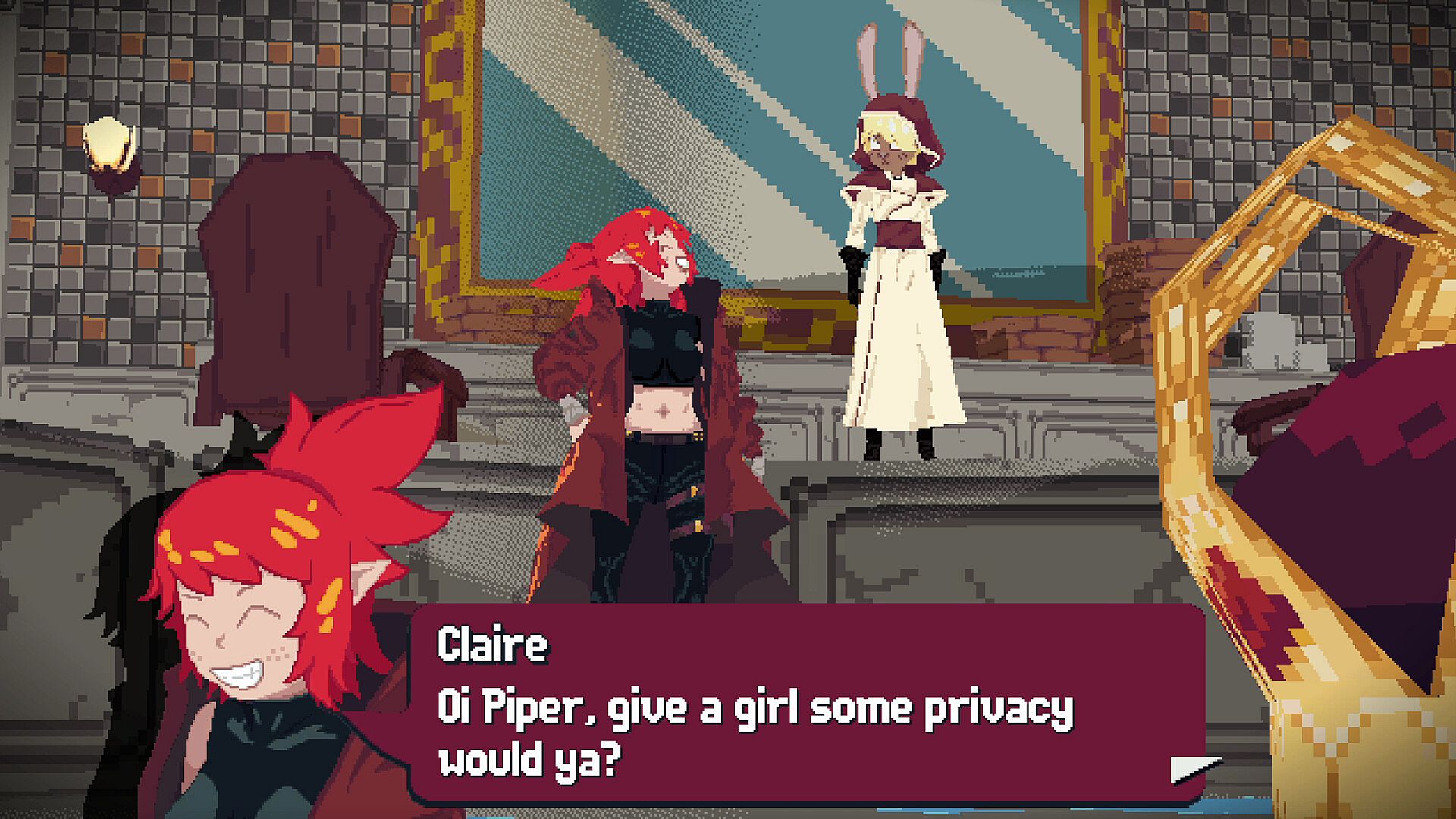
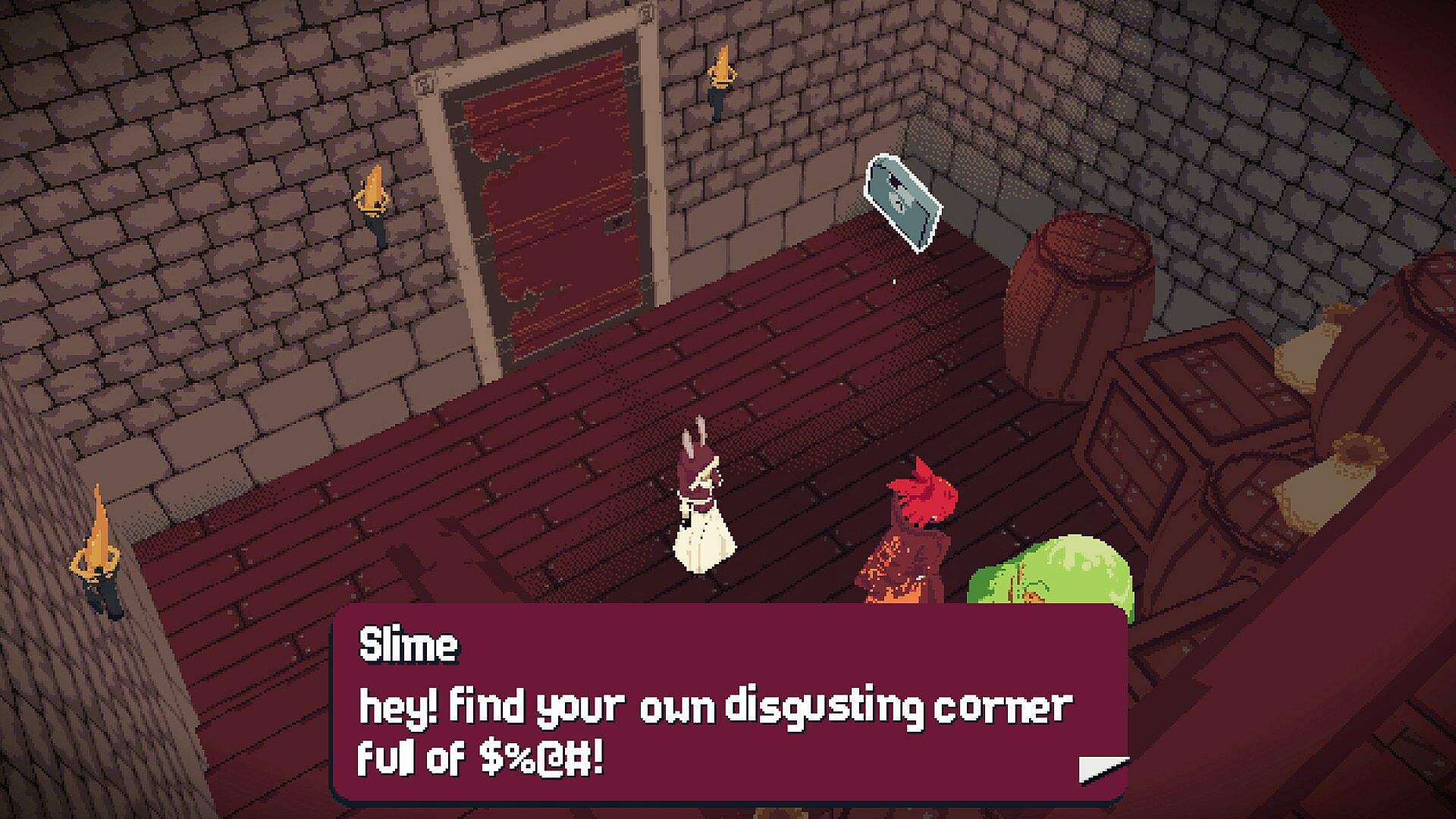
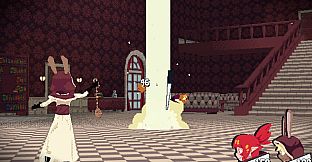
Exploration takes place in a setting rendered through a mix of retro three-dimensional models and pixel art details. Movement and interactions feel deliberate, encouraging players to examine environments for opportunities that tie into combat preparation or story progression. The soundtrack draws from classic game influences, providing an atmospheric backdrop that supports the narrative without overpowering it. Combat encounters build around these unique twists, rewarding observation of enemy patterns and timely use of party skills.
Game Modes
Solaire operates as a single-player experience focused on narrative progression and combat encounters. The structure supports multiple distinct routes that open up across repeated playthroughs, allowing different choices and party compositions to alter the path forward. This design encourages returning to the game to uncover alternate outcomes and character interactions without altering the fundamental turn-based foundation.
No separate competitive or cooperative modes appear in the available details. All activity stays within the main campaign framework, where the emphasis remains on Claire's journey and the evolving party dynamics. Players manage resources and abilities across these routes to navigate the central conflict.
Narrative and Progression
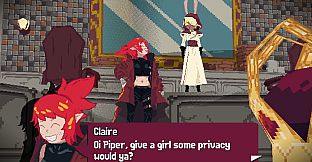
The story follows Claire as she navigates alliances and confrontations in a compact town setting that expands into broader revelations. Party members join over time, each contributing both combat utility and personal stakes to the unfolding events. The ancient plot element serves as the central thread, revealed gradually through encounters rather than upfront exposition.
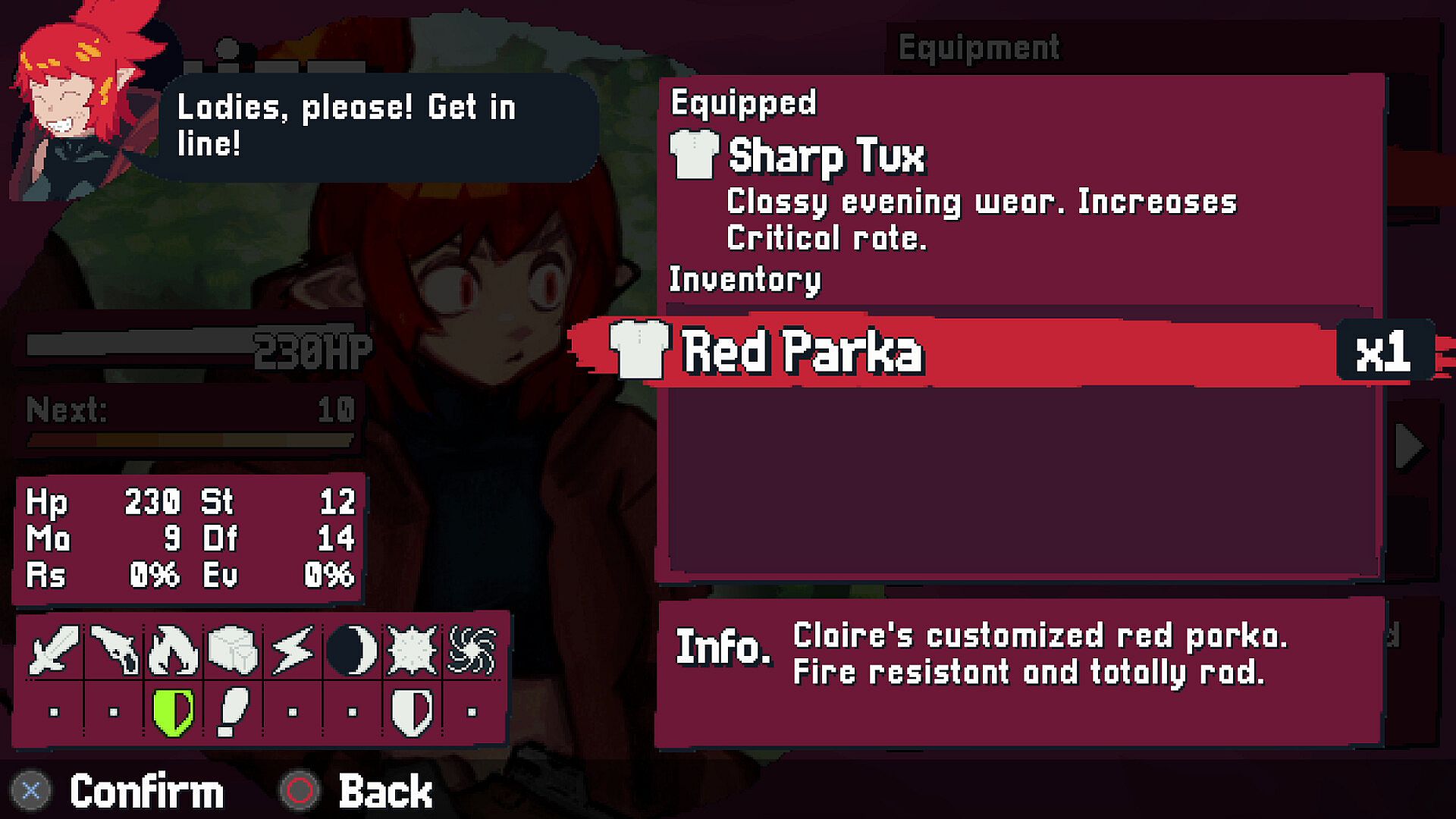
Progression ties directly to combat performance and exploration. Absorbing skills from foes expands Claire's options, while other characters' unique twists create opportunities for varied approaches to the same challenges. Multiple routes mean that decisions made early can shift available allies or story branches, providing fresh perspectives on the same core events without requiring entirely new systems.
Is It Worth Playing?
Solaire targets players who enjoy turn-based RPGs that deviate from standard formulas through individualized character mechanics. The absorption system for Claire and the varied combat twists for the party offer concrete reasons to experiment with different strategies across playthroughs. Those drawn to retro visual styles blended with modern pixel elements, along with an original score inspired by earlier eras, will find consistent presentation throughout.
Because the game remains in development with a release date still to be announced, interested players can monitor updates for confirmation of the full feature set. The described systems suggest strong replay value for anyone who values branching narratives and combat customization over large-scale multiplayer elements. If the combination of mercenary-led story, skill absorption, and distinctive party abilities aligns with preferred RPG styles, the title presents a focused alternative to more conventional entries in the genre.