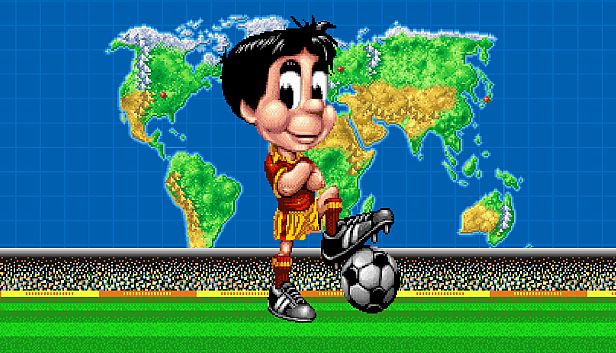


Soccer Kid Collection (QUByte Classics) delivers a pair of classic 2D platformers centered on precise ball control and world-traveling level design. The title combines action, adventure, and sports elements through its core loop of navigating stages by kicking, heading, and maneuvering a soccer ball against enemies and obstacles. Players guide Soccer Kid across varied environments to recover pieces of a stolen World Cup trophy, using the ball as both a mobility tool and a weapon.
Gameplay
The central mechanic revolves around the soccer ball's physics. Players perform kicks to propel the ball forward, execute headers for upward attacks, attempt bicycle kicks for aerial maneuvers, and balance atop the ball to gain extra height on jumps. These actions allow traversal of linear stages filled with platforms, hazards, and foes. Timing and positioning matter heavily because the ball behaves with momentum that rewards practice and punishes imprecise inputs.
Levels span multiple themed worlds drawn from the original releases. Hidden areas often contain collectible football cards that contribute to trophy fragment rewards. The experience emphasizes exploration within tight time limits and demands repeated attempts on tougher sections. Both versions included in the collection retain their distinct visual and audio presentations while adding quality-of-life options such as save states and screen filters.
Game Modes
The collection focuses on single-player platforming campaigns from two source versions. One draws from the DOS release with its closer fidelity to the original Amiga design, while the other presents the SNES edition under the alternate title The Adventures of Kid Kleets. Each version offers the same core progression through stages but differs slightly in level order, background scrolling, and control feel. No separate multiplayer or competitive modes exist; the emphasis stays on completing the trophy recovery objective across the available stages.
Additional options within the collection include rewind functionality on one version and cheat codes that adjust timers or grant temporary advantages. These tools support different play styles without altering the fundamental single-player structure.
Visuals and Presentation
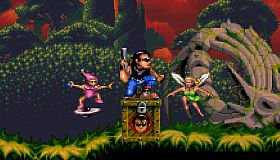
Pixel art defines the look, with colorful sprites and detailed backgrounds that evoke the 1990s era of the originals. The DOS version features a more compact screen layout, while the SNES version includes scrolling parallax effects. Music and sound design vary between the two included releases, reflecting their platform-specific origins. Modern emulation features preserve the retro aesthetic while allowing adjustments for contemporary displays.
Is It Worth Playing?
This collection suits players who appreciate demanding retro platformers that rely on tight controls and creative use of a single object for movement and combat. The ball-centric mechanics create a distinctive loop that stands apart from standard jump-and-run titles. Those seeking forgiving modern experiences may find the precision requirements and restrictive timers frustrating, especially without prior familiarity with similar 1990s games.
Availability on Xbox and PC platforms makes the two versions accessible with added conveniences like save states. Reception highlights the faithful recreation of the originals alongside criticism of the limited selection of versions and overall presentation choices. Players drawn to challenging single-player platforming with sports-themed twists will find the most value here.