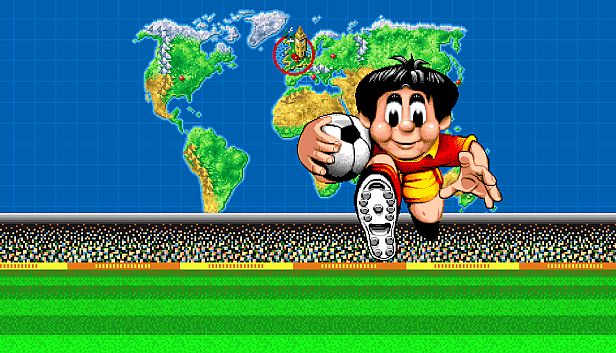



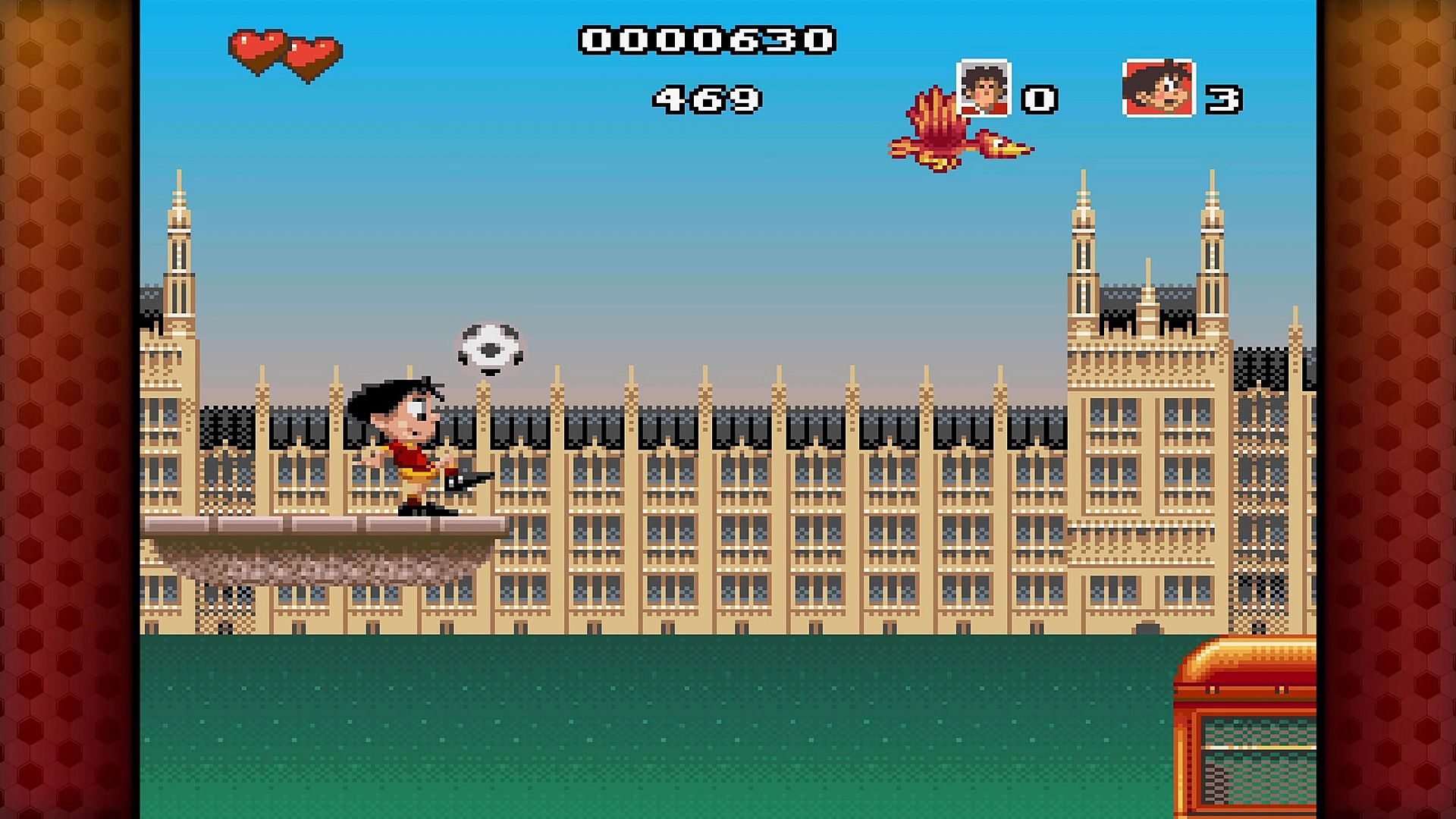
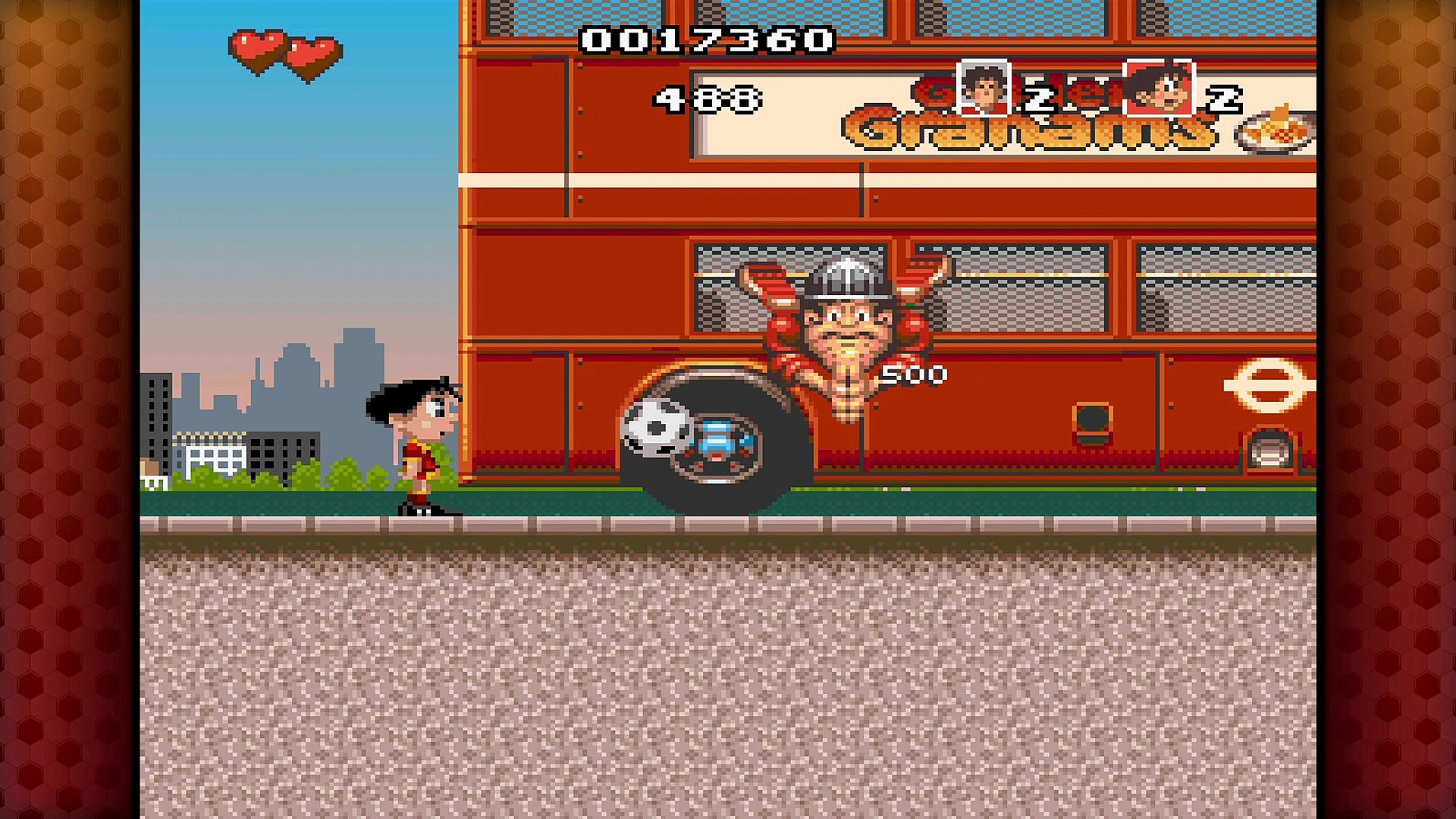
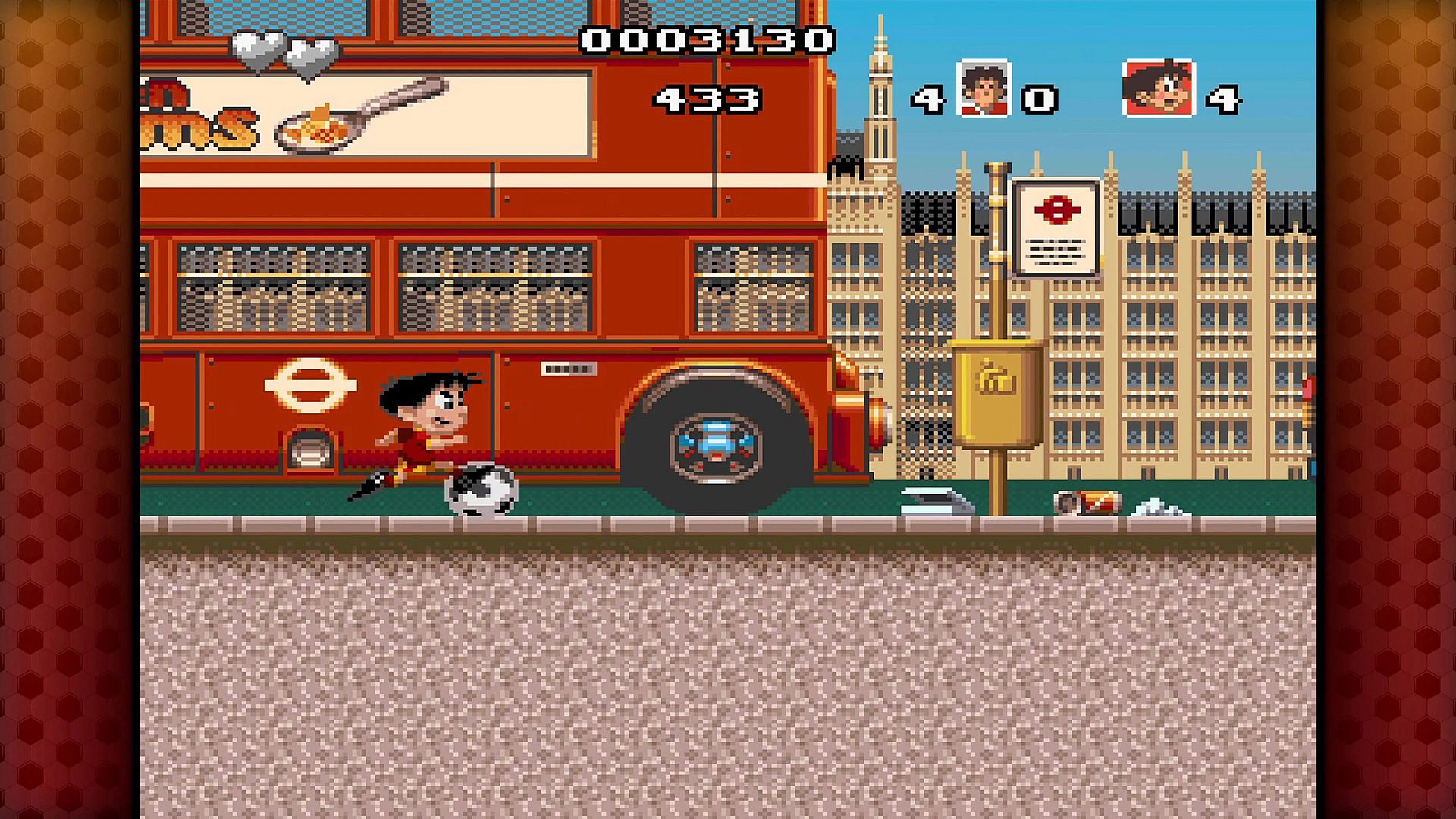
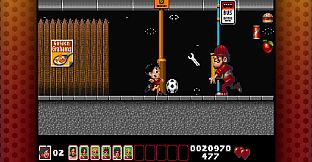
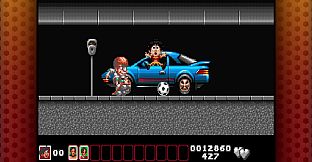
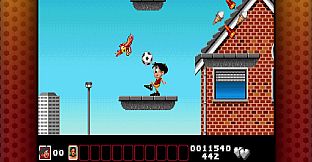
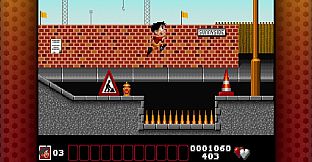
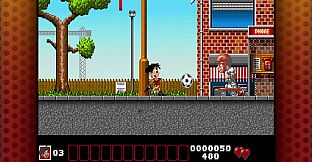
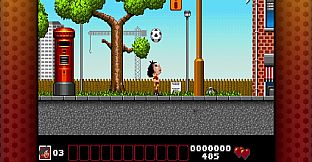
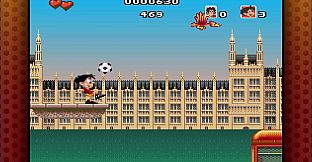
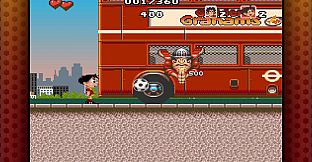
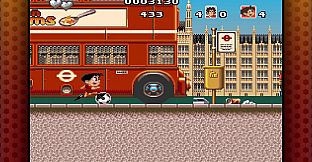
Soccer Kid Collection (QUByte Classics) is a 2D action-adventure sports platformer that puts players in control of a young hero who relies entirely on soccer skills to progress through levels. The core premise involves recovering pieces of the stolen World Cup trophy scattered across the globe after an alien collector destroys the original. This re-release brings together the original SNES and MS-DOS versions of the 1993 game with added modern touches such as CRT filters and a virtual museum containing original manuals and box art.
Gameplay
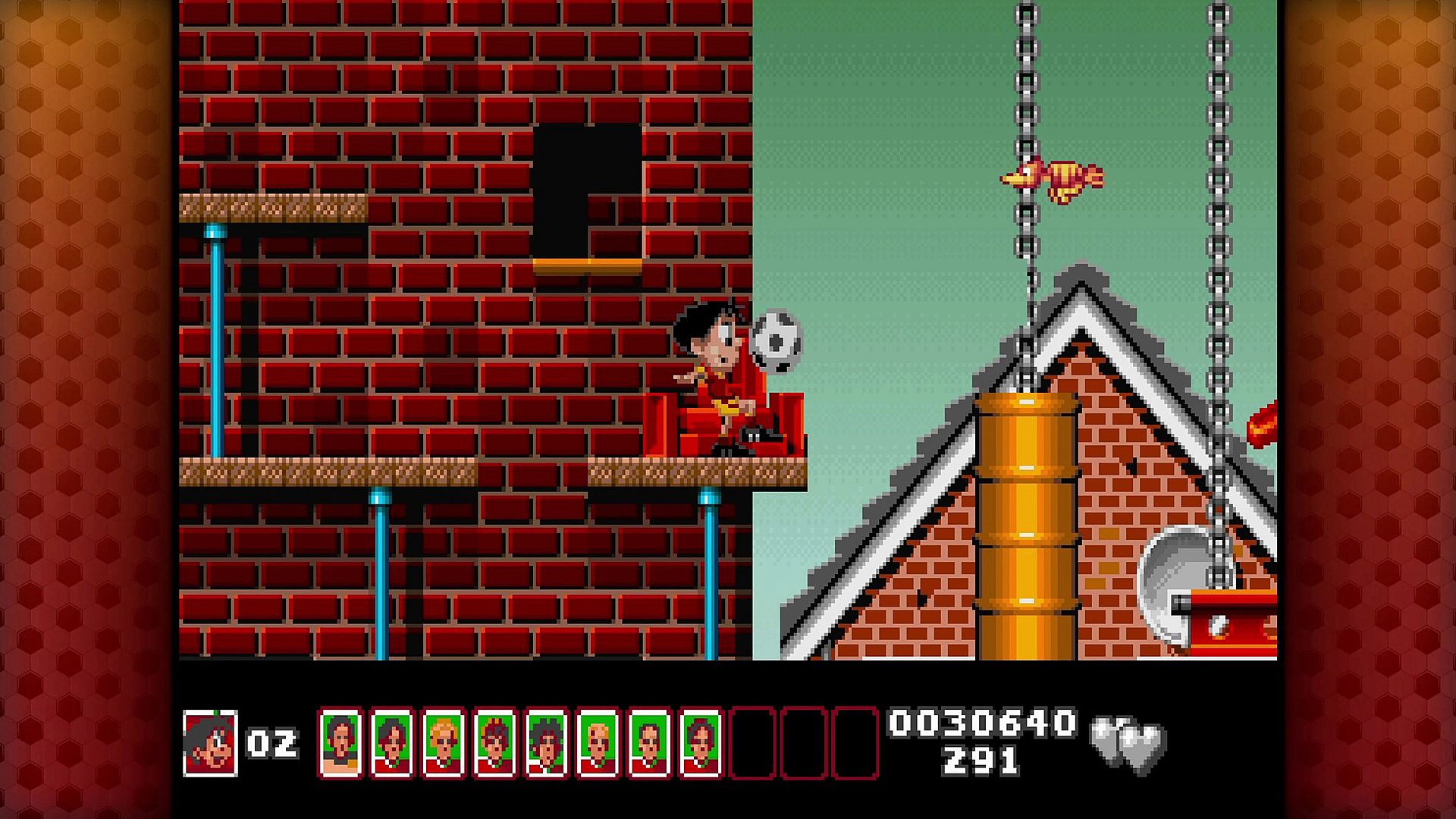
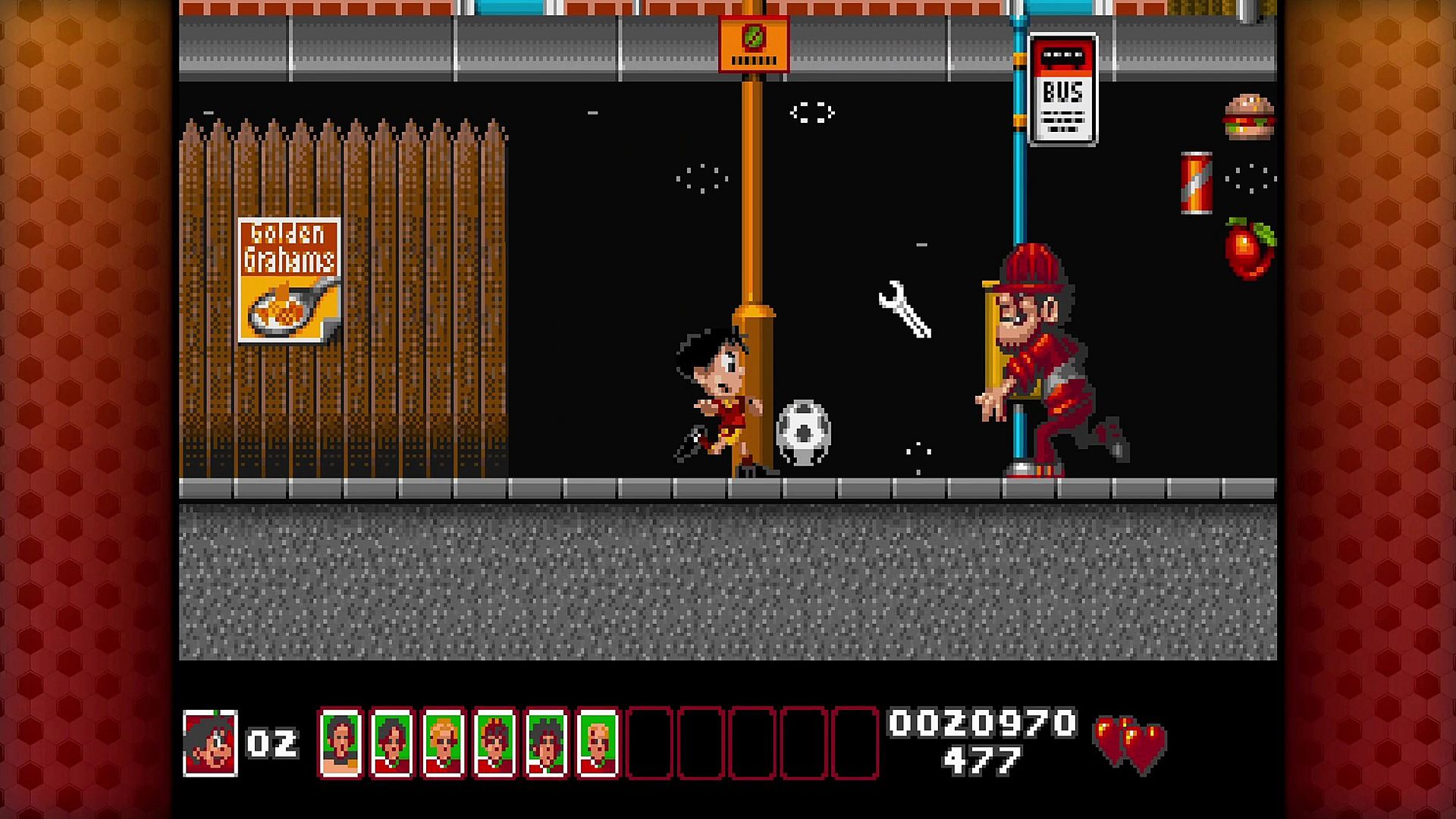
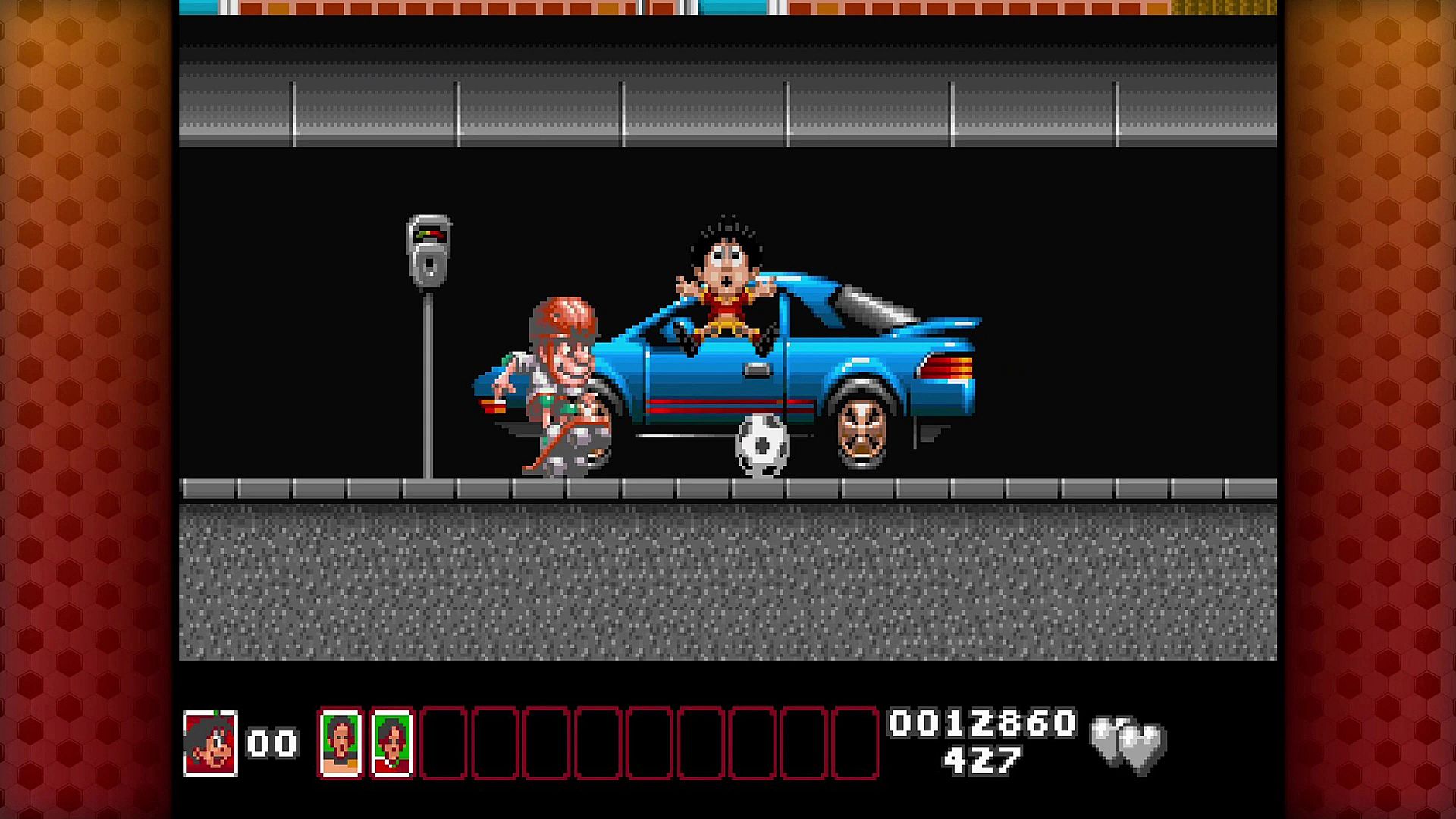
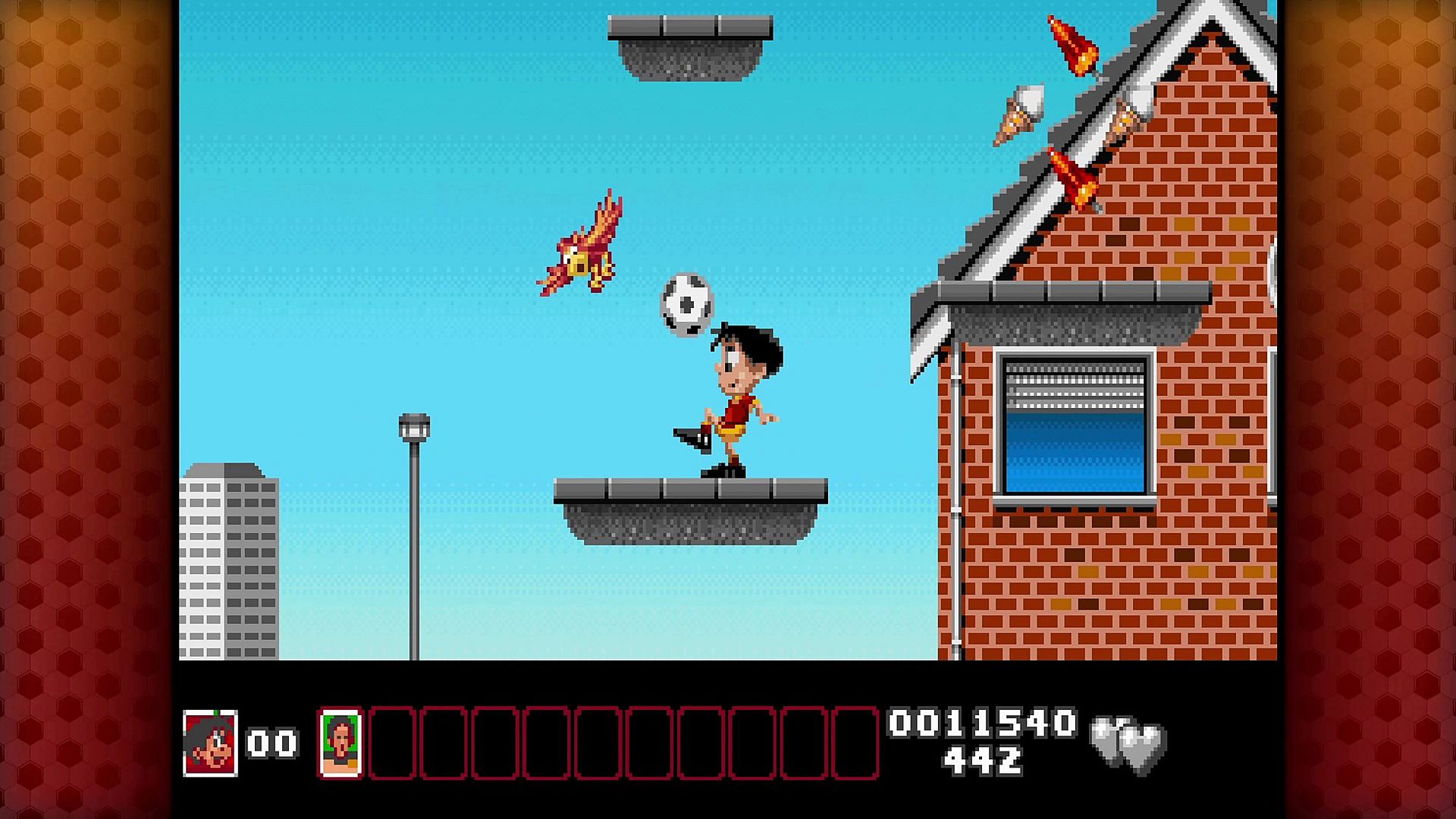
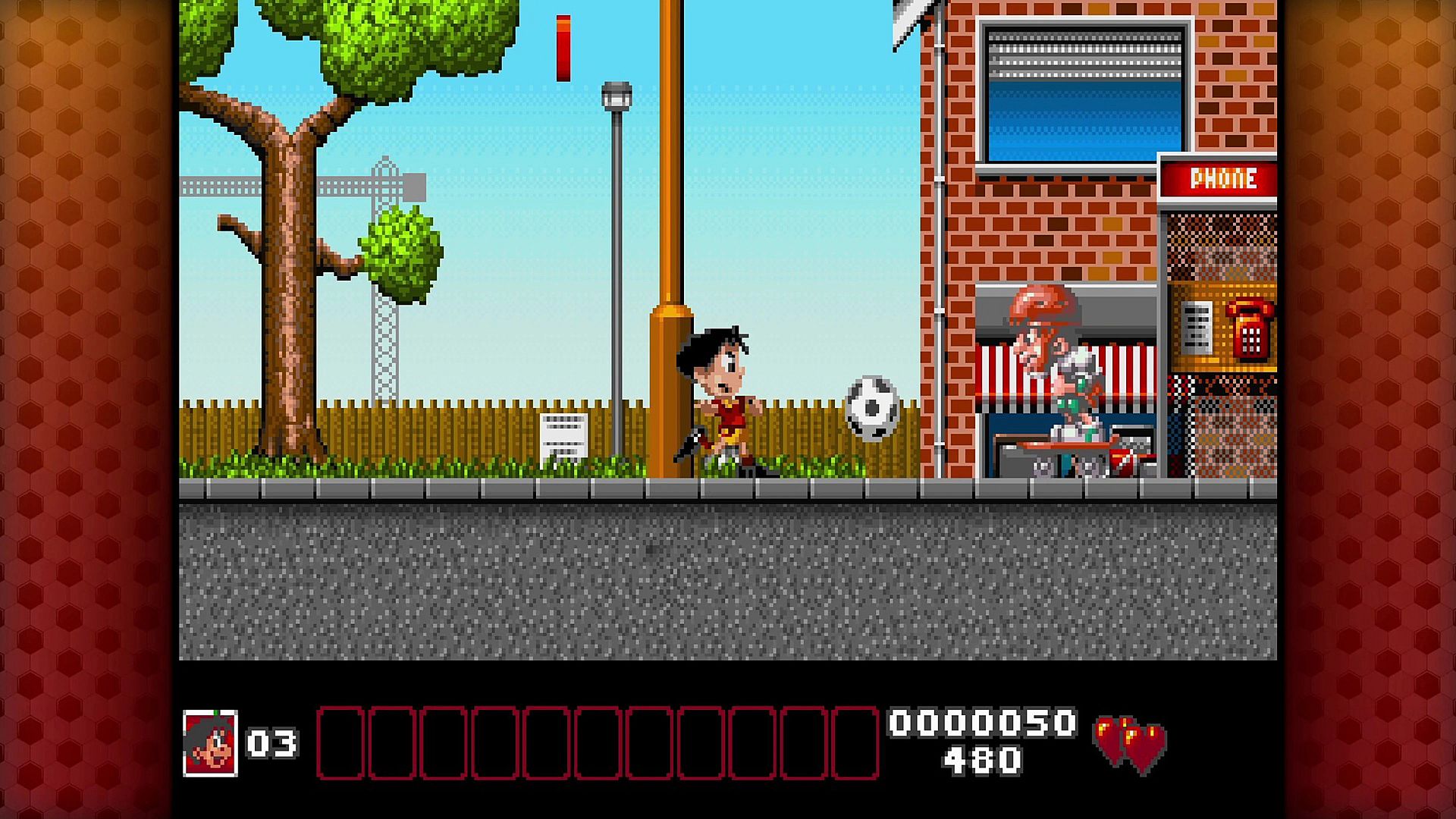
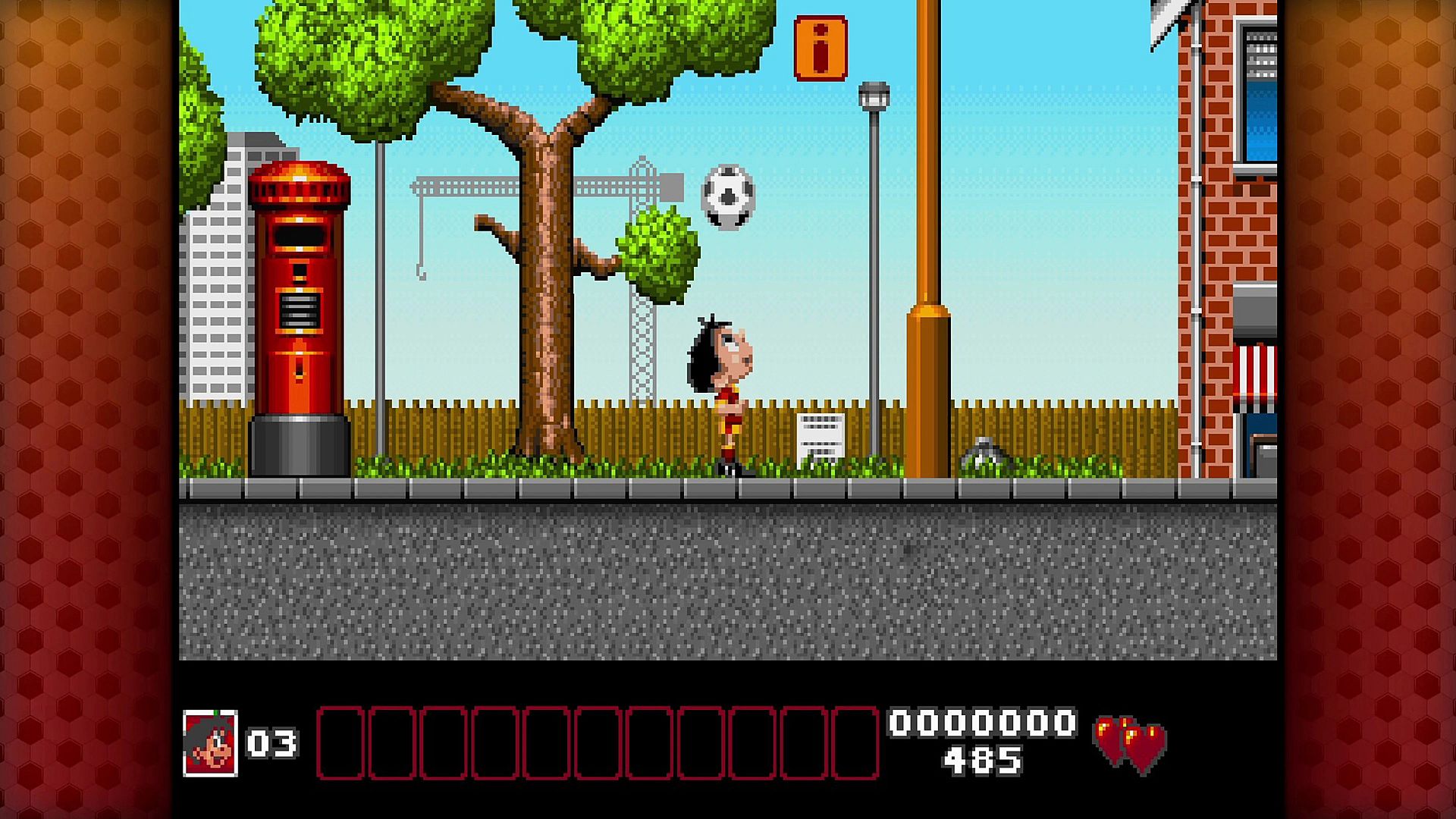
The gameplay centers on precise control of a soccer ball as the primary tool for movement, interaction, and combat. Players dribble through side-scrolling stages filled with platforms, obstacles, and enemies. Headers allow the character to reach elevated areas or activate switches, while well-timed kicks send the ball forward to clear paths or defeat foes. Every action requires careful timing and positioning because the ball behaves like a physical object that can be lost or used in creative ways to solve environmental puzzles.
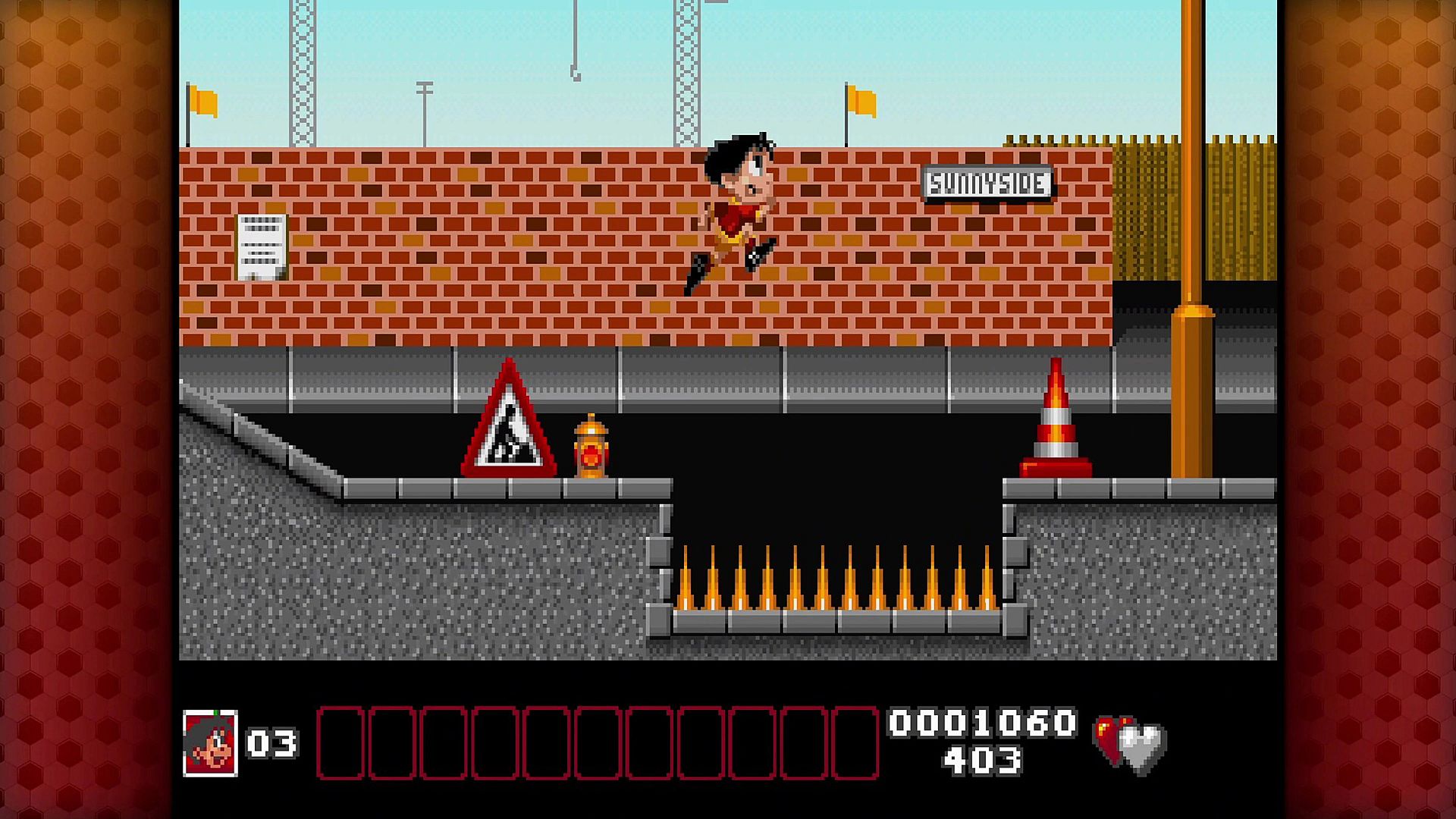
Level design emphasizes mastery over raw power. Stages feature varied terrain that demands repeated practice to navigate efficiently. The SNES version offers smoother visuals and controls suited to console play, while the MS-DOS version presents a more pixelated, arcade-style presentation. Both retain the original challenge of managing ball momentum across long jumps and tight corridors. New quality-of-life options in the collection help with the steep difficulty curve without altering the core mechanics.
Game Modes
The collection operates as a single-player experience focused on completing the campaign across multiple themed worlds. Players select between the SNES or MS-DOS version at the start of a session, each delivering the same levels with distinct visual and technical differences. Progress carries over within each version, encouraging separate playthroughs to compare handling and presentation.
No competitive or cooperative multiplayer options exist. The structure remains linear, with stages unlocked sequentially as the trophy pieces are recovered. The virtual museum serves as an optional side activity where players can browse historical materials from the original release, adding context without interrupting the main progression.
Visual Style and Presentation
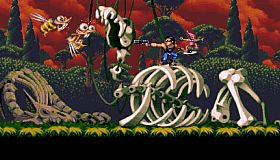
Graphics stay faithful to the 16-bit era while benefiting from modern display options. The CRT filter recreates the scanline look of period televisions, softening pixels and adding subtle color bleed for an authentic retro feel. Without the filter, the art appears crisp on high-definition screens. Backgrounds depict global locations with distinct color palettes and environmental details that reflect the game's worldwide journey.
Sound design includes upbeat chiptune tracks that loop during exploration and action sequences. Effects emphasize the impact of kicks and headers, reinforcing the sports theme. The collection preserves the original audio from both versions where differences appear.
Is It Worth Playing?
This title suits players who enjoy skill-heavy 2D platformers that replace standard attacks with a unique mechanic. The emphasis on ball control creates a distinct loop compared to traditional jump-and-stomp games, rewarding patience and experimentation. Those familiar with 1990s platformers will recognize the demanding level layouts and limited continues that push for repeated attempts.
The inclusion of two versions and presentation extras broadens appeal for collectors and nostalgia seekers. Newer players may find the difficulty punishing at first, yet the added assists in the collection lower the barrier without removing the satisfaction of mastering a stage. Availability on PS5 makes it accessible for anyone interested in a compact, focused retro platforming session that runs several hours depending on skill level.