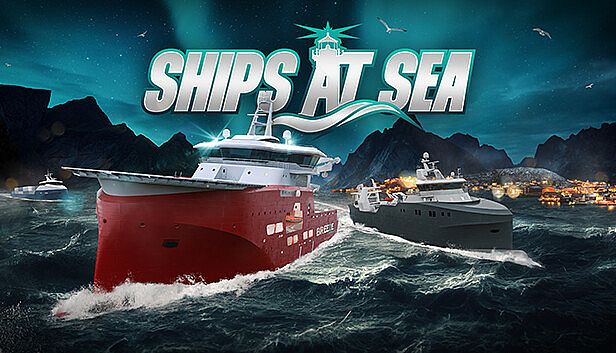



















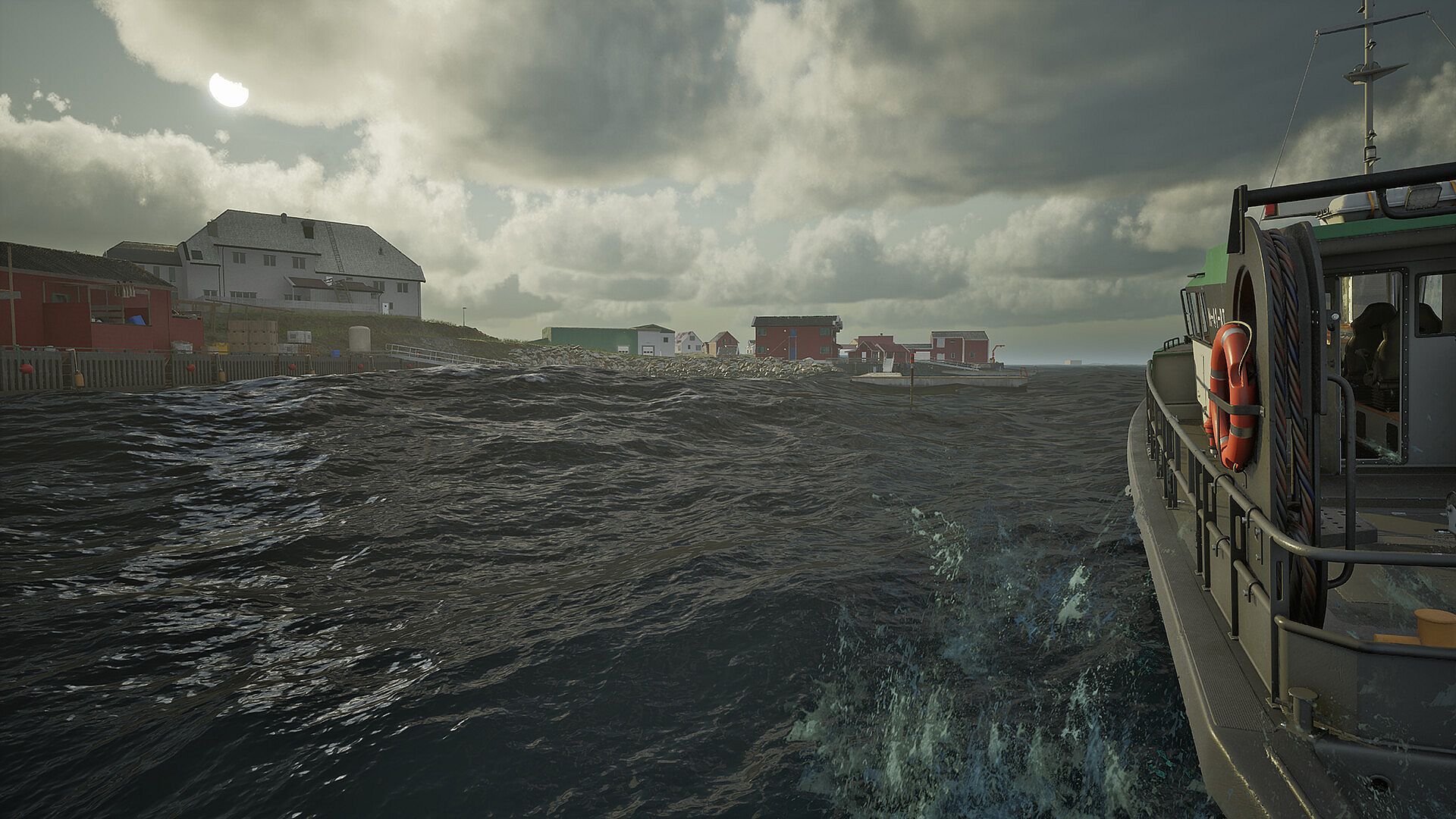
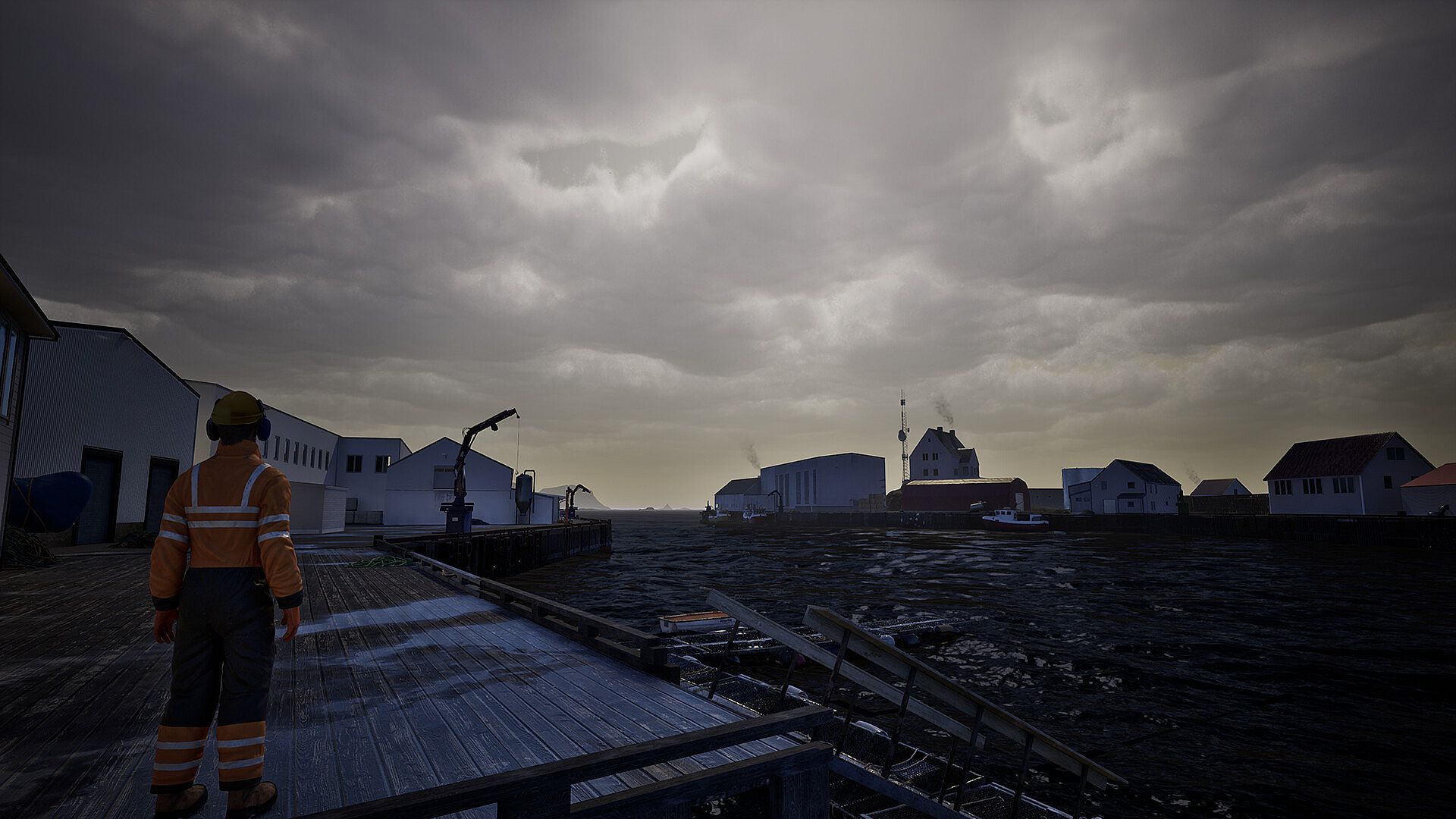
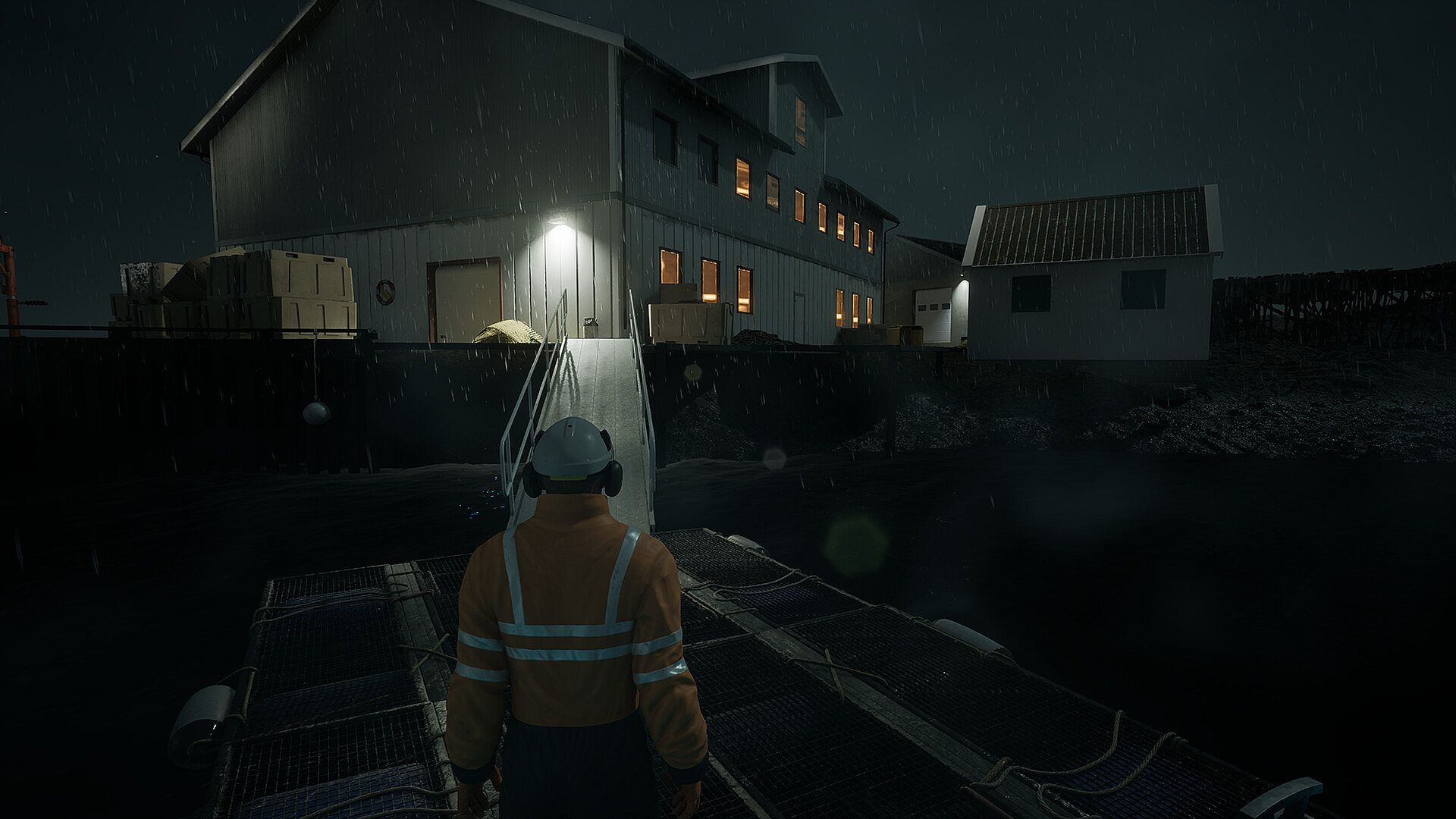
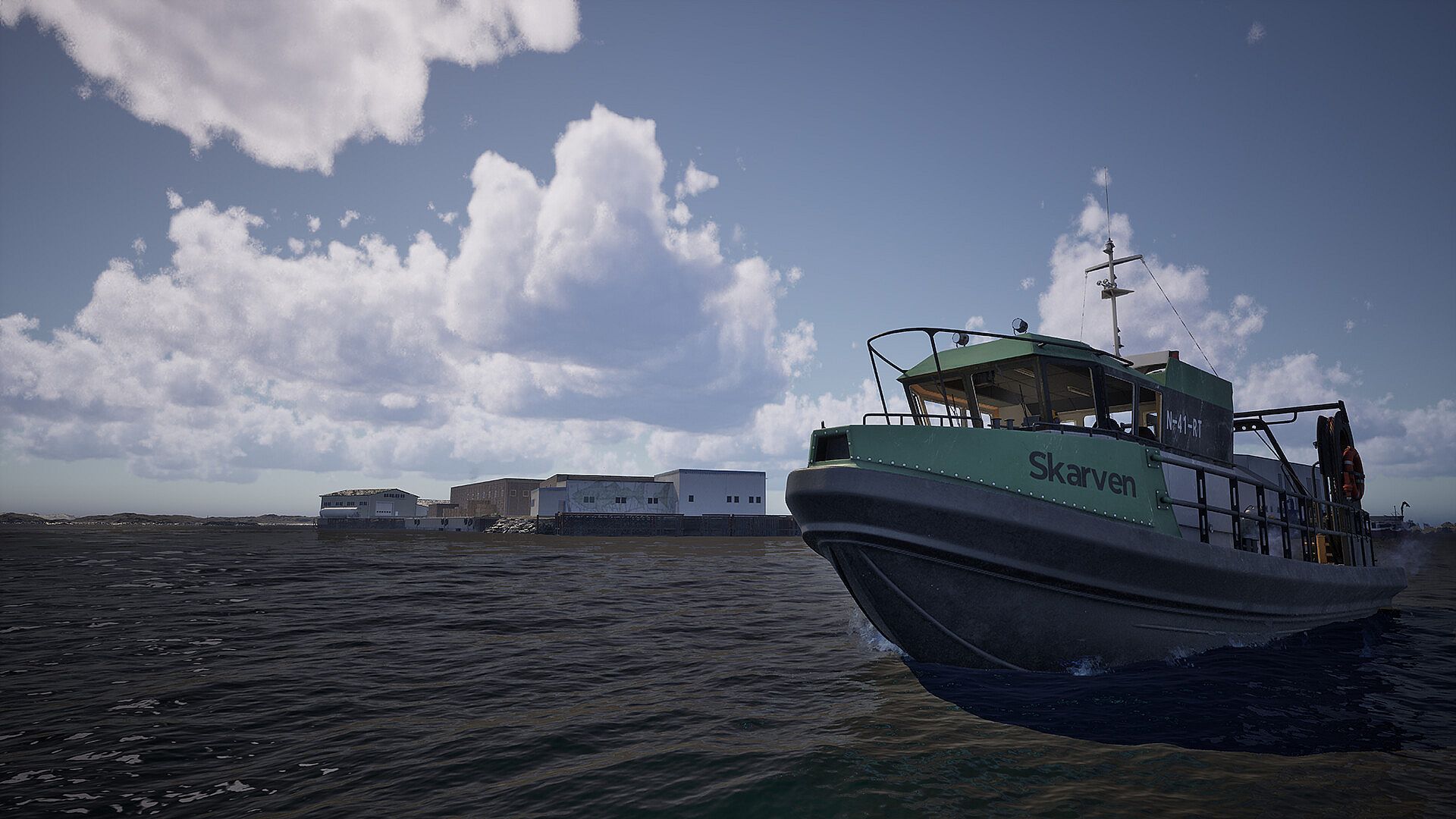
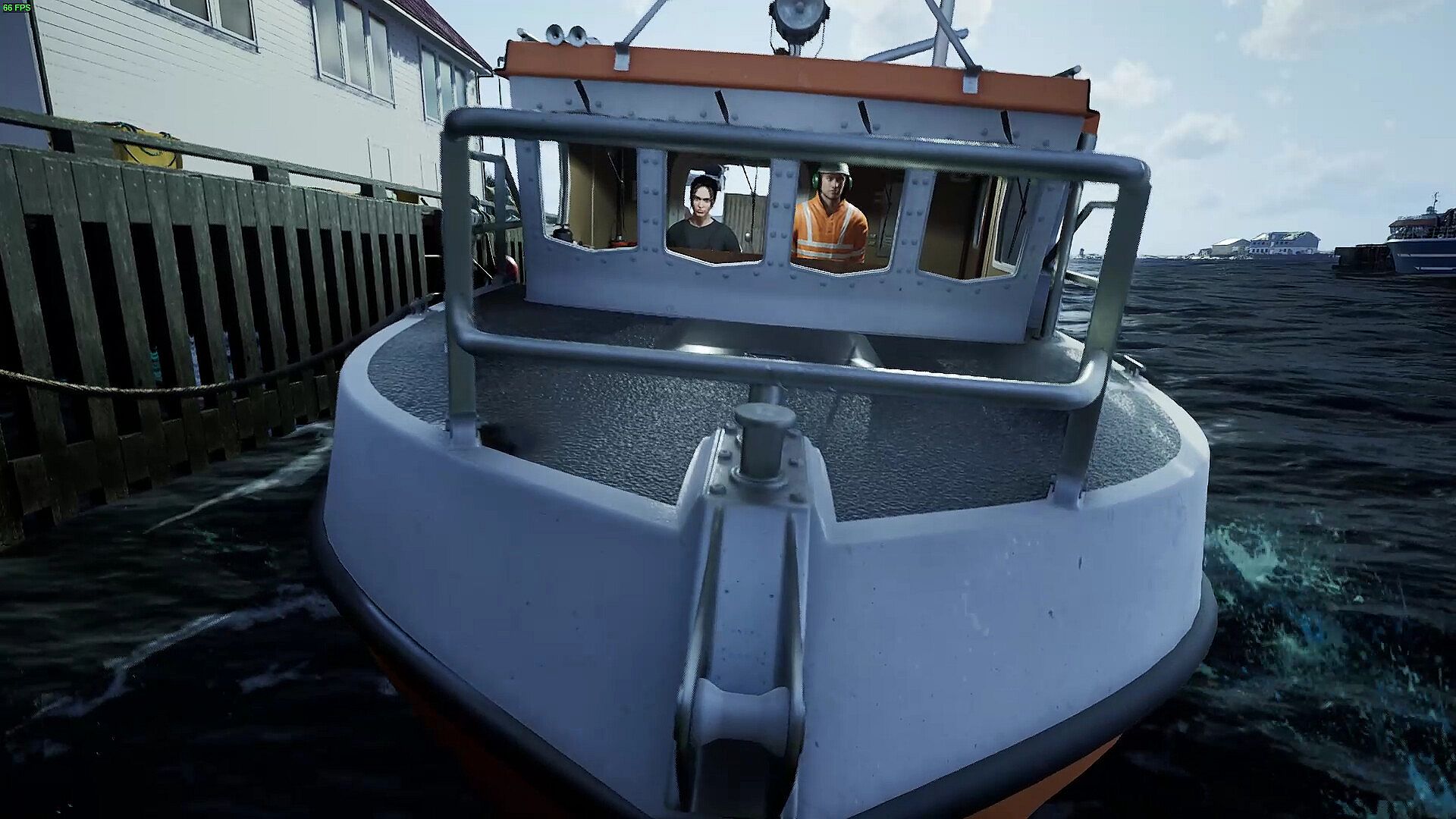
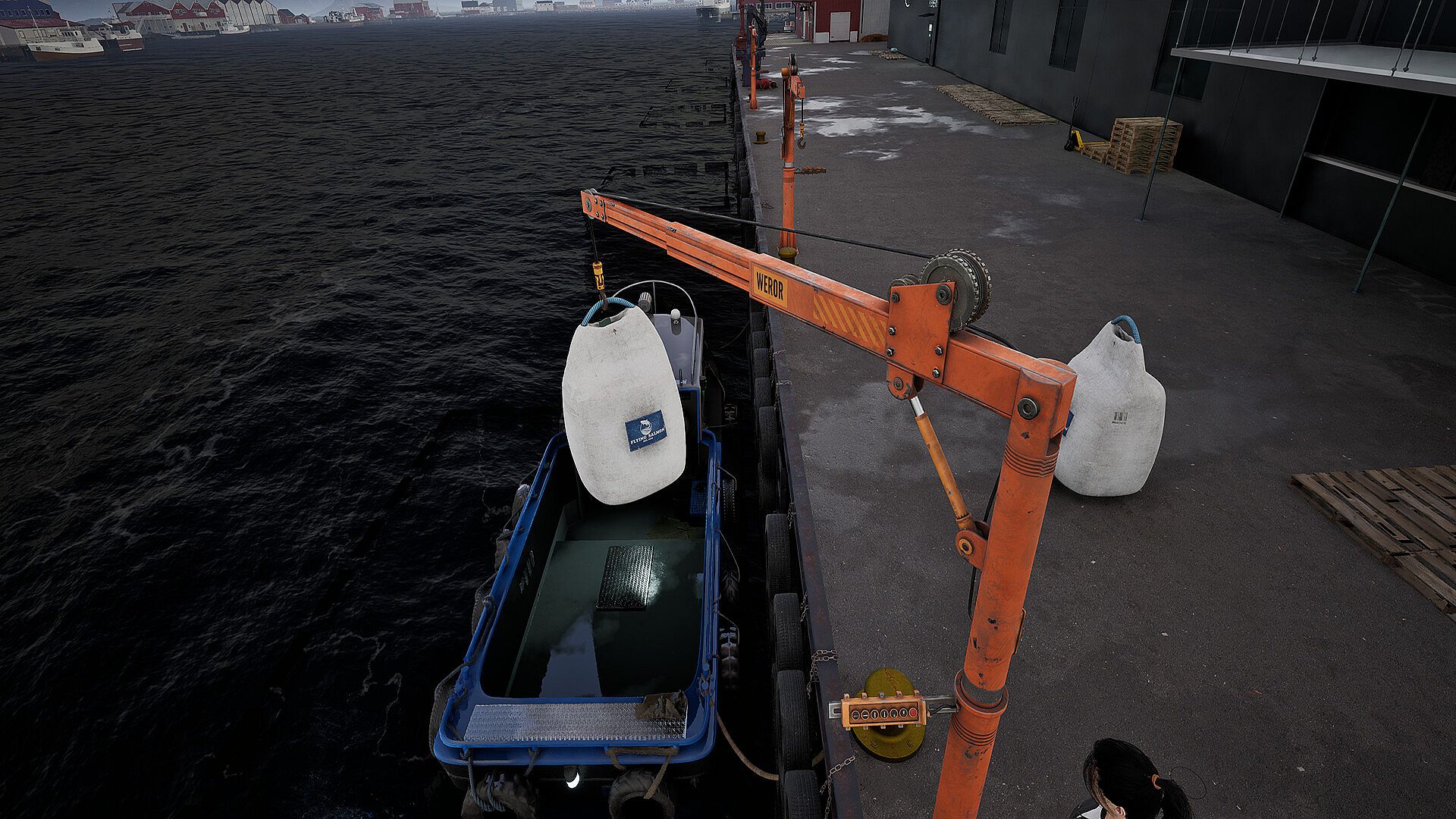
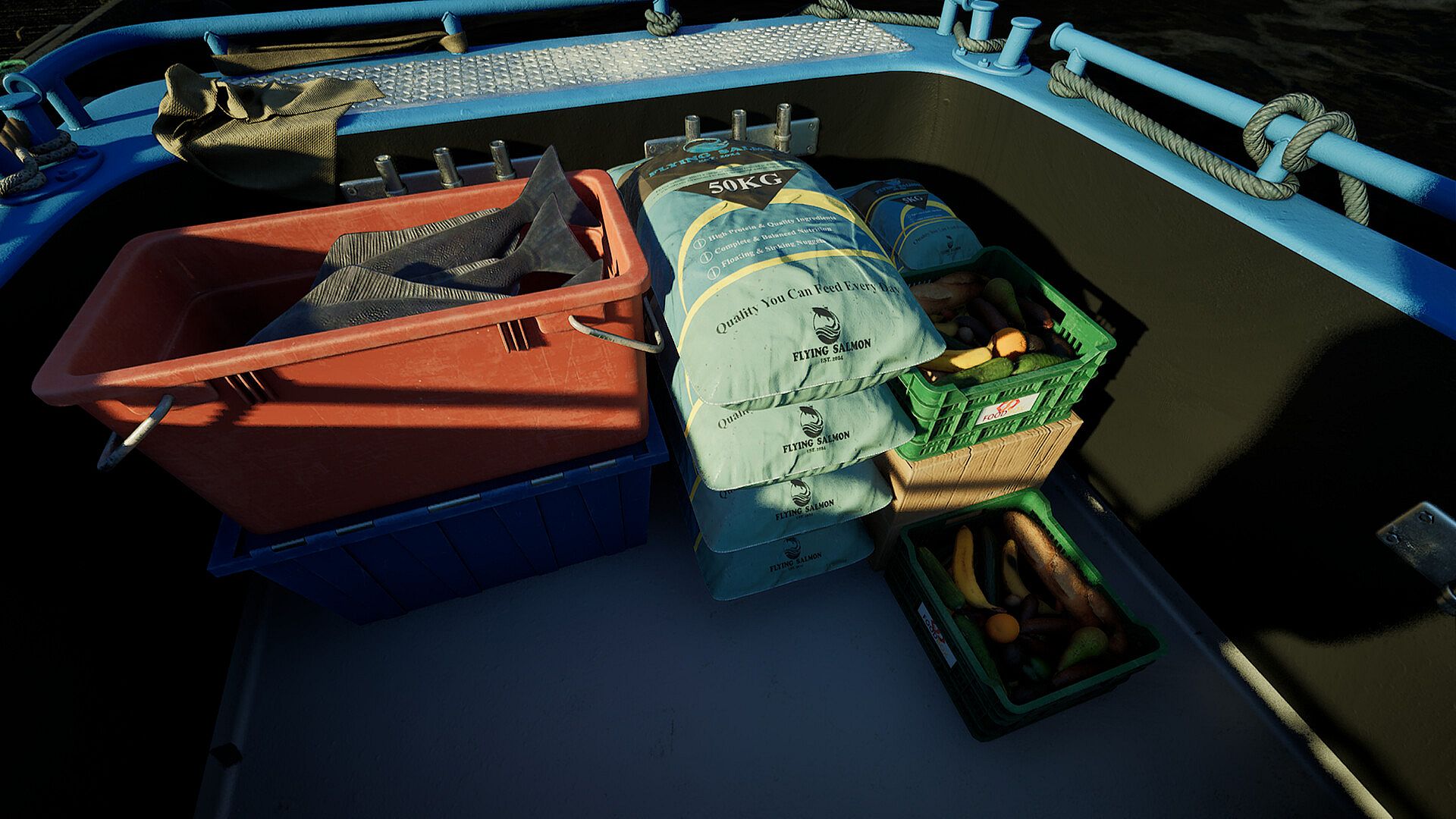
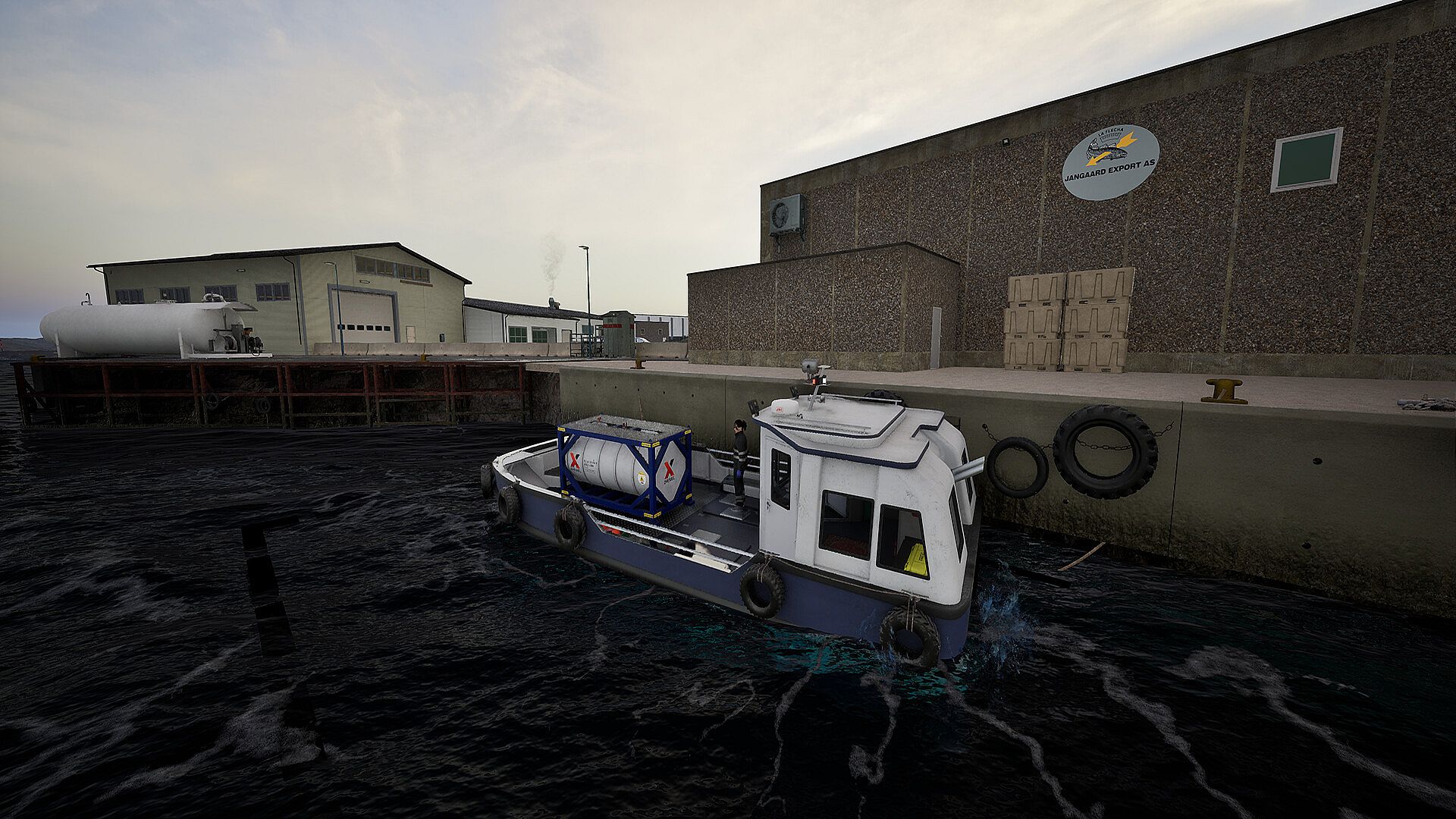

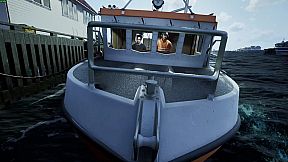
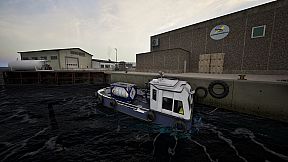
Ships At Sea is a maritime simulation game set in the Norwegian Sea, where players build careers operating service, cargo, and fishing vessels across an open-world recreation of the Lofoten region.
Gameplay
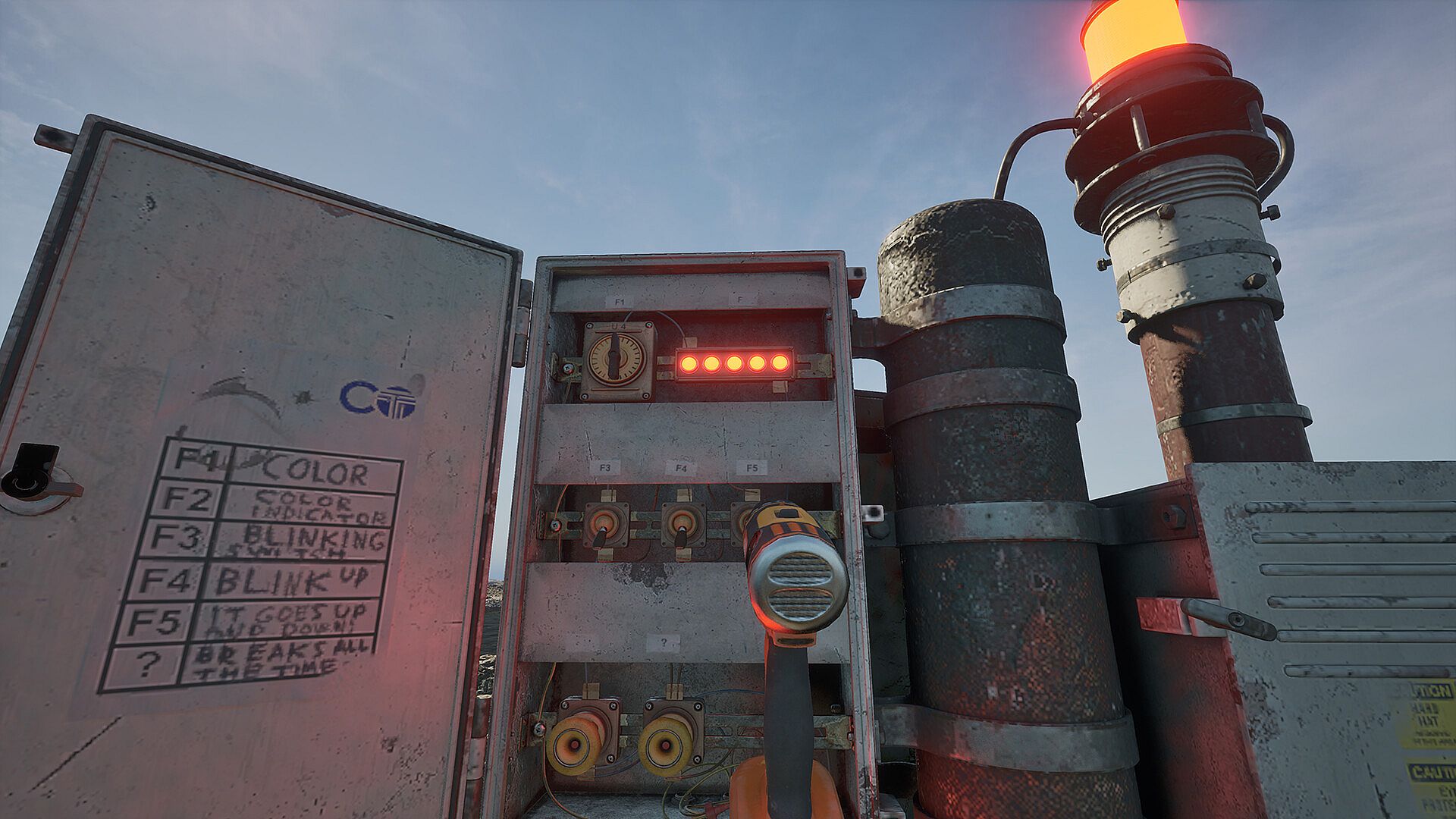
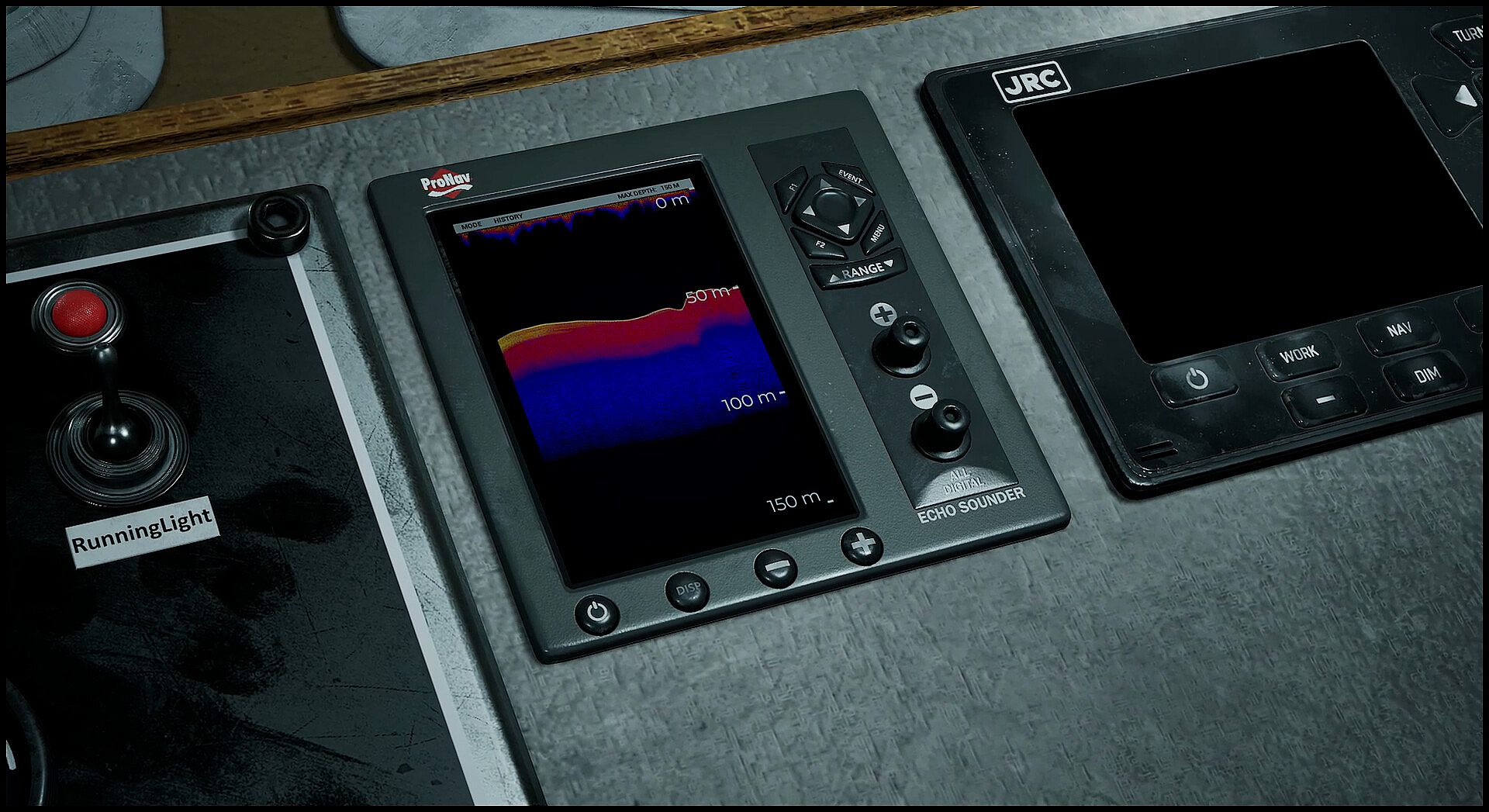
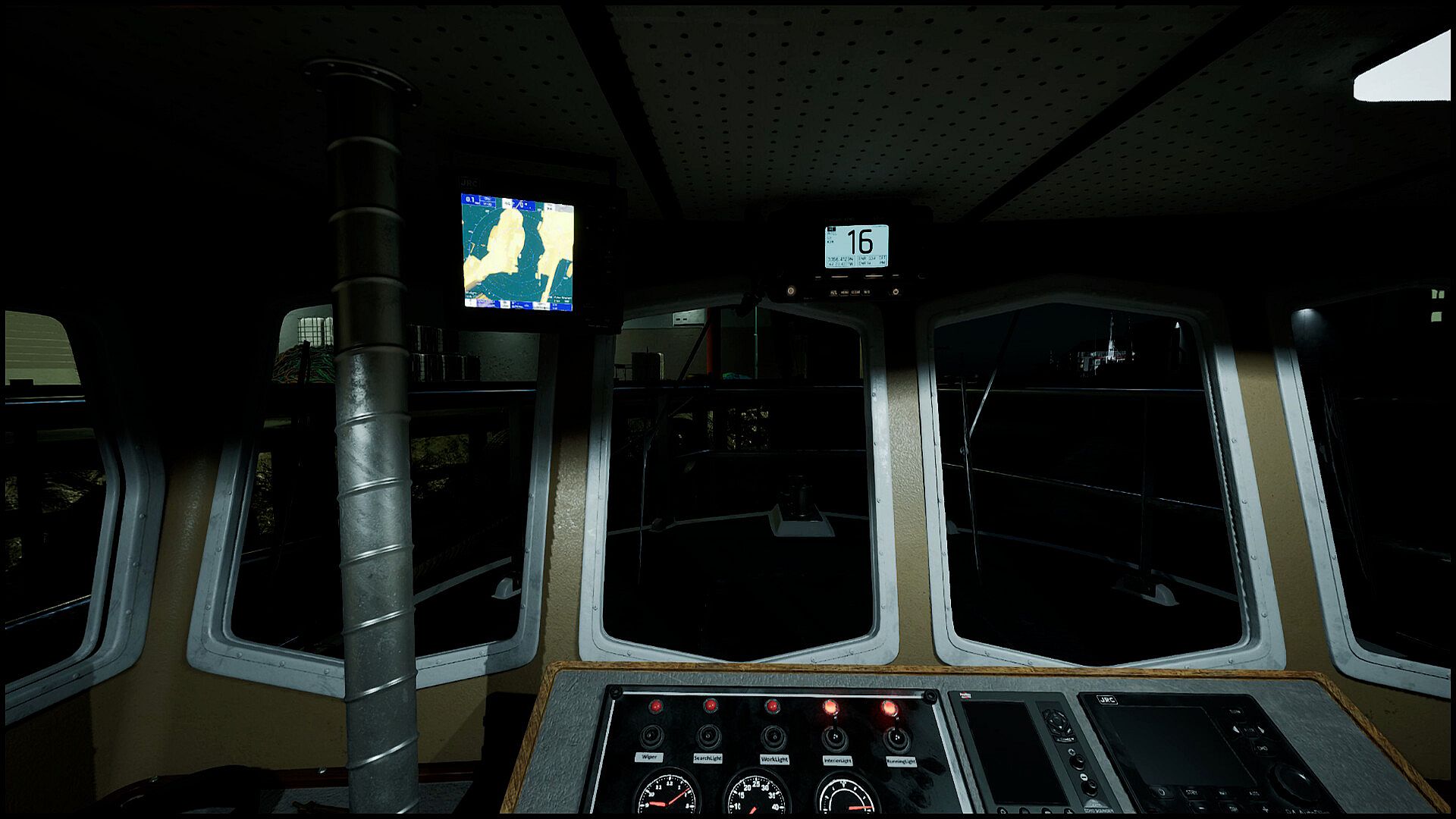
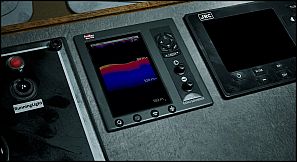
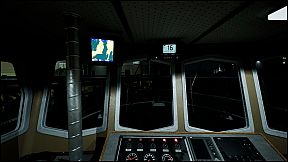
The core loop centers on managing vessels through realistic navigation, cargo handling, and maritime tasks. Players start with smaller boats and progress by completing jobs that earn resources for upgrades and larger ships. The 46 by 46 kilometer map features authentic harbors where players visit shipyards for maintenance, repairs, and equipment purchases. Wheelhouse systems include functional sonar with multiple view modes, radar, radio communication, and autopilot for precise control during voyages.
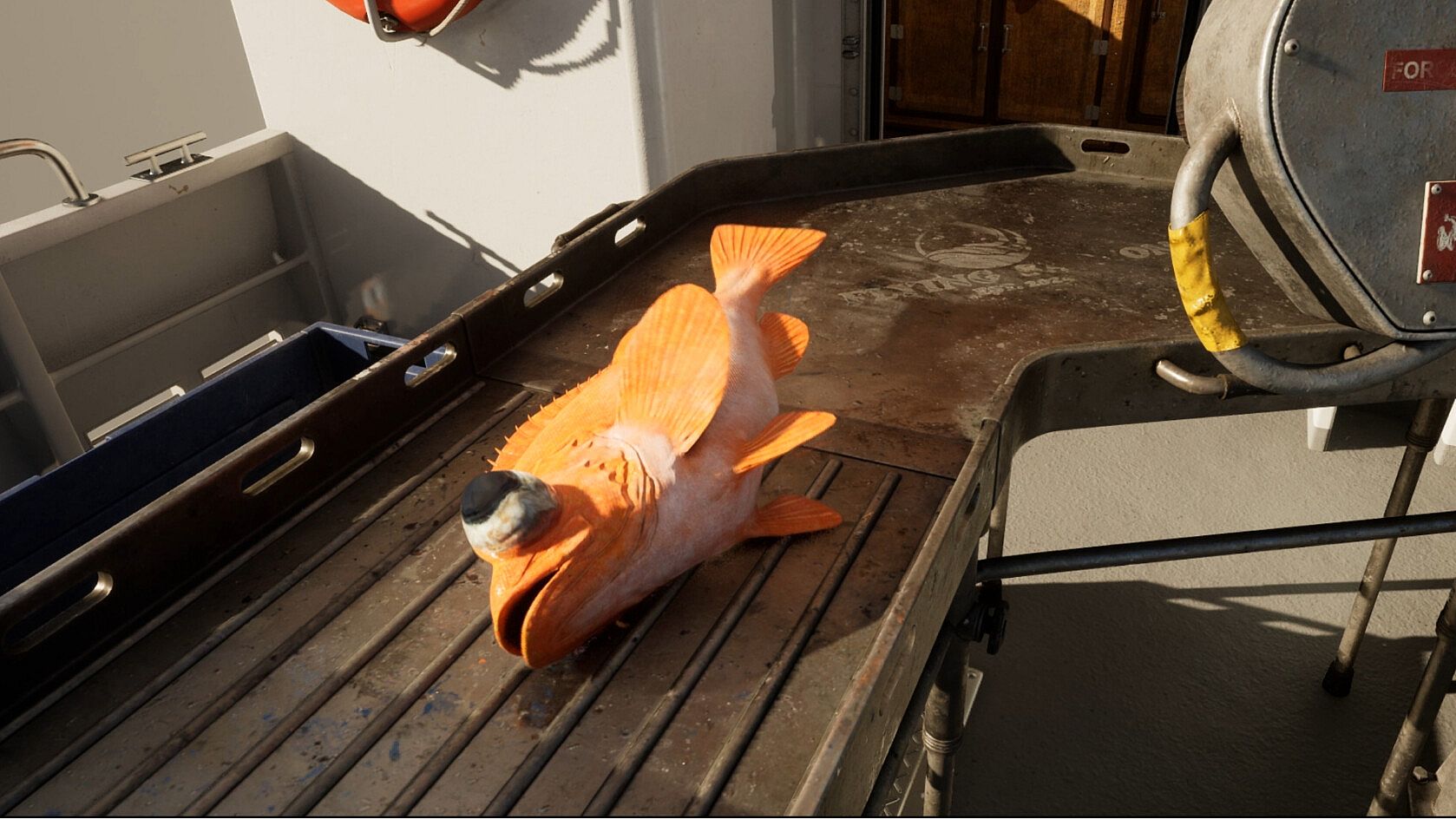
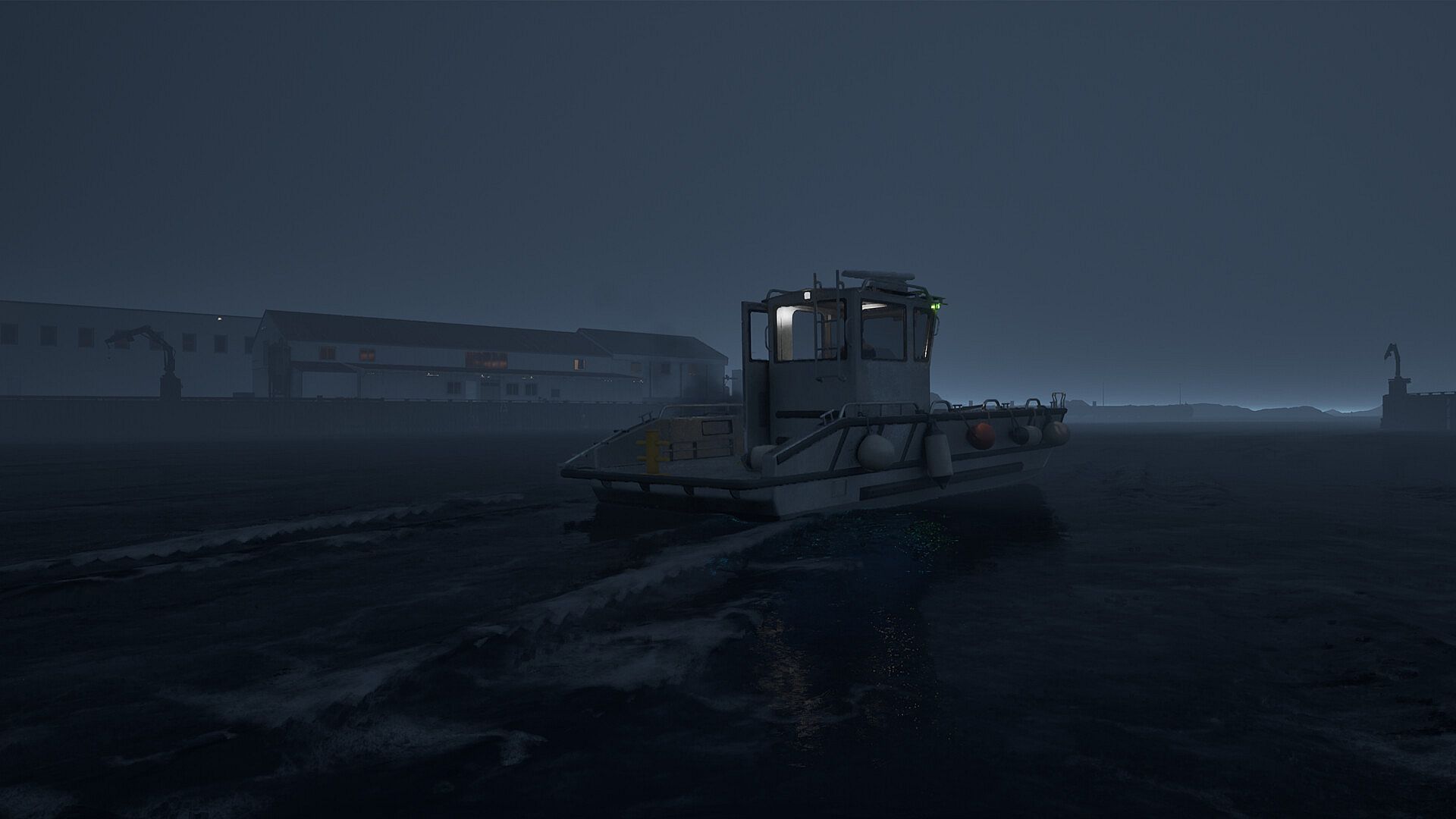
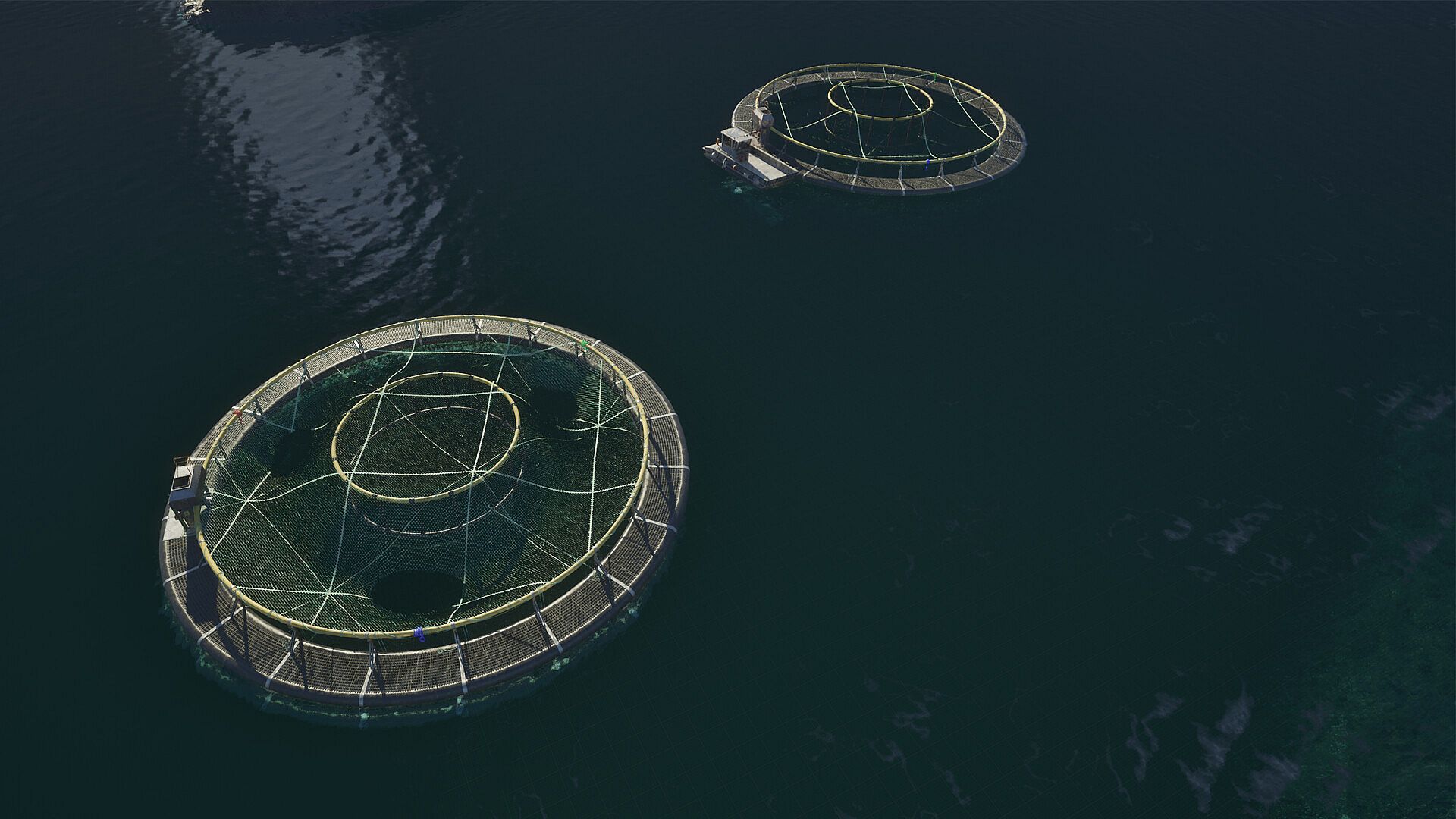
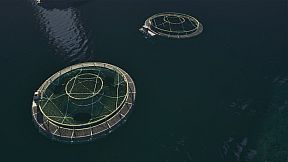
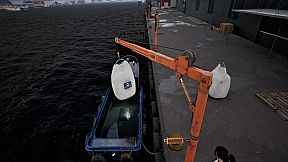
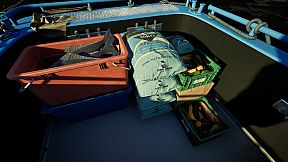
Commercial fishing involves jigging, longline, and net methods to target species such as halibut, salmon, and spotted catfish, with catches processed and sold based on market conditions. Cargo transport requires efficient stacking and placement of goods, while service operations focus on infrastructure maintenance and support for other vessels. A physically based buoyancy system combined with Nvidia WaveWorks technology governs how ships of varying sizes respond to waves and sea states. Dynamic weather introduces rain, fog, storms, and lightning that affect visibility and handling, with options to adjust conditions in a session.
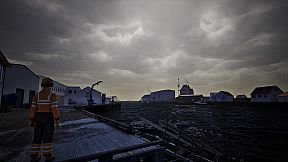
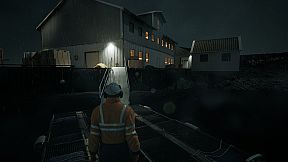
Character customization allows selection of clothing and gear suited to chosen career paths. Vessels can be modified for performance and appearance, and boat class certificates unlock access to advanced models. The game runs on Unreal Engine 5 and supports performance features including Nvidia DLSS Frame Generation, AMD FSR 3 and 4 upscaling, and Intel XeSS.
Game Modes
Single-player mode lets individuals explore the full map and pursue careers independently. Online co-op supports multiplayer sessions where players join a company to share resources and coordinate tasks, either operating on the same vessel or managing separate ships in the shared world. Players can also form competing companies within the same session to vie for success in a persistent maritime environment. Dedicated servers extend this to larger groups, enabling up to 16 participants in one world.
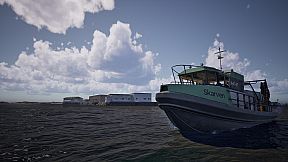
Progression ties into vessel classes, with current access to 13 playable boats and ships spanning the first three classes and the initial Class 4 offshore wind farm support vessel. Future updates will add further Class 4 content such as ferry operations and expanded fishing types before reaching Class 5 vessels.
Multiplayer and Progression Systems
The company feature forms the backbone of group play, allowing friends to collaborate on missions while maintaining individual vessel control or pooling efforts on shared operations. Independent play remains viable in the same session, creating opportunities for both cooperation and competition without forcing direct interaction. Skill progression and vessel unlocks reward consistent activity across fishing, transport, and service roles.
Recent updates have introduced dedicated server support, stability improvements, and new missions tied to offshore operations. The development team continues to refine multiplayer functionality, animations, and core systems based on player input throughout the Early Access period.
Is It Worth Playing?
Ships At Sea suits players who enjoy methodical simulation experiences focused on realistic vessel operation and career building in a maritime setting. Recent user reviews rate the game Very Positive, with 96 percent positive feedback from the most recent 52 reviews. Overall reviews sit at Mixed, reflecting the ongoing nature of Early Access development since the May 2024 launch.
Active patches continue to expand content, including the recent addition of Class 4 vessels and dedicated servers. Those comfortable with iterative updates and a deliberate pace will find value in the detailed ship handling and open-world exploration. Players seeking a complete, polished experience may prefer to wait for the planned full release in 2026, which will include additional vessel classes and industries.