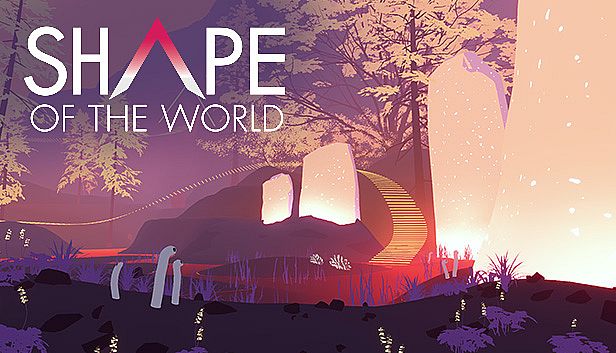





















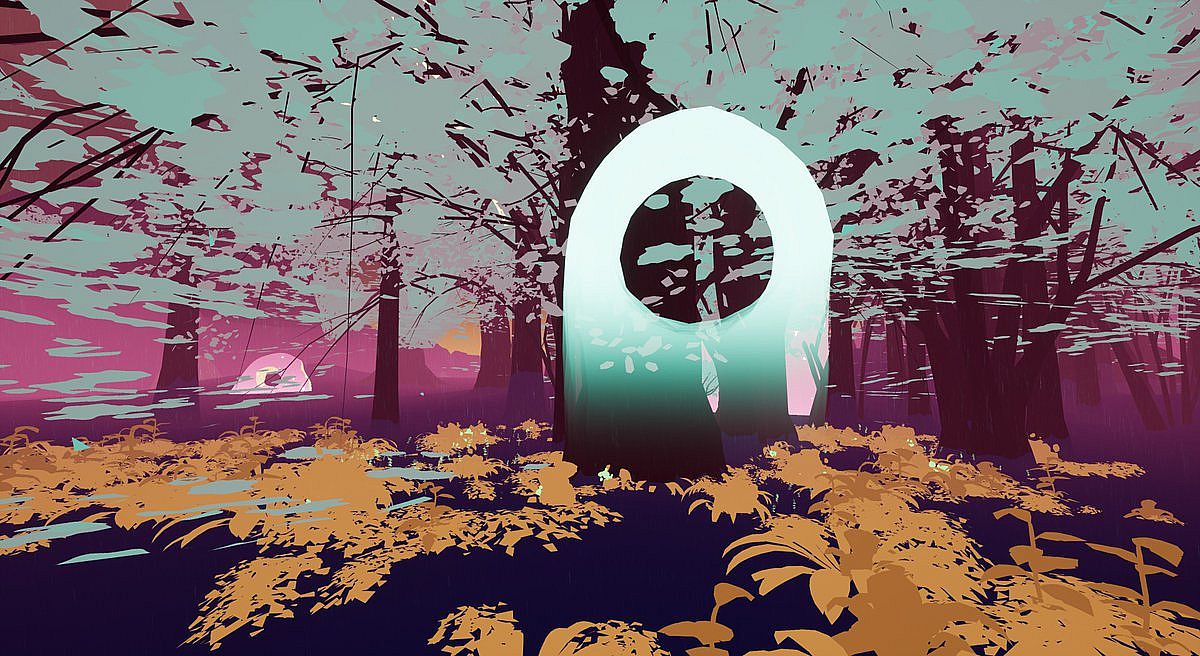
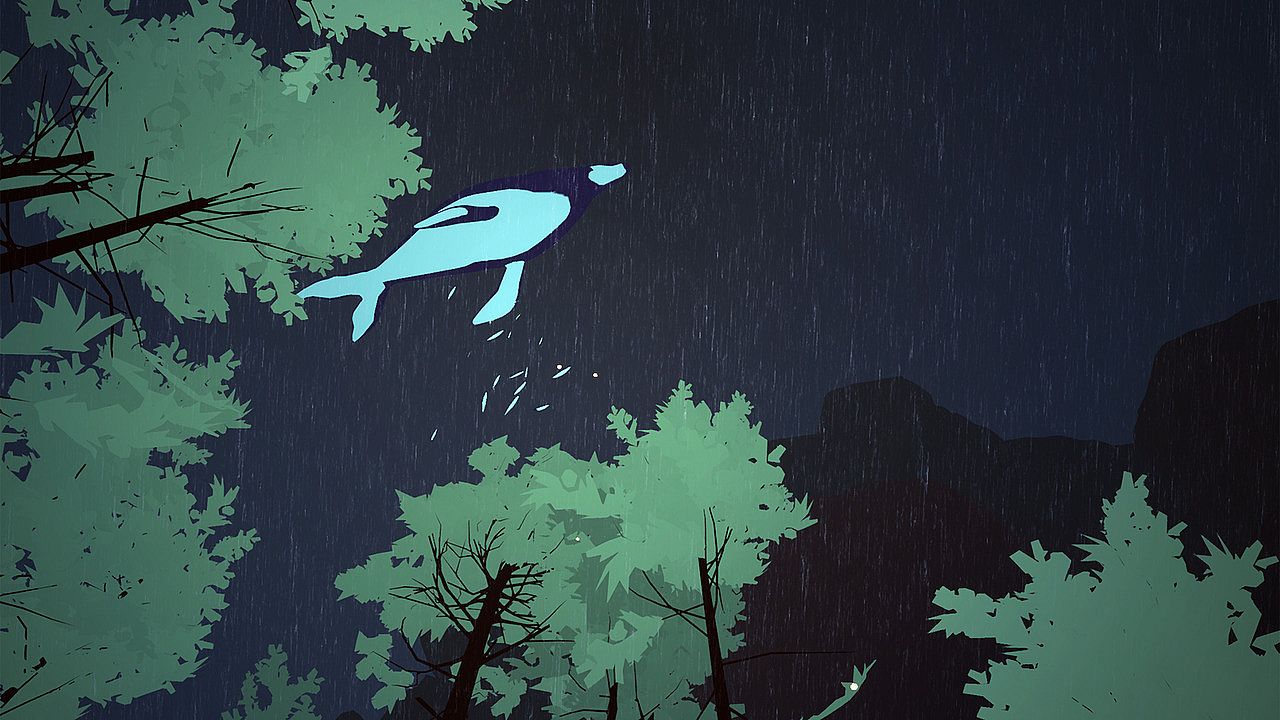
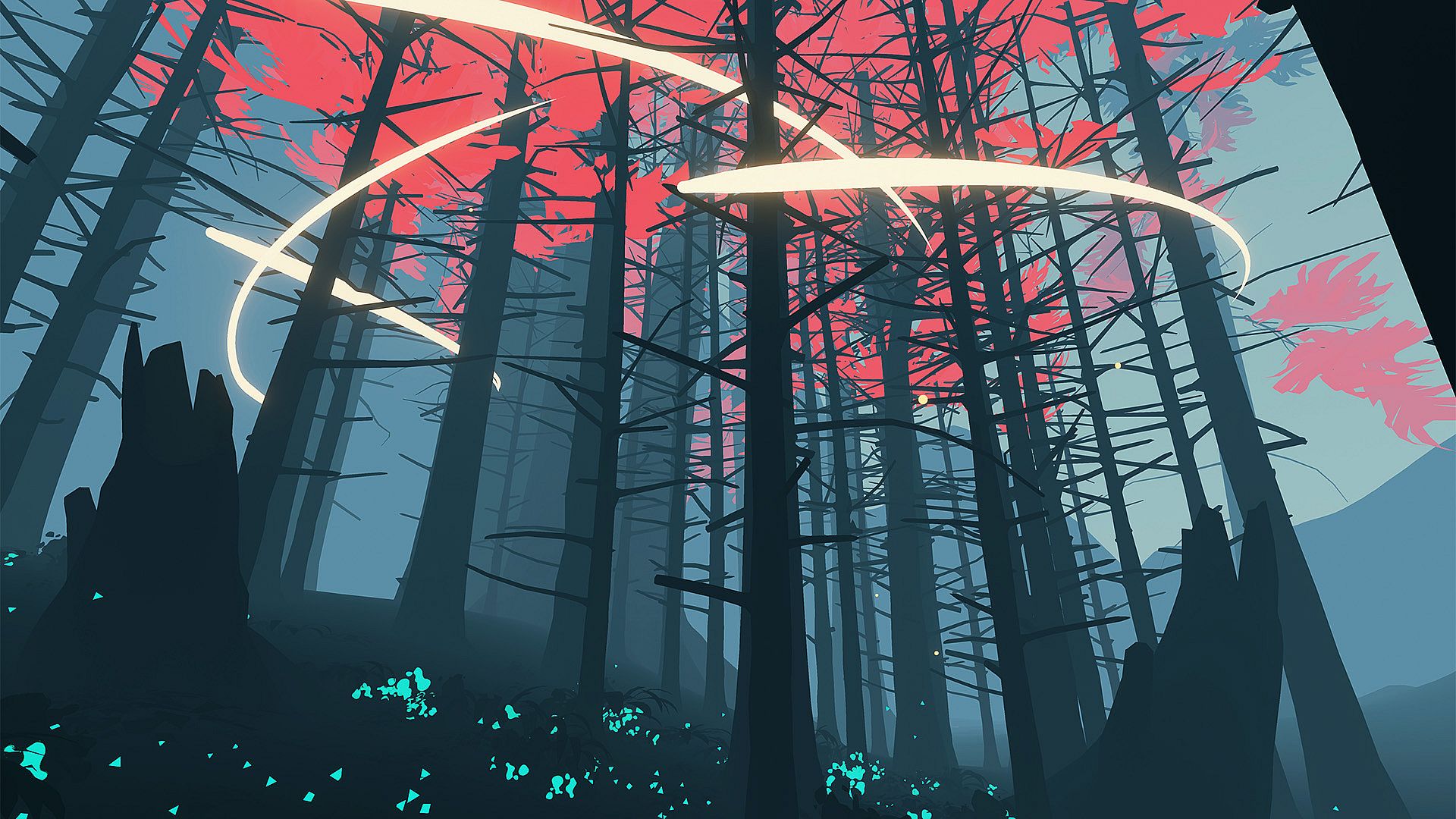
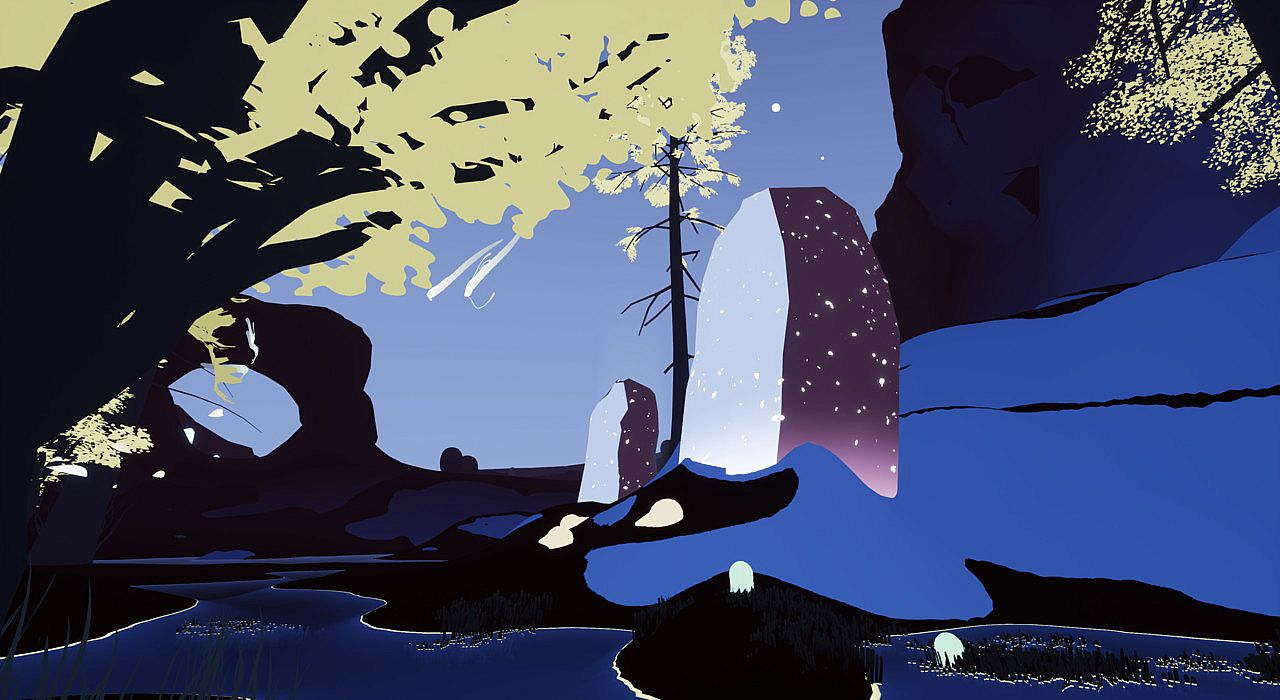
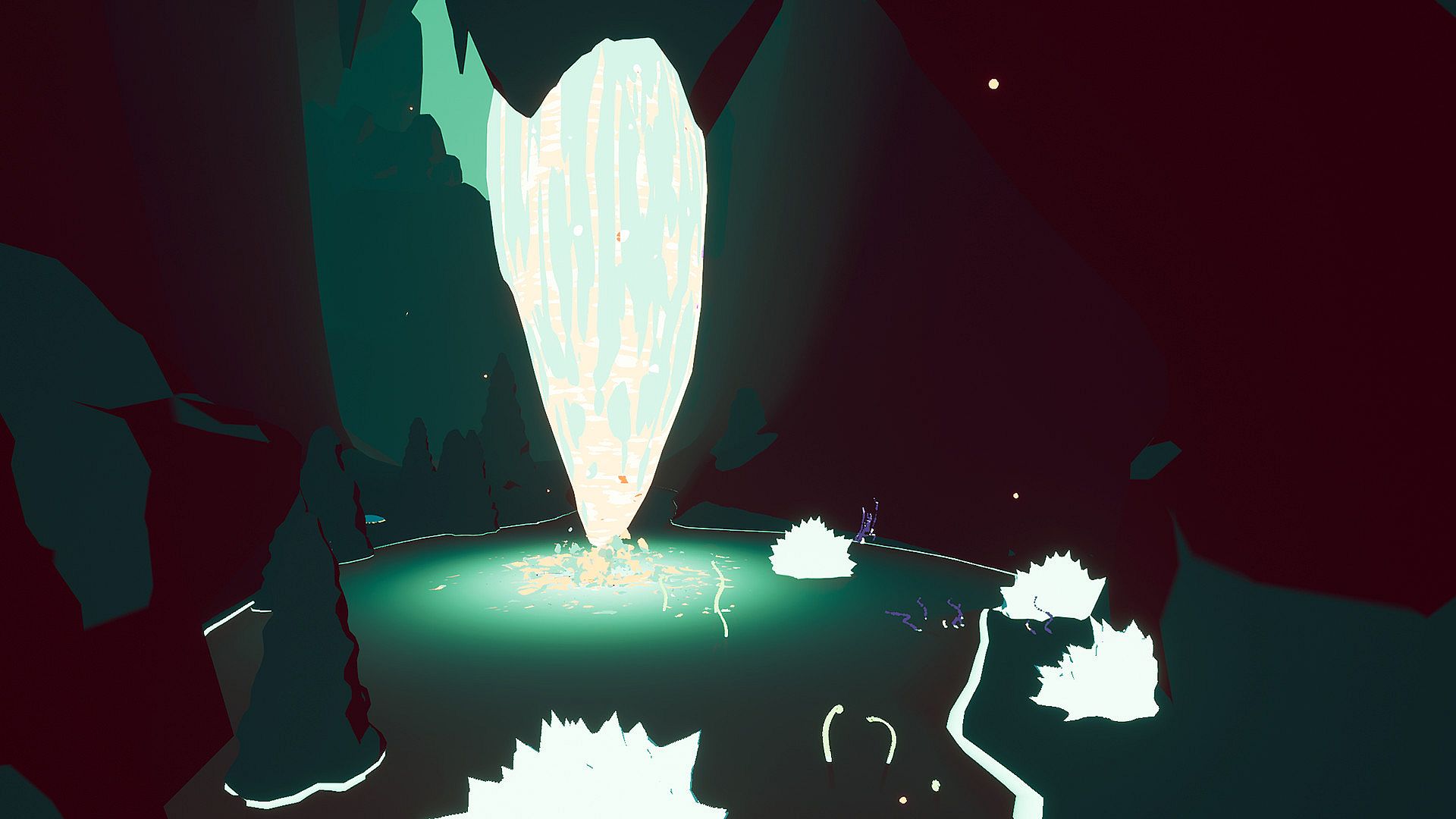
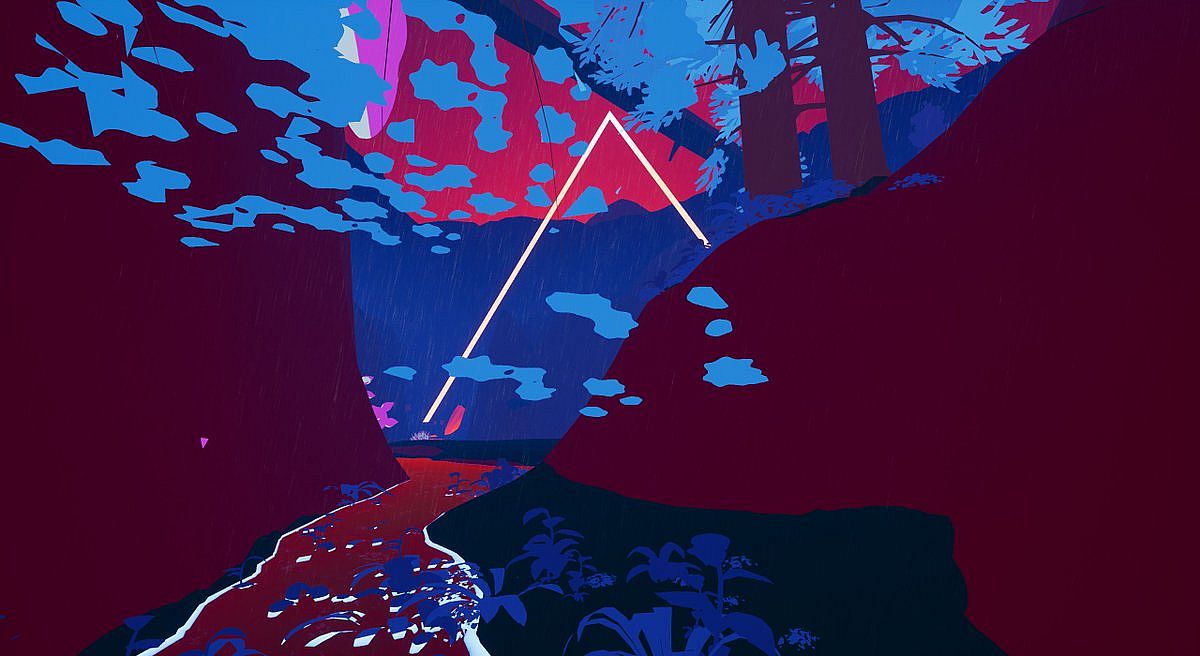
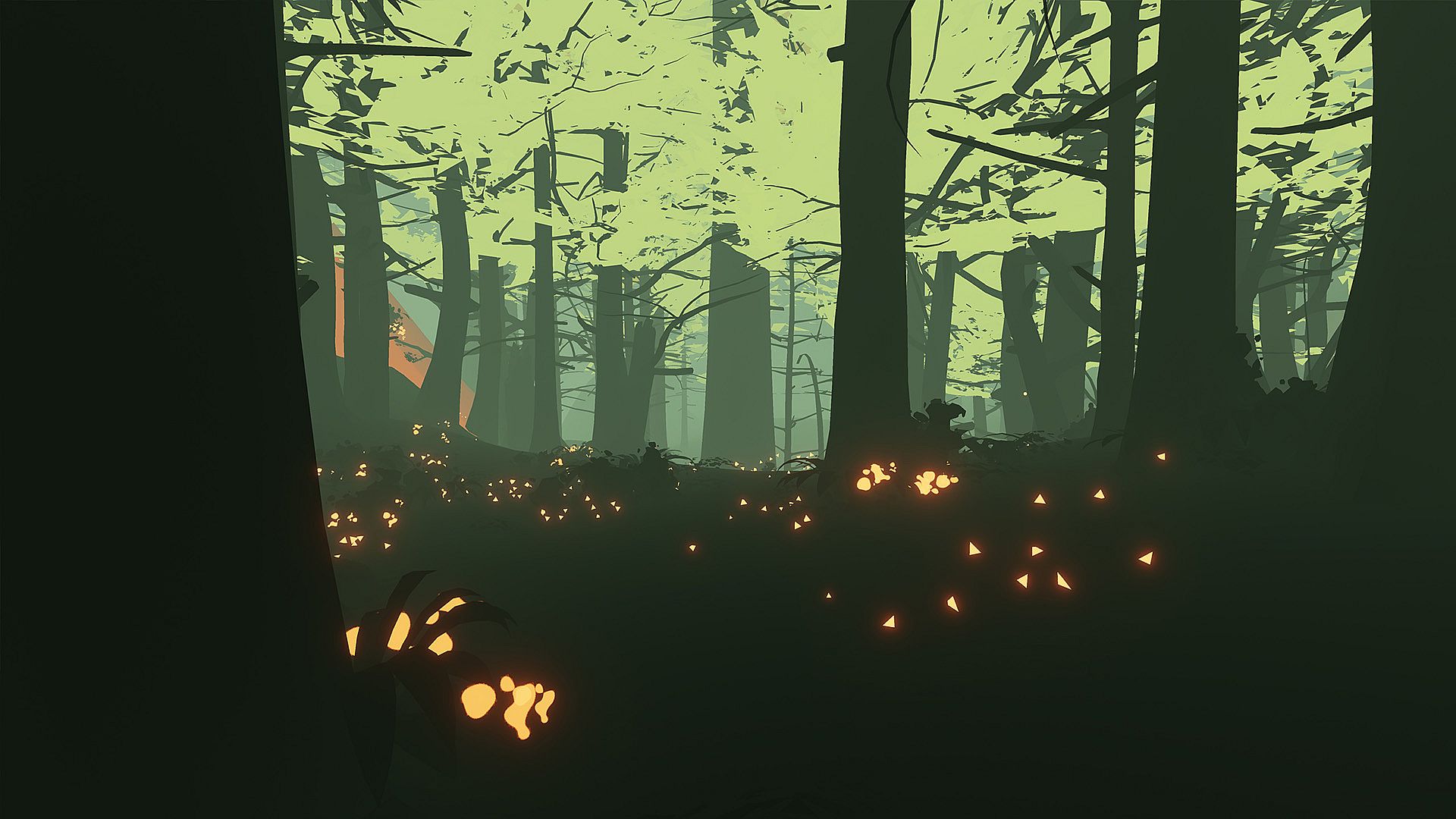
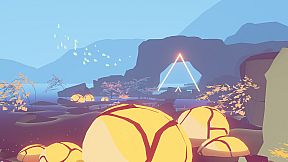
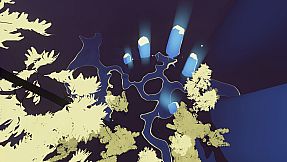
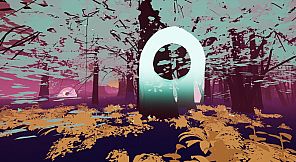
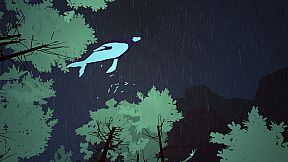
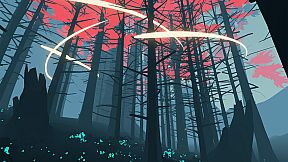
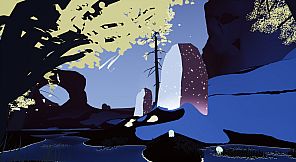
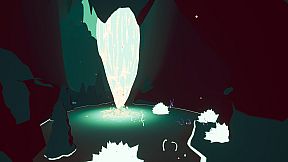
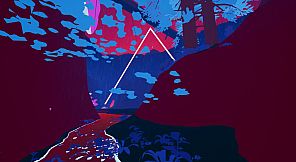
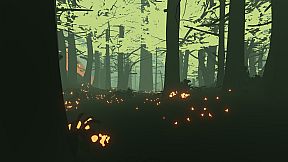
Shape of the World is a first-person exploration game developed as an indie casual title for PC. Players move through surreal landscapes where the environment builds itself in response to movement, creating forests, caves, and shores filled with colorful plants and creatures. The experience lasts between one and three hours and centers on quiet wandering without timers, enemies, or objectives beyond personal discovery.
Gameplay
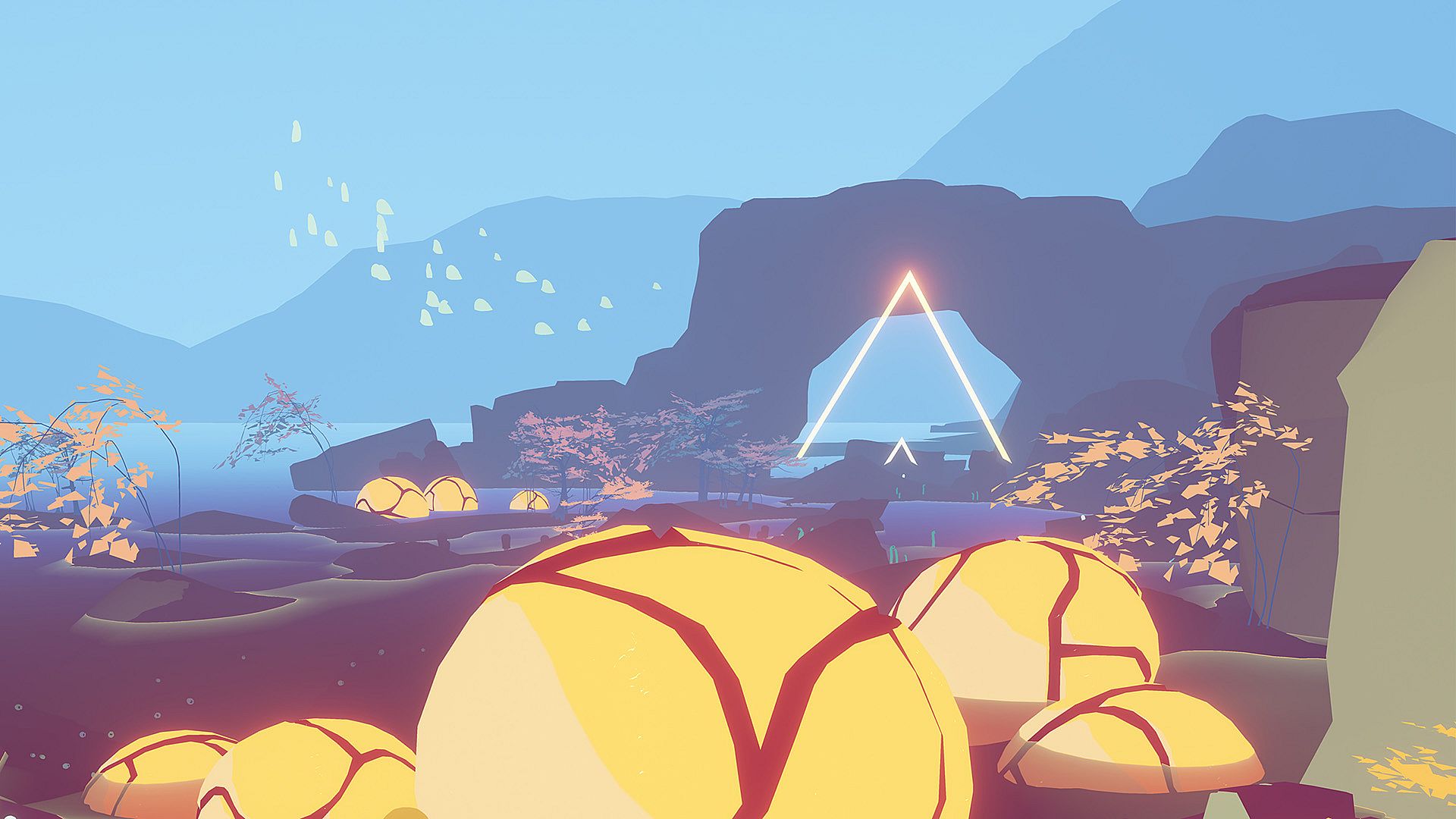
The core loop involves advancing through an initially sparse space that populates as the player approaches. Flora emerges in vibrant patterns, animals appear and react to proximity, and monoliths stand as fixed points of interest. Each step forward triggers new growth, and retracing a path often reveals altered arrangements because the procedural system regenerates elements differently on subsequent passes.
Interactions remain simple and observational. Touching or moving near certain plants and creatures produces immediate visual changes, such as blooming or shifting colors, while monoliths may influence nearby growth patterns. The absence of combat or resource management keeps the focus entirely on observation and gentle experimentation with the living surroundings.
Movement occurs at whatever speed the player chooses. There are no hazards, fall damage, or restricted areas, allowing free roaming across dream-like terrain that includes dense woods, underwater passages, and open shores. The world remains responsive throughout, with new details appearing only when the player draws near.
Game Modes
Shape of the World offers a single continuous exploration experience without separate modes or difficulty settings. The entire session functions as one uninterrupted journey through the growing ecosystem, designed for solo play on PC. Players control the pace entirely, deciding when to linger near interesting formations or move toward distant landmarks that appear on the horizon.
No competitive or cooperative elements exist. The game does not track scores, achievements tied to specific challenges, or branching story paths. Every playthrough follows the same fundamental structure of forward progress and environmental response, though the exact placement of plants, animals, and terrain features varies due to procedural generation.
Visuals, Audio, and Atmosphere
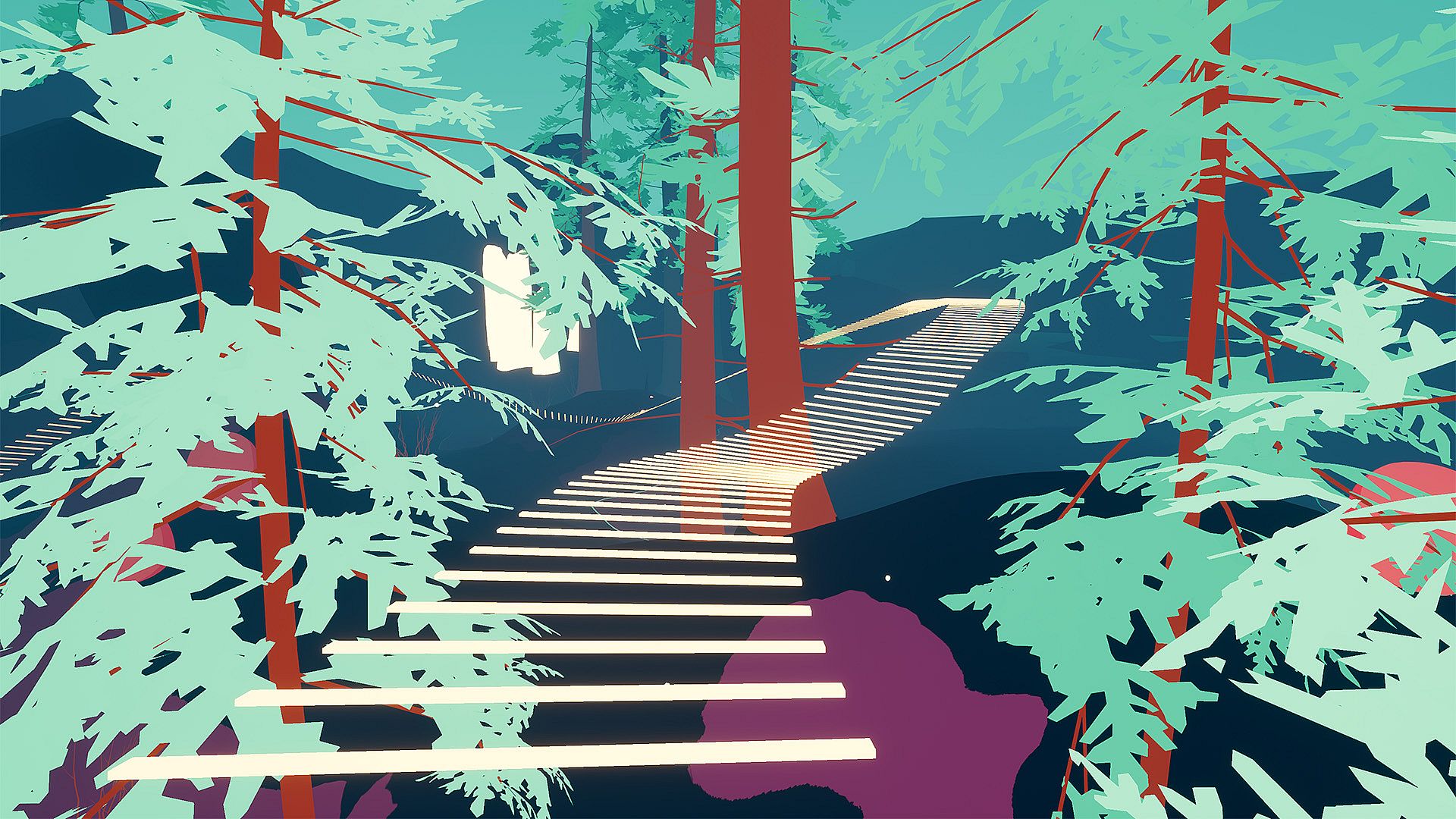
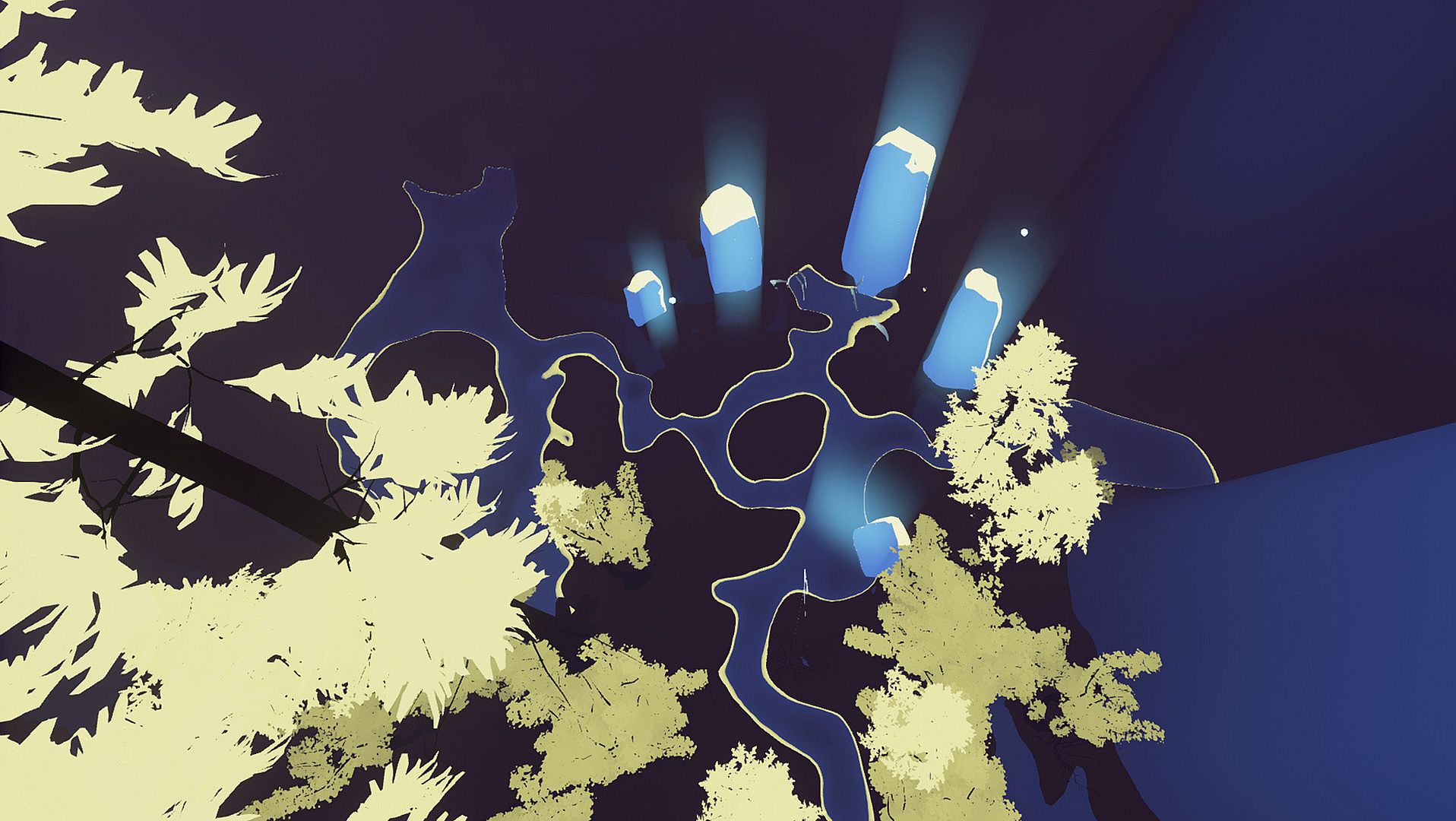
The art style uses bold, blocky colors and minimalist geometry to create a psychedelic yet calming aesthetic. Bright flora contrasts with softer earth tones, while creatures feature simple yet expressive designs that emphasize movement over detail. Lighting effects such as bloom and glow enhance the sense of an organic, living space that shifts with each new discovery.
Sound design pairs with the visuals through a responsive soundtrack. Music and ambient effects change based on location and recent actions, producing an enveloping layer that matches the evolving scenery. Footsteps, creature calls, and environmental tones contribute to the overall sense of immersion without overpowering the quiet tone.
The short length supports repeated short sessions. Because the procedural system creates fresh arrangements each time, returning to previously explored areas often feels distinct, encouraging players to notice subtle differences in growth patterns or creature behavior.
Is It Worth Playing?
Shape of the World suits players seeking a brief, low-pressure escape focused on exploration and contemplation. Its strength lies in the consistent environmental reactivity and the freedom to move at any pace through colorful, ever-changing spaces. Those who enjoy short walking experiences without narrative pressure or mechanical complexity will find the one-to-three-hour duration well matched to its goals.
The game appeals most to individuals looking for a relaxing single-player activity on PC that emphasizes observation over progression systems. Its indie casual nature means it avoids the complexity found in larger titles, delivering instead a focused session of gentle discovery. Players who value atmospheric consistency and procedural variety over extended campaigns or multiplayer features will likely appreciate the contained experience.
Reception highlights the soothing qualities of the visuals and audio for short play sessions, while noting that the lack of deeper systems may limit long-term engagement. For anyone wanting an accessible, self-contained exploration title that can be completed in an afternoon, the game provides a clear match to that preference.